
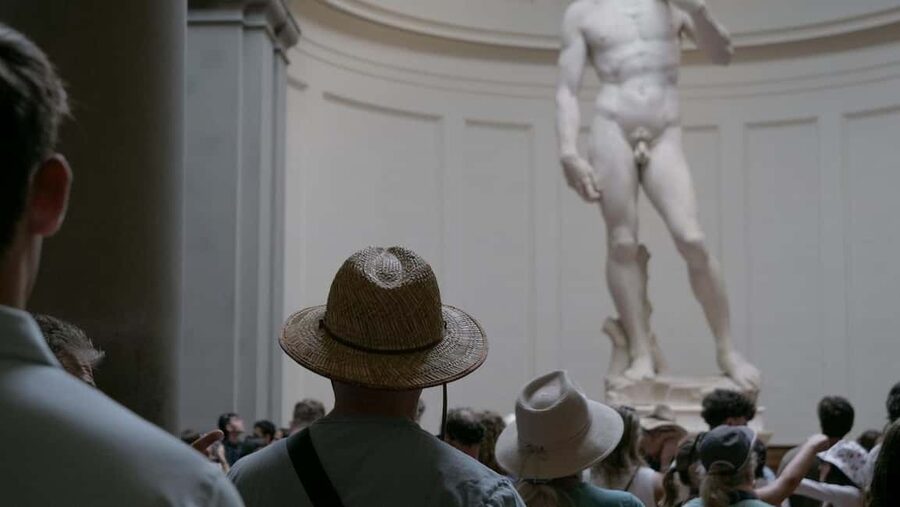
REVIEW · ITALY
Florence: Private Walking Tour w/ Accademia & Uffizi Entry
Michelangelo’s David and Botticelli’s Birth of Venus are the obvious stars here, but the real pleasure is seeing how Florence’s art, money, politics, and faith fit together. A private guide leads you from the Uffizi to the Accademia, then through the city’s grand squares, churches, and merchant streets.
I like the private format, which gives you room to ask questions and set the pace, and I like the way the tour pairs famous masterpieces with places such as Orsanmichele and the Ospedale degli Innocenti. The main drawback is the length: seven hours on foot, with two major museums, can feel demanding if you prefer a slower or more focused visit.
- Two major museum entries: Guided visits to the Uffizi and Accademia include reserved access through an express security check.
- A private guide: English and Italian tours let you ask detailed questions about art, architecture, and Florence’s ruling families.
- The major David experience: See Michelangelo’s famous statue at the Accademia rather than settling for a quick outside view.
- Florence beyond the paintings: Visit Orsanmichele, Palazzo Davanzati, the Duomo area, Santa Croce, and the political center at Palazzo Vecchio.
- A full city crossing: The route ends at Ponte Vecchio after moving between Florence’s religious, civic, artistic, and commercial quarters.
- A built-in café break: The one-hour pause gives your feet a rest before the Accademia portion of the day.
A full day of Florence, from Medici power to Michelangelo
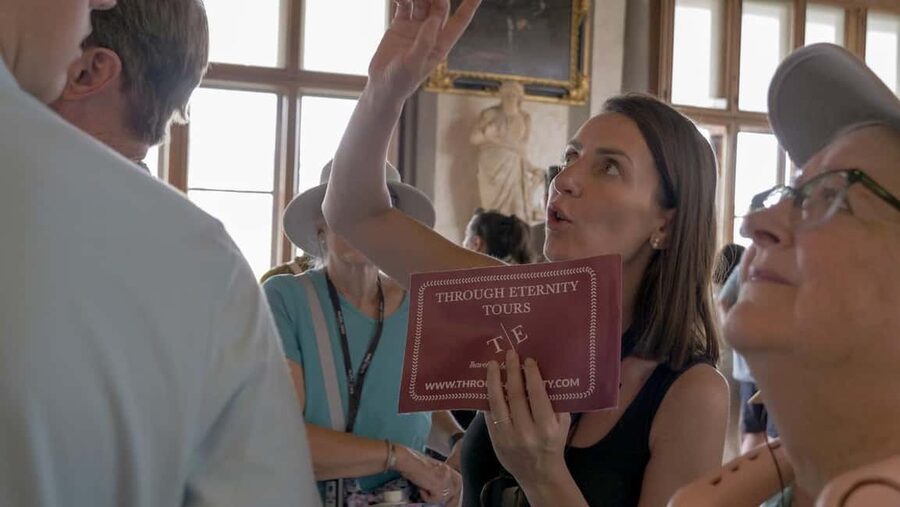
This is not a quick greatest-hits walk. It is a long, private introduction to Florence that links the city’s art with the people who paid for it, governed it, and sometimes fought over it.
You meet your guide at the equestrian statue of Cosimo I de’ Medici in Piazza della Signoria. Look for the Through Eternity sign or flag. This is a useful meeting point because the square sits beside the Uffizi and Palazzo Vecchio, right in the middle of Florence’s civic center.
The tour covers about seven hours, with extensive walking and museum time. I would plan it for an early or middle day of your Florence stay, when you still have the energy to absorb a lot of new information. Afterward, you will know the city’s central landmarks far better, but you may want a quiet evening.
The Uffizi: Botticelli, Leonardo, and the birth of a new art
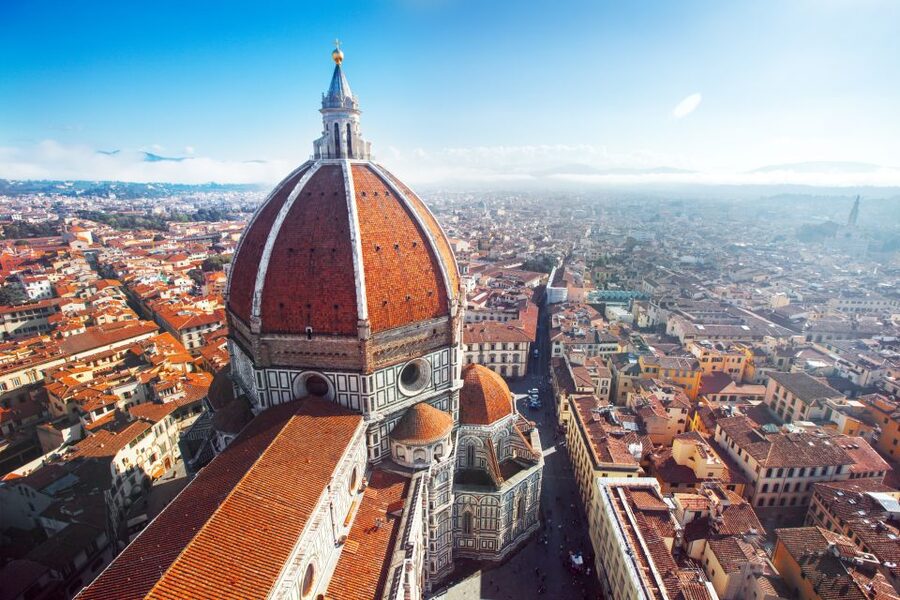
The Uffizi gets the first major museum slot, and that is a smart choice. The gallery contains one of the world’s finest collections of Renaissance art, with works by Giotto, Botticelli, Leonardo da Vinci, Raphael, Michelangelo, and Caravaggio.
A guide changes the experience here. The Uffizi can feel like a sequence of famous names and crowded rooms if you walk through without a plan. Your guide can explain how painting changed from the formal, spiritual style of earlier works toward more natural figures, convincing space, and stronger interest in the human body.
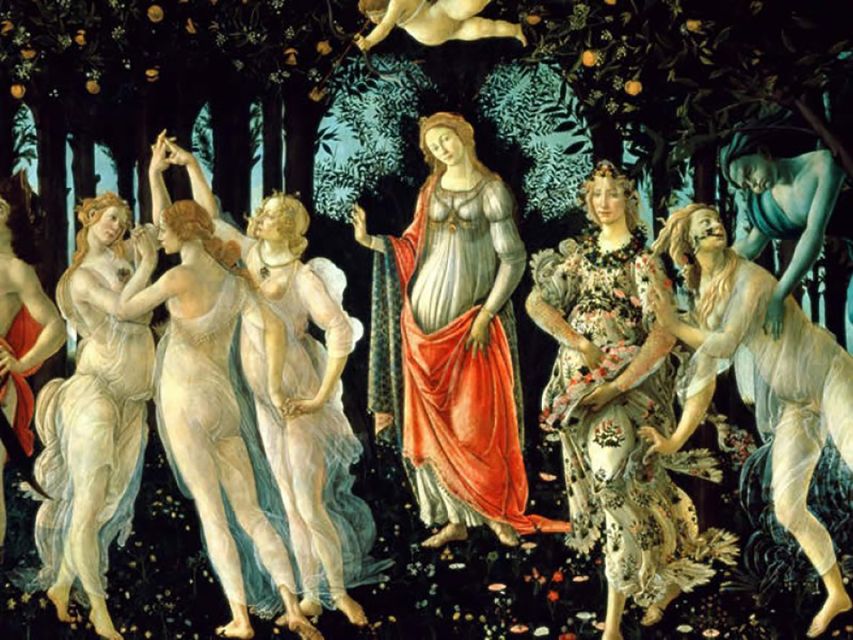
You can expect attention on Botticelli’s Birth of Venus, one of Florence’s most recognizable paintings. It is easy to admire the image and move on, but the story becomes more interesting when you consider the Medici circle, the painting’s classical subject, and the cultural world that allowed such work to be made and displayed.
Leonardo, Raphael, and Michelangelo provide a different set of comparisons. I like this part of the tour because you are not simply told that each artist was great. You can look at how they handled faces, movement, light, and emotional expression. Caravaggio then brings a sharp change in mood, with powerful contrast and dramatic figures.
The Uffizi visit lasts about two hours. That is enough time for a guided survey, but not enough to see every room at a leisurely pace. If you already know you want to spend half a day studying individual paintings, this tour will feel too brisk. If you want a clear introduction to the collection, the private guide is especially useful.
More ways to see the David:
- Florence Accademia Gallery Tour with Entrance Ticket Included
★ 4.5 · 6,148 reviews - Florence: Accademia Gallery Guided Tour
★ 4.6 · 4,156 reviews - Uffizi & Accademia Timed Entry: Small Group Duomo Walking Tour
★ 4.5 · 3,630 reviews
Ponte Vecchio and the commercial life of Florence
From the Uffizi, the route moves toward Ponte Vecchio. The bridge gives you a different view of the city, looking past its famous shops toward the Arno River and the buildings along the water.
The walk also helps explain Florence as a place of trade. The city’s wealth did not appear only through paintings and palaces. Guilds, merchants, banking families, and skilled craftspeople helped pay for its churches and public works.
Ponte Vecchio is one of the most photographed places in Florence, so it can be crowded. Still, the bridge works well as part of a longer route because your guide can place it in the city’s commercial story rather than treating it as a picture stop. Take a moment to look down at the water and back toward the riverbanks. The view is most rewarding when you are not rushing across.
Piazza della Repubblica and the city’s changing center
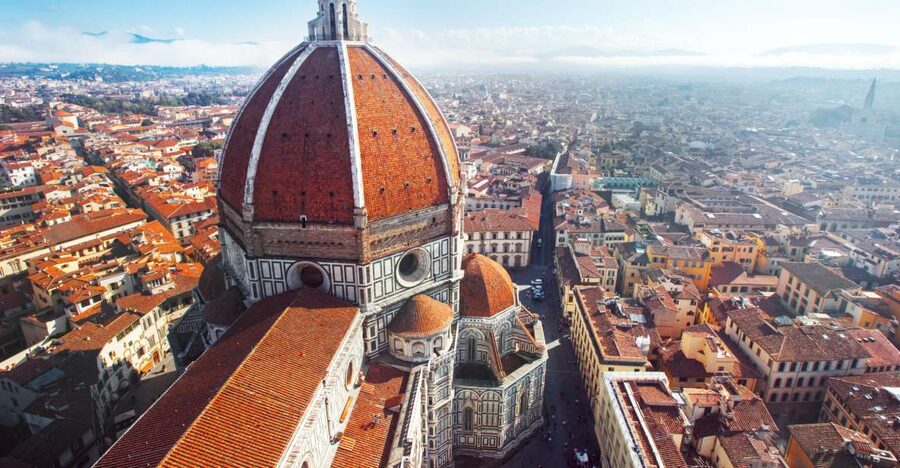
The walk continues through Piazza della Repubblica, one of Florence’s broadest central squares. Its open space feels different from the tight medieval streets nearby.
Here, the guide can help you understand that Florence has changed over time. The square reflects later urban alterations, while nearby streets preserve the shape of the older city. That contrast matters because Florence is not one untouched Renaissance set piece. It is a working city built in layers.
I appreciate this kind of stop on a private tour. You do not need a long lecture in the square. A short explanation can give you a better sense of why Florence looks the way it does and why some areas feel grand and spacious while others feel narrow and enclosed.
Brunelleschi’s Duomo and Ghiberti’s Baptistery
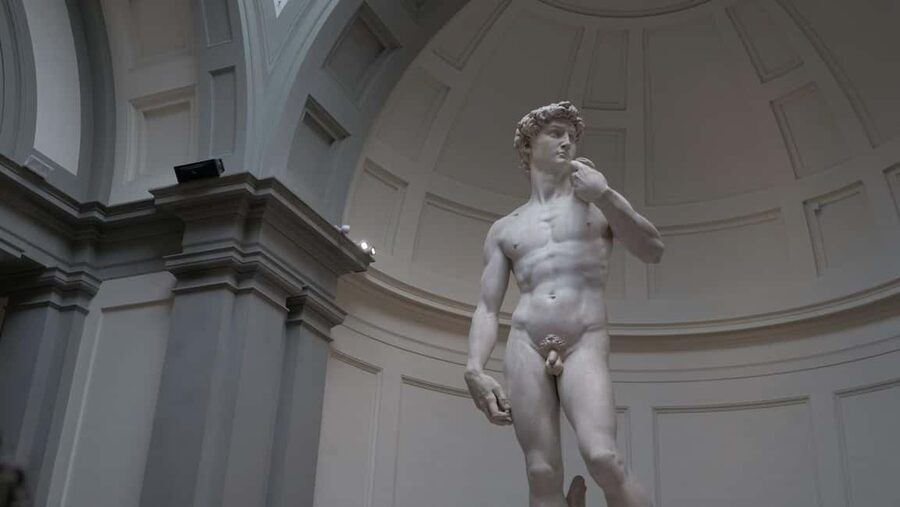
The Duomo dominates Florence’s skyline, and the tour gives you time to consider the work of Filippo Brunelleschi and Lorenzo Ghiberti.
Brunelleschi’s dome is not just a beautiful roof. It represents an enormous building challenge and the fierce personality of the architect who solved it. Your guide explains how the cathedral was constructed and why the dome became such a strong symbol of Florentine ambition.
Do not expect this portion to be a climb of the dome. The supplied plan describes a guided look at Brunelleschi’s Dome and the Duomo area, not a dome-climbing ticket. That distinction matters if climbing is your main goal.
The Baptistery adds another important piece. Ghiberti’s bronze doors are tied to Florence’s artistic competition and civic pride. Even from outside, the building helps show how religious spaces also served as public statements of wealth and skill.
The itinerary allows about 30 minutes around the dome and another 30 minutes at the Baptistery. That is enough for context and close looking, but not an exhaustive cathedral visit. If you want to see every interior detail, check exactly what your booking includes before you go.
More Uffizi tours and tickets:
- Florence: Skip-The-Line Uffizi Gallery Timed Entry Ticket
★ 4.5 · 27,832 reviews - Florence: Uffizi Priority Ticket & Masterpieces Audio App
★ 4.2 · 6,402 reviews - Uffizi Gallery: Renaissance Masterpieces Guided Tour
★ 4.6 · 6,070 reviews - Uffizi Gallery Small Group Tour with Guide
★ 4.5 · 4,923 reviews
Orsanmichele and Palazzo Davanzati: Florence at street level
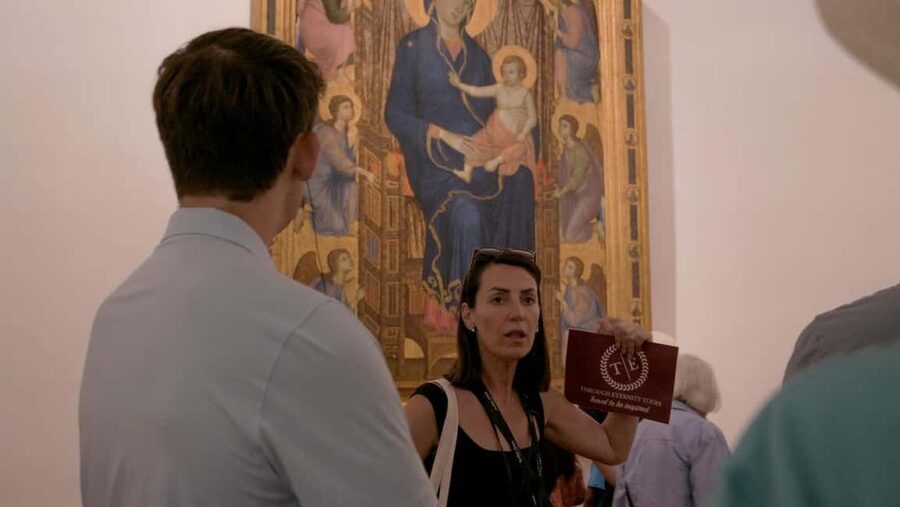
Some of the most useful stops are not the grandest ones. Orsanmichele began as a granary, later served as a market, and eventually became a church. Its unusual past gives you a window into how practical buildings could take on religious and civic roles.
This is the kind of detail I value in a city tour. It moves you away from the simple story of artists and princes and toward the daily systems that kept Florence running.
Nearby Palazzo Davanzati offers another useful contrast. This carefully decorated merchant palace helps you picture how powerful business families lived behind their impressive public fronts. You see Florence not only as a city of churches and state buildings, but also as a city of private homes, family status, and commercial success.
The tour also passes the exterior of the Ospedale degli Innocenti, designed by Brunelleschi. It is described as the world’s first orphanage, and its purpose gives the architecture an especially moving human side. The building is linked to care for abandoned children, not just to the artistic reputation of its designer.
Piazza della Signoria and Palazzo Vecchio
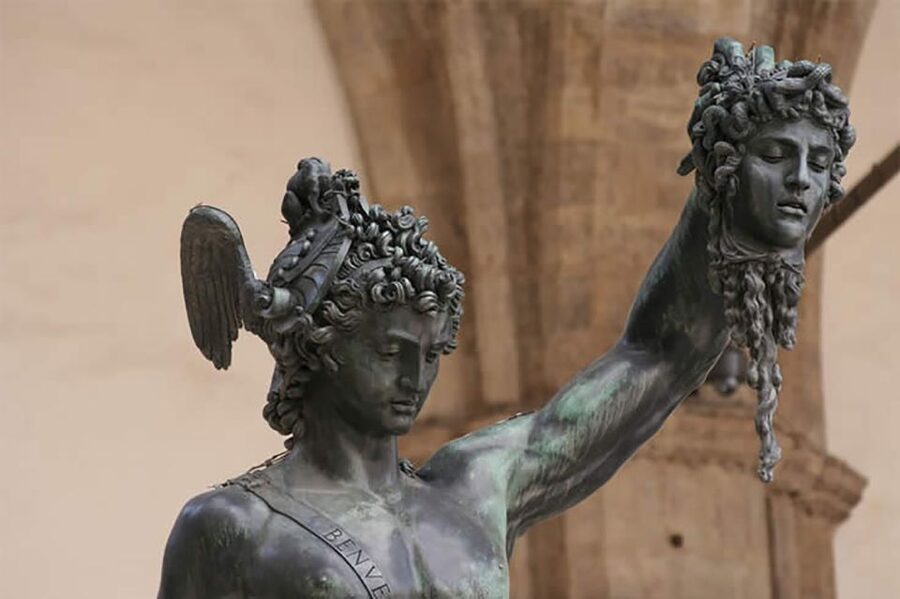
Piazza della Signoria was the political heart of Renaissance Florence. It remains one of the city’s most powerful public spaces, filled with sculpture, government buildings, and reminders of struggles for control.
The visit to Palazzo Vecchio brings the political story indoors. You can explore its chambers and corridors while learning about power and corruption in Florence. This is where the tour’s art history becomes social history. The paintings and grand rooms were not decoration alone. They helped present authority, wealth, and the right to rule.
I like this stop because it gives context to the Medici story. Florence’s ruling families did not simply commission beautiful work out of personal taste. Art helped shape public opinion and reinforce political messages.
The square can be busy, and the building is large. A guide helps you avoid getting lost in rooms without understanding why they matter. The private format also lets you ask about details that catch your eye instead of following a fixed group script.
Santa Croce and the people behind the legends
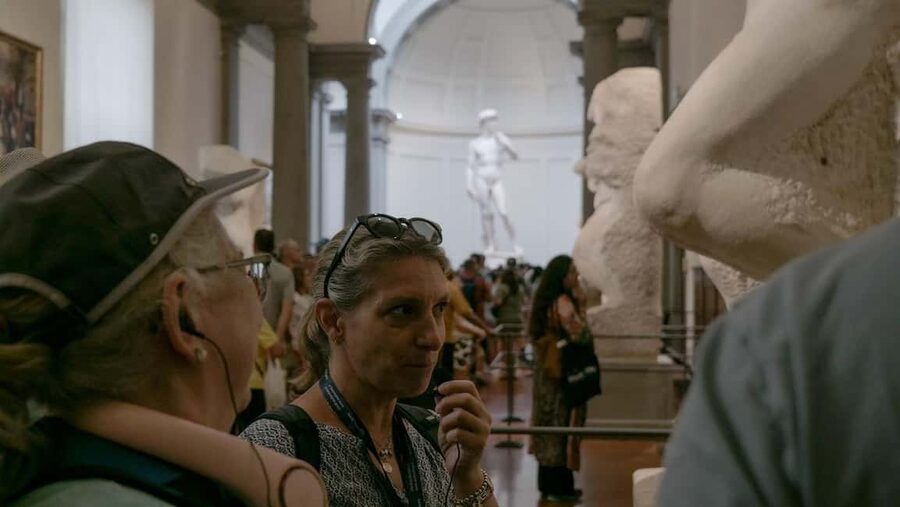
Santa Croce brings a quieter, more reflective note to the day. The basilica contains the tombs of Dante and Michelangelo, linking literature and sculpture in one remarkable setting.
A visit here can easily become a list of famous names, so listen for the human details behind them. Dante’s place in Florence is complicated by his exile, while Michelangelo’s tomb reflects the honor later given to an artist who had transformed the city’s idea of genius.
The church also helps you see how Florence honored its cultural heroes. This is not just a stop for church decoration. It is a place where the city built a memory of itself through the people it chose to praise.
Because the tour already includes the Uffizi, Accademia, Duomo area, and Palazzo Vecchio, Santa Croce may feel like one more major sight in a very full day. I would keep your expectations focused: appreciate the tombs and the setting, then save a longer visit for another time if you want to study the basilica closely.
A café break before Michelangelo’s David
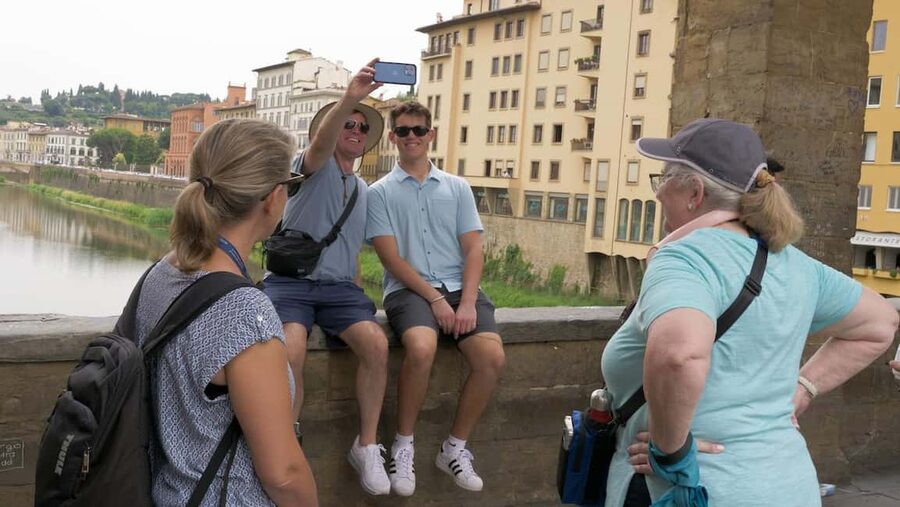
A one-hour break at a local café comes before the Accademia. This pause is welcome. You have already walked through central Florence and spent serious time in the Uffizi, so a sit-down meal or drink gives you a chance to recover.
The food and drink are not specified, so do not book this expecting a formal meal or a particular tasting. Think of it as useful breathing room built into a packed schedule.
I would use the break to drink water, eat something simple, and check your footwear. Comfortable shoes are essential for this experience. Large bags and luggage are not allowed in the museum portions, so carry only what you need.
Accademia Gallery and Michelangelo’s David
The Accademia is the final major museum visit, and Michelangelo’s David is the reason most people are eager to enter. Seeing the original in person gives you a much better sense of its scale, surface, and physical presence than any photograph can provide.
Your guide can explain the statue’s place in Florence and point out details that are easy to miss when you are focused only on the face. The work represents more than technical skill. It became tied to Florence’s civic identity and its image of strength under pressure.
The Accademia visit lasts about one hour. That is enough for David and a guided look at the main collection, but not a long, quiet museum session. If you are passionate about Michelangelo, you may want to return on your own later, assuming ticket availability.
Reserved entry through an express security check is a major practical benefit. Florence’s museums can consume valuable time, and a private tour with entry arranged helps keep the day moving. Keep in mind that on the first Sunday of each month, admission is free but advance reservations are not available, so entry is not guaranteed.
Ending at Ponte Vecchio
The day finishes back at Ponte Vecchio. Ending beside the Arno gives the tour a pleasant change of pace after the formal interiors and crowded museum rooms.
You can look back at the route as a connected story: merchant wealth funded art, political power shaped public buildings, religious institutions cared for the vulnerable, and artists gave Florence a lasting public image. That connection is the tour’s main strength.
The finish is also convenient if you want to continue exploring central Florence on foot. The tour does not provide transportation between stops, so expect to walk throughout. A 15-minute walking segment is listed between the café and Accademia, with other walks linking the central sights.
Who will get the most from this private Florence tour?
I would choose this experience if you have one full day for Florence and want a guide to organize the major sights into a clear story. It suits first-time visitors who want both museum access and city context, as well as couples or families who prefer a private pace over a large group.
It is also a good choice if you care about asking questions. A private guide can spend more time on Botticelli, Brunelleschi, Medici politics, or Michelangelo, depending on your interests. Emily is one guide associated with this experience, and the strongest praise connected with her focuses on clear explanations of art and architecture.
I would hesitate if you dislike long museum visits, have mobility concerns that make seven hours of walking difficult, or want a relaxed day with plenty of unplanned time. The tour is listed as wheelchair accessible, but you should tell the provider about mobility needs in advance because the route includes museums, streets, squares, and extended walking.
The price is not provided here, so I cannot call it a bargain based on a specific figure. The value comes from the combination of private guiding, two major museum entries, reserved access, and a full city route. If you would otherwise book separate museum tickets and a city walk, this format may save planning time and give the sights more meaning. If you only want David or the Uffizi, a shorter single-site tour will likely suit you better.
Practical details before you reserve
Wear comfortable shoes and bring water. Shoulders and knees must be covered inside the religious sites, or entry may be refused.
The tour is available in English or Italian and is designed for a private group. It lasts seven hours, with starting times based on availability. The meeting point is the equestrian statue of Cosimo I de’ Medici, at coordinates 43.76980209350586, 11.25605297088623.
You can cancel up to 24 hours ahead for a full refund, and the reserve-now, pay-later option keeps your plans flexible. Those terms are useful for a Florence visit where weather, train delays, or changing museum plans can affect your schedule.
Should you book this Florence walking tour?
Book it if you want Florence explained as a living city rather than a row of famous artworks. The Uffizi and David provide the big attractions, while Orsanmichele, the Ospedale degli Innocenti, Palazzo Davanzati, Santa Croce, and Palazzo Vecchio give the day more depth.
Skip it if you want a short, easy outing or a museum-only experience. Seven hours is a serious commitment, but for a first visit, the private guide, reserved museum access, and clear route can make Florence far easier to understand.
FAQ
How long does the private Florence tour last?
The tour lasts seven hours, including museum visits, walking between landmarks, and a one-hour café break.
Where does the tour begin?
Your guide meets you at the equestrian statue of Cosimo I de’ Medici in Piazza della Signoria. Look for a Through Eternity sign or flag.
Where does the tour finish?
The tour finishes at Ponte Vecchio.
Which museums are included?
The tour includes guided entry to the Uffizi Gallery and the Accademia Gallery, where you can see Michelangelo’s David.
Is museum entry skip-the-line?
The activity includes an express security check for reserved entry.
What languages are available?
The live tour guide is available in English or Italian.
What should I bring, and what is not allowed?
Bring comfortable shoes and water. Luggage and large bags are not allowed. You must also cover your shoulders and knees for entry to the religious sites.
More Art Walks in Italy
- Florence: Uffizi & Accademia Small Group Walking Tour
★ 4.7 · 1,380 reviews - Florence in a Day: Michelangelo’s David, Uffizi and Guided City Walking Tour
★ 4.5 · 1,048 reviews - Florence Walking Tour with Accademia, Uffizi & Lunch
★ 4.0 · 1,033 reviews - Livorno: Florence Optional Walking Tour and Accademia Entry
★ 4.3 · 671 reviews
Just added around Italy
- Colosseum,Vatican Museum & Sistine Chapel in One Day Guided Tour★ 3.5 · 9 reviews
- Vatican Museums and Sistine Chapel last entry Guided Tour★ 5.0 · 3 reviews
- Private Tour Of Rome Highlights And Vatican Museums Skip-The-Line all included★ 5.0 · 4 reviews
- Borghese Gallery Admission Ticket with Audioguide★ 4.0 · 64 reviews
- Caravaggio Art Walking Tour of Rome with Pantheon Visit★ 4.5 · 35 reviews
- Borghese Gallery Skip the Line Guided Tour★ 4.5 · 23 reviews
- Borghese Gallery Ticket with Audioguide★ 3.5 · 51 reviews
- Borghese Gallery VIP Tour – Skip the Line Tickets★ 5.0 · 2 reviews
Art Museum Tours in Italy, compared.
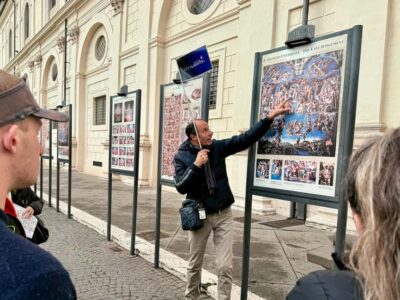
Vatican Museums, Sistine Chapel & St. Peter’s Basilica Tour
Read our review →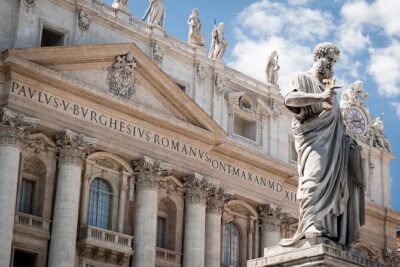
Vatican Museums, Sistine Chapel & St Peter’s Basilica Guided Tour
Read our review →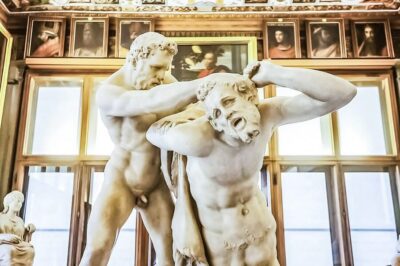
Skip-The-Line Uffizi Gallery Timed Entry Ticket
Read our review →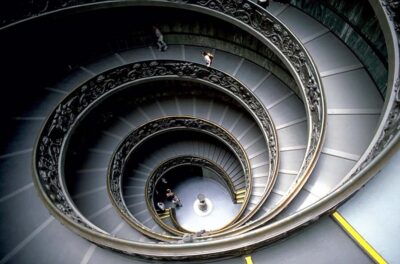
Vatican Museums, Sistine Chapel and Basilica Tour
Read our review →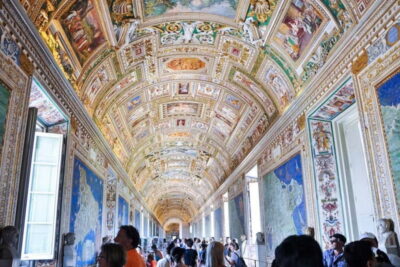
Vatican Museums & Sistine Chapel Skip-the-Line Entry Ticket
Read our review →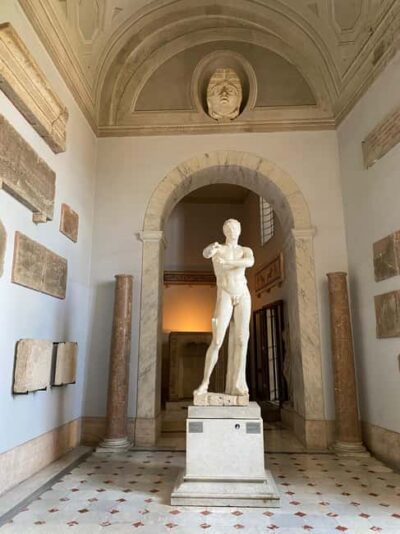
Vatican Museums, Sistine Chapel & Basilica Tour
Read our review →
Vatican Museums & Sistine Chapel Guided Tour
Read our review →
Vatican Museums & Sistine Chapel Skip-The-Line Ticket
Read our review →Browse the lists this tour appears in