
REVIEW · CHINA
Beijing: National Art Museum of China Entry Reservation
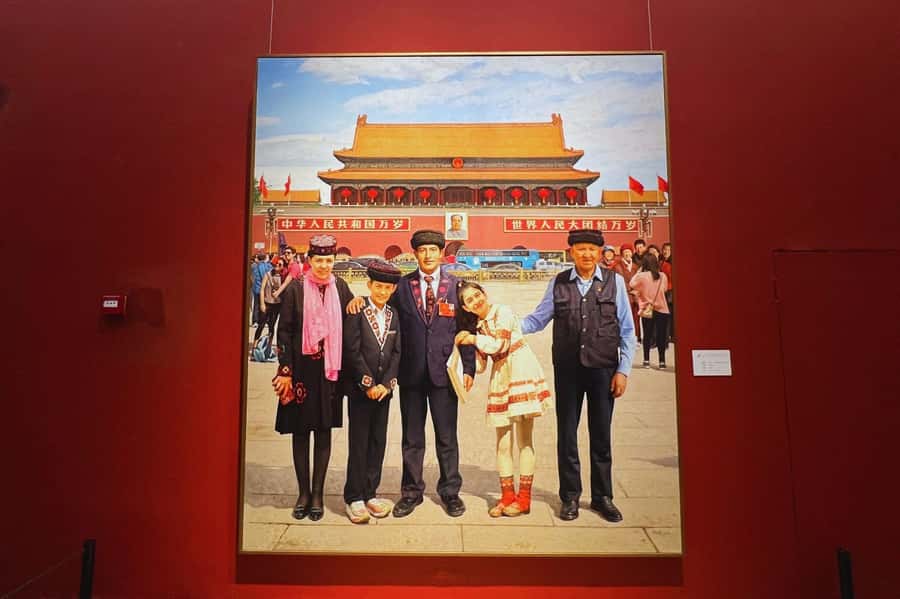
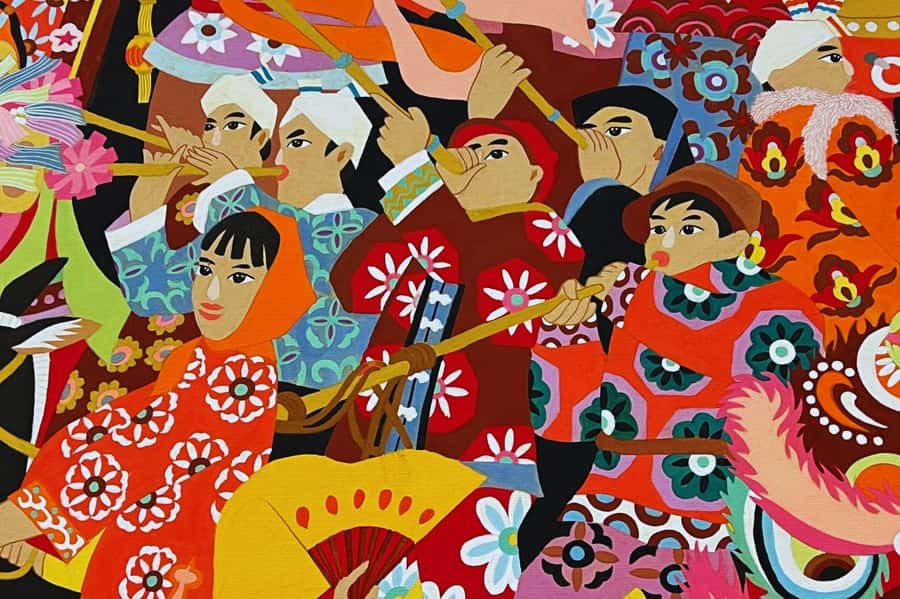
The National Art Museum of China gives you a clear window into China’s artistic development, from traditional ink painting and calligraphy to modern and contemporary works. I like the freedom to set my own pace, and I like that the $6 entry includes an English textual and visual guide rather than leaving you to guess your way through the galleries.
The main consideration is that this is an entry reservation, not a guided museum tour. You will need your passport or ID card, and the two-hour visit may feel brief if several special exhibitions are open.
Key points
- Over 100,000 works: The collection includes Chinese ink paintings, sculptures, calligraphy, and modern art.
- Self-guided format: You explore independently instead of following a fixed group schedule.
- English support: A textual and visual guide helps you understand what you are seeing.
- Low entry price: At $6 per person, the visit is an affordable cultural stop in Beijing.
- Simple redemption: The reservation is redeemed at the ticket office, and an ID document is required.
- Flexible booking: You can reserve now and pay later, with free cancellation up to 24 hours before the visit.
Why the National Art Museum of China deserves two hours
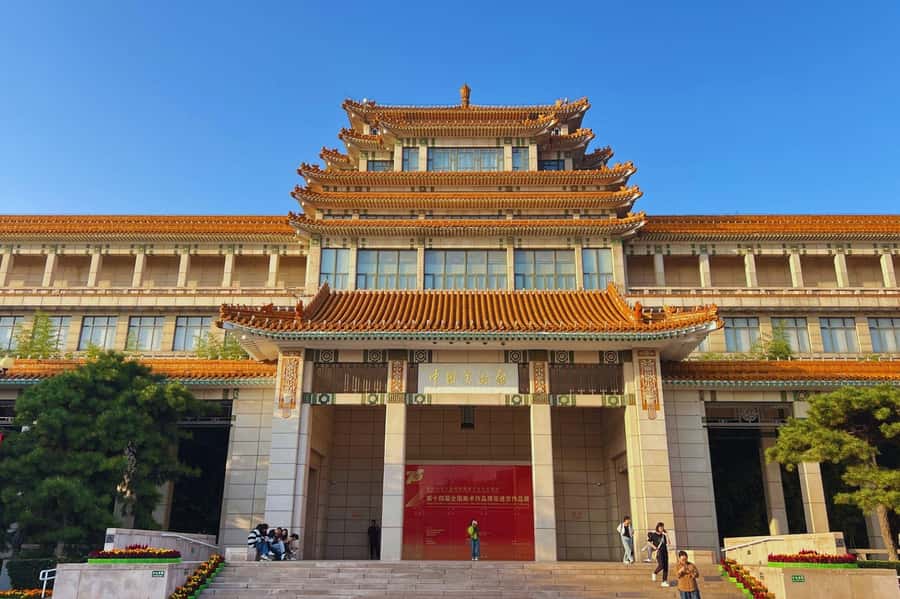
The National Art Museum of China, often called NAMOC, is one of Beijing’s major places for Chinese art. It holds more than 100,000 pieces, so the museum is not simply a quick stop for a few famous paintings. It gives you a broad look at how Chinese artists have worked across several forms and periods.
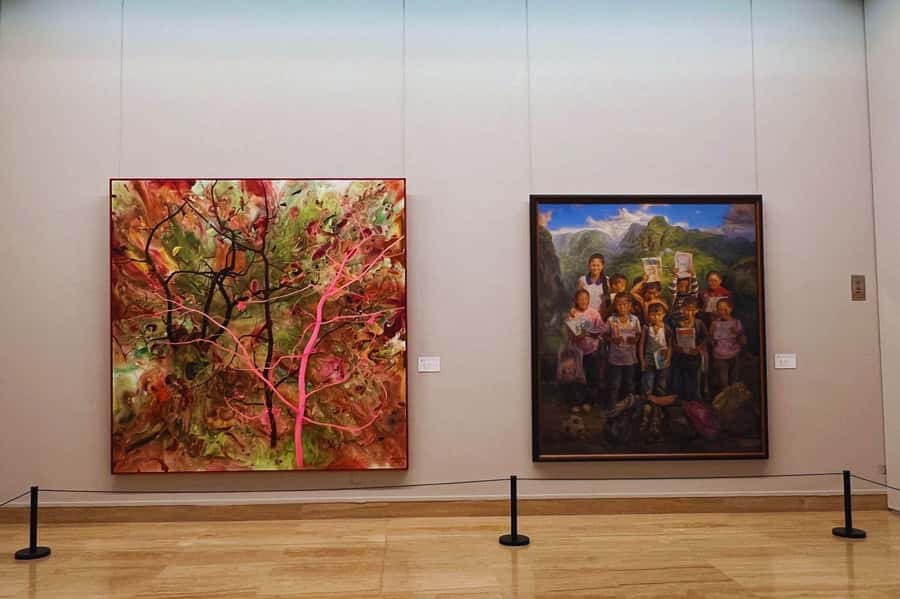
You can expect traditional ink painting, calligraphy, sculpture, modern Chinese art, contemporary work, and pieces by Chinese and international artists. The precise displays can change because the museum regularly presents special exhibitions and events.
I like this range because it gives you more than one version of Chinese culture. Ink painting and calligraphy connect you with long-established artistic forms, while modern and contemporary pieces show how artists have responded to newer ideas and changing society.
At the same time, the sheer size of the collection can make a self-guided visit feel open-ended. You may find yourself moving through rooms without knowing which works deserve the most time. The English textual and visual guide is therefore important, especially if you want more than a quick look at the objects.
A few more gallery visits around the world worth comparing
- Vatican Museums, Sistine Chapel & St. Peter’s Basilica Tour
★ 4.3 · 73,970 reviews - Paris: Louvre Museum Timed-Entrance Ticket
★ 4.6 · 71,977 reviews - Amsterdam: Van Gogh Museum Ticket
★ 4.7 · 52,054 reviews
Entering NAMOC with a pre-booked reservation
The experience begins with your entry reservation for the National Art Museum of China. You should bring your passport or ID card, since identification is part of the admission process.
The reservation is redeemed at the ticket office. The available information describes this as a way to skip the usual ticket line, while the practical instruction is still to exchange or confirm your reservation at the ticket office. Allow yourself enough time for that step rather than arriving at the last second.
This is not a tour with a named guide. PANDA HAPPY JOURNEY IN CHINA provides the entry reservation and the English version of the textual and visual guide, but you explore the museum on your own.
That format suits me when I want to stop in front of one painting for several minutes, move quickly through a room that does not hold my interest, or take a quiet break without keeping up with a group. It also means you are responsible for making your own route and deciding how much context you want.
The museum is wheelchair accessible, which makes this a practical choice for visitors who need step-free access. Smoking is not allowed inside, and the experience is not suitable for children under two.
Starting with traditional ink painting and calligraphy
The traditional Chinese works are likely to be the best place to begin if you want a foundation for the collection. Ink painting and calligraphy are not simply decorative categories here. They show how Chinese artists have long treated brushwork, line, spacing, and restraint as central parts of the work.
You might notice that a painting with a limited range of tones can still feel full of movement. Calligraphy also asks you to pay attention to the shape and force of each mark, even if you cannot read the text.
The English guide can help you approach these works with more confidence. Without context, a visitor unfamiliar with Chinese art may spend more time wondering what to look for than actually looking. Use the guide to learn the basic purpose of a work, then give yourself a moment to study the brushwork and composition.
I would not rush through these galleries. The $6 admission is inexpensive, but the real value comes from giving the art enough time to register. A quick pass through the rooms turns the visit into a checklist. A slower look at a handful of works gives you a better sense of the artistic choices behind them.
Moving from sculpture to modern Chinese art
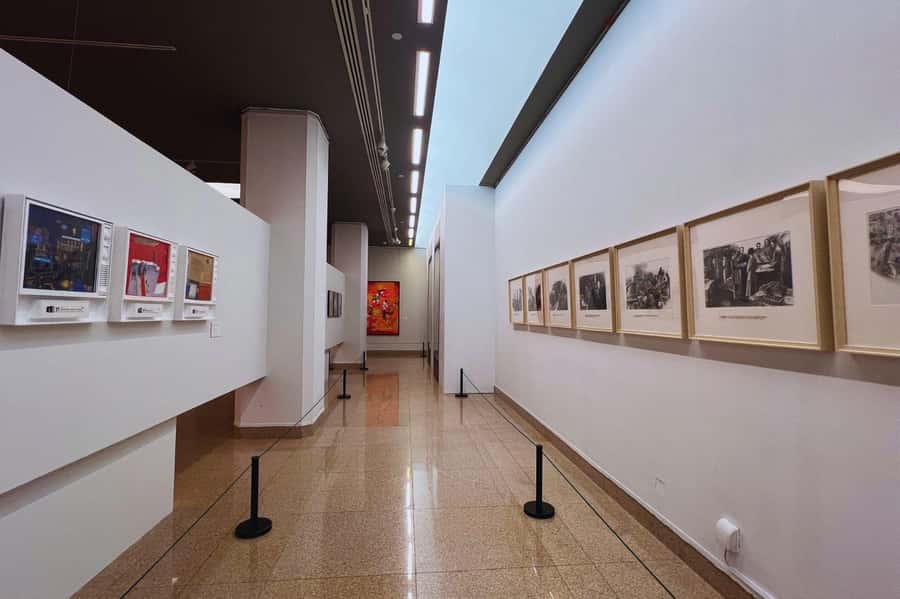
Sculpture gives the collection a change of pace. After looking closely at two-dimensional works, you can shift your attention to form, volume, texture, and the way an object occupies a room.
The supplied information does not identify individual sculptures or promise a particular display, so you should not arrive expecting one fixed set of famous pieces. Exhibitions can change, and the museum’s special programs may alter which works receive the most space.
Modern and contemporary Chinese art add another important layer. These works place older traditions beside newer approaches, helping you see that Chinese art is not confined to ink, porcelain-like restraint, or calligraphic forms.
I find this contrast useful because it turns a museum visit into a study of change. You can compare the control of line in a traditional work with the different materials or ideas used by a modern artist. The point is not to decide which period is better. The point is to see how artistic expression shifts while still carrying links to Chinese culture.
Some contemporary work may be less immediately familiar than a traditional painting. That is where the English guide earns its keep. Read the short explanation, look again, and give yourself permission not to understand every piece on the first pass.
Same city, a completely different collection:
- Vatican Museums, Sistine Chapel & St Peter’s Basilica Guided Tour
★ 4.5 · 39,149 reviews - Florence: Skip-The-Line Uffizi Gallery Timed Entry Ticket
★ 4.5 · 27,832 reviews - Paris: Orsay Museum Entry Ticket
★ 4.7 · 25,647 reviews - Madrid: Prado Museum Entry Ticket
★ 4.6 · 20,699 reviews
Making the most of the two-hour visit
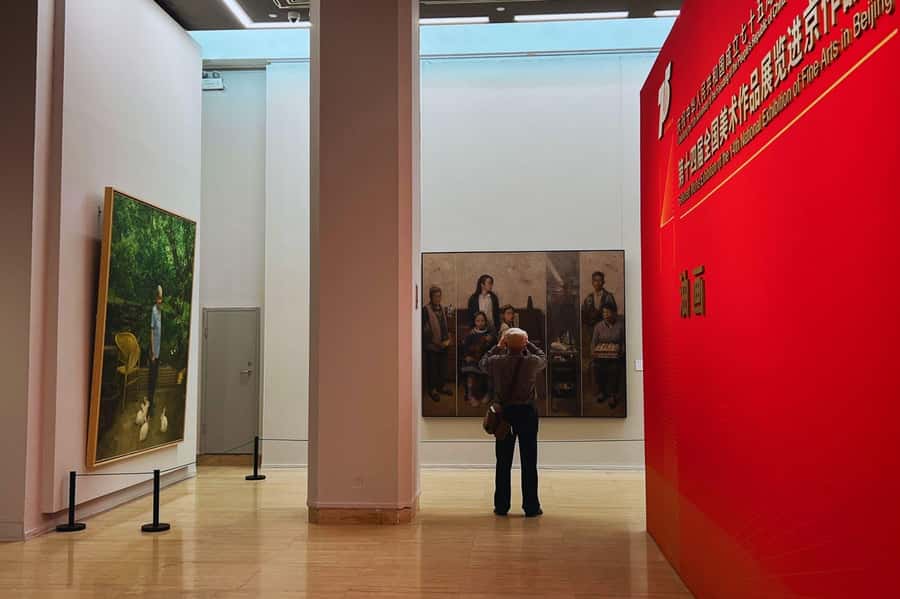
Two hours is a sensible starting point for NAMOC, but it is not a promise that you will see everything. A collection of more than 100,000 pieces cannot be covered in one sitting, and special exhibitions may add extra rooms to your route.
I suggest dividing your time into three parts:
- Begin with traditional ink paintings and calligraphy so you can establish a visual reference point.
- Move on to sculpture and modern Chinese art, noting how the materials and subjects change.
- Finish with any special exhibition or section that catches your attention, then return to one or two works you want to see again.
This approach gives your visit a simple shape without turning it into a strict schedule. You can adjust it once you know what is on display.
Use the English textual and visual guide as a tool, not as a script. Read the information for works that interest you, but do not feel obliged to study every entry. If you spend ten minutes with one painting, you may gain more from it than from reading a paragraph about twenty objects.
A self-guided museum visit also works well before or after another Beijing activity because the duration is manageable. Check the available starting times when you book, then choose a slot that leaves you enough room for the rest of your day.
What the $6 price really gives you
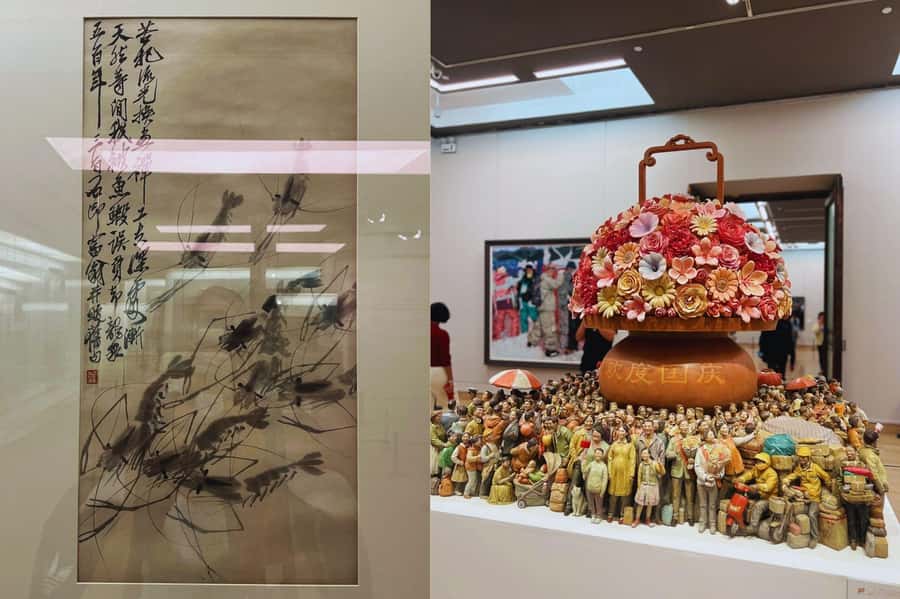
At $6 per person, this is one of the easier cultural purchases to justify in Beijing. You are paying for admission to a major national museum, along with an English textual and visual guide and the convenience of a pre-booked reservation.
The price is especially fair if you already plan to spend time in central Beijing and want an indoor cultural activity. It gives you access to traditional and modern Chinese art without the cost of a private guide.
The low price does come with limits. You are not receiving a personal explanation from an art historian, a fixed route, or detailed discussion of every major work. If you want someone to interpret the collection for you, this reservation may feel basic.
For me, the value depends on your preferred travel style. Independent visitors who enjoy choosing their own pace get a useful, inexpensive museum visit. Visitors who need a fully planned educational tour should understand that the English guide is a reference aid, not a live lecture.
The flexible booking terms improve the value. You can reserve now and pay later, which helps if your Beijing schedule is still changing. You can also cancel up to 24 hours in advance for a full refund.
Practical details that affect your visit
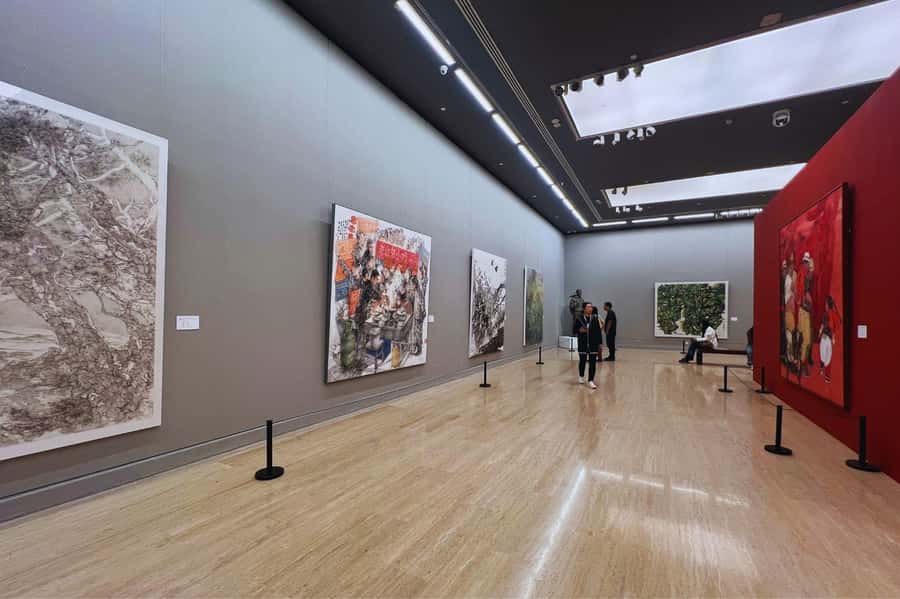
Bring your passport or ID card. Without the required identification, the ticket-office redemption process may not go as planned.
The reservation includes entry to the National Art Museum of China and the English version of the textual and visual guide. Personal expenses are not included, so plan separately for anything else you might buy during your day.
The museum is wheelchair accessible. That is useful information for anyone planning around mobility needs, though the supplied details do not describe the precise route through each gallery.
Smoking is not permitted. Children under two are not considered suitable for this activity, so families with very young children should choose another plan for that part of the day.
The advertised duration is two hours, with starting times based on availability. Since the museum hosts special exhibitions and events, the exact experience can vary by date. Check what time you are reserving and avoid treating the two-hour estimate as a guarantee that every room will be covered.
Who will enjoy this museum most
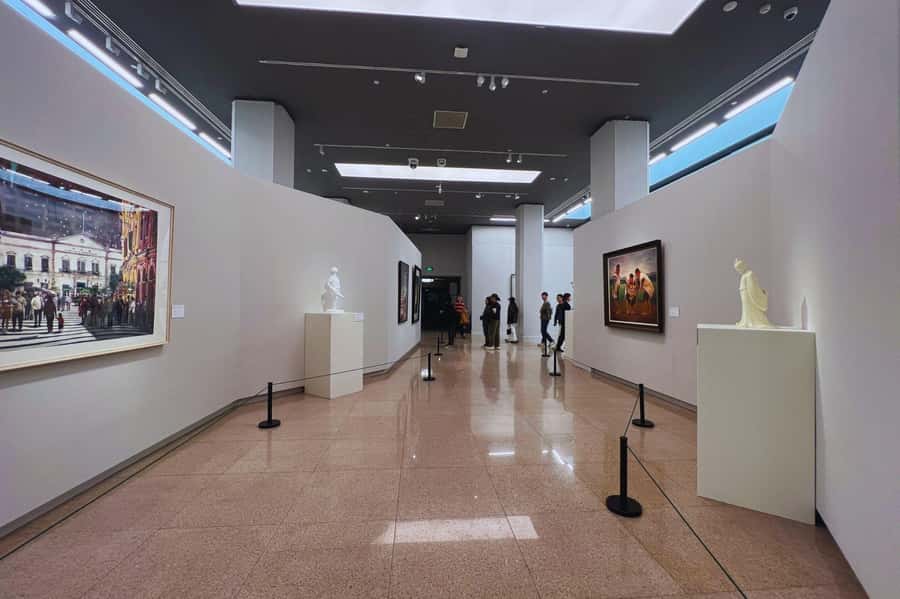
I would recommend this reservation to you if you want a flexible introduction to Chinese art and prefer exploring without a group. It is also a good fit if traditional painting interests you but you want to see how modern and contemporary work fits into the wider story.
The experience suits:
- Independent art lovers who prefer setting their own pace
- First-time visitors looking for cultural context in Beijing
- People who want an affordable indoor activity
- Visitors who appreciate English support but do not need a live guide
- Anyone with about two hours available for a museum visit
It may be less suitable if you want a personal art lesson or a carefully scripted route. The reservation gives you access and support, but your experience depends on how actively you use the guide and plan your time.
The rating attached to this activity is 4.9 from 11 reviews, and the clearest practical praise concerns the redemption process. The ticket was described as easy to redeem at the ticket office. That matters because a smooth entry is especially helpful when you have limited time and do not want to spend part of your museum visit sorting out admission.
Should you book the National Art Museum of China?
Book it if you want a low-cost, self-guided look at Chinese art with English assistance. The combination of traditional ink painting, calligraphy, sculpture, modern work, and possible special exhibitions gives you a useful range in a two-hour visit.
I would be more cautious if you expect a guided tour or a guaranteed list of famous masterpieces. The collection is large, displays may change, and no personal guide is included.
For most independent visitors, the $6 price makes this an easy addition to a Beijing schedule. Bring your passport or ID card, allow time to redeem the reservation at the ticket office, and use the English guide to decide where to slow down. If those details suit your style, this is a practical way to spend two hours with China’s artistic past and present.
FAQ
How much does entry to the National Art Museum of China cost?
The price is $6 per person.
How long does the museum visit last?
The stated duration is two hours. Starting times depend on availability.
Is this a guided tour?
No live guide is included. You explore the museum at your own pace with an English textual and visual guide.
What does the reservation include?
It includes entry reservation for the National Art Museum of China and the English version of the textual and visual guide.
What identification should I bring?
Bring your passport or ID card.
Where do I redeem the reservation?
The reservation is redeemed at the ticket office.
Can I cancel the reservation?
Yes. You can cancel up to 24 hours in advance for a full refund.
Can I reserve now and pay later?
Yes. The activity allows you to reserve your spot and pay later.
Is the museum wheelchair accessible?
Yes. The activity is listed as wheelchair accessible.
Are children under two allowed?
The activity is not suitable for children under two.
Just added around the world
- Colosseum,Vatican Museum & Sistine Chapel in One Day Guided Tour★ 3.5 · 9 reviews
- Vatican Museums and Sistine Chapel last entry Guided Tour★ 5.0 · 3 reviews
- Private Tour Of Rome Highlights And Vatican Museums Skip-The-Line all included★ 5.0 · 4 reviews
- Caravaggio Art Walking Tour of Rome with Pantheon Visit★ 4.5 · 35 reviews
- Borghese Gallery Admission Ticket with Audioguide★ 4.0 · 64 reviews
- Borghese Gallery Skip the Line Guided Tour★ 4.5 · 23 reviews
- Borghese Gallery Ticket with Audioguide★ 3.5 · 51 reviews
- Borghese Gallery VIP Tour – Skip the Line Tickets★ 5.0 · 2 reviews
Art Museum Tours in China, compared.
Beijing’s Forbidden City with Special Viewing of Treasure Gallery and the Great Wall Ruins at Badaling
Read our review →
Eat Your Way Through Yunnan’s Tea & Horse Road, from Dali to Lijiang, 8-day Trip
Read our review →
8-Day Private Yunnan Tour to Kunming, Dali, Lijiang and Shangri-La
Read our review →
Private Beijing Art Tour including Red Gate Gallery, 798 Art Zone and Guanfu Museum
Read our review →
Kunming Private Day Tour to Dali City Highlights by Bullet Train
Read our review →Browse the lists this tour appears in