
REVIEW · PARIS
Paris: Orsay Museum Entry Ticket
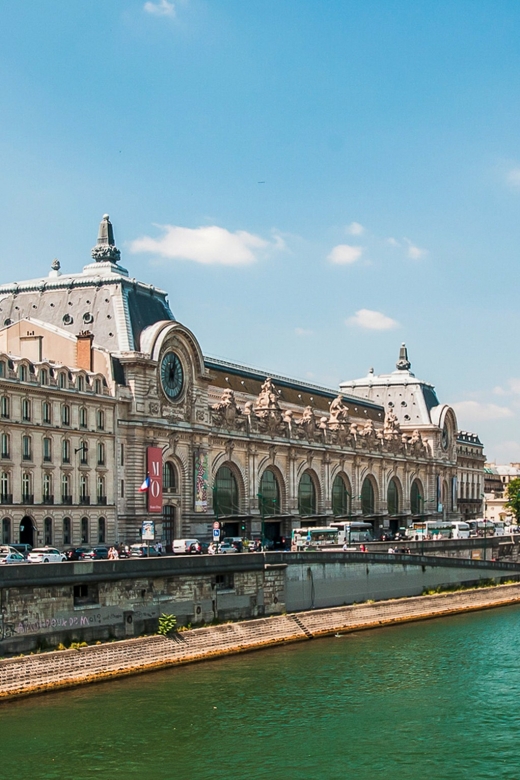
The Musée d’Orsay is one of Paris’s most satisfying art stops because the building is part of the show. You enter a grand former train station, then move through galleries filled with Monet, Renoir, Manet, Cézanne, Degas, and Van Gogh. The famous fifth-floor galleries are the main draw, but the lower sculpture hall and side rooms deserve time, too.
I like the reserved entry at Entrance A2, especially when the museum is sold out or the weather is cold and wet. I also like the freedom to stay all day rather than rush through a guided visit. The catch is simple: this is a huge collection, and a late afternoon booking can leave you racing toward closing time.
Key points
- The fifth floor holds the star paintings: Find Monet, Manet, Renoir, Degas, and Van Gogh in the museum’s best-known galleries.
- The former train station is part of the experience: The enormous clock, open central hall, and elegant structure give the visit a memorable setting.
- Your ticket includes temporary exhibitions: You receive access to both the permanent collection and current special shows, without a separate reserved time for the temporary displays.
- Timed entry saves useful time: Scan your voucher at Entrance A2 and use the ticket-holder line instead of buying admission on arrival.
- Plan at least three hours: Two hours can work for a focused visit, but it is not enough for a relaxed look at the main floors.
- Bring little and bring identification: Large bags are not allowed, luggage up to 56 x 45 x 25 centimeters may be stored, and you should carry a passport or ID card.
Why the Musée d’Orsay feels different from other Paris museums
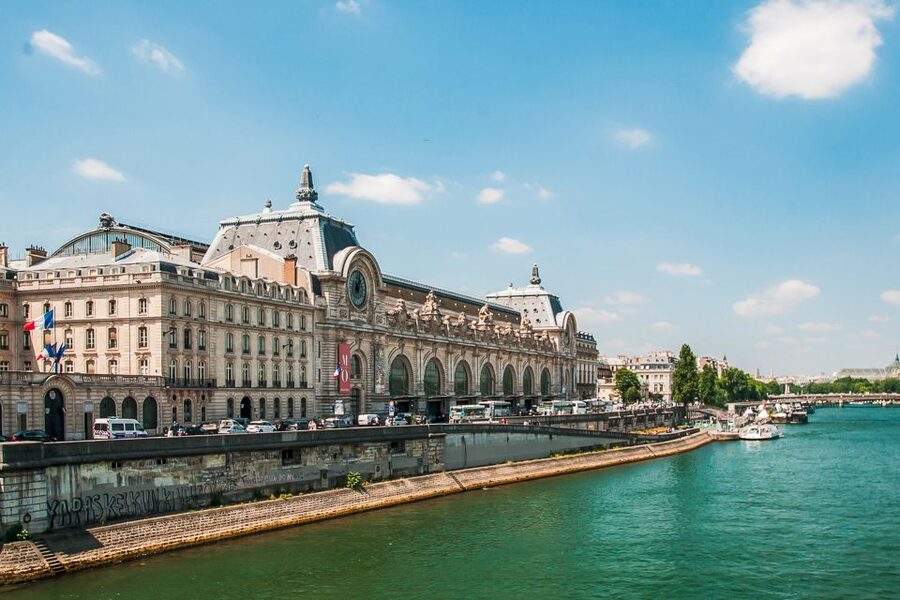
The Orsay is not simply a box full of paintings. It occupies the former Gare d’Orsay, a railway station built for the 1900 Paris Exposition. The great central hall still gives the museum a sense of scale, while the old clock faces provide one of the most recognizable views inside a Paris museum.
I like the way the architecture helps organize your visit. The long central space gives you a clear sense of direction, and the upper galleries pull you upward toward the best-known works. You can stop for a photograph through the giant clock, then return to the art without feeling lost.
The collection focuses strongly on art from the mid-19th century through the early 20th century. That makes the Orsay a useful companion to the Louvre. The Louvre spreads across centuries and can feel like a city of galleries. The Orsay gives you a more focused look at the years when painting shifted from formal academic scenes toward modern life, changing light, and looser brushwork.
More Art Museum Tours in Paris
- Paris: Louvre Museum Timed-Entrance Ticket
★ 4.6 · 71,977 reviews - Paris: Louvre Guided Tour with Reserved Access & Boat Cruise
★ 4.3 · 16,353 reviews - Louvre Museum Masterpieces Guided Tour with Access
★ 4.5 · 12,023 reviews
Entering through Entrance A2
Your meeting point is Entrance A2. Have the GetYourGuide voucher ready on your phone and scan it at the museum entrance. The reserved ticket is valid for the date and time shown, but once inside, you may stay as long as you like.
This is a one-entry ticket. You cannot leave the museum and return later, so use the visit as one continuous block. That matters if you are planning lunch nearby or hoping to combine the museum with another timed attraction.
Security is described as thorough but quick. Keep your passport or ID card with you, even though the main task is scanning the voucher. Large bags are not permitted. Luggage up to 56 x 45 x 25 centimeters may be stored onsite, but a small bag is the easier choice.
The ticket is wheelchair accessible. Since the museum is large, allow extra time for moving between floors and exhibits if you need accessible routes or a slower pace.
The fifth floor: Monet, Renoir, Manet, and Van Gogh
If you have only a limited amount of time, go first to the fifth floor. This is where you find many of the names that make the Orsay a must for first-time visitors: Monet, Manet, Renoir, Degas, and Van Gogh.
Renoir’s Dance at le Moulin de la Galette is one of the headline works. It rewards a close look because the scene is not just about pretty colors. Renoir builds a crowded outdoor dance through shifting light, moving figures, and loose marks that make the whole scene feel alive.
Monet’s work gives you a chance to compare similar subjects painted under changing conditions. Look for the effect of light rather than only the object in front of you. Manet helps show how artists began breaking from the polished style expected by official exhibitions.
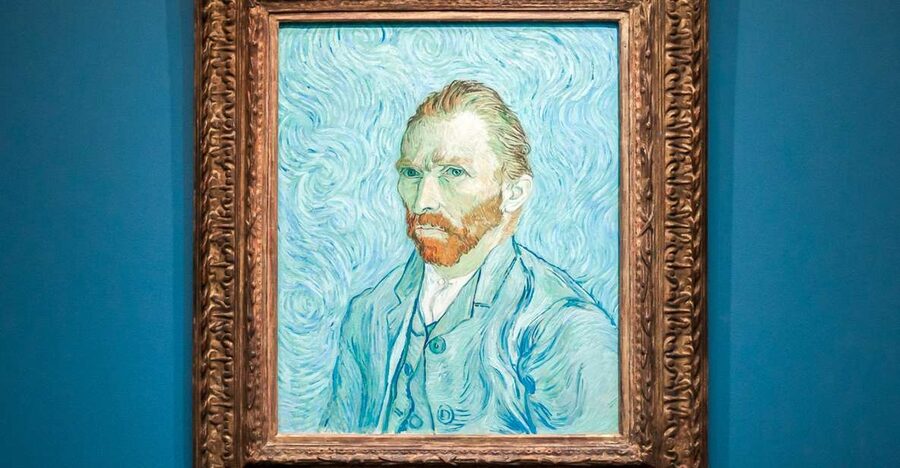
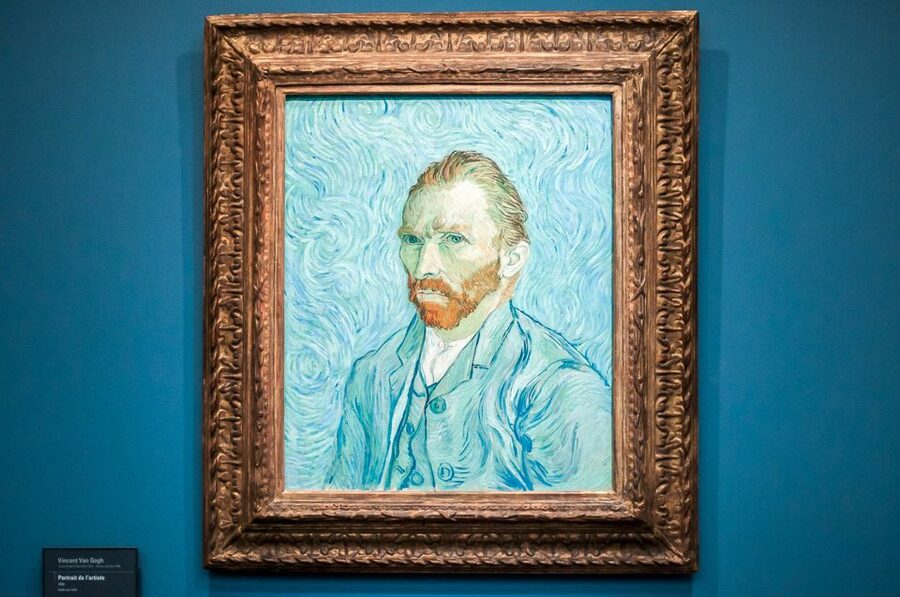
Van Gogh’s self-portraits bring a sharper, more personal note. They are easy to recognize, but do not hurry past them just because you have seen reproductions. The brushwork and color changes are much clearer in person.
The fifth floor can become crowded, particularly during busy periods or when the Louvre is closed. I would start there, then return to favorite paintings later if you have enough time. The large clock area also gives you a memorable view through the museum’s architecture.
The lower floors and the sculpture hall
The upper galleries get the most attention, but the ground floor and lower sections keep the visit from becoming a parade of famous paintings. The museum has a substantial sculpture collection, displayed through the large central hall and side rooms.
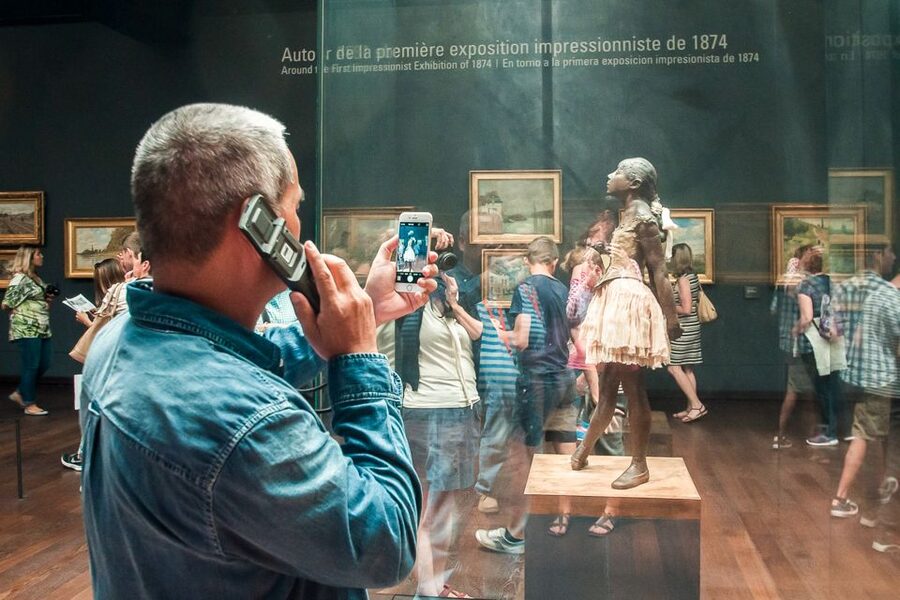
You may find Rodin on the mezzanine, along with works by other major sculptors. Sculpture changes the pace of the visit. After standing close to paintings, you can move around three-dimensional works and see how light falls across stone, bronze, and plaster.
The ground floor also helps explain the transition from earlier 19th-century art toward the Impressionist period. If you rush straight to the fifth floor, you will see the stars, but you may miss the story of how artistic styles changed.
Cézanne deserves special attention in the side galleries. Apples and Oranges looks simple at first, but the arrangement shows his interest in structure, balance, and the instability of ordinary objects. The Orsay also contains photography, furniture, and decorative arts, so the collection is broader than its Impressionist reputation suggests.
More Orsay tours and tickets:
- Paris: Orsay Museum Entry Ticket and Digital Audio Guide App
★ 4.4 · 3,170 reviews - Paris in a Day: Louvre or Orsay, Eiffel Tower, City Walk & Cruise
★ 5.0 · 1,956 reviews - Paris: Musée d’Orsay Skip-the-Line Tour with Expert Guide
★ 4.5 · 1,145 reviews - Musée d’Orsay Skip-the-Line Tour with Expert Guide
★ 4.8 · 1,088 reviews
Temporary exhibitions included with admission
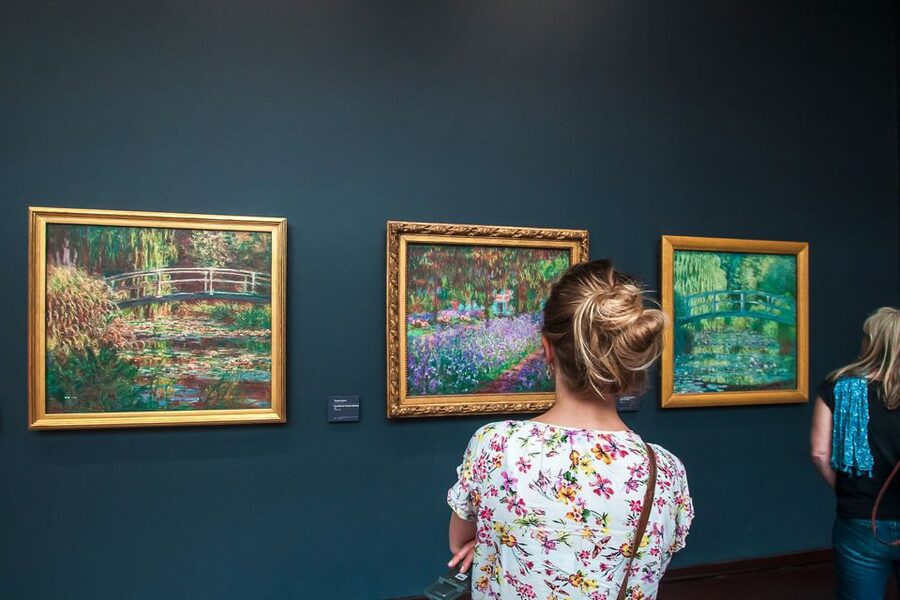
This ticket includes ongoing temporary exhibitions as well as the permanent collection. That adds real value, particularly if a major show is on during your Paris visit.
The listed exhibition, Sargent: Dazzling Paris, runs from September 23, 2025, through January 11, 2026. It presents John Singer Sargent, an American painter born in Florence who worked mainly in Europe and became famous in both the United States and the United Kingdom.
Sargent’s work is especially interesting in France because his name is less familiar there than in the United States or Britain. The exhibition places his career in a Paris setting and includes the well-known Portrait of Madame X, on loan from New York’s Metropolitan Museum of Art.
Temporary exhibitions do not always have a reserved entry time with this ticket. You can enter the show with your museum admission, but expect the special exhibition area to have its own flow and possible waits. If a temporary show is your main reason for visiting, allow extra time instead of treating it as a quick add-on.
How much time should you allow?
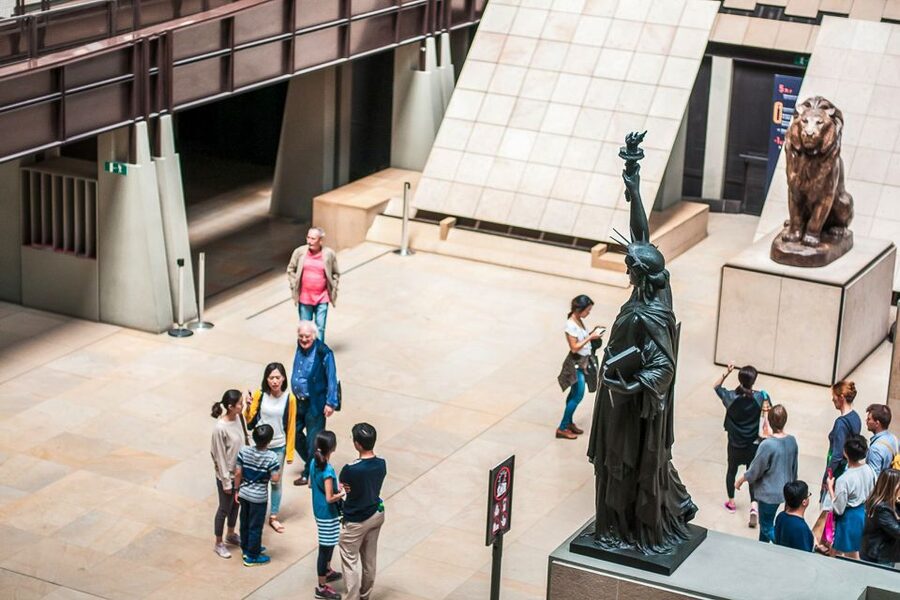
Two hours is enough for a targeted visit. You could go straight to the fifth floor, see the best-known Impressionist and Post-Impressionist paintings, look through the clock, and leave with a strong sense of the museum.
Three hours is a better minimum for most people. It lets you see the fifth floor without racing, spend time with sculpture, and visit at least part of the ground floor and temporary exhibition.
A full day is possible for serious art lovers. The museum is large enough that you will not absorb everything in one pass. I would not try to inspect every room equally. Use the museum map, choose the artists or periods that matter most to you, and accept that some sections will have to wait for another visit.
Morning entry is the safest choice if you want to see a lot. Afternoon bookings can work well for a shorter visit, but a 4 pm entry may leave only about two hours before closing on a normal evening. The fifth floor may close earlier than other sections, so do not save it for the end.
Thursday has a late opening for visits starting at 6 pm. The museum closes at 9:45 pm, with last access at 9 pm. This is useful if your day is full, but check the exact starting time when booking. The museum is closed Mondays, May 1, and December 25. It closes at 6 pm on January 1, 2026.
Crowds, cafés, and practical comfort
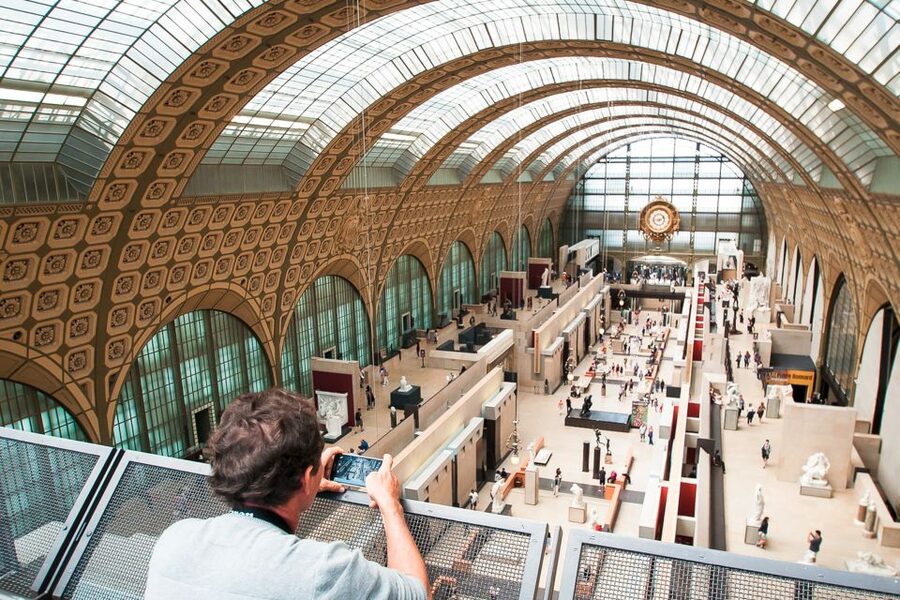
The reserved ticket helps with the admission queue, but it does not make the galleries empty. Famous rooms can be busy, especially during rainy weather, school visits, large group tours, or when another major Paris museum is closed.
I would go early when possible. The first hours give you more breathing room around the best-known works. If you arrive during a crowded period, move to a side gallery for a calmer stretch and return to the headline paintings later.
You can store a coat and some belongings in a locker, which is particularly helpful in winter. Walking through a large museum with a heavy coat quickly becomes tiring, so this small convenience matters.
There are cafés and places to eat inside, but queues can be long, especially at the downstairs café. I would eat before entering or carry a small snack if museum rules allow it. You should not count on a quick café stop during a tight afternoon schedule.
The audio guide is not included. This is the biggest missing piece for visitors who want context for each painting. Some works may have limited written information, while the audio guide can provide a more structured explanation. You can buy one inside, according to the supplied information.
Free Wi-Fi is available inside, and you may find it useful for checking the map or reading more about works as you go. Still, I would use the museum map first. A simple plan is often better than trying to research every painting on the spot.
Is the $15 price good value?
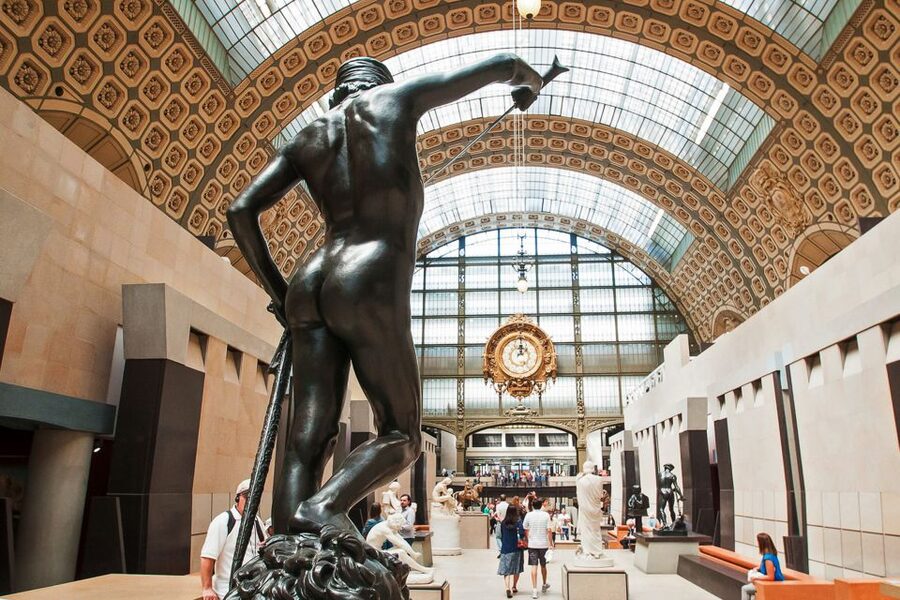
At $15 per person, this ticket can be excellent value if the price and availability are still favorable for your date. You receive access for the full day, the permanent collection, and temporary exhibitions. You are paying for entry, not a guided lesson, so the value depends on how much time you plan to spend inside.
The reserved access is especially useful when standard admission is sold out. It also saves you from arriving at a ticket counter and discovering that the next available time is much later. For a popular museum in central Paris, that time saving can protect half a day of your itinerary.
Compare prices before booking because admission costs can change between the museum and third-party sellers. A cheap ticket is less useful if the time does not fit your plans, and this booking is non-refundable.
The ticket is also free for everyone on the first Sunday of the month. If your schedule is flexible, that may change the value calculation. On the other hand, free days can be very busy, so saving money may mean accepting larger crowds and less room around the paintings.
Who will enjoy this museum most?
You should book this if you like Impressionist or Post-Impressionist art, want to see famous works in person, or prefer exploring independently. It also suits a first Paris visit because the collection is focused enough to manage, yet broad enough to fill several hours.
Families and mixed-interest groups can do well here because the building, sculpture, photography, furniture, and large clock offer breaks from painting. The scale may tire very young children, though, especially if you aim for a full day.
This is not the best choice if you want a personal guide included in the ticket. There is no guided tour and no audio guide in the basic price. You will need to make your own route, use the map, or purchase the audio guide separately.
Art lovers should consider returning on another Paris trip. You will see the major names in one visit, but the collection is too large to absorb properly in a couple of hours.
Should you book the Orsay Museum ticket?
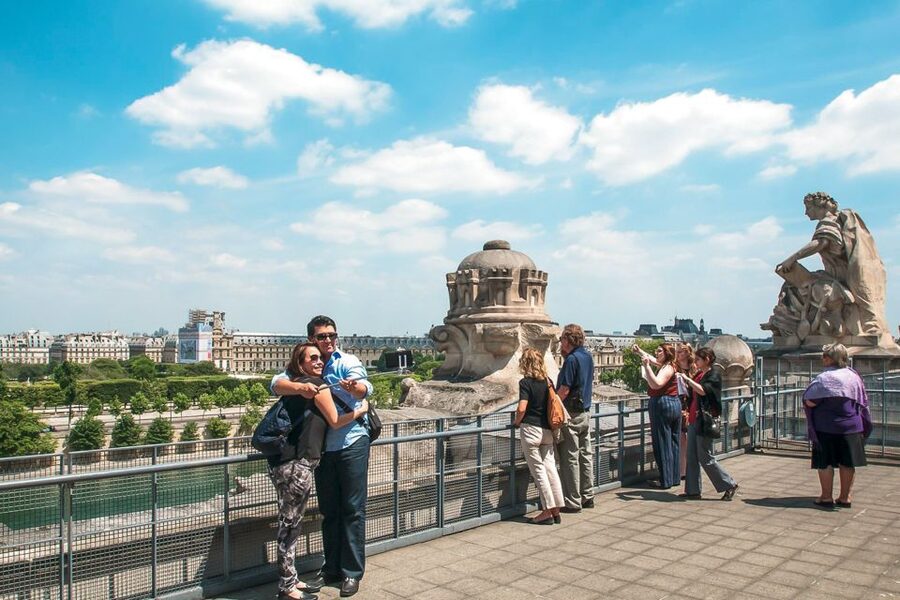
I would book it if you want a reliable entry time, care about Monet, Renoir, Manet, Cézanne, or Van Gogh, and can give the museum at least three hours. The former train station, fifth-floor paintings, sculpture hall, and temporary exhibitions make this one of Paris’s strongest museum visits.
Choose a morning time if you want to explore widely. Choose Thursday evening if your schedule is packed and you are happy with a shorter, focused visit. Skip this ticket only if your main need is a guide, a flexible re-entry option, or a fully refundable booking.
For $15, it is a sensible admission choice when your date is busy or the museum is close to selling out. Bring your voucher, identification, a light bag, and a clear plan for the fifth floor. Then give yourself permission to stop following the map when a painting catches you.
FAQ
Where do I enter the Musée d’Orsay with this ticket?
Scan your GetYourGuide voucher at Entrance A2 of the Musée d’Orsay.
How long is the ticket valid?
The ticket is valid for one day on the indicated date and time. You may stay as long as you like after entering, but the ticket allows only one entry.
Does the ticket include temporary exhibitions?
Yes. Admission includes the permanent collection and ongoing temporary exhibitions. The temporary exhibitions do not have a separately reserved timed entrance with this ticket.
Is an audio guide included?
No. The audio guide is not included in the admission ticket. It may be purchased inside the museum.
Can I bring luggage?
Large bags are not permitted. Luggage up to 56 x 45 x 25 centimeters may be stored onsite.
When is the Musée d’Orsay closed?
The museum is closed every Monday, May 1, and December 25. It also closes at 6 pm on January 1, 2026.
Just added around Paris
- Paris Day Tour with Eiffel Tower, Louvre and Cruise Max 6 People★ 4.5 · 29 reviews
- PRIVATE Louvre Wonders & Hidden Treasures Visit★ 5.0 · 65 reviews
- d’Orsay Museum Paris entry ticket★ 3.5 · 31 reviews
- visiting the masterpieces of impressionists at Orsay museum★ 5.0 · 7 reviews
- Louvre Museum with private guide★ 5.0 · 3 reviews
- Louvre Wheelchair-Accessible Private Tour – Stress-Free & Easy★ 5.0 · 16 reviews
- LOUVRE, Small Group Guided Tour in French (TOP SALES)★ 4.5 · 9 reviews
- Musée d’Orsay Highlights Tour with Gourmet Lunch★ 4.5 · 11 reviews
Art Museum Tours in Paris, compared.
Louvre Guided Tour with Reserved Access & Boat Cruise
Read our review →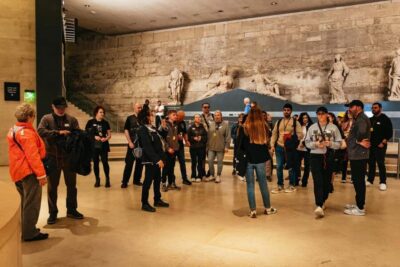
Louvre Overview, Exploration tour and Reserved Entry
Read our review →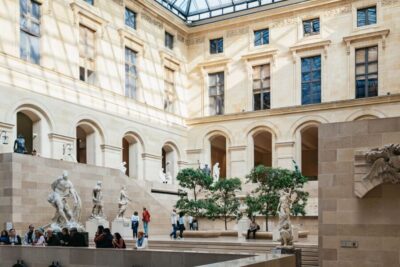
Louvre Museum Entry Ticket With Host and River Cruise
Read our review →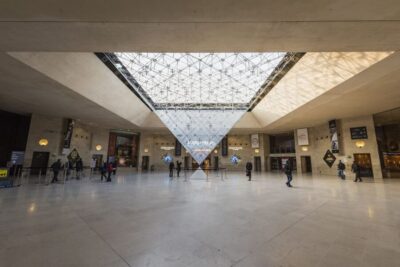
Mona Lisa & Louvre Masterpieces Tour with Reserved Access
Read our review →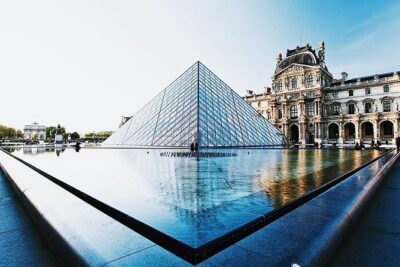
Louvre Museum – Exclusive Guided Tour (Entry Included)
Read our review →
Louvre Museum Hosted Entry and Mona Lisa Audioguide
Read our review →
Louvre Access with Mona Lisa Escort or Guided Option
Read our review →Browse the lists this tour appears in