
REVIEW · JAPAN
Tokyo Fuji Art Museum Admission Ticket + Special Exhibition (when being held)
Tokyo Fuji Art Museum brings an unusually broad art collection to western Tokyo. In one visit, you may move from Renaissance and Baroque paintings to Japanese prints, photography, armor, swords, ceramics, and lacquer ware. A changing special exhibition can add a second reason to make the trip.
I like the flexible two-to-three-hour visit and the low price of $5.27 per person. I also like the simple online entry process, which can save you from using the ticket machine. The catch is location: the museum is outside central Tokyo, so the admission bargain makes the most sense if you already plan to spend time in the Hachioji area.
Key points to know before you go
- A 30,000-piece collection: The museum covers Japanese, Eastern, and Western art across many periods and forms.
- Western painting is a major draw: The collection spans roughly 500 years, from the Renaissance through Baroque and later modern works.
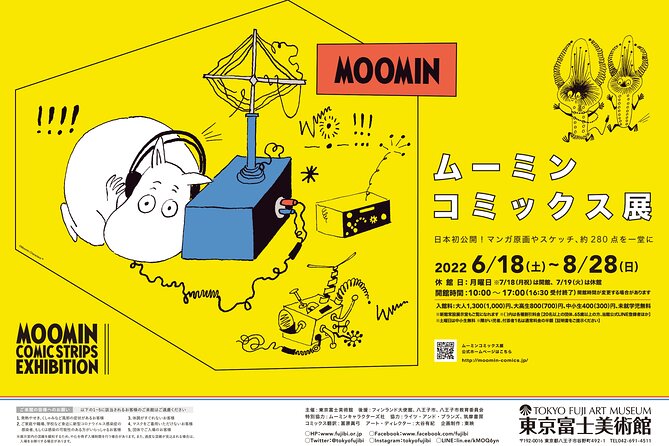
- Special exhibitions change: Displays may focus on subjects such as Osamu Tezuka, cat photography, or large surveys of Western painting.
- Your visit is self-paced: There is no fixed tour schedule, so you can spend an hour on a special exhibition or much longer with the permanent displays.
- Online entry is simple: At the counter, you can give your reservation name and receive an admission ticket instead of using the ticket machine.
- The price is hard to beat: At $5.27, admission costs less than many major Tokyo attractions, though transport time still matters.
Why Tokyo Fuji Art Museum is worth the trip
Tokyo Fuji Art Museum is not a quick stop beside Tokyo Station or Asakusa. It is in Hachioji, west of the city center, and the museum’s distance is the main issue to weigh. Still, the collection gives you a good reason to make the journey if art is part of your Tokyo plans.
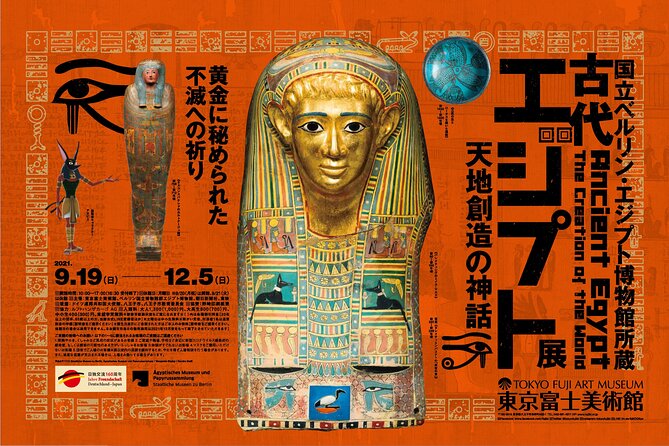
The museum was founded by Daisaku Ikeda in 1983. Its holdings number around 30,000 works, covering Japanese, Eastern, and Western art. That range changes the feel of the visit. You are not signing up for one narrow subject or one artist. You can look at paintings, prints, photographs, sculptures, ceramics, lacquer ware, armor, swords, and medallions in the same building.
I especially like the mixture of familiar and unexpected material. You might come for a special exhibition and then find yourself spending more time with a permanent display. Or you might arrive for the Western paintings and end up studying Japanese craftwork or historical objects.
The $5.27 admission price is excellent value if you are already nearby or can fit the museum into a western Tokyo day. It is less of a bargain if you must cross the city only for a short visit. Plan for two to three hours so the transport feels worthwhile.
A few more gallery visits around the world worth comparing
- Paris: Louvre Museum Timed-Entrance Ticket
★ 4.6 · 71,977 reviews - Amsterdam: Van Gogh Museum Ticket
★ 4.7 · 52,054 reviews - Florence: Skip-The-Line Uffizi Gallery Timed Entry Ticket
★ 4.5 · 27,832 reviews
The Western painting collection covers five centuries
The museum’s strongest draw is its collection of Western oil paintings. It covers about 500 years, from the Renaissance and Baroque periods through later modern and postmodernist eras.
That long time span lets you compare changing styles instead of looking at isolated works. You can see how subject matter, technique, and artistic priorities shift across centuries. The exact works on display can change, so you should think of the collection as a broad foundation rather than a guaranteed checklist of famous names.
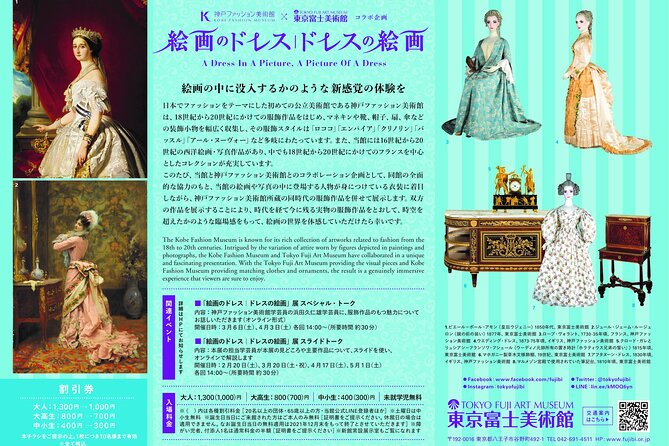
A large exhibition called 400 Years of the Beauty of Western Painting included works from the museum’s collection and filled the special exhibition area. Other works were shown in a permanent room, creating a very full visit. If you encounter a similarly large exhibition, allow more than the basic two hours.
This is a good museum for you if you enjoy looking closely at paintings without being pushed through a timed group. There is no guide-led schedule in this experience. You set the pace, pause when something catches your eye, and move on when a gallery no longer holds your attention.
The drawback is that a very broad collection can feel less focused. If you want one tightly edited subject, check the current special exhibition before booking. The rotating exhibition may be the part that gives your visit its clearest shape.
Changing exhibitions give each visit a different purpose
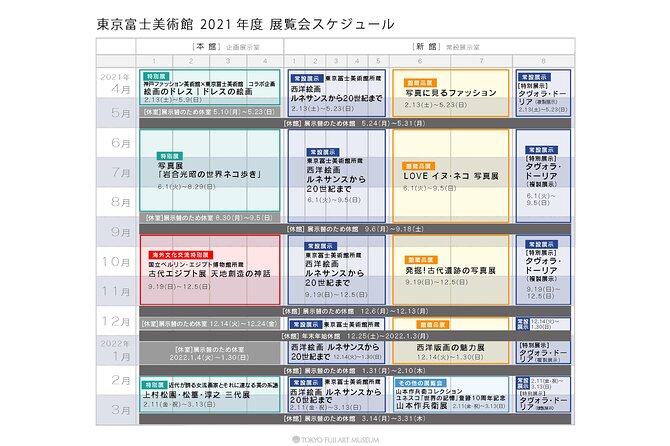
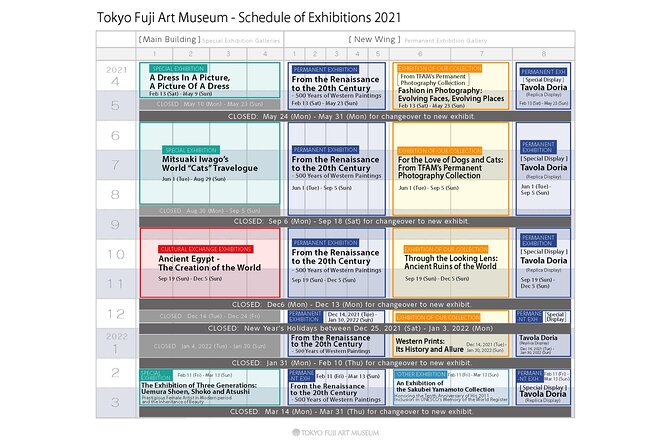
The special exhibition is included when one is being held, and its subject changes throughout the year. That makes the ticket more useful for repeat visits, but it also means the experience depends on the dates you choose.
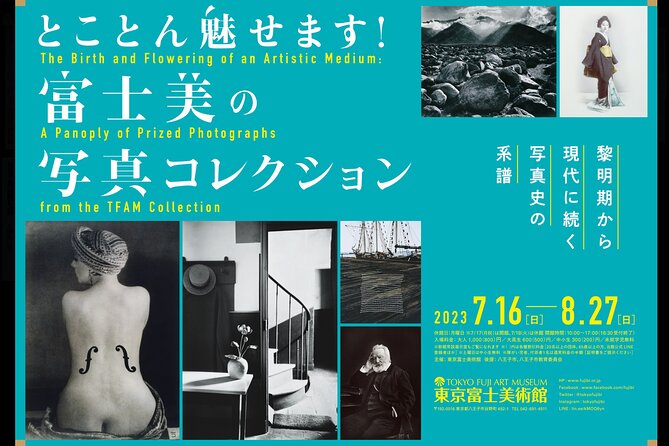
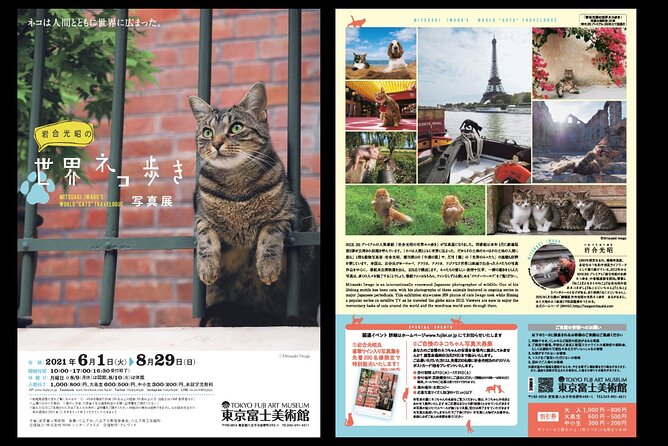
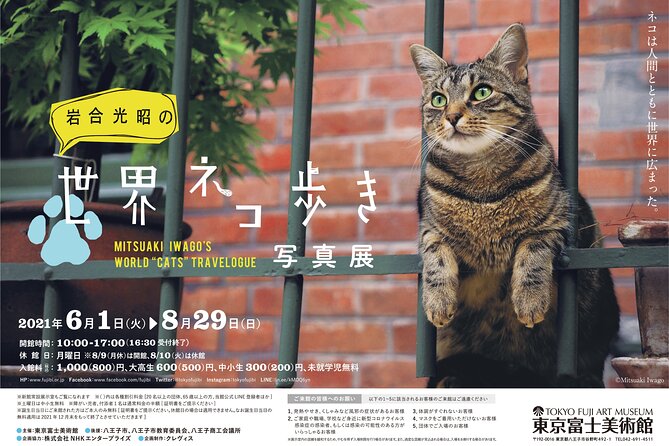
Past subjects have included Osamu Tezuka and photographer Iwago’s cat images. An Osamu Tezuka exhibition presented detailed material connected with the artist’s work, including an original story linked to Jungle Emperor Leo. The display took about an hour for one visitor, while the one-way journey to the museum took about an hour and a half from home. That is a useful reality check: the exhibition may be very worthwhile, but you should budget your day around the full journey, not only gallery time.
The cat exhibition offered a lighter, more immediately accessible subject. It included photographs of cats and a selection of cat-themed souvenirs. If you are visiting with someone who does not usually spend hours with old paintings, a popular special exhibition can make the museum easier to share.
The large Western painting show had a different character. It offered a long look at European painting across the centuries and added weight to the museum’s already broad permanent collection.
Before you go, check the exhibition dates and subject. If there is no special exhibition during your visit, the permanent collection remains the main reason to enter. If the special show matches your interests, it can turn a long journey into a satisfying half-day outing.
What to expect during your two to three hours inside
There is no strict itinerary beyond visiting the museum. You enter Tokyo Fuji Art Museum, collect your admission, and explore the available galleries in your own order.
A practical approach is to begin with the special exhibition if one is running. Temporary shows can have a defined route and may take around an hour, depending on your pace and interest. Starting there also lets you see the exhibition before your attention fades.
Afterward, move through the permanent rooms. Give yourself time for the Western paintings, then look for the Japanese and Eastern works and the less expected objects. The collection includes photography, sculpture, ceramics, lacquer ware, armor, swords, and medallions. You will get more from the museum if you treat the visit as a series of smaller discoveries rather than trying to see all 30,000 works, which is clearly impossible in one afternoon.
The museum has earned praise for its tidy facilities and calm indoor setting. That matters on a hot Tokyo day, when a clean, air-conditioned museum can offer a welcome pause. The appeal is not only the artwork. The building gives you a quiet place to slow down after time in the city.
Your ideal visit length depends on the exhibition. For a focused special show, one to two hours may be enough. For a special exhibition plus permanent galleries, two to three hours is more sensible. A major painting survey can take longer.
Same city, a completely different collection:
- Vatican Museums, Sistine Chapel & St. Peter’s Basilica Tour
★ 4.3 · 73,970 reviews - Vatican Museums, Sistine Chapel & St Peter’s Basilica Guided Tour
★ 4.5 · 39,149 reviews - Paris: Orsay Museum Entry Ticket
★ 4.7 · 25,647 reviews - Madrid: Prado Museum Entry Ticket
★ 4.6 · 20,699 reviews
The admission process is easy, but keep your reservation details handy
Your admission ticket is included. The online booking process is useful because you can avoid waiting at the ticket machine, though the museum still issues an admission ticket at the counter.
When arriving, tell the counter staff the name used for the reservation. The booking confirmation is received at the time of purchase, so keep that information available. The process has been described as similar to checking in at a hotel or restaurant: state your name, receive the ticket, and enter.
This is a small advantage, but it removes an unnecessary decision at the door. You do not need to work out the ticket machine after a long trip across Tokyo. You also have the reassurance of a confirmed booking before setting out.
There is no guide named for this experience, and no guided commentary is included. That is a benefit if you like to read labels and choose your own route. It is a limitation if you want someone to explain the collection or provide background as you walk.
Getting there requires a realistic time plan
The museum is near public transportation, but the information provided does not specify a station, route, or journey time. You should check the route from your hotel before booking and allow enough time for the trip to Hachioji.
This is the single biggest practical consideration. The admission costs very little, but transport and travel time may take a larger share of your day. If you are staying in central Tokyo and have only a short visit, the museum may not be the best use of your time. If you are already planning western Tokyo sights, it becomes a much easier choice.
Try pairing the museum with other plans in the same part of the city, but do not force a crowded schedule around it. The museum works best when you can give it a calm block of time. Rushing through a 30,000-piece collection defeats the point.
Opening hours listed for February 7 through March 22 in both 2026 and 2027 are 10:00 AM to 5:00 PM, Monday through Sunday. Confirm the dates that apply to your booking, especially if you are visiting outside those listed periods.
Who will get the most from this ticket
This experience suits you best if you enjoy art but do not want a guided group. The self-paced format lets you linger over one painting, skip a room, or finish early without affecting anyone else.
It is also a good fit for repeat visitors to Tokyo. You may have already seen the best-known museums in central Tokyo and want something different. The rotating exhibition program gives you a reason to check the museum again on another trip.
Families and mixed-interest groups may find the changing special exhibitions helpful. A manga exhibition, a cat photography show, or another accessible theme can appeal to people who are less interested in historical painting. The permanent displays then give more serious art lovers plenty to examine.
The museum also works for visitors who appreciate variety. You can shift from oil paintings to photography, then to ceramics, armor, or swords. I would not choose it for a single narrow interest unless the current special exhibition directly matches that subject.
Service animals are allowed, and most people can participate. Lunch is not included, so plan your meal separately. No meal or guided program is part of the ticket.
What the $5.27 price really buys you
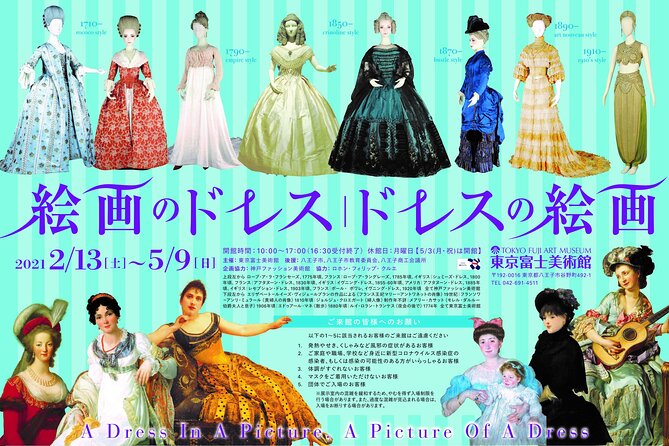
At $5.27, this is one of the easier Tokyo admissions to justify. You receive entry to the museum and, when scheduled, the special exhibition. There is no added lunch cost hidden in the experience because lunch is simply not included.
The real value depends on how much time you spend inside. A one-hour visit centered on a special exhibition is still inexpensive, but two to three hours makes the price especially strong. The museum’s range also helps. Even if one section does not interest you, another may offer paintings, photographs, decorative arts, or historical objects that keep the visit moving.
The price does not erase the transport issue. Think of it as a low-cost museum ticket, not a low-cost full-day outing. Add the time and fare needed to reach Hachioji when comparing it with museums closer to your hotel.
A special exhibition can also change the value calculation. If the subject is one you care about, the ticket becomes a clear buy. If the exhibition is not appealing and your schedule is tight, the permanent collection alone may not justify the journey.
Cancellation, opening hours, and other practical details
You can cancel for a full refund up to 24 hours before the experience start time. Cancellations made less than 24 hours in advance are not refunded, and changes inside that period are not accepted. The cut-off follows local time.
The stated hours for the February 7 to March 22 operating periods are 10:00 AM to 5:00 PM every day of the week. The available information does not state a last admission time, so avoid arriving close to closing.
The experience has a 4.7 rating from 25 reviews and is recommended by 96 percent of customers. The strongest praise centers on the quality of the exhibitions, the calm and tidy facilities, and the ease of collecting a ticket with a reservation name.
Those strengths are credible reasons to book, but keep the distance in mind. The museum is not a five-minute add-on to a central Tokyo sightseeing day. It is a destination that rewards a deliberate plan.
Should you book Tokyo Fuji Art Museum?
Book this ticket if you want a flexible art visit, value a low admission price, and can spare two to three hours plus the journey to Hachioji. It is especially appealing when the current special exhibition matches your interests.
I would book it for a Western painting survey, a subject-specific show such as Osamu Tezuka or cat photography, or a relaxed day built around western Tokyo. I would skip it if you have only one day in Tokyo, dislike long cross-city journeys, or need a highly focused museum with a guided explanation.
The best choice is simple: check the special exhibition first, then compare the transport time with your available day. If the subject interests you and you can visit without rushing, $5.27 buys an unusually broad and flexible museum experience.
FAQ
How much does admission to Tokyo Fuji Art Museum cost?
The admission ticket costs $5.27 per person.
How long does the visit take?
The experience lasts approximately two to three hours, though the time can vary depending on how carefully you view the permanent and special exhibitions.
Is a special exhibition included?
A special exhibition is included when one is being held. The exhibition changes throughout the year, so the subject depends on your visit dates.
What are the museum’s opening hours?
For the listed periods from February 7 to March 22 in 2026 and 2027, the museum is open Monday through Sunday from 10:00 AM to 5:00 PM.
Is lunch included?
No. Lunch is not included in the admission ticket.
Can I cancel for a refund?
Yes. You can cancel at least 24 hours before the experience start time for a full refund. Cancellations or changes made less than 24 hours before the start time are not accepted for a refund.
Just added around the world
- Colosseum,Vatican Museum & Sistine Chapel in One Day Guided Tour★ 3.5 · 9 reviews
- Vatican Museums and Sistine Chapel last entry Guided Tour★ 5.0 · 3 reviews
- Private Tour Of Rome Highlights And Vatican Museums Skip-The-Line all included★ 5.0 · 4 reviews
- Borghese Gallery Admission Ticket with Audioguide★ 4.0 · 64 reviews
- Caravaggio Art Walking Tour of Rome with Pantheon Visit★ 4.5 · 35 reviews
- Borghese Gallery Skip the Line Guided Tour★ 4.5 · 23 reviews
- Borghese Gallery Ticket with Audioguide★ 3.5 · 51 reviews
- Borghese Gallery VIP Tour – Skip the Line Tickets★ 5.0 · 2 reviews
Art Museum Tours in Japan, compared.
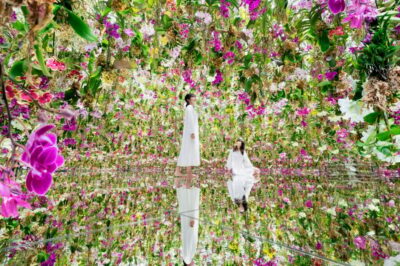
teamLab Planets TOKYO Digital Art Museum Entry Ticket
Read our review →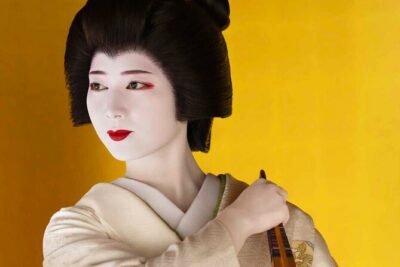
Kyomai Dance by Maiko Geiko and Visits of Gion Art Museum Kyoto
Read our review →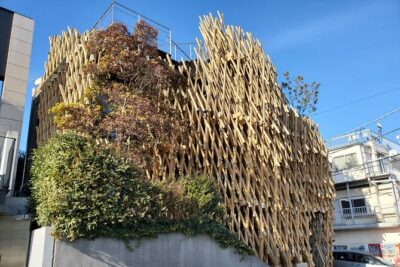
Tokyo Architecture and Contemporary Art Walking Tour with a local guide
Read our review →
Kyoto 1 Day Suntory Yamazaki Distillery Tour and Asahi Art Museum
Read our review →
Kyoto Half Day Yamazaki Whisky Museum and Asahi Art Museum
Read our review →
1 Day Historic Obuse and Hokusai Mad Man of Art Tour in Japan
Read our review →
Browse the lists this tour appears in