REVIEW · TICKETS
Tallinn: PoCo Pop Art Museum Ticket
Tallinn’s PoCo Pop Art Museum turns a former industrial quarter into a fitting backdrop for art built on bright colors, famous faces, consumer culture, and a little mischief. Inside, you’ll find works connected with Warhol, Banksy, Koons, Lichtenstein, Haring, Hirst, Murakami, Wesselman, and Kusama, along with Estonian pop art and changing displays such as the noted Tommy Cash exhibition.
I like two things right away: the large number of works packed into the museum, and the QR-code guides, which let you read about pieces at your own pace instead of following a fixed tour. The main drawback is that this is not a guided visit, and one exhibition room is not wheelchair accessible. The museum also says it is not suitable for people with visual impairments.
Key points to know before visiting
- Rotermann gives the museum extra character: Industrial brick buildings meet modern glass architecture around PoCo.
- The $21 ticket is valid for 10 days: You can choose your visit time after checking current availability.
- Expect major pop art names: Warhol, Banksy, Koons, Kusama, Haring, Murakami, and others appear in the permanent exhibition.
- Your phone is part of the visit: Information comes through QR codes, with Wi-Fi available inside.
- The collection has a local connection: Much of it comes from the personal collection of Estonian digital-state pioneer Linnar Viik.
- Access has limits: The museum is wheelchair accessible except for one room and is not suitable for people with visual impairments.
PoCo in Tallinn’s Rotermann quarter
PoCo Pop Art Museum sits in the Rotermann quarter, one of Tallinn’s most striking modern urban areas. Here, 19th-century industrial buildings sit beside clean-lined glass facades. The result feels almost like a piece of large-scale pop art before you even reach the museum door.
That setting matters. Pop art often borrows from ordinary commercial life, city streets, advertising, factories, and mass production. Rotermann’s mix of old brick and new construction fits the subject better than a quiet, formal gallery might.
The museum is in Harju County, in central Tallinn. Transportation to the museum is not included, so you’ll need to make your own way there. Since PoCo is in a central quarter known for shops, restaurants, and modern architecture, it works well as part of a walking day in Tallinn rather than as a separate trip.
I would allow time to look around the Rotermann quarter before or after the museum. The information provided does not give a required visit length, so you can set your own pace. Some visitors may move through in a short visit, while anyone who reads the QR material and studies each work will need longer.
A few more gallery visits around the world worth comparing
- Paris: Louvre Museum Timed-Entrance Ticket
★ 4.6 · 71,977 reviews - Amsterdam: Van Gogh Museum Ticket
★ 4.7 · 52,054 reviews - Florence: Skip-The-Line Uffizi Gallery Timed Entry Ticket
★ 4.5 · 27,832 reviews
What you see inside the permanent exhibition
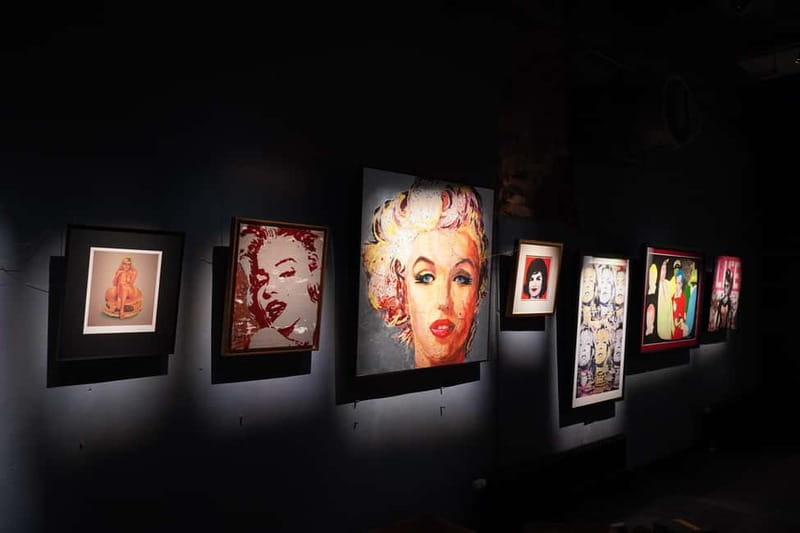
PoCo’s permanent exhibition covers both international and local pop art. The headline names are a major reason to visit. You may encounter work associated with Andy Warhol, Banksy, Jeff Koons, Roy Lichtenstein, Keith Haring, Damien Hirst, Takashi Murakami, Tom Wesselmann, and Yayoi Kusama.
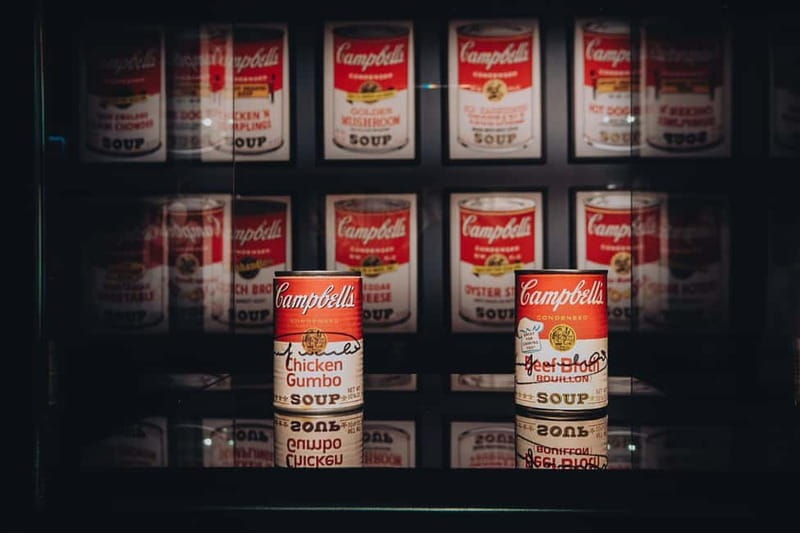
That list gives you a useful sense of the museum’s range. Warhol points toward celebrity, repetition, and consumer goods. Lichtenstein is linked with comic-book imagery and bold graphic style. Haring brings energetic line drawings and public-art influence, while Kusama is known for repeated patterns and obsessive visual motifs.
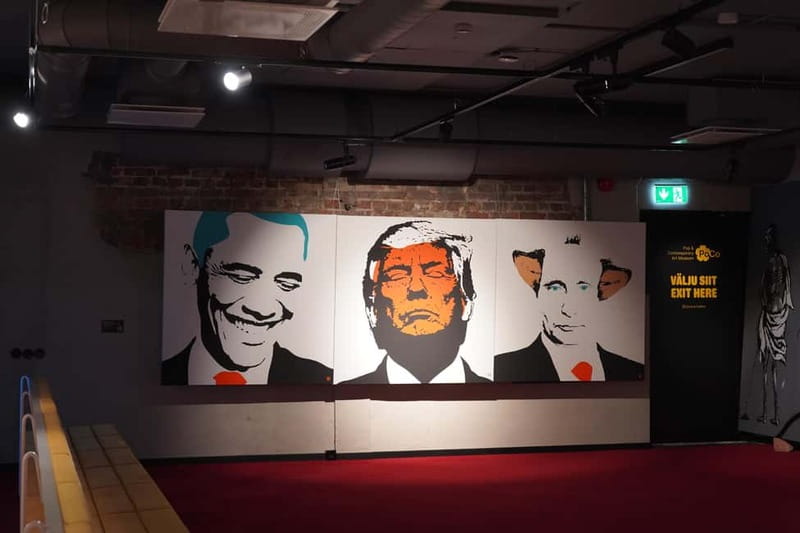
Banksy and Koons bring a different edge. Banksy’s work often plays with politics, irony, and public expectations. Koons is associated with polished objects and questions about taste, luxury, and commercial culture. The point is not simply to tick off famous names. PoCo places different approaches to pop art side by side, so you can compare how each artist uses familiar images to make you look again.
The museum describes pop art as bold and ironic, mixing social criticism with thought games. That is a useful way to approach the visit. You do not need an art-history background. Instead, ask simple questions as you go: What familiar image is being used? Is the artist celebrating it, mocking it, or doing both? Why does this image work at a huge scale or in repeated form?
The collection also includes Estonian and local pop art. That local element gives the museum more purpose than a display made only of international celebrity names. You get a chance to connect global pop-art ideas with Estonia’s own creative scene.
A personal collection with an Estonian angle
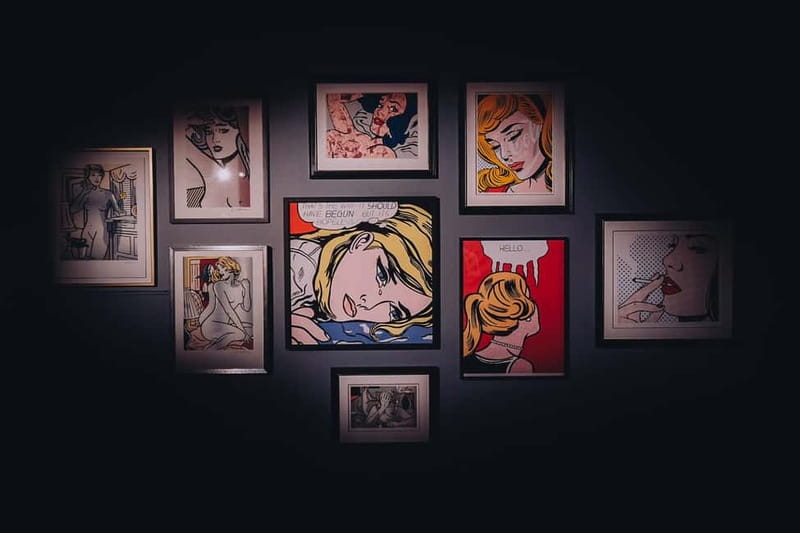
PoCo is largely based on the personal pop-art collection of Linnar Viik, an Estonian IT visionary and one of the ideologists of Estonia’s digital state. That background adds an interesting layer to the museum.
Viik is associated with technology and Estonia’s modern digital identity, while pop art often examines media, machines, reproduction, advertising, and mass communication. The collection therefore feels connected to more than simple decoration. It reflects an interest in how images travel through society and how technology changes the way people see and share them.
You may find the museum more appealing if you enjoy the idea of a personal collection with a clear point of view. It is not presented as a neutral textbook survey of every major movement in modern art. The selection reflects the tastes and interests behind PoCo, which can make the visit feel more direct and less academic.
The trade-off is that the exact mix of works and temporary displays can change. The permanent exhibition gives you the main reason to go, but you should treat individual featured displays as subject to change. Tommy Cash was specifically highlighted as an impressive part of the museum experience at one point, so fans of Estonian music and contemporary culture may find an extra reason to check the current program.
Using the QR guides without a tour leader
There is no guided tour included. Instead, you use your phone to scan QR codes and read information about the art. This is a good arrangement if you like to control your own pace, but it requires a little preparation.
Bring a fully charged phone. Wi-Fi is available inside, but a phone without power will not help much when the guide is digital. The QR system also means you can skip lengthy explanations when you want to focus on the visual experience, then read more about a work that catches your attention.
I like this format for pop art because the works can be quick to understand at first glance, yet often reward a second look. You can move through a wall of bold images, then stop to read the background behind a particular artist or piece.
Still, some people prefer a human guide who explains connections, answers questions, and points out details you might miss. If that sounds like you, PoCo may feel less satisfying than a museum with a scheduled tour. The ticket includes access to the digital information, not a personal art specialist.
A phone also changes the rhythm of the visit. You may be looking at art, scanning codes, and reading a screen in the same few minutes. Take breaks from the phone so the visit does not become a series of small text panels.
Same city, a completely different collection:
- Vatican Museums, Sistine Chapel & St. Peter’s Basilica Tour
★ 4.3 · 73,970 reviews - Vatican Museums, Sistine Chapel & St Peter’s Basilica Guided Tour
★ 4.5 · 39,149 reviews - Paris: Orsay Museum Entry Ticket
★ 4.7 · 25,647 reviews - Madrid: Prado Museum Entry Ticket
★ 4.6 · 20,699 reviews
How much value do you get for $21?
At $21 per person, PoCo is priced as a focused museum visit rather than a free gallery stop. The value depends on how much you enjoy pop art and how long you choose to stay.
The ticket gives you access to the permanent exhibition and works by several internationally famous artists. You also get the digital guide, and the ticket remains valid for 10 days. That long validity is useful if your Tallinn schedule is uncertain. You do not have to lock yourself into a single narrow day, though you still need to check available starting times when booking.
For someone who already wants to see Warhol, Banksy, Koons, or Kusama, the price is easier to justify. The collection’s local material and changing displays add interest beyond a simple name-checking exercise.
The value is less clear if you are looking for a large traditional museum with many rooms covering centuries of art. PoCo is specialized. Its appeal comes from a particular style, mood, and group of artists. If pop art does not interest you, the $21 ticket may feel high for a visit centered on one movement.
Food, drinks, transportation, and souvenirs are not included. You should also note that food and drinks are not allowed inside, so plan to eat before or after your visit.
Practical details for your visit
The ticket is sold for a private group, but no guided service is included. You should think of it as independent museum entry rather than a private tour with a guide.
The ticket is valid for 10 days. Check availability for the starting times that suit your schedule. Free cancellation is available up to 24 hours in advance for a full refund, and you can reserve now and pay later. These terms are useful if your Tallinn plans may shift.
Wear comfortable shoes, especially if you are combining PoCo with a walk through Rotermann and central Tallinn. The supplied visitor information also suggests bringing a hat, camera, sunscreen, and water, though food and drinks cannot be taken into the museum.
Flash photography is not allowed. Pets, smoking, food, drinks, and backpacks are also not allowed. The information does not specify storage arrangements for backpacks, so it is safest to arrive with a small permitted bag or check current museum instructions before setting out.
The museum is wheelchair accessible, with one important exception: one room of the exhibition cannot be reached by wheelchair. If full access to every room matters to you, contact the museum before booking.
The museum states that it is not suitable for visually impaired people. That is an important limitation, especially because much of the visit depends on viewing visual works and reading information through QR codes.
Who will enjoy PoCo most?
I would recommend PoCo to anyone who likes modern art with a strong visual punch. It is especially well suited to visitors who want a museum visit that feels lighter and more playful than a conventional art collection, while still offering ideas about advertising, fame, politics, taste, and popular culture.
You do not need to recognize every artist. The famous names provide an easy entry point, while the local works and changing displays give you more to explore.
The museum also suits independent visitors. You can use the QR codes when you want, skip what does not interest you, and spend extra time with the pieces that catch your eye. The 10-day ticket validity helps if your itinerary is loose.
Families and mixed groups may appreciate the direct, colorful style of pop art, but the museum’s information does not provide a specific children’s program or family tour. I would not assume that special activities are available.
You may want to choose another attraction if you need a fully accessible visit, a human guide, extensive historical context, or a museum designed for visually impaired visitors. PoCo’s format is visual, self-guided, and focused.
A good stop before or after Tallinn’s old town
PoCo does not need to take over your entire day. Its location makes it easy to pair with other Tallinn sightseeing, especially if you enjoy seeing how old industrial spaces are reused.
The Rotermann quarter gives you a modern counterpoint to Tallinn’s medieval old town. After looking at art that questions advertising and mass culture, you can step outside into an urban district that also mixes old structures with new design.
I would plan the visit around your energy and interest. If you read every QR explanation and take time with the collection, allow a generous block of time. If you mainly want to see the major names and enjoy the setting, you can make it a shorter stop.
Because no exact visit duration is given, do not build your day around a rigid timetable. Check your selected entry time, charge your phone, and leave room for the surrounding quarter.
Should you book the PoCo Pop Art Museum?
Book it if you like Warhol, Banksy, Koons, Kusama, Haring, or modern art that plays with advertising, celebrity, and everyday images. The combination of international names, Estonian pop art, QR-based information, and Rotermann’s architecture gives you a focused Tallinn experience with a clear personality.
The $21 price is reasonable for pop-art fans who will take time with the permanent collection. The 10-day ticket validity and free cancellation up to 24 hours before the visit also make it a flexible choice.
Skip it if you want a guided museum experience, a broad survey of European art, full wheelchair access to every room, or accommodations for visual impairment. For the right audience, though, PoCo offers a colorful and thoughtful break from Tallinn’s older sights.
FAQ
How much does admission to PoCo Pop Art Museum cost?
The ticket costs $21 per person.
How long is the ticket valid?
The ticket is valid for 10 days. You should check availability for current starting times.
What does the ticket include?
It includes entrance to PoCo Pop Art Museum, access to the permanent exhibitions, and the digital guide available through QR codes.
Is a guided tour included?
No. Guided tours are not included. The museum provides information through QR codes that you scan with your phone.
Which artists can I see at PoCo?
The exhibition includes works by artists such as Warhol, Banksy, Koons, Lichtenstein, Haring, Hirst, Murakami, Wesselman, and Kusama. Local pop art is also included.
Where is PoCo Pop Art Museum located?
The museum is in the Rotermann quarter of Tallinn, in Harju County, Estonia.
Can I cancel my ticket?
Yes. You can cancel up to 24 hours in advance for a full refund.
Is the museum wheelchair accessible?
The museum is wheelchair accessible, but one exhibition room cannot be accessed by wheelchair.
Can I bring a backpack, food, or drinks inside?
No. Backpacks, food, and drinks are not allowed. Smoking, pets, and flash photography are also prohibited.
Just added around the world
- Colosseum,Vatican Museum & Sistine Chapel in One Day Guided Tour★ 3.5 · 9 reviews
- Vatican Museums and Sistine Chapel last entry Guided Tour★ 5.0 · 3 reviews
- Private Tour Of Rome Highlights And Vatican Museums Skip-The-Line all included★ 5.0 · 4 reviews
- Borghese Gallery Admission Ticket with Audioguide★ 4.0 · 64 reviews
- Caravaggio Art Walking Tour of Rome with Pantheon Visit★ 4.5 · 35 reviews
- Borghese Gallery Skip the Line Guided Tour★ 4.5 · 23 reviews
- Borghese Gallery Ticket with Audioguide★ 3.5 · 51 reviews
- Borghese Gallery VIP Tour – Skip the Line Tickets★ 5.0 · 2 reviews
Tickets, compared.
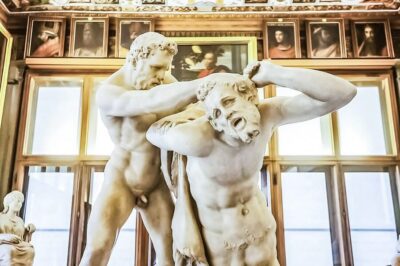
Skip-The-Line Uffizi Gallery Timed Entry Ticket
Read our review →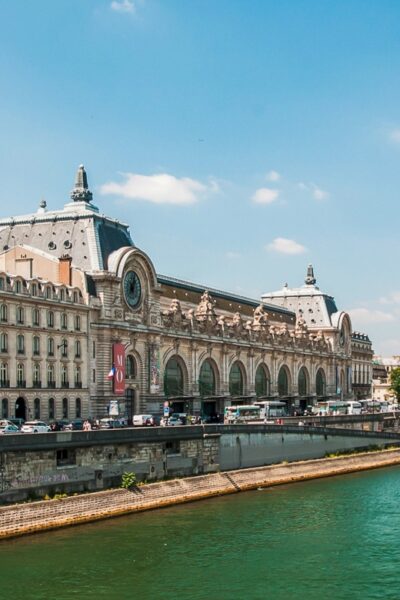
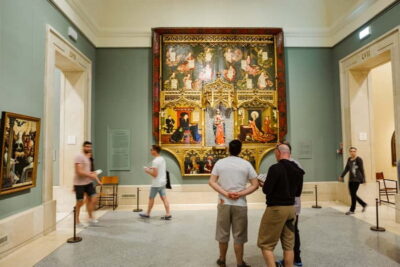
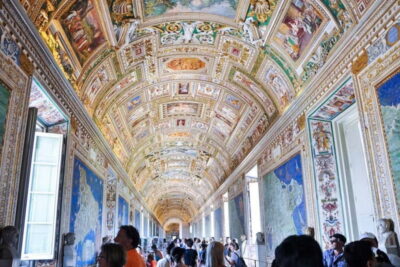
Vatican Museums & Sistine Chapel Skip-the-Line Entry Ticket
Read our review →