
REVIEW · TOURS
Ciudad Bolívar & Paraíso Transmicable Social Art Tour
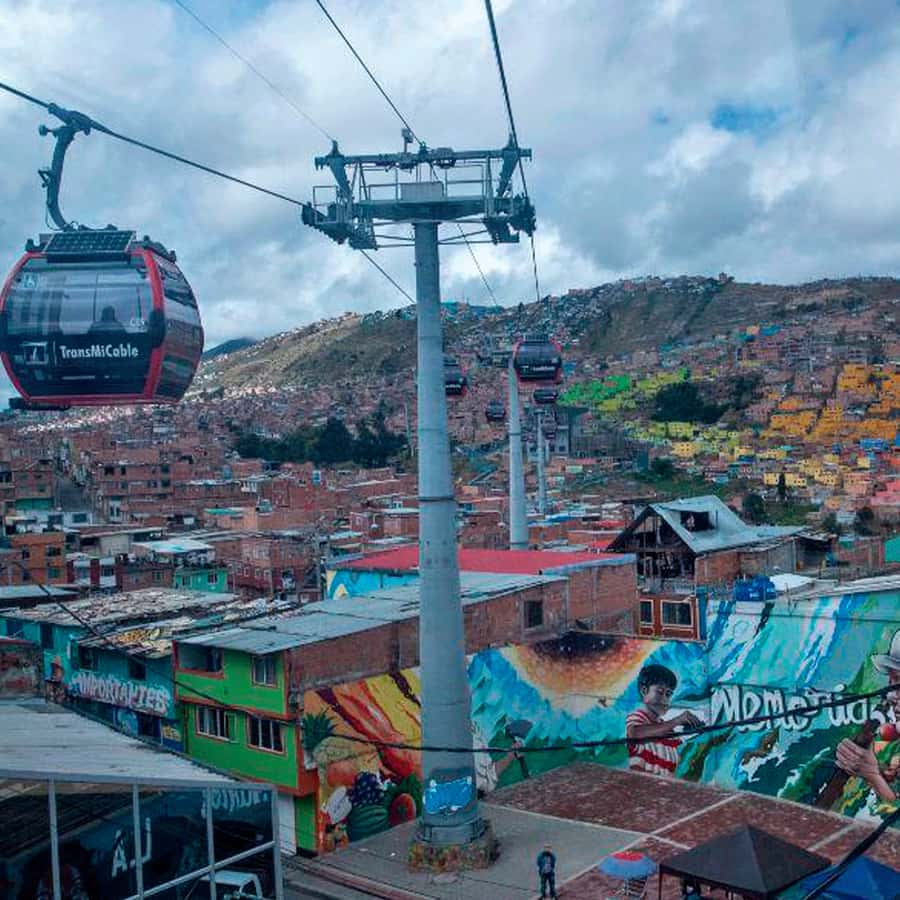
Ciudad Bolívar is not a polished postcard version of Bogotá. It is a working district shaped by local families, social challenges, new public projects, and people trying to build better options close to home. This five-hour tour uses the TransMiCable to reach Paraíso and shows you how transportation, art, parks, food, and community action fit together.
I like the cable-car journey, which gives you a clear view of Bogotá from the south-west and turns an ordinary commute into part of the experience. I also like the local focus: your guide, snack maker, artist, and break dancer are connected to the neighborhood rather than brought in just to perform for visitors.
The main consideration is that this is a walking tour in a hilly district, with stairs and uneven streets. It is not suitable for wheelchair users or pregnant women, and you should bring comfortable shoes, water, and sunscreen.
Key points to know before booking
- The TransMiCable is part of the story: You ride the public cable car from Portal Tunal to El Paraíso, seeing how improved transport connects Ciudad Bolívar with the rest of Bogotá.
- The tour supports local participation: Guides, artists, food makers, and performers from the area help shape the experience and earn from it.
- Three very different community spaces: You visit the El Mirador viewpoint, Illimani Park, and La Serpiente, a colorful stairway with 120 steps.
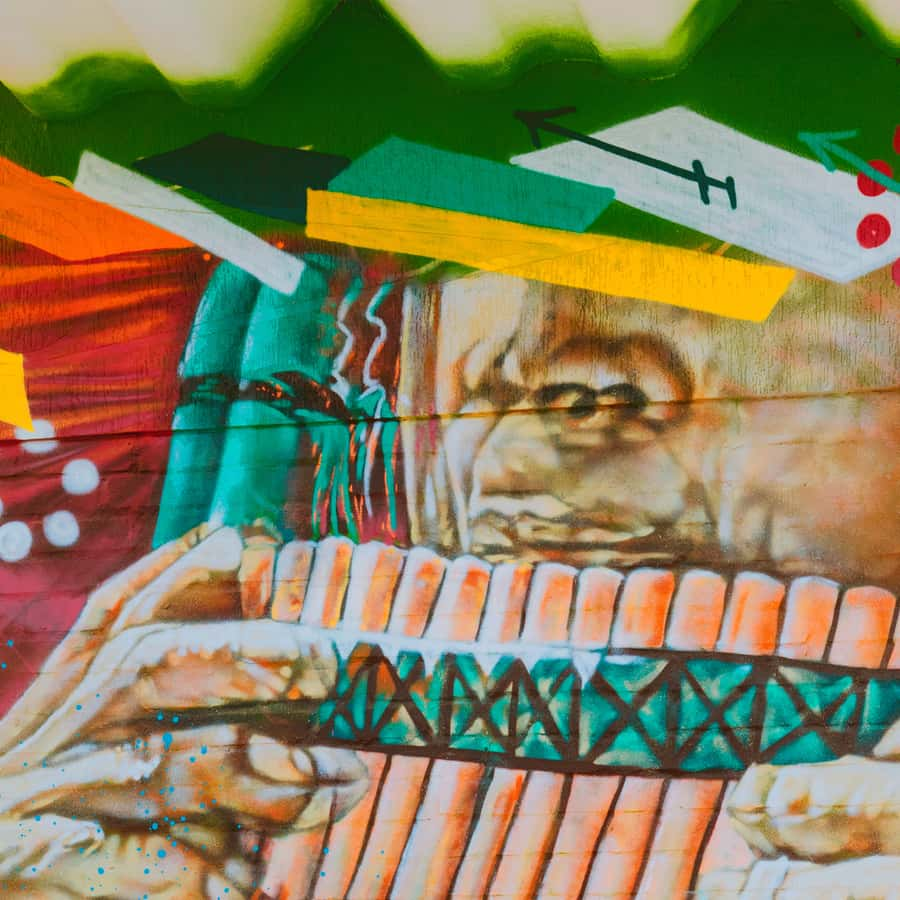
- Art has a practical purpose: Murals, souvenirs, music, and dance are presented as tools for confidence, local income, and a different future.
- A break-dance lesson is included: You watch a show and get the chance to try some moves yourself.
- The $128 price covers several useful elements: Shared hotel or hostel transport, cable-car tickets, a bilingual guide and translator, a snack, and a small surprise gift.
Why Ciudad Bolívar makes this a different Bogotá tour
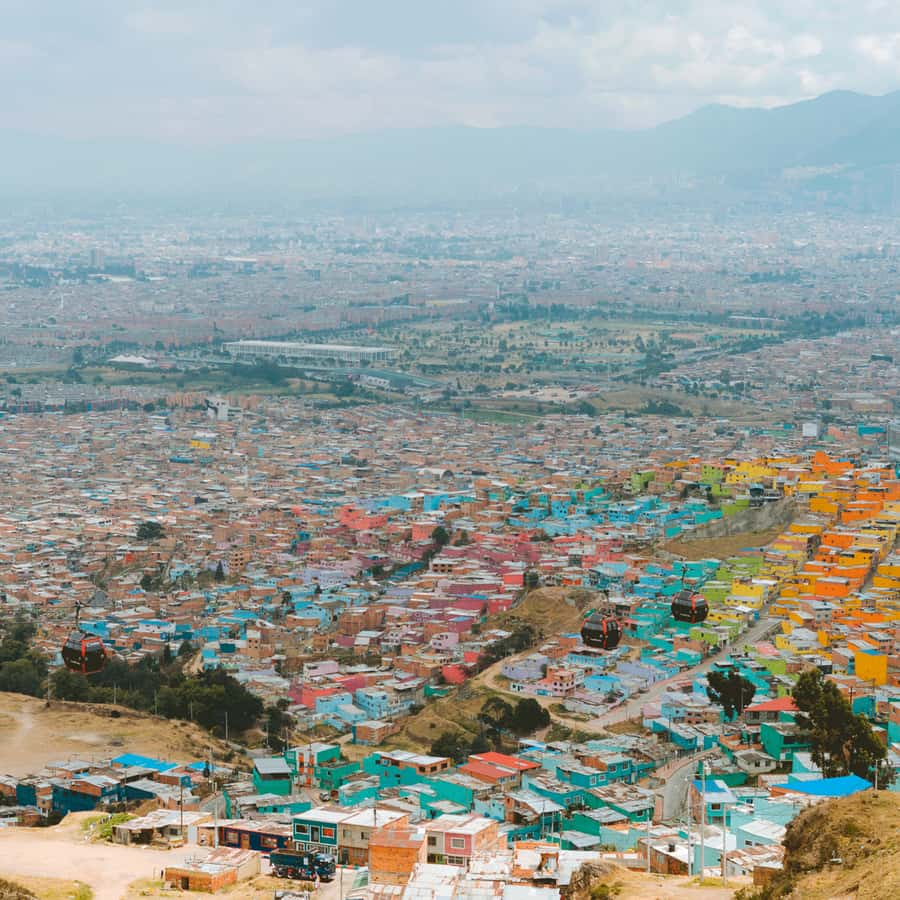
Many first visits to Bogotá stay around La Candelaria, the museums, and the grand central avenues. Those places matter, but they do not tell the whole city’s story. Ciudad Bolívar offers a look at the south-western edge of Bogotá, where working families and community groups have been pushing for better services, safer public spaces, and more opportunity.
This is not a standard sightseeing walk built around famous monuments. The key sights are community projects and everyday places. A cable-car station, a public park, a stairway, a viewpoint, and a vegetable garden become windows into how a district is changing.
That makes the tour useful for you if you want context, not just photographs. You will hear about social and economic problems, but the focus is not only on hardship. The tour also points to entrepreneurship, local talent, public investment, and the way residents are shaping their own future.
I appreciate that balance. A neighborhood should not be reduced to crime, poverty, or dramatic views. Here, local art and social tourism are treated as ways to show ability and create income. You are asked to look at the area as a living community, not as a spectacle.
A few more gallery visits around the world worth comparing
- Vatican Museums, Sistine Chapel & St. Peter’s Basilica Tour
★ 4.3 · 73,970 reviews - Paris: Louvre Museum Timed-Entrance Ticket
★ 4.6 · 71,977 reviews - Amsterdam: Van Gogh Museum Ticket
★ 4.7 · 52,054 reviews
Starting at Portal Tunal and riding the TransMiCable
The experience begins with shared transportation from your hotel or hostel in Bogotá. The exact pickup time depends on availability, but the total activity lasts about five hours, including the cable-car rides, walking, stops, and return trip.
At Portal Tunal, you begin the TransMiCable portion. The cable car is more than a scenic ride for visitors. It is a mobility system used by residents of Ciudad Bolívar, connecting the hillside communities with Bogotá’s wider public transport network.
As the cabins rise toward El Paraíso station, you get a broad view of the south-west side of the city. The ride helps you understand the distance, slopes, and scale of the district before you begin walking. It also gives the tour a strong opening because transportation itself is part of the story.
The cable car may be one of the easiest parts physically, but do not treat it as a quick transfer. Look outward and listen to your guide. This is where the tour introduces the link between urban development and daily life. A new transport option can mean shorter journeys, better access to jobs and education, and a stronger connection with the rest of the city.
The tour includes the TransMiCable ticket, so you do not need to arrange that separately. Transportation back toward Bogotá is also included at the end.
El Paraíso station and the start of the neighborhood walk
El Paraíso station marks your arrival in Ciudad Bolívar. From here, the tour shifts from public transport to walking and direct contact with the neighborhood.
Your guide and translator explain the area’s social challenges and the work being done to improve local life. The information is presented through the places you visit, which is more useful than hearing a long general speech about urban problems.
This is also where the community-led character becomes clear. The experience brings together several local roles: the guide who explains the area, the person who prepares the snack, the artist who creates the souvenir, and the break dancer who teaches and performs. Each part adds a small piece to the larger picture.
That arrangement gives your money a more direct local purpose. It does not solve every problem in Ciudad Bolívar, of course, but it offers paid work and a way for residents to present their skills on their own terms.
The neighborhood is not arranged like a conventional tourist center. You should expect an active urban setting rather than a quiet old town. Keep your attention on the guide, stay with the group, and bring only what you need for the walk.
El Mirador and the south-west view of Bogotá
One of the walking stops is El Mirador, a viewpoint on the south-west side of Bogotá. The attraction here is the scale of the view. From the hillside, you can see how large Bogotá is and how Ciudad Bolívar sits within the wider urban area.
A viewpoint can sometimes feel like a short photo stop, but here it supports the tour’s main subject. You see the city as a connected place, with hillside neighborhoods, transport routes, public facilities, and dense urban growth all tied together.
The view also helps explain why the TransMiCable matters. From above, the distance between the outer neighborhoods and central Bogotá becomes easier to grasp. What looks close on a map can involve a difficult daily journey when roads are crowded and communities sit on steep ground.
Allow time for photographs, but do not expect the viewpoint to be the whole point of the tour. This is one stop in a larger conversation about access, growth, and the effort to create public spaces that serve local families.
Same city, a completely different collection:
- Vatican Museums, Sistine Chapel & St Peter’s Basilica Guided Tour
★ 4.5 · 39,149 reviews - Florence: Skip-The-Line Uffizi Gallery Timed Entry Ticket
★ 4.5 · 27,832 reviews - Paris: Orsay Museum Entry Ticket
★ 4.7 · 25,647 reviews - Madrid: Prado Museum Entry Ticket
★ 4.6 · 20,699 reviews
Illimani Park and public investment in Ciudad Bolívar

Illimani Park is one of the most useful stops because it shows social infrastructure in physical form. The area includes parks and soccer fields, giving residents space for recreation, exercise, and community life.
The phrase social infrastructure can sound abstract. At Illimani Park, it becomes easy to understand. A sports field or public park is not just a nice extra. It can provide a place for children to play, neighbors to meet, and local groups to organize activities.
Your guide uses the park to explain how development projects are changing parts of Ciudad Bolívar. The tour does not present urban improvement as a finished job. Instead, you see it as an ongoing process shaped by public investment and community use.
This stop should appeal to anyone interested in how cities work. You are not only looking at architecture or taking photos. You are asking what a public space does, who uses it, and how it can affect daily life.
There may be time to pause here, but the tour still has several walking sections ahead. Wear shoes with good support. The route includes stairs and hilly streets, so this is not the right outing if you need an entirely level path.
Brisas del Volador and local community life
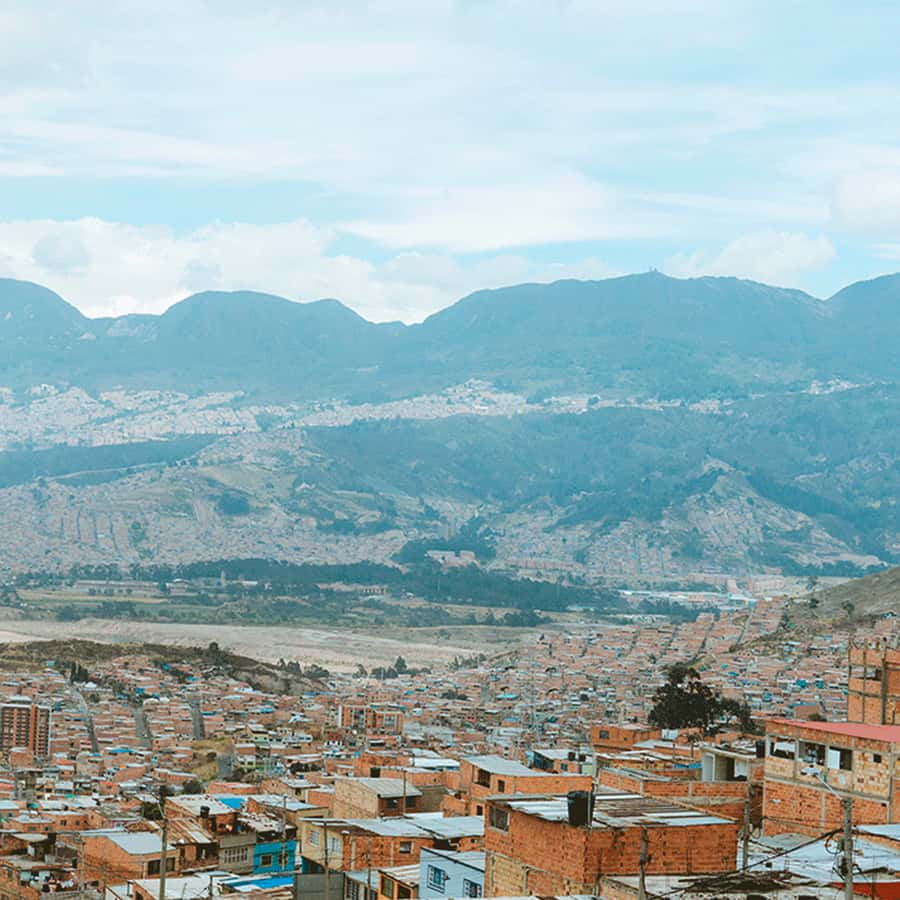
Brisas del Volador is another stop on the route through the district. The experience connects this part of Ciudad Bolívar with local families, community activity, and the wider effort to make the area part of Bogotá’s inclusive social tourism scene.
The value of this stop is its local scale. Instead of seeing Ciudad Bolívar only from the cable car, you spend time at street level, where residents live and work. Your guide helps connect the streets and public projects with the people trying to create opportunities in the area.
The tour’s message is hopeful but not naive. Social and economic conflicts remain part of the setting. Community activism and entrepreneurship are not presented as magic solutions. They are practical ways for residents to gain a stronger voice and create new income.
For you, this means the tour asks for a little more attention than a normal sightseeing trip. Listen to the examples, notice how the public spaces are used, and think about the difference between visiting a place and directing money toward people who live there.
La Serpiente, 120 colorful steps, and the view below
La Serpiente is one of the most memorable physical features of the walk. It is a colorful stairway with 120 steps, designed as a place to appreciate the size of Ciudad Bolívar while enjoying local art.
The stairs are also the clearest reminder that this is an active walking tour. One hundred and twenty steps may not sound extreme, but the climb can feel demanding, especially if you are not used to Bogotá’s altitude or if the day is sunny.
Take your time. You do not need to rush for the group, and the route is meant to be seen as well as completed. The colors and surrounding views give you reasons to pause, while the stairway itself shows how art can change the feeling of an ordinary route.
La Serpiente is a good example of the tour’s central idea. A staircase is necessary infrastructure, but local design turns it into a place people notice and remember. Art does not erase the area’s problems, yet it can help residents claim public space and give visitors a more complete picture of the community.
The vegetable garden and local family initiative
The walking route also includes a vegetable garden promoted by local families. This is a smaller, more personal stop than the park or viewpoint, but it adds an important part of the story.
A community garden links food, family work, and local initiative. It shows that social tourism is not only about murals and performances. It can also introduce you to practical projects rooted in everyday needs.
The garden gives the tour a useful change of pace. After the larger views and public facilities, you see a project that depends on families and local effort. It helps explain why the experience includes community entrepreneurship as one of its themes.
Do not expect a large commercial farm or a full meal from the garden. It is one stop within a five-hour route. Its value lies in seeing how residents use available space and organize around a shared project.
Art, souvenirs, snacks, and the break-dance session
Several people from the community contribute directly to the tour. A local artist creates the souvenir, a local mother prepares the snack, and a break dancer provides a show and lesson.
These details matter because they turn the tour into more than an explanation of Ciudad Bolívar. You are also buying a small piece of local work and eating something prepared within the community. Drinks and extra food are not included, so bring water and plan ahead if you need more than the provided snack.
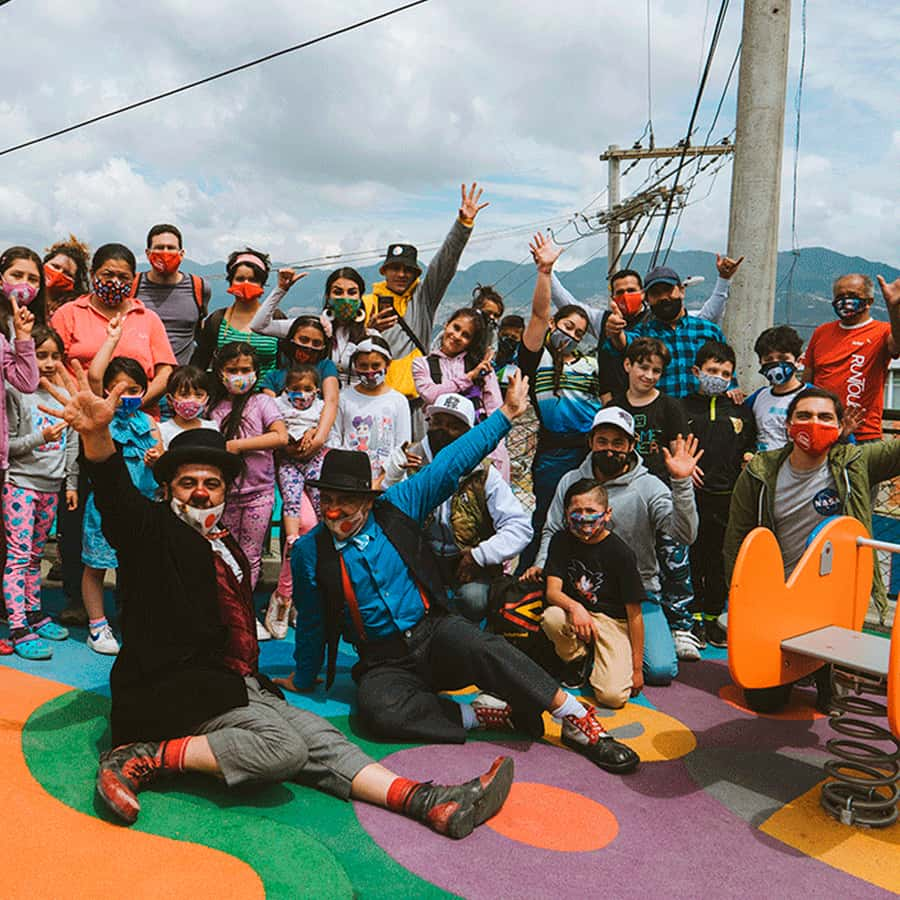
The break-dance section adds energy without losing the tour’s social purpose. You watch a performance and then get a chance to try the basic moves. You do not need dance experience, but you should be ready to take part rather than only watch.
For some people, this will be the most enjoyable part. For others, the appeal will be the chance to meet a local performer and see how creative work can support confidence, identity, and income. Either way, it gives the tour a human face.
The small surprise gift is another local touch. Since the exact item is not specified, treat it as a modest extra rather than a reason to book the tour on its own.
What $128 includes and whether it feels fair
At $128 per person, this is not a low-cost public transport outing. The price needs to be judged against what is included and the type of experience you are buying.
You receive shared transport from and back to your hotel or hostel, the TransMiCable tickets, a live guide and translator in Spanish and English, a snack, a surprise gift, and the break-dance lesson and show. You also get a five-hour route that combines transport, interpretation, local art, public projects, and community participation.
The value is strongest if you want a guided introduction to an area you might not visit independently. The local guide provides context, and the shared format can help you meet other people. A small group is available, which may make the walking portions easier to manage and the conversations more personal.
This is a shared tour, not a private one. You should not expect an exclusive guide or a schedule built around your own pace. Extra drinks, food, souvenirs, and unlisted entrance fees are not included, although the tour states that it does not take you to places where sudden extra charges apply.
I would compare the price with other guided Bogotá experiences based on purpose, not just sightseeing time. If you only want a cable-car ride and a viewpoint, $128 will feel high. If you want a structured, bilingual, community-focused visit with transportation and local activities included, the cost makes more sense.
How to prepare for the five-hour route
Wear comfortable shoes. The 120 steps at La Serpiente and the hilly walking route make this essential.
Bring water, sunscreen, and comfortable clothing. Drinks are not included, and Bogotá’s weather can change during the day. You should also carry only what you need and keep your belongings close during the public transport sections.
The tour is offered in Spanish and English, with a live guide and translator. Small groups are available, though the experience remains shared rather than private.
It is not suitable for pregnant women or wheelchair users. If stairs, hills, or a long walking route are difficult for you, choose a flatter Bogotá activity instead.
You can cancel up to 24 hours before the activity for a full refund, and you can reserve now and pay later. Those options are useful if your Bogotá schedule is still shifting.
Who should book this Ciudad Bolívar experience
I would choose this tour if you have already seen some of central Bogotá and want to understand the city beyond its historic core. It also suits you if public transport, urban planning, street art, social projects, and local entrepreneurship interest you.
Families with older children may enjoy the cable car, bright stairs, park, and dance lesson, though the walking and altitude should be considered. Solo visitors can benefit from the shared group format, especially if they want company during a visit to a less familiar part of the city.
This is less suitable for anyone looking for a relaxed luxury outing, a private guide, or a short photo tour. The subject matter is serious, and the route requires active participation.
FAQ
How long does the Ciudad Bolívar and Paraíso tour last?
The experience lasts five hours, including transportation, the TransMiCable ride, neighborhood walks, stops, and the return journey.
What languages are available?
The tour has a live guide and translator in Spanish and English.
Is transportation from my hotel included?
Shared transportation to and from your hotel or hostel in Bogotá is included.
Is the TransMiCable ticket included?
Yes. The TransMiCable ticket is included in the tour price.
What should I bring?
Bring comfortable clothes, comfortable shoes, drinks, and sunscreen.
Is the tour suitable for wheelchair users or pregnant women?
No. The experience is not suitable for wheelchair users or pregnant women.
Should you book it?
Book this tour if you want to see a side of Bogotá shaped by residents, public projects, local art, and social enterprise. The TransMiCable ride, Illimani Park, La Serpiente stairs, vegetable garden, and break-dance session give the five hours a good mix of views, movement, and conversation.
Skip it if you want a private, polished sightseeing route or cannot manage hills and stairs. For the right visitor, the real value is not one famous attraction. It is the chance to see how a community is using transport, creativity, and local initiative to tell a fuller story about Ciudad Bolívar.
Just added around the world
- Colosseum,Vatican Museum & Sistine Chapel in One Day Guided Tour★ 3.5 · 9 reviews
- Vatican Museums and Sistine Chapel last entry Guided Tour★ 5.0 · 3 reviews
- Private Tour Of Rome Highlights And Vatican Museums Skip-The-Line all included★ 5.0 · 4 reviews
- Borghese Gallery Admission Ticket with Audioguide★ 4.0 · 64 reviews
- Caravaggio Art Walking Tour of Rome with Pantheon Visit★ 4.5 · 35 reviews
- Borghese Gallery Skip the Line Guided Tour★ 4.5 · 23 reviews
- Borghese Gallery Ticket with Audioguide★ 3.5 · 51 reviews
- Borghese Gallery VIP Tour – Skip the Line Tickets★ 5.0 · 2 reviews
Tours, compared.
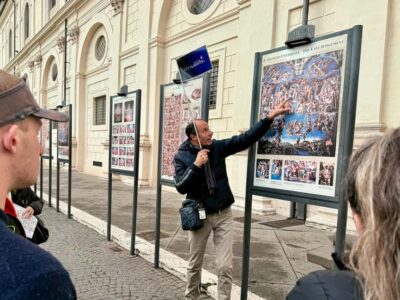
Vatican Museums, Sistine Chapel & St. Peter’s Basilica Tour
Read our review →
Vatican Museums, Sistine Chapel & St Peter’s Basilica Guided Tour
Read our review →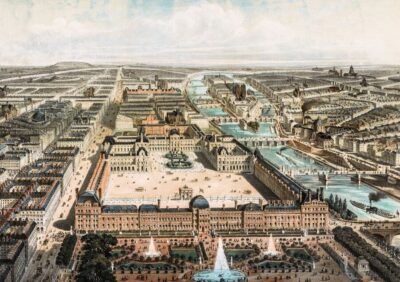
Louvre Guided Tour with Reserved Access & Boat Cruise
Read our review →
Vatican Museums, Sistine Chapel and Basilica Tour
Read our review →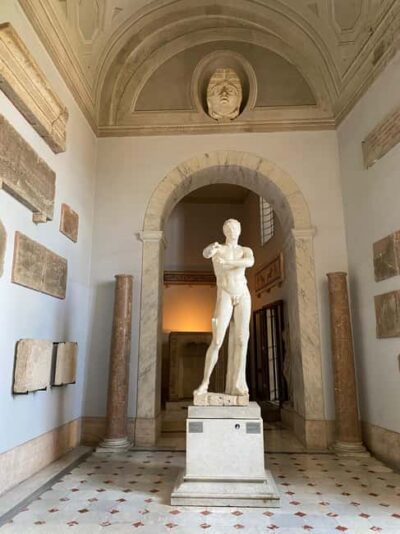
Vatican Museums, Sistine Chapel & Basilica Tour
Read our review →
Vatican Museums & Sistine Chapel Guided Tour
Read our review →
Vatican Museums & Sistine Chapel Skip-the-Ticket-Line Tour
Read our review →