
REVIEW · SKIP THE LINE
Budapest: Light Art Museum Skip-the-Line Entry Ticket
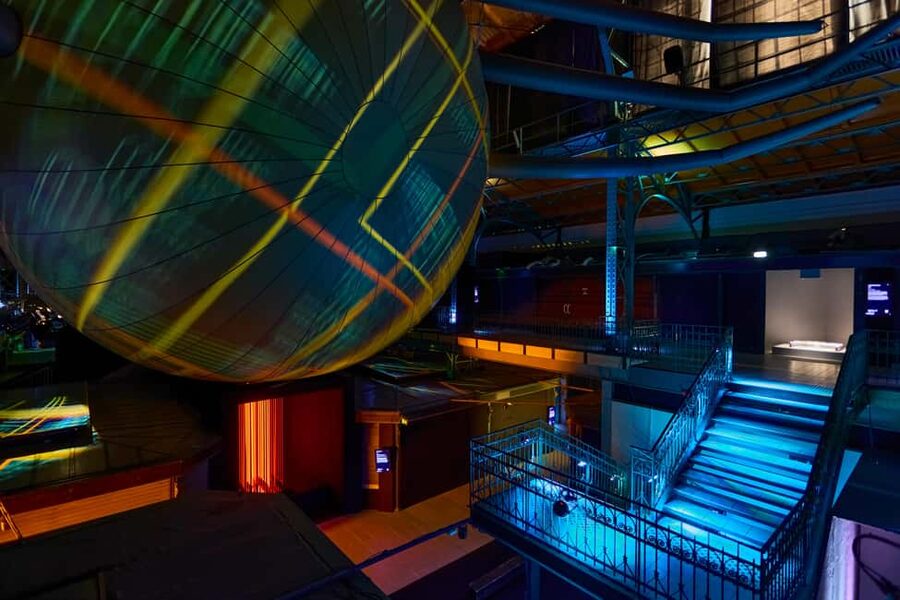
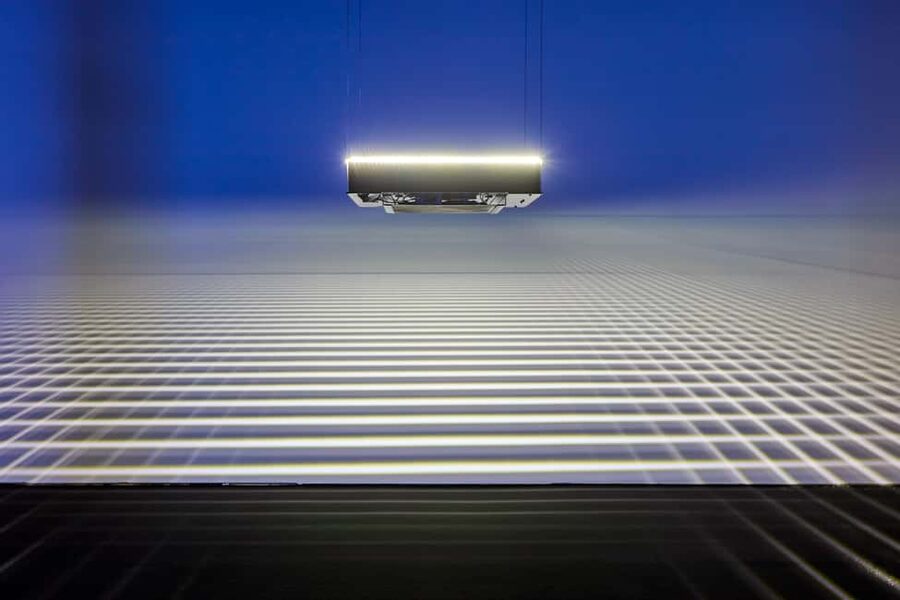
The most striking thing here is the setting: a former farmers’ market turned into a gallery of light, projection, color, shadow, and optical tricks. You move from room to room at your own pace, with no guide pushing you along. The much-loved sphere and giant floating airship are the big crowd-pleasers.
I like the mix of art and play, since you can study an idea one minute and step into a strange visual effect the next. I also like the limited admission, which can make the rooms easier to enjoy without a packed crowd. The main drawback is that the museum is fairly small, and some pieces may feel vague or less exciting if you prefer traditional art.
Key points to know
- Former market hall: A historic farmers’ market now houses large-scale light and new-media works.
- Best installations: Save time for the sphere, floating airship or blimp, projection rooms, and optical illusions.
- Plan on one to two hours: Two hours gives you time to read the panels and repeat favorite installations.
- Go downstairs: The lower level is often the stronger part of the visit, with the most memorable works.
- Not a guided tour: You explore independently, with English and Hungarian hosts available.
- Check the age mix: Some works suit young children, but an 18-plus section and explanatory panels make it better for older children and adults.
A former market hall with a very different purpose
Budapest’s Light Art Museum offers the kind of visit that is hard to compare with a standard museum. You are not walking through a long sequence of framed paintings or historical rooms. Instead, you enter a converted market building where light itself becomes the material.
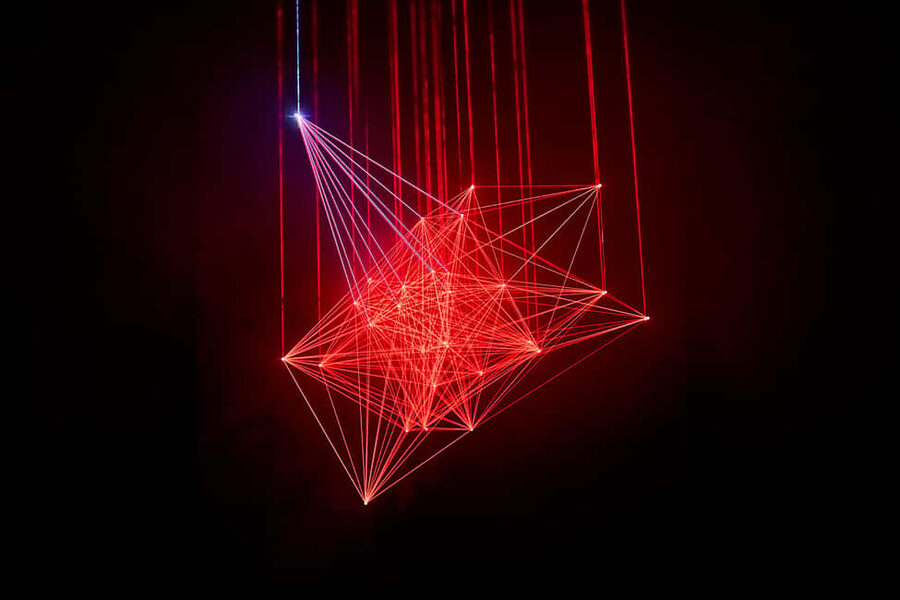
The exhibition combines contemporary art, modern art, science, and new media. Some pieces use projection mapping. Others rely on colored light, reflective surfaces, shadow, or carefully arranged lines and shapes. A few works are meant to be entered or experienced from inside, while others reward quiet observation.
That variety is the museum’s strength. I enjoyed the fact that every room asks something different of you. One installation may be purely visual, while the next makes you think about space, motion, or the way your eyes interpret color.
The building also gives the visit some character. The old market setting provides a broad hall for larger works, while smaller rooms create a more controlled atmosphere. It feels less formal than many art museums, which makes it easier to bring someone who does not usually seek out contemporary art.
More skip-the-line gallery tickets in the world:
- Florence: Skip-The-Line Uffizi Gallery Timed Entry Ticket
★ 4.5 · 27,832 reviews - Vatican Museums & Sistine Chapel Skip-the-Line Entry Ticket
★ 4.4 · 13,838 reviews - Rome: Vatican Museums & Sistine Chapel Skip-The-Line Ticket
★ 4.2 · 11,708 reviews
What you see upstairs before the main event
A practical tip is to begin upstairs with the smaller rooms, then work your way down. This gives you time to understand the museum’s approach before reaching the larger and more dramatic installations.
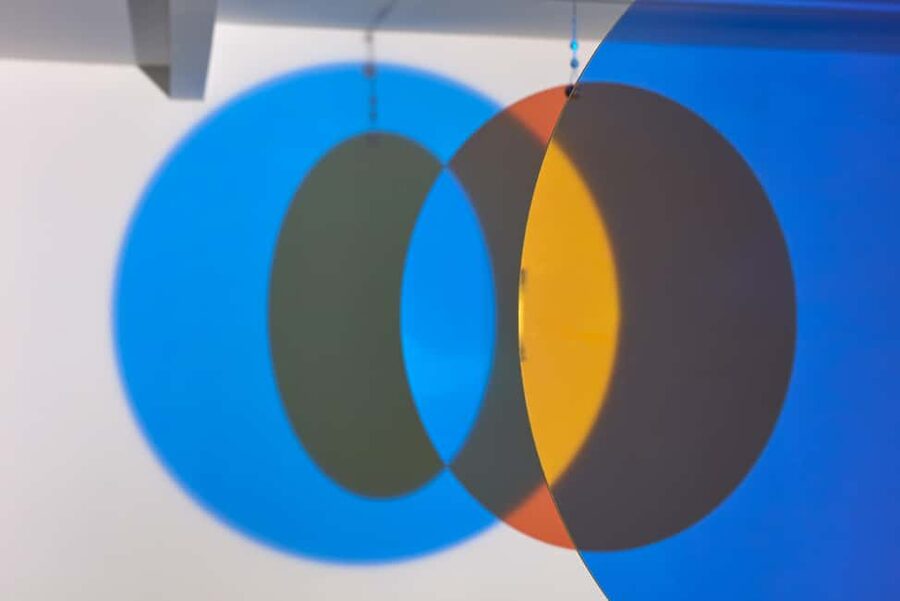
The upstairs displays include works connected with modern and contemporary art, along with information panels explaining the ideas behind them. Pieces linked to pioneer light artist László Moholy-Nagy and op-art figure Victor Vasarely add useful artistic context. You can see how light, geometry, repetition, and perception became serious subjects in modern art.
Not every work will land equally well. Some pieces are easy to grasp at a glance, while others depend on reading the explanation. If you rush through the text, a hanging arrangement of lines or a block of colored light might seem arbitrary. Give each work a moment, and the ideas often become clearer.
The information is available in English, which helps international visitors. One practical nuisance is that some digital information screens switch between languages, so you may not always be able to read every panel before it changes. If a work interests you, take your time rather than assuming the first glance tells you all there is to know.
The lower level delivers the strongest visual effects
The downstairs section is where the visit usually becomes more memorable. Several installations are larger, more theatrical, and more physical than the displays upstairs. If your time is limited, I would make this level the priority.
The sphere is one of the signature pieces. You enter the enclosed space and experience light and projection from within, rather than viewing the work from outside. It is worth slowing down here. One useful tip is to lie down inside if the installation allows it, since the effect can be much stronger when you stop looking at it from a standing position.
The airlocked dome is another popular stop. Its enclosed design changes the feeling of the room and gives the light a more complete setting. It is the sort of work that can be entertaining for children while still offering adults something to consider about scale, space, and perception.
The floating tent or airship installation is also a highlight. Several people single it out as one of the most impressive works in the building. Its size makes it easy to remember, and the unusual form gives you a good photo opportunity without reducing the piece to a simple backdrop.
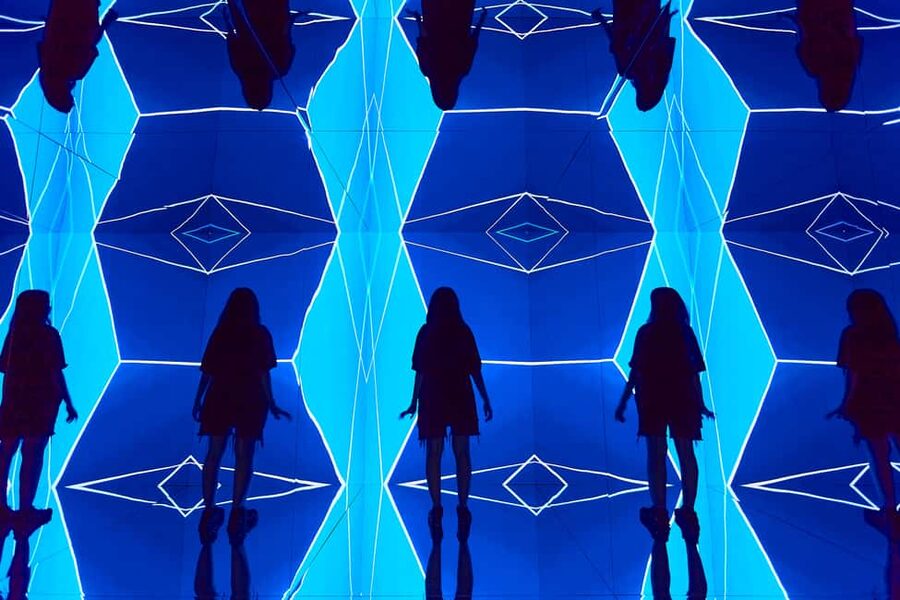
Other rooms use projection mapping, colored light, and shadow in less obvious ways. Some are highly interactive. Others are quiet and abstract. That unevenness is normal for this type of gallery, so I would not expect every room to produce the same reaction.
How long should you allow?
The stated visit time is about two hours, and that is a sensible target if you read the background panels and spend time with the interactive pieces. You can move through faster in about an hour, especially if you focus on the major installations.
Several practical factors affect the length. The museum is small enough that a quick visit may take only 20 minutes if some exhibits are unavailable or you simply walk through. On the other hand, you might stay closer to two hours if you repeat favorite rooms, wait for space inside a popular installation, or want to understand the art rather than just photograph it.
I would not build an entire day around the museum. It works better as a focused stop between other Budapest plans. A morning visit can be especially pleasant if you want a quieter start and more room around the installations. Admission is valid for one day, but the attraction itself is designed as one continuous visit rather than an all-day venue.
The limited number of people admitted at one time can help. Light-based works lose some of their effect when a room is crowded, and the controlled entry may give you a better chance to look, move, and take photographs without feeling hurried.
A few more gallery visits around the world worth comparing
- Paris: Louvre Museum Timed-Entrance Ticket
★ 4.6 · 71,977 reviews - Amsterdam: Van Gogh Museum Ticket
★ 4.7 · 52,054 reviews - Paris: Orsay Museum Entry Ticket
★ 4.7 · 25,647 reviews - Madrid: Prado Museum Entry Ticket
★ 4.6 · 20,699 reviews
What the art feels like in practice
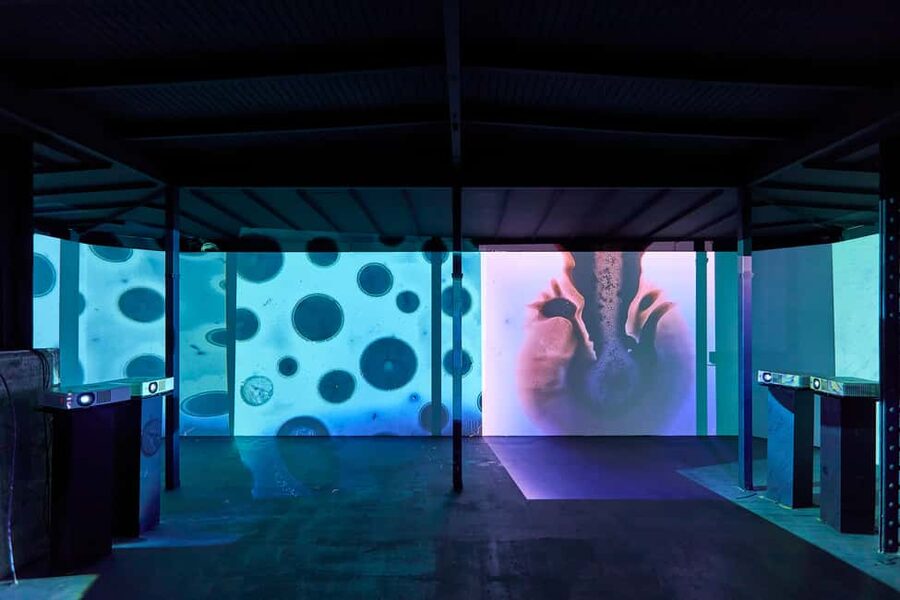
You should come here with an open mind, not with the expectation of a traditional museum collection. The strongest pieces create an immediate physical response. You see unusual shapes, walk into colored spaces, or watch projected images alter the room around you.
The less successful works may seem overly abstract. A few pieces rely heavily on an artist’s explanation, and you may not understand the intended meaning right away. That is part of the experience, but it can frustrate anyone looking for clear historical information or a straightforward story.
The museum works best when you treat the art as a mixture of visual experiment and interpretation. You do not need to understand every concept to enjoy the light, reflections, and movement. At the same time, reading the panels can turn a simple visual trick into a more thoughtful encounter with modern art.
The collection includes both historically significant names and newer installations, so it is not only a photo stop. Still, photographs are clearly part of the appeal. The sphere, dome, airship, and projection spaces all offer unusual images, though you should avoid letting your camera replace the experience itself.
Is it suitable for children?
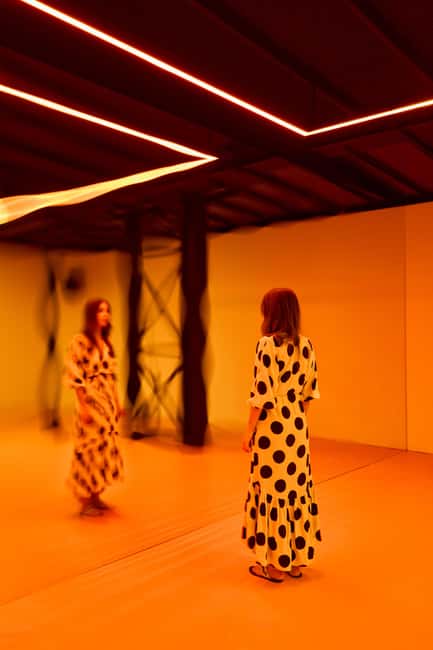
The museum can work well for families, but the age of your children matters. A two-year-old may enjoy the colors and unusual shapes, while a 10-year-old can appreciate the interactive elements and larger installations. Older children who can read the panels may get more from the artistic ideas.
You should also know that the exhibition includes a section specifically for visitors over 18. That makes the visit less straightforward for families with young children. Some of the gallery is suitable for them, but you may need to skip or manage certain areas.
Very young children may enjoy the balloon or airship-style installation more than the explanatory displays. If your family wants hands-on activity in every room, the museum may feel uneven. Some pieces invite participation, while others are meant to be looked at.
For adults and teenagers, the balance is easier. You can appreciate the strange visual effects, read the background information, and discuss which pieces work and which do not. That conversation is part of the fun, especially when the art is subjective.
The practical value of the $21 ticket
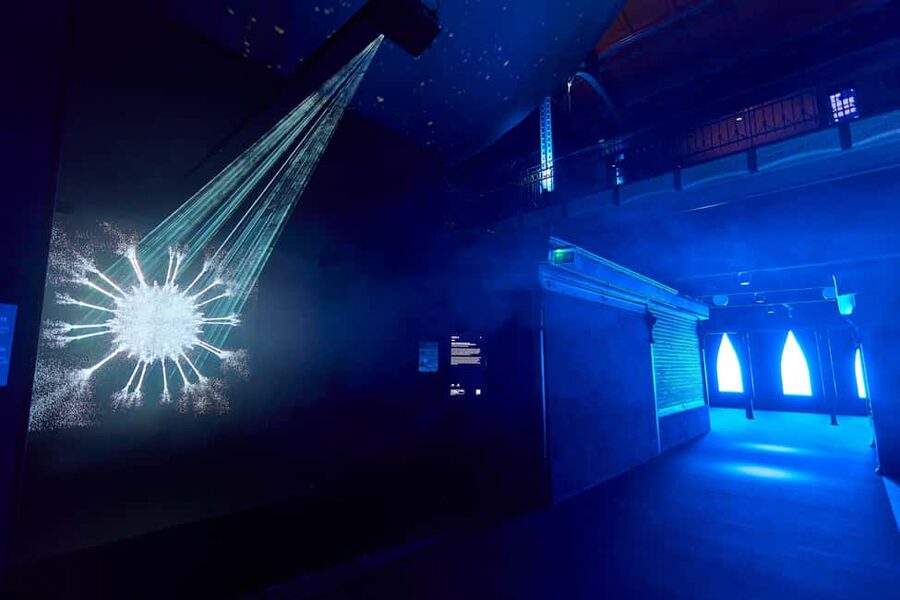
At about $21 per person, the ticket is reasonable if you spend 90 minutes to two hours inside and take time with the exhibits. It is less convincing if you expect a large museum with many galleries or a full day of entertainment.
The value comes from the format. You are paying for access to installations that would be difficult to replicate in an ordinary gallery, including enclosed projection spaces, large light works, and site-specific displays inside the old market hall.
The skip-the-line option is useful when the museum is busy. You should let the hosts know that you want to use it, since the meeting instructions specifically ask visitors to identify themselves for the line-skipping arrangement. There is no tour guide, so you are paying for entry and independent exploration rather than personal commentary.
Flexible booking also helps. You can reserve now and pay later, and cancellation is allowed up to 24 hours before the visit for a full refund. Check the available starting times before booking, since the ticket is valid for one day but entry still depends on availability.
Getting the most from your visit
I would use the following approach:
- Start upstairs with the smaller works and read the information panels.
- Move downstairs for the larger rooms and signature installations.
- Give the sphere and airlocked dome more than a quick glance.
- Lie down in the dome or sphere if permitted, since the viewing angle changes the effect.
- Save time for the airship or floating tent, which is one of the most memorable pieces.
- Do not judge the whole museum by one abstract work that leaves you cold.
- Visit early if you want fewer people around the installations.
- Allow one hour for a quick look, or up to two hours for a fuller visit.
Hosts speak English and Hungarian, but this is not a guided tour. You should be comfortable exploring on your own and using the written explanations to make sense of the works.
Who should book the Light Art Museum?
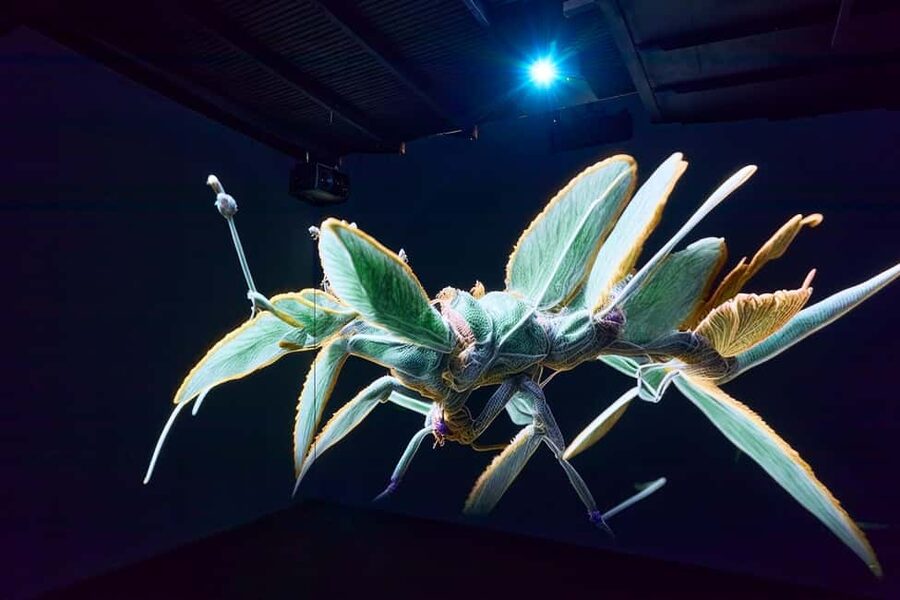
I would recommend it to anyone who enjoys contemporary art, unusual photographs, optical illusions, or interactive spaces. It is also a good rainy-day stop and a practical choice when you want something different from Budapest’s grand historic museums.
You should think twice if you want a large collection, a clear chronological story, or a guide explaining every piece. Some installations are more effective than others, and the museum can feel short for the price if you finish in 20 minutes.
For most people, the best plan is to reserve a time when you are not rushed, use the skip-the-line option, and expect a compact gallery rather than a full-day attraction. If the sphere, airship, projection mapping, and modern light art sound appealing, the $21 ticket is a fair way to spend part of a Budapest day.
FAQ
Where is the Light Art Museum experience located?
It is located in central Hungary, in Budapest.
How much does admission cost?
The listed price is $21 per person.
How long does the visit last?
The included exploration time is two hours. Depending on your pace and which exhibits are open, you might spend about one hour, up to 1.5 hours, or less.
Is this a guided tour?
No. A tour guide is not included. You explore the museum independently, with hosts or greeters available in English and Hungarian.
Does the ticket include skip-the-line entry?
Yes. The ticket includes a skip-the-line option. Let the hosts know that you would like to use it.
What languages are available?
Hosts and greeters speak English and Hungarian. Information is also available in English, though some digital screens may switch between languages.
Is the ticket valid for more than one day?
No. The ticket is valid for one day. You should check availability for the starting times before booking.
Can I reserve now and pay later?
Yes. The booking option allows you to reserve your place and pay later.
Can I cancel the booking?
Yes. You can cancel up to 24 hours in advance for a full refund.
Is the museum suitable for children?
It can be enjoyable for children, including young children who like colorful and unusual installations. However, some sections are better suited to adults and older children, including an area specifically for visitors over 18.
Just added around the world
- Colosseum,Vatican Museum & Sistine Chapel in One Day Guided Tour★ 3.5 · 9 reviews
- Vatican Museums and Sistine Chapel last entry Guided Tour★ 5.0 · 3 reviews
- Private Tour Of Rome Highlights And Vatican Museums Skip-The-Line all included★ 5.0 · 4 reviews
- Borghese Gallery Admission Ticket with Audioguide★ 4.0 · 64 reviews
- Caravaggio Art Walking Tour of Rome with Pantheon Visit★ 4.5 · 35 reviews
- Borghese Gallery Skip the Line Guided Tour★ 4.5 · 23 reviews
- Borghese Gallery Ticket with Audioguide★ 3.5 · 51 reviews
- Borghese Gallery VIP Tour – Skip the Line Tickets★ 5.0 · 2 reviews
Skip the Line, compared.

Skip-The-Line Uffizi Gallery Timed Entry Ticket
Read our review →
Vatican Museums & Sistine Chapel Skip-the-Line Entry Ticket
Read our review →
Vatican Museums & Sistine Chapel Skip-The-Line Ticket
Read our review →Vatican Museums & Sistine Chapel Skip-the-Line Ticket
Read our review →
Skip the Line: Vatican Museum, Sistine Chapel + Optional Basilica
Read our review →
Borghese Gallery Skip-the-Line Ticket & Audioguide
Read our review →
Louvre Museum: Skip-the-Line Small Group Guided Tour
Read our review →
Browse the lists this tour appears in