
REVIEW · ITALY
Bologna historical art walking tour with hidden gems and tastings
Bologna reveals itself through details most people walk past: a canal window, wooden pillars from a medieval house, coats of arms tucked into a university courtyard, and a terracotta sculpture that seems to move. This 3 to 4 hour walking tour connects those pieces with Bologna’s art, architecture, politics, food, and university life.
I like the way guide Riccardo Bacchi links famous places to less obvious stories, and I like that the walk includes both major sights and small discoveries. The tastings add a pleasant local note, while stops such as the Anatomical Theatre and Santo Stefano give the tour more substance than a basic city orientation.
The main consideration is pace. You cover a lot of ground and take in churches, palaces, markets, canals, and artworks in one morning or afternoon. At up to 25 people, the tour may feel less personal than a private visit, though Riccardo has adapted walks to individual interests when circumstances allowed.
Key points at a glance
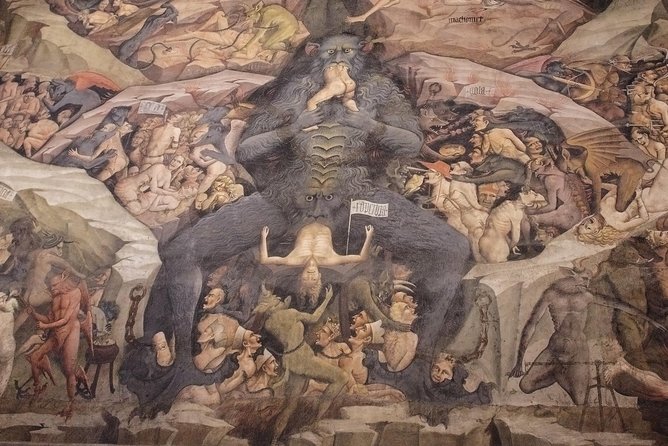
- Bologna’s art comes first: See works by Parmigianino, Lorenzo Costa, Francesco Francia, and Niccolò dell’Arca.
- A rare look inside the university: Visit the Archiginnasio, its carved coats of arms, wooden Anatomical Theatre, and Stabat Mater room.
- Big sights and small details: The route includes Piazza Maggiore, San Petronio, Santo Stefano, medieval canals, and an old wooden-pillared house.
- Food is part of the story: Walk through the Quadrilatero market and enjoy tastings connected to Bologna’s food culture.
- Riccardo sets the tone: His strength is linking art, history, politics, education, and daily life in a clear, energetic way.
- A full city-center circuit: The walk begins and ends at Bar Vittorio Emanuele on Piazza Maggiore and stays near public transportation.
Why this Bologna walk is different
Many city walks give you a quick look at Piazza Maggiore, a few porticoes, and a market street before moving on. This one treats Bologna as a working historical city, not just a string of photo stops. You see how commerce, medicine, religion, education, and food shaped the city.
That wider view is the tour’s real value. A canal window is not just a charming picture. It points to the water system that helped supply Bologna’s silk and hemp textile production. A hall filled with coats of arms is not merely decorative. It records the students and families connected to Europe’s oldest university.
Riccardo’s approach is especially useful if you enjoy context. He explains the artwork, then places it within the city’s political and religious life. He also brings in recommendations for additional sights, and the walk can be adjusted around your interests when the group and timing allow.
The experience costs $175.36 per person, which is a serious price for a walking tour. The value depends on how much you want from your guide. If you only need directions and a list of landmarks, it is expensive. If you want several major interiors, focused art explanations, local stories, and a strong introduction to Bologna in one concentrated outing, the price becomes easier to justify.
A few more gallery visits around Italy worth comparing
- Venice: St. Mark Basilica Ticket, Audioguide+History Gallery
★ 3.9 · 4,780 reviews - Venice’s Best: Basilica, Doge’s Palace, Gondola & History Gallery
★ 4.5 · 2,478 reviews - Venice: Bell Tower & St Mark’s Square History Gallery Ticket
★ 4.3 · 910 reviews
Piazza Maggiore sets the stage
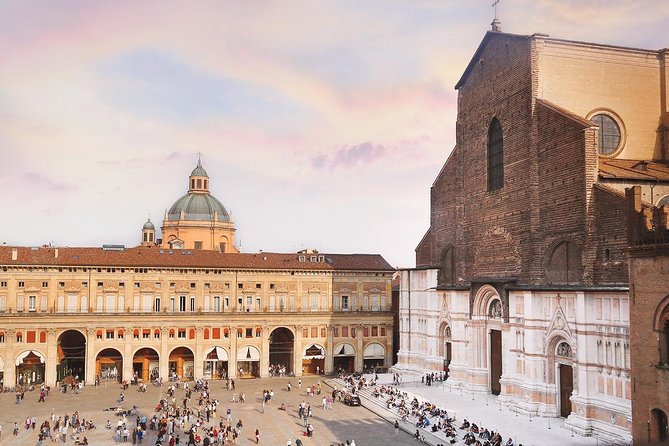
Begin at Bar Vittorio Emanuele, at Piazza Maggiore 1. This is a practical meeting point because the main square is central and close to public transportation.
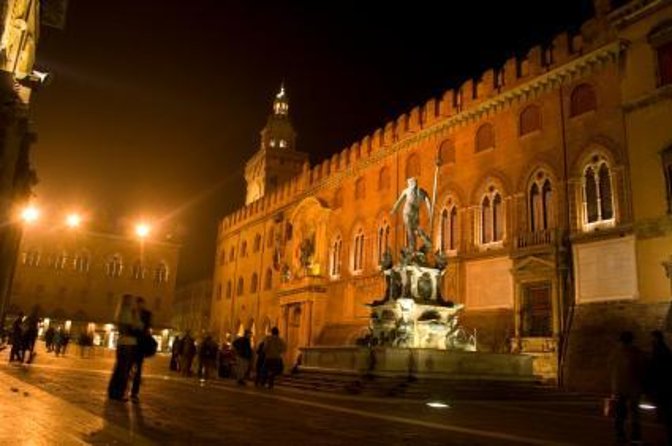
The first 20 minutes focus on the medieval buildings around Piazza Maggiore. Riccardo points out the four speaking corners, the old textile market, the Renaissance Fountain of Neptune, and the clock on the facade of the Council Palace. These details help you read the square as a place of government, trade, religion, and public life.
The square is easy to admire on your own, but the guided explanation makes a difference. Look closely at the buildings rather than treating the piazza as a single backdrop. The stories of trade and civic power give the surrounding stonework a human scale.
Palazzo d’Accursio and the city’s ruling rooms
Next comes Palazzo d’Accursio, also known as the Palazzo Comunale. The tour spends about 30 minutes with its noble rooms, frescoes, private chapel, and the Room of the Seniors.
One memorable feature is the broad staircase designed for horses and linked to Bramante. It is a useful reminder that palaces were built for movement, ceremony, and rank, not simply for display. The tour also includes the Earthquake’s Virgin by Francesco Francia, an artwork with a distinctly local story.
The route returns to the palace later for another short look at Renaissance and Baroque ceilings, frescoes, sculptures, and the horse staircases. That repeat visit may sound slightly odd, but it allows the building to fit into the larger story after you have seen more of Bologna.
San Petronio: a huge church with precise details
The Basilica of San Petronio receives about 35 minutes, with admission included. The church is one of the major architectural sights of the route, but the best part is the collection of details inside.
You see the world’s largest sundial, a striking achievement that ties the church to astronomy and measurement. The tour also covers the medieval frescoes in the Cappella Bolognini, four ancient crosses, and paintings by Parmigianino and Lorenzo Costa.
This is a good stop for anyone who likes art explained rather than simply named. You get a sense of how different periods sit together inside one building. The amount of material can feel brisk, so do not expect a long, quiet museum visit. The guide is trying to give you a working framework for later exploration.
More art walks around Italy:
- Uffizi & Accademia Timed Entry: Small Group Duomo Walking Tour
★ 4.5 · 3,630 reviews - Florence: Uffizi & Accademia Small Group Walking Tour
★ 4.7 · 1,380 reviews - Florence in a Day: Michelangelo’s David, Uffizi and Guided City Walking Tour
★ 4.5 · 1,048 reviews - Florence Walking Tour with Accademia, Uffizi & Lunch
★ 4.0 · 1,033 reviews
The Archiginnasio and Bologna’s university tradition
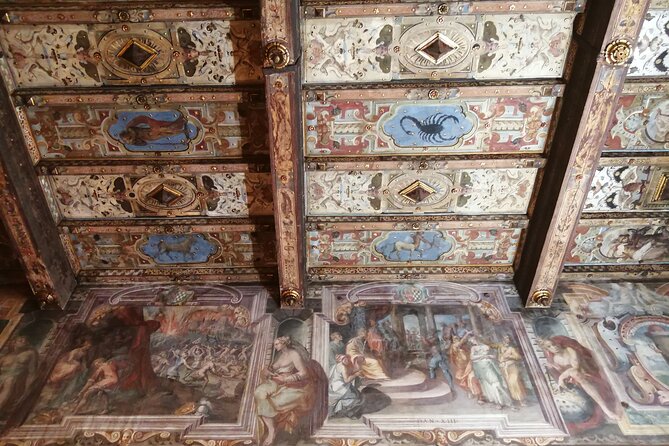
The Archiginnasio is one of the strongest stops on the tour. This Renaissance palace was the headquarters of Bologna’s university, and the visit lasts about 30 minutes with admission included.
The walls carry a huge collection of coats of arms. They are not random decoration. Together, they record the people and institutions connected with the university, turning the building into a visual record of academic life.
The route also explores the history of medicine, including the wooden Anatomical Theatre. This room shows how teaching once took place in a setting where the body itself was the central subject. The Stabat Mater room and its books add another side of the university’s story, with precious volumes that include Leonardo da Vinci’s Flights of the Birds.
If you are drawn to science, old books, architecture, or the history of education, give this stop your full attention. It is easy to walk through quickly, but the building rewards a slower eye. The tour’s short time here gives you the essentials, then leaves you with a clear reason to return.
The Quadrilatero connects history with lunch
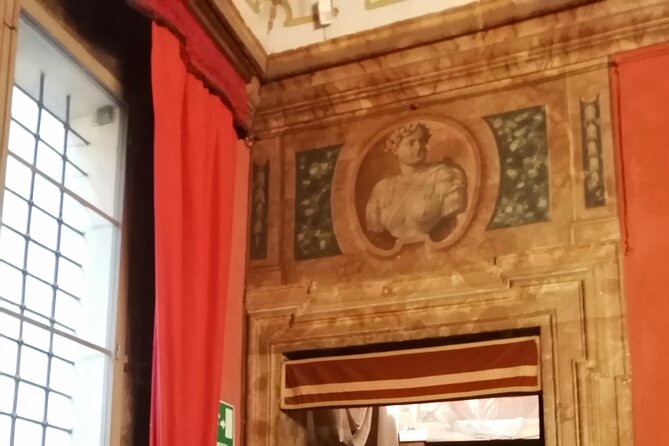
The Quadrilatero is Bologna’s medieval market district. You spend about 20 minutes among its stalls, old food shops, guild symbols, and coats of arms.
This is where the food part of Bologna becomes more than a restaurant recommendation. The market developed around trades and guilds, and the shops still make the area feel tied to daily commerce. You are not simply looking at food. You are seeing how buying, making, and selling helped shape the city center.
The tasting element fits naturally here. The experience includes tastings, and the food focus may include local wine and a rice cake made from a medieval recipe. These samples are modest rather than a full meal, so plan to eat separately if you need lunch. Their value is in connecting flavor with the city’s past.
Santo Stefano gathers centuries in one complex
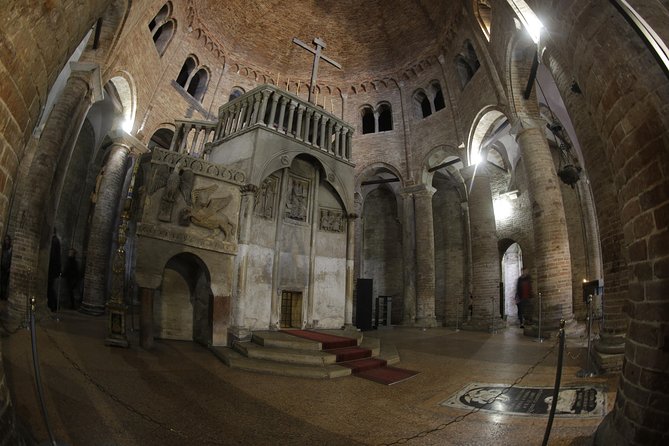
The Basilica and Santuario di Santo Stefano receives about 40 minutes, the longest stop on the route. It is a group of churches rather than a single plain interior, and the complex brings several periods of Bologna’s history together.
The site reaches back to a Roman temple built near a natural spring. You then move through churches, a cloister associated with Dante Alighieri, monk cells, and capitals carved with animal faces. That mixture gives the complex a more layered feel than a single-period church.
This is a stop where the guide’s storytelling matters. Without context, the buildings can seem like a series of dark rooms and old stone passages. With the historical connections in place, the complex becomes a record of changing religious practice and local building traditions.
Allow yourself to look up and around. The capitals and cloister details are easy to miss if you focus only on the central altar. The 40-minute visit is useful, though you may want extra time here later if medieval architecture is a major interest.
Santa Maria della Vita and the force of terracotta
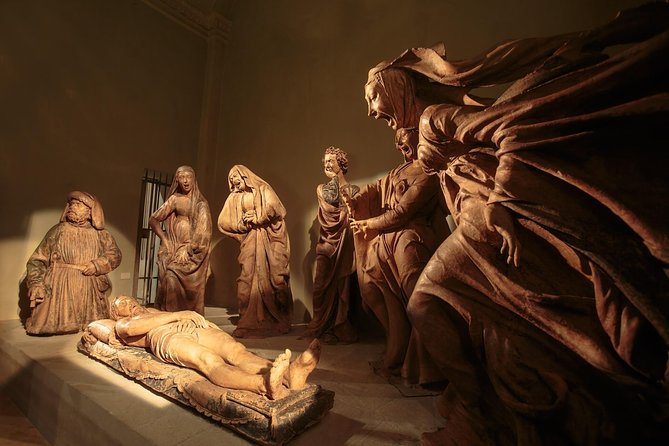
At Chiesa di Santa Maria della Vita, the focus shifts to Niccolò dell’Arca’s terracotta masterpiece from 1470. You spend about 20 minutes with a work known for its powerful treatment of movement and emotion.
Terracotta can sound modest beside marble or bronze, but this sculpture has a direct physical force. The figures do not feel calm or decorative. Their gestures and expressions make the scene immediate, which is why the work is often described as surprisingly forward-looking.
This is one of the tour’s best art stops because it gives you something to feel as well as something to identify. Riccardo’s art background helps place the work within Bologna’s artistic development and explains why it matters beyond the church itself.
The Asinelli and Garisenda towers from street level
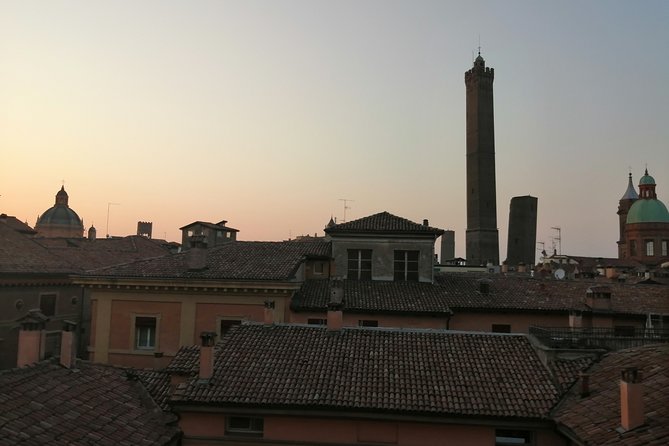
The route includes a street-level view of Bologna’s two famous towers: the 98-meter Asinelli Tower and the leaning Garisenda Tower.
You do not need to climb either tower for this experience. Instead, the guide uses the towers as a way to discuss Bologna’s medieval skyline and the families who once expressed status through tall fortified homes. The view is brief, but it makes a useful connection between the city’s political past and its present-day image.
If climbing the Asinelli Tower is on your list, treat this tour stop as an introduction rather than a substitute. The supplied tour information does not include a tower climb.
Finestrella and the canals behind the streets
Finestrella is one of Bologna’s most unusual city details. From street level, you see a surviving canal designed to support silk and hemp textile production. The tour describes it as a UNESCO heritage feature and allows about 10 minutes here.
This stop shows why Bologna rewards slow walking. The canal is easy to miss, yet it explains part of the city’s economic strength. Water powered and supported production in a place that now looks thoroughly urban.
The short visit works well late in the route, after you have heard about the textile market and seen the evidence of guild activity in the Quadrilatero. The pieces begin to connect: market trade, water management, craft production, and civic wealth.
A medieval wooden house and one last palace look
The walk also includes a street-level view of a surviving 13th-century house with original wooden pillars. It is a small stop, but it delivers the kind of detail that makes a walking tour worthwhile.
You may pass such a building without realizing what remains. The wooden supports offer a glimpse of how medieval homes were built and how much of Bologna’s old structure survives in ordinary streets.
The final Palazzo Comunale visit brings the route back to the civic center. Its Renaissance and Baroque ceilings, frescoes, sculptures, and Bramante staircases reinforce the ideas introduced at the start. The tour ends back at the original meeting point, so you finish where you began, near the city’s main square.
Pace, group size, and practical fit
The activity lasts approximately 3 to 4 hours and is offered in English. The maximum group size is 25 people. That is not a tiny group, so the experience will not feel like a private art consultation every time. You should stay close to Riccardo, especially in busy market streets and large church interiors.
The walking is city-center walking, with stops inside churches, palaces, and historic buildings. Comfortable shoes are sensible, and modest clothing is a practical choice for church visits. The tour is near public transportation, and most people can participate according to the stated conditions.
The average booking lead time is 54 days. That suggests you should reserve ahead if your Bologna dates are fixed, particularly if you want this on your first day. Booking early also lets you use Riccardo’s suggestions to shape the rest of your stay.
Free cancellation is available up to 24 hours before the start time. Changes or cancellations made inside that period are not accepted for a refund.
Who will get the most from this tour
I would choose this walk if you want Bologna’s art and architecture explained in one strong introduction. It suits you especially well if you enjoy medieval and Renaissance buildings, church art, old universities, food traditions, and local stories that go beyond the standard postcard view.
It is also a good choice for a first full day in Bologna. You get the city’s main landmarks, learn which interiors deserve a return visit, and receive ideas for additional places to see. Riccardo has provided extended suggestions to help shape later days, which is useful in a city with more churches, porticoes, museums, and palaces than most short visits can cover.
I would think twice if you prefer a slow photographic walk or long stretches of free time at each stop. This is an information-heavy route with many locations. Its strength is breadth and explanation, not leisurely wandering.
Should you book it?
Book this tour if you want to understand why Bologna matters, not just photograph its towers and porticoes. The best parts are the Archiginnasio, San Petronio, Santo Stefano, Santa Maria della Vita, and the small canal and house details that most independent walks can miss.
At $175.36, it is not a bargain-priced orientation. The cost makes sense for visitors who value a specialist guide, several included interiors, art interpretation, local food connections, and a concentrated look at Bologna’s past. Riccardo Bacchi’s strongest asset is his enthusiasm for the city and his ability to move from a painting to a political story, then from a market stall to an old canal.
If that sounds like your kind of sightseeing, book it near the start of your stay and use the route as a map for what to revisit. If you mainly want a cheap introduction or a relaxed stroll, choose a simpler walk and spend the difference on lunch in the Quadrilatero.
FAQ
How long does the Bologna historical art walking tour last?
The tour lasts approximately 3 to 4 hours.
Where does the tour begin?
It begins at Bar Vittorio Emanuele, Piazza Maggiore 1, in Bologna.
Where does the tour end?
The activity ends back at the meeting point.
Is the tour offered in English?
Yes. The tour is offered in English.
What is the maximum group size?
The tour allows a maximum of 25 people.
Can I cancel for a full refund?
Yes. You can cancel at least 24 hours before the local start time for a full refund. Cancellations or changes made less than 24 hours before the start time are not refunded or accepted.
Just added around Italy
- Colosseum,Vatican Museum & Sistine Chapel in One Day Guided Tour★ 3.5 · 9 reviews
- Vatican Museums and Sistine Chapel last entry Guided Tour★ 5.0 · 3 reviews
- Private Tour Of Rome Highlights And Vatican Museums Skip-The-Line all included★ 5.0 · 4 reviews
- Borghese Gallery Admission Ticket with Audioguide★ 4.0 · 64 reviews
- Caravaggio Art Walking Tour of Rome with Pantheon Visit★ 4.5 · 35 reviews
- Borghese Gallery Skip the Line Guided Tour★ 4.5 · 23 reviews
- Borghese Gallery Ticket with Audioguide★ 3.5 · 51 reviews
- Borghese Gallery VIP Tour – Skip the Line Tickets★ 5.0 · 2 reviews
Art Museum Tours in Italy, compared.
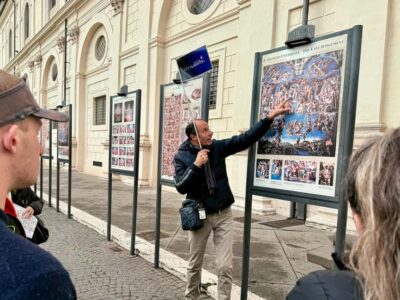
Vatican Museums, Sistine Chapel & St. Peter’s Basilica Tour
Read our review →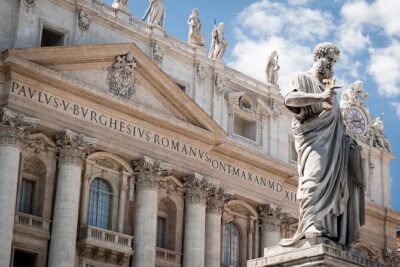
Vatican Museums, Sistine Chapel & St Peter’s Basilica Guided Tour
Read our review →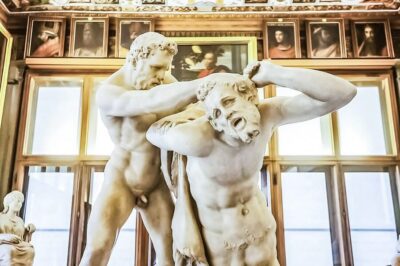
Skip-The-Line Uffizi Gallery Timed Entry Ticket
Read our review →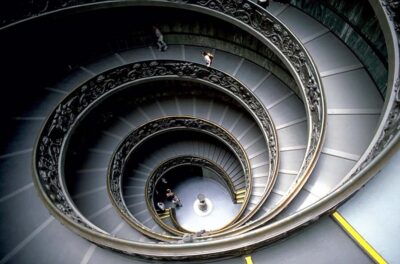
Vatican Museums, Sistine Chapel and Basilica Tour
Read our review →
Vatican Museums & Sistine Chapel Skip-the-Line Entry Ticket
Read our review →
Vatican Museums, Sistine Chapel & Basilica Tour
Read our review →
Vatican Museums & Sistine Chapel Guided Tour
Read our review →
Vatican Museums & Sistine Chapel Skip-The-Line Ticket
Read our review →Browse the lists this tour appears in