
REVIEW · ROME
Rome: Sistine Chapel, Vatican Museums and Basilica Entry
The Vatican’s greatest challenge is not finding something worth seeing. It is deciding where to look before the crowd carries you along. This 2.5 to 3-hour guided tour gives you a clear route through the Vatican Museums, the Gallery of Maps, the galleries of tapestries and candelabra, and the Sistine Chapel, with priority entry to save valuable time.
I especially like two things here: the guide turns a vast collection into a readable story, and the headsets help you follow along when the corridors get noisy. Guides such as Antonio, Simona, Alessio, Claudia, and Susana have been praised for lively explanations, humor, strong language skills, and keeping children and teenagers interested. The main drawback is the pace. You will see major rooms and masterpieces, but you will not see everything.
Key points to know before booking
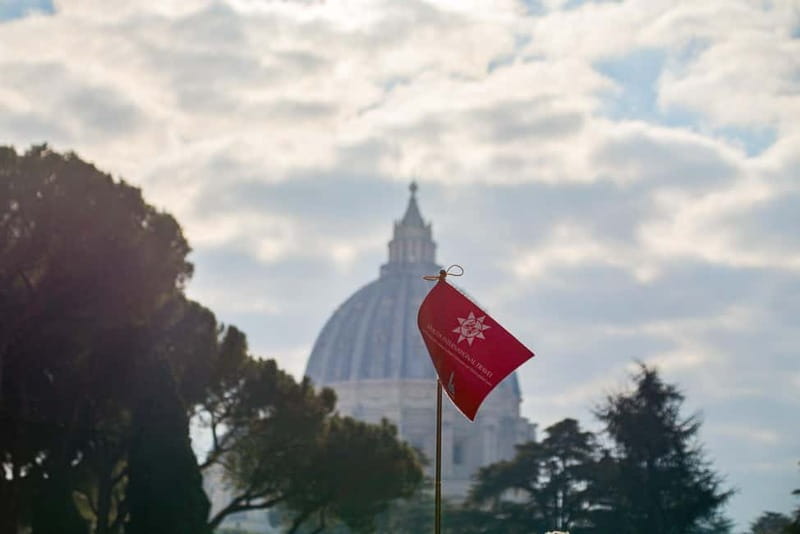
- Priority entry matters: The Vatican Museums can have long queues, and timed entry is strict. Arrive early and do not cut it close.
- Michelangelo gets the spotlight: The Sistine Chapel includes the Creation of Adam and the Last Judgment, with your guide explaining what to look for.
- The route has fine art variety: You move from ancient sculpture to painted maps, textile works, decorative ceilings, and Renaissance painting.
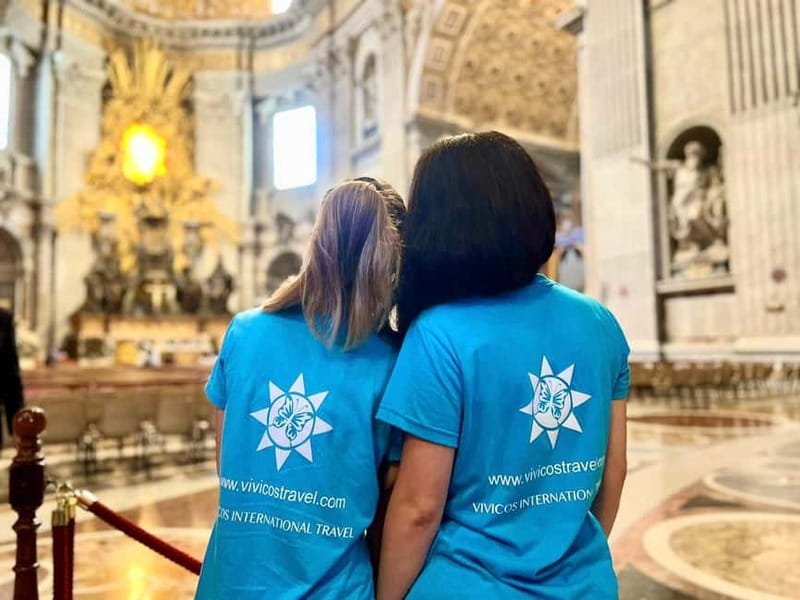
- St. Peter’s Basilica is optional: Choose the upgrade if you want to continue to the basilica, but access can be restricted by ceremonies or closures.
- Expect a brisk visit: This is a focused introduction, not an all-day museum visit.
- Dress for Vatican rules: Cover your shoulders and knees, and wear comfortable shoes.
Why a guide helps inside the Vatican Museums
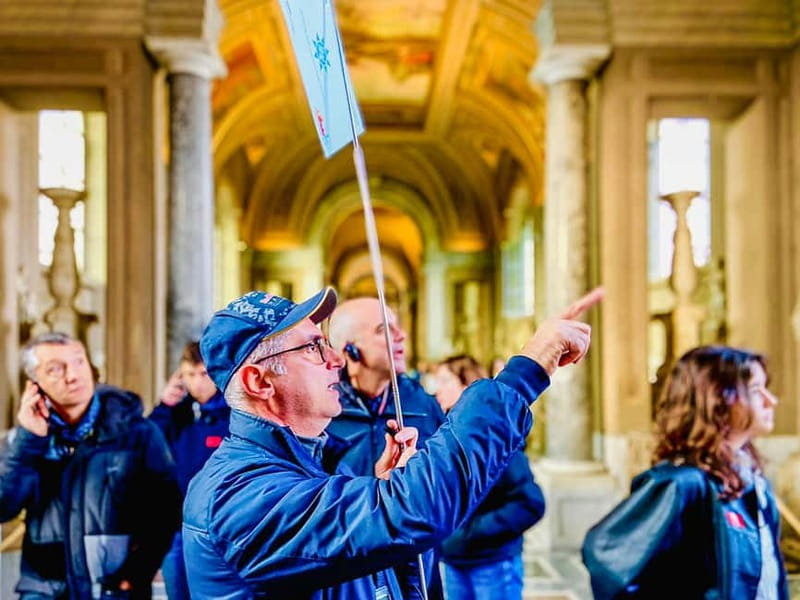
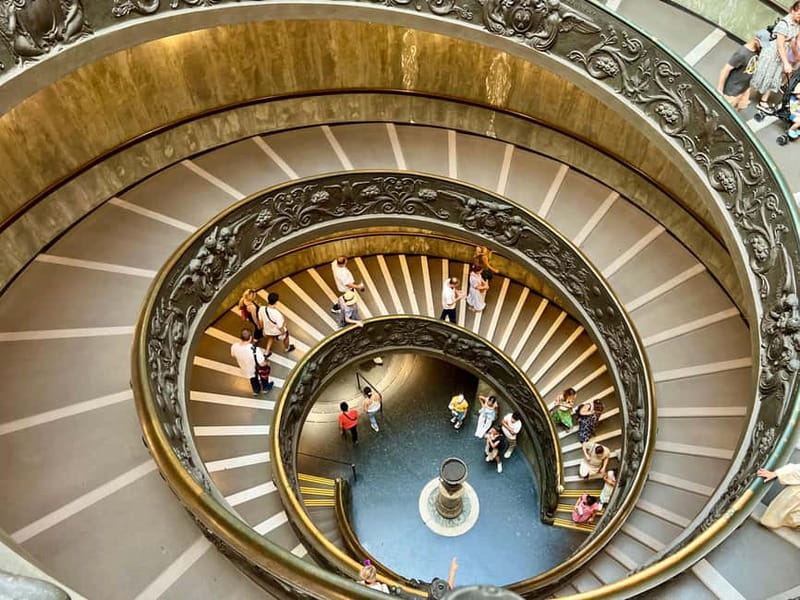
The Vatican Museums are not a single quiet gallery. They are a huge sequence of rooms, corridors, courtyards, sculpture displays, painted ceilings, and famous works that can blur together if you walk through alone. A good guide gives you a route and a reason to care about each stop.
That matters most if this is your first visit to Rome. You will hear why certain sculptures mattered to Michelangelo, how the Vatican’s art collections developed, and what details to notice before the next group moves in. Guides are available in English, French, Spanish, Portuguese, German, and Italian.
The strongest part of the experience is the human explanation. Guides including Patrice, Maria, Francesco, Paola, Rosa, and Antonio have been singled out for clear English, good humor, energy, and the ability to answer questions without losing the group. Susana’s Portuguese tour was especially useful for a family traveling with a 10-year-old child, since hearing complicated art and religious ideas in your own language makes a real difference.
You receive a headset, which is more important than it sounds. The Vatican can be loud, and the guide may be several steps ahead while you are looking at a ceiling. The system has generally worked well, though some people would prefer improved microphones.
More Art Museum Tours in Rome
- Vatican Museums, Sistine Chapel & St. Peter’s Basilica Tour
★ 4.3 · 73,970 reviews - Vatican Museums, Sistine Chapel & St Peter’s Basilica Guided Tour
★ 4.5 · 39,149 reviews - Rome: Vatican Museums, Sistine Chapel and Basilica Tour
★ 4.3 · 16,039 reviews
Starting near Via Vespasiano
The meeting point is on Via Vespasiano, at either number 26 or number 28 depending on the option you book. Staff assistance is provided there, along with free Wi-Fi, which can help if you need to confirm the exact meeting instructions or contact the operator.
You should bring a passport or other photo ID. Everyone must pass a security check, and the museum enforces strict timed entry. If you arrive late, admission may be refused without a refund, so allow time to find the meeting point and get through the surrounding streets.
There is no transportation included. You make your own way to the starting point, then finish at either the Sistine Chapel or St. Peter’s Basilica, depending on the option selected and the route available that day.
Vatican Museums: a fast but useful introduction
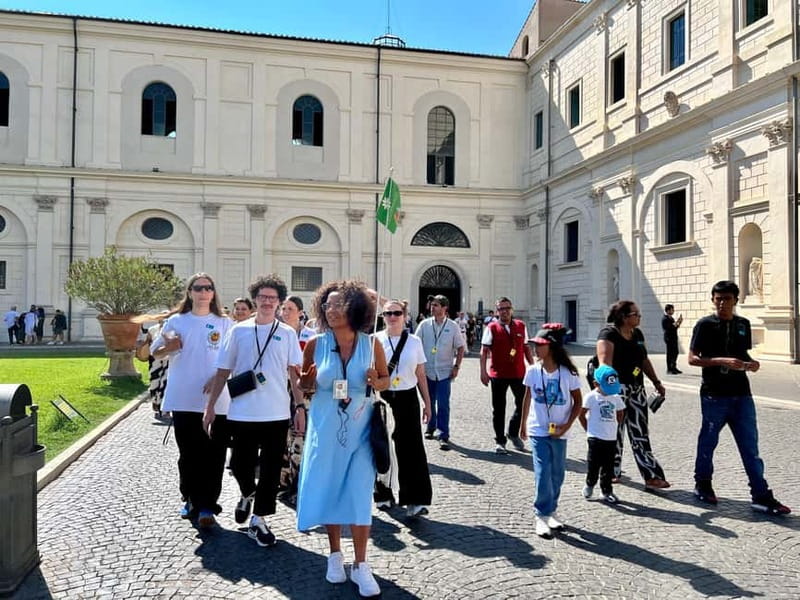
The first guided section covers about 30 minutes in the Vatican Museums. That is not enough to inspect every room, but it gives you the setting and helps you understand how the collection fits together.
I like this opening because it prevents the tour from becoming a march toward the Sistine Chapel. You get context for the ancient sculpture, Renaissance painting, religious art, and decorative work that make up the Vatican’s collection. Expect a large group environment and plenty of other tours moving through the same spaces.
This is also where your expectations matter. If you like to stop for several minutes at every painting, the route may feel quick. Christopher praised the amount of time spent in the museum, while other visitors found the visit brisk because there is so much more to see. Both reactions make sense: the tour covers a lot, but the Vatican can occupy an entire day on its own.
Courtyard of the Pigna: a breathing space
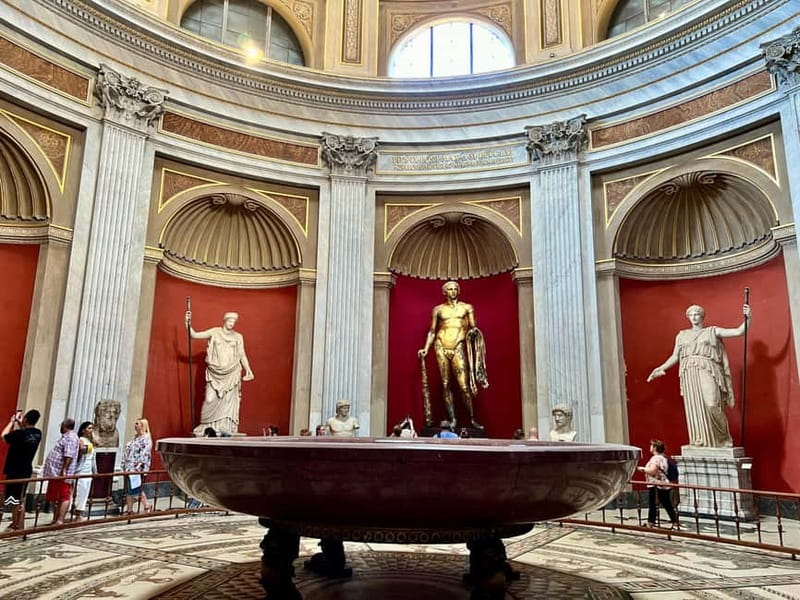
The Courtyard of the Pigna is scheduled for about 30 minutes with the guide. Compared with the long indoor corridors, the courtyard gives you a chance to pause and take in the scale of the Vatican complex.
It is a useful place for your guide to connect the collection with the buildings around you. You can listen, look around, and regain your bearings before heading back into the galleries. The time also helps break up the steady indoor walking.
The Vatican is physically demanding even when you are fit. You should expect a great deal of standing and walking, with little chance to sit whenever you want. Comfortable shoes are essential.
More basilicas and church art in Rome:
- Rome: Vatican Museums, Sistine Chapel & Basilica Tour
★ 4.7 · 13,217 reviews - Vatican Museums, Sistine Chapel and St. Peter’s Basilica Tour
★ 4.0 · 8,768 reviews - Skip the Line: Vatican Museum, Sistine Chapel + Optional Basilica
★ 4.5 · 6,181 reviews - Vatican Museums, Sistine Chapel Tour and Basilica Access
★ 4.5 · 3,589 reviews
Gallery of Maps: one of the tour’s best visual stops
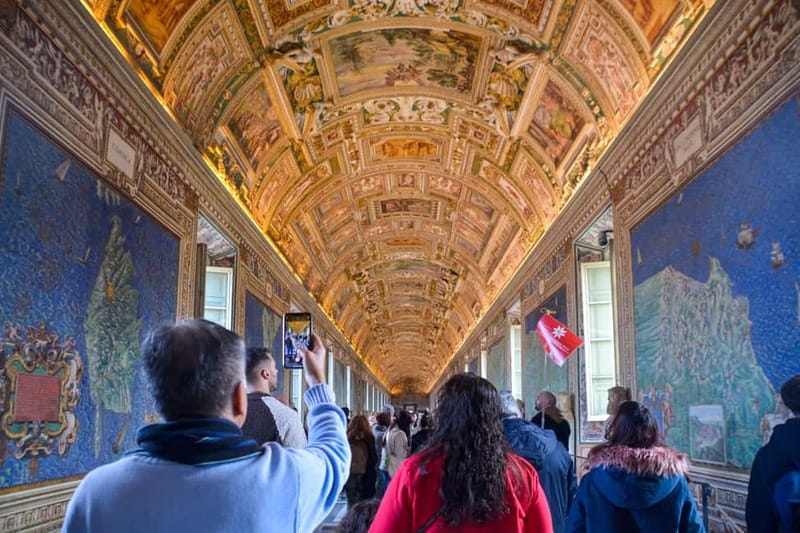
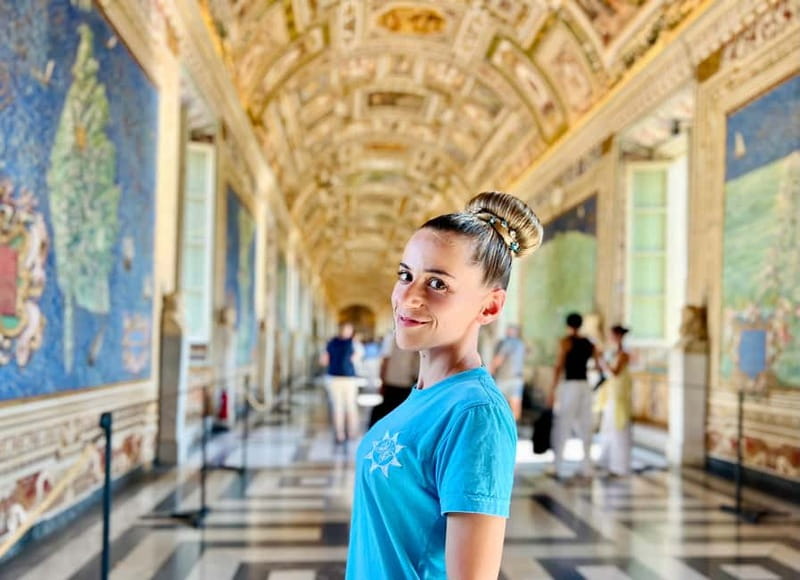
The Gallery of Maps receives about 30 minutes, and it is one of the most memorable parts of the route. The walls are covered with painted maps, turning geography into a grand decorative display.
You do not need to be an art specialist to enjoy this room. Look up, look along the walls, and listen as the guide explains how the maps were designed and what they reveal about the period in which they were made. The room is also a good example of why a guide helps. Without context, you may simply see a long decorated corridor. With explanation, the paintings become a record of how people understood Italy and the wider world.
Crowding can make it difficult to stand in one place for long. Keep your group in sight and listen through the headset rather than trying to move close to the guide.
The textile gallery and Gallery of the Candelabra
The Gallery of Tapestries is scheduled for around 20 minutes, followed by about 20 minutes in the Gallery of the Candelabra. These rooms add variety after the sculpture and map displays.
The textile works reward a closer look at texture, scale, and illusion. Your guide can point out details that are easy to miss when you are trying to keep pace with the group. The Gallery of the Candelabra shifts the mood again, with ornamental design and ancient objects arranged as part of the Vatican’s grand interior.
These shorter stops show the tradeoff built into the tour. You get a well-chosen sample of several galleries instead of spending the whole visit in one section. If you already know the Vatican well, you may want a longer independent visit afterward, assuming your ticket and the day’s access rules allow it.
Ancient sculpture that shaped Renaissance art
Along the way, you can see famous sculptures including the Apollo Belvedere and Laocoön. These are not minor decorative pieces. They help explain the ancient art that Renaissance artists studied and admired.
Laocoön is especially useful in a guided visit because its dramatic movement and emotional force are easy to appreciate, but its importance in the history of sculpture is harder to grasp without context. Apollo Belvedere gives you another chance to see the idealized human form that influenced later artists.
The guide’s job here is not to list dates at you. The best explanations connect the sculpture to Michelangelo and to the wider artistic ideas that shaped the Vatican. Several guides have been praised for fun facts and detailed descriptions, which can make these famous objects feel less like names from a textbook.
The Sistine Chapel: allow the room to work on you
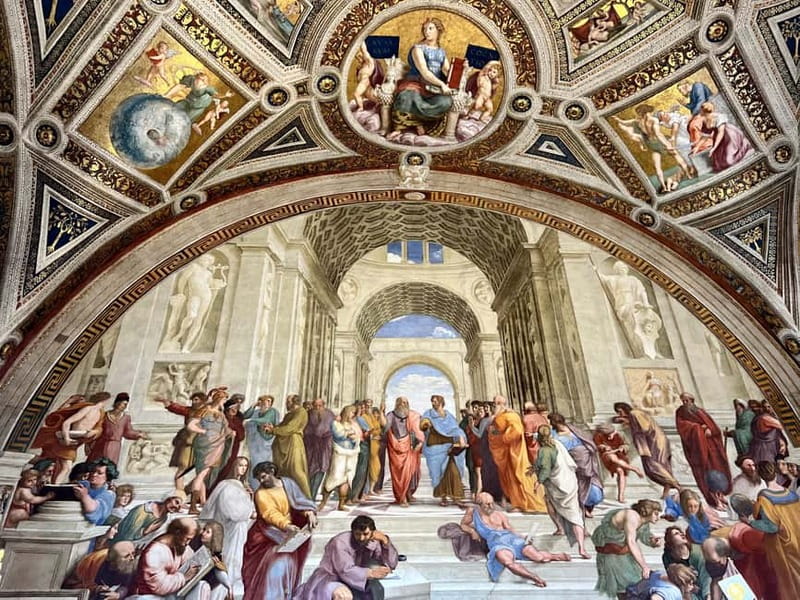
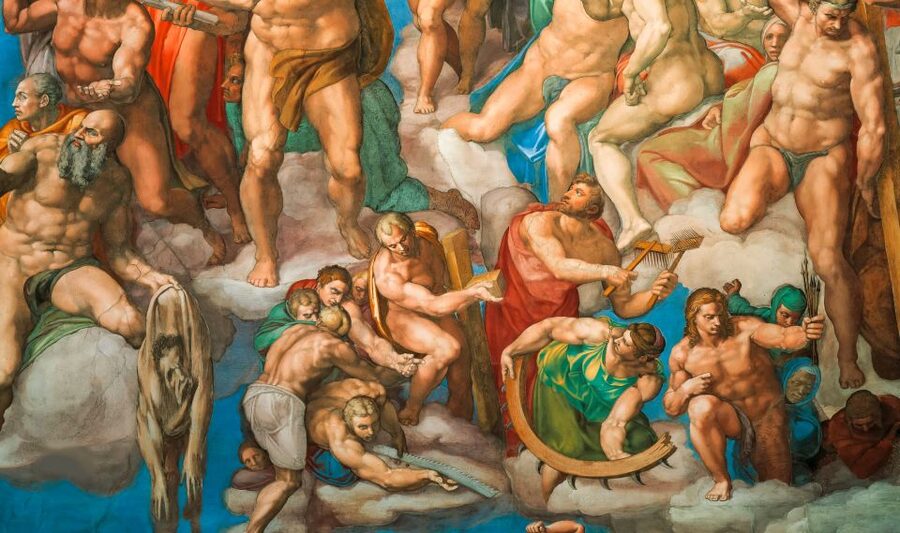
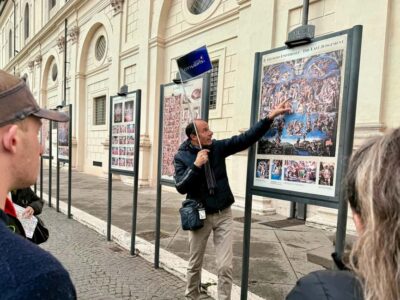
The Sistine Chapel is the emotional high point, with about 10 minutes of guided attention listed for the stop. You see Michelangelo’s Creation of Adam and the Last Judgment, along with the rest of the chapel’s celebrated frescoes.
Ten minutes sounds short, and it is. Still, a focused explanation can be valuable because your guide prepares you for what to notice before you enter. Once inside, you need to follow chapel rules, including silence and no photography. The guide cannot simply continue speaking in the same way as in the galleries, so listen carefully to the explanation before entering.
The chapel can be extremely crowded. You might need patience just to find a clear view, and movement toward the exit can become slow. An early morning departure may help with crowd levels, although no tour can guarantee an empty chapel.
Michelangelo’s work deserves more than a rushed glance, but the tour gives you a strong first encounter. I would treat this visit as an introduction, then return to your notes or an art guide afterward if the ceiling and altar wall leave you wanting more.
The Sistine Chapel can also close without prior notice. If that happens, the guide will take you through other Vatican Museum sections instead. It is disappointing, but it is an important possibility to understand before you book.
St. Peter’s Basilica: choose the upgrade with care
The optional basilica access can extend the experience to St. Peter’s Basilica, where you can see Michelangelo’s Pietà and Bernini’s Baldachin. The listed basilica portion is about 20 minutes, and the route may finish there.
This is a strong addition if you want the major Vatican sights in one outing. The Pietà gives you a chance to see Michelangelo’s sculpture rather than only his frescoes, while the Baldachin dominates the central area of the basilica with its scale and design.
The precise experience can vary. Some tours provide a guided visit inside, while at other times the arrangement is mainly entry followed by independent viewing. Do not assume that selecting basilica access guarantees a long, fully narrated basilica tour.
St. Peter’s Basilica is closed on Wednesdays and certain religious holidays. Ceremonies and other events can also restrict access without notice. One group was offered the chance to return after a closure but could not fit that into its schedule, so check the date carefully if the basilica is a priority.
There can also be a practical route issue. Depending on the access arrangement, you may need to leave the museum area and walk around to the basilica entrance rather than use a direct internal passage. That walk can be tiring after the museum, but the basilica itself is a worthwhile finish.
How much value do you get for $73?
At $73 per person, this is not the cheapest way to enter the Vatican. You are paying for priority museum and Sistine Chapel entry, a licensed guide, headsets, meeting-point support, and, with the upgrade, access to St. Peter’s Basilica.
The value depends on how you travel. If you are comfortable researching the museum, finding the correct entrance, and building your own route, you may prefer an independent visit. If you have one chance in Rome and want the main works explained without spending hours in a ticket line, the price is easier to justify.
I think the fee makes the most sense for first-time visitors, families, and anyone who wants a clear introduction to art. Several guides have kept teenagers engaged with humor and unusual facts, which can be worth the cost when a long museum visit might otherwise lose your group.
For a family of four, the total cost rises quickly. In that case, decide if the guide’s explanations and saved queue time are more valuable than the freedom of a self-guided visit. A private or small-group option is available, but you should compare the price before selecting it.
What to wear and how to prepare
The Vatican dress code is firm. Your shoulders and knees must be covered, so avoid sleeveless shirts, shorts, short skirts, miniskirts, and low-cut clothing. This applies to everyone in your party, and it is easier to dress appropriately from the start than to find a last-minute cover-up.
Wear shoes that can handle several hours of standing and walking. Bring your photo ID, and make sure the phone number on your booking includes the correct country code so the team can reach you if there is a change.
Wheelchair users should note that this activity is not suitable for them. Disabled visitors should state their needs when booking, since free entry and suitable assistance may be available under the stated arrangements.
Free cancellation is available up to 24 hours before the tour. That gives you some flexibility, but it does not protect you from missing the timed entry window on the day.
Who should book this Vatican tour?
I would choose this tour if you want the Vatican’s main highlights in one organized route and prefer explanations over wandering. It suits first-time Rome visitors, families with older children, art beginners, and anyone who values priority entry in a famously crowded attraction.
The language choice is a real advantage. English, French, Spanish, Portuguese, German, and Italian departures make it easier to follow complex stories about art, faith, and history. A guide who speaks your strongest language can change the whole experience.
I would hesitate if you want to examine every room, take long breaks, or spend an entire day with the collection. The tour is focused and fairly brisk. It gives you a strong framework, but you should not expect to see the whole Vatican Museums.
Should you book it?
Book it if your priority is a well-organized first look at the Vatican, with the major galleries, Michelangelo’s Sistine Chapel, and optional St. Peter’s Basilica in one visit. The guides are the main reason to choose it, with repeated praise for clear explanations, enthusiasm, humor, and language ability.
Skip it if you prefer total independence or already know the museums well. Either way, arrive early, dress correctly, wear good shoes, and accept that crowds are part of the Vatican experience. For most first visits, the saved time and expert direction make $73 a fair price for a concentrated introduction.
FAQ
How long does the Vatican tour last?
The tour lasts about 2.5 to 3 hours, depending on the option and conditions on the day.
What does the tour include?
It includes priority entry to the Vatican Museums and Sistine Chapel, a licensed guide, headsets, assistance at the meeting point, and free Wi-Fi at the meeting point. St. Peter’s Basilica access is included only if you select that option.
Which languages are available?
Guided tours are available in English, French, Spanish, Portuguese, German, and Italian.
Is St. Peter’s Basilica included?
It is included only with the option that provides basilica access. The basilica may close on Wednesdays, religious holidays, or during ceremonies and other events.
Can I take photographs inside the Sistine Chapel?
No. Photography is not allowed inside the Sistine Chapel, and visitors are expected to remain silent there.
What should I wear?
Your shoulders and knees must be covered. Shorts, short skirts, miniskirts, sleeveless shirts, and low-cut clothing are not allowed.
What should I bring?
Bring a passport or other photo ID for the security check, along with comfortable shoes for the walking and standing involved.
What happens if the Sistine Chapel closes?
The chapel can close without prior notice. If that happens, the guide will provide a tour of other areas of the Vatican Museums instead.
More Vatican Museums Tours in Rome
- Vatican Museums & Sistine Chapel Skip-the-Line Entry Ticket
★ 4.4 · 13,838 reviews - Rome: Vatican Museums & Sistine Chapel Guided Tour
★ 4.3 · 12,117 reviews - Vatican Museums & Sistine Chapel Skip-the-Ticket-Line Tour
★ 4.3 · 10,486 reviews - Vatican Museums, Sistine Chapel & St. Peter’s Square Tour
★ 4.6 · 8,429 reviews
Just added around Rome
- Colosseum,Vatican Museum & Sistine Chapel in One Day Guided Tour★ 3.5 · 9 reviews
- Vatican Museums and Sistine Chapel last entry Guided Tour★ 5.0 · 3 reviews
- Private Tour Of Rome Highlights And Vatican Museums Skip-The-Line all included★ 5.0 · 4 reviews
- Borghese Gallery Admission Ticket with Audioguide★ 4.0 · 64 reviews
- Caravaggio Art Walking Tour of Rome with Pantheon Visit★ 4.5 · 35 reviews
- Borghese Gallery Skip the Line Guided Tour★ 4.5 · 23 reviews
- Borghese Gallery Ticket with Audioguide★ 3.5 · 51 reviews
- Borghese Gallery VIP Tour – Skip the Line Tickets★ 5.0 · 2 reviews
Art Museum Tours in Rome, compared.
Vatican Museums, Sistine Chapel & St. Peter’s Basilica Tour
Read our review →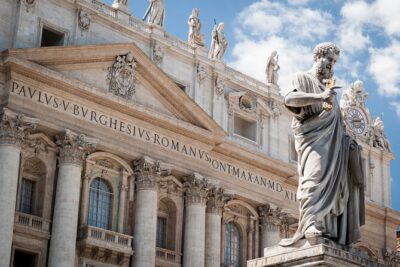
Vatican Museums, Sistine Chapel & St Peter’s Basilica Guided Tour
Read our review →
Vatican Museums, Sistine Chapel and Basilica Tour
Read our review →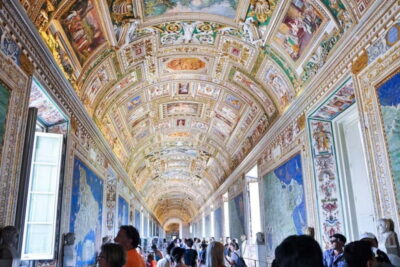
Vatican Museums & Sistine Chapel Skip-the-Line Entry Ticket
Read our review →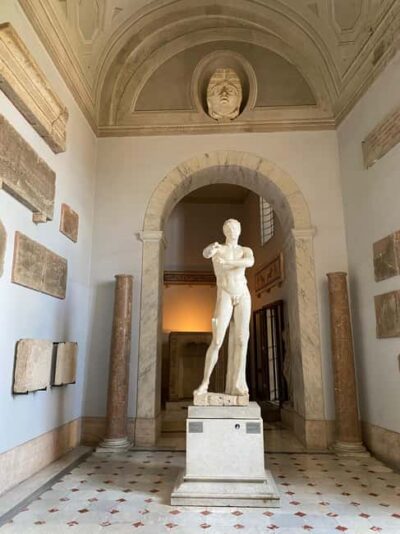
Vatican Museums, Sistine Chapel & Basilica Tour
Read our review →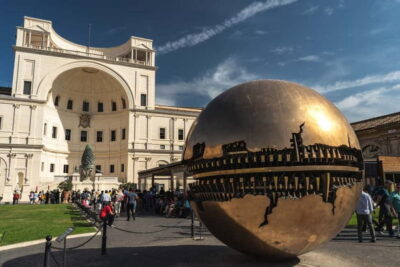
Vatican Museums & Sistine Chapel Guided Tour
Read our review →
Vatican Museums & Sistine Chapel Skip-the-Ticket-Line Tour
Read our review →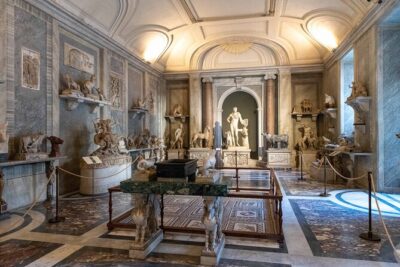
Vatican Museums, Sistine Chapel and St. Peter’s Basilica Tour
Read our review →Browse the lists this tour appears in