
REVIEW · ROME
Vatican Museums, Sistine Chapel & St. Peter’s Square Tour
The Vatican Museums are not a gentle introduction to art. They are a grand parade of ancient sculpture, painted ceilings, enormous maps, and papal treasures, all leading toward Michelangelo’s Sistine Chapel. This tour helps you find the important works without wandering for hours through corridors that can feel endless. I especially like the priority entrance and the small group capped at 10, two details that matter in a place this busy.
I also like the way the guide links the galleries together instead of treating them as separate rooms. Guides such as Hilary, Louisa, Fabio, Adriano, Olympia, and Gabby have been praised for clear explanations, patience, and strong storytelling. The main drawback is that three hours goes quickly, and St. Peter’s Basilica is not part of the guided visit. You may enter it on your own afterward, but access can change during Jubilee events, Easter, a conclave, or other ceremonies.
Key points to know before booking
- Priority entry saves valuable time: You use a separate entrance rather than waiting in the main ticket line.
- A small group makes a difference: The group is limited to 10, with official Vatican headsets for easier listening.
- The route covers major highlights: Expect Pio Clementino, the Belvedere Courtyard, the Candelabra Gallery, the Flemish art gallery, the Gallery of Maps, and the Sistine Chapel.
- The Sistine Chapel visit lasts about 20 minutes: Your guide explains the artwork before you enter, then you have time inside to look around.
- St. Peter’s Square is the finale: You see Bernini’s colonnade and Michelangelo’s dome from the square.
- Dress and timing rules are strict: Long trousers and covered shoulders are required, and late arrivals receive no refund.
Why priority entry matters at the Vatican
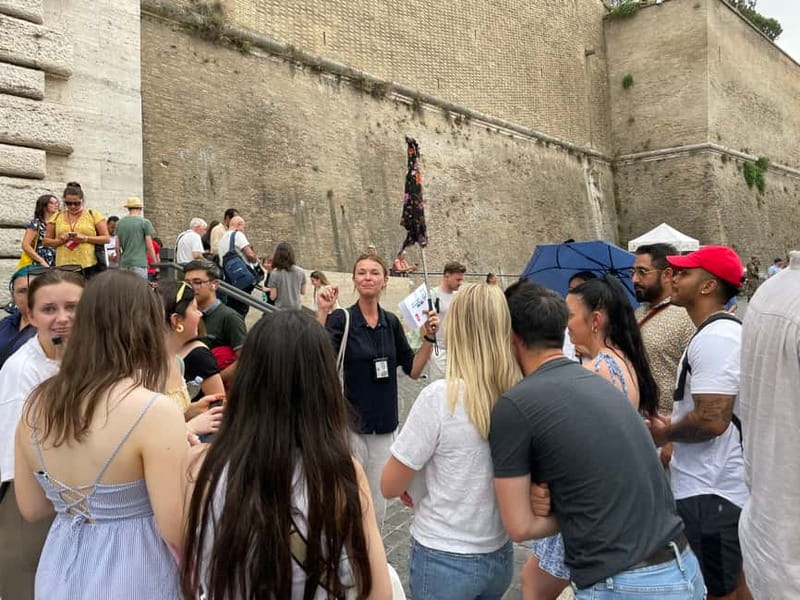
The Vatican Museums hold one of the world’s great art collections, but getting inside can be the first major challenge. The priority entrance included here helps you avoid the standard queue and spend your limited Rome time inside the museums instead.
That is not a minor convenience. The Vatican is large, and the route itself involves plenty of walking. Losing an hour outside means less time with the sculptures, paintings, maps, and chapel frescoes that you came to see.
You meet at the Brastours office, where free Wi-Fi and a device charging station are available. From there, the guide leads the group on foot into Vatican City and through the museum entrance. Official Vatican headsets are included, so you can hear explanations even when the surrounding rooms are crowded.
The group limit of 10 is another useful feature. A very large group can turn a museum visit into a parade, with people constantly checking whether they are still following the right flag. A smaller party makes it easier to ask questions, stay together, and hear the guide’s comments.
Still, priority entry does not mean an empty museum. The Vatican remains one of Rome’s busiest sights. You should expect other groups, narrow passages, and crowded viewing points, especially around the most famous works.
More Art Museum Tours in Rome
- Vatican Museums, Sistine Chapel & St. Peter’s Basilica Tour
★ 4.3 · 73,970 reviews - Vatican Museums, Sistine Chapel & St Peter’s Basilica Guided Tour
★ 4.5 · 39,149 reviews - Rome: Vatican Museums, Sistine Chapel and Basilica Tour
★ 4.3 · 16,039 reviews
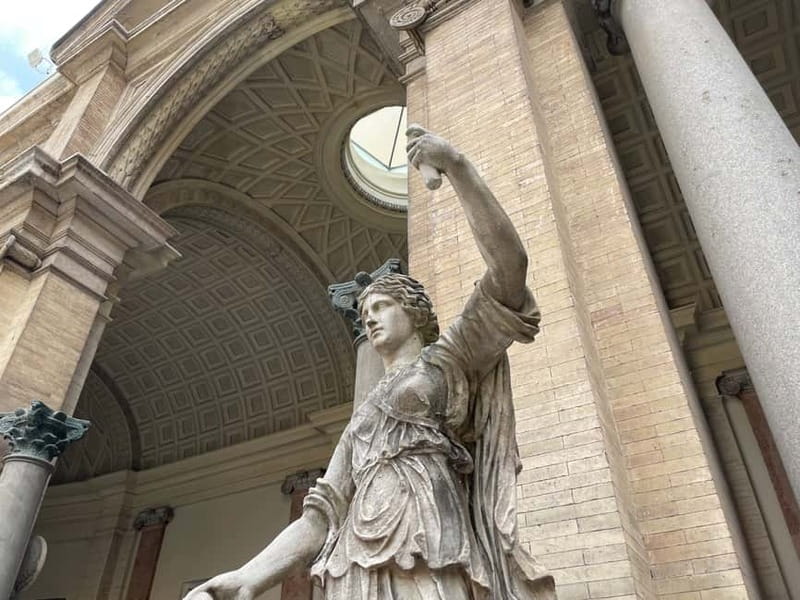
Pio Clementino and the ancient sculptures
The first major art section includes the Museo Pio Clementino, one of the museum’s best places to see ancient Greek and Roman sculpture. Here, the guide gives you a useful framework for looking at statues that might otherwise blur together after the first few rooms.
The Laocoön is a major stop. This dramatic ancient sculpture shows Laocoön and his sons struggling with sea serpents. The work has influenced artists for centuries, and it is far more meaningful when your guide explains what you are seeing instead of simply pointing to it and moving on.
You also see the Apollo Belvedere, another famous classical sculpture. These works are not just isolated objects. They help explain why Renaissance artists and the popes who collected them placed such importance on the art of antiquity.
The route passes through the Cortile del Belvedere, an important outdoor court within the museum complex. The setting gives you a brief change from the packed indoor galleries and shows how the Vatican’s museum spaces developed around papal collections.
I like this early section because it gives you a visual vocabulary for the rest of the visit. You begin to notice posture, movement, balance, and the way later artists borrowed ideas from ancient sculpture.
The Candelabra Gallery and its long procession
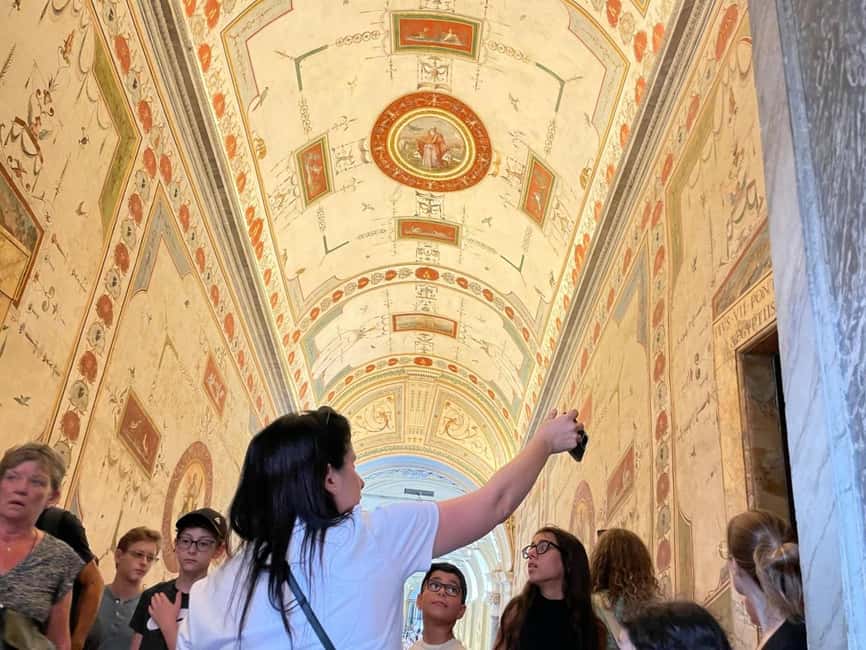
The Gallery of the Candelabra is one of the long, ornate corridors on the Vatican route. Its name comes from the large marble candelabra displayed along the way, while the wider collection includes sculpture and decorative works from antiquity.
This is a place where a guide earns the admission price. The corridor can feel like a continuous stream of beautiful objects, but you cannot stop for everything. A good guide selects a few pieces and explains why they matter, allowing you to keep moving without losing the thread.
The scale is part of the experience. The Vatican did not build a small museum around a handful of masterpieces. You are passing through rooms filled over centuries by popes and their advisers, and the sheer amount can become tiring.
Your guide will usually keep the attention on the strongest examples rather than attempt a lecture on every statue. That is the sensible approach during a three-hour visit. You are getting an introduction and a clear route, not a full academic course in Vatican collections.
Flemish works in the Gallery of Tapestries
The next section presents large wall hangings made in Flanders, including works connected with pupils of Raphael. The scale and detail give you a break from marble sculpture and painted ceilings.
Look closely at the way the figures are arranged. These works were designed to be seen from a distance, yet fine details reward a slower look. Your guide can point out how scenes are composed and how Raphael’s influence carried into later decorative art.
This part of the route also shows how papal decoration worked. The Vatican collection is not only a collection of paintings on walls. It includes sculpture, textiles, maps, architecture, and rooms designed to make the visitor feel the power of the institution.
The drawback is simple: you will want more time than the tour can provide. If a particular work catches your eye, remember its location as best you can. The tour moves onward, and the group needs to keep its schedule.
More ways into the Vatican Museums:
- Vatican Museums & Sistine Chapel Skip-the-Line Entry Ticket
★ 4.4 · 13,838 reviews - Rome: Vatican Museums, Sistine Chapel & Basilica Tour
★ 4.7 · 13,217 reviews - Rome: Vatican Museums & Sistine Chapel Guided Tour
★ 4.3 · 12,117 reviews - Vatican Museums & Sistine Chapel Skip-the-Ticket-Line Tour
★ 4.3 · 10,486 reviews
The Gallery of Maps and a different view of Italy
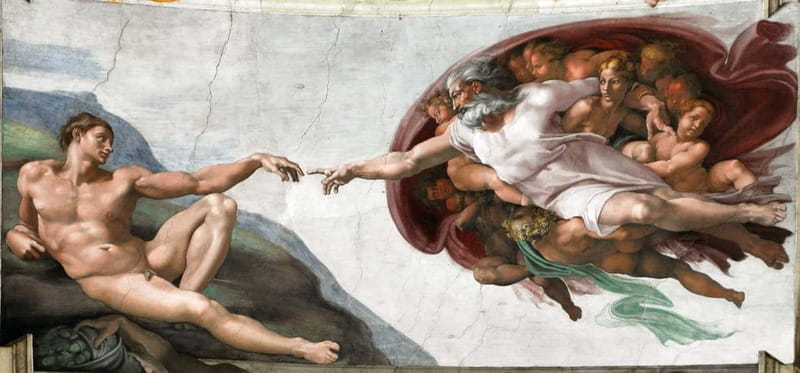
The Gallery of Maps is one of the most memorable corridors in the Vatican Museums. Its walls display large maps made by ancient cartographers, giving you a view of Italy through the eyes of an earlier age.
This gallery is visually direct. You do not need a specialist vocabulary to appreciate the maps. You can look for coastlines, mountain ranges, towns, and the way geography was represented before modern surveying tools.
The ceiling adds to the spectacle, and the long perspective makes the corridor one of the easiest places to remember after the tour. Your guide helps explain why the maps were commissioned and how they fit into the wider papal collection.
I find this stop especially useful for visitors who are becoming tired of sculpture. It changes the rhythm of the tour and gives you a new way to think about Italy, not only through famous paintings and statues but through territory, travel, and political control.
Preparing for Michelangelo in the Sistine Chapel
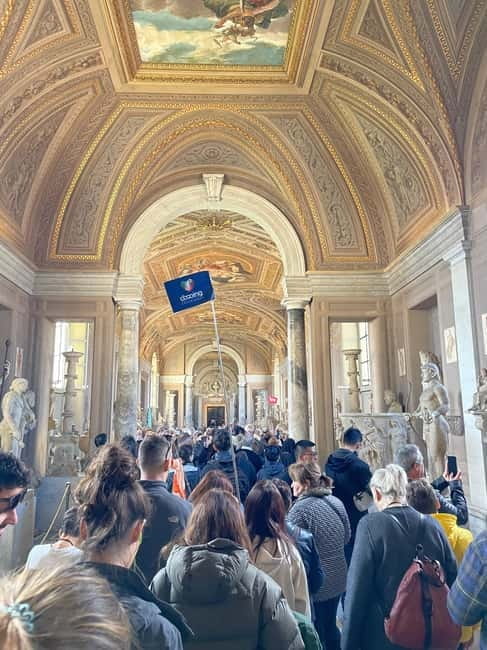
The Sistine Chapel is the emotional center of the tour, but it is also the point where expectations need a little adjustment. You enter for about 20 minutes, and the chapel can be crowded. This is not a quiet private viewing.
Your guide explains the major scenes and themes before you go inside. That preparation matters because the ceiling contains a huge number of figures and stories. Without some guidance, you may spend the whole visit simply looking upward and trying to decide where to begin.
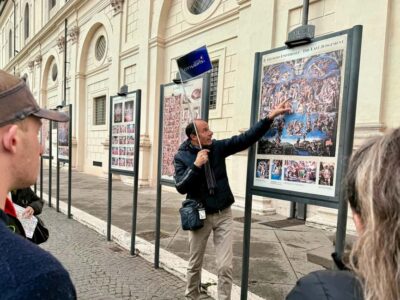
Michelangelo’s frescoes are the main attraction, including the famous ceiling scenes and the Last Judgment. The guide’s explanation gives you a way to read the chapel rather than treat it as a giant image search.
The tour includes a Sistine Chapel illustrated factsheet, which gives you another reference point. Once inside, you have time to look for yourself. The balance works well: instruction first, personal viewing second.
You should also pay close attention when the guide explains the meeting plan around the chapel. One person described becoming separated from the group after the guide stepped outside, and that is a useful warning. Stay alert when the group moves on, and do not assume you can easily spot your guide in a crowded corridor.
The chapel has its own rules, and the route may be affected by Vatican operations. The Raphael Rooms are not normally included. They are visited only if the Vatican makes them part of the required internal route. The itinerary can also change during major religious events.
Ending in St. Peter’s Square
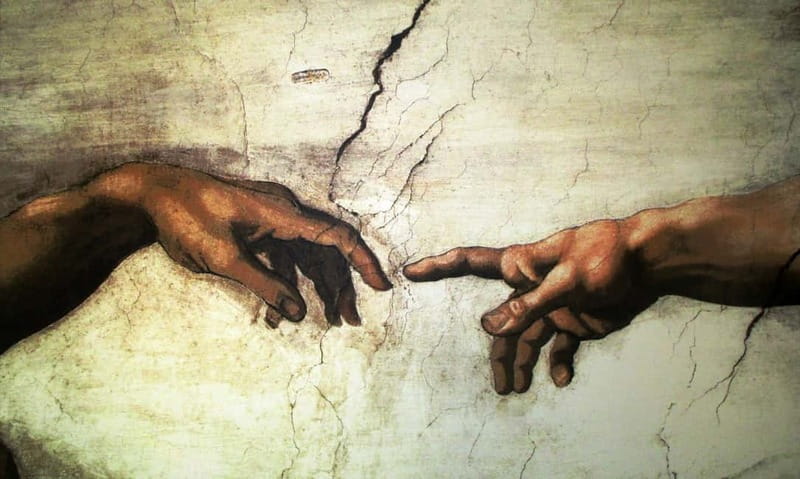
After leaving the museums, you follow the guide to St. Peter’s Square. This outdoor finish gives you room to breathe after the dense museum route.
The square is defined by Bernini’s double colonnade, which curves around the open space like welcoming arms. From here, you can also admire Michelangelo’s great dome rising above St. Peter’s Basilica.
This is a good ending because the square helps you understand the Vatican as a complete architectural statement. Inside the museums, you have seen individual works. Here, you see how monumental buildings, sculpture, columns, and open space work together.
The guided tour inside St. Peter’s Basilica is not included. At the end, you may enter the basilica on your own for free, but this is not guaranteed in every circumstance. Jubilee celebrations, Easter services, a conclave, and other official events can limit or prevent entry.
That distinction is important when comparing tours. If your main goal is a guided visit inside the basilica, this is not the right product. If you want the Vatican Museums, Sistine Chapel, and a guided look at the square, it has the right focus.
How much value do you get for $89.72?
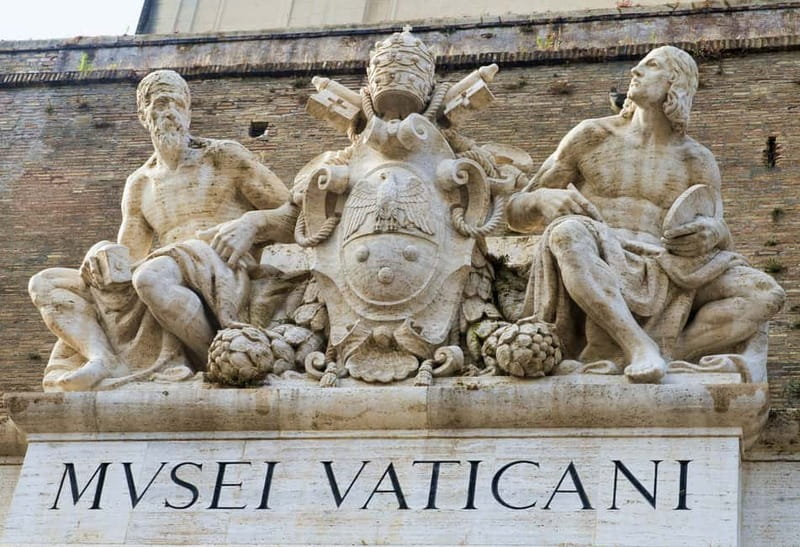
At $89.72 per person, this tour costs more than a basic museum ticket, but you are paying for several useful pieces at once: a licensed guide, priority admission, official headsets, a small group, and a structured route through a very large complex.
The value is strongest if you have never visited the Vatican. The collection can be overwhelming, and the guide helps you spend your energy on the major works instead of trying to navigate every corridor alone. Several guides, including Fabio, Adriano, Teresa, Olympia, and Yaya, have been praised for making the art clear, lively, and easier to remember.
The value is weaker if you prefer to move slowly and study every room. Three hours is a fixed framework, and the group must continue. You also do not get a guided basilica visit, and the Sistine Chapel portion is limited to about 20 minutes.
For a first visit, I think the price is reasonable if saving time matters to you. The priority entrance alone can protect a large part of your day, while the guide turns a long list of famous names into a connected story.
What to wear and what to leave behind
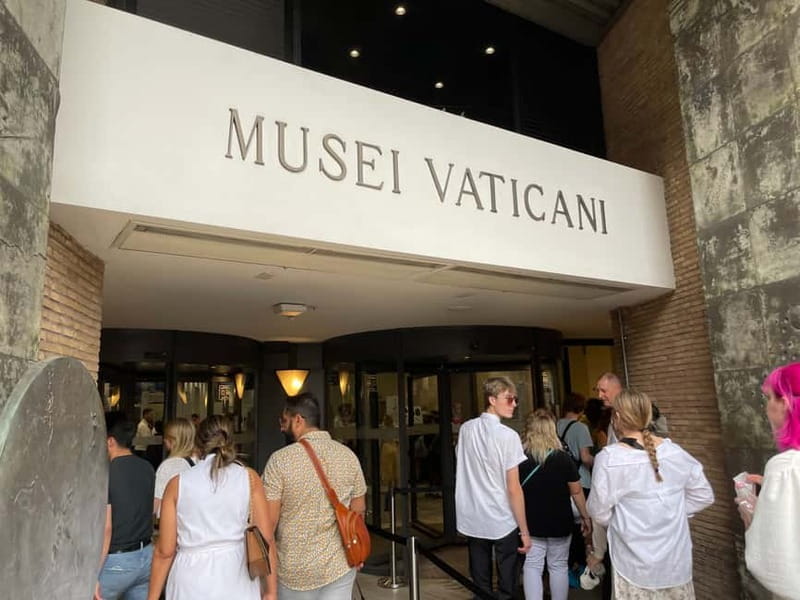
Dress for both walking and Vatican rules. You need long trousers or another acceptable long garment, a shirt with covered shoulders, and sleeves long enough to meet the dress code. Shorts, short skirts, and sleeveless shirts are not allowed.
Do not bring large bags, luggage, weapons, or sharp metal objects. Animals are not allowed, except assistance dogs. Mobility scooters and wheelchairs are not suitable for this experience, and the activity is not recommended for people with mobility impairments.
Bring identification for children, as a passport or ID card may be required. Arrive early at the Brastours office. Late arrivals who miss the departure do not receive a refund, so cutting it close is a poor gamble in central Rome.
The route is a walking tour through major museum galleries and the square. Even with a patient guide, you should expect to be on your feet for most of the three hours. One guide was specifically praised for taking care with people who struggled with stairs, but the tour is still not designed for wheelchair users.
Who should book this Vatican tour?
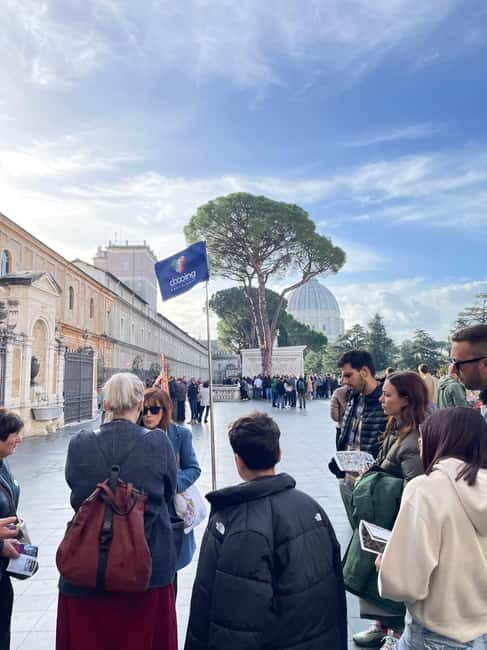
I would choose this tour for a first-time Vatican visitor who wants a clear introduction rather than a self-guided marathon. It suits you if you want the major sculptures, map gallery, Sistine Chapel, and St. Peter’s Square in one organized visit.
It is also a good match if you value explanation. The Vatican is full of famous names, but fame does not automatically make an artwork easy to understand. Guides such as Hilary, Louisa, Gabby, Christina, and Paolo have been praised for combining facts with humor, patience, and enthusiasm.
Families can benefit from the shorter route and the headsets, though children still need to manage the walking and the dress requirements. Art lovers who want extended time with individual works may prefer a slower visit, since this tour covers a lot of ground.
Book it with realistic expectations: priority entry reduces waiting, but it does not remove crowds; the Sistine Chapel is included, but only for a limited period; and St. Peter’s Basilica is not part of the guided route.
Should you book it?
Book this tour if you want the Vatican’s biggest sights explained by a live guide and covered in three hours. The small group, priority entrance, headsets, and strong emphasis on the major artworks make it a practical choice for a first visit.
Skip it if you want complete freedom, a long quiet look at every room, or a guided tour inside St. Peter’s Basilica. Also check the date carefully if you are visiting during Jubilee events, Easter, a conclave, or another major Vatican occasion, since access can change.
For most first-time visitors, I would book it, arrive early, dress correctly, stay close to the guide after the Sistine Chapel, and treat St. Peter’s Square as the final architectural lesson rather than assuming the basilica will always be open.
FAQ
How long does the Vatican tour last?
The tour lasts three hours. The Sistine Chapel portion is listed as approximately 20 minutes.
What languages are available?
The live guide is available in English, Spanish, and French.
Is St. Peter’s Basilica included?
A guided visit inside St. Peter’s Basilica is not included. At the end of the tour, you may enter the basilica on your own for free, but access can change during Jubilee events, Easter, a conclave, or other Vatican activities.
Are the Raphael Rooms included?
The Raphael Rooms are not normally included. They are visited only when the Vatican makes them part of the required internal itinerary.
What should I wear?
You should wear long trousers and a shirt with covered shoulders. Shorts, short skirts, and sleeveless shirts are not permitted.
Can I cancel the booking?
You can cancel up to 24 hours in advance for a full refund. Reserve now and pay later is also available.
Just added around Rome
- Colosseum,Vatican Museum & Sistine Chapel in One Day Guided Tour★ 3.5 · 9 reviews
- Private Tour Of Rome Highlights And Vatican Museums Skip-The-Line all included★ 5.0 · 4 reviews
- Vatican Museums and Sistine Chapel last entry Guided Tour★ 5.0 · 3 reviews
- Borghese Gallery Admission Ticket with Audioguide★ 4.0 · 64 reviews
- Caravaggio Art Walking Tour of Rome with Pantheon Visit★ 4.5 · 35 reviews
- Borghese Gallery Skip the Line Guided Tour★ 4.5 · 23 reviews
- Borghese Gallery Ticket with Audioguide★ 3.5 · 51 reviews
- Borghese Gallery VIP Tour – Skip the Line Tickets★ 5.0 · 2 reviews
Art Museum Tours in Rome, compared.
Vatican Museums, Sistine Chapel & St. Peter’s Basilica Tour
Read our review →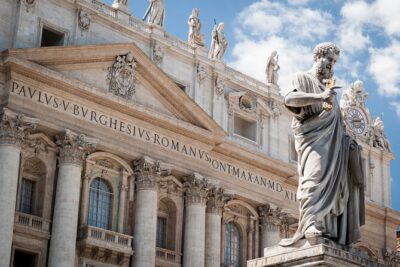
Vatican Museums, Sistine Chapel & St Peter’s Basilica Guided Tour
Read our review →
Vatican Museums, Sistine Chapel and Basilica Tour
Read our review →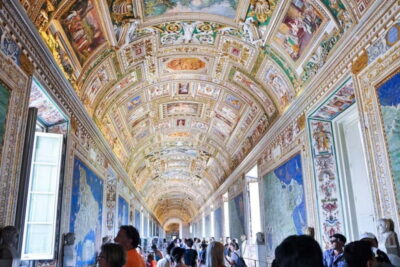
Vatican Museums & Sistine Chapel Skip-the-Line Entry Ticket
Read our review →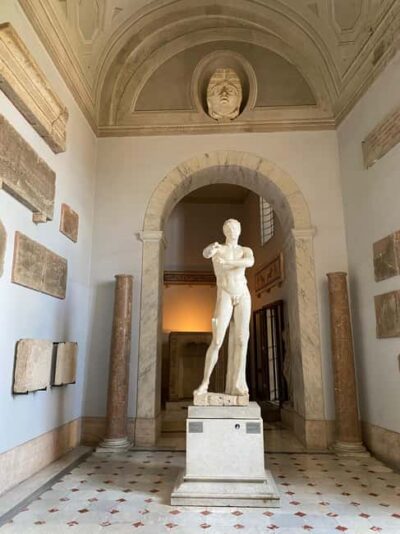
Vatican Museums, Sistine Chapel & Basilica Tour
Read our review →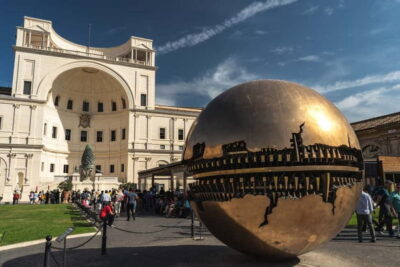
Vatican Museums & Sistine Chapel Guided Tour
Read our review →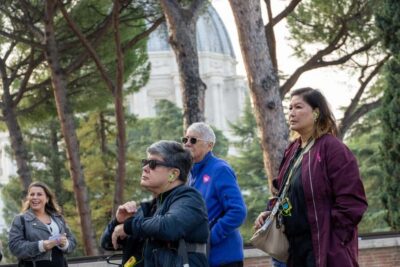
Vatican Museums & Sistine Chapel Skip-the-Ticket-Line Tour
Read our review →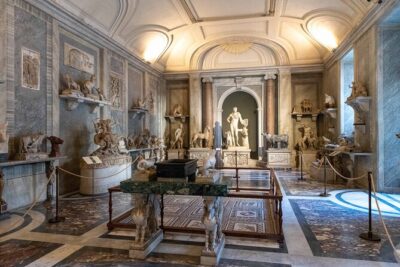
Vatican Museums, Sistine Chapel and St. Peter’s Basilica Tour
Read our review →Browse the lists this tour appears in