
REVIEW · ROME
Rome’s Baroque Art Walking Tour: Who Killed Caravaggio?
Caravaggio’s Roman story has everything a good mystery needs: violent street fights, powerful patrons, rival painters, criminal enemies, and a death that still raises questions. This two-hour walk turns that troubled life into a trail through churches and piazzas, with the paintings serving as evidence.
I like the way the tour connects major art with ordinary Roman streets, and I like that it takes you into churches where remarkable works can be seen without a separate museum ticket. Ivan is praised for his passionate storytelling, while Jacobo brings an art historian’s eye to the subject. The main consideration is the tip-based price model: the booking cost is low, but you are expected to pay the guide afterward.
Key points to know
- Caravaggio as a crime mystery: Follow the clues around his violent life and unexplained final days.
- Free church art: See important paintings in St. Louis of the French and the Basilica of St. Augustine.
- More than Caravaggio: The route also brings in Raphael and Plautilla Bricci.
- Two-hour walking route: Start at Piazza della Minerva and finish near Palazzo Borghese.
- Good in mixed weather: Open piazzas are balanced with cool churches, shade, shelter, and occasional seats.
- Pay what you want, within reason: The booking price is only the starting point, with a suggested tip range of 10 euros to 50 dollars.
Why Caravaggio makes such a good Rome walking tour
Many art walks ask you to admire paintings and remember names. This one gives you a question to carry from stop to stop: who killed Caravaggio?
That question is not answered with a neat confession. Instead, the guide uses historical evidence, eyewitness accounts, and modern theories to examine the painter’s last days. You hear about the people around him, the conflicts that followed him, and the forces that shaped both his career and his fate.
This approach suits Rome particularly well. Caravaggio’s work is not locked away in one gallery. Some of his most important paintings are in churches, placed in the very city where he found patrons, enemies, and fame. You move through the same broad Roman setting that frames his story, from Piazza della Minerva toward churches and palaces near the historic center.
The tone is lively rather than academic. Dark humor and politically incorrect jokes are part of the guide’s style, so I would not choose this walk if you want a quiet lecture or a solemn religious tour. If you enjoy true crime, art, and complicated characters, the mix has real appeal.
More Art Museum Tours in Rome
- Vatican Museums, Sistine Chapel & St. Peter’s Basilica Tour
★ 4.3 · 73,970 reviews - Vatican Museums, Sistine Chapel & St Peter’s Basilica Guided Tour
★ 4.5 · 39,149 reviews - Rome: Vatican Museums, Sistine Chapel and Basilica Tour
★ 4.3 · 16,039 reviews
Starting with the elephant in Piazza della Minerva
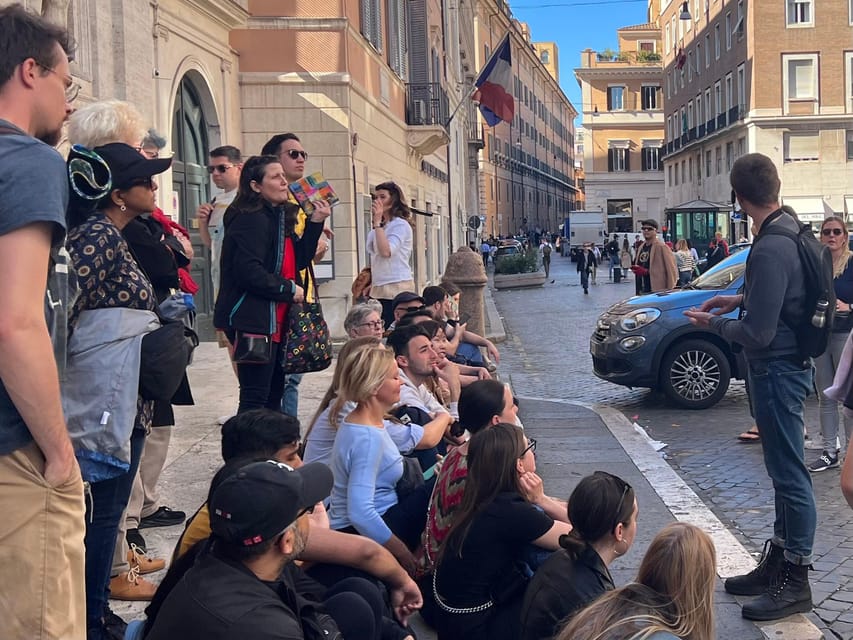
The meeting point is easy to identify: the elephant statue carrying an obelisk in Piazza della Minerva. Your guide holds a sign with the tour name, and the walk begins with a short look around the square.
The setting is a smart opening choice. The piazza is close to the Pantheon, yet it feels more tucked away than the huge spaces nearby. It gives the guide room to establish the mood and explain how Rome’s monuments can hold several stories at once.
Expect about 15 minutes here for a guided visit, sightseeing, and photographs. You will not simply be rushed through for a quick picture. The square helps set up the tour’s main idea: public places can reveal private conflicts when you know how to read the details.
The elephant and obelisk also make a practical meeting point, but arrive with enough time to find the statue. Piazza della Minerva is central, and the surrounding streets can be confusing if you are checking a phone while trying to spot the group.
The Pantheon connection
The walk then takes about five minutes toward the Pantheon. The Pantheon is one of Rome’s most famous sights, so this is not an unknown corner of the city. Its value here comes from the way it fits into the wider art story.
You get a brief connection rather than a long, separate Pantheon tour. That matters if you have already visited the building or plan to return later. The route keeps moving, using the monument as part of a larger chain of people, places, and artistic ideas.
This short section also helps with pacing. Two hours can feel long if every stop becomes a formal lecture. A few minutes of walking between locations gives you time to absorb the previous story before the next painting or church changes the mood.
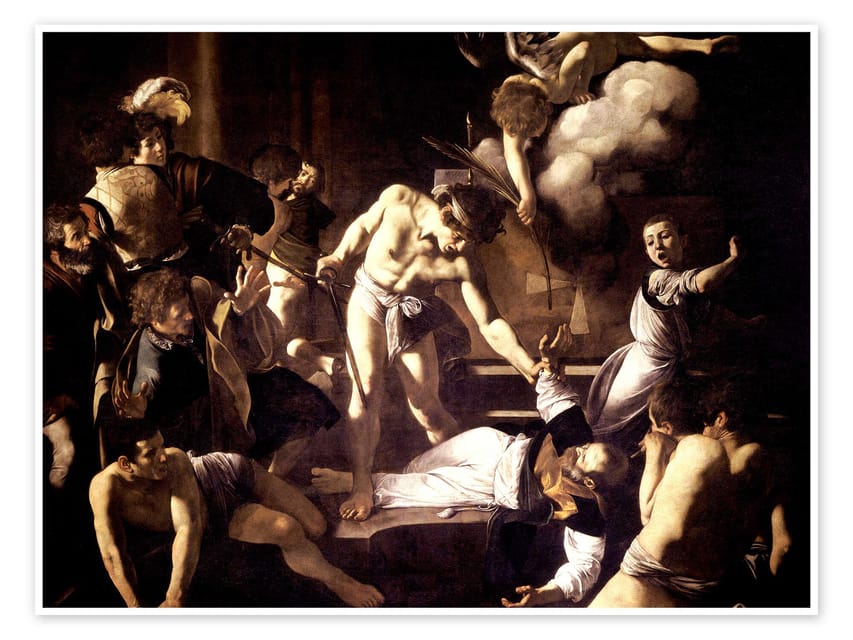
Caravaggio at St. Louis of the French
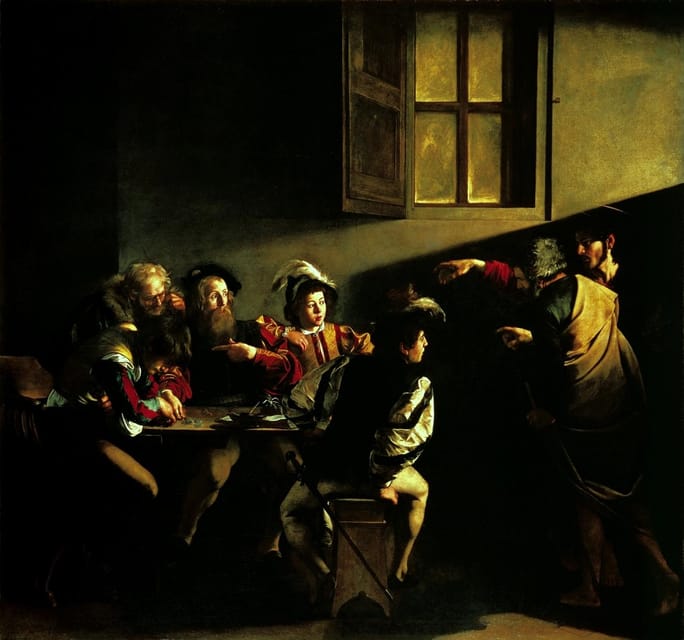
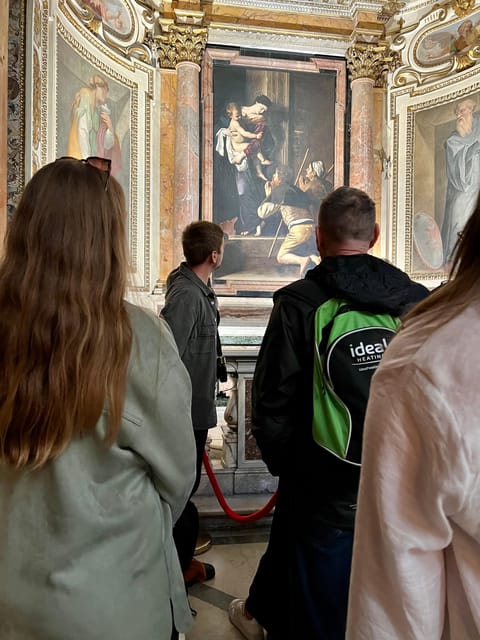
The Church of St. Louis of the French is one of the key stops. You spend about 15 minutes here on a visit, guided explanation, sightseeing, and photographs.
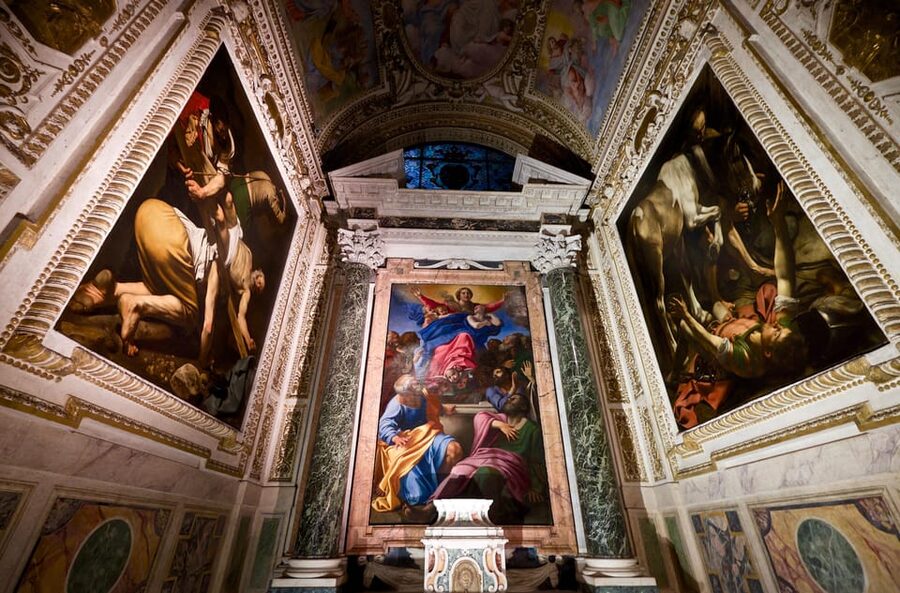
The tour promises priceless Caravaggio paintings at this church, and this is one of the moments when the mystery gains visual force. Caravaggio’s art is tied to drama, light, human emotion, and physical presence. Hearing about his restless life beside the works makes the paintings feel less like isolated masterpieces and more like part of a difficult career.
This is also where a guide’s storytelling skill matters most. A list of dates and titles would miss the point. Ivan’s strength, based on the supplied feedback, is his passion and command of the story. Jacobo is described as an excellent art historian, so you may get a slightly more analytical approach depending on who leads your group.
Church etiquette is important. Dress appropriately for entry, and remember that these are working religious spaces, not just free galleries. The atmosphere may be quieter than a museum, but worship and local use come first.
The church stop is a strong value point because it combines a major work with no separate art museum admission. The tradeoff is that church visits can be affected by services or local rules, and the supplied information does not promise a fixed amount of viewing time beyond the planned 15 minutes.
More art walks around Rome:
- Caravaggio Art Walking Tour of Rome with Pantheon Visit
★ 4.5 · 35 reviews - Uffizi & Accademia Timed Entry: Small Group Duomo Walking Tour
★ 4.5 · 3,630 reviews - Paris in a Day: Louvre or Orsay, Eiffel Tower, City Walk & Cruise
★ 5.0 · 1,956 reviews - Florence: Uffizi & Accademia Small Group Walking Tour
★ 4.7 · 1,380 reviews
The Basilica of St. Augustine and art outside museums
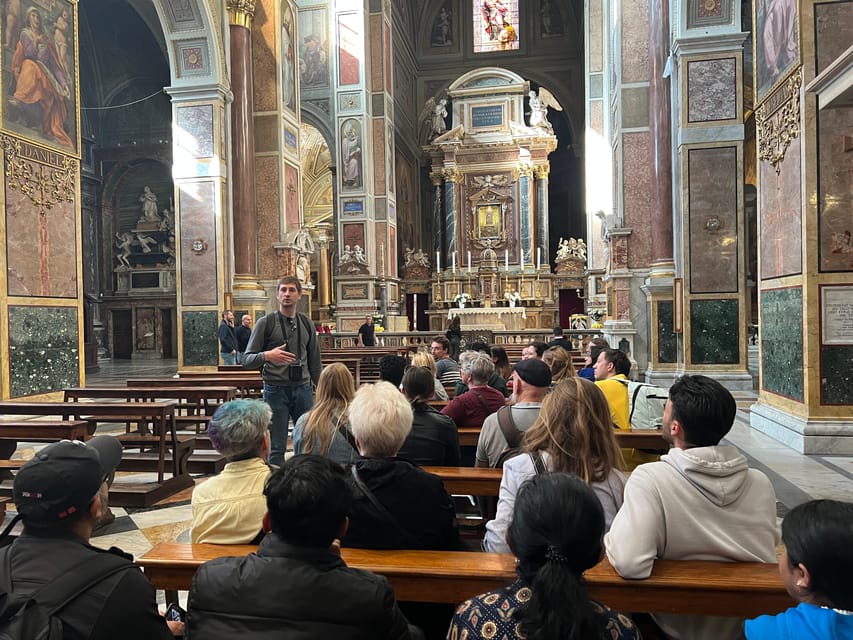
The Basilica of St. Augustine is scheduled for another 15-minute visit. Like St. Louis of the French, it shows why an art-focused walk can add something to a first Rome trip.
You are not being led from one museum room to another. You enter active churches, look at art in its original setting, and learn how artists, patrons, and religious institutions shaped what Rome displayed. That setting changes your relationship with the work. You may notice the architecture, the altar, the surrounding decoration, and the way a painting was meant to be seen.
The tour also brings in Raphael and Plautilla Bricci. The focus remains on Caravaggio, but these additional names widen the story beyond one famous man. Raphael connects the walk to Rome’s larger artistic tradition, while Plautilla Bricci introduces a less familiar figure and helps challenge the usual, narrow version of art history.
You should expect the guide to interpret, not just point. The stated aim is to offer a new way to read art, with political and personal clues alongside technique and beauty. That makes the stop especially useful if you usually feel unsure about what you are supposed to notice in a painting.
The two shorter stops in the middle
The route includes two additional visits of about 10 and 5 minutes. The exact names of these stops are not provided, so I would treat them as supporting locations rather than plan your day around a particular monument.
One includes a guided visit and sightseeing, while the other includes a photo stop and explanation. Their short length suggests a change of pace between the larger church visits and the final palace area.
This is one reason the walk works better as a story than as a checklist. You are moving through several places connected by a theme, not spending an hour at every site. The shorter stops may be the points where the guide adds context, points out a detail most people pass, or advances the mystery without requiring another long indoor visit.
The limitation is simple: if you want a fully specified route with every stop named in advance, this experience gives you less certainty. You know the start, the major churches, the final area, and the general timing, but not the labels for those two brief visits.
Palazzo Borghese and the final questions
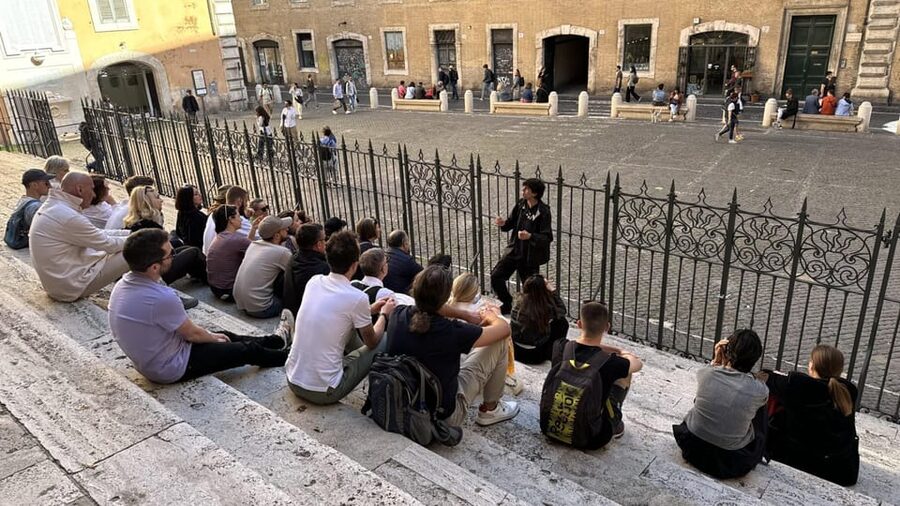
The tour continues to Palazzo Borghese for around 15 minutes and ends there. You get a photo stop, a visit, guided sightseeing, and a final walk through the area.
The palace gives the story a fitting closing setting. Powerful patrons and elite Roman circles are part of Caravaggio’s world, and a palace helps bring that social side into view. The guide can connect artistic success to access, influence, rivalry, and the protection of people with money and status.
Do not expect the end to solve every mystery. The appeal lies in weighing the evidence and leaving with better questions about Caravaggio’s final days. A strong guide will make the uncertainty feel purposeful rather than incomplete.
Finishing at Palazzo Borghese is also practical. You are left in a central part of Rome, with the rest of the historic center within reach. The supplied information does not promise entry to a larger palace collection or a long interior visit, so think of this as the final storytelling stop, not a full museum tour.
Weather, walking, and church etiquette
The route is designed for any weather, though no walking tour is completely weatherproof. You move through open piazzas, then into cool churches that offer shade and shelter. Some locations also provide places to sit, which helps during a two-hour walk.
Rome’s paving can make walking tiring, especially if you are wearing thin sandals or hard shoes. Comfortable footwear is sensible, even though the route is not described as strenuous. Bring water in hot weather, and carry rain protection when storms are possible.
The indoor stops are not just a comfort feature. They shape the experience. A sunny piazza gives you the public, theatrical side of Rome, while a church gives you a quieter place to study paintings and listen. That contrast keeps the tour from feeling like two straight hours of street walking.
Dress for church entry. The supplied information does not give a detailed dress code, so modest clothing that covers shoulders and knees is the safest choice. You should also be ready to lower your voice and follow any instructions at the churches.
The real cost of a $3.77 booking
The listed booking price is $3.77 per person, but this is a tip-based tour. The guides work for tips alone, and the usual amount given at the end is stated as 10 euros to 50 dollars.
That changes the value calculation. You are not really buying a two-hour guided walk for $3.77. You are reserving a place and then deciding what the experience was worth to you. The low booking price is attractive, especially for a route that includes major art and several historic interiors, but you should budget for the tip before booking.
For a well-led two-hour art walk, a tip in the stated range is a meaningful part of the cost. I would judge the guide on the clarity of the storytelling, the quality of the art interpretation, how well the group is handled, and how effectively the guide connects the places. The payment model gives you flexibility, but it also means you need to understand the arrangement clearly.
The free cancellation window is up to 24 hours before the start time, with a full refund. You can also reserve now and pay later, which helps if your Rome schedule is still shifting.
Who will enjoy this experience most
I would recommend this tour to you if you like art with a plot. You do not need a formal art background, because the guide explains the paintings through people, motives, conflicts, and clues rather than relying only on technical terms.
It is especially suitable for:
- First-time Rome visitors who want to see important church art without building a museum-heavy day.
- Caravaggio fans who want his paintings connected to his difficult life.
- People who enjoy true crime and unresolved historical questions.
- Visitors who prefer lively storytelling to a standard chronological lecture.
- Repeat Rome visitors looking for a different way to read familiar central streets.
- Anyone who appreciates free cultural sights and a walk that works in mixed weather.
I would be more cautious if you dislike dark humor, politically incorrect jokes, or uncertain conclusions. The tour also may not suit you if you need a fully fixed list of every stop or want extended time with each painting.
Should you book this Caravaggio walk?
Book it if you want Rome’s art to feel personal, risky, and connected to the city outside museum walls. The combination of St. Louis of the French, the Basilica of St. Augustine, Palazzo Borghese, and the shorter unnamed stops gives you a focused two-hour route with genuine artistic substance.
The strongest reason to go is the guide-led story. Ivan’s passionate style and Jacobo’s art historian background suggest that the quality depends on who leads your group, but both names are associated with the experience. Keep an open mind, dress for churches, wear comfortable shoes, and set aside a fair tip.
Skip it if you want a calm, conventional art history lesson or a tour with every stop disclosed in detail. For everyone else, this is a smart, low-cost way to see important Roman art while asking an entertaining question that has no easy answer.
FAQ
How long is the Rome Baroque Art Walking Tour?
The tour lasts two hours.
Where does the tour begin?
It begins in Piazza della Minerva, by the elephant statue with the obelisk. The guide carries a sign with the tour name.
Where does the tour finish?
The tour finishes at Palazzo Borghese.
What language is the tour offered in?
The live guided tour is offered in English.
Is the tour free?
The booking price is listed as $3.77 per person, but the experience uses a tip-based model. You pay the guide what you think the tour was worth at the end, with a usual tip of 10 euros to 50 dollars.
Should I dress specially for the tour?
Yes. The route enters churches, so you should dress appropriately for church entry.
Just added around Rome
- Colosseum,Vatican Museum & Sistine Chapel in One Day Guided Tour★ 3.5 · 9 reviews
- Vatican Museums and Sistine Chapel last entry Guided Tour★ 5.0 · 3 reviews
- Private Tour Of Rome Highlights And Vatican Museums Skip-The-Line all included★ 5.0 · 4 reviews
- Borghese Gallery Admission Ticket with Audioguide★ 4.0 · 64 reviews
- Caravaggio Art Walking Tour of Rome with Pantheon Visit★ 4.5 · 35 reviews
- Borghese Gallery Skip the Line Guided Tour★ 4.5 · 23 reviews
- Borghese Gallery Ticket with Audioguide★ 3.5 · 51 reviews
- Borghese Gallery VIP Tour – Skip the Line Tickets★ 5.0 · 2 reviews
Art Museum Tours in Rome, compared.
Vatican Museums, Sistine Chapel & St. Peter’s Basilica Tour
Read our review →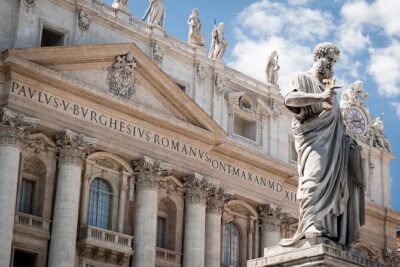
Vatican Museums, Sistine Chapel & St Peter’s Basilica Guided Tour
Read our review →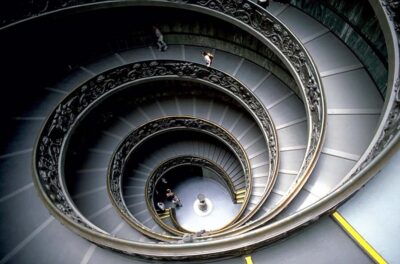
Vatican Museums, Sistine Chapel and Basilica Tour
Read our review →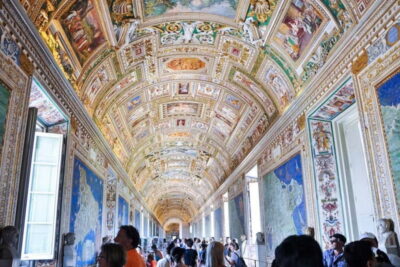
Vatican Museums & Sistine Chapel Skip-the-Line Entry Ticket
Read our review →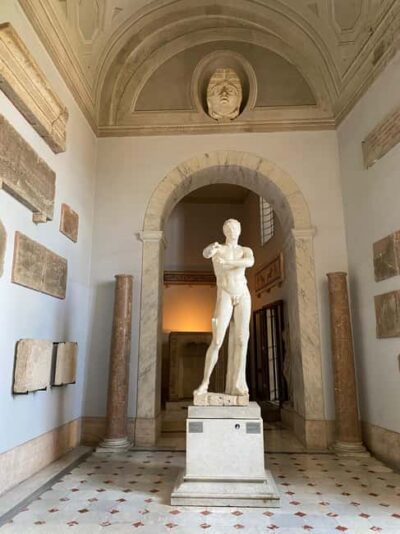
Vatican Museums, Sistine Chapel & Basilica Tour
Read our review →
Vatican Museums & Sistine Chapel Guided Tour
Read our review →
Vatican Museums & Sistine Chapel Skip-the-Ticket-Line Tour
Read our review →
Vatican Museums, Sistine Chapel and St. Peter’s Basilica Tour
Read our review →Browse the lists this tour appears in