
REVIEW · ROME
Vatican Museums: Geographical Maps, Ethnology and More
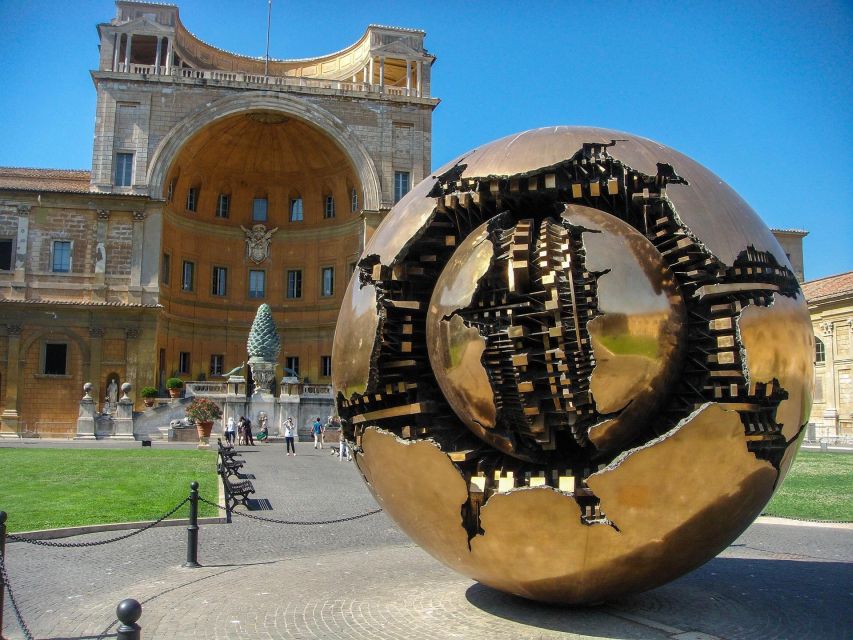
The Vatican Museums pack centuries of art into one enormous complex. In a single visit, you can move from Egyptian mummies and Etruscan artifacts to Raphael, Caravaggio, Matisse, Van Gogh, and Michelangelo. I like that this tour gives you a wide view of Vatican collections, not just the Sistine Chapel.
I also like the priority entry and the guide’s efficient, to-the-point approach. You should still expect some waiting in the fast lane, and the fixed time can change if the Vatican assigns another entry slot. The $181.26 price is substantial, so this tour makes the most sense if you want guidance and a broad introduction rather than a quick, self-guided visit.
Key points at a glance
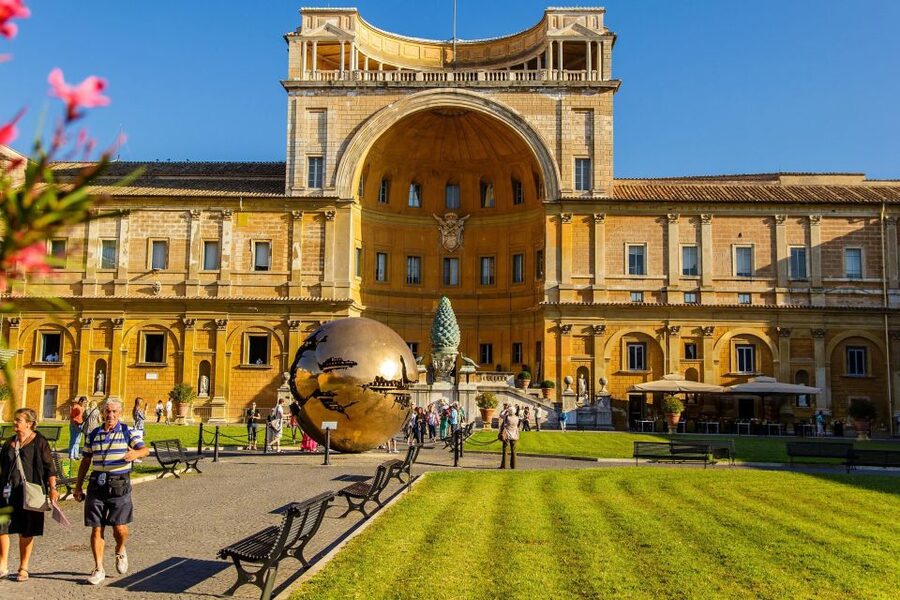
- See far more than the Sistine Chapel: The route includes Renaissance paintings, Egyptian relics, Etruscan objects, classical sculpture, contemporary art, stamps, coins, and global cultural artifacts.
- Start at Via del Mascherino 37/41: Check in at the office before heading to the museums.
- Expect an English-speaking guide: The guide is described as efficient and focused, useful in a museum where it is easy to lose your bearings.
- Look for Michelangelo’s hidden self-portrait: The Sistine Chapel section includes stories and details that can be easy to miss on your own.
- Bring identification and dress properly: A passport or ID card is required, and shoulders and knees must be covered.
- Plan around a shared tour: You do not get hotel pickup, food, or drinks, and the activity is not suitable for wheelchair users or babies under one year.
A broad tour of the Vatican collections
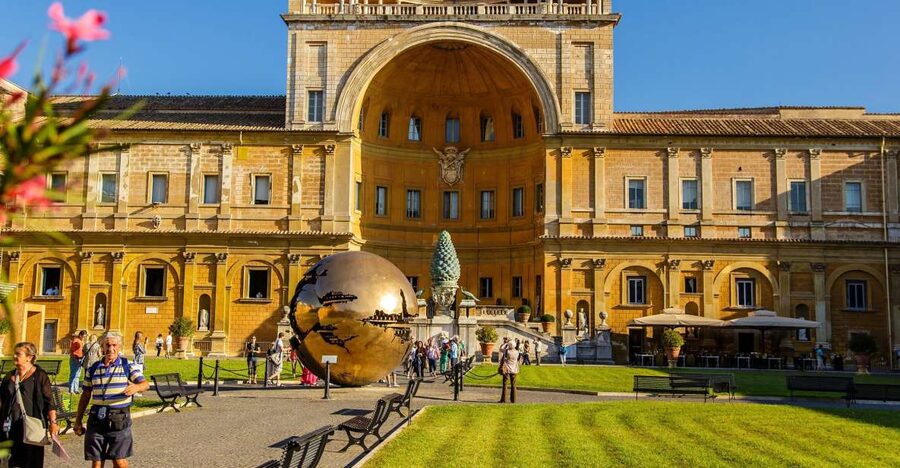
Many people come to the Vatican Museums for Michelangelo’s ceiling. That is understandable, but the chapel is only one part of a vast museum system. This experience tries to show you the larger picture, moving through collections that span ancient Egypt, pre-Roman Italy, Greece, Rome, the Renaissance, and modern art.
That broad approach is the main reason to choose this tour. You are not simply ushered toward the Sistine Chapel and sent out again. Instead, the guide introduces the different museum sections and explains how each one adds to the Vatican’s artistic and cultural story.
The pace is likely to be purposeful. The guide is described as efficient and to the point, which can be a blessing inside a crowded museum with a lot of ground to cover. You should not expect long, leisurely contemplation of every object. You will get a guided framework that helps you understand why the major rooms and works matter.
The experience is shared, and the language is English. No guide’s name is provided, so you should book this for the route and format rather than for a particular personality.
More Art Museum Tours in Rome
- Vatican Museums, Sistine Chapel & St. Peter’s Basilica Tour
★ 4.3 · 73,970 reviews - Vatican Museums, Sistine Chapel & St Peter’s Basilica Guided Tour
★ 4.5 · 39,149 reviews - Rome: Vatican Museums, Sistine Chapel and Basilica Tour
★ 4.3 · 16,039 reviews
Checking in on Via del Mascherino
Your starting point is Via del Mascherino 37/41. Go inside the office to check in before the visit. An online consultant sends the boarding information, and online support is available at the time of departure.
This is not a hotel pickup service. You need to make your own way to the meeting point, and the activity finishes at the Sistine Chapel rather than returning you to your hotel. The meeting information also says the activity ends back at the meeting point, so confirm the final instructions you receive before setting out.
Build in extra time for check-in. The Vatican area can be busy, and arriving late can create stress before a fixed-entry museum visit. Your passport or ID card should be with you. A student or child using the youth rate also needs photo identification.
The tour is shared, so you will not have a private guide shaping the route around your interests. That keeps the format more accessible than a private visit, but it also means you should be ready to keep pace with the group.
Pinacoteca: Raphael, Leonardo, and Caravaggio
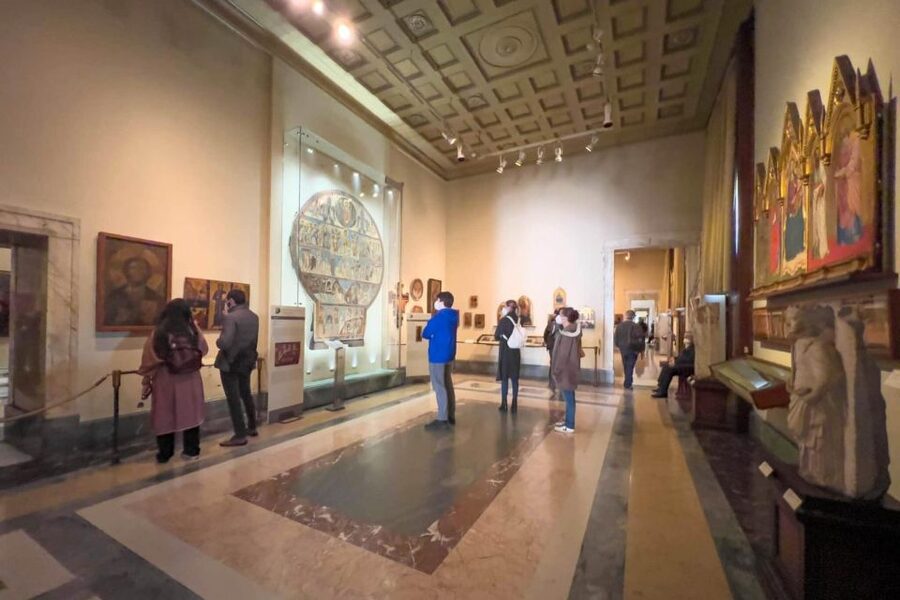
The Pinacoteca is the natural starting point for the Vatican’s painting collection. Here, the focus turns to Renaissance and later Italian art, with works connected to Raphael, Leonardo da Vinci, and Caravaggio.
These artists are not simply famous names to tick off. Raphael helps you see the balanced, idealized style associated with the High Renaissance. Leonardo brings a more searching treatment of faces and human feeling. Caravaggio changes the mood with powerful light, shadow, and physical immediacy.
A guide adds value here because individual paintings can look impressive without being easy to place. You can learn how the works relate to their period and why these artists changed European painting. If you already know the major Renaissance names, the explanations may help connect familiar works to the larger development of art.
The drawback is time. A broad museum tour cannot give every painting the attention it deserves. If the Pinacoteca is your top priority, note the works you want to revisit and ask whether you can return to them after the guided portion, if museum rules and timing allow.
Egyptian and Etruscan collections
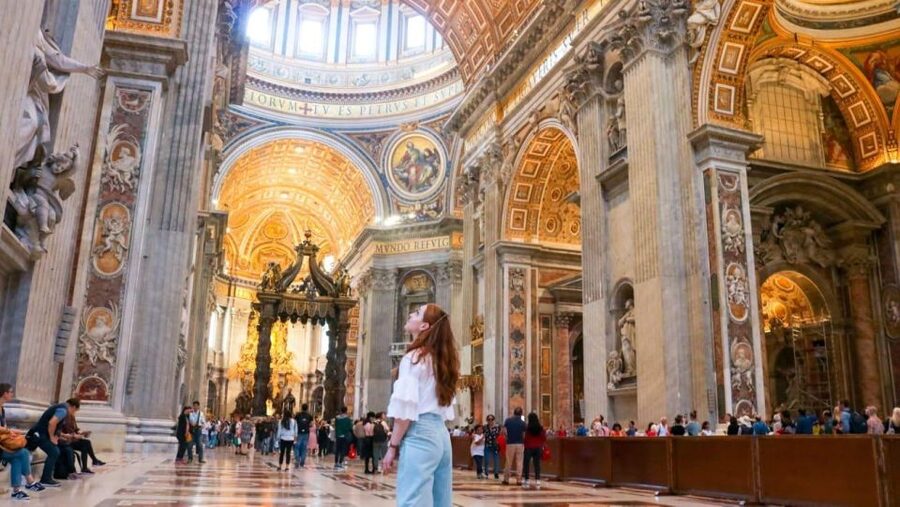
The Egyptian Museum offers a sharp change from Renaissance painting. You can see ancient objects, mummies, and hieroglyphs associated with the civilization of the pharaohs.
This section gives the tour a wider scope. Instead of treating the Vatican as an Italian art museum alone, it shows how its collections reach back to ancient cultures. The objects can also make a useful contrast with the paintings seen earlier. Egyptian art often follows different conventions and purposes, giving you another way to think about how people have represented power, belief, and the afterlife.
The Etruscan Museum turns attention to the civilization that lived in central Italy before Roman dominance. Its objects offer clues about daily life, religious beliefs, and artistic practice. The collection also helps explain the cultural influences that shaped ancient Rome.
I like this pairing because it prevents the visit from becoming a single-style art lesson. You see that the Vatican’s holdings include archaeology and material culture as well as famous paintings. Still, if ancient artifacts are your main interest, keep your expectations measured. The tour covers many departments, so the guide will need to make choices about what receives the most attention.
More ways into the Vatican Museums:
- Vatican Museums & Sistine Chapel Skip-the-Line Entry Ticket
★ 4.4 · 13,838 reviews - Rome: Vatican Museums, Sistine Chapel & Basilica Tour
★ 4.7 · 13,217 reviews - Rome: Vatican Museums & Sistine Chapel Guided Tour
★ 4.3 · 12,117 reviews - Vatican Museums & Sistine Chapel Skip-the-Ticket-Line Tour
★ 4.3 · 10,486 reviews
Classical sculpture and Greco-Roman masterpieces
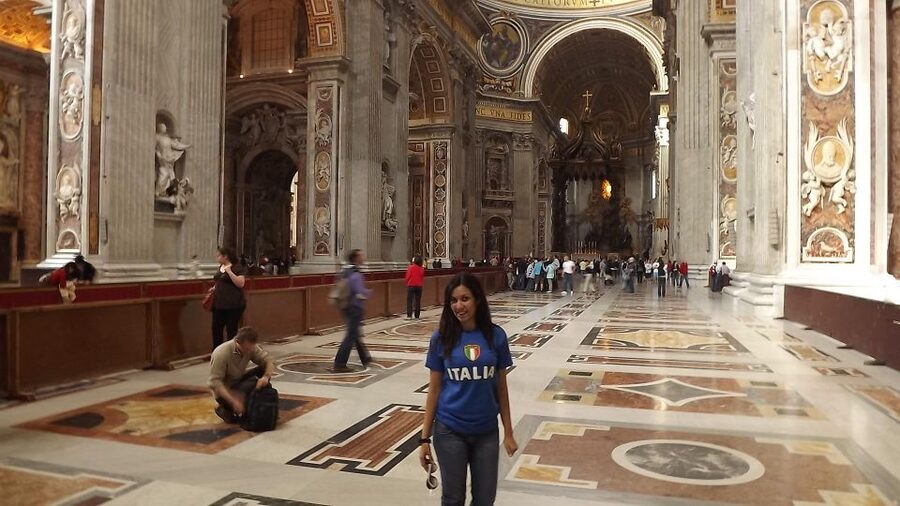
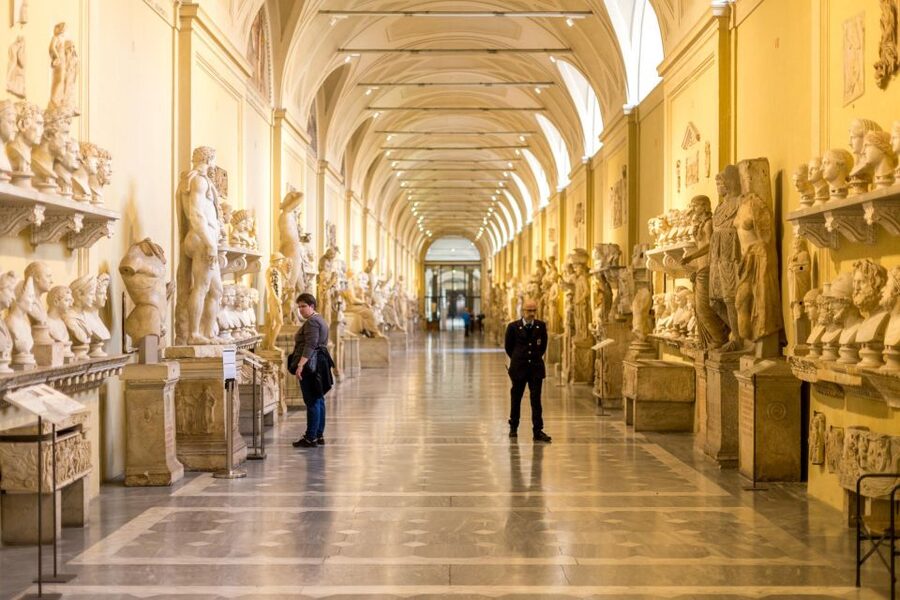
The classical galleries bring you face to face with sculpture from ancient Greece and Rome. Two named highlights are the Laocoön Group and the Belvedere Torso.
The Laocoön Group is especially important for understanding how ancient sculpture can convey physical strain, emotion, and movement. The Belvedere Torso, although fragmentary, became a major reference for later artists. It helps explain why ancient sculpture mattered so much to Renaissance painters and sculptors, including Michelangelo.
This is one of the most useful connections in the tour. The Vatican is not a collection of unrelated rooms. Ancient sculpture influenced Renaissance art, Renaissance art shaped later European culture, and the Sistine Chapel sits within that long chain of ideas.
You may find the classical section visually tiring after several crowded galleries. That is normal. The tour’s efficient pacing helps you keep moving, but you should wear comfortable shoes and save some energy for the Sistine Chapel.
Philatelic, numismatic, and ethnological collections
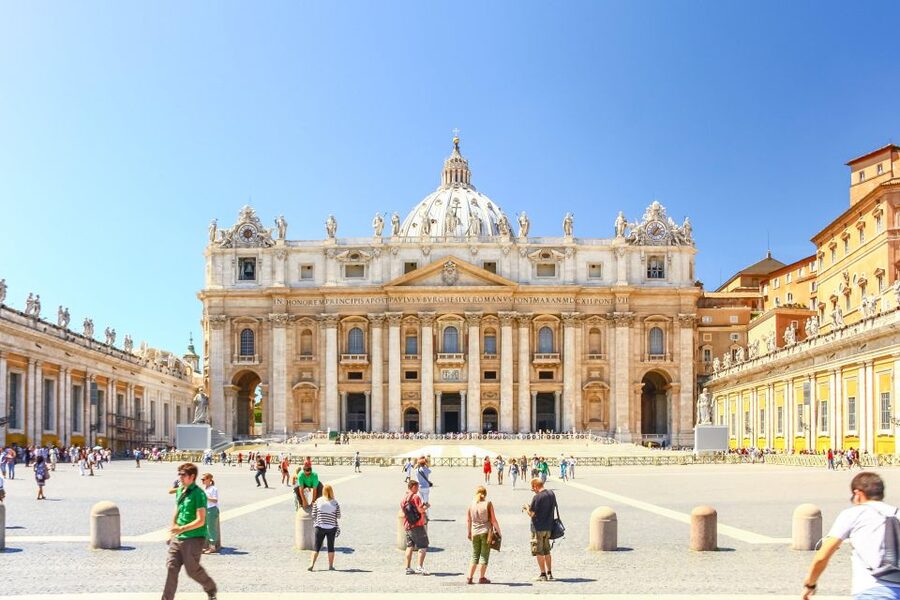
The Philatelic and Numismatic Museum offers a more unusual stop. Its focus is stamps and coins, including rare examples from different parts of the world.
This collection will appeal most to people who enjoy small objects, symbols, and the practical details of political and religious history. Coins can show how authority was represented, while stamps reveal how institutions and countries presented themselves through tiny designs. You will not get the same instant impact as you do from a monumental sculpture, but these objects add an unexpected layer to the visit.
The Ethnological Museum widens the frame again with objects from cultures around the world. It reflects the Vatican’s international connections and its interest in different human traditions.
These collections are a good reason to choose this experience over a basic Vatican highlights route. They are less likely to be the first rooms you seek out on your own, yet they help show the Vatican as a collection of global material, not only a showcase for Italian masterpieces.
Contemporary art with Matisse and Van Gogh
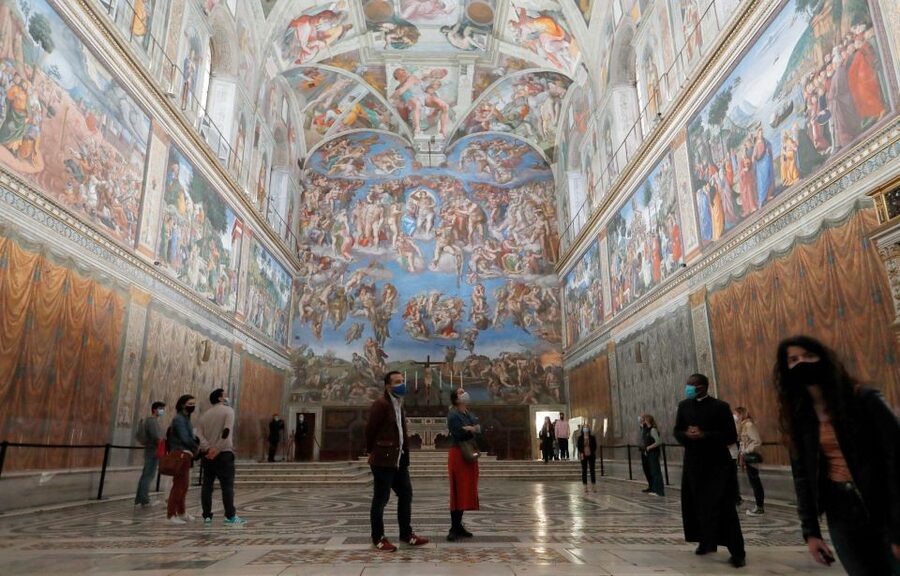
The contemporary art section provides a break from ancient objects and Renaissance painting. Works associated with Matisse and Van Gogh show how artists in later periods approached color, form, emotion, and spiritual subjects in different ways.
The word contemporary can cover a wide range of dates and styles, so do not expect the same visual language as the Sistine Chapel. That contrast is the point. The museum lets you move across time and see how artists responded to changing ideas about the human experience.
For you, this section can be either a welcome change or a less important part of the route. If your main goal is Michelangelo, you may see it as time taken from the Renaissance galleries. If you enjoy modern art, it gives the tour a more complete sweep and keeps the visit from treating art history as something that ended centuries ago.
The Sistine Chapel and Michelangelo’s hidden self-portrait
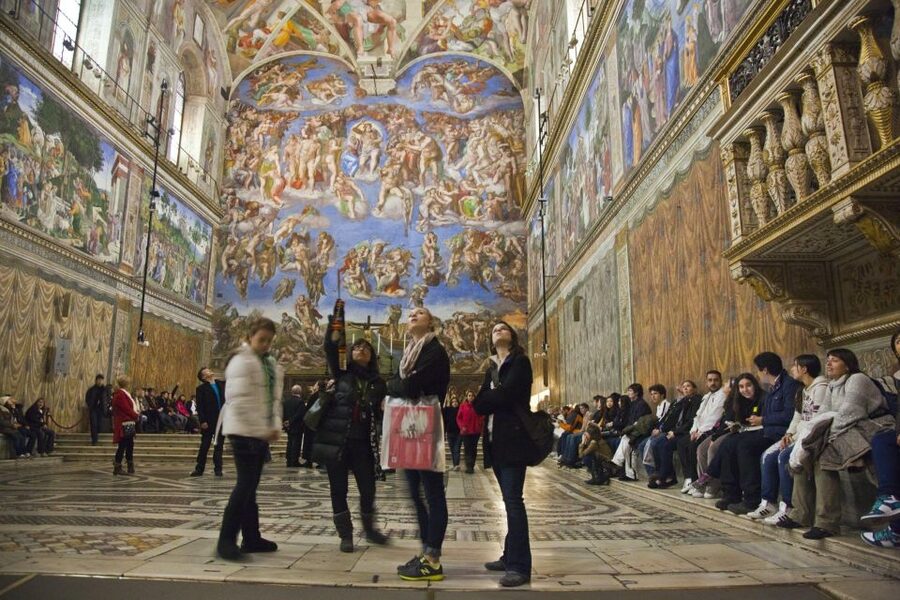
The Sistine Chapel is the emotional high point for many people. The tour includes a guided section of about 30 minutes, with stories about the frescoes and Michelangelo’s hidden self-portrait.
That detail gives you something specific to look for. The chapel rewards close attention, but the scale and density of the decoration can make it hard to know where to begin. A guide can point out details that might otherwise disappear into the ceiling and walls.
The chapel is also a place of worship, so appropriate behavior and clothing matter. Shorts and sleeveless shirts are not permitted, and knees and shoulders must be covered. Bring this seriously. Clothing that seems fine for a hot Roman afternoon may not meet the entry rules.
Photography and other chapel rules are not specified in the provided information, so follow the instructions given on site. The chapel can also feel crowded, and quiet viewing time may be limited. Even so, the guided stories give you a stronger sense of what you are seeing than a rushed glance at the ceiling.
The itinerary describes a three-hour guided visit to the Vatican Museums plus a 30-minute guided visit to the Sistine Chapel, while the activity summary lists a duration of 2.5 hours. Because the published timing is not perfectly consistent, check the exact start and end details when you reserve. Plan enough of your day around the visit that a small timing change will not disrupt another booking.
What the $181.26 price gets you
At $181.26 per person, this is not a bargain museum ticket. The price pays for priority access, an English-speaking local guide, entrance to the Vatican Museums and Sistine Chapel, and online assistance before and at the meeting point.
The value depends on how you like to visit major museums. If you want a quick ticket and already know the rooms you want, a self-guided option may cost less. If you want someone to explain the collections, point out key works, and organize the route through a complicated museum, the added cost may be worthwhile.
Priority access also needs a realistic explanation. Skip-the-line means you use the faster line, not that you walk straight inside with no people ahead of you. There can still be a wait, especially when entry times shift or the museum is busy.
The tour is most valuable for a first visit, a short stay in Rome, or anyone who feels overwhelmed by the Vatican’s size. It is less compelling for a repeat visitor who wants to spend a long time with one department or move at a personal pace.
Timing changes and practical limits
The selected time is not guaranteed in every case. If the chosen slot is unavailable, you may be moved to another time on the same day. A stated example gives 9:30 a.m. as a possible choice, with alternatives at 11:00 a.m., 2:00 p.m., or 4:30 p.m. if needed.
For a last-minute booking on the same day or overnight, a lack of space can mean being accommodated the following day. Do not pair this with another tour scheduled closely around it. A changed entry time could leave you rushing across Rome or missing the next activity.
Large bags and luggage are not allowed. Food and drinks are not included, and there is no hotel transfer. The tour is not suitable for wheelchair users or babies under one year, according to the stated conditions.
Cancellation is flexible up to 24 hours before departure for a full refund, and you can reserve now and pay later. Those policies help if your Roman schedule is still taking shape, but they do not remove the need to check the assigned entry time.
Who should book this Vatican tour?
I would choose this tour if you want a guided introduction to the Vatican’s full range, not just its headline rooms. It suits first-time visitors who want context, art lovers who enjoy moving between periods, and people with limited time who prefer an organized route.
It also suits you if the Egyptian, Etruscan, ethnological, philatelic, and numismatic collections sound appealing. Many standard visits focus almost entirely on Renaissance art and the Sistine Chapel. This route gives those famous sights their place while adding less obvious departments.
I would hesitate if you need complete control over the pace, dislike shared groups, or want to spend most of your time in one gallery. The price is high, and the schedule can change. Visitors with mobility needs should also note that the activity is not suitable for wheelchair users.
Should you book it?
Book this tour if priority entry and an efficient English-speaking guide are worth paying for, especially on your first Vatican visit. You get a rare mix of Renaissance paintings, ancient collections, classical sculpture, global artifacts, modern art, and the Sistine Chapel in one organized outing.
Skip it if you want a low-cost ticket, a private experience, or several quiet hours with a single masterpiece. For everyone else, the strongest reason to book is the range. You come away with more than Michelangelo’s ceiling, and that is exactly what makes this Vatican visit useful.
FAQ
How long does the Vatican Museums tour last?
The activity summary lists a duration of 2.5 hours. The detailed itinerary describes three hours at the Vatican Museums and 30 minutes at the Sistine Chapel, so check the confirmed timing when you book.
What language is the tour in?
The live guided tour is in English.
Where does the tour begin?
You begin at the office at Via del Mascherino 37/41. Enter the office to complete check-in.
Where does the activity end?
The itinerary lists the Sistine Chapel as the final stop. The meeting information also says the activity ends back at the meeting point, so check the final instructions sent to you.
Is hotel pickup included?
No. Hotel pickup and return are not included.
Does the tour include the Sistine Chapel?
Yes. Entrance to the Vatican Museums and entrance to the Sistine Chapel are included.
Does skip-the-line mean there will be no waiting?
No. You use the priority or fast line, but other people may still be ahead of you.
What should I bring?
Bring a passport or ID card. Students and children using the youth rate need photo identification.
Can I bring luggage or a large bag?
No. Luggage and large bags are not allowed.
What clothing is required?
You must wear appropriate clothing for a place of worship and museum. Shorts and sleeveless shirts are not permitted, and your knees and shoulders must be covered.
Just added around Rome
- Colosseum,Vatican Museum & Sistine Chapel in One Day Guided Tour★ 3.5 · 9 reviews
- Vatican Museums and Sistine Chapel last entry Guided Tour★ 5.0 · 3 reviews
- Private Tour Of Rome Highlights And Vatican Museums Skip-The-Line all included★ 5.0 · 4 reviews
- Borghese Gallery Admission Ticket with Audioguide★ 4.0 · 64 reviews
- Caravaggio Art Walking Tour of Rome with Pantheon Visit★ 4.5 · 35 reviews
- Borghese Gallery Skip the Line Guided Tour★ 4.5 · 23 reviews
- Borghese Gallery Ticket with Audioguide★ 3.5 · 51 reviews
- Borghese Gallery VIP Tour – Skip the Line Tickets★ 5.0 · 2 reviews
Art Museum Tours in Rome, compared.
Vatican Museums, Sistine Chapel & St. Peter’s Basilica Tour
Read our review →
Vatican Museums, Sistine Chapel & St Peter’s Basilica Guided Tour
Read our review →
Vatican Museums, Sistine Chapel and Basilica Tour
Read our review →
Vatican Museums & Sistine Chapel Skip-the-Line Entry Ticket
Read our review →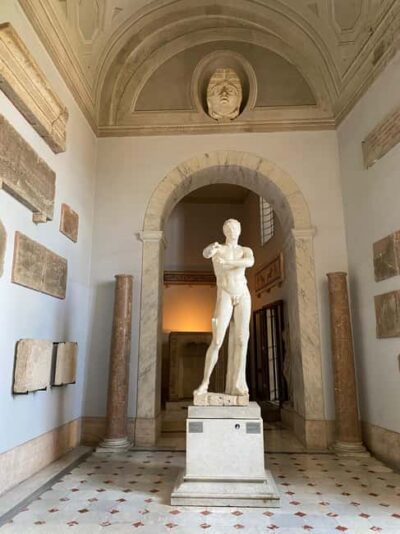
Vatican Museums, Sistine Chapel & Basilica Tour
Read our review →
Vatican Museums & Sistine Chapel Guided Tour
Read our review →
Vatican Museums & Sistine Chapel Skip-the-Ticket-Line Tour
Read our review →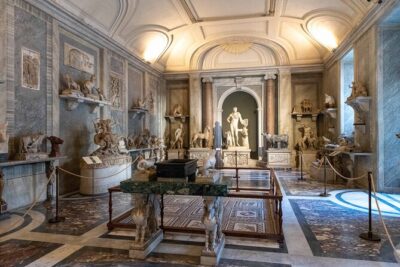
Vatican Museums, Sistine Chapel and St. Peter’s Basilica Tour
Read our review →Browse the lists this tour appears in