
REVIEW · ROME
Vatican Evening Tour: Vatican Museums & Sistine Chapel
The best reason to book this Vatican evening tour is the timing. You enter after much of Rome has finished its daytime sightseeing, when the heat is easier to handle and the corridors can feel less packed. The route takes you from the Belvedere Court and ancient sculpture galleries to Raphael’s frescoes and the Sistine Chapel, with the guide supplying the thread that ties it all together.
I like the skip-the-line entry and the way the guides turn a huge museum into a manageable visit. Guides such as Ellie, Eleonora, Alba, Maria, and Fabrizio have been praised for clear explanations, humor, and good pacing. The main drawback is that two hours goes quickly, and the chapel can still be crowded, noisy, and warm.
Key points to know before booking
- Evening access helps with heat: A late afternoon or early evening start can feel easier than visiting at midday, especially during summer.
- The route covers major highlights: Expect ancient sculpture, the Gallery of Maps, Raphael Rooms, and the Sistine Chapel.
- Guides make the art easier to read: You get stories and context before reaching the best-known works.
- The Sistine Chapel comes at the end: Save some energy for the final stop, since there is standing and plenty of walking.
- St. Peter’s Square is a short finish: You pass down the Scala Regia and reach the square for photos, but this is not a full St. Peter’s Basilica visit.
- Dress and bags matter: Knees and shoulders must be covered, and large bags, luggage, tripods, and strollers are not allowed.
Why an evening Vatican visit can work better
The Vatican Museums are famous, but they are not a gentle place to wander without a plan. The corridors are long, the collection is enormous, and the most important rooms can be hard to find. An evening tour gives you a fixed route through the highlights and frees you from spending half your visit studying a map.
The late timing is the real selling point. A 5:30 pm start has been especially well received because the museum may feel calmer than at peak daytime hours. You should not expect an empty building, though. Even the evening can bring crowds, and the Sistine Chapel may still feel packed.
Summer visitors gain another advantage. The museums can be hot, with no air conditioning in some areas, so avoiding the middle of the day makes a real difference. You still need comfortable shoes and water before entering, since the tour includes plenty of walking and standing.
The experience costs $117 per person. That is not a bargain museum admission, but the price includes the Vatican Museums ticket, Sistine Chapel access, skip-the-line entry, and an English-speaking guide. For a first visit, I think the cost can make sense because the guide helps you focus on major works rather than wandering through room after room without context.
More Art Museum Tours in Rome
- Vatican Museums, Sistine Chapel & St. Peter’s Basilica Tour
★ 4.3 · 73,970 reviews - Vatican Museums, Sistine Chapel & St Peter’s Basilica Guided Tour
★ 4.5 · 39,149 reviews - Rome: Vatican Museums, Sistine Chapel and Basilica Tour
★ 4.3 · 16,039 reviews
Meeting your guide at Viale Vaticano 100
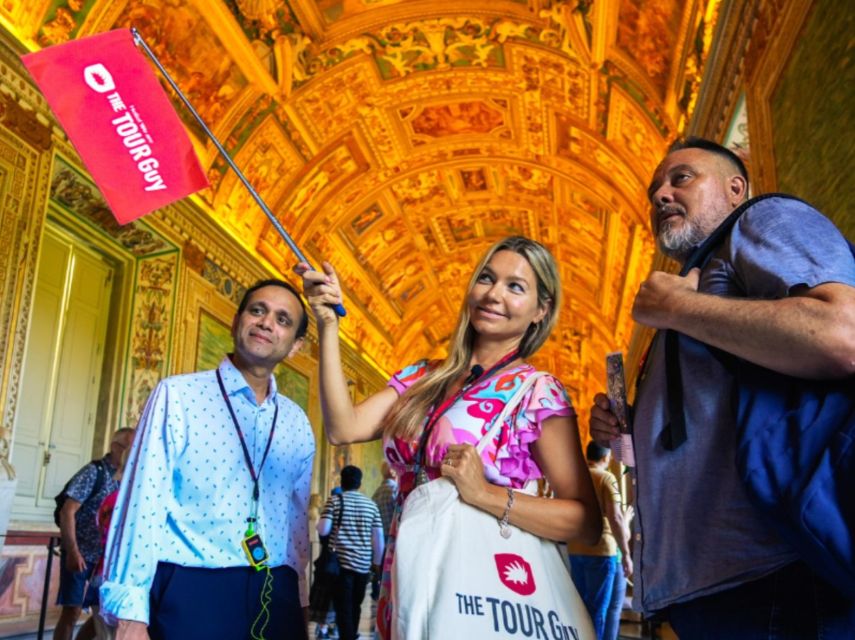
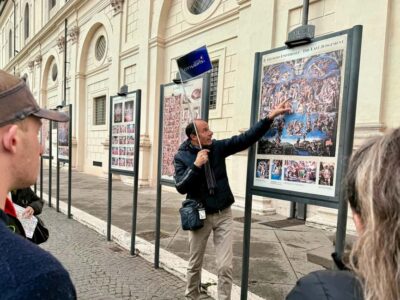
You meet at Viale Vaticano 100, at the top of the large staircase between Tmark Hotel Vaticano and Caffè Vaticano. Arrive 10 minutes early and look for a representative holding a sign marked The Tour Guy.
This is a useful meeting point, but the staircase and surrounding streets can be busy. Give yourself enough time to reach the Vatican area, especially if you are coming from another part of Rome. Hotel pickup and drop-off are not included, so you handle your own transport to and from the meeting point.
Once the group is assembled, the guide leads you to the entrance. Skip-the-line access removes one of the biggest sources of wasted time around the Vatican, although it does not mean you bypass security or every queue inside. Museum procedures can still slow the group down.
Headsets are supplied for groups of six or more. That matters in long galleries, where a guide’s voice can easily disappear beneath the sound of other groups. Several visitors have found the audio system helpful, particularly when the guide was moving quickly through busy rooms.
Cortile del Belvedere and the first look at the Vatican
The tour begins inside the Vatican Museums with the Cortile del Belvedere, or Belvedere Court. This open area provides an early sense of the scale of the complex and offers views toward St. Peter’s Dome.
The evening light can add something special here. You may see the dome against the changing sky, a pleasant contrast to the enclosed halls that follow. The court is also a sensible place for the guide to explain the Vatican’s layout before the group enters the long museum route.
Do not expect a quiet garden visit. This is a short guided stop, and the purpose is orientation rather than lingering. The museum schedule and the pace of the group determine how long you can pause for photographs.
Ancient sculpture in Museo Pio Clementino
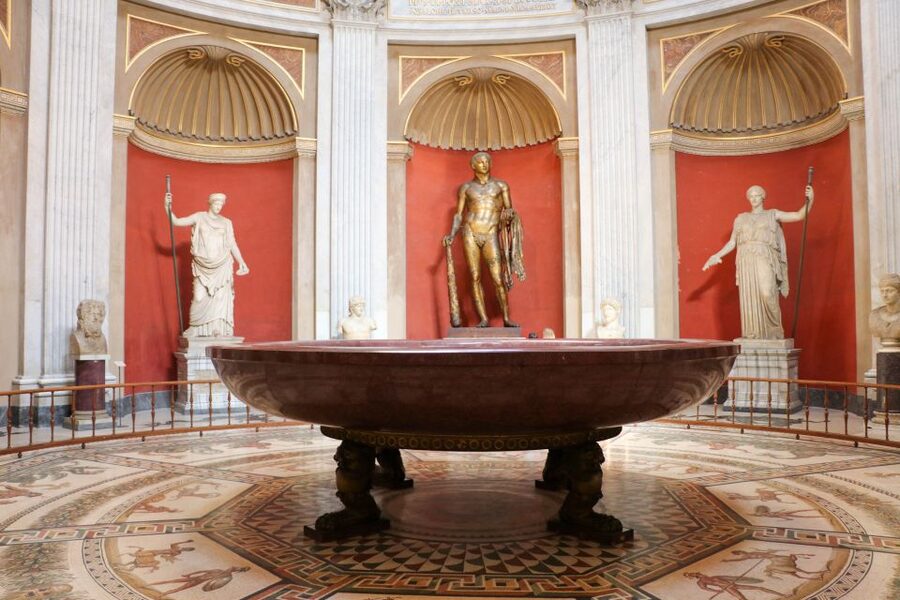
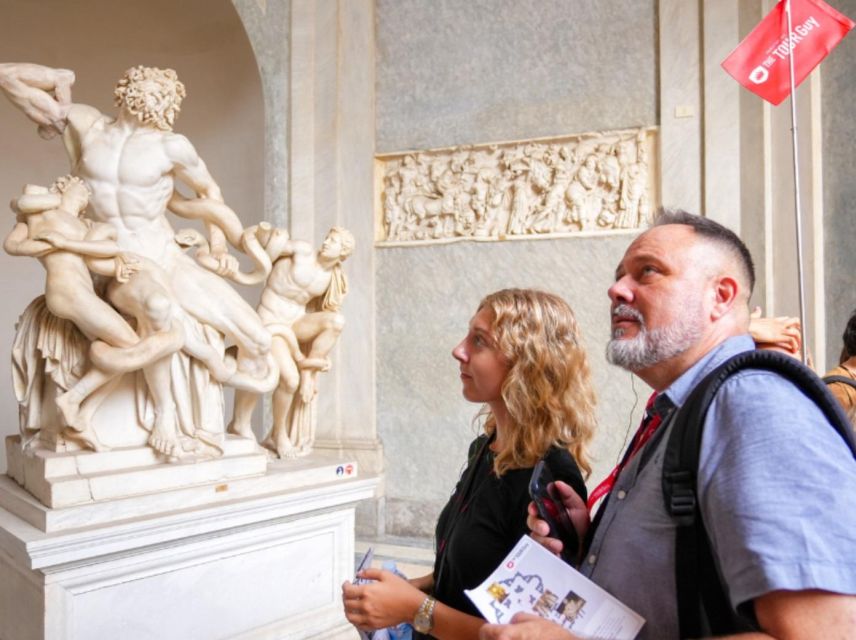
Next comes Museo Pio Clementino, home to some of the Vatican’s most famous ancient sculptures. The guide points out works such as the Laocoön and His Sons and the Belvedere Torso.
These statues are easier to appreciate once you know what to look for. Laocoön’s twisting figures and strained expressions show the drama of ancient sculpture, while the damaged Belvedere Torso became important to later artists, including Michelangelo. The guide’s short explanation gives you a reason to stop instead of simply passing another marble figure.
Nero’s Bathtub is another unusual sight along the route. Its huge scale makes it memorable, even for visitors who do not usually seek out ancient objects. The museum contains far more sculpture than you can see in two hours, so the guide’s selection is useful.
The compromise is time. You will stop at the headline pieces, hear the main story, and move on. If you want a slow study of every statue, this is not the right format.
More ways into the Vatican Museums:
- Vatican Museums & Sistine Chapel Skip-the-Line Entry Ticket
★ 4.4 · 13,838 reviews - Rome: Vatican Museums, Sistine Chapel & Basilica Tour
★ 4.7 · 13,217 reviews - Rome: Vatican Museums & Sistine Chapel Guided Tour
★ 4.3 · 12,117 reviews - Vatican Museums & Sistine Chapel Skip-the-Ticket-Line Tour
★ 4.3 · 10,486 reviews
The Gallery of the Candelabra
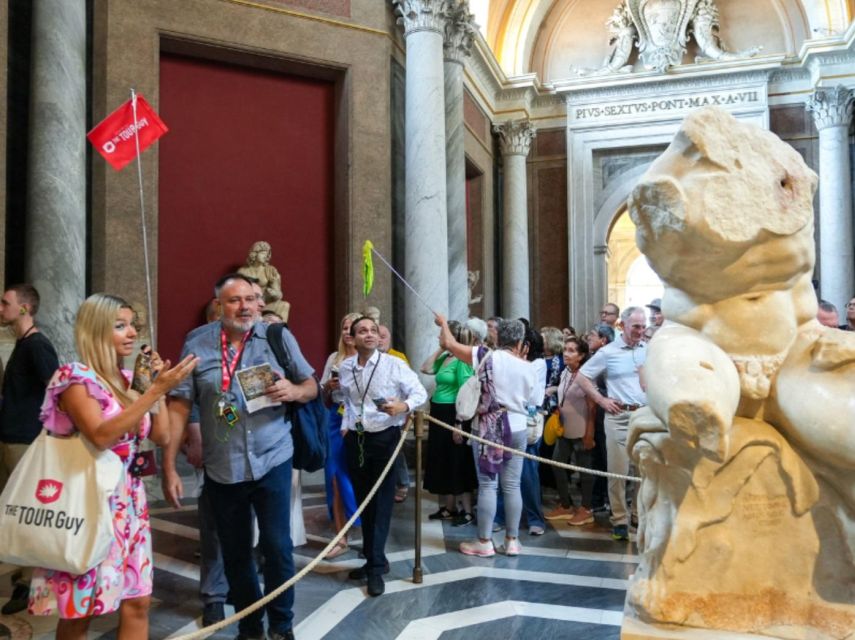
The Gallery of the Candelabra takes you through a long corridor filled with sculpture, decorative details, and painted ceilings. It is easy to feel overwhelmed here, so the guide’s commentary helps you separate the important details from the visual noise.
The name comes from the large candelabra placed along the gallery. Look upward as well as ahead. Vatican rooms reward you for lifting your eyes, since floors, walls, ceilings, and doorways all compete for attention.
This section is also where pacing becomes important. The group may be moving while the guide explains a ceiling or sculpture, and you need to stay close enough to hear through the headset. If you stop too long for a photograph, you can quickly lose sight of the group.
Gallery of Maps and Gallery of Tapestries
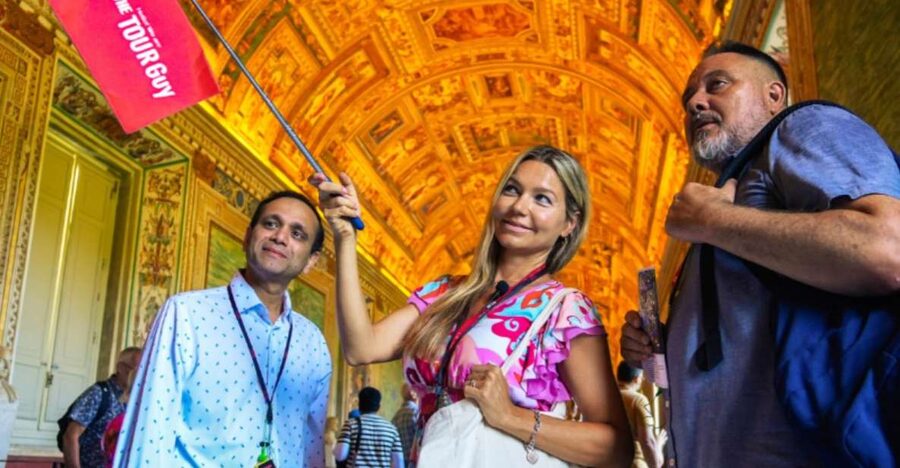
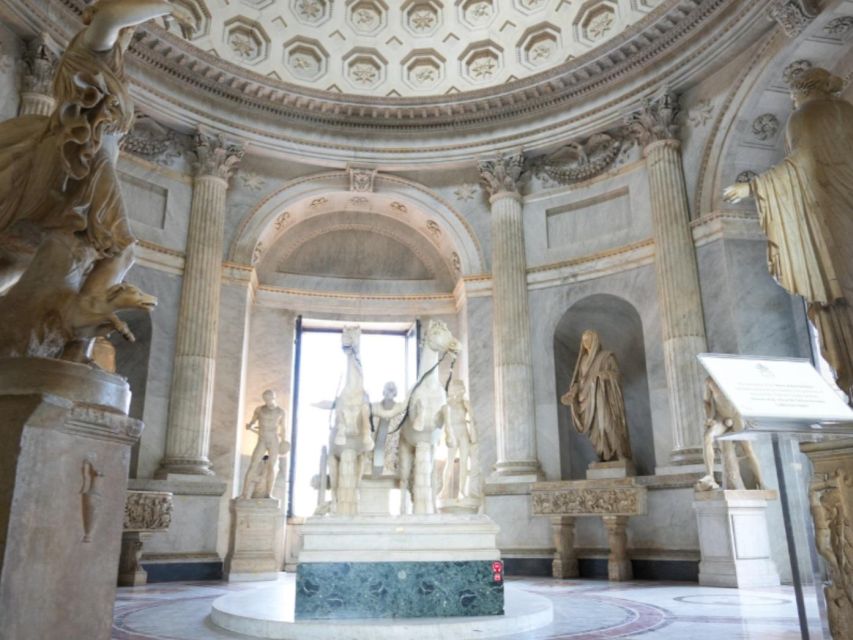
The Gallery of Maps is one of the route’s most memorable spaces. Its walls carry large painted maps of Italy, while the ceiling adds another layer of decoration. It is a place where the guide can connect art, geography, and the political ambitions of the church.
You will want to walk slowly, but the tour has a schedule to keep. Take a moment to notice how the maps turn a corridor into a grand statement about the Italian peninsula. The gallery is attractive even if you are not an art expert, because the basic idea is instantly clear.
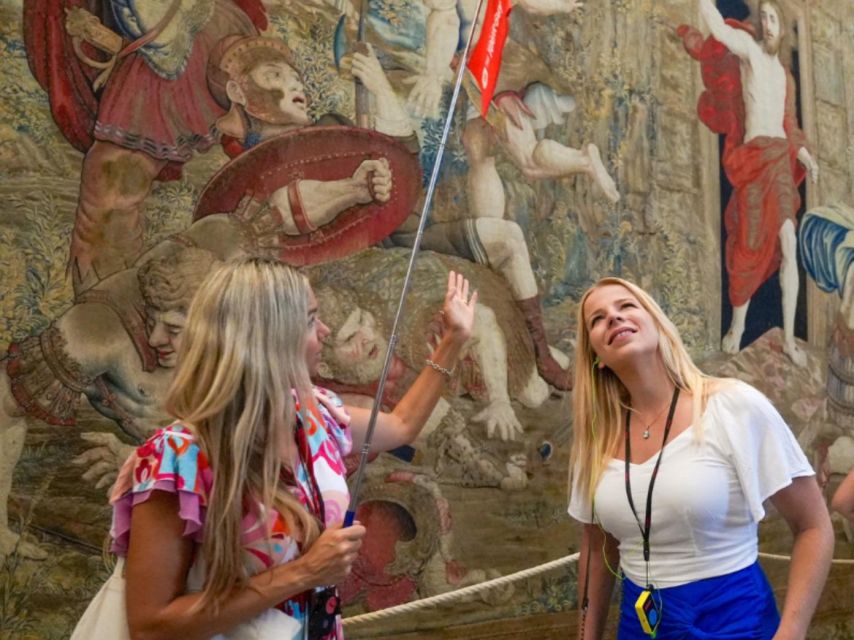
The Gallery of Tapestries follows with large wall hangings and detailed scenes. Look closely at the figures and textures, but do not expect a long stop at each piece. The guide’s role is to show you why the gallery matters and then keep the group moving toward Raphael’s rooms.
These galleries are a good example of the tour’s value. Alone, you could walk through them without knowing what deserves your attention. With a guide, a few minutes can give the room a clearer purpose.
Raphael Rooms and the Renaissance masterpieces
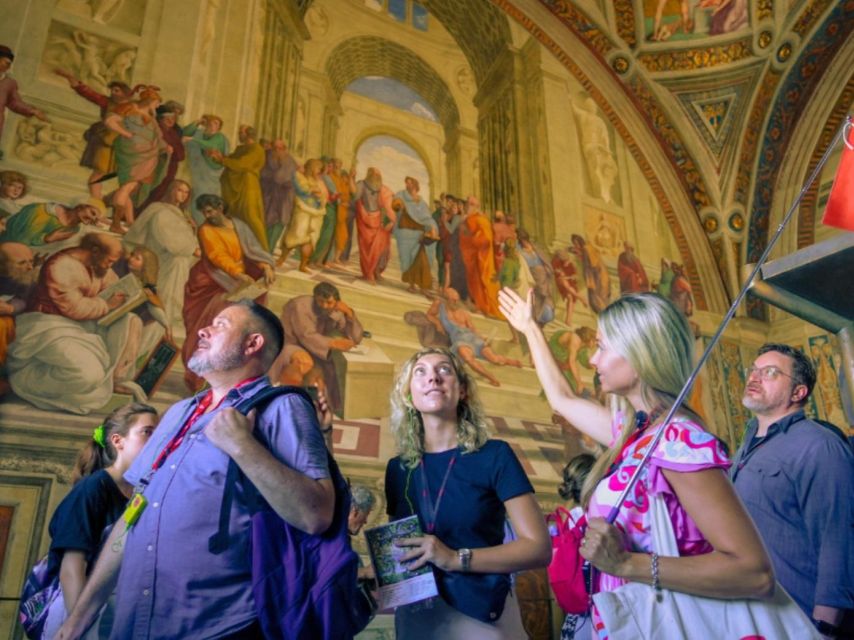
The Raphael Rooms are among the great rewards of the route. These rooms contain frescoes associated with Raphael and his workshop, including scenes that have shaped the popular image of Renaissance art.
The guide explains the subjects, the patrons, and the visual choices that make the frescoes important. This is where storytelling can turn a famous painting into something more understandable. You are not just looking at a wall covered with figures. You are learning how the composition directs your eye and why certain people appear where they do.
Guides such as Alba, Tatiana, Alex, and Iman have been praised for making this part lively and easy to follow. Their job is not to lecture for an hour. It is to give you enough context to recognize the major ideas before the route continues.
The rooms can be crowded, and you may not have a clear view for long. Stay near your guide and listen through the headset. If you are visiting with children, this is a good place to point out individual figures and ask them to find details rather than expecting them to absorb a long art lesson.
The Sistine Chapel at the end
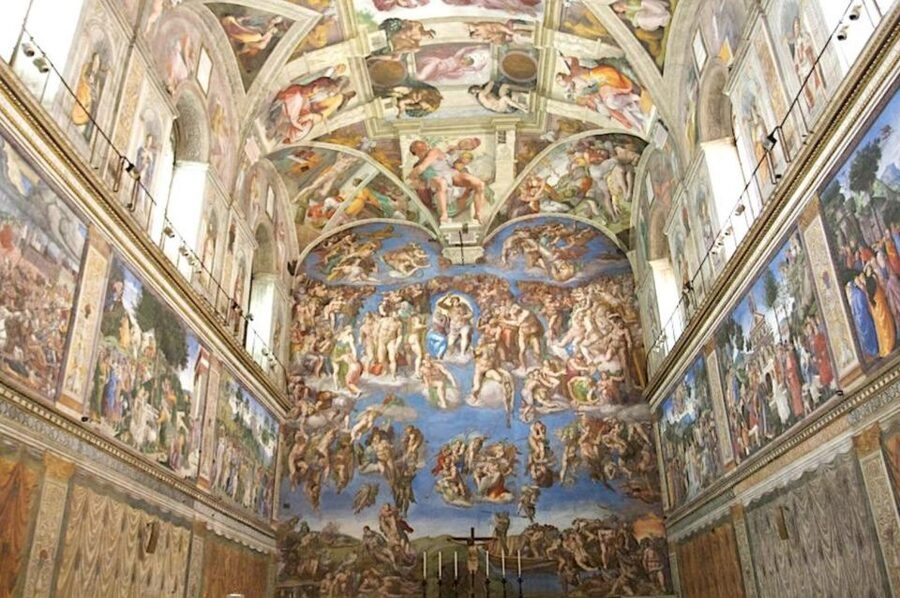
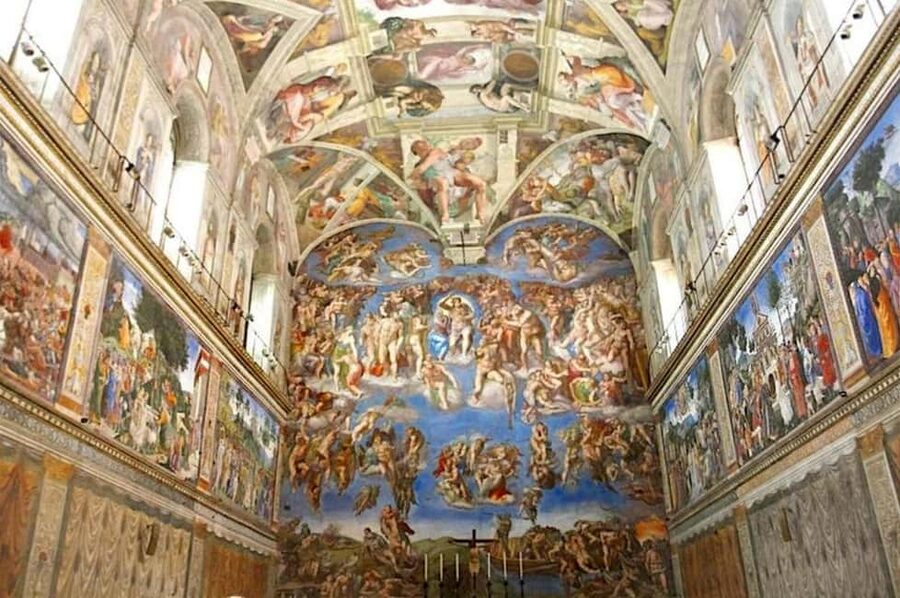
The Sistine Chapel is the emotional high point for most people, and it comes near the end of the tour. You receive the background first, including stories about the creation of the ceiling, Michelangelo’s Creation of Adam, and the Last Judgement.
That preparation is important. Without it, the ceiling can become a famous image you recognize but do not really see. The guide helps you understand how the chapel functions as a sacred space and explains its role in the election of new popes.
Guides cannot conduct a normal spoken explanation inside the chapel, so the main interpretation takes place before entry. Once inside, you follow the rules: no talking loudly and no photography. In practice, the chapel may not feel as silent as you expect. Announcements and other groups can interrupt the atmosphere, and crowding can make it hard to stand exactly where you want.
You may have around 20 minutes for this visit, but the time can feel shorter after the long museum route. Several people have found the tour physically tiring by this point, particularly families with children. Save a little energy and resist spending too much time lingering in earlier rooms if the Sistine Chapel is your priority.
The chapel is also not a full substitute for visiting St. Peter’s Basilica. This experience focuses on the Vatican Museums and Sistine Chapel. The final route toward St. Peter’s Square gives you an exterior view and a photo stop, but access to the basilica is not part of the stated tour.
Down the Scala Regia to St. Peter’s Square
After the chapel, the group descends the Scala Regia, or Royal Staircase, toward St. Peter’s Square. This provides a satisfying end to the museum visit and lets you see one of Rome’s most famous public spaces.
You have a chance to take photos and spend a little free time in the square. The open air can feel welcome after the crowded museum corridors. The view also helps you understand the scale of the Vatican in a way that indoor galleries cannot.
Keep your expectations precise. The itinerary says pass by and photo stop at St. Peter’s Square, not a guided tour of the basilica. Some evening schedules may also limit access to areas that close earlier, so do not book this tour mainly for an interior visit to St. Peter’s.
How much walking and standing to expect
This is a two-hour tour, but it is an active two hours. You walk through long galleries, stand while the guide explains major works, climb or descend stairs, and keep moving with the group.
The experience is not suitable for wheelchair users or people with mobility impairments. A visitor using a cane was able to get help avoiding some stairs, but the overall route still demands stamina. If you have a walking issue, ask before booking rather than assuming the guide can change the route.
Wear shoes you can use comfortably on hard floors. Large bags, backpacks, luggage, tripods, and baby strollers are not allowed inside. A coat check is available at the museum entrance, but it is simpler to arrive with only what you need.
Dress carefully. Both men and women must cover their shoulders and knees inside the religious areas. Short skirts and sleeveless shirts can lead to refused entry, and the tour company is not responsible if your clothing fails the dress code.
Bring a passport or ID card, or keep a photo of the identification page on your phone. This is required for everyone, so do not leave it locked away at your hotel.
Which visitors will get the most from this tour
I would choose this tour for a first visit to the Vatican, especially if you want the famous works without spending half a day inside. The guide provides structure, the evening start can reduce heat, and the route hits the rooms most people hope to see.
It also suits families who need a fixed two-hour plan. One family found that two hours was the right length, although children may be tired by the Sistine Chapel. Keep the pace in mind and explain that the chapel comes last.
Art lovers who want long, quiet periods with individual paintings should consider a longer daytime visit instead. The evening route is designed for highlights, not exhaustive study. Some people found it rushed because there is so much to see, even when the guide explained each stop well.
The tour is also a good match for visitors who dislike navigating large museums on their own. An English-speaking guide leads the way, answers questions, and helps you focus on works that might otherwise blur together.
Is $117 good value?
At $117, this is a premium two-hour visit. The price makes the most sense when you value time, skip-the-line access, and clear guidance more than a low-cost ticket.
You are paying for more than entry. You get a planned route through several major galleries, an English-speaking guide, evening access, and the convenience of not having to decide which corridors to follow. For a first-time visit in summer, avoiding the worst heat and reducing entrance uncertainty can justify the added cost.
The value is weaker if you already know the Vatican well or want to spend hours with a small number of works. You may prefer a longer ticket or an independent visit. Also remember that the $117 does not include transport, hotel pickup, or access to every Vatican site.
Cancellation is flexible up to 24 hours before the tour for a full refund, and you can reserve now and pay later. Check the available start times carefully, since the exact evening schedule matters to the experience.
Should you book the Vatican evening tour?
Book it if you want a focused first look at the Vatican Museums and Sistine Chapel, prefer cooler evening hours, and value an expert guide who can explain what you are seeing. The strongest part is the combination of timing and storytelling, with guides such as Maria, Eleonora, Alba, and Ellie receiving especially warm praise for clear delivery and friendly help.
Skip it if you need step-free access, want a slow art study, or mainly want to visit St. Peter’s Basilica. You should also accept that the Sistine Chapel may still be crowded and that two hours leaves no room to see everything.
For many first-time visitors, this is a practical way to meet the Vatican’s greatest hits without losing an entire day. Just dress correctly, carry identification, wear good shoes, and save enough energy for Michelangelo.
FAQ
How long does the Vatican evening tour last?
The tour lasts two hours.
What time does the tour start?
Starting times vary. You need to check availability when booking. A 5:30 pm start is one schedule that has been used.
What language is the tour conducted in?
The live guided tour is conducted in English.
Are Vatican Museums and Sistine Chapel tickets included?
Yes. Evening access to both the Vatican Museums and Sistine Chapel is included.
Does the tour include St. Peter’s Basilica?
No. The route finishes at St. Peter’s Square with a photo stop and free time. It does not provide a full visit to St. Peter’s Basilica.
What should I wear?
Your knees and shoulders must be covered. Short skirts and sleeveless shirts are not allowed in the religious areas.
Can I bring a large bag or stroller?
No. Large bags, backpacks, luggage, tripods, and baby strollers are not allowed inside the Vatican Museums. A coat check is available at the museum entrance.
More Evening Experiences in Rome
- Rome: Vatican Museums & Sistine Chapel Private Evening Tour
★ 4.8 · 13 reviews - Rome: Vatican Museums & Sistine Chapel Evening Guided Tour
★ 5.0 · 2 reviews - Academia Gallery: Statue of David Evening Tour
★ 4.5 · 181 reviews - Louvre Evening Escape – Avoid The Crowds! Exclusive Guided Tour
★ 5.0 · 59 reviews
Just added around Rome
- Colosseum,Vatican Museum & Sistine Chapel in One Day Guided Tour★ 3.5 · 9 reviews
- Vatican Museums and Sistine Chapel last entry Guided Tour★ 5.0 · 3 reviews
- Private Tour Of Rome Highlights And Vatican Museums Skip-The-Line all included★ 5.0 · 4 reviews
- Borghese Gallery Admission Ticket with Audioguide★ 4.0 · 64 reviews
- Caravaggio Art Walking Tour of Rome with Pantheon Visit★ 4.5 · 35 reviews
- Borghese Gallery Skip the Line Guided Tour★ 4.5 · 23 reviews
- Borghese Gallery Ticket with Audioguide★ 3.5 · 51 reviews
- Borghese Gallery VIP Tour – Skip the Line Tickets★ 5.0 · 2 reviews
Art Museum Tours in Rome, compared.
Vatican Museums, Sistine Chapel & St. Peter’s Basilica Tour
Read our review →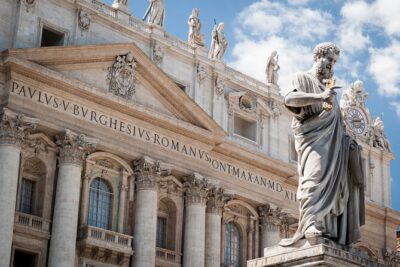
Vatican Museums, Sistine Chapel & St Peter’s Basilica Guided Tour
Read our review →
Vatican Museums, Sistine Chapel and Basilica Tour
Read our review →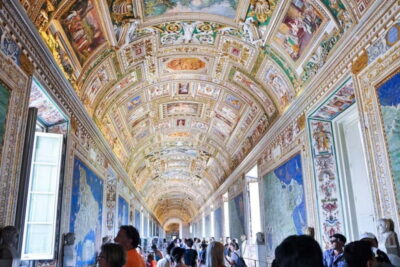
Vatican Museums & Sistine Chapel Skip-the-Line Entry Ticket
Read our review →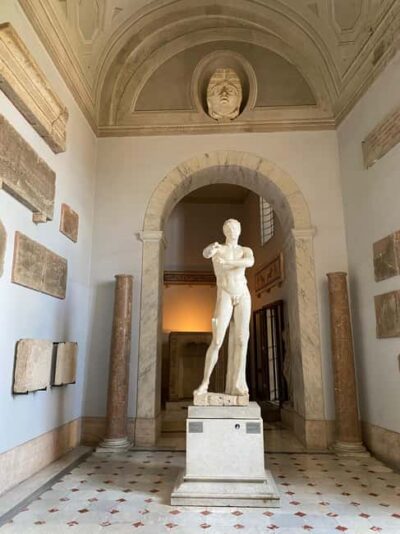
Vatican Museums, Sistine Chapel & Basilica Tour
Read our review →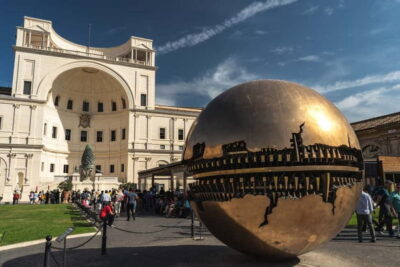
Vatican Museums & Sistine Chapel Guided Tour
Read our review →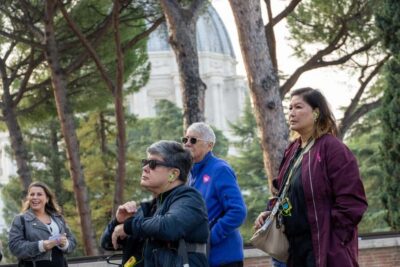
Vatican Museums & Sistine Chapel Skip-the-Ticket-Line Tour
Read our review →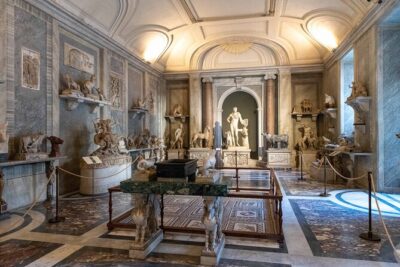
Vatican Museums, Sistine Chapel and St. Peter’s Basilica Tour
Read our review →Browse the lists this tour appears in