
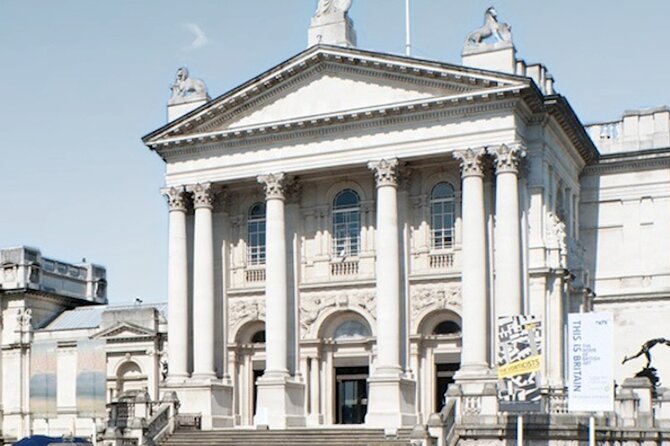
REVIEW · LONDON
Tate Britain Turner and Constable Exhibition
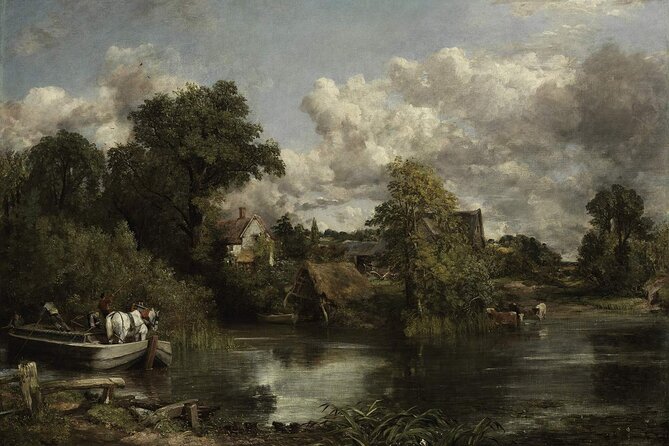
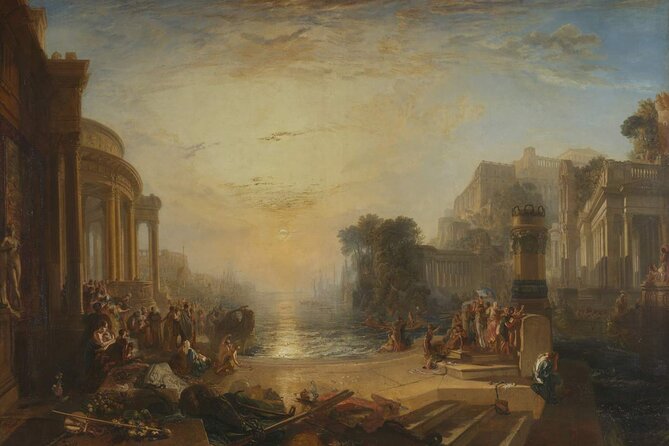
The most compelling part of this Tate Britain exhibition is the contrast between two men who came from very different worlds but wanted the same thing: to make nature feel alive on canvas. Turner’s stormy, forward-looking paintings sit beside Constable’s intimate studies of clouds and changing light, giving you a clear sense of two artists pushing British painting in new directions.
I like the wide range of work, which lets you follow each painter over time rather than seeing only a few famous pictures. I also like the personal touch: sketchbooks and small items connected to their lives help turn a grand art story into something more human. The main drawback is practical, not artistic. You may need to queue at the ticket desk even with a digital booking confirmation, and crowded rooms can make close viewing difficult.
Key points to know
- Two very different beginnings: Turner rose from humble roots in Georgian London, while Constable came from a wealthy Suffolk family and faced a slower path to recognition.
- Turner’s daring later paintings: His loose, forceful style once shocked critics and later helped point toward the work of Claude Monet.
- Constable’s cloud studies: His sketches capture passing light and weather with unusual directness.
- Thirty minutes to one hour: The special exhibition is compact enough for a short visit, though the free Tate Britain galleries deserve extra time.
- Book well ahead: The experience is often reserved about 44 days in advance, and a timed visit can sell out on the day.
- Allow time for ticket checking: A few bookings have required a paper ticket from the desk when the downloaded barcode would not scan.
Why Turner and Constable make a strong pairing
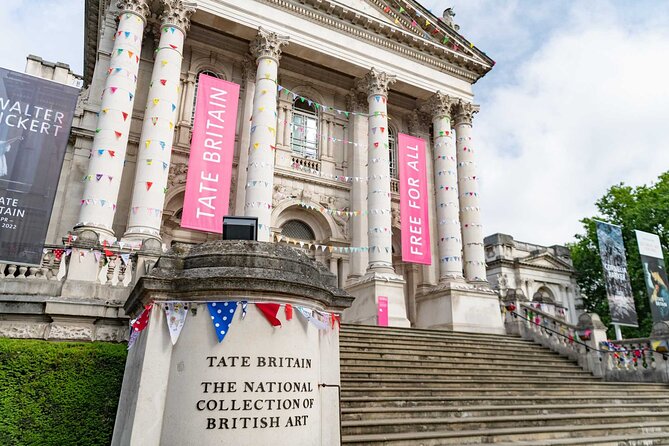
Turner and Constable are often taught as two of Britain’s great nature painters. That description is accurate, but it can make them sound more alike than they are.
Turner was born into a modest London setting and made his way quickly in the art world. He was ambitious, experimental, and willing to make a painting look unstable if that helped convey wind, rain, fire, sun, or speed. His later work can seem almost to dissolve in front of you, with color and movement doing more work than firm outlines.
Constable came from a prosperous merchant family in Suffolk. His route to artistic success was harder and slower, despite his comfortable upbringing. He stayed closely tied to the places and skies he knew, recording clouds, fields, trees, and shifting daylight with careful attention.
I find the exhibition most useful when it lets you compare their aims rather than simply count famous paintings. Both artists wanted more than a neat view of the countryside. They used nature to express mood, memory, power, and change. Turner often makes the world feel unstable and immense. Constable makes a particular moment feel observed and personal.
The 250th anniversary theme gives the show a clear reason to bring them together. It is not just a display of two famous names. It asks you to look at how their careers crossed, where their ideas differed, and why both still matter.
More Art Museum Tours in London
- Official tickets: Moco Modern & Contemporary Art Museum
★ 4.5 · 1,157 reviews - London: National Gallery Guided Tour with Art Expert Guide
★ 4.7 · 440 reviews - London: Tickets for Moco Modern & Contemporary Art Museum
★ 4.7 · 391 reviews
Turner’s later paintings are the main visual shock
Turner is the artist who may surprise you most if your idea of him comes from tidy early pictures. His later paintings are powerful because they do not always tell you exactly what you are looking at at first glance.
You may see paint pulled into swirling motion, bright areas pressing through darker color, and forms that seem to break apart. Critics in his own time were shocked by this approach. Today, his paintings can look remarkably modern, especially when you consider that they helped influence Claude Monet.
I like the way this section makes Turner’s experiments easier to understand. The paintings are not simply loose because the artist could not be precise. Their looseness is part of the message. He was trying to show atmosphere and force, not merely record the outline of a hill, ship, or sky.
Give yourself a little time in front of the later works. From a distance, they may seem like quick bursts of color. Step closer, and you begin to notice how carefully those bursts are arranged. Then step back again. The image may shift between solid subject and pure sensation.
This is also where the exhibition can feel crowded. Turner’s large, dramatic works naturally draw people in, and visitors sometimes remain in front of one painting while others wait behind them. If you want a quieter look, pause at the edges of the room and return to the busiest pictures later.
Constable’s clouds make ordinary weather worth studying
Constable’s cloud sketches provide a useful counterpoint. They are smaller, more direct, and often less theatrical than Turner’s paintings. Yet they can hold your attention because they record the sky as something constantly changing.
His clouds are not generic white shapes placed above a field. They have weight, direction, and mood. A patch of light may suggest a break in the weather. Darker forms may make the air feel heavy. The sketches show Constable watching closely and trying to understand what he saw.
I especially value these works because they explain how a painter can find drama in familiar surroundings. You do not need a famous monument or exotic setting. A changing English sky is enough, if you really look at it.
The cloud studies also make Constable’s process easier to follow. Instead of seeing only finished pictures, you get a sense of observation in progress. Sketchbooks and personal material add to this feeling. They offer small clues about the person behind the public reputation.
Constable’s rise was not as quick as Turner’s, and that difference matters. His work carries the patience of an artist determined to prove that local places and everyday weather deserved serious attention. The exhibition lets you see that conviction without turning the story into a dry career timeline.
Sketchbooks and personal items slow the pace in a good way
Paintings usually dominate an exhibition like this, but the sketchbooks and personal objects give it a more intimate rhythm. I like having these quieter pieces between the larger canvases.
A sketchbook can show an artist thinking through a problem. You might see repeated studies, quick marks, or a detail that later grows into a finished work. Personal items do something different. They help connect the public artist to an ordinary life, even when the famous paintings seem grand and remote.
These materials are particularly helpful if you are visiting with someone who does not already know Turner and Constable. The big paintings may impress, but the smaller objects explain how the artists worked and why their choices mattered.
Read the wall text, but do not feel that you must absorb every line. The strongest approach is to look first, form your own impression, then use the text to add context. At a busy time, you may need to take turns at the labels and pictures.
Some information panels can be hard to view when people stop directly in front of them. I would not build your visit around reading every caption in order. Focus on the works that catch you, then return to the explanatory material when space opens up.
More modern and contemporary art in London:
- London: Tate Modern Official Guided Tour
★ 4.6 · 154 reviews - Tate Modern Museum London Guided Tour Semi-Private 8ppl Max
★ 5.0 · 41 reviews - The Tate Modern London – Exclusive Guided Museum Tour
★ 5.0 · 41 reviews - Tate Modern Official Discovery Tour
★ 4.0 · 39 reviews
What the Tate Britain setting adds
The special exhibition takes place at Tate Britain, so your ticket also includes the museum’s free galleries. This is an important part of the value.
If you have only 30 minutes to an hour, you can concentrate on Turner and Constable and leave satisfied. If you have more time, the free collection gives you a broader view of British art and helps place the two painters in a larger story.
I would treat the special exhibition as the fixed appointment and the free galleries as flexible time. That way, a slow ticket check or a crowded room does not ruin your whole visit. You can explore the permanent displays before or after the timed exhibition, depending on how your day is arranged.
The additional galleries are also useful if one artist appeals to you more than the other. You may want to keep thinking about British painting after the special display ends. The free collection gives you room to do that without paying for another exhibition.
Other temporary exhibitions at Tate Britain may require a separate charge. Your ticket covers the Turner and Constable exhibition and the free galleries, not every paid show in the building.
The real timing is longer than the advertised visit
The special exhibition itself is listed at about 30 minutes to one hour. That is a fair estimate for a focused visit, especially if you look at the major paintings and selected sketchbooks without reading every label.
I would allow more time if you enjoy art museums or want to use the free galleries. The extra time also protects you against small delays. A booking may not mean you walk straight through the entrance, particularly if the barcode on your downloaded ticket fails.
One visitor had to wait for a paper ticket after the digital barcode did not work. Another reported nearly half an hour at the desk while the ticket was checked and printed. These delays are not part of the art experience, but they affect your schedule.
My practical advice is simple: arrive with breathing room. Do not book this for the exact gap between two other appointments. If you are meeting friends or catching transport afterward, build in enough time for the ticket desk and the pace of a crowded gallery.
The exhibition can sell out on the day. Booking ahead is sensible, especially since reservations are commonly made around 44 days in advance. A timed ticket protects you from arriving to find no availability, even if it does not always mean immediate entry.
The ticket price and what you receive
At about $32.91 per person, this is not a bargain-priced museum visit. The price makes more sense if you care about Turner and Constable, want to see a substantial selection of their work, and plan to spend time in Tate Britain’s free galleries as well.
The value is weaker if you only want a quick look at one famous painting. A 30-minute visit can feel expensive at this price, particularly if you also lose time at the ticket desk. To get more from it, set aside enough time for the special display and the museum’s free collection.
I see the ticket as paying for access to a focused anniversary exhibition, not simply entry to Tate Britain. The pairing of the artists, the broad date range, later Turner paintings, Constable’s cloud studies, and personal material give the visit more substance than a small selection of highlights.
The free galleries improve the calculation. You can turn a short special exhibition into a longer museum stop without adding another admission fee. That is useful on a London day when you want serious art but do not want to keep paying for separate attractions.
Crowds, staff, and how to view the pictures well
The exhibition’s quality is not the main concern. The human traffic is.
At busy times, people may stand in front of a painting or label without noticing that someone else is waiting. Phone cameras appear, though they do not seem to dominate the rooms. You will have a better visit if you accept that some pictures may require a second attempt.
I suggest moving through the room once before choosing the works you want to study. On your first pass, note where the Turner paintings and Constable sketches are located. Then return to the busiest pieces after the first wave of visitors has shifted.
Staff experiences can vary. Some are helpful and informed, while others may seem abrupt, especially during ticket problems or crowded entry periods. If you need help, ask clearly and allow a little patience during the paper-ticket process.
The exhibition works best when you give yourself permission not to see everything equally. Spend time with the paintings that hold your attention. A focused look at three or four works can be more rewarding than racing through every room.
Who will get the most from this exhibition
I would recommend this experience to anyone who wants a focused look at two major British painters without committing to a full-day art program. It suits first-time London visitors who enjoy museums, as well as people who already know Turner or Constable and want to compare them directly.
It is also a good choice for pairs with different tastes. Turner offers drama, movement, and bold experimentation. Constable offers close observation, weather, and a more grounded sense of place. You can appreciate one without needing to prefer both.
Families and casual museum visitors can manage the 30-minute to one-hour format, though crowded rooms and explanatory panels may require patience. The free galleries make it easier to adjust the visit to your energy level.
You may want to skip it if your London schedule is extremely tight, if the price feels high for a short exhibition, or if you dislike timed museum visits and possible queues. The art deserves attention, but the entry process can be less smooth than expected.
Booking, cancellation, and access details
Confirmation is provided at the time of booking. Free cancellation is available if you cancel at least 24 hours before the scheduled start time. Cancellations or changes made less than 24 hours ahead are not accepted for a refund.
Tate Britain is near public transportation, and service animals are allowed. Most people can take part. The practical point to remember is that third-party digital tickets may still need to be exchanged or checked at the museum desk, so keep your booking confirmation available.
I would also avoid relying only on a phone screen if possible. The barcode issue has caused delays, and having the confirmation ready can make it easier for staff to locate the booking and print the required ticket.
Should you book the Turner and Constable exhibition?
Book it if you want to see two artists in conversation rather than visit a museum for a quick greatest-hits stop. The strongest reasons are Turner’s daring later paintings, Constable’s finely observed cloud studies, and the sketchbooks and personal items that give the show a human scale.
The price is reasonable only if you use the ticket well. Plan for the special exhibition, then spend time in Tate Britain’s free galleries. Most important, allow a cushion before your next appointment because the barcode may not scan and a paper ticket may take time.
If you can accept those practical wrinkles, this is a thoughtful and visually varied London art visit. If you want immediate entry, a very cheap museum stop, or a completely quiet viewing experience, choose your timing carefully or consider another day.
FAQ
Where does the Turner and Constable exhibition take place?
It takes place at Tate Britain in London, England.
How long does the exhibition visit take?
The special exhibition takes approximately 30 minutes to one hour. You can spend longer at Tate Britain because the ticket also includes the museum’s free galleries.
What does the ticket include?
The ticket includes entrance to the Turner and Constable exhibition and Tate Britain’s free galleries. Other paid exhibitions at Tate Britain are not included.
How much does admission cost?
The listed price is $32.91 per person.
Can I cancel for a full refund?
Yes. You can cancel at least 24 hours before the experience start time for a full refund. Cancellations or changes made less than 24 hours before the start time are not accepted for a refund.
Is the exhibition accessible by public transportation?
Yes. Tate Britain is near public transportation. Service animals are allowed, and most people can participate.
Just added around London
- A Guided Tour at the National Gallery in London★ 3.5 · 2 reviews
- The Shard Viewing Gallery & Westminster Walking Tour★ 4.0 · 12 reviews
- Women in Art Walking Tour★ 5.0 · 13 reviews
- Best of Westminster Abbey with Upper Gallery & Buckingham Palace★ 4.5 · 15 reviews
- Private Guided Tour of the National Gallery in London★ 4.0 · 8 reviews
- Tate Modern Museum London Guided Tour Semi-Private 8ppl Max★ 5.0 · 41 reviews
- The Tate Modern London – Exclusive Guided Museum Tour★ 5.0 · 41 reviews
- Tate Modern Private Tour in London with Blue Badge Guide★ 5.0 · 3 reviews
Art Museum Tours in London, compared.
Official tickets: Moco Modern & Contemporary Art Museum
Read our review →
National Gallery Guided Tour with Art Expert Guide
Read our review →
Tickets for Moco Modern & Contemporary Art Museum
Read our review →
National Gallery of London Museum Tour Semi-Private 8ppl Max
Read our review →
Day Trip to Paris with Eiffel Tower, Notre Dame and Louvre Museum
Read our review →
British Museum & National Gallery of London Semi-Private 8ppl Max
Read our review →
National Gallery + Guided Tour + Priority Entry
Read our review →
Browse the lists this tour appears in