
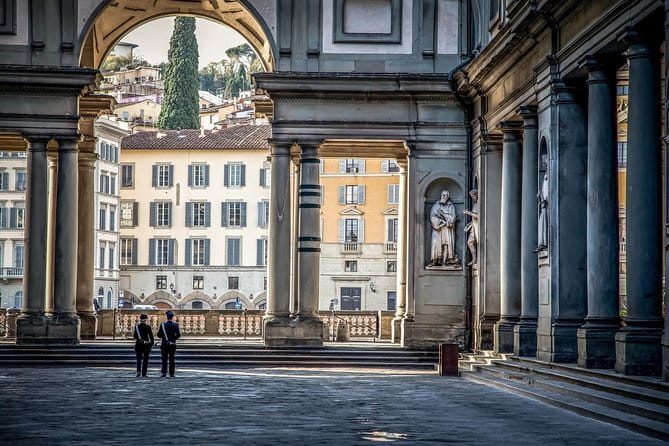
REVIEW · FLORENCE
Small Group Guided Uffizi Gallery Tour with Timed Entry
The best reason to book this Uffizi tour is simple: you get a guided route through a very large museum without trying to make sense of it alone. In about 1 hour and 45 minutes, your guide focuses on major works by Botticelli, Michelangelo, Leonardo da Vinci, Raphael, Titian, and Caravaggio, then you may stay inside and look around independently.
I like the small maximum of nine people, which can make it easier to hear, ask questions, and get a good view of a painting. I also like the art-history thread, especially the way guides such as Christiano, Ruby, Anica, Rosa, and Elisa have been praised for explaining how Renaissance art changed over time. The main concern is consistency: meeting instructions can be confusing, and a few groups received a much shorter tour than promised.
Key points
- The route is built for first-time visitors: You see the most important paintings without attempting the entire museum.
- Groups are capped at nine: A smaller group usually makes questions and positioning easier.
- The art is placed in context: Guides connect the paintings to Medici power, religious ideas, technique, and the development of Renaissance art.
- Timed entry saves planning work: It reserves museum admission, though it may not eliminate every queue at the door.
- The tour lasts about 1 hour 45 minutes: That is enough for a useful introduction, not a full examination of the Uffizi.
- You can continue on your own: The tour ends inside the gallery, allowing you to revisit favorite works or explore other rooms.
Why a Short Uffizi Tour Can Be a Smart Choice
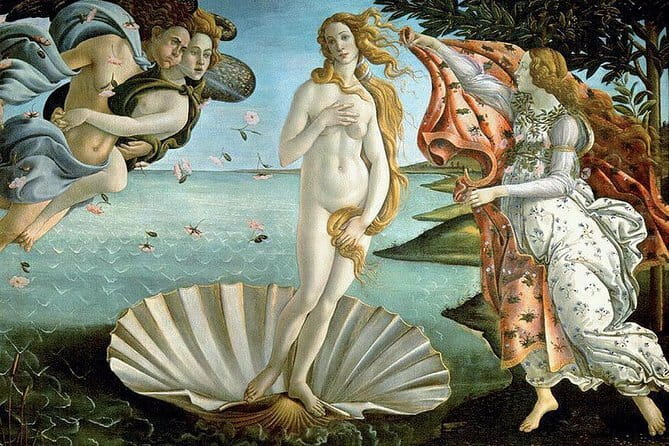
The Uffizi is not a quick stop. Its rooms hold centuries of European painting, and the building itself follows a long route that can leave first-time visitors tired and unsure where to look. You can wander in alone, but you may spend precious time finding the famous works, then miss why they matter.
This tour gives you a clear starting point. An art historian guide leads you to selected masterpieces and explains what you are seeing. That might mean looking at how figures become more lifelike, how perspective develops, or how artists move from flat religious images toward the greater naturalism associated with the Renaissance.
I particularly like this approach for a first visit to Florence. You do not need a degree in art. You need someone to point out the visual changes and connect them to the city around you. The Medici story also helps. The family’s influence shaped Florence’s politics, culture, and art patronage, and the gallery’s collection makes more sense when you understand that connection.
The tradeoff is clear. You will see highlights, not every room in detail. If your main goal is sculpture, this may not be the right choice, since the tour is primarily focused on paintings. If you want an hour-by-hour study of a few artists, choose a longer private or specialist visit instead.
More Art Museum Tours in Florence
- Florence: Skip-The-Line Uffizi Gallery Timed Entry Ticket
★ 4.5 · 27,832 reviews - Florence: Uffizi Priority Ticket & Masterpieces Audio App
★ 4.2 · 6,402 reviews - Florence Accademia Gallery Tour with Entrance Ticket Included
★ 4.5 · 6,148 reviews
Meeting Near Via dei Castellani
The listed starting point is Via dei Castellani, 18 R, in central Florence. The end point is inside the Uffizi Galleries at Piazzale degli Uffizi, 6. You will need to make your own way there, since hotel pickup and drop-off are not included.
Give yourself extra time to find the meeting place. The instructions have caused confusion for some people, partly because the Uffizi area contains several tour groups, information points, and meeting zones. Guides may be identified by green clothing, but the exact shade is not always obvious.
My practical advice is to arrive early, stand where you can see the nearby information booth, and keep your booking confirmation ready. The information booth has helped people locate the correct tour office when the meeting point was not clear. A reminder shortly before the tour has also helped some groups find their guide among the crowd.
This is one part of the experience where a little preparation pays off. Florence’s historic center is easy to walk, but the Uffizi’s streets and piazzas can feel confusing when several groups gather at once. Do not arrive at the last second and expect to spot your guide immediately.
What the Timed Entry Really Does

Timed entry is useful, but do not read skip the line as a promise of instant admission. Your reserved ticket handles the booking process and helps you avoid buying a standard ticket at the museum counter. You may still wait for security checks, ticket validation, or museum staff to admit groups at the proper time.
Some participants have waited longer than expected, especially during busy periods and holiday dates. At times, the entry procedure has involved more than one queue. That does not necessarily mean the reservation failed, but it does mean you should not schedule another fixed activity immediately afterward.
The ticket is valuable because the Uffizi can be difficult to plan on short notice. The experience is often booked about 27 days ahead, so popular times may fill. The price is $115.66 per person, which is much higher than a basic museum ticket. You are paying for the reserved entry, the guide, and the convenience of a planned route.
That price makes sense for someone with limited time who would otherwise hire a separate guide or lose an hour figuring out the museum. It makes less sense if you are comfortable reading museum information, already understand Renaissance painting, or only want admission. The cost is for guidance and convenience, not simply for access.
Inside the Uffizi: A Focused Route Through Masterpieces
Once inside, expect the guide to concentrate on selected rooms and major paintings rather than cover every gallery. The Uffizi is too large for a meaningful complete tour in under two hours. A good guide must make choices.
The route may include works associated with Botticelli, Michelangelo, Leonardo da Vinci, Raphael, Titian, and Caravaggio. The purpose is not only to point at famous names. It is to show how artistic ideas changed, how painters handled the human body and space, and how religious and political purposes shaped the works.
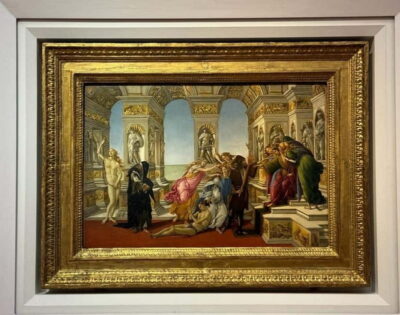
A strong guide can make a familiar painting more interesting. You might already recognize Botticelli’s name, but a clear explanation of composition, symbolism, and patronage can change the way you look at the picture. The same is true of the transition from medieval art toward the more natural figures and spatial depth of the Renaissance.
The most praised guides have been described as warm, clear, and passionate. Christiano was singled out for helping a couple understand the artistic changes of the period. Ruby was praised for finding good viewing positions in a group of only three. Anica was noted for combining enthusiasm with a strong grasp of the museum’s art and history. Rosa also received praise for keeping children involved.
Those details matter because a guided museum visit can fail even when the collection is excellent. You need a guide who can speak clearly, manage the group, and adjust explanations to the people in front of them. Children, first-time museum visitors, and art enthusiasts need different levels of detail.
More Uffizi tours and tickets:
- Uffizi Gallery: Renaissance Masterpieces Guided Tour
★ 4.6 · 6,070 reviews - Uffizi Gallery Small Group Tour with Guide
★ 4.5 · 4,923 reviews - Uffizi & Accademia Timed Entry: Small Group Duomo Walking Tour
★ 4.5 · 3,630 reviews - Florence: Uffizi Gallery Timed Entry Ticket & Audio Guide
★ 4.2 · 2,794 reviews
The Small Group Advantage

The maximum group size is nine people, and that is one of the strongest features of this experience. A small group is easier to gather in crowded rooms, and you have a better chance of hearing the explanation without standing at the back.
It can also improve the view. Ruby was able to position a very small group well around the paintings, which is useful in busy galleries where sightlines disappear quickly. You may still find crowded rooms, particularly in the afternoon, but a compact group gives the guide more control.
A small group does not guarantee a private tour. The minimum booking is two people, and other bookings may be added. Still, nine is far more manageable than a large museum group. You can ask questions without stopping an entire crowd, although a particularly busy day may still limit conversation.
The group size is especially useful for families. One guide was praised for bringing children into the discussion rather than treating them as silent baggage. That is a good sign for parents who want the visit to be more than a march from one famous painting to the next.
Timing, Crowds, and the 1-Hour-45-Minute Promise

The stated duration is approximately 1 hour and 45 minutes. That is a sensible length for a highlights tour, but it leaves little room for delays, late arrivals, security checks, or long explanations.
The museum can feel packed even outside the height of summer. Afternoon visits have been described as particularly crowded, and the building’s fixed route can make movement slow. The guide may need to skip a room or adjust the pace because other groups are blocking the best viewing areas.
This is why the experience works best when you treat it as an introduction. You are not buying a calm, exhaustive examination of the entire Uffizi. You are buying a guided framework that helps you understand what deserves your attention.
There have also been serious complaints about tours ending after roughly 45 minutes or around 75 minutes instead of the expected length. Those reports are not a minor timing quibble. If your tour starts late or finishes far short of the stated duration, speak to the guide immediately and keep your booking details. Service can vary, and the experience depends heavily on the assigned guide and the day’s museum conditions.
At its best, the tour uses the full period well, covers the major works, and lets you remain inside afterward. At its worst, poor organization can leave you feeling that you paid mostly for a ticket. That wide range is the biggest caution attached to this booking.
What You Can Do After the Guided Portion
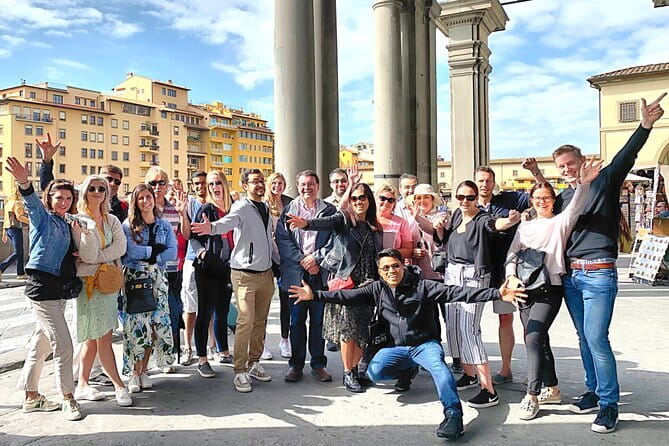
The tour ends inside the Uffizi, so you may be able to continue exploring after the guide leaves. This is important because the guided route will not cover everything.
Use the guided portion to learn the museum’s basic structure and identify the works you want to revisit. Then slow down. Go back to a favorite Botticelli, spend more time with a work by Caravaggio, or look for rooms the guide had to pass quickly.
Do not assume you will have unlimited time after the tour unless your booking instructions confirm it. The experience information says the end point is inside the museum to explore more independently, and several descriptions indicate that independent viewing is possible. Your actual time may still depend on museum closing hours and the scheduled visit.
If you are particularly interested in sculpture, use the remaining time to seek out those works on your own. The guided emphasis is on paintings, so this is your chance to balance the visit.
Accessibility, Walking, and Practical Comfort
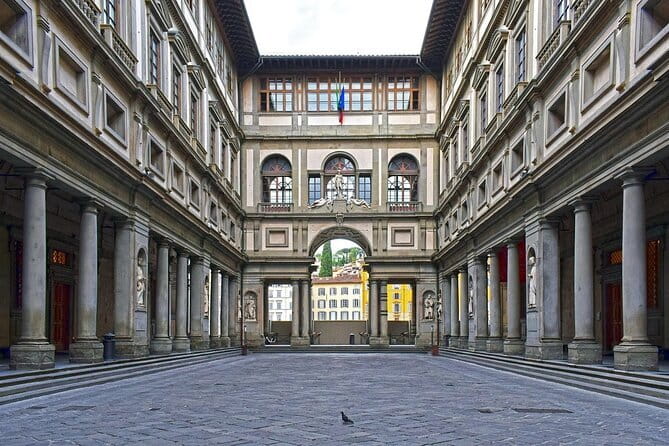
Most people can participate, and only a small amount of walking is required in the basic sense. Inside the Uffizi, however, you will spend time standing and moving between rooms. One account specifically noted good wheelchair access, which is encouraging for visitors who need accessible museum routes, though you should confirm current arrangements before booking if you have detailed mobility needs.
The tour is offered in English. Clear communication matters here because the value comes from the explanations, not just the entrance ticket. Most guides have been praised for their English and art knowledge, but there have also been complaints about one guide being difficult to understand. That inconsistency is worth considering if detailed spoken explanation is essential to you.
Wear comfortable shoes and bring patience for crowded rooms. The museum visit is indoors, but the meeting process takes place in central Florence, where you may need to walk from your hotel or another sightseeing stop.
Who Gets the Most Value at $115.66
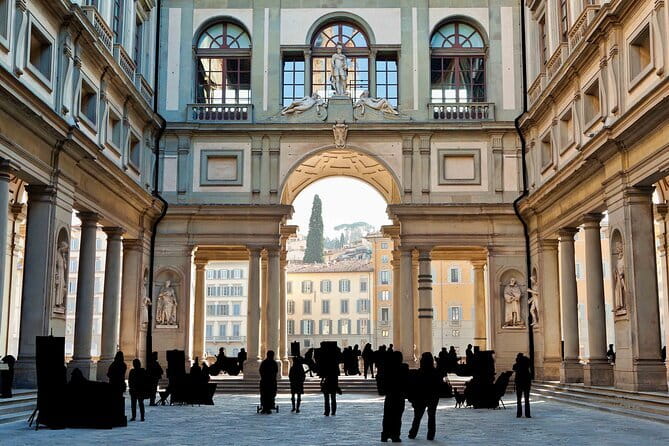
I would consider this price reasonable for a first-time visitor with only a short stay in Florence, particularly if the alternative is entering alone without knowing what to prioritize. The guide can turn a large collection into a manageable story.
It is also a good fit for families, provided you prepare children for a museum visit. A guide who includes younger participants can make the art easier to approach, and the short format avoids the fatigue of a full-day museum visit.
Art enthusiasts should think carefully. If you want depth on one painter, this tour may move too quickly. If you enjoy a broad introduction and want help placing major works in context, it can work well.
I would not choose it if you are mainly looking for the cheapest admission, a sculpture tour, or a guaranteed private experience. The price is several times the basic ticket cost, and the guide quality has not been perfectly consistent.
Should You Book This Uffizi Tour?
Book it if you are visiting Florence for the first time, want the major paintings explained in plain language, and value a small group over the lowest possible price. The strongest version of this experience gives you a useful art-history framework, reserved admission, and time to continue alone.
Before booking, make three decisions. Confirm that paintings are your main interest, leave room around the scheduled time in case entry takes longer, and arrive early at Via dei Castellani. Since the booking is non-refundable and cannot be changed, the fixed date deserves careful attention.
My verdict: a worthwhile orientation to the Uffizi, but not a flawless guarantee of smooth service. The small group, selected masterpieces, and strong guides can make the cost worthwhile. The uncertain meeting process, occasional queues, and reports of shortened tours mean you should book with realistic expectations.
FAQ
Where does the Uffizi tour start?
The meeting point is Via dei Castellani, 18 R, 50122 Florence, Italy.
Where does the tour end?
The tour ends inside the Uffizi Galleries at Piazzale degli Uffizi, 6, 50122 Florence, Italy, where you can explore independently.
How long does the tour last?
The stated duration is approximately 1 hour and 45 minutes.
How many people can join the group?
The tour has a maximum of nine participants. At least two participants are required.
Is admission to the Uffizi included?
Yes. Timed-entry admission tickets are included in the experience.
Is the tour offered in English?
Yes. The tour is offered in English.
Is hotel transportation included?
No. Hotel pickup and drop-off are not included, so you must make your own way to the meeting point.
Just added around Florence
- Skip the line: Uffizi small group and walking tour of Florence★ 4.5 · 17 reviews
- Florence Private Walking Tour Including Uffizi and Accademia★ 3.5 · 4 reviews
- Uffizi Gallery Italian guided Tour semi private★ 4.5 · 9 reviews
- Private Tour: Accademia Gallery and City Tour★ 5.0 · 10 reviews
- Private Tour: The Academy Gallery★ 5.0 · 6 reviews
- Uffizi Express Entrance -private tour★ 5.0 · 9 reviews
- Uffizi and Palazzo Vecchio Combo Private Tour★ 5.0 · 3 reviews
- VIP Priority Access: Uffizi Gallery- Guided Experience★ 4.5 · 94 reviews
Art Museum Tours in Florence, compared.
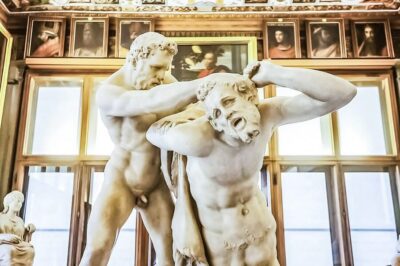
Skip-The-Line Uffizi Gallery Timed Entry Ticket
Read our review →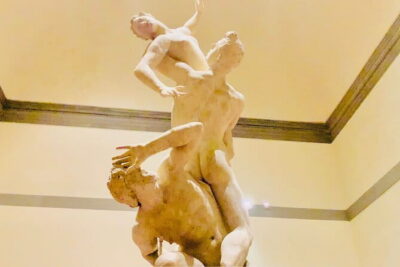
Florence Accademia Gallery Tour with Entrance Ticket Included
Read our review →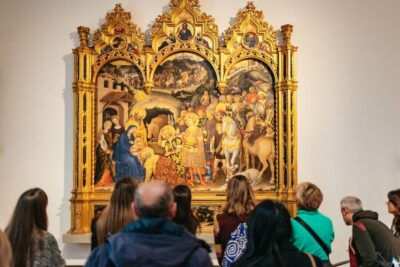
Uffizi Gallery: Renaissance Masterpieces Guided Tour
Read our review →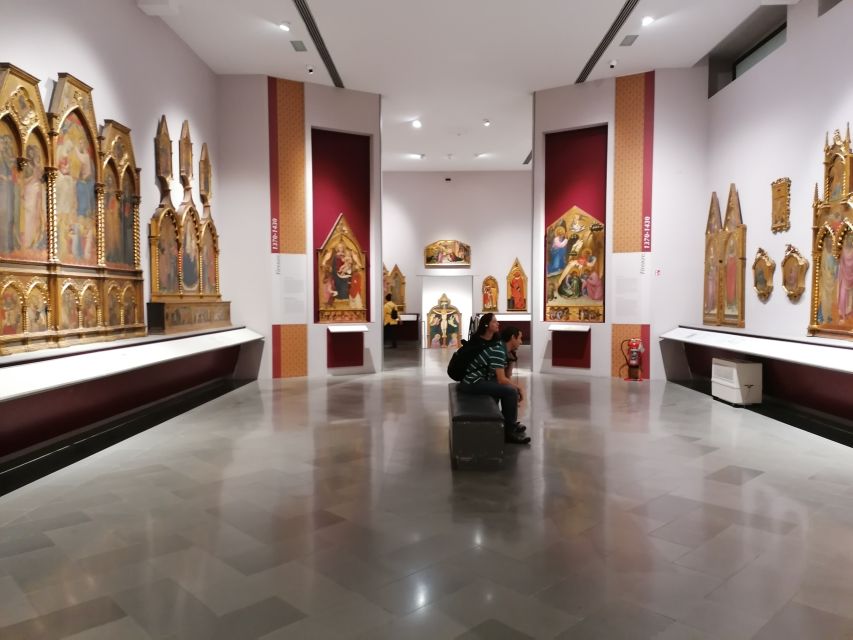
Uffizi Gallery Timed Entry Ticket & Audio Guide
Read our review →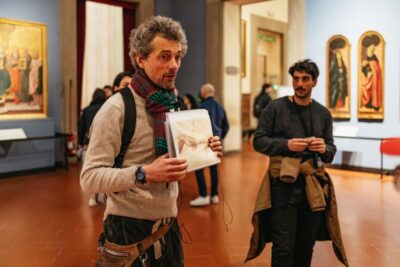
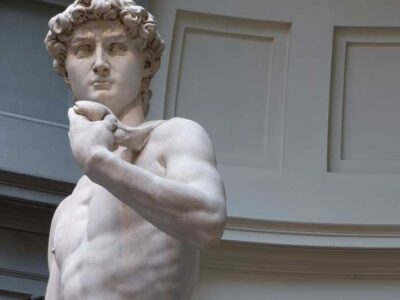
Accademia Gallery Guided Tour with Entry Ticket
Read our review →Browse the lists this tour appears in