
REVIEW · ROME
Skip the Line Tour: Vatican Museums and Sistine Chapel
The ceiling of the Sistine Chapel is the star, but the real advantage here is getting through the Vatican’s long entry queue with a guide leading the way. You also see the Gallery of Maps, Flemish wall hangings, Michelangelo’s La Pietà, and the grand interior of St Peter’s Basilica in about three hours.
I like the included coach ride from central Rome and the headsets, which help you follow the guide in crowded rooms. Guides such as Max, Ricardo, Cathleen, Laura, and Francisco have earned strong praise for clear explanations and steady crowd control. The tradeoff is a brisk pace, little time to stop, and a packed museum, especially on Saturday afternoons and holiday weekends.
Key points to know before booking
- Skip the long museum queue: Pre-booked entry can save you from a line that may stretch for hours, though security still takes about 20 to 30 minutes.
- Three major sights in one route: The tour covers the Vatican Museums, Sistine Chapel, and St Peter’s Basilica.
- Small maximum group size: The stated limit is 20 people, but several groups may move through the same galleries at once.
- Expect plenty of walking: You will stand, climb, and keep moving, with few natural breaks.
- Dress rules are strict: Knees and shoulders must be covered for everyone.
- Morning is the wiser choice: Afternoon visits and peak dates can feel especially crowded and hurried.
What the $126.50 price really buys you
At $126.50 per person, this is not the cheapest way into the Vatican. You are paying for more than admission: an English-speaking guide, headsets, fast-track museum access, and transport from central Rome by air-conditioned coach.
The value depends on how you like to visit major sights. If you want someone to explain what you are seeing and keep you moving through a complicated museum, the price can make sense. The Vatican is huge, the route is not always obvious, and the art can blur together without some context.
If you mainly want quiet time with the paintings, this may feel expensive. The visit is designed around seeing the main sights efficiently, not studying every room. Several parts can feel like a moving procession, and the Sistine Chapel visit may last only 10 to 15 minutes.
You can choose a morning or afternoon departure. The tour lasts about three hours, though the exact time inside each area can vary with security, crowds, and the guide’s route. A full-day upgrade adds Christian Rome in the afternoon, including Santa Maria Maggiore, St John Lateran, the Holy Steps, the Appian Way, catacombs, and the Baths of Caracalla.
More Art Museum Tours in Rome
- Vatican Museums, Sistine Chapel & St. Peter’s Basilica Tour
★ 4.3 · 73,970 reviews - Vatican Museums, Sistine Chapel & St Peter’s Basilica Guided Tour
★ 4.5 · 39,149 reviews - Rome: Vatican Museums, Sistine Chapel and Basilica Tour
★ 4.3 · 16,039 reviews
Meeting near the Vatican and riding in from Rome
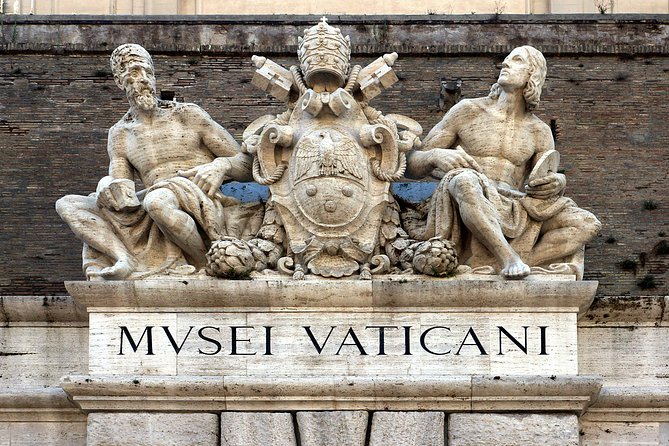
The listed meeting point is Piazza della Città Leonina, 8, close to Vatican City. The activity ends back at the meeting point. The tour information also describes a coach departure near Rome’s Termini station, so check your confirmation carefully for the exact meeting instructions and time.
The ride gives you a quick introduction to central Rome. Along the way, the guide may point out Piazza del Popolo, the Tiber River, and Castel Sant’ Angelo. That short city tour is useful if this is your first day in Rome, though it is not a substitute for a dedicated sightseeing tour.
Some arrangements may include a transfer to the main departure point, but hotel pickup and drop-off are not listed as standard inclusions. Do not assume a hotel transfer unless your confirmation specifically says so.
The coach is practical rather than luxurious. It saves you from finding your own route to Vatican City and helps keep the group together. The downside is that transport takes time away from the museum, and one timed experience had only a brief period in St Peter’s before the group returned to the bus.
Entering the Vatican Museums after security
The fast-track ticket is the main practical reason to book. The regular line can take up to two hours, and walking past a long queue is a welcome start to the visit.
Skip-the-line does not mean skip security. Everyone must pass through metal detectors, and you should allow 20 to 30 minutes for that process. This wait can be slow even with reserved entry, so do not expect to walk straight from the coach into the galleries.
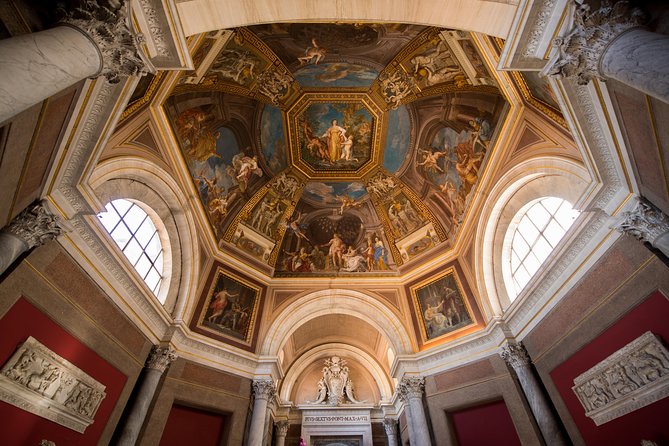
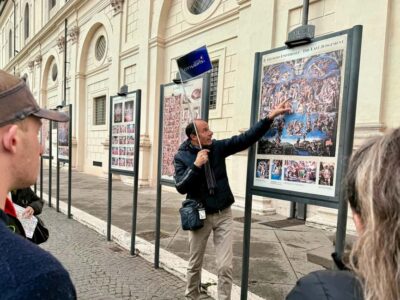
Once inside, your guide leads you through a selected route. The Vatican Museums contain far more than any three-hour visit can cover. The goal is to see a useful set of major rooms and hear enough explanation to understand why they matter.
Headsets are included. They are important here because the galleries are noisy and several groups may be speaking at once. A good guide can keep talking while you look around, but the sound quality and the guide’s speaking style matter. Some guides have been praised for keeping groups together and explaining details clearly. Others have spoken too quickly or with an accent that some people found hard to follow.
Stay close to your guide. In crowded corridors, groups overlap and it is easy to lose sight of the person with the receiver. The pace can be quick, so stopping for a photograph may leave you several steps behind.
The Gallery of Maps and Flemish wall hangings
The selected route includes the Gallery of Maps and the Gallery of Tapestries, two memorable sections of the museum. The map gallery is a long corridor lined with large painted maps of Italy. It is one of the places where the scale of the Vatican collection becomes clear, but it is also a spot where the group may keep moving because the corridor is narrow.
The Flemish wall hangings were based on paintings by artists connected to Raphael. Your guide can help you notice how painted scenes became large woven works, and why these rooms were made for display as much as devotion.
You will also hear about Raphael and his workshop, including wall paintings of angels and cherubs. The Vatican route can include many famous names in quick succession, so listen for the main ideas rather than trying to remember every date and artist.
One important point: the Raphael Rooms are not guaranteed on this itinerary. Some people specifically expected to see them and were disappointed when the route did not include them. If those rooms are a priority, confirm the exact route before booking.
More ways into the Vatican Museums:
- Vatican Museums & Sistine Chapel Skip-the-Line Entry Ticket
★ 4.4 · 13,838 reviews - Rome: Vatican Museums, Sistine Chapel & Basilica Tour
★ 4.7 · 13,217 reviews - Rome: Vatican Museums & Sistine Chapel Guided Tour
★ 4.3 · 12,117 reviews - Vatican Museums & Sistine Chapel Skip-the-Ticket-Line Tour
★ 4.3 · 10,486 reviews
The Sistine Chapel and Michelangelo’s ceiling
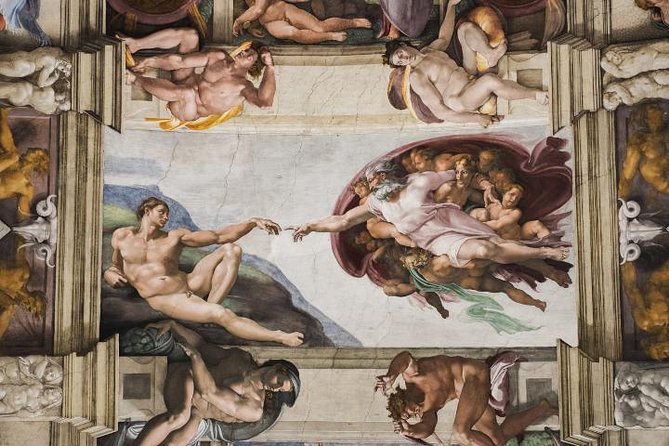
The Sistine Chapel is the emotional high point for most people. It is the chapel in the Apostolic Palace, the pope’s official residence in Vatican City, and Michelangelo’s ceiling is one of the best-known works in Western art.
The chapel is not a calm, private stop. It can be crowded, loud, and tightly controlled. You may have only a short time to look upward before the group moves on. The ceiling is familiar from books, screens, and souvenirs, but seeing the original scale and color still matters.
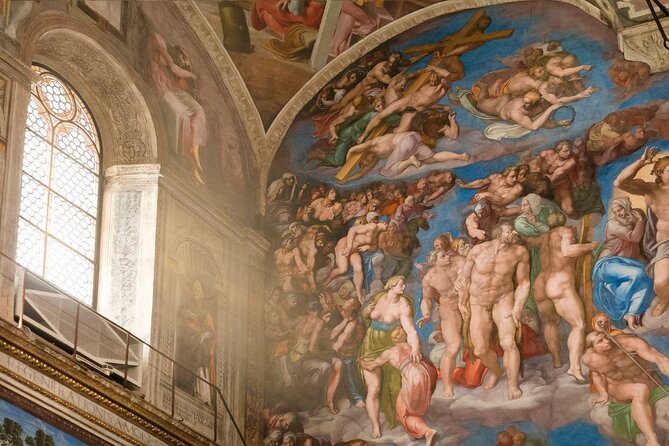
Your guide will explain the major scenes and Michelangelo’s work before or after entering, since speaking inside the chapel is restricted. Use the short visit wisely. Look first at the central panels, then at the large Last Judgment on the altar wall if your position allows.
Do not expect to sit, linger, or photograph freely. The chapel is treated as a place of worship, and the crowd flow is part of the experience. If you need time to study every figure, a fast guided route will likely frustrate you.
St Peter’s Basilica and Michelangelo’s La Pietà
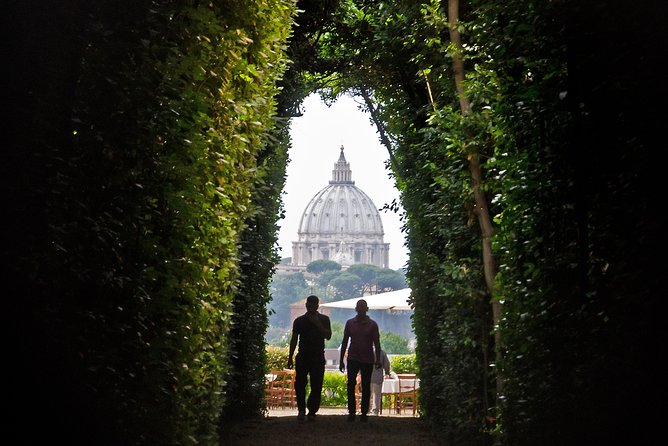
After the Sistine Chapel, the route continues to St Peter’s Basilica when the church is open and the group can enter. The basilica gives you a very different sense of scale. The museum rooms are packed with objects and paintings, while St Peter’s opens into an immense church built over centuries.
Michelangelo’s La Pietà is a key stop. The sculpture shows Mary holding the body of Christ and is protected behind glass. Your guide can explain its place in Michelangelo’s career and point out details that are easy to miss in a quick walk-by.
The tour also covers the church’s construction and some lesser-known stories about the building. That context adds value, especially if you do not know much about Catholic history or the development of St Peter’s.
Time here is less predictable than the headline itinerary suggests. One account describes only about 10 minutes inside the basilica, while another had roughly an hour and a half of waiting connected with entry during a busy Easter period. If St Peter’s is closed, the visit will spend more time in the Vatican Museums instead.
The tour does not promise time to climb the dome. If that is your main goal, do not assume you can add it after the guided visit. Once the group exits, re-entry may not be possible.
Why the guide can make or break the visit
The Vatican is a place where a guide can add real value. A strong guide points out small details, explains the connection between artists, and prevents the museum from becoming a blur of marble, gold, and painted ceilings.
Max has been praised for being friendly, informed, and good at keeping the group together. Ricardo was noted for handling crowds and finding workable positions for explanations. Cathleen received praise for her patience, especially during a very busy period, while Laura and Francisco were also singled out for clear, helpful tours.
The experience is not identical with every guide. Some groups found the commentary too fast, too long in less important rooms, or difficult to hear. One especially poor experience involved less than two minutes in the Sistine Chapel and very little explanation in St Peter’s.
That variation is common on a group tour, but it matters when the price is high. The best guide will help you focus. The weaker guide may make the same route feel like a hurried march.
Crowds, timing, and the physical effort
This tour is not physically extreme, but it is demanding. You will walk and stand for most of the three hours, and there are few planned breaks. Bring water, especially in warm weather. The museums can feel hot and packed.
Morning is the safer choice if you have flexibility. Saturday afternoons, holiday weekends, and peak season can bring dense crowds. Even late October may still feel busy. The most difficult part is not just the number of people, but the slow movement through narrow galleries while several guided groups compete for space.
A maximum group size of 20 sounds manageable, and it is better than a very large coach party. Still, many other groups may be in the same rooms. Keep your headset on, watch for your guide, and do not drift behind while taking pictures.
This is not the best outing for someone with walking difficulties. The formal dress rule is strict: shoulders and knees must be covered for both men and women. Wear suitable clothing from the start so you are not refused entry.
The full-day Christian Rome upgrade
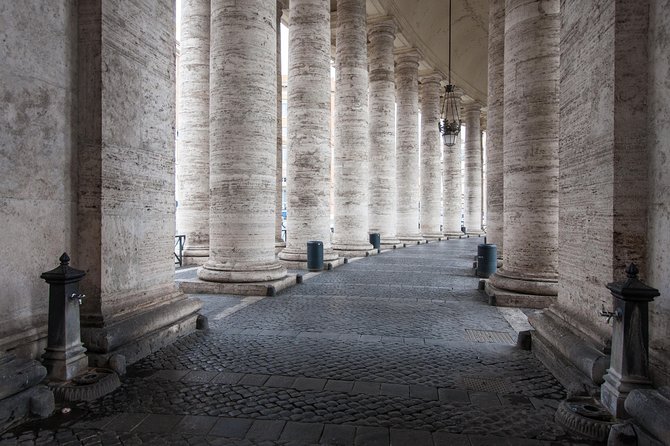
The optional full-day version adds an afternoon walking and coach tour focused on Christian Rome. It begins with Santa Maria Maggiore on Esquiline Hill, one of Rome’s seven hills and home to a major basilica.
The route continues to St John Lateran, the pope’s official church, and the Holy Steps next door. Pilgrims climb the 28 steps on their knees, praying along the way. The upper room, called the Sancta Sanctorum, was once associated with important Christian relics.
The afternoon then heads toward the Appian Way and the Chapel of Domine Quo Vadis, where a cemented footprint is linked by tradition to Christ. You also visit catacombs connected with the early Christian community.
The final stops include the Baths of Caracalla, the remains of an ancient Roman bathing complex, followed by a hotel or central Rome drop-off. This upgrade suits someone who wants a packed day focused on Christian sites. It is not for anyone who prefers a slow lunch and unplanned wandering.
Who should book this Vatican tour?
I would book it if you have limited time in Rome, want transport from central Rome, and prefer a guide to explain the major works. The fast-track entry is especially useful during busy periods, when a regular queue can consume a large part of your day.
It also suits first-time visitors who want a clear route through a confusing museum. The combination of the map gallery, Flemish works, Sistine Chapel, and St Peter’s gives you a solid first look.
I would hesitate if your main aim is close study. The pace is often brisk, the Sistine Chapel stop may be short, and the museum can be noisy. An independent visit with reserved entry may give you more control, though you will need to plan the route and learn the background yourself.
The three-hour tour works best when you treat it as an introduction, not the final word on the Vatican. Listen carefully, accept that you will miss some rooms, and plan another visit only if you want a slower look.
FAQ
How long does the Vatican Museums and Sistine Chapel tour last?
The main tour lasts approximately three hours. The optional full-day version continues into the afternoon with Christian Rome sights.
Where does the tour start and end?
The listed meeting point is Piazza della Città Leonina, 8, near Vatican City. The activity ends back at the meeting point.
Does the tour include skip-the-line entry?
Yes. The tour includes fast-track entry to the Vatican Museums. You still must pass through security, and the security wait may take 20 to 30 minutes.
What clothing is required?
Your knees and shoulders must be covered. This rule applies to both men and women and is strictly enforced.
Is St Peter’s Basilica always included?
The route includes St Peter’s Basilica when it is open and accessible. If the basilica is closed, you will spend more time inside the Vatican Museums.
Is the tour suitable for people with walking difficulties?
The tour is not recommended for people with walking difficulties. Expect substantial walking and standing with few breaks.
More Skip-the-Line Tickets in Rome
- Rome: Vatican Museums & Sistine Chapel Skip-the-Line Ticket
★ 4.3 · 8,103 reviews - Skip the Line: Vatican Museum, Sistine Chapel + Optional Basilica
★ 4.5 · 6,181 reviews - Rome: Borghese Gallery Skip-the-Line Ticket & Audioguide
★ 4.3 · 4,318 reviews - Rome: Borghese Gallery Guided Tour with Skip-the-Line Entry
★ 4.8 · 2,649 reviews
Just added around Rome
- Colosseum,Vatican Museum & Sistine Chapel in One Day Guided Tour★ 3.5 · 9 reviews
- Vatican Museums and Sistine Chapel last entry Guided Tour★ 5.0 · 3 reviews
- Private Tour Of Rome Highlights And Vatican Museums Skip-The-Line all included★ 5.0 · 4 reviews
- Borghese Gallery Admission Ticket with Audioguide★ 4.0 · 64 reviews
- Caravaggio Art Walking Tour of Rome with Pantheon Visit★ 4.5 · 35 reviews
- Borghese Gallery Skip the Line Guided Tour★ 4.5 · 23 reviews
- Borghese Gallery Ticket with Audioguide★ 3.5 · 51 reviews
- Borghese Gallery VIP Tour – Skip the Line Tickets★ 5.0 · 2 reviews
Art Museum Tours in Rome, compared.
Vatican Museums, Sistine Chapel & St. Peter’s Basilica Tour
Read our review →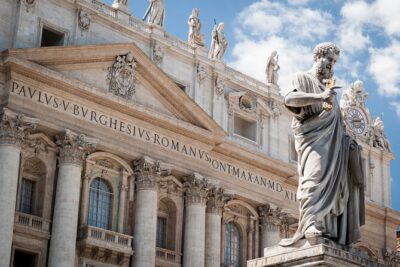
Vatican Museums, Sistine Chapel & St Peter’s Basilica Guided Tour
Read our review →
Vatican Museums, Sistine Chapel and Basilica Tour
Read our review →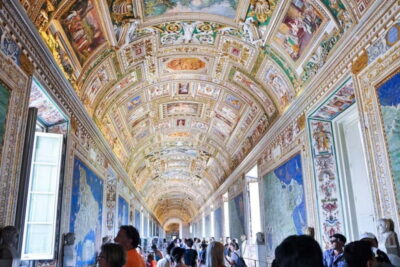
Vatican Museums & Sistine Chapel Skip-the-Line Entry Ticket
Read our review →
Vatican Museums, Sistine Chapel & Basilica Tour
Read our review →
Vatican Museums & Sistine Chapel Guided Tour
Read our review →
Vatican Museums & Sistine Chapel Skip-the-Ticket-Line Tour
Read our review →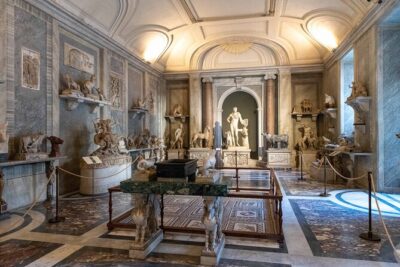
Vatican Museums, Sistine Chapel and St. Peter’s Basilica Tour
Read our review →Browse the lists this tour appears in