
REVIEW · FLORENCE
Semi Private Accademia Gallery Guided Tour in Florence
Michelangelo’s David is the main event, but the unfinished Slaves nearby may be the most revealing stop. Their partly trapped figures show how Michelangelo worked, and a good guide can turn a famous statue visit into a lesson in the artist’s methods. This one-hour tour covers the Accademia’s major rooms without eating half your day.
I like the reserved museum entry, which saves you from waiting at the ticket line, and the radio system, which makes it easier to hear your guide in a busy gallery. I also like the route beyond David, especially the Hall of the Colossus and the Gipsoteca Bartolini, areas that many quick visits overlook.
The main consideration is pace. One hour is enough for the highlights, but not for a slow, quiet look at every work. Arrive early at the meeting point on Via Ricasoli 57, since late arrivals cannot join or receive a refund. An optional wine tasting adds another 90 minutes.
Key points to know before booking
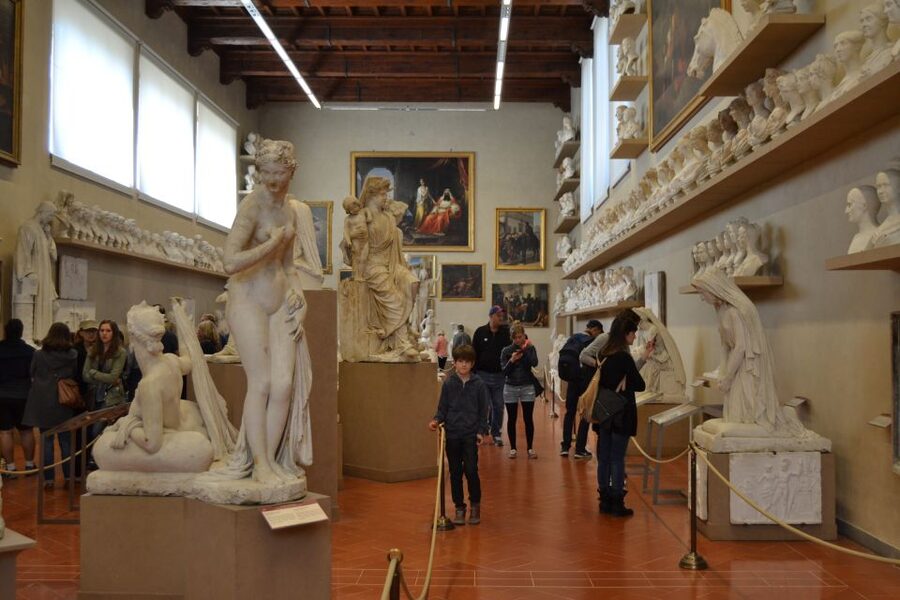
- David is only part of the visit: You also see the Hall of the Colossus, Hall of the Prisoners, Tribune, and Gipsoteca Bartolini.
- The tour is built for a short Florence schedule: The museum portion lasts one hour, leaving you free to return to favorite works afterward.
- A certified guide leads the visit: Commentary is available in English, Italian, German, Spanish, or French.
- The unfinished Slaves add artistic context: These sculptures help explain Michelangelo’s process and influences.
- The price is $54 per person: That includes the reserved Accademia entrance, guide, and radio system.
- Wine tasting is an optional extra: If you choose that option, a 1.5-hour wine tasting and pairing class follows at Vino Tasting Global Srl.
Why this short Accademia tour works
The Accademia Gallery is compact compared with Florence’s Uffizi, but it packs a great deal into a few rooms. If you walk in alone, you can certainly find David. The harder part is understanding why the other sculptures matter, how the museum is arranged, and where to spend your limited time.
That is where this tour earns its keep. A guide takes you through a clear route, explains the most important works, and keeps the visit moving. You are not signing up for an all-day art lecture. You get a focused introduction, then time to revisit anything that caught your eye.
I see this as a good fit for a first visit to the Accademia, especially if your Florence plans are tight. Families, couples, and people who prefer plain explanations over dense academic talks should find the format useful. Art specialists may want more time in each room, but they can stay afterward and look again.
The experience costs $54 per person. That is more than a basic museum ticket, but the price covers the entrance reservation, a certified guide, and the radio system. In Florence, the value comes from saving time and making sense of the museum, not from spending hours inside it.
More Art Museum Tours in Florence
- Florence: Skip-The-Line Uffizi Gallery Timed Entry Ticket
★ 4.5 · 27,832 reviews - Florence: Uffizi Priority Ticket & Masterpieces Audio App
★ 4.2 · 6,402 reviews - Florence Accademia Gallery Tour with Entrance Ticket Included
★ 4.5 · 6,148 reviews
Meeting near Via Ricasoli 57
The meeting point is next to the supermarket at Via Ricasoli 57, near the Accademia Gallery. This is a practical location because it puts you close to the museum entrance, but you should still allow time to find the exact meeting spot and check in with the guide.
Bring your passport or ID card, as requested for the activity. Wear comfortable shoes. Large bags and oversize luggage are not allowed, so avoid arriving with a suitcase or a bulky daypack.
The rules about timing are firm. If you arrive after the tour starts, you cannot join the group, and the booking will not be refunded or moved to another departure. I would aim to be at the meeting point at least 15 minutes early. That small buffer matters more than it sounds in central Florence, where a short walk can take longer than expected.
The tour requires at least two participants to operate. If that minimum is not reached, the activity can be canceled after confirmation, with an alternative or full refund offered.
Entering the Accademia with reserved admission
The reserved entrance is one of the strongest practical reasons to book this experience. The Accademia is one of Florence’s most sought-after museums because it houses David, so avoiding the ticket line can protect a valuable part of your day.
Skip-the-line access is guaranteed even in peak season, except in cases involving museum delays or strikes. That does not mean you can ignore the meeting time. Your reservation helps you enter with the group, but it does not protect you from the late-arrival rule.
Once inside, the radio system lets you hear the guide without needing to stand shoulder to shoulder at every stop. In a museum where other groups may be discussing the same works, that can make the commentary easier to follow.
The museum is wheelchair and stroller accessible. Large luggage remains prohibited, so accessibility does not remove the need to pack lightly.
Hall of the Colossus: more than a warm-up
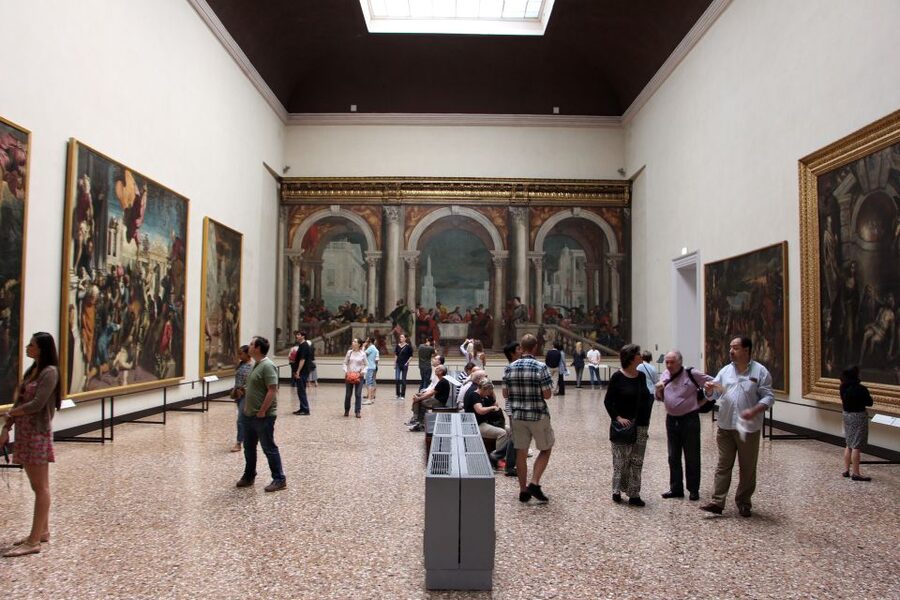
The Hall of the Colossus is an important early stop because it sets the stage before you reach David. Here, the guide discusses works by artists including Ghirlandaio and Cassone Adimari, along with Giambologna’s Rape of the Sabines.
Giambologna’s sculpture is especially useful for understanding the kind of art that surrounded Michelangelo’s work in Florence. The composition draws your eye upward and around the figures, so your view changes as you move. A guide can point out how the sculpture works in space rather than treating it as a flat image on a wall.
The paintings in this room also help keep the visit from becoming a single-statue pilgrimage. If you rush straight to David, you miss the chance to see the range of works held by the museum. I like that this route gives you a few minutes to adjust from the street to the gallery before the biggest stop.
Still, the one-hour limit means the explanations here will be selective. If you already know these artists well, you may wish the guide spent less time on background and more time on individual details. If Renaissance and Mannerist art are new to you, the overview should be useful.
More semi-private gallery tours in Florence:
- Exclusive Early Morning Uffizi: Semi-Private with Private Option
★ 5.0 · 107 reviews - Florence City Tour, David & Uffizi Gallery Semi-Private 8ppl Max
★ 5.0 · 70 reviews - Michelangelo’s David Early Viewing Semi-Private Accademia Tour
★ 5.0 · 52 reviews - Uffizi Gallery Small group semi private tour max 15 people
★ 4.5 · 43 reviews
Hall of the Prisoners and Michelangelo’s unfinished figures
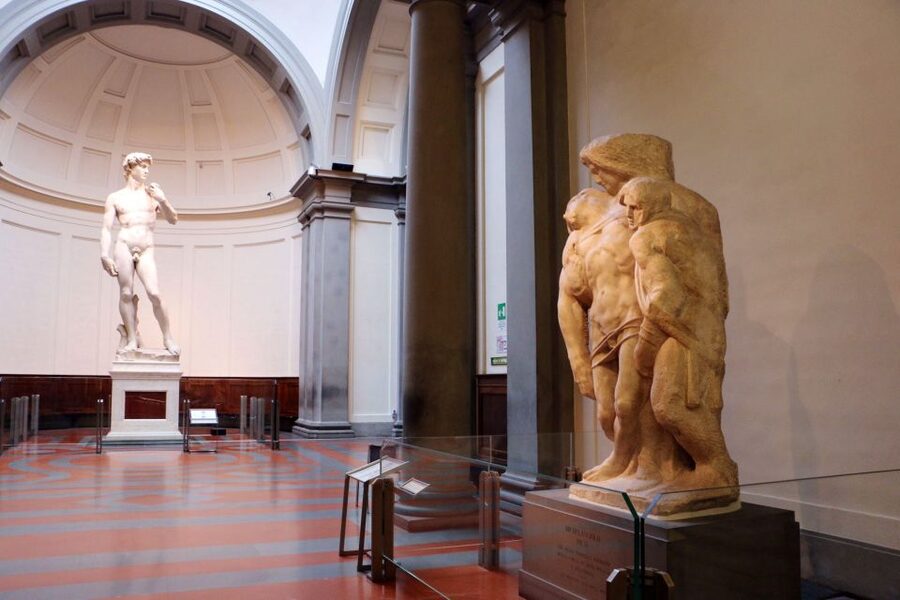
The Hall of the Prisoners contains Michelangelo’s unfinished Slaves, also known as the Prisoners. These figures appear to be emerging from the marble, and their unfinished state offers a direct look at the artist’s working process.
This is one of the best reasons to choose a guided visit rather than simply walking through with a map. The sculptures raise questions that are not answered by their famous names alone. Why were they left unfinished? What can their surfaces tell you about the stages of carving? How does the stone affect the sense of movement?
The guide also connects Michelangelo’s approach with influences from artists such as Fra’ Bartolomeo. That wider context matters because it places Michelangelo within the artistic world of his time rather than presenting him as an isolated genius.
I would pay close attention here. David is more polished and immediately readable, while the Slaves ask you to look longer. Their incomplete forms may seem less familiar, but they often provide the clearest window into Michelangelo’s hand.
Because the tour moves on a schedule, you may not get a long silent period with each figure. If a particular Slave interests you, note its location and return after the guided portion. The tour is designed to leave you free to revisit the rooms.
The Tribune and Michelangelo’s David
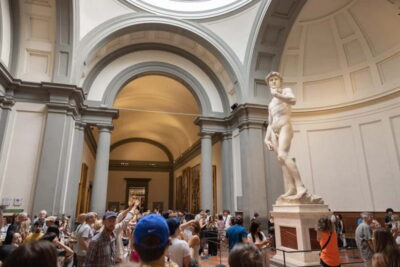
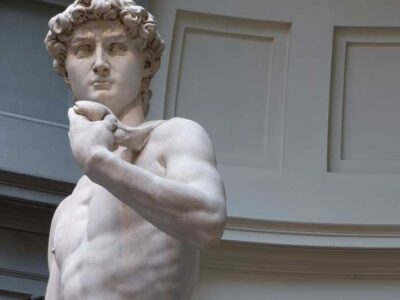
The Tribune is where you see the Accademia’s best-known work, Michelangelo’s David. The guide explains the statue’s creation and artistic importance, helping you look past its status as a famous Florence symbol.
David was made from marble and presents the biblical hero before his encounter with Goliath. The statue’s scale, pose, and careful attention to the human body are easier to appreciate in person than in a photograph. You can see how the figure occupies the room and how different viewpoints change its effect.
A good explanation also helps you understand why the sculpture became so important to Florence. The tour promises a focused account of David’s story rather than a quick photo stop. You should expect commentary on its creation and significance, followed by a chance to study the work for yourself.
The Tribune can be crowded, especially during high season. The radio system is helpful here, but you may still need patience while people shift position for a better view. Do not expect the guide to clear a private space around the statue. This is a public museum visit, not a private viewing.
The best approach is to listen first, then take a few quiet minutes to look. Notice the expression, the stance, and the way the figure seems ready to act. You can return later if the initial crowd makes it hard to concentrate.
The Tribune’s left wing and Allori’s painting
The route includes the Tribune Left Wing, where you see Allori’s Coronation of the Virgin Mary. This stop gives the tour a useful change of pace after the large sculptures.
A painting such as this rewards a different kind of looking. Instead of studying a single body carved from marble, you shift to color, arrangement, and the visual language of a religious scene. The guide can help you connect the painting to the room around it and explain why it belongs in the Accademia route.
For many people, this will be a quieter moment than David and the Slaves. I appreciate that the tour does not treat the museum as if it contains only Michelangelo. The painting adds variety and reminds you that the Accademia’s collection is broader than its most famous statue.
Again, the schedule is short. You will receive an introduction, not an exhaustive painting lesson. If religious art is not your main interest, this stop is still worthwhile as a visual break before the visit continues upstairs.
The Gipsoteca Bartolini on the first floor
The final museum stop is the Gipsoteca Bartolini on the first floor. This collection contains plaster casts of important works and includes information connected with the museum’s documentation center.
Plaster casts are sometimes easy to skip because they do not have the same fame as original marble sculptures. I would not dismiss this room. Casts can show how sculptures were studied, recorded, and used as part of artistic training and museum work.
The Gipsoteca also broadens your sense of what a sculpture museum can be. The visit is not only about one masterpiece from the Renaissance. It includes examples of how art is copied, preserved, documented, and presented to the public.
Since the tour reaches this area at the end, listen for the guide’s explanation of why the room matters. It is a fitting finish because it moves the focus from Michelangelo’s celebrated original to the wider systems that help people study sculpture.
The first-floor location also makes this section a useful test of your energy. If you want to spend more time upstairs, the guided hour may feel like an introduction rather than a full examination. You can decide afterward if you want to linger.
What the guide adds to the experience
The activity includes an official certified guide, with tours offered in English, Italian, German, Spanish, and French. That language range makes the tour workable for many international visitors, but you should select your preferred language when booking and confirm the available start time.
The strongest guide qualities shown in the supplied feedback are preparation, professionalism, and clear explanations. Francesco is specifically praised for being helpful, well prepared, and ready to answer questions. One Italian-language comment also highlights how thoroughly he described the works.
Those details matter because the tour depends on the guide. The museum route is fixed, but the quality of the visit comes from how well the guide explains each room and responds to your curiosity. A prepared guide can make the difference between seeing several statues and understanding why they belong together.
You should feel free to ask questions during the visit, especially in the Hall of the Prisoners and around David. The guide is expected to cover the main points, but your questions can help shape what you notice.
The optional wine tasting after the museum
Some booking options include a wine tasting and pairing class at Vino Tasting Global Srl after the Accademia visit. The museum tour lasts one hour, while the wine portion lasts 1.5 hours, so the combined plan takes roughly 2.5 hours, not counting the time between locations.
This add-on changes the character of the outing. The Accademia portion is focused on art and museum interpretation. The wine class gives you a separate food and drink activity afterward. If you want a full cultural block and enjoy tastings, it may be a convenient pairing.
Check the option carefully before booking. Wine tasting is included only if you select that option, so the $54 museum price should not automatically be treated as covering the class.
The provided information does not specify the wines, food pairings, or class format. I would therefore choose the add-on for the extra activity, not because of any particular promised bottle or menu.
Who should book this Accademia visit
I would recommend this tour to you if you want to see David but also want help understanding the rest of the building. It suits a first Florence visit, a short city break, and anyone who prefers a clear one-hour route to wandering without a plan.
It also works well for visitors who want a guide in one of five languages, need wheelchair or stroller access, or value reserved museum entry. The radio system is another practical benefit if you find it hard to hear group commentary in crowded rooms.
You may want another option if you prefer to spend several hours examining art at your own pace. One hour moves quickly, and the tour’s purpose is to cover the highlights. It is not designed as a slow study session or a specialist seminar.
The activity requires careful timing. Large bags are not allowed, late arrivals cannot join, and the minimum group size is two people. These are simple conditions, but they affect whether the tour works for your day.
Should you book it?
Book this tour if David is high on your Florence list and you want more than a quick look at the famous statue. For $54, you receive reserved entry, a certified guide, and a focused route through the Colossus, Prisoners, Tribune, and Gipsoteca rooms.
I especially recommend it if you are short on time or want context for Michelangelo’s unfinished Slaves. Arrive early, pack light, and plan to stay after the tour if you want another look at David or a favorite sculpture.
Skip it if you already know the Accademia well or want to set your own pace from the moment you enter. For most first-time visitors, though, this is a sensible way to see the museum’s essential works without losing a whole morning.
FAQ
How long does the Accademia Gallery tour last?
The guided Accademia visit lasts one hour. An optional wine tasting and pairing class lasts an additional 1.5 hours if you select that option.
What does the $54 price include?
The price includes the official certified guide, radio system, and Accademia Gallery entrance ticket with reservation. The wine tasting and pairing class is included only with the applicable option.
Where is the meeting point?
Meet next to the supermarket at Via Ricasoli 57, 50122 Florence, near the Accademia Gallery.
Which languages are available?
The live guide is available in Italian, English, German, Spanish, and French.
Can I bring a large bag or suitcase?
No. Luggage and large or oversize bags are not allowed. You should also bring a passport or ID card and wear comfortable shoes.
Is the tour accessible?
Yes. The tour is wheelchair and stroller accessible.
More Accademia Tours in Florence
- Florence: Accademia Gallery Guided Tour
★ 4.6 · 4,156 reviews - Uffizi & Accademia Timed Entry: Small Group Duomo Walking Tour
★ 4.5 · 3,630 reviews - Florence: Accademia Gallery Skip-the-Line Guided Tour
★ 4.8 · 3,044 reviews - Florence: Art Tour, Accademia Gallery and David
★ 4.5 · 2,407 reviews
Just added around Florence
- Skip the line: Uffizi small group and walking tour of Florence★ 4.5 · 17 reviews
- Florence Private Walking Tour Including Uffizi and Accademia★ 3.5 · 4 reviews
- Uffizi Gallery Italian guided Tour semi private★ 4.5 · 9 reviews
- Private Tour: Accademia Gallery and City Tour★ 5.0 · 10 reviews
- Private Tour: The Academy Gallery★ 5.0 · 6 reviews
- Uffizi Express Entrance -private tour★ 5.0 · 9 reviews
- Uffizi and Palazzo Vecchio Combo Private Tour★ 5.0 · 3 reviews
- VIP Priority Access: Uffizi Gallery- Guided Experience★ 4.5 · 94 reviews
Art Museum Tours in Florence, compared.
Skip-The-Line Uffizi Gallery Timed Entry Ticket
Read our review →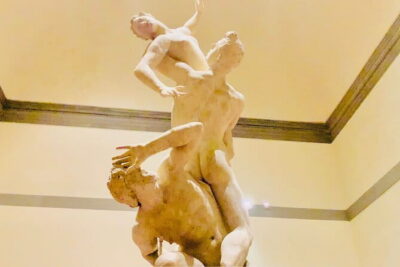
Florence Accademia Gallery Tour with Entrance Ticket Included
Read our review →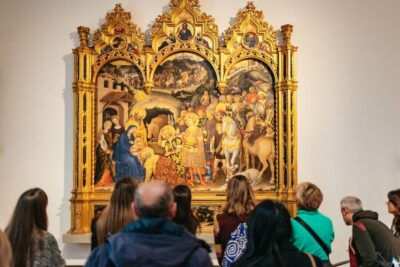
Uffizi Gallery: Renaissance Masterpieces Guided Tour
Read our review →
Uffizi Gallery Timed Entry Ticket & Audio Guide
Read our review →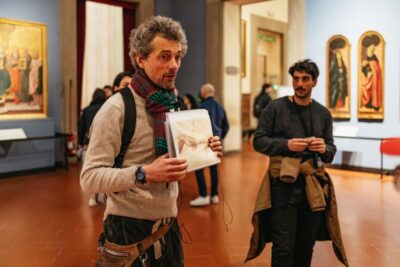
Accademia Gallery Guided Tour with Entry Ticket
Read our review →Browse the lists this tour appears in