
REVIEW · ROME
Rome: Vatican Museums & Sistine Chapel Small Group Tour
The Sistine Chapel is the headline, but the route leading to it gives this three-hour Vatican tour its value. You move through grand galleries, ancient sculpture rooms, Raphael’s frescoes, and old papal apartments before reaching Michelangelo’s Creation of Adam and Last Judgment. A guide helps you know where to look instead of wandering through a vast museum without a plan.
I like the small group size and the priority entrance, especially at a place where crowds can turn every hallway into a slow-moving river. I also like the guide passage toward St. Peter’s Square when it is open, since the tour can finish near the basilica instead of sending you back through the museum.
The main consideration is pace. Three hours covers a lot, but it cannot explain every room in the Vatican. The tour is also not suitable for wheelchair users or people with mobility impairments, and the guide speaks English only.
Key points to know before booking
- A compact group of up to 10 people: You have a better chance of hearing the guide than in a large museum group, although one booking account described 12 people including the guide.
- Priority entrance: You enter through a separate entrance, saving time that would otherwise be spent waiting outside.
- Ancient sculpture and Renaissance painting together: The route includes the Belvedere Torso, Laocoön, Raphael Rooms, Borgia Apartment, and more.
- Twenty minutes in the Sistine Chapel: The chapel is a powerful finish, but the posted guided portion is short and the room has strict rules.
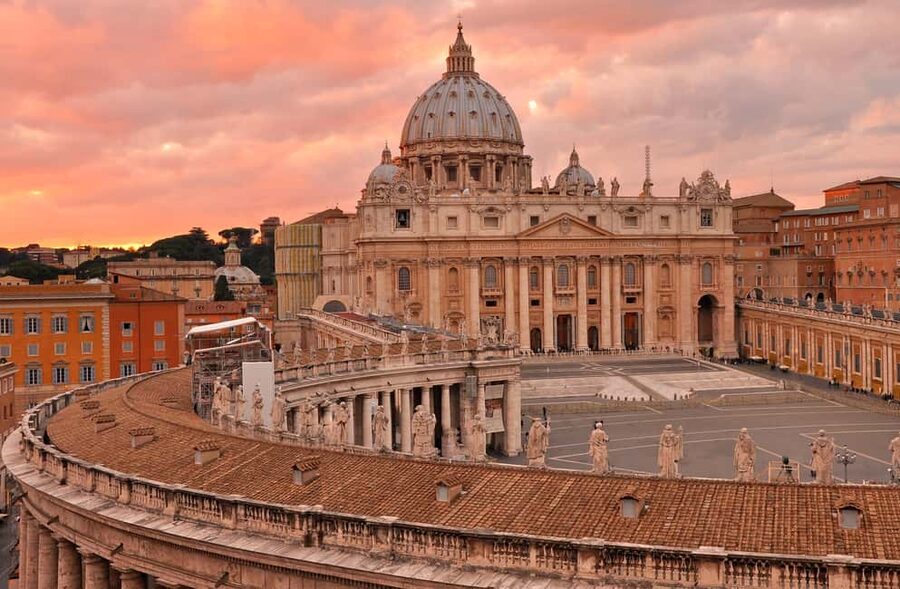
- A possible finish by St. Peter’s Basilica: When the passage is open, you leave the chapel area near St. Peter’s Square and receive an outside explanation.
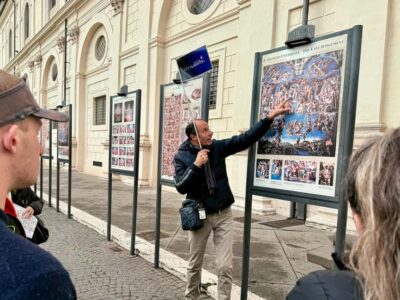
- Meet at Via Tunisi 4: Look for the Maximus Tours guide at the bottom of the outdoor stairs.
Why the small group matters inside the Vatican
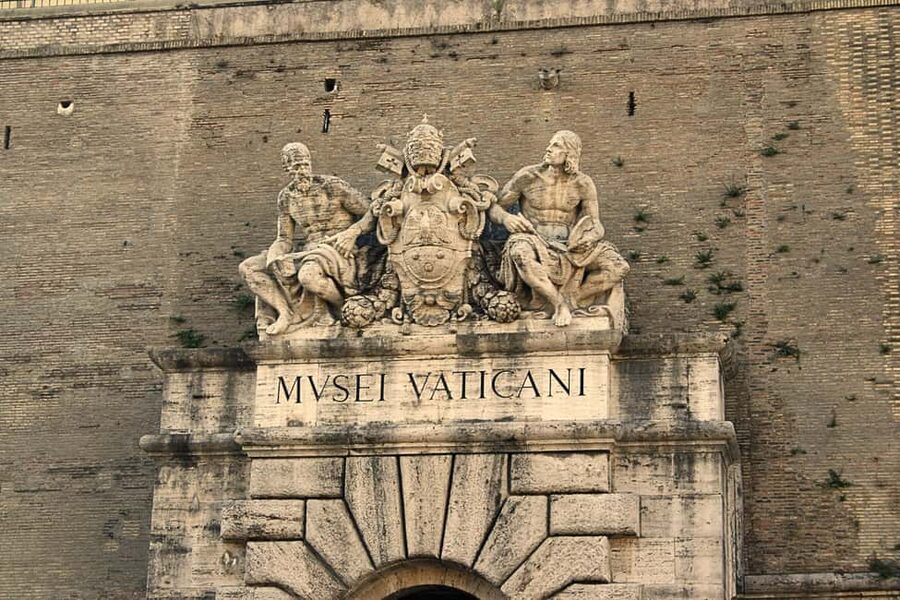
The Vatican Museums are not one simple gallery. They are a long chain of rooms filled with sculpture, paintings, maps, tapestries, ceilings, chapels, and old apartments. Without direction, you can spend hours looking at beautiful objects without understanding why they matter.
A group limited to 10 people gives the guide room to stop and point out details. Several guides, including Sarah, Tatiana, Patricia, Monica, Franca, and Christiana, received praise for clear explanations, patience, and engaging delivery. That matters here because the rooms are often crowded and the art is displayed at every height.
You receive an English-speaking live guide and, according to one booking account, small radios to hear the commentary in noisy halls. Ask about the audio equipment at the start, since it can make a real difference when groups are moving through busy corridors.
The advertised price is $50 per person. For three hours with priority entry and a specialist-led route through some of Rome’s most important art, that is a sensible price if you want structure. It is less attractive if you prefer to wander alone or plan to spend an entire day studying individual galleries.
More Art Museum Tours in Rome
- Vatican Museums, Sistine Chapel & St. Peter’s Basilica Tour
★ 4.3 · 73,970 reviews - Vatican Museums, Sistine Chapel & St Peter’s Basilica Guided Tour
★ 4.5 · 39,149 reviews - Rome: Vatican Museums, Sistine Chapel and Basilica Tour
★ 4.3 · 16,039 reviews
Starting at Via Tunisi 4
The meeting point is outdoors at Via Tunisi 4, 00192 Rome. At the address, go to the very bottom of the stairs and look for the Maximus Tours guide.
Give yourself enough time to find the meeting point. This is not an indoor reception desk, and the meeting instructions are specific. You should have your passport or identity card with you, along with comfortable shoes.
The Vatican dress code is strict. Shorts, short skirts, and sleeveless shirts are not allowed. Large bags and luggage are also prohibited, as are weapons and sharp objects. Flash photography is not allowed, so keep your camera ready for quiet, no-flash pictures where photography is permitted.
Cortile del Belvedere and the first ancient masterpieces
The route begins inside the Vatican Museums and moves through the Cortile del Belvedere. This courtyard helps set the tone: the Vatican is as much about architecture and papal power as it is about individual paintings.
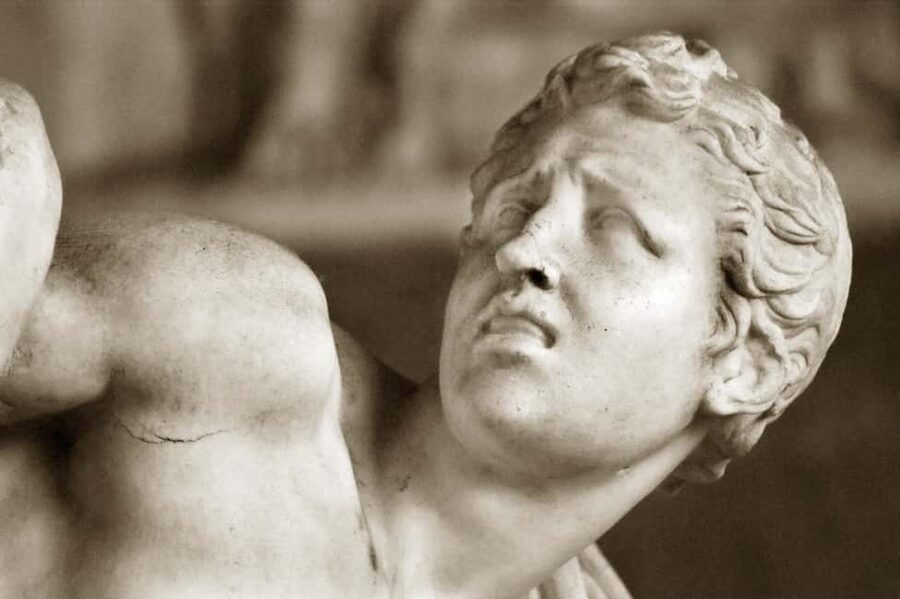
The ancient sculpture collection is an important early stop. You see the Belvedere Torso, a fragmentary marble figure that had a major effect on Renaissance artists, and the Laocoön, one of the Vatican’s best-known classical groups. The Laocoön shows a father and his sons struggling against sea serpents, with pain and movement carved into the marble.
You also pass the Greek Cross Room, where monumental ancient works and the shape of the room itself reinforce the Vatican’s interest in the classical past. If your main interest is church art, this section may feel less immediately familiar. One person on the tour expected more religious objects and historical garments and found the Greek and bronze material less appealing.
That is a fair warning. The Vatican Museums contain far more ancient sculpture than many first-time visitors expect. A good guide can explain why popes collected these works and how classical art shaped Renaissance artists, but you should still book this tour with an open mind about the range of objects on display.
Gallery of Maps, Tapestries, and Candelabra
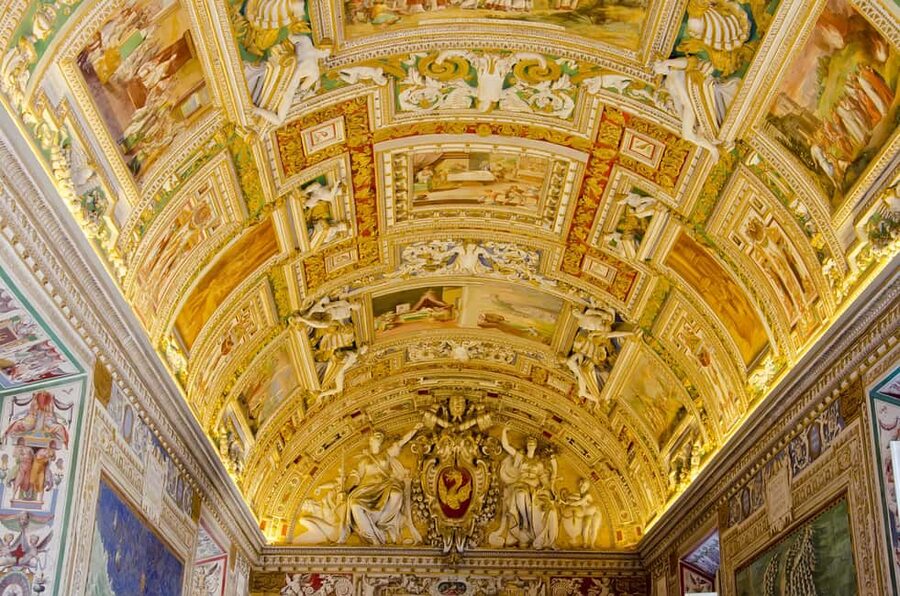
The Gallery of Maps is one of the most memorable corridors in the museum. Its walls carry large painted maps of Italy, while the ceiling above is richly decorated. You are not simply looking at geography here. The gallery shows how the papal court presented Italy as a territory that could be measured, described, and placed within a larger political and religious order.
The Gallery of Tapestries follows the same grand approach, with large woven scenes and decorative detail. The Gallery of Candelabra adds another layer of architectural display. These long galleries can feel crowded, so the guide’s job is to choose a few details rather than ask you to absorb everything at once.
I would pay attention to how the rooms are designed as a sequence. The Vatican often leads you from one grand setting into another, building a sense of scale before you reach the smaller painted rooms and the Sistine Chapel. You may find that the ceiling decoration and marble floors are almost as distracting as the works on the walls.
More ways into the Vatican Museums:
- Vatican Museums & Sistine Chapel Skip-the-Line Entry Ticket
★ 4.4 · 13,838 reviews - Rome: Vatican Museums, Sistine Chapel & Basilica Tour
★ 4.7 · 13,217 reviews - Rome: Vatican Museums & Sistine Chapel Guided Tour
★ 4.3 · 12,117 reviews - Vatican Museums & Sistine Chapel Skip-the-Ticket-Line Tour
★ 4.3 · 10,486 reviews
Raphael Rooms and the old papal apartments
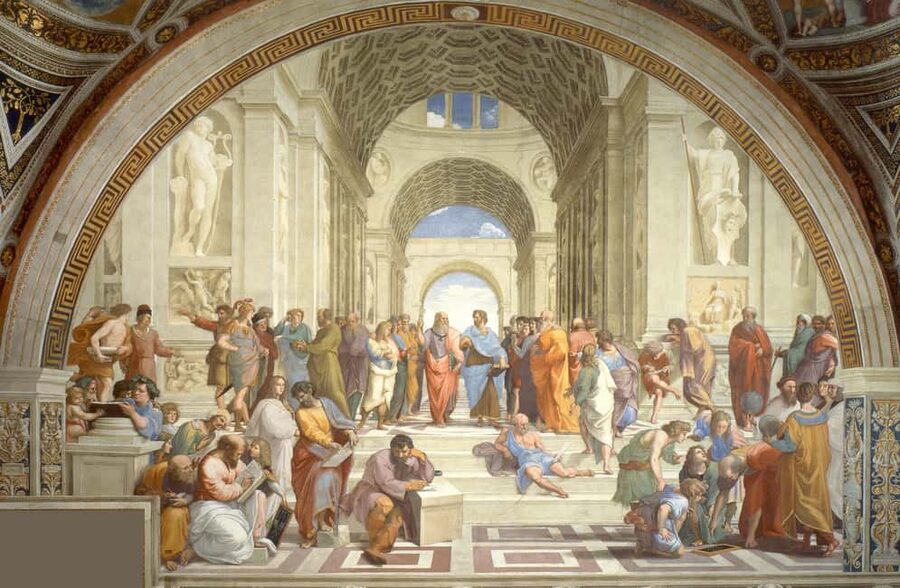
The Raphael Rooms are a major reason to choose a guided tour. These rooms contain frescoes associated with Raphael and his workshop, including scenes that combine religious subjects, philosophy, politics, and classical references.
The value of a guide is clear here. Without context, you may admire the colors and figures but miss who is represented, how the paintings relate to one another, and why the rooms mattered to the popes who commissioned them. The guide can direct your eyes to the central scene, then to the surrounding figures and architectural details.
The route also includes the Borgia Apartment and the Old Papal Apartments. These rooms help you picture the Vatican as a working residence, not just a museum. You see decorated spaces tied to papal life and ceremony, with art used to express authority and belief.
You should not expect a full tour of every papal room. The Vatican is too large for that in three hours. Instead, this route gives you a selected view of the apartments, along with the major museum corridors that lead toward the chapel.
The Sistine Chapel and Michelangelo’s ceiling
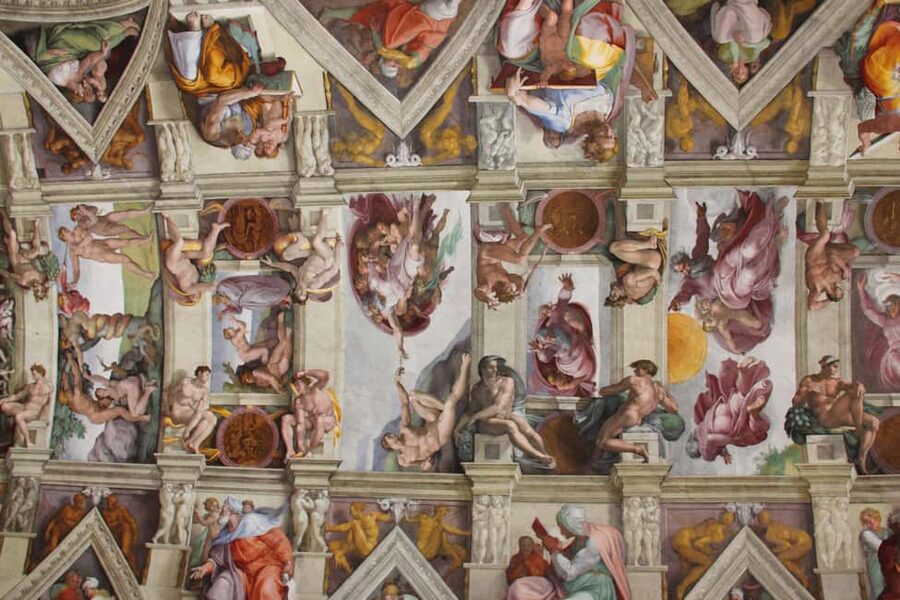
The Sistine Chapel is scheduled for about 20 minutes. That may sound short, but the chapel is a place where a focused explanation can help more than a long lecture.
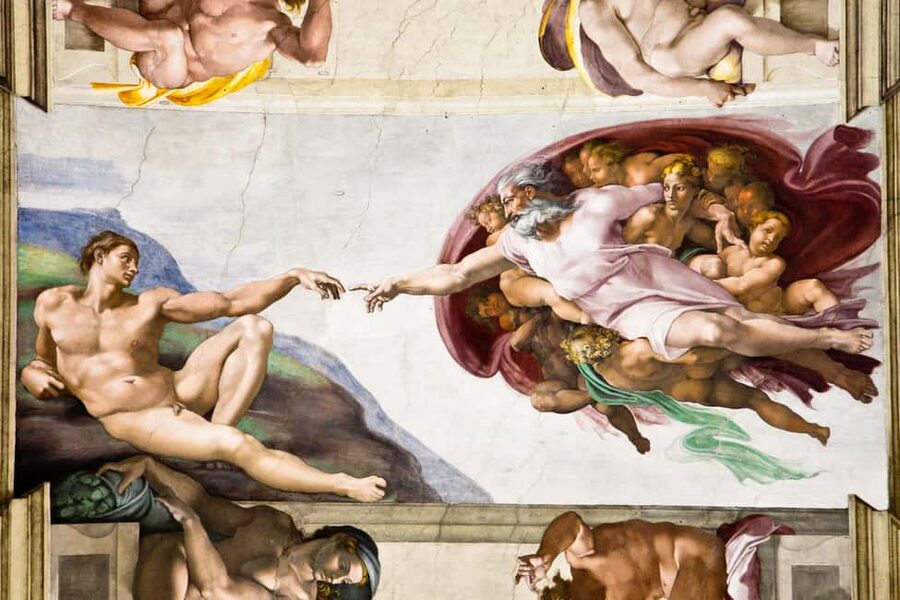
Look up first. Michelangelo’s ceiling presents scenes from Genesis, including the famous Creation of Adam. The familiar image is only one part of a much larger program filled with prophets, ancestors, architectural frames, and painted figures that appear to sit around the scenes.
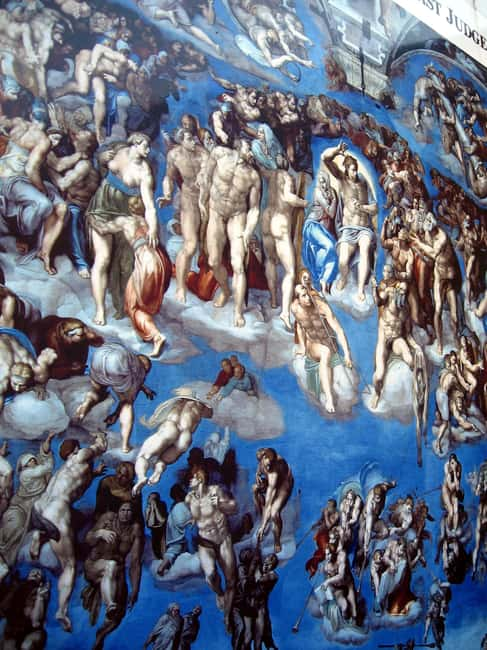
Then look toward the altar wall for the Last Judgment. Its crowded arrangement and dramatic movement feel very different from the balanced scenes on the ceiling. The guide can explain how these works fit into the chapel and why Michelangelo’s approach was so important.
The Sistine Chapel has rules. Flash photography is forbidden, and you should follow staff instructions about silence and movement. The experience can be crowded, and you may not have a clear view of every detail. That is why it helps to decide in advance what you most want to see: the Creation of Adam, the Last Judgment, or the overall effect of the room.
Finishing near St. Peter’s Basilica
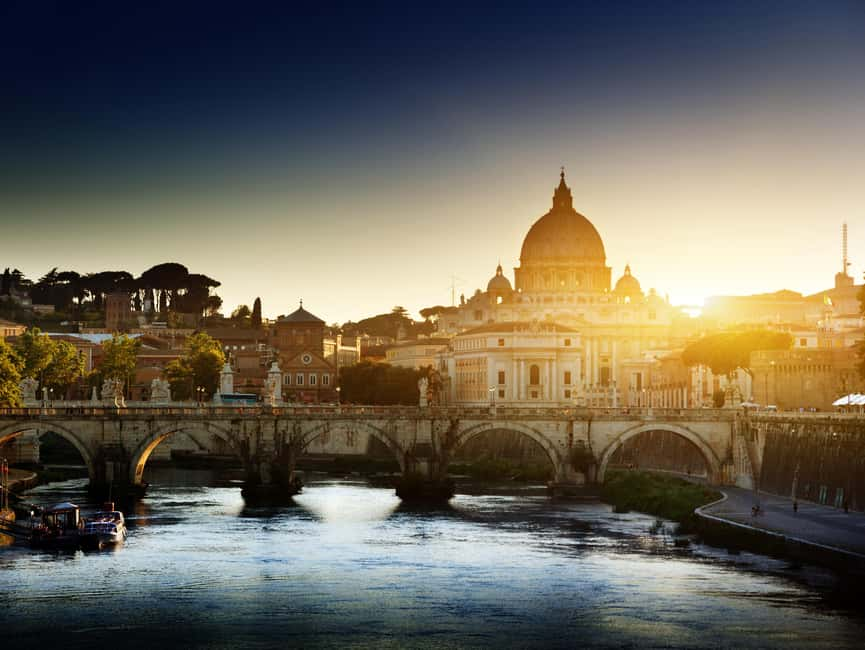
When the guide passage is open, the tour leaves through a route toward St. Peter’s Square. This is a useful ending because you finish near one of Rome’s great landmarks rather than retracing the entire museum route.
The guide gives an explanation of St. Peter’s Basilica from outside. You can then choose to enter the church, but the tour does not include an interior visit with the guide. Waiting time to enter may vary.
This detail is important. Some people may want a full explanation of the basilica’s art and history, while this tour concentrates on the Vatican Museums and Sistine Chapel. One person particularly appreciated the outside explanation but wished the guide had continued inside. If St. Peter’s is your main goal, plan extra time after the tour and understand that your own visit may be separate.
The passage is not guaranteed, since it is used when open. If it is closed, the ending may not work exactly as described. Check current instructions on the day and avoid building a tight appointment immediately afterward.
Timing, comfort, and practical restrictions
The tour lasts about three hours, with roughly two and a half hours devoted to the Vatican Museums and about 20 minutes in the Sistine Chapel. You will be on your feet for most of that time, moving through large rooms and corridors.
Comfortable shoes are essential. The route is not suitable for wheelchair users or people with mobility impairments, so anyone with access needs should contact the operator before booking. Visitors with a certified disability rating above 74 percent may receive free entry, but the operator must be told in advance.
Do not bring luggage or a large bag. If rain is forecast, a small umbrella is more practical than a long one. One person found that a long umbrella had to be checked and then collected from the entrance after the one-way museum route, adding an awkward walk back.
The tour is offered in English only. Most of the feedback praises the guides’ explanations, but one person found the English difficult to follow. If you are not comfortable listening to English for several hours, the live commentary may be tiring.
Free cancellation is available up to 24 hours before the tour, and you can reserve now and pay later. Those policies are useful if your Rome schedule is still shifting, though they do not change the need to arrive at the meeting point on time.
Who will get the most from this Vatican tour?
This tour suits a first visit to the Vatican, especially if you want the major highlights without trying to plan your own route through a huge museum. It is also a good fit for families with older children and teenagers who need a clear path and short explanations rather than a full academic lecture.
Art lovers will appreciate the Raphael Rooms, Michelangelo’s work, and ancient sculpture. People less interested in art should still enjoy the route, but should know that a large share of the experience involves paintings, sculpture, decorated ceilings, and architectural details.
The small group is particularly useful for anyone who dislikes large tour parties. A group of 10 is easier to hear and keep together than a group of 20 or more. Still, one account described a group of 12 including the guide, so confirm the final group size if that point matters greatly to you.
The tour is not ideal if you want a slow museum day, private time in each room, a visit to the papal tombs, or a guided interior tour of St. Peter’s Basilica. The papal tombs are not included, and food, drinks, and transportation are not included either.
Should you book it?
I would book this tour if you want the Vatican’s essential route in three hours, value a live English-speaking guide, and prefer priority entry to standing in a long public line. The combination of ancient sculpture, Raphael’s frescoes, papal apartments, and Michelangelo gives you a strong first look at the complex.
Before booking, make sure the dress rules and walking demands suit you. Bring identification, wear good shoes, leave large bags behind, and allow extra time if you hope to enter St. Peter’s Basilica afterward. If the guide passage is open, the finish near the basilica is a useful bonus, but the tour’s real focus remains the Vatican Museums and Sistine Chapel.
FAQ
How long does the Vatican tour last?
The tour lasts three hours. The Vatican Museums portion is listed at about two and a half hours, and the Sistine Chapel portion is listed at about 20 minutes.
What is the price?
The listed price is $50 per person. Food, drinks, and transportation are not included.
How many people are in the group?
The tour is advertised for a maximum of 10 participants. One booking account described 12 people including the guide, so you can confirm the final group size with Maximus Tours if needed.
What language is the tour in?
The live tour guide speaks English.
Where is the meeting point?
Meet outdoors at Via Tunisi 4, 00192 Rome. The guide is at the very bottom of the stairs, and you should look for Maximus Tours.
Does the tour include priority entrance?
Yes. The activity includes priority entry through a separate entrance.
Is St. Peter’s Basilica included?
The tour ends with an explanation of St. Peter’s Basilica from outside. When the guide passage is open, you finish directly in front of the basilica, and you may enter afterward on your own. Waiting times to enter can vary.
Are the papal tombs included?
No. The Papal Tombs are not included.
What should I bring?
Bring a passport or identity card and wear comfortable shoes. Large bags, luggage, long umbrellas, weapons, and sharp objects may cause problems at the site.
Is the tour suitable for wheelchair users?
No. The tour is not suitable for wheelchair users or people with mobility impairments. Visitors with certified invalidity above 74 percent may receive free entry if this is reported in advance.
Just added around Rome
- Colosseum,Vatican Museum & Sistine Chapel in One Day Guided Tour★ 3.5 · 9 reviews
- Vatican Museums and Sistine Chapel last entry Guided Tour★ 5.0 · 3 reviews
- Private Tour Of Rome Highlights And Vatican Museums Skip-The-Line all included★ 5.0 · 4 reviews
- Borghese Gallery Admission Ticket with Audioguide★ 4.0 · 64 reviews
- Caravaggio Art Walking Tour of Rome with Pantheon Visit★ 4.5 · 35 reviews
- Borghese Gallery Skip the Line Guided Tour★ 4.5 · 23 reviews
- Borghese Gallery Ticket with Audioguide★ 3.5 · 51 reviews
- Borghese Gallery VIP Tour – Skip the Line Tickets★ 5.0 · 2 reviews
Art Museum Tours in Rome, compared.
Vatican Museums, Sistine Chapel & St. Peter’s Basilica Tour
Read our review →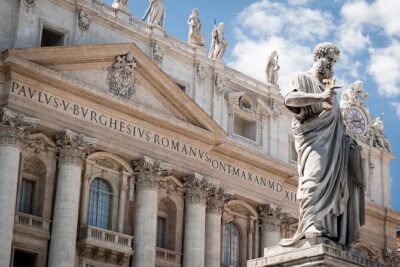
Vatican Museums, Sistine Chapel & St Peter’s Basilica Guided Tour
Read our review →
Vatican Museums, Sistine Chapel and Basilica Tour
Read our review →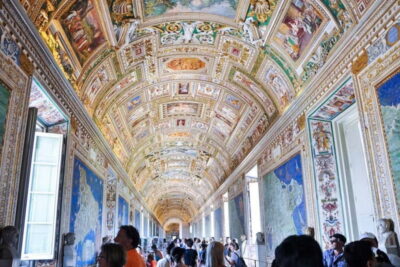
Vatican Museums & Sistine Chapel Skip-the-Line Entry Ticket
Read our review →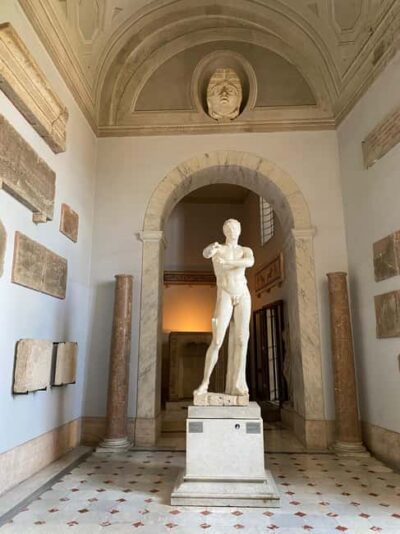
Vatican Museums, Sistine Chapel & Basilica Tour
Read our review →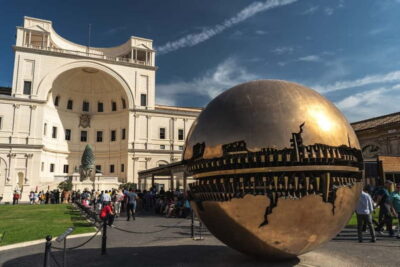
Vatican Museums & Sistine Chapel Guided Tour
Read our review →
Vatican Museums & Sistine Chapel Skip-the-Ticket-Line Tour
Read our review →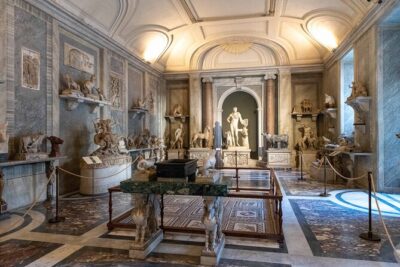
Vatican Museums, Sistine Chapel and St. Peter’s Basilica Tour
Read our review →Browse the lists this tour appears in