
REVIEW · ROME
Rome: Vatican Museum and Sistine Chapel Tour
The real prize here is the route through the Vatican Museums, which moves from the Pope’s carriages and Popemobile to ancient sculpture, painted halls, and the Gallery of Maps. It ends with Michelangelo’s Sistine Chapel and a walk down the Scala Regia toward Saint Peter’s Square.
I like the Dutch-speaking guide, especially if you want art explained in your own language rather than decoded from a sign. I also like the skip-the-line entry, since the Vatican entrance can draw serious crowds. The main drawback is the three-hour pace: children may find it long, and the supplied headset may be hard to hear in noisy rooms.
Key points to know
- The route includes unusual Vatican rooms: See the Carriage Gallery, including the Popemobile, before moving into the major art halls.
- The Gallery of Maps is a highlight: Painted maps turn a passageway into one of the Vatican’s most memorable spaces.
- The Sistine Chapel visit lasts about 20 minutes: You will see the ceiling and The Last Judgment, but this is not a long, quiet private viewing.
- The guide speaks Dutch: Headsets are provided, though one ear-mounted earpiece may be difficult to hear if the guide speaks softly.
- The tour finishes outdoors: The route leaves through the Scala Regia and Bronze Gate, ending at Saint Peter’s Square.
- St. Peter’s Basilica is separate: You receive directions to the security line, but entering the basilica and climbing the dome are your own plans.
Starting at Caffè Vaticano on Viale Vaticano
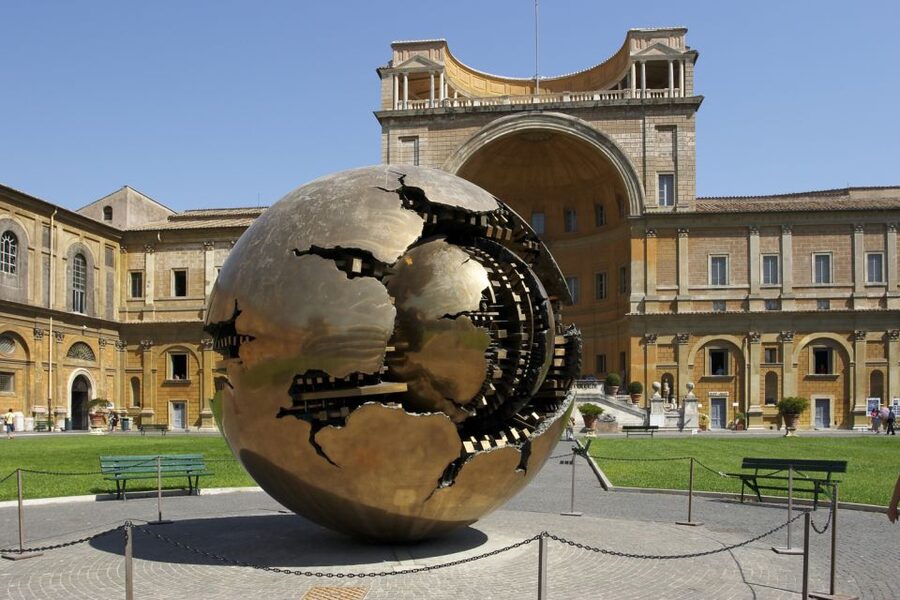
You meet at the top of the steps beside Caffè Vaticano, at Viale Vaticano 100. The café is opposite the entrance to the Vatican Museums, and your guide will hold a sign with the tour operator’s name.
Give yourself time to find the exact steps. The Vatican entrance area can be confusing, with crowds, cafés, guides, and people waiting for different tours. Bring your passport or ID card, even though the supplied information does not specify when it will be checked.
This is a walking tour inside a huge museum complex. Wear comfortable shoes, and avoid bringing luggage or a large bag. Umbrellas, selfie sticks, and other long objects are not permitted, so pack lightly.
The tour lasts three hours, with about two hours and 10 minutes in the Vatican Museums, roughly 20 minutes in the Sistine Chapel, and about 30 minutes around Saint Peter’s Square. Starting times vary, so check availability before booking and plan the rest of your day around the fixed appointment.
More Art Museum Tours in Rome
- Vatican Museums, Sistine Chapel & St. Peter’s Basilica Tour
★ 4.3 · 73,970 reviews - Vatican Museums, Sistine Chapel & St Peter’s Basilica Guided Tour
★ 4.5 · 39,149 reviews - Rome: Vatican Museums, Sistine Chapel and Basilica Tour
★ 4.3 · 16,039 reviews
Skip-the-line entry and the value of $130.28
At $130.28 per person, this is not a cheap museum visit. The price makes more sense if you value a Dutch-speaking guide, a planned route, headsets, and skip-the-line tickets more than you value the lowest possible admission cost.
The Vatican Museums are large enough to overwhelm a first visit. Without a route, you can spend energy finding rooms rather than looking at them. A guide also gives you a way to connect the objects, rooms, and artists instead of treating each gallery as a separate stop.
The skip-the-line access matters most on busy days. It does not make the museum empty, and it does not remove security procedures, but it should spare you from waiting in the main ticket queue. That saved time is part of the price.
The Dutch language is the deciding factor for many people. If you understand Dutch well, the commentary can make the art easier to follow and the chapel rules easier to understand. If Dutch is not useful to you, the price is harder to justify because the tour is offered with a live Dutch-speaking guide rather than several language choices.
Free cancellation up to 24 hours before the start gives you some breathing room. You can also reserve now and pay later, which helps if your Rome schedule is still shifting.
The Carriage Gallery and the Pope’s Popemobile
The first unusual stop is the Carriage Gallery, sometimes called the Pope’s garage. It contains papal vehicles, including the Popemobile, and gives the visit a modern, human touch before the grand art begins.
This room is useful because it breaks up the usual sequence of ancient statues and Renaissance paintings. You are not looking only at objects from distant centuries. You also see how the papacy traveled and presented itself in more recent times.
A guide can make this stop more than a quick glance at a vehicle. The tour is designed to point out what you are seeing, which is helpful if you would otherwise walk past the display without understanding why it belongs in the Vatican Museums.
The Staircase of Momo and the ancient sculpture rooms
The Staircase of Momo is one of the museum’s most recognizable architectural features. It is a spiral staircase with a dramatic view down its curves, so keep your camera ready if photography is allowed at that point.
From there, the route moves through the Hall of the Animals and toward major ancient works. The Hall of the Animals is exactly the sort of room a good route helps you notice. It may not have the name recognition of the Sistine Chapel, but it adds texture to the collection and shows how carefully the museum arranges its sculpture.
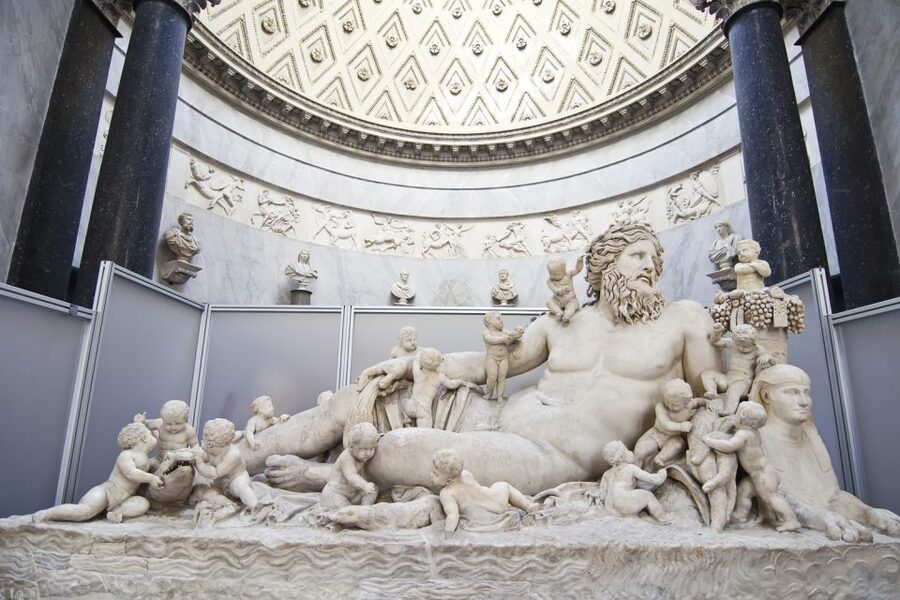
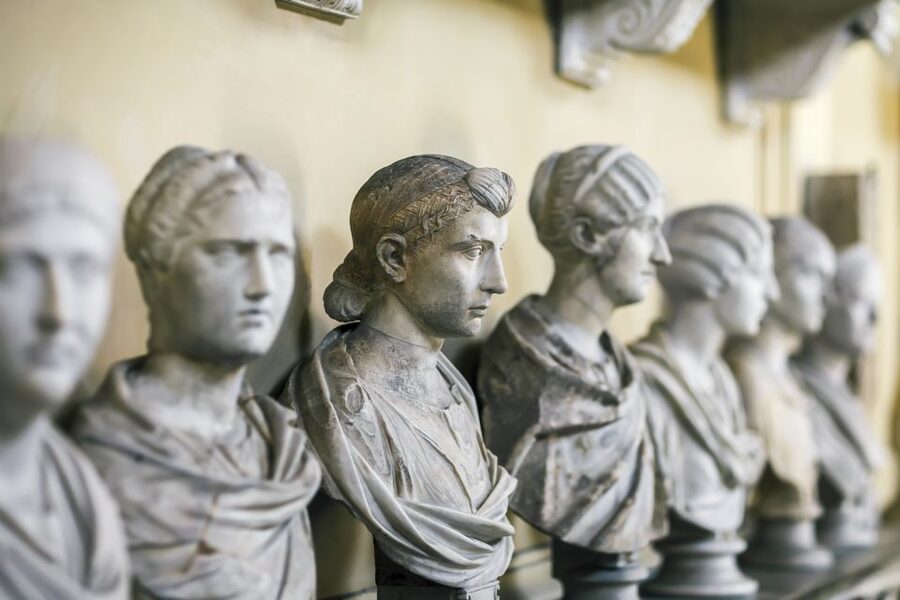
The Laocoön Group is one of the key stops. This ancient sculpture depicts Laocoön and his sons struggling with sea serpents. You will see why it has such force in person: the figures twist, strain, and pull against the attack, making the stone feel unusually active.
The Torso of the Belvedere offers a different lesson. Even though it is incomplete, its powerful body and posture had a major impact on later artists. The guide’s explanation matters here because the work is easy to dismiss as a fragment if you do not know why Michelangelo and other artists admired it.
The Bath of Nero adds another layer to the route. It helps show that the Vatican collection is not only a display of paintings and statues, but also a place filled with archaeological remains and objects tied to ancient Rome.
More ways into the Vatican Museums:
- Vatican Museums & Sistine Chapel Skip-the-Line Entry Ticket
★ 4.4 · 13,838 reviews - Rome: Vatican Museums, Sistine Chapel & Basilica Tour
★ 4.7 · 13,217 reviews - Rome: Vatican Museums & Sistine Chapel Guided Tour
★ 4.3 · 12,117 reviews - Vatican Museums & Sistine Chapel Skip-the-Ticket-Line Tour
★ 4.3 · 10,486 reviews
The Gallery of Flemish wall hangings and the Gallery of Maps
The Gallery of Flemish Tapestries, created by artists connected with Raphael’s school, is one of the tour’s more decorative sections. Look up and across the walls rather than walking straight through. The large woven scenes reward a slower glance, even though the group must keep moving.
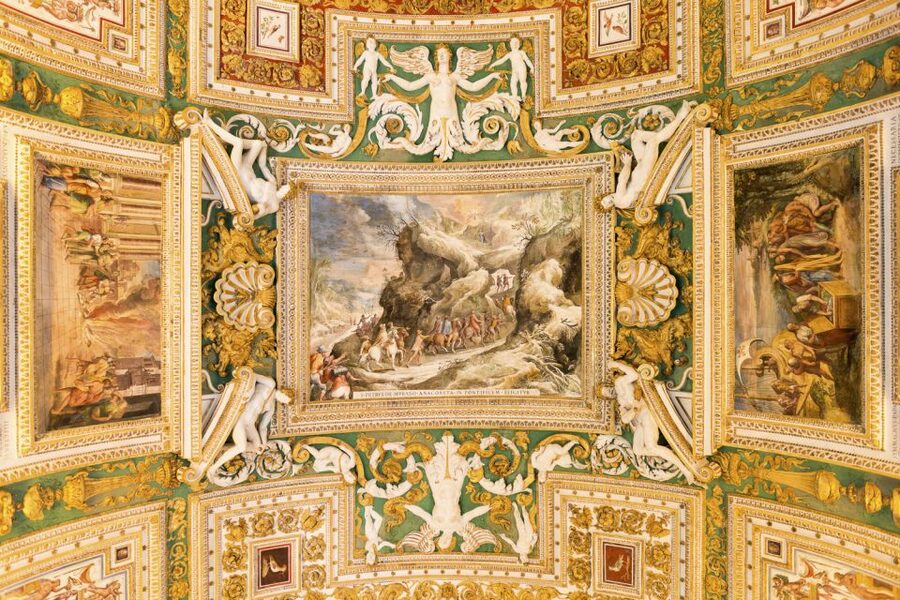
The Gallery of Maps is a major high point. Long painted maps line the walls, and the ceiling adds to the effect. You can use this gallery to understand how geography, art, religion, and political power met inside the Vatican.
The room works well on a guided visit because the maps can look like a long corridor of decoration when you first enter. Your guide can point out what the maps represent and why the gallery was made. You do not need to remember every place shown. Let the scale of the project do some of the work.
These rooms also explain why the Vatican Museums can feel tiring. The route is packed with major works, ornate spaces, and long passages. Three hours is enough to see a great deal, but not enough to stop everywhere for a long study. If you want a quiet, scholarly look at a few individual works, a shorter museum visit with your own plan may suit you better.
Michelangelo’s ceiling in the Sistine Chapel
The Sistine Chapel is the emotional center of the tour. Pope Julius II commissioned Michelangelo to work on the ceiling in 1508, and the result covers more than 500 square meters with more than 300 figures.
The ceiling is usually described through the Creation scenes, but do not look only at the central panels. The surrounding figures and painted architecture help create the great sweep of the work. Once your eyes adjust, you can spend your short visit moving between the main scenes and the many smaller figures around them.
The chapel is also an active religious space, not simply another museum room. Silence is required, and photography is not permitted. Flash photography is banned throughout the activity, so leave your camera away when you enter the chapel and listen to the guide’s instructions.
You have about 20 minutes here. That is enough to take in the ceiling and the altar wall, but it is not a long period for close inspection. I suggest choosing a few things before you enter: the central Creation scenes, the figures around the ceiling, and Michelangelo’s Last Judgment.
The Last Judgment and the Conclave
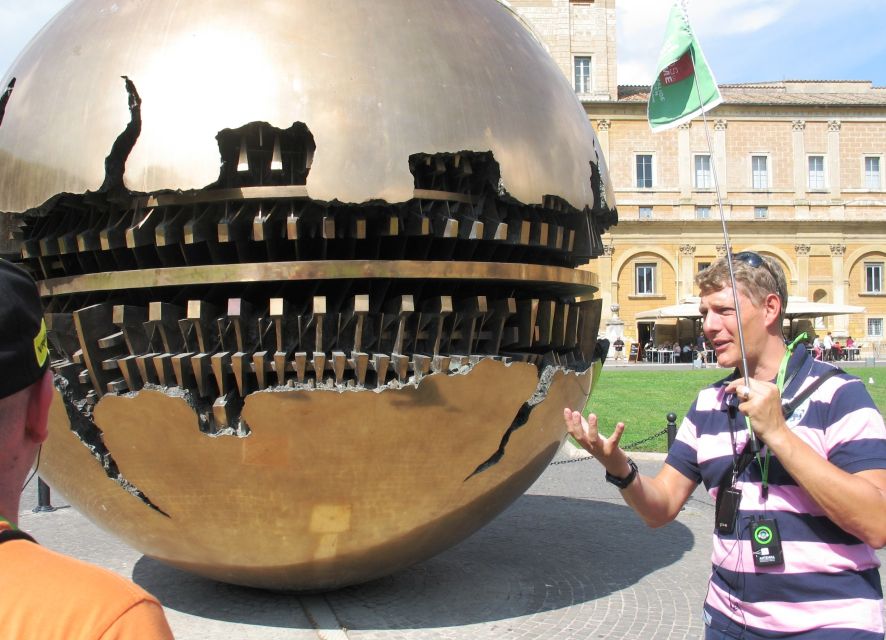
Michelangelo returned about 20 years after painting the ceiling to work on the altar wall. The Last Judgment was completed in 1541 and fills the wall with figures rising, falling, and facing judgment.
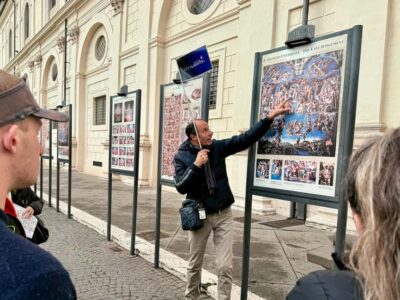
The guide’s explanation is especially useful in this room because the painting can feel crowded at first. The wall is not a simple single scene that you understand in one glance. Listen for the structure, the central figure of Christ, and the way the figures are arranged around him.
The Sistine Chapel also serves as the place where the Conclave takes place. That fact adds a present-day role to the art. You are looking at a chapel with both enormous artistic importance and a continuing function in the election of a pope.
The provided headsets are a practical advantage in the larger galleries, but you should keep your expectations sensible. One person who took the tour found the single over-ear earpiece difficult to hear when the guide spoke softly and the surrounding rooms were noisy. If you have trouble hearing, move closer to the guide when possible and tell the guide early rather than waiting until the end.
Leaving by the Scala Regia and Bronze Gate
After the Sistine Chapel, the group leaves the museums by way of the imposing Scala Regia. The staircase leads toward the Bronze Gate and Saint Peter’s Square, giving the final part of the visit a strong architectural finish.
At the Bronze Gate, you may see the Swiss Guards. Their uniforms draw attention, but the sight is also a reminder that the Vatican is a working city-state with its own security and ceremonial traditions.
The guided portion ends in Saint Peter’s Square, where the guide says goodbye and points you toward the metal detectors for St. Peter’s Basilica. The information about the end point is not entirely consistent: the route description says Saint Peter’s Square, while the meeting-point notes say the activity ends back at the meeting point. Confirm the exact finish with the operator before booking if this affects your plans.
St. Peter’s Basilica and the dome are separate plans
St. Peter’s Basilica is not included in the guided tour. Entrance to the basilica itself is free, but you must pass through the security line and enter through the Porta Santa.
This arrangement has one clear advantage: you can decide how much more time you want to spend. If the museum route has tired you, you can stop in the square or return later. If you still have energy, you can go through security and explore the basilica on your own.
The dome is also separate. The practical tip is to buy the dome ticket on the spot at the ticket office if you want the view. Do not assume that the $130.28 tour price includes the basilica or the dome, because it does not.
Dress correctly before you leave home. Bare shoulders are not permitted, and women should wear shorts or skirts to the knee. Men should wear knee-length shorts or long trousers. These rules matter most at the basilica, but dressing properly from the start is easier than trying to cover up later.
Who will get the most from this tour
This tour suits Dutch-speaking adults who want the Vatican’s major rooms explained in a set three-hour route. It also works well for first-time visitors who do not want to build their own museum plan or risk spending time in the standard ticket queue.
Families should think carefully about the length. The complete route covers several large galleries before reaching the Sistine Chapel, and one child-focused assessment found the tour slightly too long. The art is important, but the pace and quiet chapel rules may test younger children.
The tour is not suitable for people with mobility impairments. The route involves extensive walking through a major museum complex, stairways, and crowded areas. It is also a poor match if you need a relaxed pace or frequent long breaks.
Bring sunglasses for the outdoor portions, a camera for permitted areas, and an ID card. Leave pets, weapons, sharp objects, smoking materials, large bags, and long items such as umbrellas or selfie sticks out of your plan. The museum and chapel have strict rules, and carrying less makes the visit easier.
Should you book this Vatican tour?
Book it if you want Dutch commentary, a ready-made route through the Vatican’s biggest highlights, and skip-the-line tickets wrapped into one three-hour visit. The Carriage Gallery, Laocoön, Torso of the Belvedere, Gallery of Maps, Sistine Chapel, and Scala Regia give you a broad look at the Vatican rather than a single-room visit.
Think twice if you need a slow pace, have young children who tire quickly, or want a guided visit inside St. Peter’s Basilica. The basilica and dome require extra time and separate arrangements, and the headset may not be ideal for every listener.
At $130.28, the value comes from language, guidance, and time saved, not from admission alone. For Dutch-speaking visitors who want the famous works placed in context, it is a practical choice. For everyone else, compare the cost with a self-guided visit before committing.
FAQ
What language is the tour conducted in?
The live tour guide speaks Dutch. Headsets are included so you can hear the commentary during the museum visit.
How long does the Vatican tour take?
The activity lasts three hours. The museum portion takes about 2.17 hours, the Sistine Chapel visit lasts about 20 minutes, and the guided portion around Saint Peter’s Square takes about 30 minutes.
Is St. Peter’s Basilica included?
No. The guided visit ends in Saint Peter’s Square, and the guide shows you the way to the metal detectors. You can then enter St. Peter’s Basilica on your own, and entrance is free.
Are tickets for the dome included?
No. The dome is not included in the tour price. You can buy a dome ticket at the ticket office on the spot.
What should I wear to the Vatican?
Cover your shoulders. Women should wear shorts and skirts to the knee, while men should wear knee-length shorts or long trousers. Comfortable shoes are recommended.
Can I cancel the booking?
Yes. You can cancel up to 24 hours in advance for a full refund. The activity also offers reserve now and pay later.
Just added around Rome
- Colosseum,Vatican Museum & Sistine Chapel in One Day Guided Tour★ 3.5 · 9 reviews
- Vatican Museums and Sistine Chapel last entry Guided Tour★ 5.0 · 3 reviews
- Private Tour Of Rome Highlights And Vatican Museums Skip-The-Line all included★ 5.0 · 4 reviews
- Borghese Gallery Admission Ticket with Audioguide★ 4.0 · 64 reviews
- Caravaggio Art Walking Tour of Rome with Pantheon Visit★ 4.5 · 35 reviews
- Borghese Gallery Skip the Line Guided Tour★ 4.5 · 23 reviews
- Borghese Gallery Ticket with Audioguide★ 3.5 · 51 reviews
- Borghese Gallery VIP Tour – Skip the Line Tickets★ 5.0 · 2 reviews
Art Museum Tours in Rome, compared.
Vatican Museums, Sistine Chapel & St. Peter’s Basilica Tour
Read our review →
Vatican Museums, Sistine Chapel & St Peter’s Basilica Guided Tour
Read our review →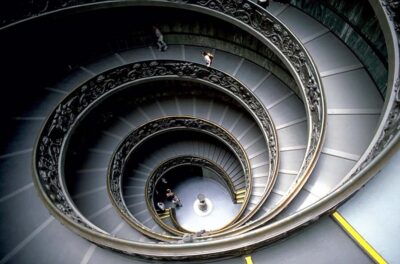
Vatican Museums, Sistine Chapel and Basilica Tour
Read our review →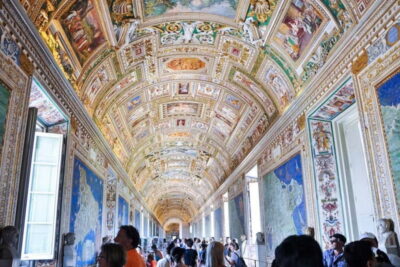
Vatican Museums & Sistine Chapel Skip-the-Line Entry Ticket
Read our review →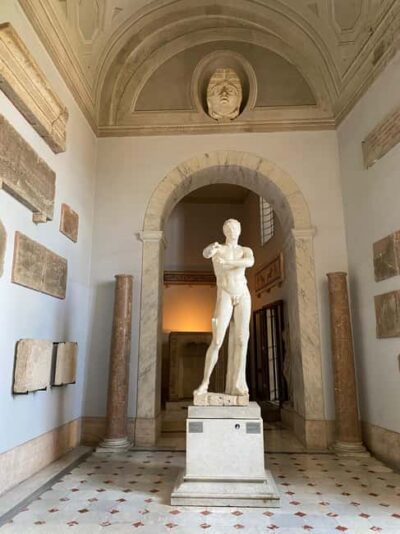
Vatican Museums, Sistine Chapel & Basilica Tour
Read our review →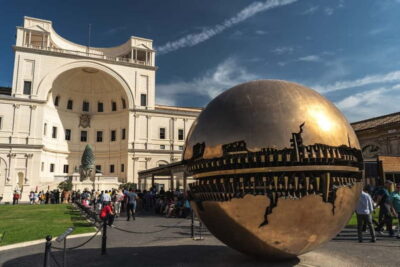
Vatican Museums & Sistine Chapel Guided Tour
Read our review →
Vatican Museums & Sistine Chapel Skip-the-Ticket-Line Tour
Read our review →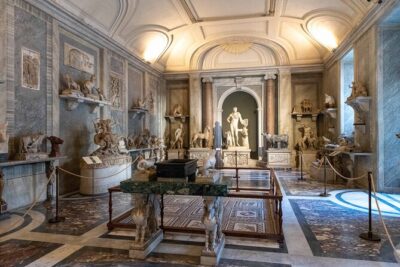
Vatican Museums, Sistine Chapel and St. Peter’s Basilica Tour
Read our review →Browse the lists this tour appears in