REVIEW · ITALY
Private Brera Gallery Tour
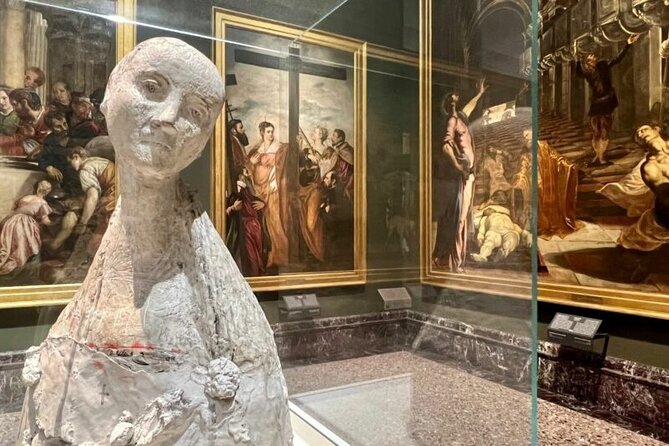
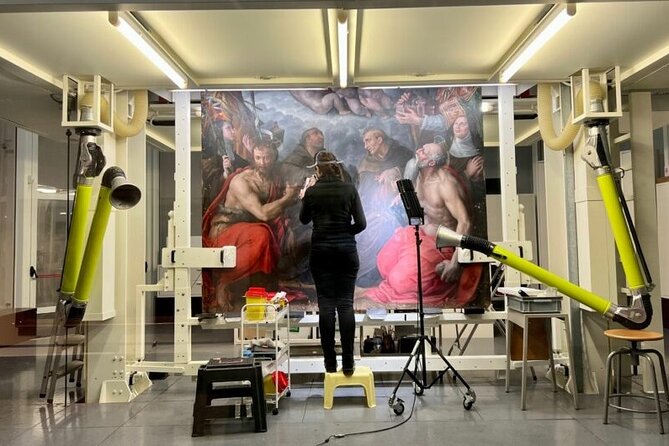
The most unusual part of this private Brera Gallery tour is not only the art on the walls. Your guide also takes you to the transparent restoration laboratory, where you can see how fragile paintings are examined and repaired. That extra look behind the scenes gives the museum visit more purpose than a simple march past famous names.
I like the focused two-hour length, which gives you enough time for major works without turning the morning into an art-history endurance test. I also like the one-group format: your guide can adjust the pace, invite questions, and explain how to look at a painting rather than just recite dates.
The main consideration is the price, $217.67 per person, before food or drinks. That can be good value for a couple or small group wanting personal attention, but it is a serious spend if you only want a quick look at Brera’s best-known paintings.
Key points to know before booking
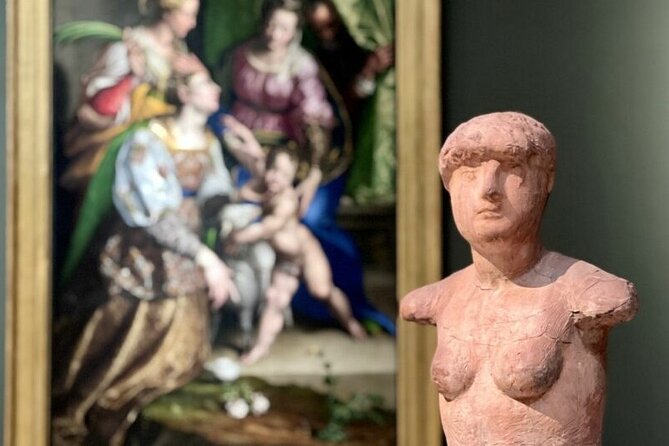
- Raphael, Bellini, and Bramante: See The Marriage of the Virgin, Pietà, and a rare surviving Bramante painting.
- A working restoration view: The transparent laboratory shows how museum staff care for valuable artworks.
- Private for your group: No strangers are added to your booking, so the guide can respond to your interests.
- Two hours well used: The tour stays compact and focused rather than trying to cover all of Milan’s art.
- Guide quality matters: Alesandra led one visit as an interactive art lesson, while Corrado offered an excellent French-language experience.
- Central Milan meeting point: Begin and finish at Via Brera 28, near public transportation.
Why Brera works so well in two hours

Milan’s Pinacoteca di Brera is the sort of museum that rewards a guide. A first visit can leave you looking at a row of old paintings and wondering which ones deserve your time. A strong guide gives you a path through the collection, points out the details your eye might miss, and explains why certain works hold a place in Italian art.
This tour is built around that idea. You are not simply handed a ticket and left to wander. Your private local guide leads you through selected works, with time to ask questions and discuss what you are seeing.
The two-hour duration is sensible. It is long enough to make sense of the main collection, yet short enough to fit into a full day in Milan. I would place it in the morning or early afternoon, leaving room for Brera’s streets, a meal, or another museum afterward. Since the exact route through the gallery is not specified, your guide’s choices will shape the visit.
That flexibility is one of the private format’s useful features. If you already know Renaissance painting, you can ask for more detail about technique or restoration. If art museums make you feel lost, you can slow down and start with the basics of composition, subject, and symbolism.
More private gallery tours in Italy:
- Private Vatican Museums and St. Peter’s Basilica Early Bird Tour
★ 5.0 · 980 reviews - Florence: Uffizi Gallery Discovery Private Guided Tour
★ 4.5 · 658 reviews - Florence: Uffizi Highlights, In-Depth Masterclass or Private Tour
★ 4.5 · 641 reviews
Raphael’s Marriage of the Virgin
Raphael’s Marriage of the Virgin is one of the named highlights, and it gives the visit a clear anchor. It is the kind of painting many people recognize by name but may not know how to approach in person.
A guide can help you look beyond the headline. Pay attention to the arrangement of figures, the setting, and the way the painting directs your eye. You can ask why Raphael’s work matters and how it fits within the wider collection.
The value here is not simply seeing a famous canvas. It is getting a method for looking. An interactive guide can ask what you notice first, then add context once you have formed your own response. Alesandra is particularly noted for making the visit feel like an art-history course while keeping it interactive.
That approach suits people who want more than a list of names. It also helps families, couples, or friends with different levels of interest. One person can ask technical questions while another learns how to read a religious scene without feeling out of place.
Bellini’s Pietà and the human side of the collection
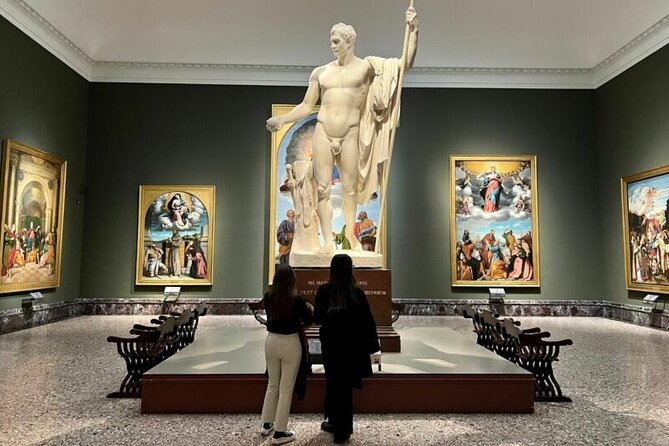
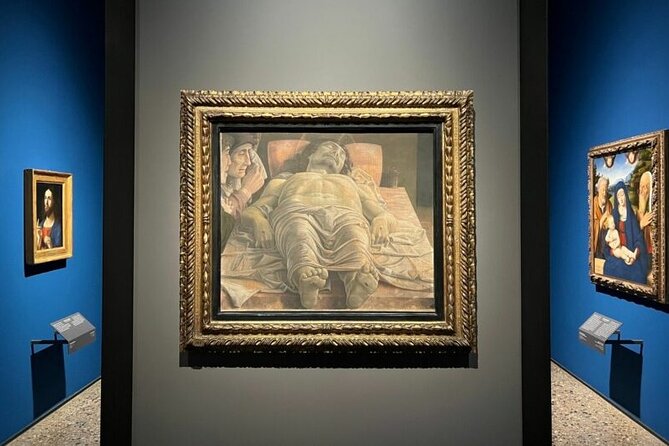
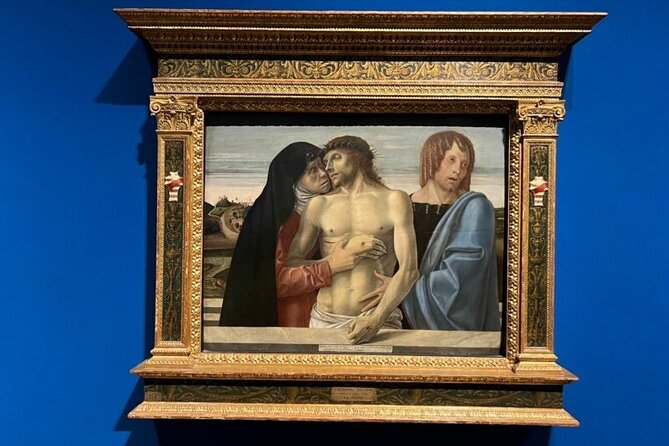
Giovanni Bellini’s Pietà is another major stop. The subject is emotionally direct, but a guide can help you consider how Bellini handles expression, gesture, color, and the relationship between the figures.
You may already know what the scene represents. The useful part of a guided visit is learning how the painting communicates feeling without relying on modern storytelling tools. Look closely at the faces, the posture of the figures, and the way the composition holds your attention.
This is also where questions can improve the experience. Ask your guide what makes Bellini’s treatment distinctive, or how the work relates to other paintings in Brera. The tour description does not promise a fixed list of every painting you will see, so it is sensible to tell the guide early if Bellini is a priority for you.
I like that the named works include different reasons to look closely. Raphael gives you a chance to consider structure and style. Bellini brings the human and emotional side of religious art forward. Bramante adds a sense of rarity and discovery.
Finding Bramante in a rare surviving painting
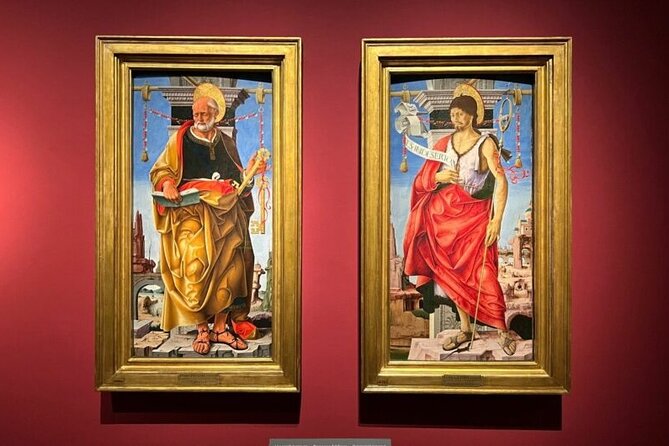
The reference to a rare surviving painting by Bramante adds an appealing twist. This is not only a visit built around the most famous name in the room. You also get a chance to see a work that may be less familiar but important because so little of Bramante’s painted work remains.
That kind of stop can make a museum visit more memorable. Famous masterpieces are often surrounded by expectation. A less familiar painting gives you room to look without already knowing what you are supposed to think.
Your guide can explain why the work is rare and place it beside the better-known paintings in the collection. Since only the artist is specified, I would not plan your visit around a particular title or assume the guide will spend a fixed amount of time there. Instead, treat Bramante as one of the special points to ask about when you meet.
For me, this is one reason a private tour makes sense. You can say that you want both the celebrated works and the unusual ones. A group guide working with strangers may have to follow a set script. A private guide has more room to balance your interests.
A few more gallery visits around Italy worth comparing
- Vatican Museums, Sistine Chapel & St. Peter’s Basilica Tour
★ 4.3 · 73,970 reviews - Vatican Museums, Sistine Chapel & St Peter’s Basilica Guided Tour
★ 4.5 · 39,149 reviews - Florence: Skip-The-Line Uffizi Gallery Timed Entry Ticket
★ 4.5 · 27,832 reviews - Rome: Vatican Museums, Sistine Chapel and Basilica Tour
★ 4.3 · 16,039 reviews
The transparent restoration laboratory
The restoration laboratory is the feature that gives this experience its practical edge. You get to see where museum specialists maintain and protect important artworks, with the work visible through a transparent setup.
This matters because paintings are not static objects. They need careful attention, and the condition of a work affects how safely it can be displayed. Seeing the restoration area connects the finished gallery presentation with the work required behind it.
You should not expect this to be a hands-on conservation workshop. The information provided promises a visit to the transparent laboratory and an explanation of how the works are maintained and protected. The exact restoration activity on view can change, so the guide’s explanation will be important.
Still, the stop helps answer questions that often remain hidden in an art museum. How does a museum protect old paint? Why might a work need treatment? What does careful preservation involve? Even a brief introduction can make you look at the gallery’s paintings with more care.
It also breaks up the usual museum rhythm. Instead of moving from one framed work to the next, you get a look at the practical side of keeping a collection alive.
What a private guide changes
The tour is private, meaning only your group participates. That is a real difference from a standard shared visit. You do not need to wait for a large group to gather, and you can ask questions without worrying that you are holding up strangers.
A private format is most useful when the group has a shared interest. Art students, couples, families, and friends who want a serious museum visit can all benefit. It is also a good choice if one person wants detailed explanation while others need a slower, more approachable introduction.
The guide names available in the tour information give you a sense of the possible experience. Alesandra is described as highly interactive, helping participants learn how to view art in a new way. Corrado provided an excellent French-language visit and was described as welcoming, friendly, and a very strong art expert.
The listed offering is in English, so English is the language to expect when booking this version. The French experience with Corrado suggests language ability may vary by guide, but you should not assume another language is included unless arranged directly.
I would tell your guide at the start what you want from the two hours. You might ask for a beginner-friendly explanation, a focus on Renaissance works, more time with Raphael and Bellini, or extra attention to conservation. This small conversation can make the private format worth paying for.
Is $217.67 per person good value?
At $217.67 per person, this is not a bargain museum entry. The cost includes an expert local guide and admission tickets, but not food or drinks. It is best judged as a private art lesson with museum entry, not as a basic ticket with a short introduction.
For two people, the total cost is substantial. For a larger private group, the per-person value may improve if a group discount applies. The available information confirms that group discounts are offered, though it does not give the discount amount or group-size rules.
I would pay this price if you care about understanding the art, prefer personal attention, or have limited time in Milan. The tour can save you from wandering through the gallery without a plan, and the restoration laboratory adds something beyond the standard collection visit.
I would skip it if you simply want to enter Brera, see a few famous paintings, and move on. You may get better value from a regular admission option if you are comfortable exploring alone.
The fact that the experience is often booked 18 days in advance is a useful planning signal. If your Milan dates are fixed, book ahead rather than waiting until the last minute, especially if you want a particular day or need a private guide for your group.
Meeting at Via Brera 28
The tour starts at Via Brera 28, 20121 Milan, and ends back at the same meeting point. That makes the logistics simple. You do not need to arrange a separate pickup or figure out where the visit concludes.
The meeting point is near public transportation, which helps if you are coming from another part of Milan. Plan to arrive with enough time to find Via Brera 28 without rushing. The tour lasts about two hours, and late arrival could cut into the guided portion.
Because food and drinks are not included, plan a café stop before or after the visit. Brera is a good area to pair with other central Milan plans, but the tour itself is focused on the gallery and does not include a meal.
The activity is suitable for most participants, and service animals are allowed. No special limitation is listed for general participation. If someone in your group has a specific mobility or access need, confirm details before booking rather than relying on the broad participation note.
Who should book the Brera Gallery tour?
I would choose this for someone who wants art to make more sense, not just art to look at. It suits a first-time visitor who wants the highlights, but it also works for a returning museumgoer who wants a more thoughtful look at Raphael, Bellini, Bramante, and conservation.
It is especially fitting for:
- Couples who want a private cultural activity in Milan
- Families who need a guide to keep children or teenagers engaged
- Small groups with different levels of art knowledge
- Art students or serious enthusiasts
- Visitors with only two hours for Brera
- Anyone curious about how museums protect old paintings
You may find it less suitable if you dislike guided visits, want complete freedom to browse, or mainly want contemporary art. The named works and the gallery focus point to a traditional collection, with the emphasis on painting, interpretation, and preservation.
The strong points are clear: private attention, a compact schedule, famous works, a rare Bramante painting, and access to the restoration laboratory. The main weakness is cost, plus the fact that a two-hour visit cannot cover every corner of a major gallery in detail.
Should you book it?
Book this tour if you want a focused, personal introduction to Brera and are willing to pay for an expert guide rather than just museum admission. The restoration laboratory makes it more distinctive, while the chance to ask questions privately gives the visit real value.
Before booking, decide what matters most to you. If you want Raphael and Bellini explained clearly, ask for those works. If you are curious about less familiar art, request time for Bramante. If the guide’s teaching style matters most, note the interactive approach associated with Alesandra and the strong French-language ability reported for Corrado, while remembering that the listed tour language is English.
For a quick, low-cost museum stop, choose another option. For two thoughtful hours with Milan’s important paintings and a look at the care behind them, this is a smart splurge.
FAQ
How long does the Private Brera Gallery Tour last?
The tour lasts approximately two hours.
What is included in the price?
The price includes a private expert local guide and entry tickets to the Pinacoteca di Brera.
Are food and drinks included?
No. Food and drinks are not included.
Where does the tour begin and end?
The tour begins at Via Brera 28, 20121 Milan, Italy, and ends back at the same meeting point.
Is this a private activity?
Yes. Only your group participates in the tour.
Can I cancel for a full refund?
Yes. You can cancel at least 24 hours before the experience start time for a full refund. Cancellations or changes made less than 24 hours before the start time are not accepted for a refund.
Just added around Italy
- Colosseum,Vatican Museum & Sistine Chapel in One Day Guided Tour★ 3.5 · 9 reviews
- Vatican Museums and Sistine Chapel last entry Guided Tour★ 5.0 · 3 reviews
- Private Tour Of Rome Highlights And Vatican Museums Skip-The-Line all included★ 5.0 · 4 reviews
- Borghese Gallery Admission Ticket with Audioguide★ 4.0 · 64 reviews
- Caravaggio Art Walking Tour of Rome with Pantheon Visit★ 4.5 · 35 reviews
- Borghese Gallery Skip the Line Guided Tour★ 4.5 · 23 reviews
- Borghese Gallery Ticket with Audioguide★ 3.5 · 51 reviews
- Borghese Gallery VIP Tour – Skip the Line Tickets★ 5.0 · 2 reviews
Art Museum Tours in Italy, compared.
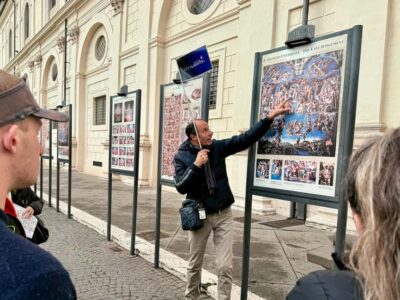
Vatican Museums, Sistine Chapel & St. Peter’s Basilica Tour
Read our review →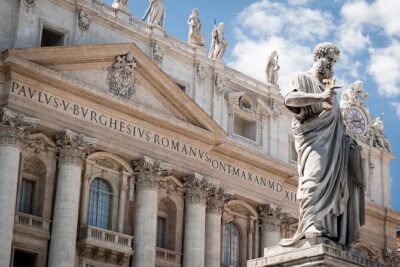
Vatican Museums, Sistine Chapel & St Peter’s Basilica Guided Tour
Read our review →
Skip-The-Line Uffizi Gallery Timed Entry Ticket
Read our review →
Vatican Museums, Sistine Chapel and Basilica Tour
Read our review →
Vatican Museums & Sistine Chapel Skip-the-Line Entry Ticket
Read our review →
Vatican Museums, Sistine Chapel & Basilica Tour
Read our review →
Vatican Museums & Sistine Chapel Guided Tour
Read our review →