
REVIEW · PARIS
Paris: Small-Group Guided Tour of the Musée d’Orsay
The most appealing part of this Musée d’Orsay visit is its six-person limit. In a museum famous for crowded galleries, a tiny group gives you room to ask questions and follow the guide’s thread instead of trailing behind a flag. You’ll also see the building itself, a former railway station with grand Beaux-Arts details and views toward the Seine.
I like the tour’s focus on Impressionism’s rebellious beginnings, not just a parade of famous names. I also like the two-hour length: long enough for useful context, short enough to leave time for another Paris sight. The main drawback is that $95 is a serious price for a museum visit, especially since food, drinks, and anything beyond the guided tour are not included.
Key points at a glance
- A very small group: No more than six participants, making questions and conversation easier.
- Artists you came to see: The route includes major works by Monet, Van Gogh, Degas, Renoir, Cézanne, and Gauguin.
- A guide-led art lesson: You’ll learn how Impressionism challenged older rules about painting, subject matter, and technique.
- A museum with its own drama: The former railway station provides grand architecture and panoramic views over the Seine.
- Four language choices: Tours are offered in English, Spanish, Italian, and French.
- Useful flexibility: You can cancel up to 24 hours before the tour for a full refund, and reserve now while paying later.
Meeting the guide beside the rhinoceros
Your tour begins outside the Musée d’Orsay, at the rhinoceros statue directly in front of the entrance. Look for a guide holding a GetYourGuide sign. This is a sensible meeting point, but do not arrive casually and hope to spot the group at the last second. The area around a major Paris museum can be busy, and a clear landmark matters.
Bring a charged smartphone. The tour information specifically asks for one, though it does not explain whether it will be used for tickets, contact with the guide, or general tour needs. Large bags, oversize luggage, glass objects, weapons, and sharp items are not allowed. If you are carrying a full suitcase, arrange storage elsewhere before you arrive.
The guide leads you back to the same museum after the two-hour visit. There is no transportation between stops because the entire experience takes place at the Musée d’Orsay.
More Art Museum Tours in Paris
- Paris: Louvre Museum Timed-Entrance Ticket
★ 4.6 · 71,977 reviews - Paris: Orsay Museum Entry Ticket
★ 4.7 · 25,647 reviews - Paris: Louvre Guided Tour with Reserved Access & Boat Cruise
★ 4.3 · 16,353 reviews
Why a small group changes the museum visit
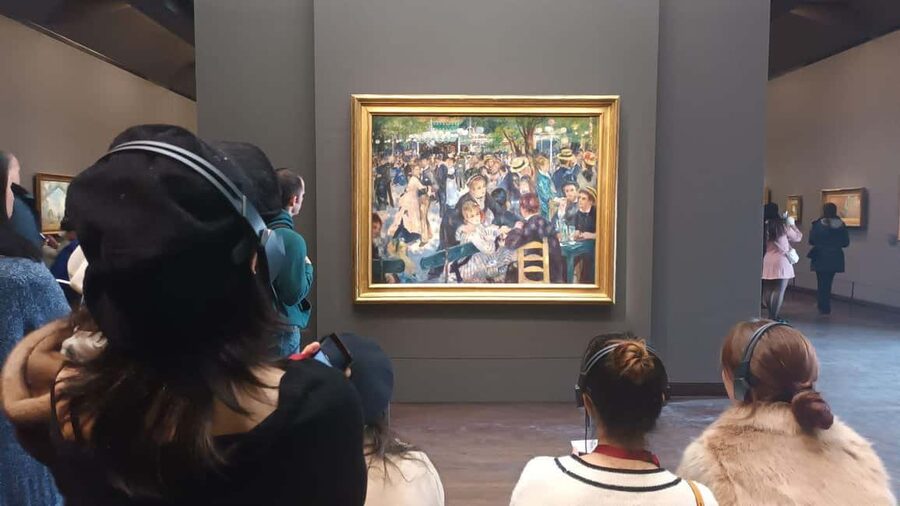
A group capped at six people is the strongest practical feature here. Large museum tours can turn art into a listening exercise. You stand at the back, try to hear, and watch the guide’s raised umbrella more than the painting. With this format, you have a better chance to stand close enough to see brushwork and to ask why one painting matters.
A small group also helps with pacing. If you already know something about Monet, you can ask about technique. If Van Gogh is your first serious encounter with Post-Impressionism, you can ask for a plain explanation rather than nodding along to a lecture. The guide can respond to the people in front of them instead of delivering the same speech to a crowd.
The group size does not guarantee a private conversation for every minute. Six people still have different interests, and the guide must keep the visit moving. But it is a useful middle ground between a private tour and wandering alone with a printed map.
Inside the former railway station
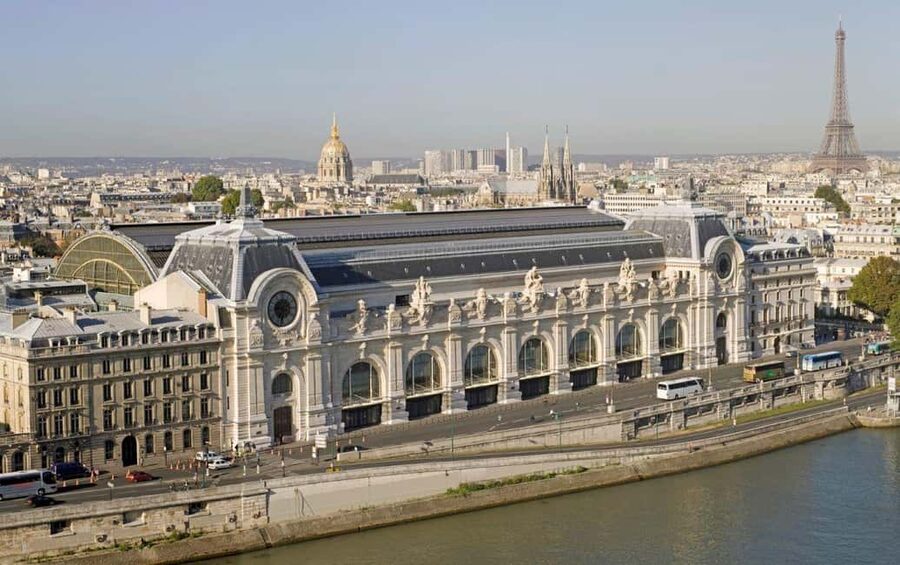
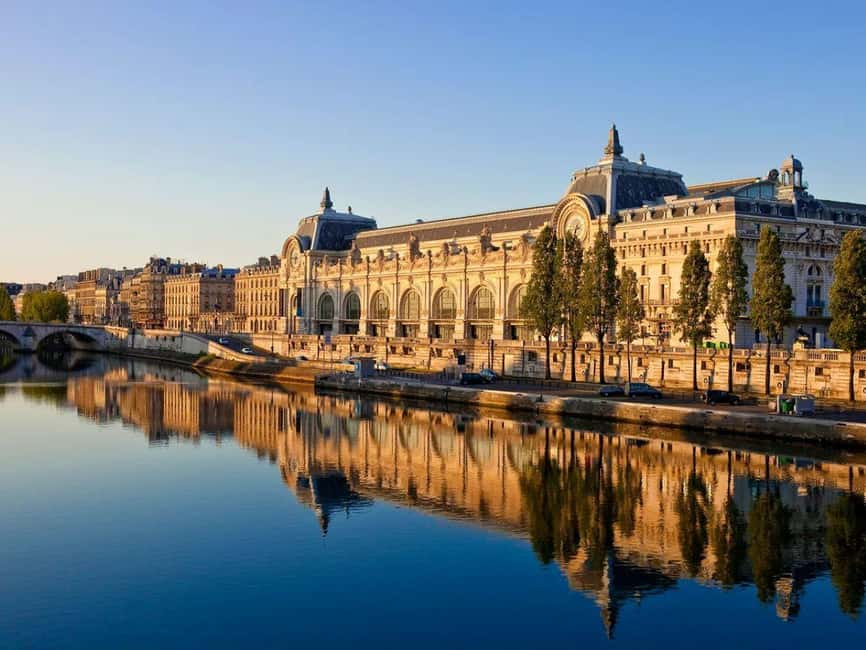
Before focusing on individual paintings, take a moment to look around. The Musée d’Orsay occupies a grand Beaux-Arts railway station, and its architecture is part of the visit, not merely a container for art. The building’s scale helps explain why the museum feels different from a traditional palace gallery or a modern white-walled exhibition space.
You can also admire panoramic views over the Seine. These views give the tour a welcome pause between galleries. Art museums can become visually tiring, especially when every wall demands attention. A glance toward the river lets you reset your eyes and sense where you are in Paris.
The architecture may appeal even if you are not an art specialist. That matters because this tour is designed for curious first-time visitors as well as dedicated art fans. You do not need a long art-school background to appreciate the station, the river views, or the guide’s explanation of how modern painting began to change.
Monet and the break with old rules
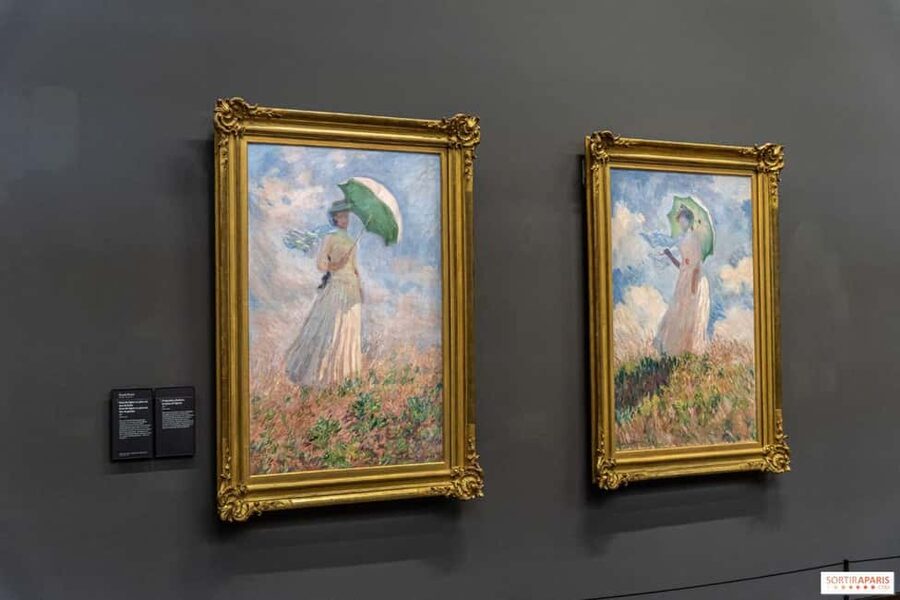
The tour’s central story is the rise of Impressionism. Your guide will explain how artists such as Claude Monet challenged established ideas about what serious painting should show and how it should look.
The value of this context is that it turns a familiar name into a person working against expectations. Impressionist painters became associated with outdoor light, shifting color, everyday scenes, and visible brushwork. The guide’s job is to connect those choices to the wider argument of the period: who decided what counted as proper art, and why?
You will not simply hear that Monet painted light. You’ll be encouraged to notice how color and brushwork create an impression rather than a perfectly fixed record. The exact works shown can vary with museum displays, but Monet is one of the main artists included in the tour.
This is where a guided visit can save time. You could walk past a painting and recognize the name without understanding why it was controversial. A good explanation gives you a way to look, not just another fact to remember.
More Orsay tours and tickets:
- Paris: Orsay Museum Entry Ticket and Digital Audio Guide App
★ 4.4 · 3,170 reviews - Paris in a Day: Louvre or Orsay, Eiffel Tower, City Walk & Cruise
★ 5.0 · 1,956 reviews - Paris: Musée d’Orsay Skip-the-Line Tour with Expert Guide
★ 4.5 · 1,145 reviews - Musée d’Orsay Skip-the-Line Tour with Expert Guide
★ 4.8 · 1,088 reviews
Van Gogh and the force of individual style
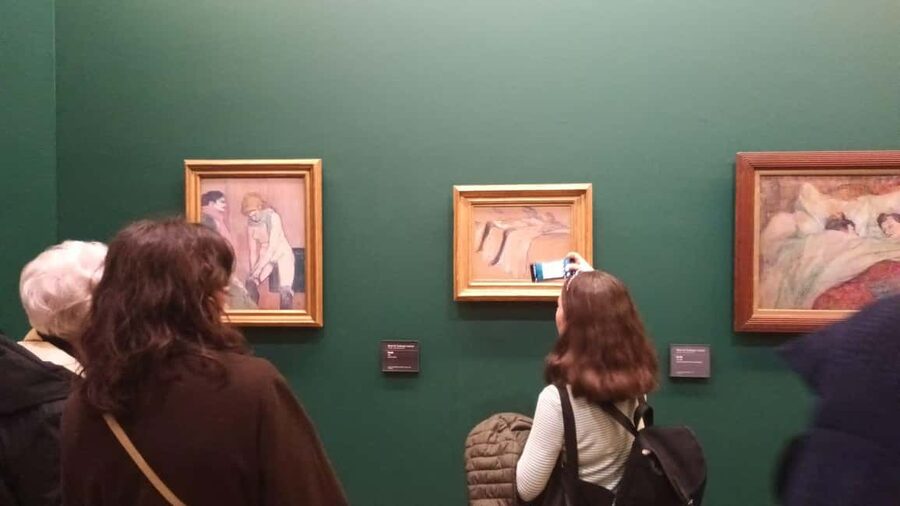
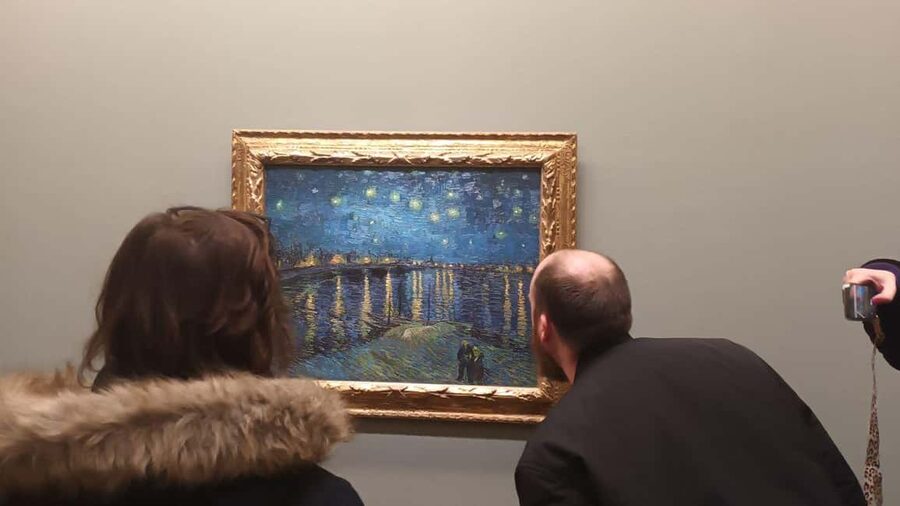
Vincent van Gogh adds a different tone to the visit. His work helps the guide explain the move from Impressionism toward Post-Impressionism, when artists began pushing personal expression, structure, and color even further.
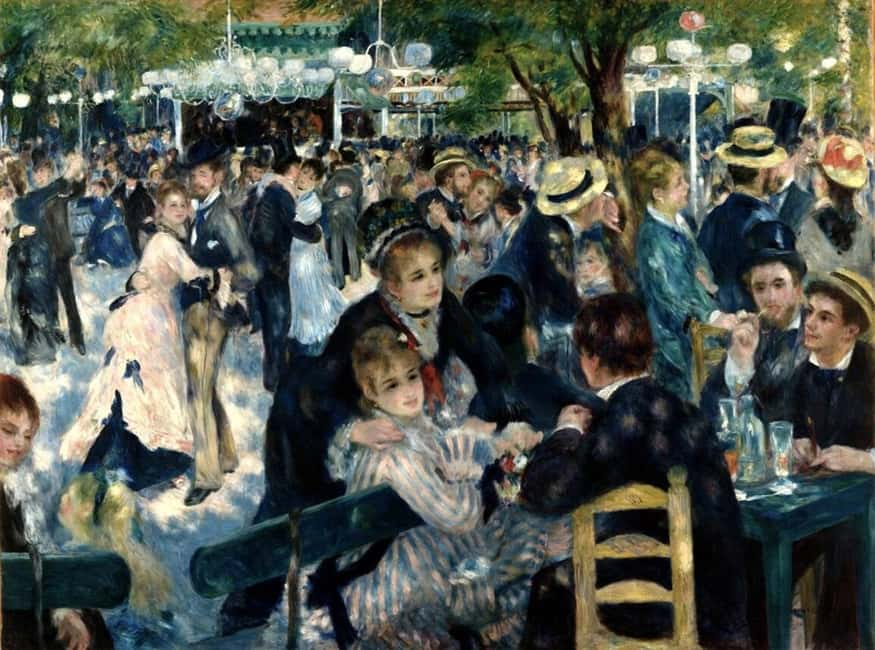
The tour includes Van Gogh alongside Monet, Degas, Renoir, Cézanne, and Gauguin. That lineup lets you compare artists rather than treating each painting as an isolated treasure. You can watch how one movement opens the door for another, and how artists borrowed ideas while taking them in new directions.
Van Gogh is also a useful reminder that these movements were not neat boxes. Artists did not all paint in one approved style, and the guide can point out the different goals behind their methods. You may find the most useful moments are not the famous names themselves, but the links between them.
One verified booking review specifically praises Martina for detailed, engaging explanations and for making the visit exceptional. Another describes the guide as very competent and pleasant. Those comments suggest that the guide’s delivery is a major part of the value, especially for anyone who wants more than a quick list of dates and labels.
Degas, Renoir, Cézanne, and Gauguin in one route
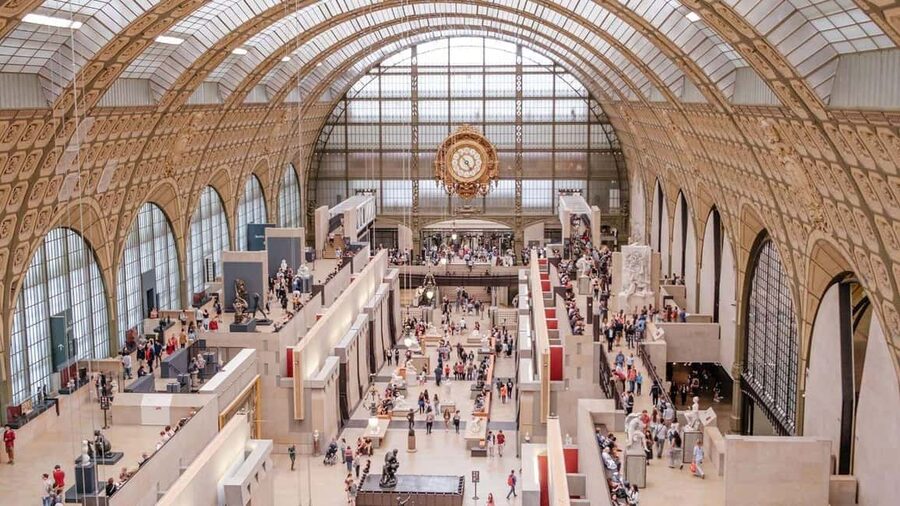
The tour also includes Edgar Degas, Pierre-Auguste Renoir, Paul Cézanne, and Paul Gauguin. That gives you a broad look at the museum’s 19th-century collection in two hours.
Degas and Renoir help broaden the Impressionist story beyond Monet’s outdoor scenes. Cézanne is important for seeing how a painter could take Impressionist ideas in a more structured direction. Gauguin adds another example of an artist seeking a strong personal language rather than following a single group formula.
You should not expect to study every gallery or every major painting in the museum. Two hours imposes a firm limit, and a guided route must select. That is not a flaw if you want an introduction, but it can feel brief if you already know the collection well.
I would treat the visit as a strong first pass. Make note of the artists and works that catch your eye, then return independently if the museum schedule and your ticket arrangements allow it. The guided portion gives you a framework. Your own second look can be slower and more selective.
The value of the guide’s explanations
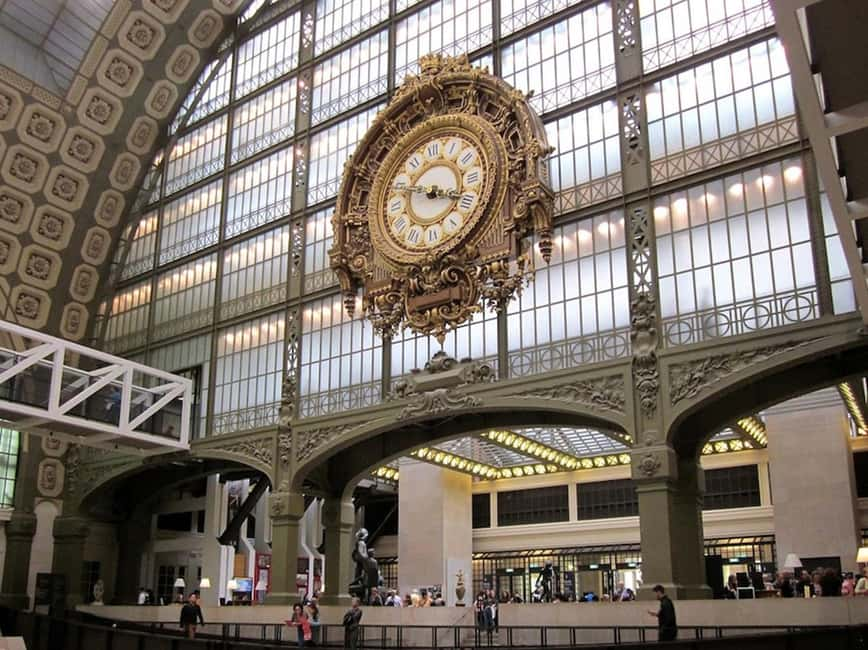
The tour is sold on access to art, but the guide is what turns access into an experience. You are not paying $95 simply to enter a building and look at famous paintings. You are paying for a small-group explanation, a selected route, and the chance to ask questions in real time.
That price makes the tour most useful for someone who values interpretation. If you already have a strong background in Impressionist art and enjoy reading wall labels, independent admission may cost less. If you want help making sense of the collection, the guide can save you from spending two hours wandering without a plan.
The feedback connected with Martina is particularly useful here. She was praised for being both highly competent and kind, and for explaining the works in detail while keeping the visit engaging. Those are the qualities to hope for in a museum guide: clear enough for a beginner, but not so basic that an art lover becomes bored.
The tour is available in English, Spanish, Italian, and French. Choose the language in which you can comfortably discuss art, since the value of a small group depends on being able to follow and respond.
Is $95 a fair price for two hours?
At $95 per person, this is not a budget museum visit. The fair question is not simply how much the entrance costs. Ask what you want from your two hours inside.
The price is easier to justify if you:
- Prefer a small group to a crowded public tour.
- Want an expert to select important works for you.
- Like asking questions as you go.
- Are visiting Paris for a short time and want an efficient introduction.
- Find art museums more rewarding with historical and technical context.
The price is harder to justify if you:
- Prefer wandering at your own pace.
- Plan to spend half a day studying one artist.
- Already know the Musée d’Orsay well.
- Want a private guide, since this is semi-private rather than fully private.
- Are mainly interested in entering the museum at the lowest possible cost.
A private tour option is available when booking, but it will be a different price and format. The standard experience gives you a personal feel without the full cost of a one-to-one visit.
Timing, entry, and practical limits
The tour lasts two hours, with starting times depending on availability. Reserved entrance is included, which should make arrival simpler than joining an unplanned museum visit. Even so, queues can be longer during holidays or national celebrations. Do not assume reserved entry means no waiting under every condition.
There is no food or drink included. Plan accordingly, especially if you are building a full day around the museum. The experience begins and ends at the Musée d’Orsay, so you can arrange your next Paris stop from there without needing a transfer.
The tour information contains a practical contradiction about mobility. One section describes the activity as wheelchair accessible, while another says it is not suitable for people with mobility impairments or wheelchair users. If this affects you, contact the provider before paying and get a clear answer about the route, entrances, and facilities. Do not rely on the general accessibility label alone.
You can cancel up to 24 hours in advance for a full refund, and the reserve-now, pay-later option gives you some flexibility while plans are still shifting. Those policies are useful for a Paris trip with several moving parts, but they do not remove the need to check the starting time before you commit your day.
Who will get the most from this visit?
I would recommend this tour to a first-time Musée d’Orsay visitor who wants structure without joining a large crowd. It should also suit couples, families with older children, and solo visitors who enjoy conversation while looking at art.
It is a good match for anyone curious about how Impressionism developed. The focus on artistic rebellion gives the tour a clear story, while the mix of Monet, Van Gogh, Degas, Renoir, Cézanne, and Gauguin gives you plenty of styles to compare.
I would be more cautious if you have limited mobility until the accessibility question is settled. I would also skip the guided format if your main pleasure comes from quiet, unhurried looking. Two hours with a guide has a purpose and a pace. It is not the same as spending an entire afternoon alone with the collection.
Should you book the Musée d’Orsay small-group tour?
Book it if you want the museum’s famous artists explained by a guide in a group of six or fewer. The small size, four language choices, reserved entrance, and clear focus on Impressionism make it a practical introduction. Martina’s praised style, detailed, engaging, competent, and pleasant, is exactly the kind of guidance that can make the $95 price feel worthwhile.
Skip it if you already know the museum well, need a very slow visit, or are watching every euro. Before booking, confirm the accessibility arrangements and check the date for possible holiday queues. For a curious first visit with limited time, this is a focused way to meet the Musée d’Orsay rather than simply pass through it.
FAQ
How long does the Musée d’Orsay tour last?
The guided tour lasts two hours.
Where does the tour meet?
Meet the guide in front of the rhinoceros statue, directly in front of the Musée d’Orsay entrance. The guide will be holding a GetYourGuide sign.
Where does the tour end?
The tour ends back at the Musée d’Orsay.
How many people are in the group?
The semi-private group is limited to six participants.
Which artists are included?
The tour covers works by Monet, Van Gogh, Degas, Renoir, Cézanne, and Gauguin, among others.
Which languages are available?
The live guide is available in English, Spanish, Italian, and French.
Is museum entry included?
The experience includes reserved entrance to the museum. Queues can still be longer than usual during holidays or national celebrations.
What should I bring, and what cannot I bring?
Bring a charged smartphone. Weapons, sharp objects, oversize luggage, large bags, and glass objects are not allowed.
Can I cancel the booking?
Yes. You can cancel up to 24 hours in advance for a full refund. The reserve-now, pay-later option is also available.
Is the tour suitable for wheelchair users?
The information is inconsistent. One section describes the activity as wheelchair accessible, while another says it is not suitable for wheelchair users or people with mobility impairments. Contact the provider before booking to confirm the current arrangements.
Just added around Paris
- Paris Day Tour with Eiffel Tower, Louvre and Cruise Max 6 People★ 4.5 · 29 reviews
- PRIVATE Louvre Wonders & Hidden Treasures Visit★ 5.0 · 65 reviews
- d’Orsay Museum Paris entry ticket★ 3.5 · 31 reviews
- visiting the masterpieces of impressionists at Orsay museum★ 5.0 · 7 reviews
- Louvre Museum with private guide★ 5.0 · 3 reviews
- Louvre Wheelchair-Accessible Private Tour – Stress-Free & Easy★ 5.0 · 16 reviews
- LOUVRE, Small Group Guided Tour in French (TOP SALES)★ 4.5 · 9 reviews
- Musée d’Orsay Highlights Tour with Gourmet Lunch★ 4.5 · 11 reviews
Art Museum Tours in Paris, compared.
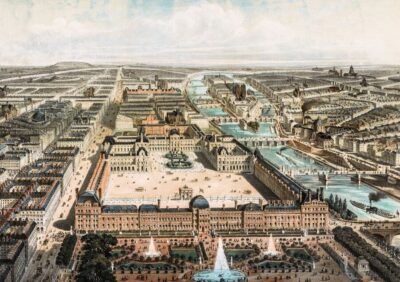
Louvre Guided Tour with Reserved Access & Boat Cruise
Read our review →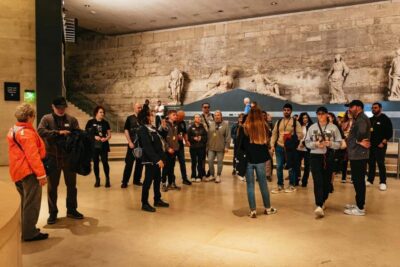
Louvre Overview, Exploration tour and Reserved Entry
Read our review →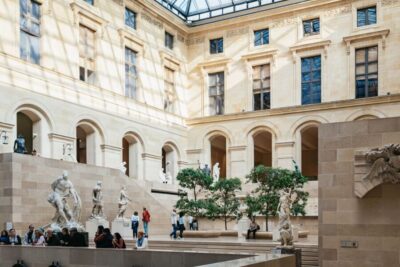
Louvre Museum Entry Ticket With Host and River Cruise
Read our review →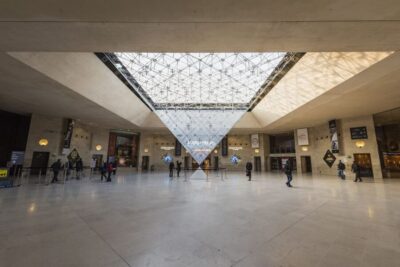
Mona Lisa & Louvre Masterpieces Tour with Reserved Access
Read our review →
Louvre Museum – Exclusive Guided Tour (Entry Included)
Read our review →
Louvre Museum Hosted Entry and Mona Lisa Audioguide
Read our review →Browse the lists this tour appears in