
REVIEW · PARIS
Paris: Musée d’Orsay A Private Tour – rebels passion colour
The most useful way to see the Musée d’Orsay is with a clear thread, and this tour gives you one: 19th-century artists breaking the rules. I like that Damien, an Irish artist and specialist decorator, explains the paintings through an artist’s eye rather than treating the museum as a parade of famous names. I also like the small private group, limited to six, and the unusually light audio equipment that lets you hear without standing shoulder to shoulder with the guide.
The main drawback is practical: the €16 museum ticket is extra, and popular entry times can sell out. You need to arrange your own admission through the museum website, or use a Paris Museum Pass. Still, for anyone who has felt lost inside the Orsay, the focused two-hour format can make the ticket and guide fee feel worthwhile.
Key points to know before booking
- The tour follows an artistic rebellion: Begin with the rival traditions of Delacroix and Ingres, then trace the changes through Courbet, Manet, Monet, and Cézanne.
- Damien brings an artist’s perspective: Your English-speaking guide is an Irish artist, specialist decorator, and Paris museum guide of ten years.
- The group stays private and small: The booking is for a private group of up to six people, not a large public walk.
- The final chapter reaches Van Gogh and Gauguin: Their difficult friendship and highly individual styles provide a dramatic finish.
- Museum admission costs extra: Plan on €16 for the museum ticket. Children under 18 enter free with ID, and EU students under 25 also enter free.
- The audio setup is practical: Headphones and receivers are supplied, and the equipment is compact and easy to hear in a crowded gallery.
Why the Musée d’Orsay works so well for this subject
The Musée d’Orsay is a natural home for a story about artists pushing against convention. Its collection concentrates on the 19th century and early modern period, so you can watch painting change within a relatively short historical span.
That matters because the Impressionists did not appear out of nowhere. Their loose brushwork, modern subjects, and interest in changing light grew out of arguments already taking place in French art. A good guide can show you the links instead of presenting Impressionism as a sudden, isolated invention.
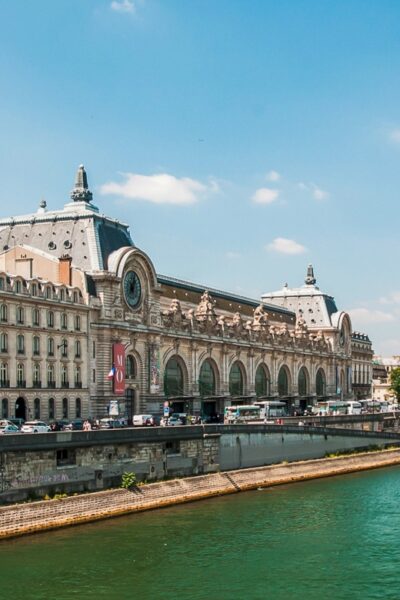
You will meet the museum outside, by the sculpture of the rhinoceros. Look for Damien wearing his guide badge. This is a simple meeting point, but it matters at the Orsay, where the broad building and nearby riverfront can make a first meeting less obvious than expected.
The tour lasts two hours. That is long enough for a well-shaped story, but not long enough to cover every major room or artist. I see this as a strength if you want direction rather than an exhausting museum marathon. You will leave with a framework for looking, not a checklist of every masterpiece.
More Art Museum Tours in Paris
- Paris: Louvre Museum Timed-Entrance Ticket
★ 4.6 · 71,977 reviews - Paris: Orsay Museum Entry Ticket
★ 4.7 · 25,647 reviews - Paris: Louvre Guided Tour with Reserved Access & Boat Cruise
★ 4.3 · 16,353 reviews
Starting with Delacroix and Ingres in the 1840s
The tour begins with the French Salons of the 1840s, a useful starting point because the Salons shaped what official art should look like. Damien sets up the opposition between Eugène Delacroix and Jean-Auguste-Dominique Ingres, two masters associated with very different artistic values.
Ingres represents controlled drawing, polished surfaces, and respect for classical standards. Delacroix brings more movement, emotional force, and expressive color. Setting them beside each other helps explain the pressure placed on younger artists who wanted to paint the modern world in a less obedient way.
This opening is not just background. It gives you a pair of questions to carry through the museum: Should painting aim for ideal beauty and technical control, or should it show sensation, emotion, and life as it is? The artists later in the tour keep answering those questions in new ways.
You might find this part less immediately familiar than the Impressionist galleries. That is also its value. If you rush straight to Monet’s water lilies, you can miss why Monet and his friends seemed so disruptive in the first place.
Courbet and the choice to challenge respectable art
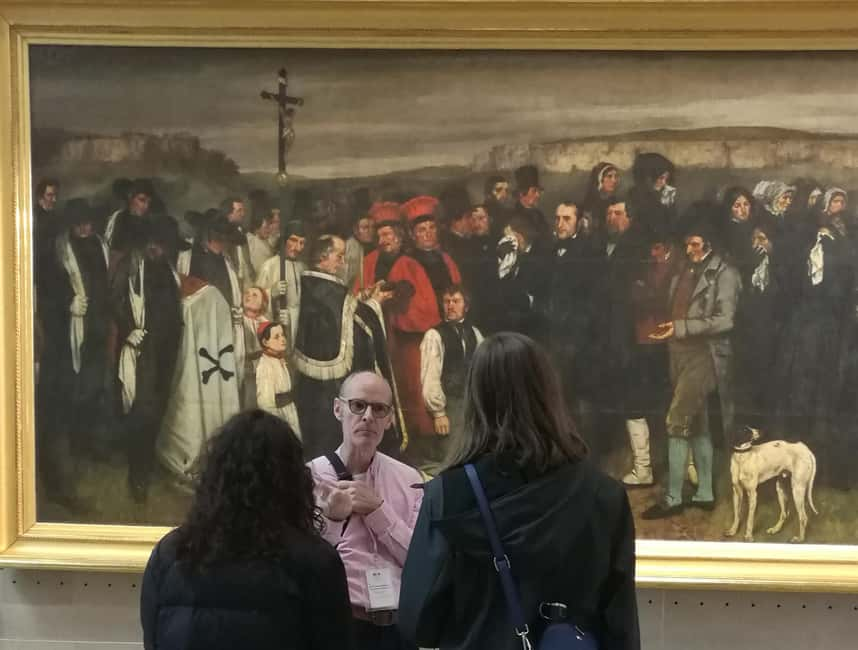
Gustave Courbet is one of the clearest rule breakers in the tour. His work helped move French art away from the idea that important painting had to show ancient heroes, grand history, or polished ideals.
Courbet treated ordinary people and everyday subjects as worthy of serious attention. That choice could be confrontational, especially when the accepted art world preferred subjects that looked noble or morally uplifting.
I like having Courbet in this story because he makes rebellion concrete. Artistic change is not only about brushstrokes. It is also about deciding what deserves to be painted, how large it should be, and who gets to appear as the main subject.
Damien’s artist background should be especially useful here. Instead of simply telling you that Courbet was controversial, he can point toward the decisions that create that feeling on the canvas. You begin to see rebellion as a series of practical choices rather than a label attached after the fact.
Manet and the shock of modern life
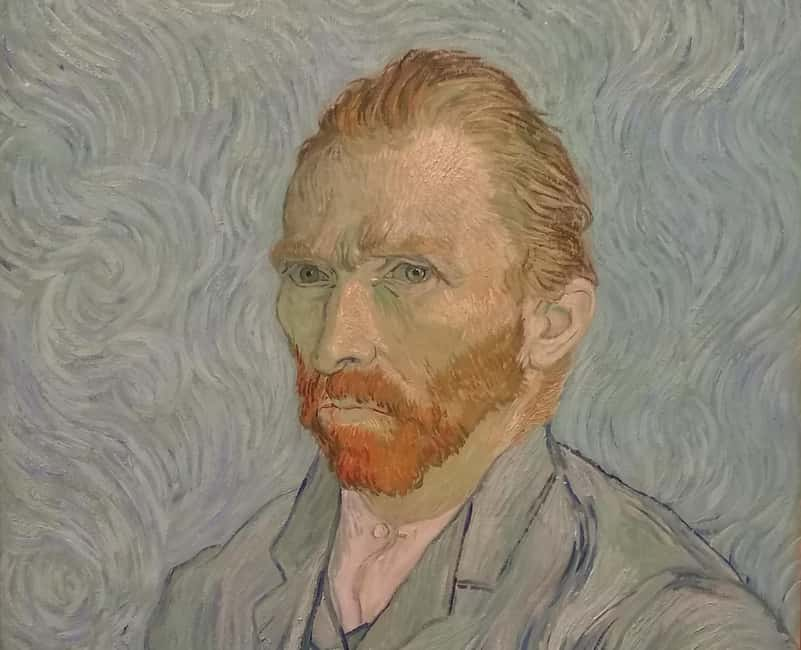
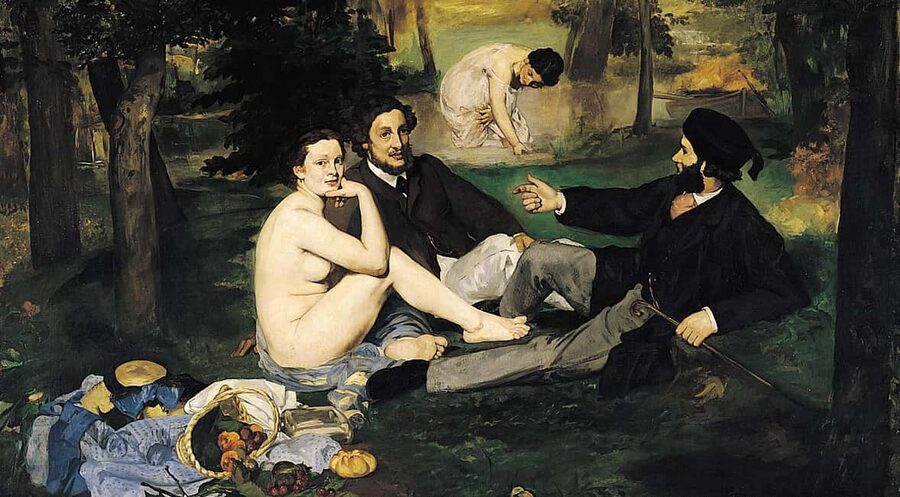
Édouard Manet sits close to the center of the museum’s story. He drew from earlier masters but refused to behave like a traditional painter. His work can look familiar now, yet the choices that once upset the French public become easier to spot when someone explains them in context.
Manet helped bring modern Paris and modern social life into serious painting. His figures do not always fit the smooth, idealized world expected by official art. The awkwardness is part of the point.
This is where the tour’s theme of French fondness for the rebel becomes especially engaging. Manet was not simply tossing rules aside. He knew the old tradition well, then used it in unexpected ways. That tension makes his work more interesting than a simple story of old art versus new art.
You may have seen Manet before and thought you understood the basic facts. A private guide can slow the experience down and direct your attention to small choices you might otherwise overlook. One useful piece of feedback about this tour is that the guide pointed out details that were easy to miss alone, a real advantage in a museum where many galleries compete for your attention.
More Orsay tours and tickets:
- Paris: Orsay Museum Entry Ticket and Digital Audio Guide App
★ 4.4 · 3,170 reviews - Paris in a Day: Louvre or Orsay, Eiffel Tower, City Walk & Cruise
★ 5.0 · 1,956 reviews - Paris: Musée d’Orsay Skip-the-Line Tour with Expert Guide
★ 4.5 · 1,145 reviews - Musée d’Orsay Skip-the-Line Tour with Expert Guide
★ 4.8 · 1,088 reviews
The Impressionist revolution and its slow acceptance
The Impressionist section is likely the part many people anticipate, but the tour does not treat Impressionism as a collection of pretty outdoor scenes. It explains why the movement felt radical at the time and why the French public initially rejected it.
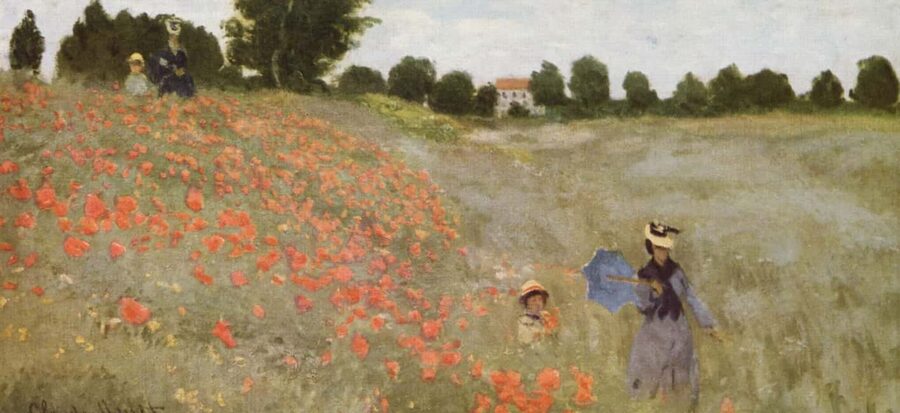
Impressionist painters cared about changing light, quick visual impressions, and scenes from contemporary life. Their surfaces could look unfinished to viewers trained to admire smooth, carefully resolved painting. The loose handling was not laziness. It was tied to the idea that perception changes from moment to moment.
Monet is central to this shift. His work asks you to notice atmosphere, color, and the effect of light rather than search for a single hard outline around every object. Seen after the earlier arguments between Ingres and Delacroix, this approach feels like part of a long debate rather than a sudden break.
The tour also makes clear why the movement was first resisted. The public was not simply refusing beauty. Many people had learned to judge painting by standards that Impressionism intentionally unsettled. A guide can help you understand that first reaction without treating it as foolish.
This is one of the best reasons to choose a guided visit. Alone, you may recognize Monet’s name and admire the color. With a coherent explanation, you can see the social and artistic risk behind the surface.
Cézanne and the road toward a more personal art

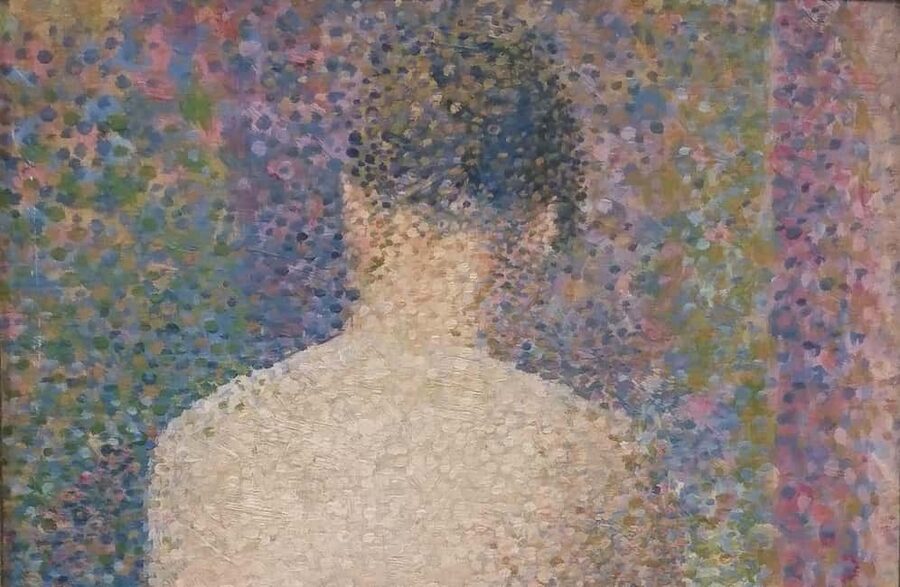
Paul Cézanne brings another kind of rebellion. His work does not depend on the same quick visual effect associated with Monet. Instead, he shows how an artist can use nature and familiar subjects to build a private, highly personal structure.
Cézanne can be challenging at first glance. The forms may look slightly unsettled, and the painting may not offer the easy finish you expect from academic art. That is precisely why he belongs in this sequence. He pushes the idea that a painting does not need to imitate the visible world in a straightforward way.
For you, the benefit of seeing Cézanne after Courbet, Manet, and Monet is the chance to notice several kinds of independence. Courbet challenges subject matter. Manet challenges convention and presentation. Monet challenges the way light and vision are recorded. Cézanne questions how solid form itself can be built on a canvas.
A two-hour tour cannot give every artist equal time. If Cézanne is your main interest, you may want to ask Damien at the beginning how much attention can be given to him. The private format makes that kind of question possible.
Ending with Van Gogh and Gauguin
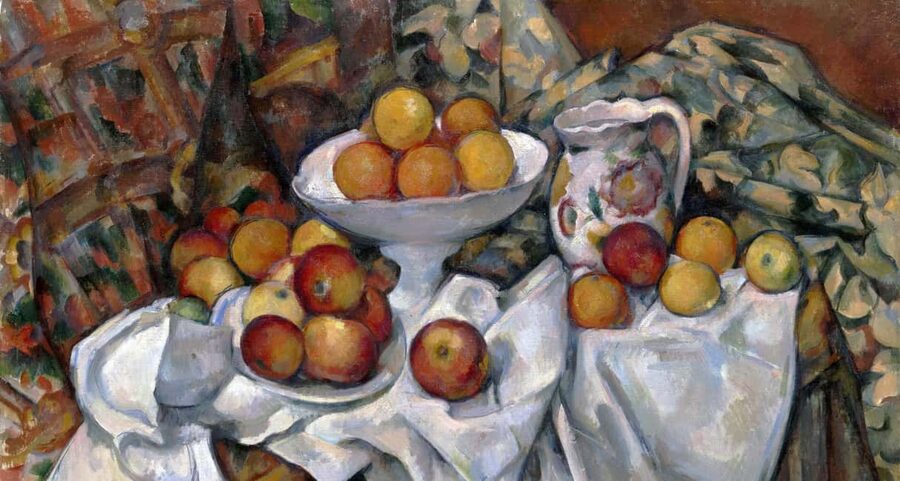
The final section turns to Vincent van Gogh and Paul Gauguin, described as two tempestuous friends with strongly individual styles. Their relationship gives the tour an emotional ending, but the important point is artistic independence.
By this stage, the old rules have been challenged several times. Van Gogh and Gauguin do not merely continue Impressionism. They use color, line, and brushwork to express something more personal and forceful.
Van Gogh’s paintings can seem instantly recognizable, but familiarity can make you look too quickly. A guide can bring your attention back to the decisions behind the famous style: how color carries feeling, how brushwork directs your eye, and how a scene becomes an expression of the painter as much as a record of the subject.
Gauguin offers a different kind of individuality. Placing the two together helps you compare their aims rather than flattening both into a general story about troubled artists. The contrast makes a strong finish for a tour about personal freedom in art.
The ending also gives you a useful way to remember the entire visit. You start with institutions and accepted standards, then move through artists who question subject matter, technique, public taste, and finally the idea that art should imitate the world at all.
How the private format changes the visit
A private group of no more than six people is a major part of the value. You are not trying to keep up with a large crowd, and you can ask a question without interrupting a formal lecture.
The guide can also adjust the pace. If you want more context on Manet or need a clearer explanation of Impressionist technique, you have a better chance of getting it than on a fixed public tour. That flexibility is particularly helpful for couples, families, or a small group with different levels of art knowledge.
The audio receivers are supplied and used during the tour. One practical detail matters here: the equipment is described as slim and easy to hear, even when other people are nearby. At the Orsay, that can save you from standing directly beside the guide for two hours.
You will still be inside a public museum. The galleries may be crowded, and the tour cannot control how long other visitors remain in front of a painting. Headphones help, but they do not create a private room around you. Comfortable shoes are a sensible choice.
The tour is wheelchair accessible. Babies under one year are not considered suitable for this experience, and selfie sticks and flash photography are not allowed.
Is $141 a fair price?

The tour costs $141 per person, with museum entry separate. The standard museum ticket is listed at €16, so the total outlay is noticeably higher than simply walking into the Orsay on your own.
The value depends on how you use the museum. If you already know the collection well and prefer reading labels at your own pace, the added cost may not suit you. You can save the guide fee by visiting independently, though you will need to build your own route and artistic context.
I think the price makes more sense for a first visit, a short stay in Paris, or anyone who felt overwhelmed by the Orsay before. The museum is large enough to reward planning, and two hours with an artist-guide can prevent you from spending most of your visit wandering between famous paintings without knowing how they connect.
You also receive a private experience rather than a seat in a large group. For two or three people, the per-person price may feel easier to justify than for a full group of six. If your party includes children under 18, their free museum entry with ID lowers the total cost, though the guide price still applies as booked.
EU students under 25 enter the museum free with valid proof. A Paris Museum Pass is also accepted. Check admission availability before settling on the tour time, especially in the high season. The guide can be contacted by WhatsApp or text, and if you are trying to arrange a visit less than 24 hours ahead, you can message to confirm availability.
Who will get the most from Damien’s tour?
I would choose this for someone who wants art explained in plain language, with enough history to make the paintings feel connected. It is a good match if you enjoy hearing why a work was controversial, not just learning its title and date.
It also suits a repeat museum visitor who saw the Orsay alone but came away overloaded. The guided structure can help you notice details you missed and understand why the Impressionist movement mattered beyond its familiar colors.
Families can use the private format to ask questions without worrying about holding up a public group. Children under 18 need ID for free museum entry, and comfortable shoes remain important for everyone.
This is less suited to someone who wants a complete survey of the Orsay or a long, specialist lecture on one painter. Two hours gives you a strong route through the collection, but it requires selectivity.
Should you book this Musée d’Orsay tour?
Book it if you want the museum to tell a clear story about artistic rebellion, from Delacroix and Ingres through Courbet, Manet, Monet, Cézanne, Van Gogh, and Gauguin. Damien’s combination of working artist, decorator, and long-time Paris museum guide is a good fit for that subject, and the small group plus compact audio equipment makes the visit easier to follow.
Think twice if you mainly want the cheapest possible museum entry or prefer to roam without a set argument. Remember to buy the museum ticket separately, meet at the rhinoceros sculpture outside, and check admission before your chosen time.
For a first visit or a return visit that felt scattered, this is a focused and personal way to make sense of one of Paris’s most rewarding museums.
FAQ
How long does the Musée d’Orsay tour last?
The private tour lasts two hours.
Who is the guide?
The guide is Damien, an Irish artist and specialist decorator who has also worked as a Paris museum guide for the past ten years.
What language is the tour in?
The tour is conducted in English.
How many people can join the private tour?
The private tour is limited to six people.
Is the Musée d’Orsay entrance ticket included?
No. Museum admission is separate and can be purchased through the orsay.fr website. The listed ticket price is €16.
Do children enter the museum for free?
Yes. Children under 18 enter free with identification. EU students under 25 also enter free with valid proof.
Can I use a Paris Museum Pass?
Yes. A Paris Museum Pass is valid for museum entry.
Where do I meet the guide?
Meet outside the museum by the sculpture of the rhinoceros. Damien will have a guide badge.
Is the tour wheelchair accessible?
Yes, the activity is wheelchair accessible. Babies under one year are not considered suitable for the tour.
Just added around Paris
- Paris Day Tour with Eiffel Tower, Louvre and Cruise Max 6 People★ 4.5 · 29 reviews
- visiting the masterpieces of impressionists at Orsay museum★ 5.0 · 7 reviews
- PRIVATE Louvre Wonders & Hidden Treasures Visit★ 5.0 · 65 reviews
- d’Orsay Museum Paris entry ticket★ 3.5 · 31 reviews
- Louvre Museum with private guide★ 5.0 · 3 reviews
- Louvre Wheelchair-Accessible Private Tour – Stress-Free & Easy★ 5.0 · 16 reviews
- LOUVRE, Small Group Guided Tour in French (TOP SALES)★ 4.5 · 9 reviews
- Musée d’Orsay Highlights Tour with Gourmet Lunch★ 4.5 · 11 reviews
Art Museum Tours in Paris, compared.
Louvre Guided Tour with Reserved Access & Boat Cruise
Read our review →
Louvre Overview, Exploration tour and Reserved Entry
Read our review →
Louvre Museum Entry Ticket With Host and River Cruise
Read our review →
Mona Lisa & Louvre Masterpieces Tour with Reserved Access
Read our review →
Louvre Museum – Exclusive Guided Tour (Entry Included)
Read our review →
Louvre Museum Hosted Entry and Mona Lisa Audioguide
Read our review →Browse the lists this tour appears in