
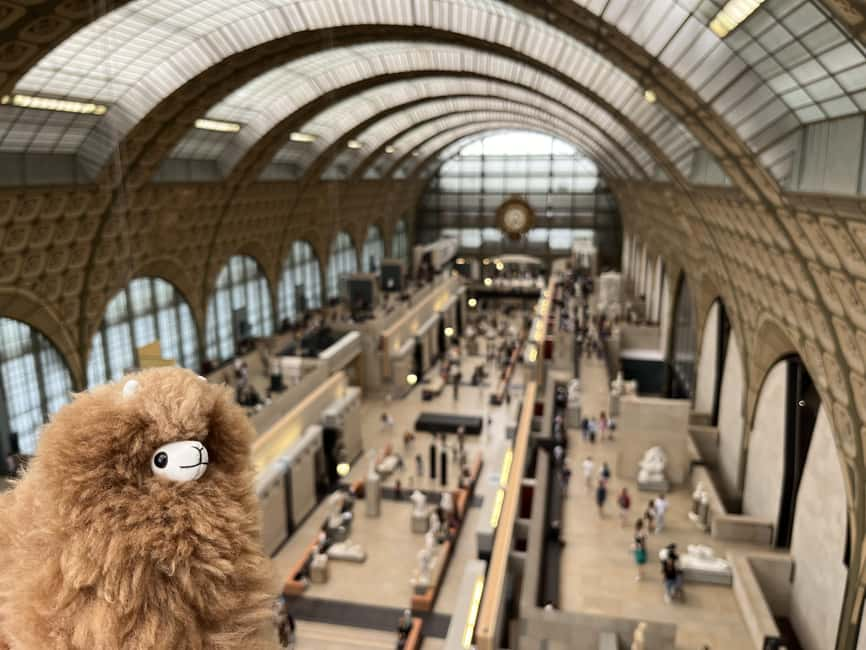
REVIEW · PARIS
Orsay Museum: Museum Ticket Entry & 2h Private Guided Tour
The best thing about this tour is its private format inside one of Paris’s great museums. Instead of trying to make sense of Orsay’s large collection on your own, you can ask your guide to focus on Impressionism, Van Gogh, Manet, or the artists and ideas that interest you most.
I like the chance to study famous works with a guide such as Alessia or Dani, both praised for clear, passionate explanations. I also like the museum setting itself: a former 1900 train station turned art museum. The main caution is timing. A private tour should feel relaxed, but one visit ended after about 80 minutes, and late guide arrivals have caused frustration.
Key points to know before booking
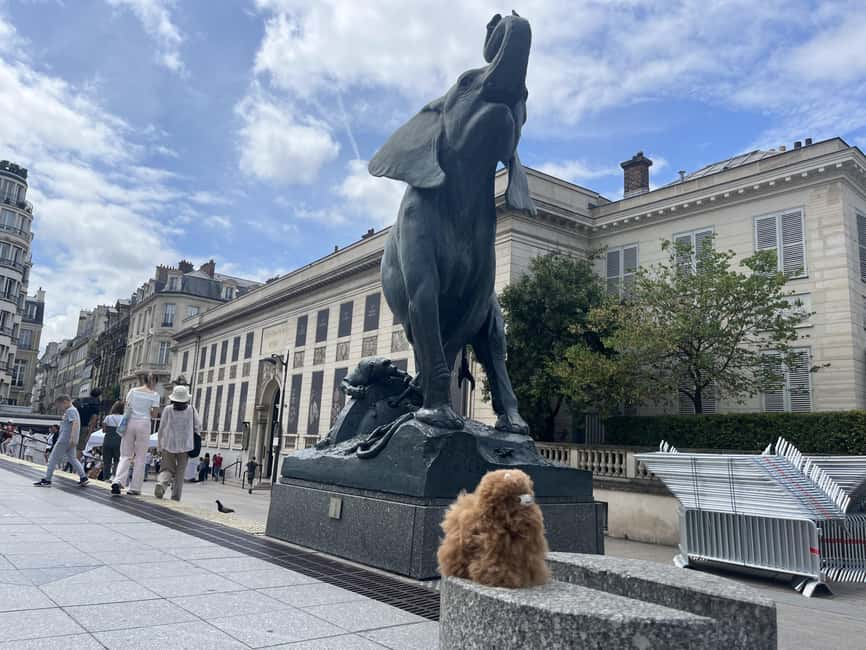
- A former train station full of French art: Orsay occupies a grand 1900 railway building converted into a museum in 1978.
- Private attention: Your group has a guide rather than joining a large shared party.
- Strong focus on Impressionism: Expect works by Monet, Renoir, Manet, Van Gogh, and Cézanne.
- Guides in eight languages: Available languages include English, French, German, Italian, Spanish, Russian, Japanese, and Korean.
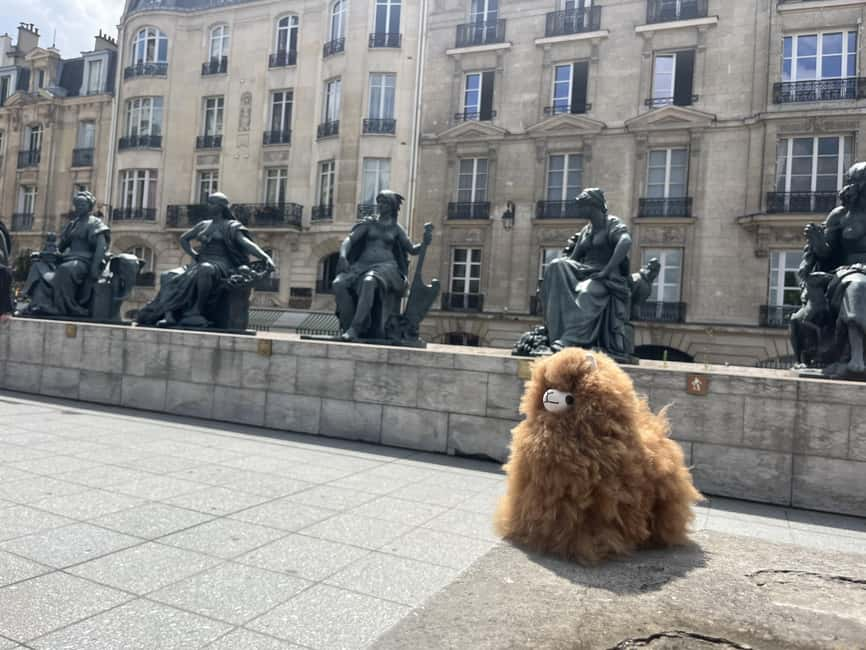
- Plan to arrive early: Meet beside the six Continents statues, to the right of the main entrance, 20 to 30 minutes before the start.
- Good flexibility, but check the details: Cancellation is free up to 24 hours ahead, and you can reserve now and pay later.
Why Orsay works so well with a private guide
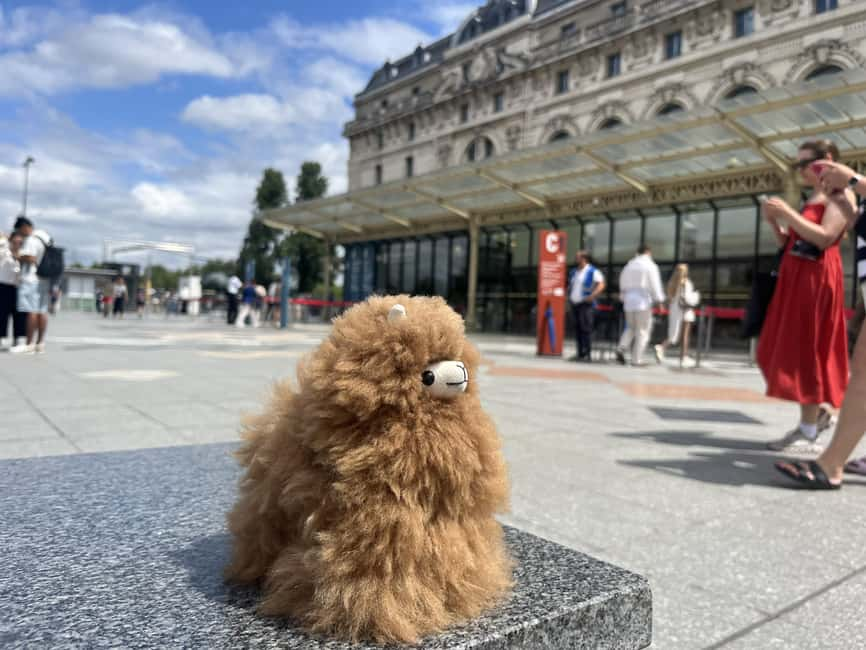
The Musée d’Orsay covers a crucial period in French art, from 1848 to 1914. That is a lot of ground for one museum, and it includes several major changes in painting: academic traditions giving way to new subjects, looser brushwork, brighter color, and more personal ways of seeing everyday life.
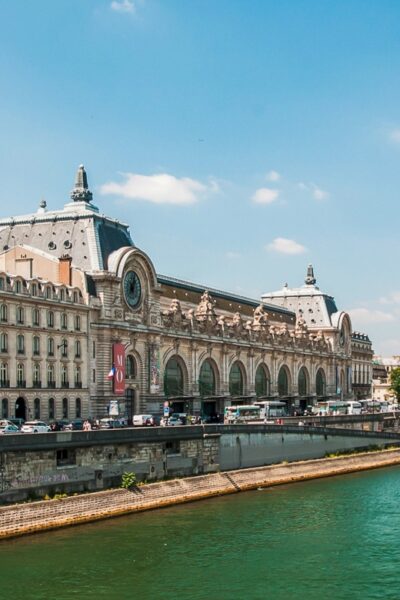
I like Orsay because the building gives the visit a clear sense of place before you even study a painting. It began as a railway station for the 1900 World’s Fair era and later became a museum. The old station structure helps explain why the collection feels broad and dramatic rather than arranged like a small specialist gallery.
A private guide can help you connect artists who are often treated as separate names on a wall label. Monet and Renoir are not simply painters of pretty scenes. Manet challenged accepted ideas about what deserved to be painted and how a picture should look. Van Gogh pushed color and brushwork toward something more emotional and personal. Cézanne helped point art in a new direction.
That context matters because the paintings are not isolated decorations. They came from a period when many artists were working against established taste. Your guide is expected to discuss their intentions, methods, use of color, and personal lives, while also explaining why some of their work met resistance at first.
More Art Museum Tours in Paris
- Paris: Louvre Museum Timed-Entrance Ticket
★ 4.6 · 71,977 reviews - Paris: Orsay Museum Entry Ticket
★ 4.7 · 25,647 reviews - Paris: Louvre Guided Tour with Reserved Access & Boat Cruise
★ 4.3 · 16,353 reviews
Meeting at the six Continents statues
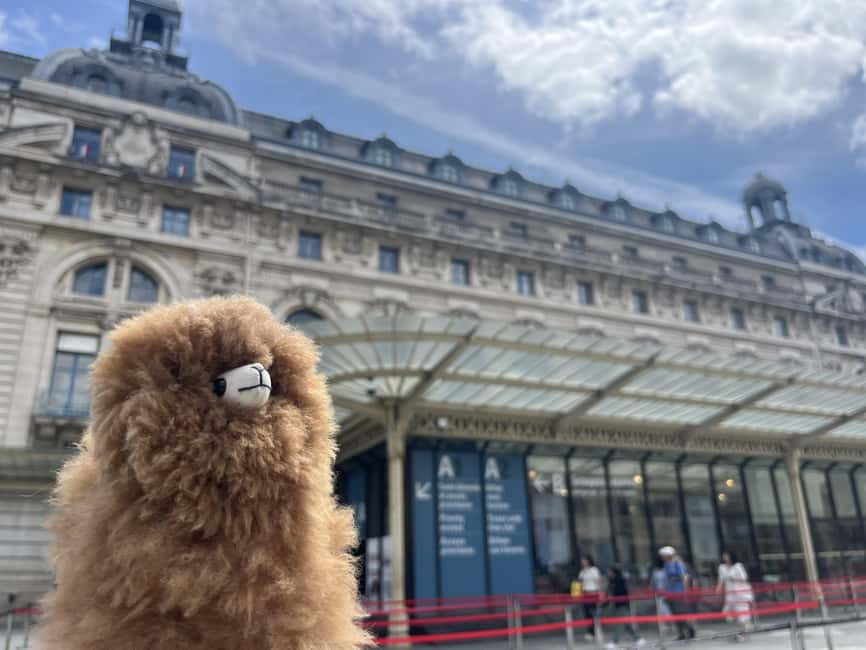
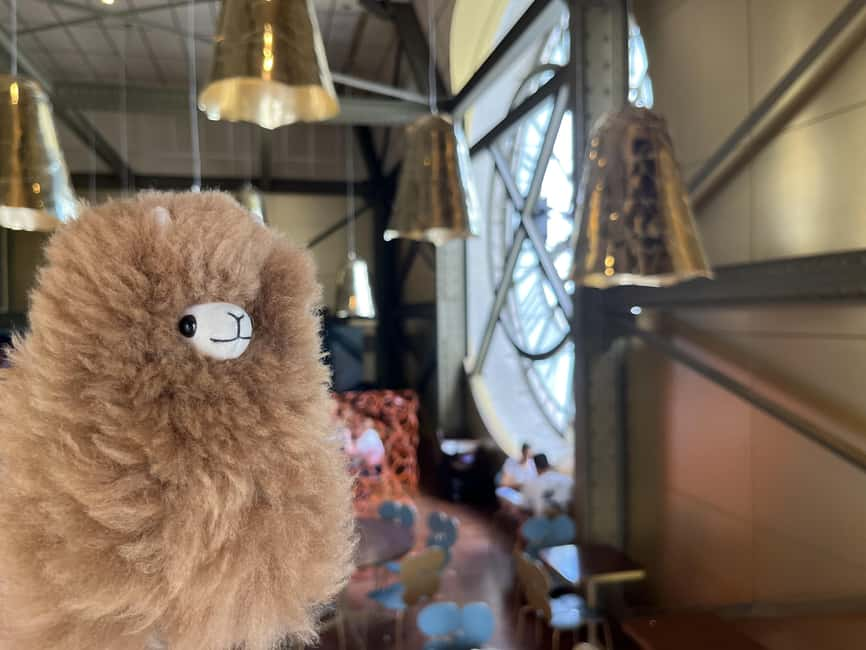
Your meeting point is outside the museum, next to the six statues representing the Continents. They are to the right of the main entrance, and the guide will be holding a Mr. Llama mascot.
This is a useful landmark, but give yourself plenty of time to find it. The instructions ask you to arrive 20 to 30 minutes early. That buffer matters in Paris, where a few minutes spent checking the wrong entrance can put you under needless pressure.
The guide is responsible for meeting you there and taking care of the museum entry. Still, I would not arrive at the exact start time. The experience has had one late arrival, and another booking involved guide arrangements being confirmed very close to the tour date. Early arrival gives you a better chance to sort out a problem before your museum time begins.
The tour includes museum admission, but it does not include a separate skip-the-line station. That wording is important. You should not book this expecting a special fast-track service beyond the entry arrangements supplied with the tour.
Inside a former railway station
Orsay’s setting is part of the visit, not just a container for paintings. The building began life as a train station in 1900 and was converted into a museum in 1978. That unusual past gives the museum an architectural identity different from the grand palace feel of the Louvre.
A guide can help you notice how the building shapes your movement through the collection. You begin with the sense of a large public hall, then move toward paintings from the 19th and early 20th centuries. The setting makes the museum feel tied to modern Paris, travel, industry, and the changing pace of city life.
The supplied information does not promise a fixed list of rooms or artworks in a strict order. That is actually useful in a private tour. The guide can adapt the route to your interests, though you should tell the operator what you want in advance if a certain artist matters most.
If you have only a short time in Paris, this format can save you from wandering without a plan. If you already know Orsay well, ask for a more selective visit rather than a basic introduction.
The art focus: Manet, Monet, Renoir, Van Gogh, and Cézanne
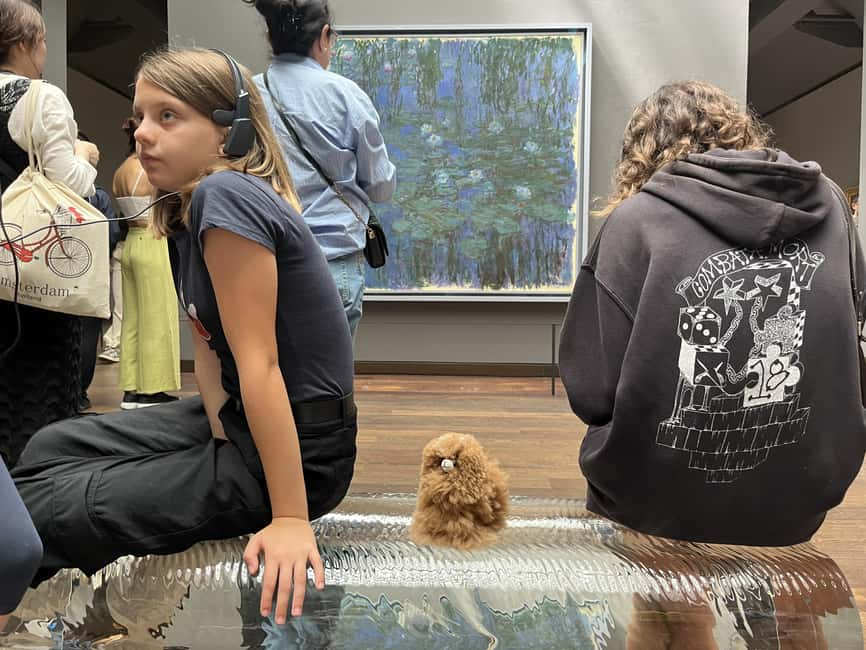
The tour centers on French painting from 1848 to 1914, with special attention to Impressionism and Post-Impressionism. Those labels are broad, but they give you a helpful path through Orsay’s collection.
Manet is an especially useful starting point. His work sits close to the break between older academic standards and the more direct, modern painting that followed. Ask your guide how Manet handled subject matter, surface, and public expectations. His paintings can help you see why later artists felt free to challenge convention.
Monet and Renoir offer another route into the period. Their work gives the guide a chance to explain light, quick brushwork, changing conditions, and the choice to paint modern life rather than only official historical subjects. You may find that a private explanation makes familiar images easier to read. Instead of simply noticing the colors, you can consider how the painter built the effect.
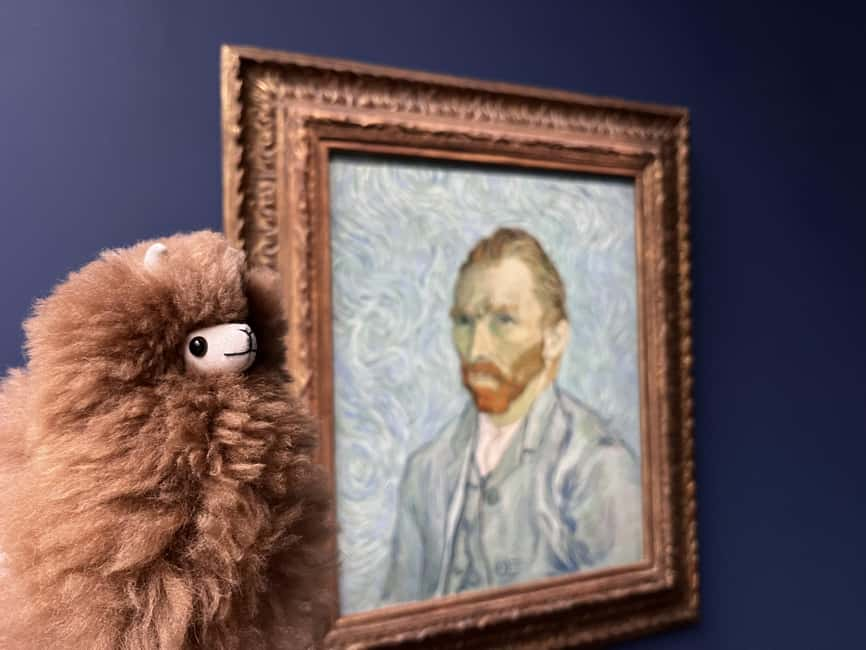
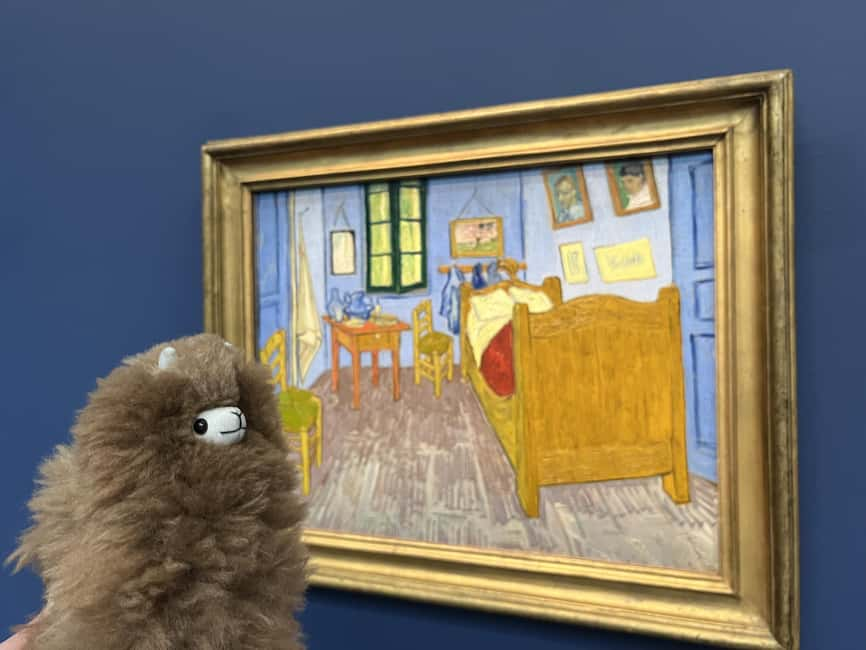
Van Gogh is one of the main draws for this experience. His paintings invite discussion of forceful brushwork, intense color, and the personal pressure behind the work. A guide can keep the conversation from becoming only a story about suffering. The stronger approach is to connect his private life with his decisions as a painter, without losing sight of the actual canvas.
Cézanne gives the tour another kind of balance. His paintings can prompt a discussion of structure, form, and the way an artist can simplify what he sees. Put beside Monet, Manet, or Van Gogh, he helps you understand that late 19th-century painting was not moving in just one direction.
The stated highlights also include the artists’ techniques and color palettes. That is where a private guide can add real value. You can ask why a particular color was used, how a surface was built, or what makes one artist’s brushwork different from another’s.
More Orsay tours and tickets:
- Paris: Orsay Museum Entry Ticket and Digital Audio Guide App
★ 4.4 · 3,170 reviews - Paris in a Day: Louvre or Orsay, Eiffel Tower, City Walk & Cruise
★ 5.0 · 1,956 reviews - Paris: Musée d’Orsay Skip-the-Line Tour with Expert Guide
★ 4.5 · 1,145 reviews - Musée d’Orsay Skip-the-Line Tour with Expert Guide
★ 4.8 · 1,088 reviews
What a two-hour visit can realistically cover
The advertised duration is two to three hours. That is enough time for a guided introduction to the museum and a focused group of important works, but not enough to study every major section at length.
I would think of the tour as a guided framework. Your guide can introduce the museum, explain the main artistic shift from 1848 to 1914, and spend meaningful time with selected paintings. Afterward, you may have a clearer plan for returning to works that caught your eye.
One particularly useful detail is that Dani continued for more than two hours and then offered advice for carrying on independently. That is the right way to use a short museum tour. Let the guide handle the big picture and the key works, then use any remaining time to revisit rooms at your own pace.
The experience can also be shorter than expected. One booking finished at 10:50 after starting at 9:30, despite being sold as a two-hour tour. That does not mean every visit will be rushed, but it is a reason to confirm the planned duration at the start.
Private touring gives you a chance to speak up. If the guide moves quickly, ask to slow down. If you are less interested in biography and more interested in technique, say so. The provider says the experience can be customized, and you should take that offer seriously.
The guides and the importance of language
The tour offers live guiding in English, French, German, Italian, Spanish, Russian, Japanese, and Korean. That range makes the experience practical for many visitors, but you should confirm your requested language before the day of the visit.
Guide quality appears to depend heavily on the individual. Alessia received strong praise for clear explanations and enthusiasm. Dani was described as passionate and engaging, and the visit with him lasted more than two hours. Those are encouraging signs for visitors who want conversation rather than a string of memorized facts.
At the same time, language arrangements have not always been smooth. One French-language booking was nearly changed to English at short notice because only an English-speaking guide was available. The guests refused the change, and the original language was eventually provided, but the episode shows why you should check the guide language well before your museum day.
One guide was also late, which is a poor fit for a private tour at this price. The provider offers customization and a wide choice of languages, but those promises are only useful if the assignment is confirmed clearly.
Is $224 per person good value?
At $224 per person, this is a serious purchase, especially for a small private group. You are paying for personal attention, museum tickets, and the chance to shape the discussion around your interests. You are not simply paying for entry.
The value is strongest if you want help understanding art rather than just seeing famous names. A good guide can save you time, explain links between artists, and leave you with a better plan for the rest of your museum visit. That matters at Orsay, where the collection is large enough to overwhelm a first-time visitor.
The price is harder to justify if you mainly want to walk through the museum independently. It is also harder to justify if the tour runs much shorter than the promised two hours or if your requested language is not properly arranged.
One French booking cost 380 euros for two people, which is broadly consistent with a high-priced private experience rather than a budget museum visit. Before booking, consider how much you value private guidance and whether you are traveling with someone who will make full use of the conversation.
Accessibility, cancellation, and booking flexibility
The tour is listed as wheelchair accessible. If accessibility affects your route or meeting plans, tell the provider when booking so the guide can adapt the visit to your needs.
You can cancel up to 24 hours before the activity for a full refund. You can also reserve now and pay later, which helps if your Paris schedule is still changing. These policies reduce some of the financial risk, but they do not remove the need to confirm the meeting point, language, and start time.
Starting times depend on availability. Since the meeting instructions ask you to arrive 20 to 30 minutes early, allow extra time in your day rather than scheduling another fixed activity immediately afterward.
Who should book this Orsay tour?
I would recommend it most strongly to a first-time Orsay visitor who wants a clear introduction to Impressionism and Post-Impressionism. It also suits couples or families who prefer a private conversation to a large group format.
It is a good match if you have a particular interest in Van Gogh, Manet, Monet, Renoir, or Cézanne. Tell the operator your priorities so the guide can spend less time on artists you already know and more time on the works you came to see.
Art students, museum fans, and repeat Paris visitors may also enjoy it if they request a focused theme. A private guide can make the visit more specific than a standard highlights walk.
I would be cautious if you are booking mainly for a guaranteed fast entry, since a separate skip-the-line station is not included. I would also confirm the guide language and expected duration before paying, particularly if French or another non-English language is essential.
Should you book it?
Book this tour if you want personal art guidance and can afford to pay for a private visit. The combination of Orsay’s former station setting, major Impressionist works, and a guide who can discuss technique, color, and artistic intent gives the experience real potential.
I would not book it blindly. Confirm the language, ask for the expected start and finish times, and arrive early at the six Continents statues. If the provider handles those details well, guides such as Alessia and Dani show how rewarding the tour can be. If you prefer independence or need the lowest-cost museum option, buy a regular ticket and explore on your own.
FAQ
Where does the tour meet?
Meet next to the six statues of the Continents, to the right of the main entrance. The guide will be holding a Mr. Llama mascot.
How early should I arrive?
You should arrive 20 to 30 minutes before the scheduled start time.
How long does the tour last?
The stated duration is two to three hours, depending on the selected starting time and availability.
Is the tour private?
Yes. The experience is offered for a private group.
Which languages are available?
Live guiding is available in German, Japanese, Korean, English, French, Spanish, Russian, and Italian.
Are museum tickets included?
Yes. Tickets to the museum are included in the activity.
Is a separate skip-the-line service included?
No. A separate skip-the-line station is not included.
Can I cancel the booking?
Yes. You can cancel up to 24 hours in advance for a full refund. You can also reserve now and pay later.
More 2-Hour Experiences in Paris
- Paris Louvre: 2-Hour Private Tour for Groups or Families
★ 4.6 · 639 reviews - Private 2-Hour Guided Tour in Orsay Museum Paris
★ 5.0 · 198 reviews - Paris: 2-Hour Orsay Museum Masterpieces Guided Tour
★ 4.5 · 97 reviews - 2 Hour Street-art Walk and Space Invaders Hunt in Paris
★ 5.0 · 27 reviews
Just added around Paris
- Paris Day Tour with Eiffel Tower, Louvre and Cruise Max 6 People★ 4.5 · 29 reviews
- PRIVATE Louvre Wonders & Hidden Treasures Visit★ 5.0 · 65 reviews
- d’Orsay Museum Paris entry ticket★ 3.5 · 31 reviews
- visiting the masterpieces of impressionists at Orsay museum★ 5.0 · 7 reviews
- Louvre Museum with private guide★ 5.0 · 3 reviews
- Louvre Wheelchair-Accessible Private Tour – Stress-Free & Easy★ 5.0 · 16 reviews
- LOUVRE, Small Group Guided Tour in French (TOP SALES)★ 4.5 · 9 reviews
- Musée d’Orsay Highlights Tour with Gourmet Lunch★ 4.5 · 11 reviews
Art Museum Tours in Paris, compared.
Louvre Guided Tour with Reserved Access & Boat Cruise
Read our review →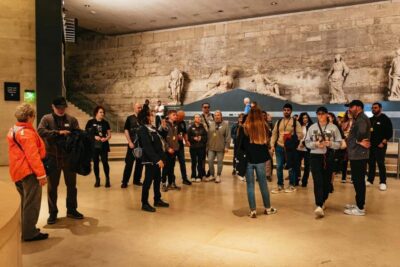
Louvre Overview, Exploration tour and Reserved Entry
Read our review →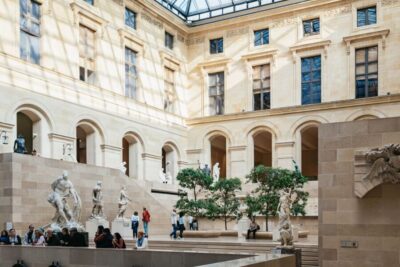
Louvre Museum Entry Ticket With Host and River Cruise
Read our review →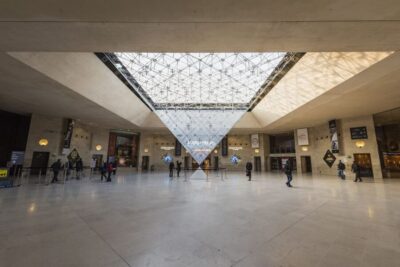
Mona Lisa & Louvre Masterpieces Tour with Reserved Access
Read our review →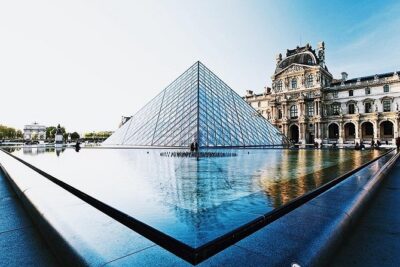
Louvre Museum – Exclusive Guided Tour (Entry Included)
Read our review →
Louvre Museum Hosted Entry and Mona Lisa Audioguide
Read our review →Browse the lists this tour appears in