
REVIEW · PARIS
Orsay Museum – Exclusive Guided Tour (Reserved Entry Included)
The best thing about this Musée d’Orsay tour is its clear story: you follow the road from grand academic painting to Manet’s rule-breaking, Monet’s light, Renoir’s crowds, and Van Gogh’s restless color. In about two and a half hours, you get the museum’s major works without trying to swallow the whole collection.
I like the reserved admission, which saves precious Paris time, and the chance to choose a private guide or a smaller shared group. Guides such as Dina, Christophe, Lili, and Romain have been praised for making the art lively, chronological, and easy to follow.
The main caution is price: at $144.21 per person, this is a serious museum splurge. The tour also moves quickly, and a poor guide match could make it feel rushed, so the private option is worth considering if your group has special interests or children.
Key points to know before booking
- Follow the birth of Impressionism: Start with Millet and Delacroix, then trace the changes through Manet, Monet, Renoir, and Van Gogh.
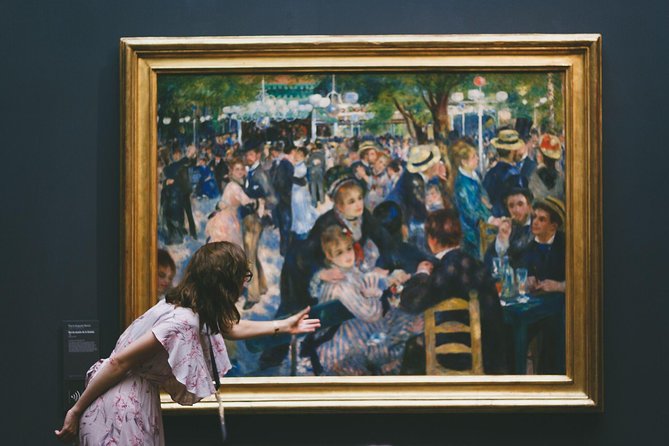
- See famous works efficiently: The route includes Manet’s Luncheon on the Grass, Renoir’s Dance at Le Moulin de la Galette, Monet’s poppies, and Van Gogh’s Bedroom in Arles.
- Enter with admission arranged: Museum admission is included, though temporary exhibitions cost extra.
- Choose your level of privacy: The private option gives your group its own guide. The save-money choice is semi-private, with private-tour benefits such as wheelchair access not applying.
- Plan for about 2 to 2.5 hours: That is long enough for a strong first visit, but not enough for every gallery.
- Pack light: Large bags and suitcases are not allowed. A handbag or small, thin backpack is the safer choice.
Why the Musée d’Orsay deserves a guided visit
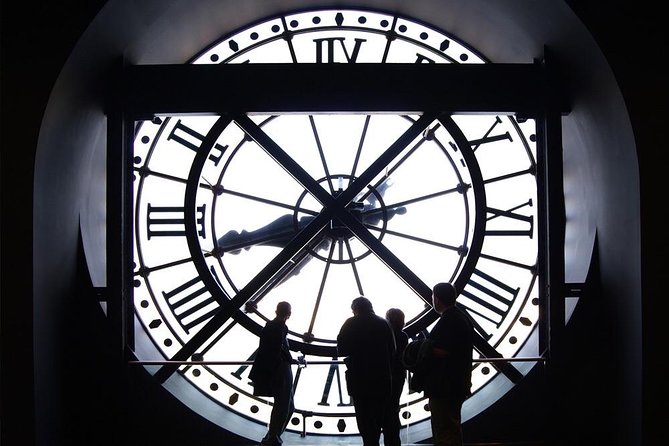
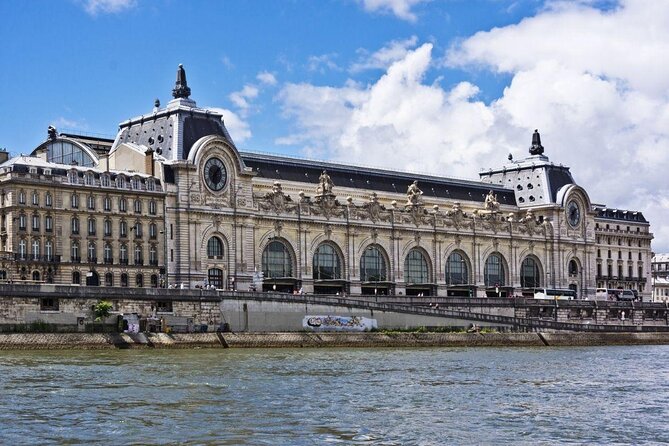
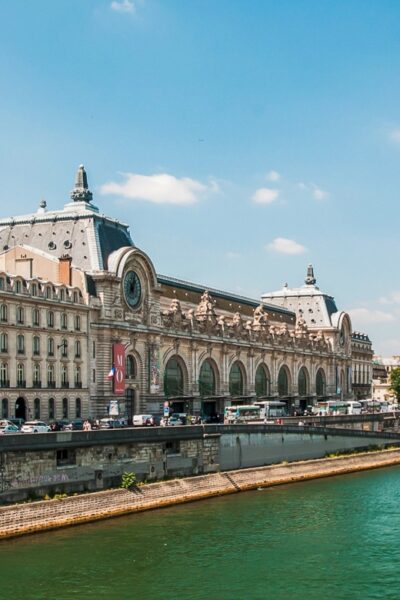
Paris has the Louvre, but the Musée d’Orsay gives you a more focused art story. It occupies a converted Beaux-Arts railway station, and the building is part of the pleasure. The great clock, high central hall, and old station structure give the visit a sense of place before you even reach the paintings.
The museum is especially useful for understanding the change from the official art of the 1800s to the freer painting of the Impressionists. On your own, you can certainly admire the pictures. With a good guide, you can see why the pictures caused trouble in their own time.
That context matters. Manet’s Luncheon on the Grass is not simply a famous picnic scene. It challenged accepted ideas about subject matter and presentation. Millet’s The Gleaners helps explain the social concerns behind earlier 19th-century painting. Then Monet and Renoir show what happened when artists gave more attention to modern life, changing light, quick brushwork, and the act of seeing.
I like this approach because it gives you a set of ideas to carry into the rest of your Paris sightseeing. You are not just checking off famous canvases. You are learning how one artistic change led to another.
More Art Museum Tours in Paris
- Paris: Louvre Museum Timed-Entrance Ticket
★ 4.6 · 71,977 reviews - Paris: Orsay Museum Entry Ticket
★ 4.7 · 25,647 reviews - Paris: Louvre Guided Tour with Reserved Access & Boat Cruise
★ 4.3 · 16,353 reviews
The opening route: from Millet to Manet
The first part of the tour places Impressionism in context. You may begin with artists such as Millet, whose The Gleaners presents rural workers with a seriousness once reserved for grand historical subjects.
Your guide can then connect this earlier tradition to Manet. His Luncheon on the Grass is one of the museum’s essential stops, but the painting becomes more interesting when you know why it shocked viewers. The subject, the figures, and the way the scene is painted all push against the polite rules of the day.
This is where the quality of your guide matters most. A guide who simply names the painting and recites dates will leave you with a thin experience. A strong guide explains the personalities, arguments, and artistic choices behind the work.
Christophe has been singled out for guiding visitors in chronological order and explaining the links between artists. Romain is also noted for a well-paced explanation of Impressionism’s roots. If your guide takes this kind of measured approach, the first half of the visit should give you a useful framework for everything that follows.
The Impressionist highlights: Monet and Renoir
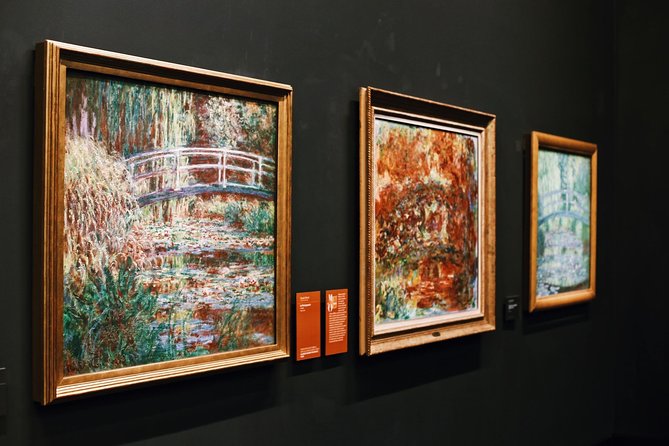
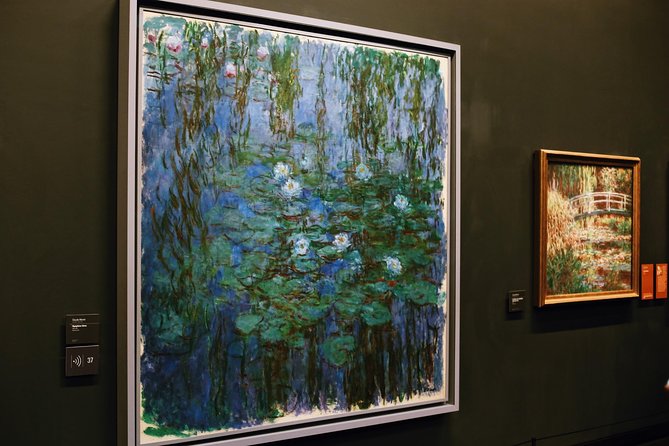
The tour then turns to the artists most people come to see. Monet’s poppies offer a direct lesson in color, light, and quick brushwork. Renoir’s Dance at Le Moulin de la Galette brings you into a crowded Paris scene filled with movement and shifting light.
These paintings reward time, but the museum can be crowded. A guide helps you find the important details without making you linger in front of one picture until the rest of the group loses patience. You may look at where the brushwork changes, how figures are arranged, and how the artist suggests light rather than carefully outlining every object.
The shared tour is designed to keep the pace moving. That is good if you have only a short time in Paris or want a first look before returning alone. It is less ideal if you already know the major works and want long, quiet periods with just a few paintings.
One useful detail from the experience is the use of headphones in crowded conditions. They can make a real difference when other visitors are talking nearby. You are less likely to miss an explanation while standing several feet from the guide.
Dina has been praised for keeping an efficient route while making sure the major works are included. Lili has been noted for an interactive approach and for guiding a group through the museum without losing track of the art. Those qualities matter here, since the Orsay can easily tempt a guide into spending too long on the first few rooms.
Van Gogh and the art that followed
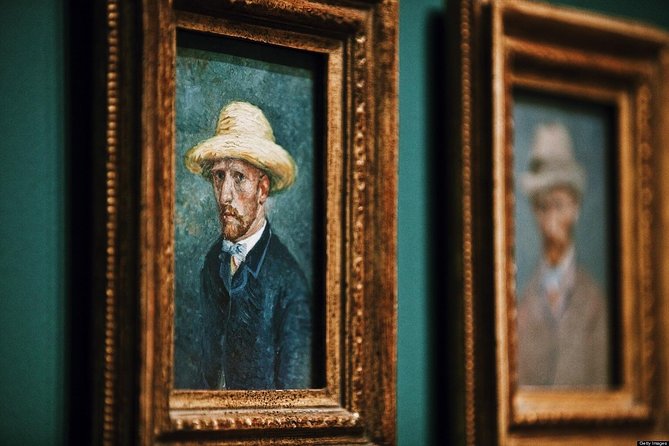
The final part of the tour brings you to Post-Impressionism and Van Gogh’s Bedroom in Arles. This is a valuable turn in the story because it shows that Impressionism was not the final answer. Artists took its brighter color and freer handling, then pushed those ideas in new directions.
Your guide may discuss how Van Gogh’s style differs from Monet’s or Renoir’s. The comparison helps you see that the broad label of Impressionism covers several different ways of painting. You can look at surface, color, line, and emotional force rather than treating every late 19th-century picture as part of one single movement.
This part also gives the tour a satisfying ending. You have moved from earlier academic traditions through Manet’s challenge, the Impressionists’ interest in modern life and light, and the more personal intensity of Van Gogh.
If you already have a favorite artist, tell the guide early. The private format makes that easier. The tour description specifically promises both major works and lesser-known pieces, so you can ask for a little more time with a painter who interests you. In a shared group, the guide still may adapt the route, but the needs of the other participants will shape the pace.
More Orsay tours and tickets:
- Paris: Orsay Museum Entry Ticket and Digital Audio Guide App
★ 4.4 · 3,170 reviews - Paris in a Day: Louvre or Orsay, Eiffel Tower, City Walk & Cruise
★ 5.0 · 1,956 reviews - Paris: Musée d’Orsay Skip-the-Line Tour with Expert Guide
★ 4.5 · 1,145 reviews - Musée d’Orsay Skip-the-Line Tour with Expert Guide
★ 4.8 · 1,088 reviews
Private tour or semi-private option?
The price makes more sense for some groups than others. A private tour gives your party its own guide, and this is the better choice if you want questions answered freely, need a slower pace, or are traveling with children. It also gives the guide room to adjust the route to your interests.
The less expensive semi-private choice can be a sensible compromise. You still receive the museum introduction and reserved admission, but you have less control over the pace and subject matter. The supplied information says the semi-private option does not include the private-tour wheelchair provision, so check the exact option carefully if accessibility is important.
The private format is especially useful for a family or a small group with mixed art backgrounds. One person can ask about technique, another about Parisian society, and another about the building without holding up a large crowd.
At the same time, do not expect a private tour to turn the Orsay into a quiet personal gallery. The museum remains a popular attraction, and lines can still form because of security or museum controls, even with reserved entry. The advantage is time saved at admission and a guide who can help you use the time inside well.
What $144.21 buys you
At $144.21 per person, this is not a budget museum visit. The price includes admission and an English-speaking guide, and the tour lasts about two to two and a half hours. It does not include hotel pickup, drop-off, gratuities, or temporary exhibitions.
I would judge the value by comparing it with your museum habits. If you enjoy reading every label and setting your own route, buying regular admission and using a guidebook may suit you better. If you want the major works explained in a sensible order and do not want to lose time in entry lines, the cost can be reasonable.
The price is easier to justify for first-time visitors, busy itineraries, and small private groups. It is harder to justify if you plan to spend an entire day at the Orsay and prefer long stretches of independent viewing.
The strongest part of the purchase is not simply admission. It is the interpretation. A guide such as Christophe, Paloma, Dina, or Ugo can turn familiar images into a connected story about artists, technique, and changing public taste. But the quality depends on the individual guide. One experience in the supplied material describes a guide who moved too fast, knew history better than art, and did not welcome questions. That is an important warning at this price.
Timing, meeting point, and practical details
You meet at the Musée d’Orsay in Paris and finish back at the museum. Morning, afternoon, and evening start times are available, so you can fit the tour around other plans.
An early start may help you deal with crowds, though the exact crowd level can vary. A later time can work well if you are pairing the museum with a walk along the Seine or nearby sights. Allow extra time to reach the meeting point, especially if you are using a taxi or ride service.
The museum is near public transportation. Hotel pickup and drop-off are not included, so you arrange your own ride. Provide a mobile phone number with the country code when booking, since this is important for contact before the tour.
Wear suitable clothing for entry and bring as little as possible. Large bags and suitcases are not permitted. Only handbags or small, thin backpacks can pass through security. This is the sort of small rule that can save you a frustrating detour.
A moderate level of walking and standing is expected. The private version is listed as wheelchair friendly, but that does not apply to the semi-private option. Museum rooms can also have quiet or restricted speaking rules, so your guide may explain certain works before you enter those areas.
Occasional museum closures can happen without warning. If opening is delayed by more than an hour, an alternative will be provided, but the stated terms do not promise a refund or discount in that situation. Read this condition before you book.
Which guide style suits you?
The individual guide can shape the visit more than the advertised route. Several guides are named in the experience information, and their strengths point to the type of tour you can hope for.
Dina is described as warm, attentive, and good at making sure everyone sees the main works. Christophe is praised for his command of Impressionist painting, clear chronology, and ability to work with children. Lili is associated with an interactive style and smooth navigation through crowded rooms.
Romain is noted for careful pacing and a strong explanation of Impressionism’s roots. Paloma is described as organized, personable, and conversational rather than simply speaking at the group. Ugo is praised for enthusiasm about the artists and the art.
These are useful guide qualities to look for, but you may not be able to select a particular person when booking. If the booking process allows a request, names such as Christophe, Dina, Lili, Romain, Paloma, or Ugo are worth mentioning. Still, treat the request as a preference rather than a promise.
Who should book this Orsay tour?
I would recommend it to a first-time Orsay visitor who wants a clear introduction rather than a random march through galleries. It also fits couples, families, and small groups who want to ask questions without joining a large crowd.
It is a good match if you have only a few hours, care about Impressionism, or feel unsure how to approach a major art museum. The guide gives you a starting point, and you can return later on your own if a particular artist catches your attention.
I would be more cautious if you already know the museum well, want to focus on temporary exhibitions, or prefer to spend a whole day with a handful of paintings. Temporary exhibitions are not included, and the two-and-a-half-hour schedule cannot cover everything.
Free cancellation is available if you cancel at least 24 hours before the start time. Changes or cancellations inside that window are not accepted for a refund, so keep the local cutoff in mind.
Should you book it?
Book this tour if you want the Orsay’s main story explained by an English-speaking guide, with admission arranged and a route that covers Millet, Manet, Monet, Renoir, and Van Gogh. The private option offers the best value for families and small groups that want a tailored pace.
Skip it if $144.21 feels too steep for a museum introduction or if you prefer complete freedom to wander. For many visitors, though, the Orsay is easier to appreciate when someone connects the paintings instead of leaving you to guess why they mattered. Reserve it for a first visit, arrive light, and plan to stay longer on your own if the art grabs you.
FAQ
How long does the Musée d’Orsay tour last?
The tour lasts about two hours to two and a half hours. The stated duration is 2.5 hours.
Is museum admission included?
Yes. Entrance fees and reserved entry are included. Temporary exhibitions are not included.
Is this a private tour?
The private option is private to your group. A semi-private option is also available at a lower price, but private-tour benefits do not apply to that choice.
Where does the tour begin and end?
It begins at the Musée d’Orsay in Paris and ends back at the meeting point.
Are morning and evening start times available?
Yes. You can choose from morning, afternoon, or evening start times.
Can I bring a large bag or suitcase?
No. Large bags and suitcases are not allowed inside the museum. Bring only a handbag or a small, thin backpack.
Just added around Paris
- Paris Day Tour with Eiffel Tower, Louvre and Cruise Max 6 People★ 4.5 · 29 reviews
- PRIVATE Louvre Wonders & Hidden Treasures Visit★ 5.0 · 65 reviews
- d’Orsay Museum Paris entry ticket★ 3.5 · 31 reviews
- visiting the masterpieces of impressionists at Orsay museum★ 5.0 · 7 reviews
- Louvre Museum with private guide★ 5.0 · 3 reviews
- Louvre Wheelchair-Accessible Private Tour – Stress-Free & Easy★ 5.0 · 16 reviews
- LOUVRE, Small Group Guided Tour in French (TOP SALES)★ 4.5 · 9 reviews
- Musée d’Orsay Highlights Tour with Gourmet Lunch★ 4.5 · 11 reviews
Art Museum Tours in Paris, compared.
Louvre Guided Tour with Reserved Access & Boat Cruise
Read our review →
Louvre Overview, Exploration tour and Reserved Entry
Read our review →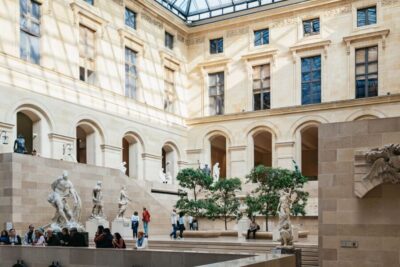
Louvre Museum Entry Ticket With Host and River Cruise
Read our review →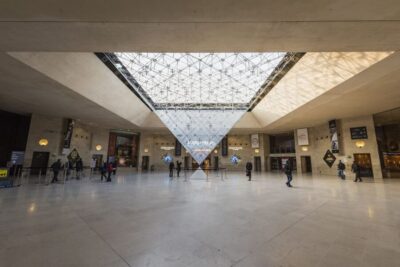
Mona Lisa & Louvre Masterpieces Tour with Reserved Access
Read our review →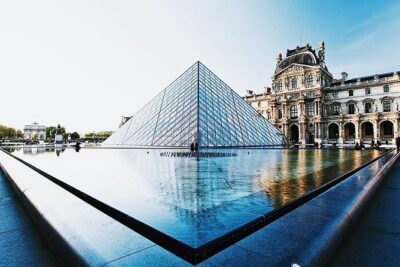
Louvre Museum – Exclusive Guided Tour (Entry Included)
Read our review →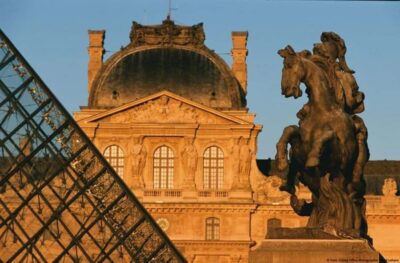
Louvre Museum Hosted Entry and Mona Lisa Audioguide
Read our review →Browse the lists this tour appears in