
REVIEW · FLORENCE
Museums special: Accademia & Uffizi combo tour – monolingual small group tour
Florence’s two great art museums fit into one focused morning or afternoon here, with Michelangelo’s David at the Accademia and Botticelli’s Birth of Venus at the Uffizi. You also walk between key city sights and get a view of the Duomo, so this is more than a museum ticket with a guide attached.
I like the small group limit of 15 and the fact that both museum reservations are included. I also like the choice to remain at the Uffizi after the guided portion ends, since 90 minutes is hardly enough time for a museum of this size. The main caution is timing: at midday, reserved entry can still involve a wait, and walking, security, and ticket checks reduce the time you spend with the art.
Key points to know before booking
- Two major museums in one tour: Visit the Accademia and Uffizi with admission and reservations included.
- Michelangelo’s David gets proper attention: The guide discusses the Hall of Prisoners, the unfinished sculptures, and David’s design.
- The Uffizi visit follows the art’s development: You move from 13th-century Gothic works through the Renaissance and later collections.
- A short Florence walk connects the museums: Expect main city sights, important plazas, and a view of the Duomo.
- The group is capped at 15: Earphones are provided for larger groups so you can hear the guide.
- You can stay at the Uffizi: After the guided visit, you may continue exploring on your own.
Why this Florence combination works
If you have only one day for Florence’s art, this pairing makes sense. The Accademia is compact and centered on Michelangelo’s David, while the Uffizi gives you a much wider view of Italian painting. One museum offers a sharp, memorable focus. The other shows how art changed over centuries.
The tour lasts about four hours. That is long enough to cover both museums and some city sights, but not long enough to see everything inside either collection. I would treat it as an introduction, not a complete art-history course.
The group is conducted in English and is limited to 15 people. That is a useful middle ground. You avoid the size of a large coach group, but you also pay less than you would for a private guide. Earphones are supplied for bigger groups, which matters in crowded galleries where a guide’s voice can easily disappear.
The price is $130.97 per person. That is not cheap, but it includes admission and reservations for both museums, a professional guide, and the walking connection between the sites. The Uffizi admission alone is listed as €29, so part of the price is paying for access, timed arrangements, and the guide’s explanations.
More Art Museum Tours in Florence
- Florence: Skip-The-Line Uffizi Gallery Timed Entry Ticket
★ 4.5 · 27,832 reviews - Florence: Uffizi Priority Ticket & Masterpieces Audio App
★ 4.2 · 6,402 reviews - Florence Accademia Gallery Tour with Entrance Ticket Included
★ 4.5 · 6,148 reviews
Meeting in central Florence
The meeting point is on Via Camillo Cavour, close to the Accademia. The supplied information gives Via Camillo Cavour 18, while the tour directions also refer to Via Cavour 36 Red. Because those details differ, check the exact address on your confirmation before setting out.
This is not a hotel pickup tour. You need to reach the meeting point yourself, and the tour ends at the Uffizi Galleries on Piazzale degli Uffizi. Both locations are near public transportation, but you should still leave extra time to find the office.
One useful tip is to arrive early. One person had trouble finding the office and needed help from another tour company. The location may be central, but central Florence has plenty of narrow streets, similar-looking entrances, and confusing red-address markings.
Wear comfortable shoes. The tour includes walking between the starting point, the Accademia, and the Uffizi, plus time on your feet inside both museums. The order of the visits can change, so do not plan a tightly timed lunch or train immediately after the stated end.
The Accademia and Michelangelo’s unfinished figures
The Accademia is only about a five-minute walk from the meeting point. With the reserved group entry, your guide leads you toward the museum entrance rather than leaving you to face the general line.
Do not read skip-the-line as a guarantee of instant entry. Security checks, crowd levels, and the museum’s capacity can still cause a short wait. The Accademia is small, and only a certain number of people can enter at one time. That control helps inside, but it can slow the arrival process on busy days.
The guided visit begins in the Hall of Prisoners. This room contains Michelangelo’s unfinished sculptures, figures that seem to strain against the marble around them. Your guide explains the idea of non-finito, or unfinished work, and helps you look at the marks, forms, and trapped movement rather than simply walking past rough blocks of stone.
This is one of the best parts of the tour because it gives you a way to see David before you reach him. The unfinished figures create a sense of expectation. You can also see where Michelangelo worked with hammer and chisel, which makes the sculpture feel like a physical act rather than a distant masterpiece behind glass.
Meeting David in the Tribune
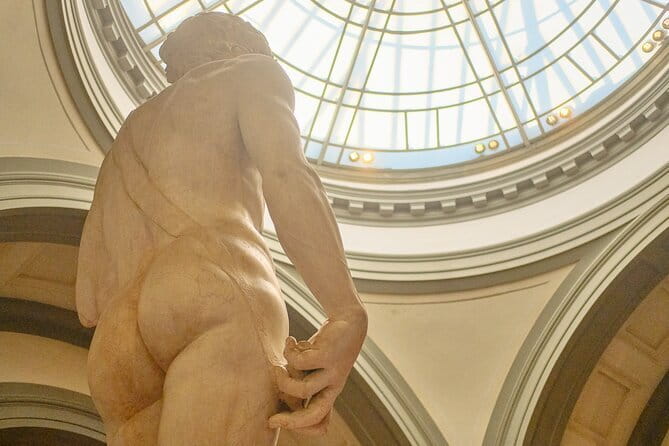
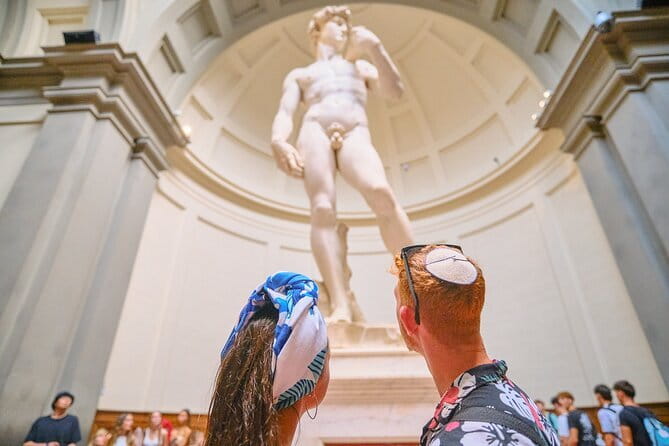
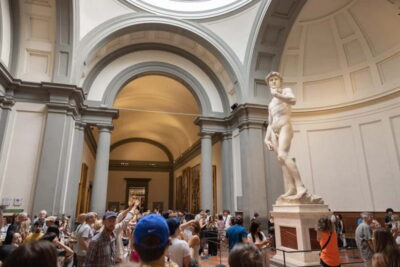
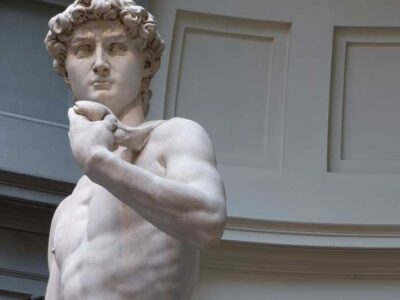
At the end of the Hall of Prisoners, David comes into view. The statue is about 17 feet tall and weighs more than 12,000 pounds. Michelangelo completed it when he was only 26, a detail that adds force to the story without needing much embellishment.
A guide is especially useful here because David rewards close looking. You can examine the turn of the head, the tension in the hands, and the balance of the body while hearing why the sculpture became such a powerful image of Florence.
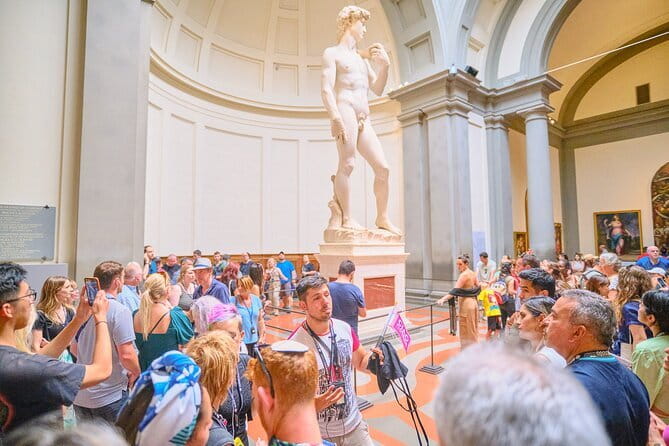
The room can be crowded, and your time near the statue is not unlimited. Still, a guided explanation helps you make sense of what you are seeing before the crowd carries you onward. The Accademia portion lasts about 70 minutes in total, divided between the Hall of Prisoners, David, and other works.
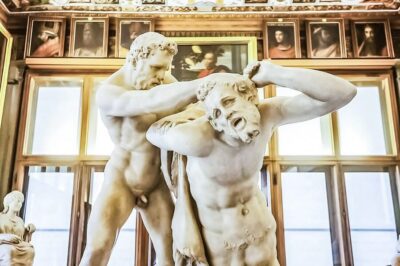
After David, you see Giambologna’s Rape of the Sabines, a complicated sculpture designed to be viewed from several angles. The collection also includes works connected with Sandro Botticelli, Jacopo di Cione, and Pacino di Buonaguida.
The Accademia is the simpler museum to cover in a short visit. The guide can give you a clear sequence, and you leave with a strong sense of Michelangelo’s work. One guide was praised for giving enough information without overloading the visit. That is the right approach here. David does not need a lecture that lasts longer than the statue deserves.
More combined museum tickets in Florence:
- Florence Accademia Guided Tour – Shared, Private & Combo Options
★ 4.5 · 370 reviews - Florence: Accademia and Uffizi Combo Priority Entry Tickets
★ 3.9 · 298 reviews - Florence: Guided Accademia with Art Expert & Combo Options
★ 4.6 · 99 reviews - Florence: Uffizi Tour with Art Expert Guide & Combo Options
★ 4.5 · 68 reviews
Walking through Florence toward the Uffizi
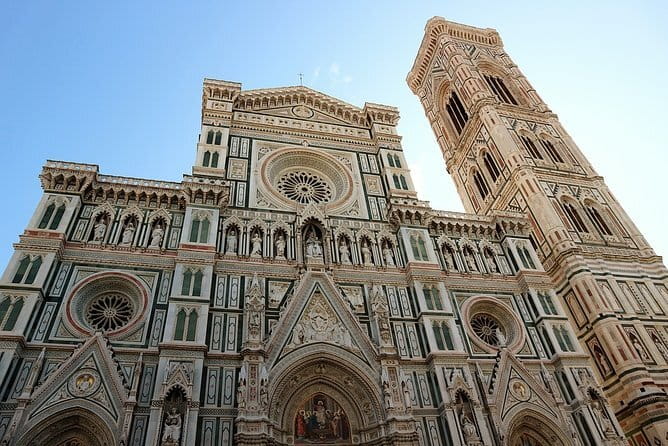
The route includes a short walking tour of Florence’s main sights, important plazas, and a view of the Duomo. This portion helps connect the art museums with the city that produced the Renaissance art you are about to see.
It is not a full walking tour of Florence. Think of it as a transition with commentary, not a separate sightseeing experience. The walk also means you should plan for weather. Rain, heat, or difficult conditions can make the connection between the two museums less pleasant.
One important practical point came from a disappointing experience in poor weather. The company treated the museum visits as separate parts of the program and was not able to change the meeting arrangement to suit the conditions. You should therefore be prepared to walk between the scheduled locations rather than expect a vehicle or hotel transfer.
The tour does not include food or drinks. If you need a snack, handle that before the start or after the Uffizi. Stopping for a meal during the four-hour schedule would cut into the museum time.
The Uffizi from Gothic gold to early Renaissance space
The Uffizi is the larger and more demanding half of the tour. The collection includes nearly 2,000 masterpieces, so no short visit can cover it all. Your guide takes you through selected rooms in chronological order, beginning with 13th-century works and moving forward.
The early galleries contain Gothic paintings with gold backgrounds, often showing the Madonna and Child. These works can look formal and distant at first, but the guide gives you the basic changes to watch for.
Giotto is one key turning point. His figures begin to feel more solid and three-dimensional, helping painting move away from flatter, symbolic images. That shift is easier to understand when you see the earlier works first.
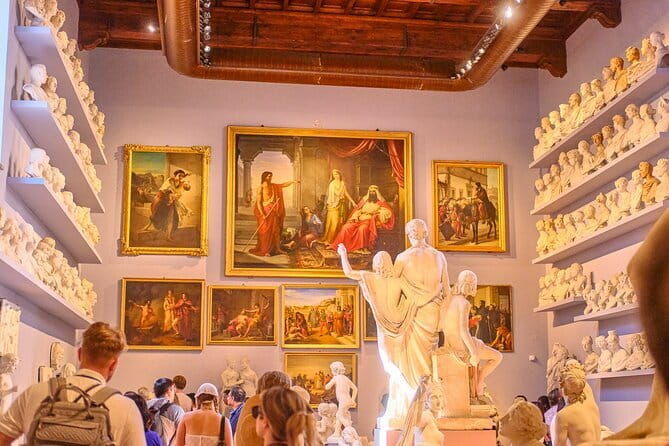
The building itself adds to the visit. Between the galleries, you pass Roman and Greek sculptures, painted ceilings, and windows with views over Florence. The Uffizi is not just a series of white museum rooms. Its architecture and position help explain why the museum feels so tied to the city.
The guided Uffizi portion is described as about 90 minutes, though actual time with the art can be shorter once you account for walking through the building, security, ticket checks, and crowd movement. One practical assessment put the real art-viewing time closer to 60 to 75 minutes when entry took time.
That is why the option to stay after the tour matters. If you want to see more than the best-known works, plan to remain inside rather than assuming the guided section will cover the entire museum.
Botticelli, Leonardo, and Michelangelo

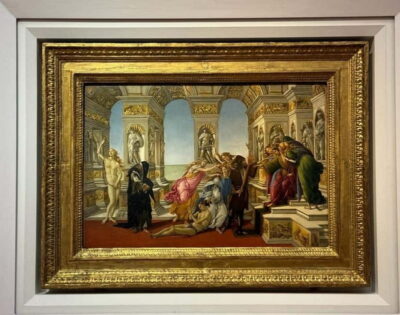
The Uffizi’s Botticelli rooms are the main event for many first-time visitors. The Birth of Venus and Primavera are the paintings most people want to see, and the guide gives them plenty of attention.
Look beyond the famous titles. Botticelli’s figures, plants, clothing, and pale mythic settings create a world that feels both decorative and strange. A guide can point out how these paintings fit into the ideas and tastes of Renaissance Florence.
You also see Leonardo da Vinci’s Baptism of Christ and Annunciation. These are not his most famous works, but being close to paintings by Leonardo gives the visit a certain charge. The guide can help you notice the handling of space, light, and detail rather than reducing the experience to a famous name.
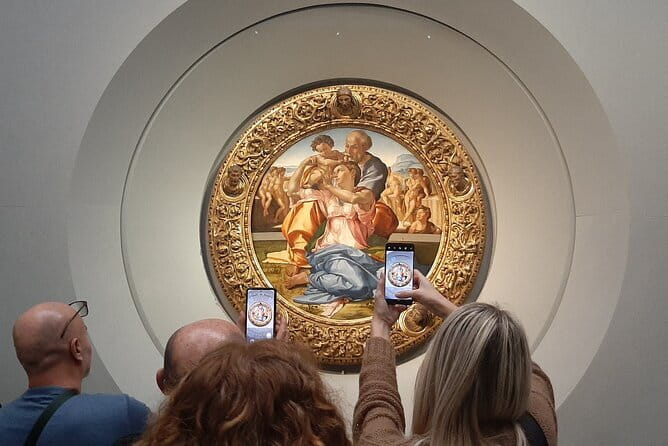
Michelangelo’s Tondo Doni is another important stop. It is a reminder that Michelangelo was not only a sculptor. The painting’s strong forms and unusual arrangement show the forceful style that links his work across different media.
The tour also includes International Gothic art, especially Gentile da Fabriano’s Adoration of the Magi. This painting marks a period when artists were adding more storytelling, ornament, and detail to religious scenes.
Uccello, Lippi, and Piero della Francesca
The tour continues into the 1400s, when artists began working more carefully with three-dimensional space. Paolo Uccello’s Battle of San Romano gives the guide a chance to explain early experiments with perspective.
You then see Filippo Lippi’s Madonna with Child and Two Angels and Piero della Francesca’s Dukes of Urbino. These works show how artists began to shape faces, bodies, and settings in more idealized ways.
This chronological structure is useful if you are not already comfortable with Italian art. Instead of hearing a string of names, you get a basic story: gold-ground religious images, more natural figures, stronger space, and increasingly ambitious storytelling.
There is also a limitation. The route is built around highlights, not every major room. One guide missed the entire first floor, including artists such as Rembrandt and Caravaggio. If those painters are high on your list, you should plan to continue on your own after the formal tour or choose a longer private visit.
What the $130.97 price really buys
At $130.97, this experience works best if you value structure and reserved museum access. You receive both gallery tickets and reservations, an English-speaking guide, a small group, and a short city walk. You also avoid having to study the floor plan and decide which rooms matter most.
The price is harder to justify if you only want a quick look at David and Botticelli. In that case, buying museum access separately and using your own notes may cost less. You would lose the guide’s explanation and the convenience of a planned route, but you would gain control over your time.
The included Uffizi admission is listed as €29, and both museum entries are part of the package. Admission costs can change, so view the tour price as a combined fee for tickets, reservations, and guiding rather than as a simple museum ticket.
The group cap of 15 is important. A larger group would make the Accademia’s small rooms and the Uffizi’s crowded galleries harder to manage. Still, this is not a private experience, and the guide may need to keep moving to stay on schedule.
Who should book this tour?
I would recommend it to a first-time Florence visitor who wants the major Renaissance names explained in a sensible order. It suits you especially well if you have one day for the city and do not want to waste time figuring out how to visit two heavily booked museums.
It is also a good fit if you want a guide but do not want to pay private-tour prices. The Accademia section appears particularly strong for visitors who want more than a quick photograph of David.
I would be more cautious if you are an experienced art-history student or have a fixed list of less famous painters to see. The Uffizi route focuses on headline works and may skip entire areas. You should stay afterward and explore independently.
The tour is less suitable for anyone who dislikes walking, needs hotel pickup, or has a tight schedule after the finish. Weather can make the transfer between museums uncomfortable, and busy days can delay entry even with reservations.
Booking details that matter
Confirmation is provided at booking, and free cancellation is available until 24 hours before the start time. Changes or cancellations inside that 24-hour window are not accepted for a refund.
Every person must bring a valid passport or identity document matching the name supplied at booking for entry to the Uffizi. Enter all travelers’ full names when reserving. A missing name or a mismatch can prevent entry at the ticket office.
The activity is offered in English only. The group maximum is 15, and most people can take part. Comfortable shoes are strongly recommended.
My verdict: book it for structure, not total coverage
Book this tour if you want Florence’s two essential art museums handled in one half-day, with a clear explanation of David, Botticelli, Leonardo, Michelangelo, and the early development of Renaissance painting.
I especially like the Accademia presentation, the small group, and the option to remain at the Uffizi. Go in knowing that reserved entry is not always immediate and that the Uffizi route is a highlights visit. Arrive early, verify the meeting address, bring matching ID, and keep extra time after the tour if you want to see Caravaggio, Rembrandt, or rooms the guide does not reach.
FAQ
How long does the tour last?
The experience lasts approximately four hours, including the museum visits and the short walking tour through Florence.
Which museums are included?
Admission and reservations are included for the Accademia Gallery and the Uffizi Gallery.
Is the tour offered in English?
Yes. The tour is offered in English as a monolingual small group experience.
How large is the group?
The maximum group size is 15 people. Earphones are provided for bigger groups.
Does the tour include Michelangelo’s David?
Yes. The Accademia portion includes the Hall of Prisoners, Michelangelo’s David, and other works in the museum.
Can I remain in the Uffizi after the guided tour?
Yes. You may stay inside the Uffizi and continue exploring after the guided portion ends.
Where does the tour end?
The tour ends at the Uffizi Galleries, at Piazzale degli Uffizi 6 in Florence.
Do I need to bring identification?
Yes. Each person must present a valid passport or ID matching the name provided at booking for successful entry to the Uffizi.
Can I cancel for a full refund?
Yes, if you cancel at least 24 hours before the experience start time. Cancellations or changes made less than 24 hours before the start are not refunded.
More Uffizi Tours in Florence
- Uffizi Gallery: Renaissance Masterpieces Guided Tour
★ 4.6 · 6,070 reviews - Uffizi Gallery Small Group Tour with Guide
★ 4.5 · 4,923 reviews - Florence: Uffizi Gallery Timed Entry Ticket & Audio Guide
★ 4.2 · 2,794 reviews - Florence: Uffizi Gallery and Accademia Gallery Guided Tour
★ 4.8 · 2,028 reviews
More Accademia Tours in Florence
- Florence: Accademia Gallery Guided Tour
★ 4.6 · 4,156 reviews - Uffizi & Accademia Timed Entry: Small Group Duomo Walking Tour
★ 4.5 · 3,630 reviews - Florence: Accademia Gallery Skip-the-Line Guided Tour
★ 4.8 · 3,044 reviews - Florence: Art Tour, Accademia Gallery and David
★ 4.5 · 2,407 reviews
Just added around Florence
- Skip the line: Uffizi small group and walking tour of Florence★ 4.5 · 17 reviews
- Florence Private Walking Tour Including Uffizi and Accademia★ 3.5 · 4 reviews
- Uffizi Gallery Italian guided Tour semi private★ 4.5 · 9 reviews
- Private Tour: Accademia Gallery and City Tour★ 5.0 · 10 reviews
- Private Tour: The Academy Gallery★ 5.0 · 6 reviews
- Uffizi Express Entrance -private tour★ 5.0 · 9 reviews
- Uffizi and Palazzo Vecchio Combo Private Tour★ 5.0 · 3 reviews
- VIP Priority Access: Uffizi Gallery- Guided Experience★ 4.5 · 94 reviews
Art Museum Tours in Florence, compared.
Skip-The-Line Uffizi Gallery Timed Entry Ticket
Read our review →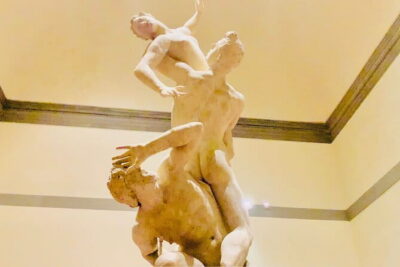
Florence Accademia Gallery Tour with Entrance Ticket Included
Read our review →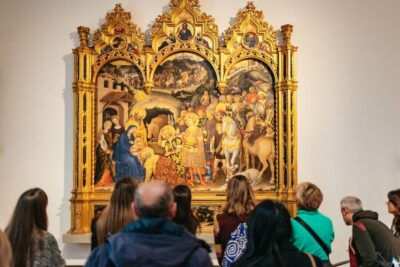
Uffizi Gallery: Renaissance Masterpieces Guided Tour
Read our review →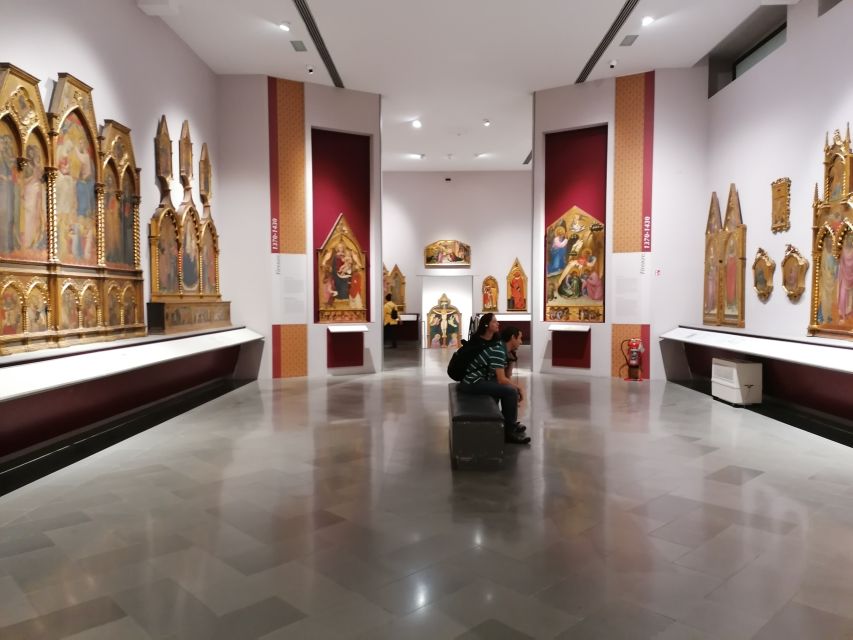
Uffizi Gallery Timed Entry Ticket & Audio Guide
Read our review →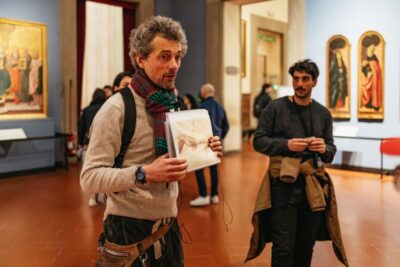
Accademia Gallery Guided Tour with Entry Ticket
Read our review →Browse the lists this tour appears in