

REVIEW · PARIS
Musée d’Orsay: Impressionists with skip-the-line ticket
The Musée d’Orsay gives you two great Paris sights in one: a world-class collection of 19th-century art and a grand former railway station that is part of the exhibit. In two hours, a small group enters through a separate entrance and moves from Monet and Degas to Rodin, early photography, and the first model of the Statue of Liberty.
I like the small group of no more than six, since it gives your guide room to answer questions and keep the pace sensible. I also like the wide scope: this is not just an Impressionist greatest-hits visit, but a look at how industry, photography, urban planning, and changing artistic ideas shaped modern Paris.
The main drawback is the price, $104 per person for two hours. That can be fair if you want context and efficient access, but it is a lot more than entering the museum on your own. Also, the museum is not suitable for wheelchair users, and the elephant statue used as the meeting marker may occasionally be moved.
Key points to know before you book
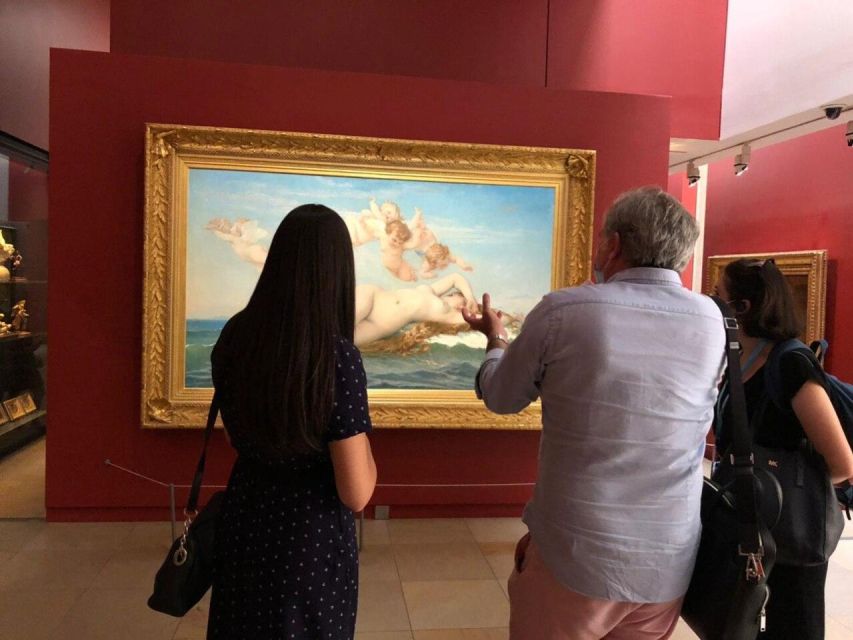
- A former railway station is the first major sight: The building began as Paris’s first station for electric trains and became a museum in 1986.
- The art ranges well beyond Impressionism: Expect Monet, Manet, Renoir, Cézanne, Degas, Van Gogh, Gauguin, Rodin, Courbet, and Millet.
- The tour looks at the whole 19th century: Neoclassicism, Romanticism, realism, symbolism, Arts and Crafts, and academic painting all enter the story.
- Groups are limited to six people: You receive a headset, useful in busy galleries and for anyone who does not want to stand shoulder to shoulder with the guide.
- Guides have made the difference: Sacha, Deli, Maria, and other guides have led visits praised for clear English, strong art knowledge, and lively commentary.
- The meeting point needs care: Look for the guide with the yellow My Super Tour sign under the elephant statue by the main entrance, but call the provider if the statue has been removed.
Why the Orsay building belongs in the tour
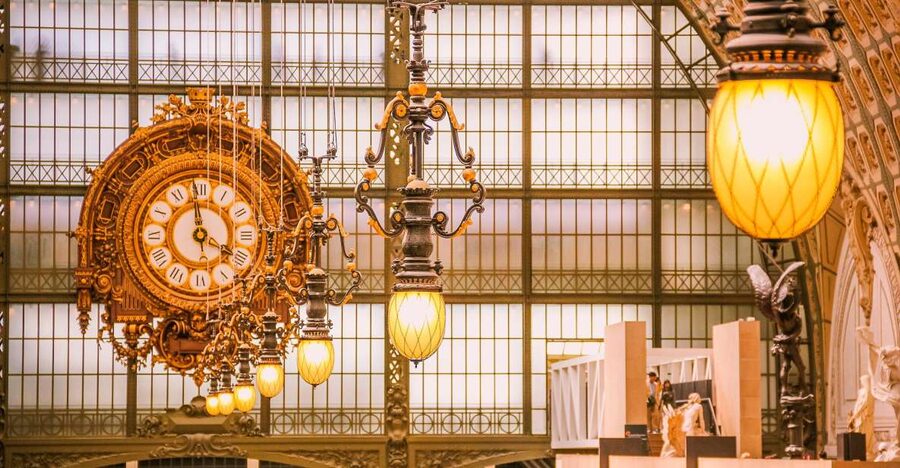
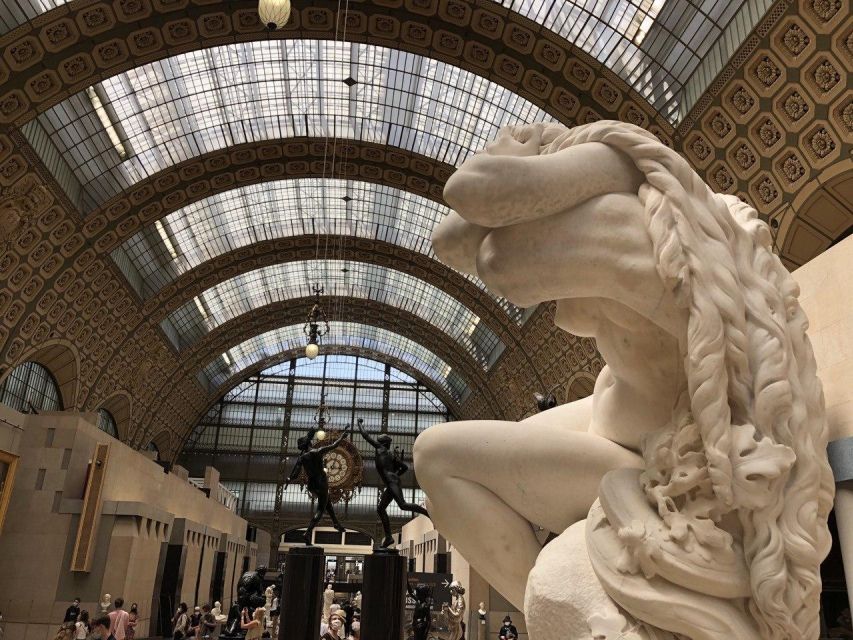
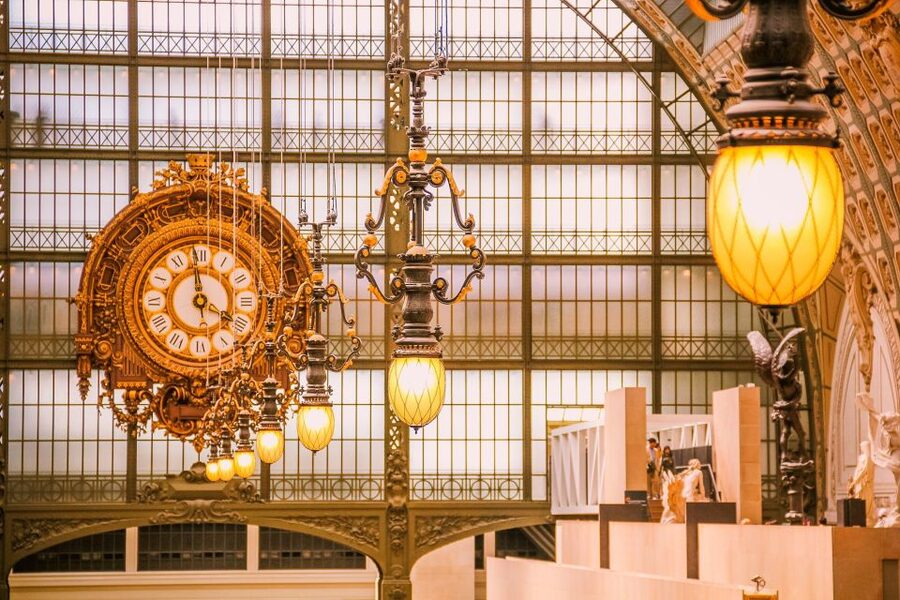
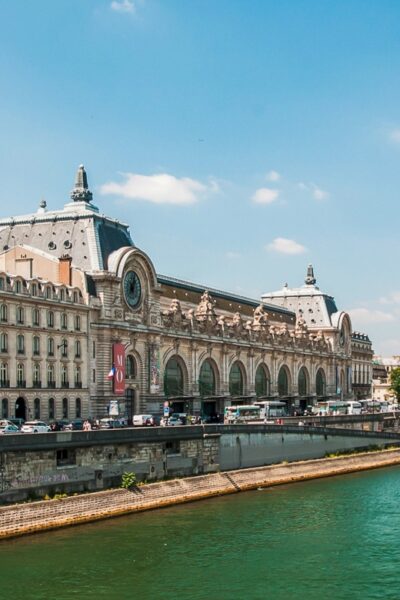
Many museum visits treat the building as a shell around the art. At the Musée d’Orsay, that does not work. The enormous clock, long central hall, iron structure, and curved roof recall the station the building once was.
The station opened for the 1900 Paris Exposition and was built for electric trains. Its original purpose helps explain the museum’s unusual proportions. Instead of the low, quiet rooms you find in some galleries, you get a broad interior shaped by rail travel, engineering, and the confident public architecture of the late 19th century.
That setting gives the tour a useful starting point. The guide can connect the museum’s architecture with the new Paris outside its walls, including the Palais Garnier opera house and the neighborhoods around the Opera district. You are not looking at isolated paintings. You are seeing art in the same period that Paris was being rebuilt, photographed, electrified, and reorganized.
The building also helps you understand the century’s changing taste. Neoclassical order sits near ornate eclectic design. Iron engineering shares space with sculpture and painting. Arts and Crafts ideas begin to challenge mass production, while photography starts to question what painting needs to do.
More Art Museum Tours in Paris
- Paris: Louvre Museum Timed-Entrance Ticket
★ 4.6 · 71,977 reviews - Paris: Orsay Museum Entry Ticket
★ 4.7 · 25,647 reviews - Paris: Louvre Guided Tour with Reserved Access & Boat Cruise
★ 4.3 · 16,353 reviews
Entering with a guide and a separate entrance
The meeting point is under the elephant statue in front of the main entrance. Your guide carries a yellow My Super Tour sign. This sounds simple, but the marker has occasionally been removed, so allow a little time to find the right person. One visitor had trouble when the elephants were not in place and solved it by calling the provider.
The tour includes a ticket and skip-the-line access through a separate entrance. This matters most when the museum is busy. You are paying not only for someone to explain the collection, but also for a more organized start, with less time spent trying to work out where to queue.
A headset is included. In a large former station, sound can carry poorly, especially when other groups are moving through the same gallery. The headset lets you look at the painting while following the guide instead of crowding around a single speaking point.
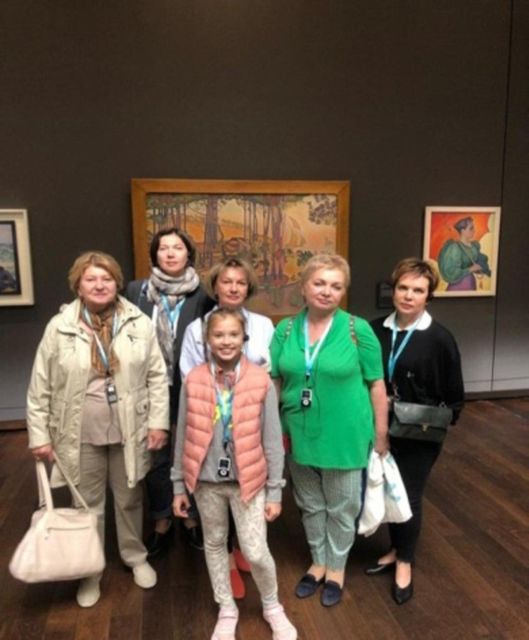
The group limit is six. That is small enough for a more personal visit, though you should still expect a public museum with other groups and regular visitors around you. The guide cannot control the pace of every room, but a small party makes it easier to stop briefly, ask a question, or adjust the explanation.
Monet, Manet, Renoir, and the Impressionist rooms
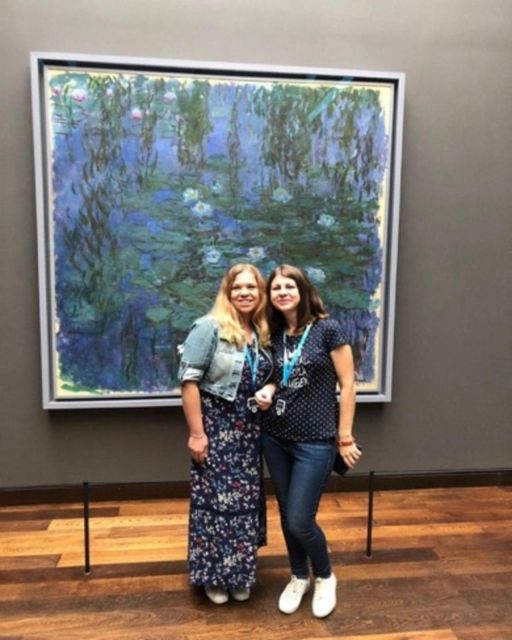
The Impressionist collection is the heart of this experience. You can expect paintings by Monet, Manet, Renoir, and other artists associated with the movement, with the guide placing their work in the larger story of 19th-century painting.
A good guide helps you notice more than the familiar names. Impressionism was not simply a pleasant way to paint gardens, rivers, and Paris streets. It changed the role of light, brushwork, modern life, and the momentary view. The movement also grew out of arguments with official art institutions and older ideas about what deserved to be painted.
Manet is especially useful in this story. His work connects academic painting with the more direct, modern subjects that later Impressionists explored. Monet pushes further toward changing light and atmosphere. Renoir brings people, leisure, and social life into the picture with a different warmth.
You will get more from these rooms if you do not try to see every painting at equal length. Two hours is enough for a guided overview, not for a complete study of the museum. Let the guide choose major works, then use your remaining time to return to the paintings that caught your eye.
Cézanne’s still lifes and Degas’s dancers
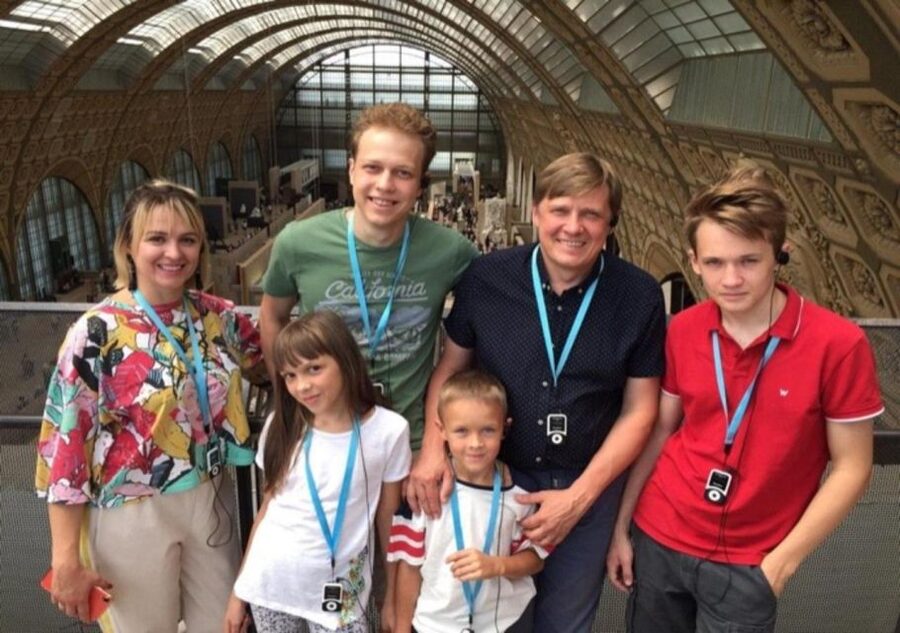
The tour also brings you to Cézanne’s still lifes and Degas’s ballet dancers. These works show why the collection works so well as a bridge between older painting and modern art.
Cézanne’s still lifes can look quiet at first. Their importance lies in the way objects are built through color, shape, and shifting viewpoints. A guide can help you see how a bowl, fruit, or table becomes a study of structure rather than a simple record of objects.
Degas’s dancers offer a different kind of lesson. His compositions often feel caught in the middle of movement, as if you have entered a rehearsal or seen a performer from an unexpected angle. The subject is not just ballet’s grace. It is also observation, cropping, practice, fatigue, and the changing view made possible by photography.
These rooms are a good reminder that the museum’s collection is not one single style. Even within the broad Impressionist period, the artists were asking different questions. A two-hour visit has value here because the guide can set those differences side by side instead of leaving you with a list of famous names.
More Orsay tours and tickets:
- Paris: Orsay Museum Entry Ticket and Digital Audio Guide App
★ 4.4 · 3,170 reviews - Paris in a Day: Louvre or Orsay, Eiffel Tower, City Walk & Cruise
★ 5.0 · 1,956 reviews - Paris: Musée d’Orsay Skip-the-Line Tour with Expert Guide
★ 4.5 · 1,145 reviews - Musée d’Orsay Skip-the-Line Tour with Expert Guide
★ 4.8 · 1,088 reviews
Van Gogh and Gauguin, two very different paths
The comparison between Van Gogh and Gauguin gives the tour a more personal and dramatic turn. Their work shows how late 19th-century painting could move away from the direct observation associated with early Impressionism.
Van Gogh’s paintings carry force through color, brushwork, and emotional intensity. Gauguin takes a different route, using simplified forms and strong areas of color. Placing them in relation helps you see that the story did not end when Impressionism became famous. It opened doors for artists who wanted painting to express memory, feeling, symbolism, or an imagined world.
This is one place where a guide’s ability matters. A rushed visit can turn Van Gogh and Gauguin into two popular names on a checklist. A good explanation gives you a way to compare how each artist handled color, line, subject, and mood.
Sacha has led a particularly compact visit praised for strong English and a firm grasp of both art and Parisian history. Deli has also led an energetic overview focused on Impressionist artists. You cannot request a particular guide based on the information available, but these names give you a sense of the level of art-centered guiding associated with the experience.
Rodin, Courbet, and the less comfortable works
The collection is not limited to bright Impressionist scenes. Sculptures by Rodin add weight and texture to the visit, while realist painters such as Millet and Courbet bring attention to ordinary labor, physical life, and subjects that challenged polite taste.
Courbet’s The Origin of the World is a famous example of the museum’s more provocative side. It is not included simply for shock value. The painting raises questions about who controls images of the body, what art is allowed to show, and how realism can confront social expectations.
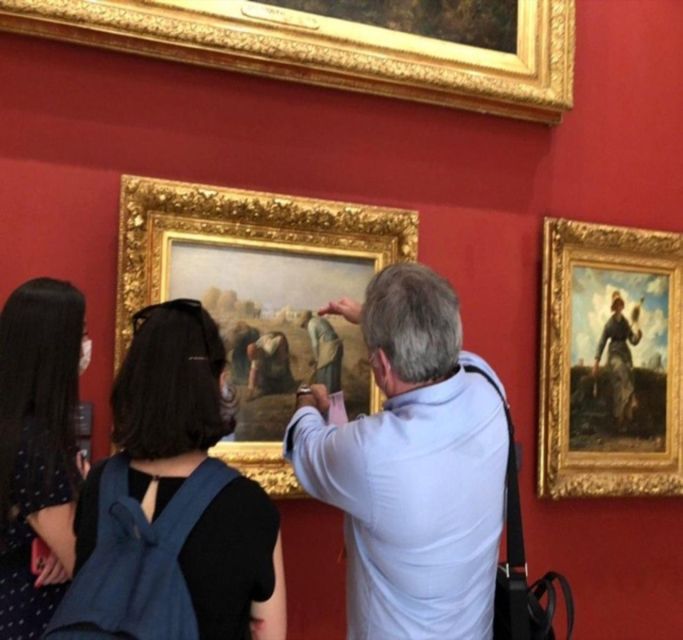
Millet’s work brings rural labor into serious art at a time when academic painting often favored grand historical or mythological subjects. Rodin, meanwhile, treated the human body as something expressive and unfinished, with surfaces that catch light and suggest movement.
These works help keep the tour from becoming a cheerful parade of pretty paintings. The 19th century brought progress, but it also brought arguments about class, industrial change, sexuality, public taste, and the place of ordinary people in art.
Photography, film, and the first Statue of Liberty model
One of the most useful parts of the visit is the attention to new technology. The 19th century saw industrial and technical change accelerate, and the museum preserves some of the cultural results.
You can see early photographs and examples connected with the first movies made by the Lumière brothers. These are important because they changed how people recorded time, movement, faces, streets, and daily life. Photography did not simply add another art form. It also put pressure on painters to rethink exact visual copying.
The first model of the Statue of Liberty adds another link between art, engineering, and public symbolism. It shows how sculpture could operate on a huge civic scale while still beginning with a smaller study.
This section is especially helpful if you do not normally think of yourself as an art museum person. You can follow a clear story: improved technology changed the city, the camera changed vision, film introduced movement, and artists responded in different ways.
What two hours can and cannot cover
Two hours is a sensible length for a focused introduction. The Orsay is large enough to exhaust you if you try to cover every room, and a guide can help you avoid spending half the visit on one early gallery.
The strongest version of the tour moves through three floors and gives you a broad view rather than a single-period lecture. One highly positive account described studying all three floors in one day with Sacha. That does not mean you will examine every work closely, but it does show what an efficient guide can accomplish.
The tradeoff is depth. You will not become an expert on Impressionism in 120 minutes, and you may wish for more time in the rooms after the guided portion. If you already know the collection well, an independent visit could give you more freedom. If the artists are familiar names but the context is not, the guide is likely to add much more value.
Plan to pay attention during the tour and note the works you want to revisit. The experience is at its best when the guided section gives you a map for your own looking.
The $104 question
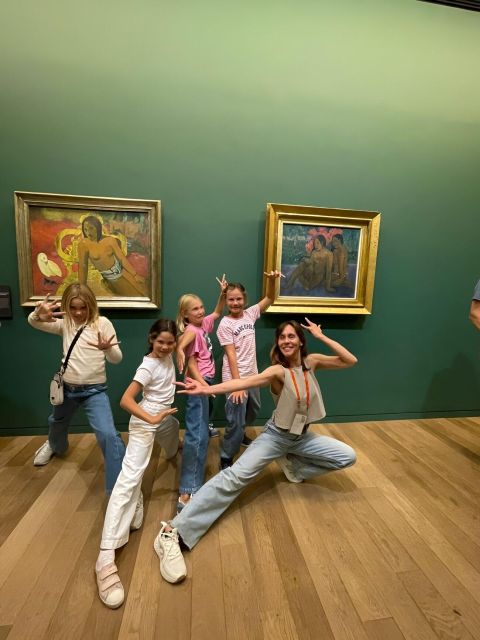
At $104 per person, this is a premium museum visit. The ticket, separate entrance, professional licensed guide, headset, and small group are included, but you are still paying heavily for the interpretation and time saved.
I would consider it good value for a first visit if you want structure, have limited time in Paris, or feel that a large museum can become confusing without help. The guide connects paintings, sculpture, architecture, photography, and film in a way that is difficult to reproduce from labels alone.
The price is harder to justify if you mainly want to wander through the Impressionist rooms at your own pace or if you already have a strong background in 19th-century art. You might prefer a standard museum ticket and an audio guide, if available through your own arrangements, though that option would not include this small-group format or the same direct access to a live guide.
The reserve-now and pay-later option gives you some flexibility, and cancellation is free up to 24 hours before the start time. Those terms are useful when your Paris schedule is still changing, but they do not alter the central value question: you are buying a guided interpretation, not just admission.
Who will get the most from this visit
I would choose this tour for a first-time Musée d’Orsay visitor who wants the famous paintings but also wants to understand the building and the period around them. It suits couples, friends, and solo visitors who prefer a compact group to a large walking tour.
It is also a good fit for anyone curious about the links between art and technology. The railway station, electric trains, urban planning, early photography, film, and the Statue of Liberty model give the visit a wider frame than a basic Impressionist tour.
Families with older children may appreciate the mix of trains, sculpture, dancers, film, and famous paintings, though the provided information does not specify a minimum age or a child-focused format. If you use a wheelchair, this experience is not suitable.
English and Russian tours are available. Guides such as Sacha, Deli, and Maria have been praised for clear explanations, warmth, and strong command of the subject. Since guide assignment can vary, book this for the format and subject matter rather than a guaranteed individual.
Should you book the Musée d’Orsay tour?
Book it if you want a lively, organized introduction to the museum and can accept the $104 price. The small group, headset, separate entrance, and wide range of subjects make this more than a quick march to Monet.
Skip it if you prefer independent museum time, already know the Orsay well, or want the lowest possible admission cost. Also think carefully about the meeting point, especially if the elephant statue is not visible, and contact the provider if you cannot find the yellow sign.
For most first visits, the best reason to book is not simply seeing famous art. It is understanding how a railway station, a changing city, new machines, and restless artists came together in one extraordinary Paris museum.
FAQ
How long does the Musée d’Orsay tour last?
The tour lasts two hours.
What languages are available?
The live guide is available in English or Russian.
How many people are in the group?
The group is limited to six participants.
Is admission to the museum included?
Yes. The entrance ticket is included.
Does the tour include skip-the-line access?
Yes. You enter through a separate entrance that allows you to skip the regular waiting line.
What should I look for at the meeting point?
Look for the guide holding a yellow My Super Tour sign under the elephant statue in front of the main entrance of the Musée d’Orsay.
What happens if the elephant statue is not there?
The statue may occasionally be removed. If you cannot find the meeting point, call the provider’s headquarters for clarification.
Is the tour suitable for wheelchair users?
No. The activity is listed as not suitable for wheelchair users.
More Skip-the-Line Tickets in Paris
- Louvre Museum: Skip-the-Line Small Group Guided Tour
★ 4.6 · 4,268 reviews - Paris: Skip-the-Line Louvre Museum & Mona Lisa Guided Tour
★ 4.6 · 1,442 reviews - Paris: Skip-the-Line Louvre Highlights Tour with Mona Lisa
★ 4.6 · 1,132 reviews - Louvre Museum Skip the Line Entry with Introduction to Mona Lisa
★ 3.0 · 576 reviews
Just added around Paris
- Paris Day Tour with Eiffel Tower, Louvre and Cruise Max 6 People★ 4.5 · 29 reviews
- PRIVATE Louvre Wonders & Hidden Treasures Visit★ 5.0 · 65 reviews
- d’Orsay Museum Paris entry ticket★ 3.5 · 31 reviews
- visiting the masterpieces of impressionists at Orsay museum★ 5.0 · 7 reviews
- Louvre Museum with private guide★ 5.0 · 3 reviews
- Louvre Wheelchair-Accessible Private Tour – Stress-Free & Easy★ 5.0 · 16 reviews
- LOUVRE, Small Group Guided Tour in French (TOP SALES)★ 4.5 · 9 reviews
- Musée d’Orsay Highlights Tour with Gourmet Lunch★ 4.5 · 11 reviews
Art Museum Tours in Paris, compared.
Louvre Guided Tour with Reserved Access & Boat Cruise
Read our review →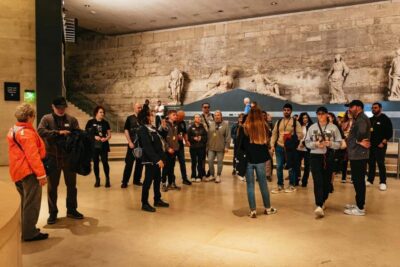
Louvre Overview, Exploration tour and Reserved Entry
Read our review →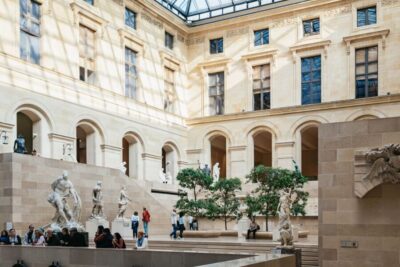
Louvre Museum Entry Ticket With Host and River Cruise
Read our review →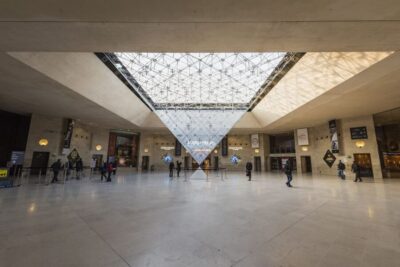
Mona Lisa & Louvre Masterpieces Tour with Reserved Access
Read our review →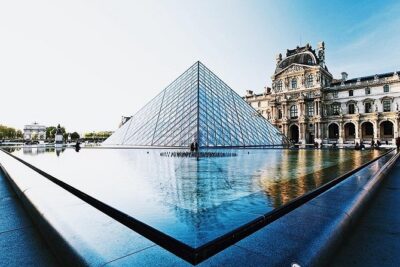
Louvre Museum – Exclusive Guided Tour (Entry Included)
Read our review →
Louvre Museum Hosted Entry and Mona Lisa Audioguide
Read our review →Browse the lists this tour appears in