
REVIEW · CANADA
Masterpieces of the Art Gallery of Ontario: A Guided Tour
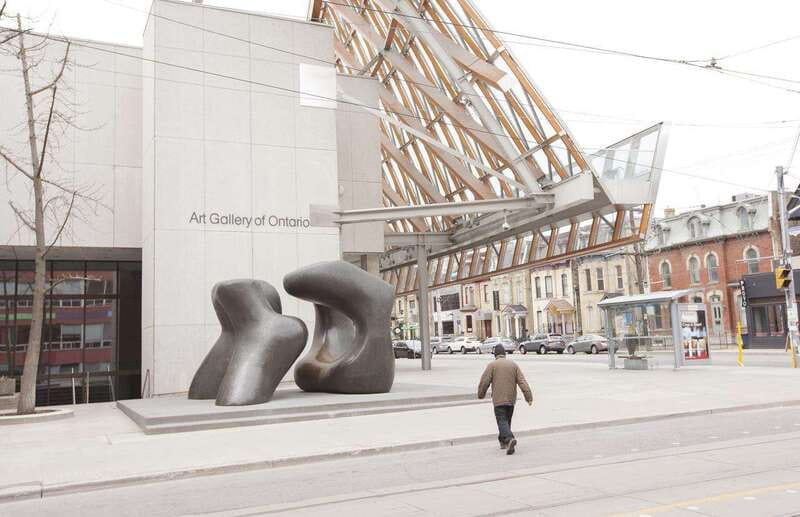
The best part of this Art Gallery of Ontario tour is its range. In two hours, you move from important Canadian and Indigenous art to the bold work of the Group of Seven, then on to European classics and contemporary pieces. The guide supplies the background that a label alone cannot.
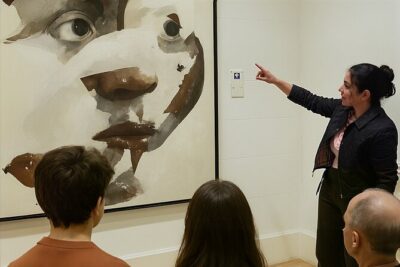
I like the small group of up to 10 people, which gives you a fair chance to hear the guide and ask a question. I also like the focus on stories, technique, and context, rather than simply walking past famous pictures and reading wall text.
The main drawback is time. The AGO holds a large collection, and two hours can only cover a selection. At $64 per person, this makes the tour a good choice if you want a guided introduction, but less appealing if you prefer to set your own pace or see every gallery.
Key points to know before you book
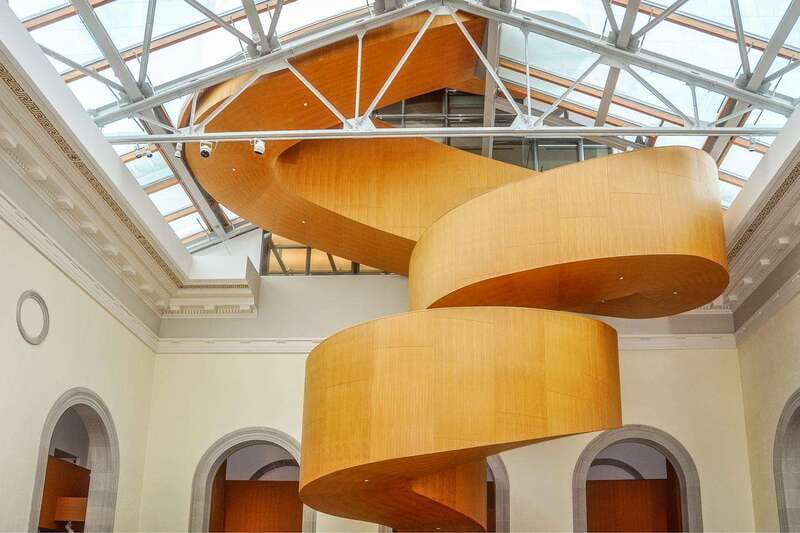
- A focused two-hour route: You get a guided introduction to several major parts of the AGO rather than a full museum visit.
- Canadian and Indigenous art: The tour gives local and national art a central place, not just a quick nod.
- The Group of Seven: Expect attention on one of Canada’s best-known artistic movements.
- A broad mix of periods: European classics and contemporary works add useful contrast to the Canadian collection.
- Small-group attention: The maximum group size is 10, a practical advantage in busy gallery rooms.
- Flexible planning: Morning and afternoon departures are usually available, with free cancellation up to 24 hours before the tour.
Why a guided AGO visit can be worth two hours
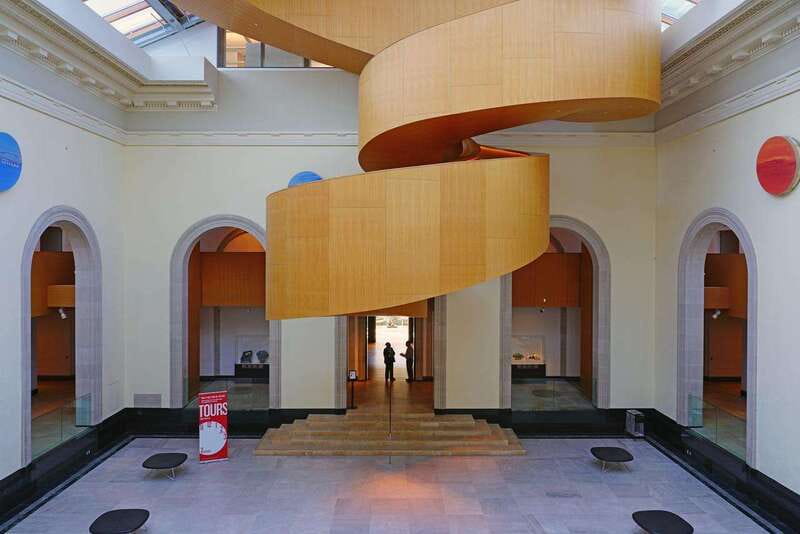
Art museums can be tiring places to visit alone. You enter with good intentions, look at dozens of paintings, and soon find yourself giving equal time to everything. A guide helps you decide what deserves a closer look.
This tour is built around that idea. You are not paying only for admission. You are paying for a person to select works, explain why they matter, and connect them to larger ideas about Canadian, Indigenous, European, and contemporary art.
I find that useful at the Art Gallery of Ontario because the collection covers a wide span. A visitor interested in Canadian art may not know where European works fit into the story. Someone drawn to famous old paintings may pass quickly through contemporary galleries. A guided route gives you a structure.
The tour lasts two hours, long enough to build a clear picture of the gallery without using up your entire day. It is also short enough to fit before lunch, an afternoon activity, or another Toronto plan. The stated availability of morning and afternoon sessions gives you some room to shape the day around it.
The route is not presented as a complete visit to every gallery. That is important. You should see this as an introduction to selected works, with a guide setting the pace and drawing your attention to pieces you might otherwise miss.
More masterpiece highlights tours in the world:
- Louvre Museum Masterpieces Guided Tour with Access
★ 4.5 · 12,023 reviews - Uffizi Gallery: Renaissance Masterpieces Guided Tour
★ 4.6 · 6,070 reviews - Paris: Louvre Museum Tour Mona Lisa & Iconic Masterpieces
★ 4.7 · 4,536 reviews
Starting with Canadian and Indigenous art
The Canadian and Indigenous sections give the tour a strong sense of place. Instead of treating the AGO as a museum that happens to be in Ontario, the experience makes local and national art part of the main story.
That matters for first-time visitors. European art often receives the most attention in major museums, but Canadian art has its own character, questions, and traditions. Indigenous art brings another essential perspective, one that cannot be reduced to a decorative stop on a museum route.
The supplied details do not name particular artists or works, so you should not book this expecting a fixed list of paintings. The guide chooses the pieces discussed during the session. What you can count on is attention to Canadian and Indigenous works within the larger tour.
Listen for the explanations of materials, symbols, purpose, and setting. A work may make more sense when you understand who made it, what it was responding to, or how it fits into the development of art in Canada. Those details are especially useful if you are new to the subject.
I also appreciate that this part of the tour can give you a better starting point for an independent return visit. After the guide points out a few artists or ideas, you can later spend more time with related works on your own.
The Group of Seven and Canada’s artistic identity
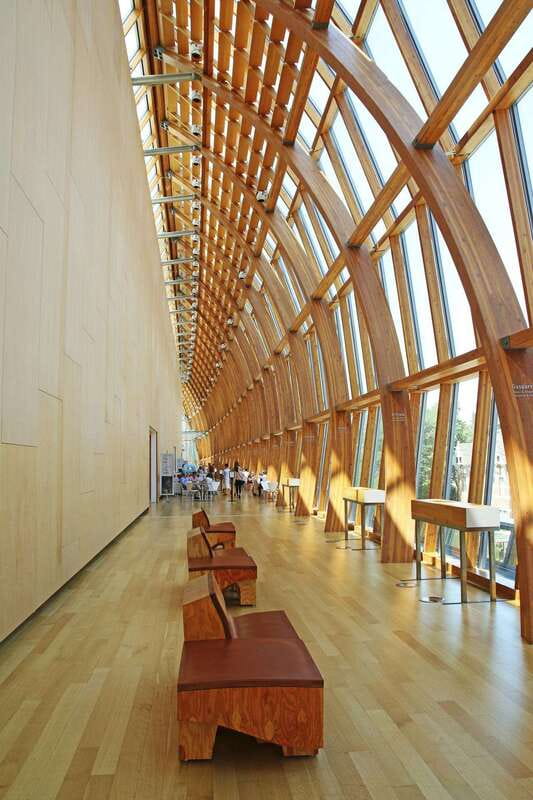
The Group of Seven is one of the clearest anchors in this experience. Their work is closely tied to the way Canada presents its scenery and national identity through art, so these paintings offer more than attractive views.
The guide’s role is valuable here because the work can look simple at first glance. Strong shapes, striking color, and dramatic natural scenes draw you in quickly. The background helps you consider how artists shaped their view of Canada, how style affects the feeling of a scene, and why the group remains so widely recognized.
You may find this section especially rewarding if you know the name of the Group of Seven but not much about their methods or influence. It also gives you a useful point of comparison with the Indigenous works discussed earlier. The tour does not treat Canadian art as one single style or story.
The limitation is that two hours leaves no room for a long study of one movement. If the Group of Seven is your main reason for visiting, ask the guide a question while you are in that section. The small group should make that easier than it would be on a large coach-style tour.
European classics without losing the Canadian focus
European classics broaden the visit. They give you a chance to compare different artistic traditions, subjects, and techniques with the Canadian works already covered.
The value here is not simply seeing older art. It is learning to look for contrasts. You might consider how artists use light, composition, scale, or human expression in different periods. You might also notice that the guide explains some works through technique while presenting others through historical or cultural context.
Since no specific artists or paintings are promised, keep your expectations open. This is not a specialist tour of one European school. It is a selection within a wider AGO visit.
That broad approach suits you if you want orientation rather than an academic lecture. It can also work well for families or mixed groups, since the guide can shift between visually striking works and more detailed explanations. If you already have a strong knowledge of European art, you may find this portion less tailored than a narrow subject tour.
Still, the contrast makes the overall experience more satisfying. You are not looking at Canadian works in isolation. You are seeing them beside art from other places and periods, which helps you notice choices you might otherwise overlook.
A few more gallery visits around the world worth comparing
- Vatican Museums, Sistine Chapel & St Peter’s Basilica Guided Tour
★ 4.5 · 39,149 reviews - Rome: Vatican Museums & Sistine Chapel Guided Tour
★ 4.3 · 12,117 reviews - Louvre Museum – Exclusive Guided Tour (Entry Included)
★ 5.0 · 6,296 reviews - Uffizi Gallery Small Group Tour with Guide
★ 4.5 · 4,923 reviews
Contemporary works and the art of looking longer
Contemporary art can be the point where a museum visit becomes either intriguing or confusing. The tour includes contemporary gems, but the available information does not identify specific works or promise a particular theme.
That is another reason the guide matters. Contemporary pieces may use unusual materials, large forms, or ideas that are not obvious at first. A good explanation can give you a way into the work without telling you exactly what you must think.
I would approach this part with curiosity rather than a checklist. You may not connect with every piece, and that is fine. The useful question is not always whether you like the art. It may be what the artist is asking you to notice, challenge, or reconsider.
The short format helps here. Two hours gives you enough time to encounter modern work without requiring you to spend an entire afternoon in galleries that may not suit your taste. If one piece catches your attention, note its location and return after the tour for a slower look, assuming museum visiting conditions allow it.
Stories, technique, and the guide’s role
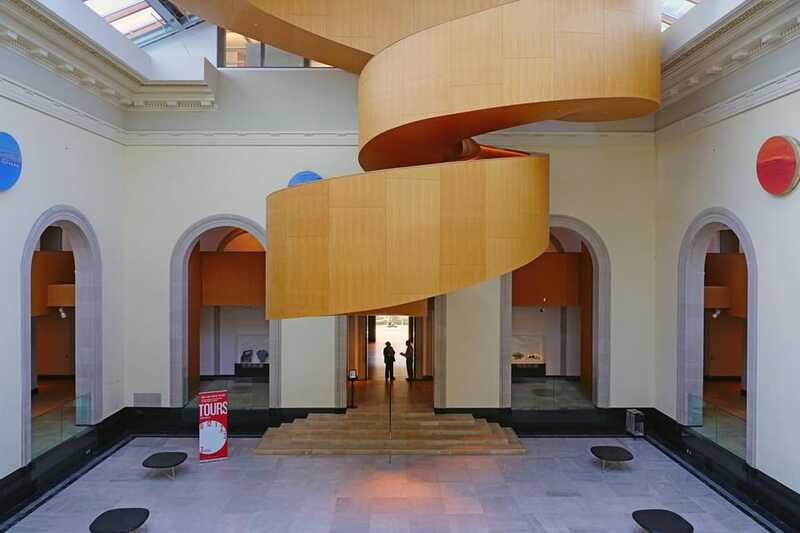
The tour promises discussion of the history, techniques, and stories behind each artwork. Those three areas serve different needs.
Stories make art memorable. You may forget a title, but remember the unusual detail that explains why a work was made or how it was received. Technique helps you look more closely at brushwork, materials, shape, and surface. Context helps you understand why the work mattered in its own time.
The guide is described as a professional art guide, and the tour is conducted in English. No guide name is provided, so you should not expect to book a specific person. The quality of a museum tour often depends on how well the guide adjusts explanations to the group, and the maximum of 10 participants gives that conversation room to work.
You can improve the experience by arriving with one or two questions in mind. Perhaps you want to know more about Indigenous representation, the Group of Seven, or how contemporary works are selected for a museum collection. A small group is most useful when you take part rather than simply follow along.
The one available five-star response described the experience as absolutely amazing. That is a strong sign of immediate enjoyment, though the overall score of 4.5 from two reviews is still a small sample. I would treat it as encouraging, not as proof that every person will want the same level of guidance.
What the $64 price includes
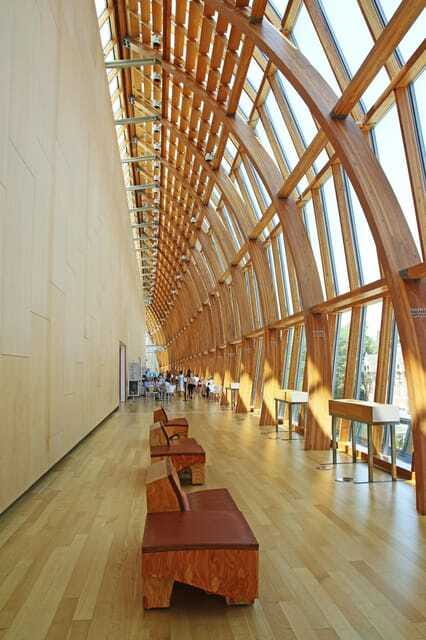
The price is $64 per person. It includes entry to the Art Gallery of Ontario, the two-hour guided visit, an English-speaking professional art guide, and photo opportunities at key artworks.
The admission component is important when judging value. You are not buying a guide separately and then paying again at the door. The cost combines access and interpretation in one booking.
I think the price makes the most sense for three kinds of visitors:
- You are visiting the AGO for the first time and want a clear introduction.
- You enjoy museums more when someone explains what you are seeing.
- You have limited time and want to use two hours with purpose.
The value is weaker if you already know the collection well, want to spend ten minutes with one painting, or prefer to wander without a set route. You may get more from general admission if independent exploration is your main goal. The separate general admission option nearby is worth comparing if you are deciding between a self-guided visit and this tour.
Photo opportunities are included, but that should not be mistaken for a photography-focused outing. The main benefit is the guided attention, with photographs serving as a useful reminder of selected works where museum rules permit them.
Who should take this tour
I would recommend it to first-time AGO visitors, art-curious people, and anyone who wants Canadian and Indigenous art included in a wider museum introduction. It should also suit couples or friends with different levels of art knowledge, since the guide can provide a common starting point.
The tour may be a good fit for older children or teenagers who respond better to stories and discussion than to a long, unstructured museum visit. The information provided does not set a minimum age, so check the booking details if age is important to your plans.
Art specialists may prefer a narrower tour or independent research. The same is true if your main aim is to see a particular artist that is not specifically promised. This experience offers range, not a guaranteed checklist of named works.
The tour is wheelchair accessible, and it takes place indoors in all weather. That makes it a practical choice on a rainy or very cold day, though you should still allow time to reach the gallery and get settled before the start.
Timing, group size, and a sensible plan
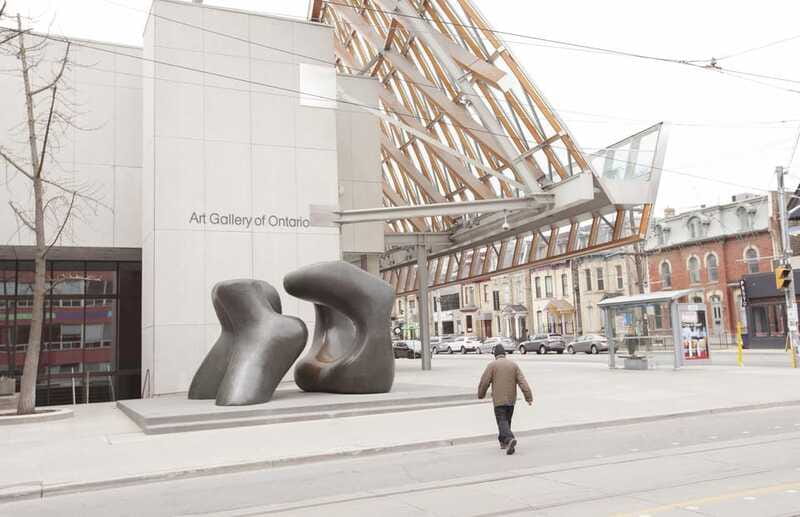
Morning and afternoon options are usually available. Choose the time that leaves you fresh enough to listen. A museum tour can feel much longer when fitted between too many other activities.
Because the group is limited to 10, the guide can address questions without the room becoming unwieldy. You still should not expect a private tour. The benefit is a more personal feel and a better chance to hear the commentary clearly.
After the two-hour visit, you may want to return to one or two works that interested you. The supplied details confirm gallery entry, but they do not state how long you may remain after the guided portion. Check the booking conditions if staying afterward is important to you.
Free cancellation is available up to 24 hours in advance for a full refund. You can also reserve now and pay later, which helps if your Ontario plans are still changing. These policies do not change the artistic content, but they reduce the risk of committing too early.
Should you book the AGO masterpieces tour?
Book it if you want a short, guided introduction that connects Canadian and Indigenous art with the Group of Seven, European classics, and contemporary work. The small group, included admission, and focus on stories and technique give the $64 price a reasonable case.
Skip it if you prefer complete freedom, need a specialist tour of one artist, or plan to spend the whole day studying a few works at your own pace. In that case, general admission may suit you better.
For most first-time visitors with only a few hours, I would choose the guided option. It gives you a framework, leaves you with works to revisit, and helps the AGO feel like more than a large building full of pictures.
FAQ
How long does the Art Gallery of Ontario guided tour last?
The tour lasts two hours.
How much does the tour cost?
The price is $64 per person.
Is admission to the Art Gallery of Ontario included?
Yes. Entry to the Art Gallery of Ontario is included in the tour price.
What language is the tour conducted in?
The live tour guide speaks English.
How many people can join the tour?
The experience is limited to 10 participants.
What art will I see?
The tour covers Canadian and Indigenous artworks, works by the Group of Seven, European classics, and contemporary pieces. Specific artwork titles are not provided.
Is the tour wheelchair accessible?
Yes, the activity is listed as wheelchair accessible.
Does the tour operate in bad weather?
Yes. It takes place indoors and proceeds regardless of weather conditions.
Can I cancel for a refund or pay later?
You can cancel up to 24 hours in advance for a full refund. The booking also offers a reserve-now, pay-later option.
Just added around the world
- Colosseum,Vatican Museum & Sistine Chapel in One Day Guided Tour★ 3.5 · 9 reviews
- Vatican Museums and Sistine Chapel last entry Guided Tour★ 5.0 · 3 reviews
- Private Tour Of Rome Highlights And Vatican Museums Skip-The-Line all included★ 5.0 · 4 reviews
- Borghese Gallery Admission Ticket with Audioguide★ 4.0 · 64 reviews
- Caravaggio Art Walking Tour of Rome with Pantheon Visit★ 4.5 · 35 reviews
- Borghese Gallery Skip the Line Guided Tour★ 4.5 · 23 reviews
- Borghese Gallery Ticket with Audioguide★ 3.5 · 51 reviews
- Borghese Gallery VIP Tour – Skip the Line Tickets★ 5.0 · 2 reviews
Art Museum Tours in Canada, compared.
Art Gallery of Ontario General Admission Ticket
Read our review →




Browse the lists this tour appears in