
REVIEW · FLORENCE
Florence: Uffizi Gallery Priority Entrance and Tour
The best part of this Uffizi tour is the small early-morning group, limited to nine people. You get a clear route through one of Europe’s biggest museums, with a guide explaining why the art matters instead of leaving you to face room after room of famous names alone.
I like the single-language commentary, which keeps the tour moving, and I like that your ticket lets you stay inside afterward. Guides such as Ivano, Gianna, Janna, Leonardo, Valentina, and Annette have been praised for turning dates, symbols, and artistic changes into memorable stories.
The catch is simple: 1.5 hours can only cover a selection of the Uffizi. The early start also demands punctuality and careful attention to the meeting instructions, which may vary by booking option.
Key points to know before booking
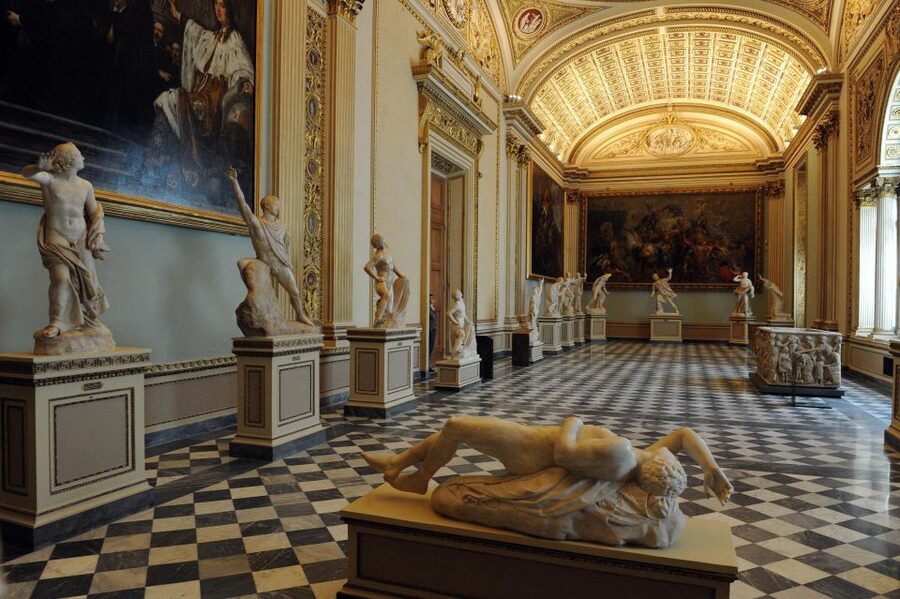
- Roman artifacts come first in the story: Expect classical busts, tombs, and images of Roman emperors alongside Renaissance paintings.
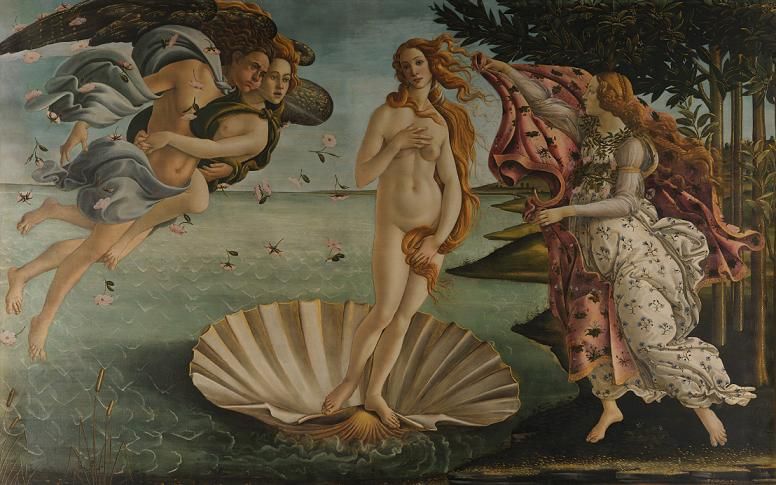
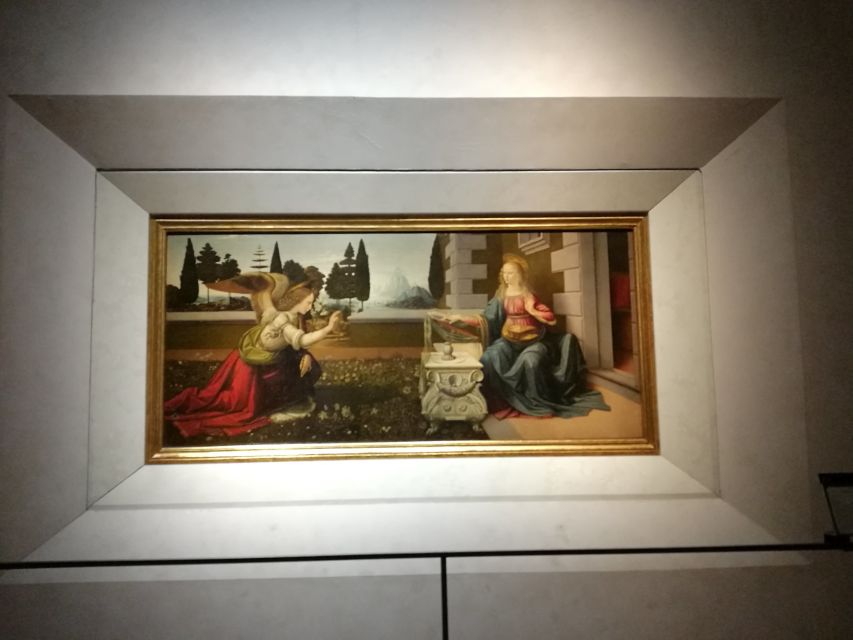
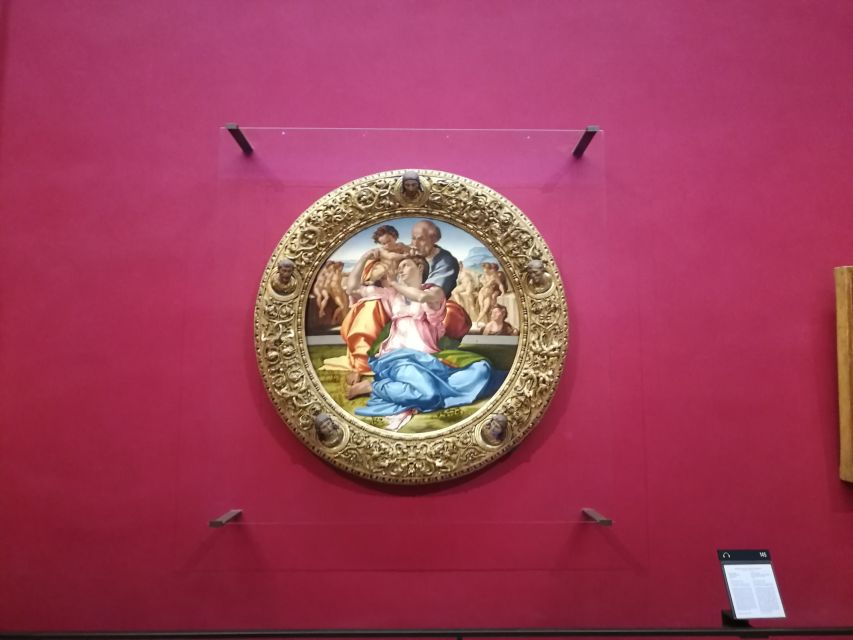
- The tour focuses on major names: Botticelli, Leonardo da Vinci, Michelangelo, and Caravaggio are among the artists covered.
- Nine people is the group limit: A small group makes it easier to hear the guide and ask questions.
- You are not pushed out after the tour: Stay in the Uffizi and continue looking around at your own speed.
- Early morning matters: You enter before the usual crowds arrive, though other early groups may still be present.
- The price is $99 per person: That is reasonable if you want structure and art context, but less appealing if you prefer to explore alone.
Why the Uffizi works better with a guide
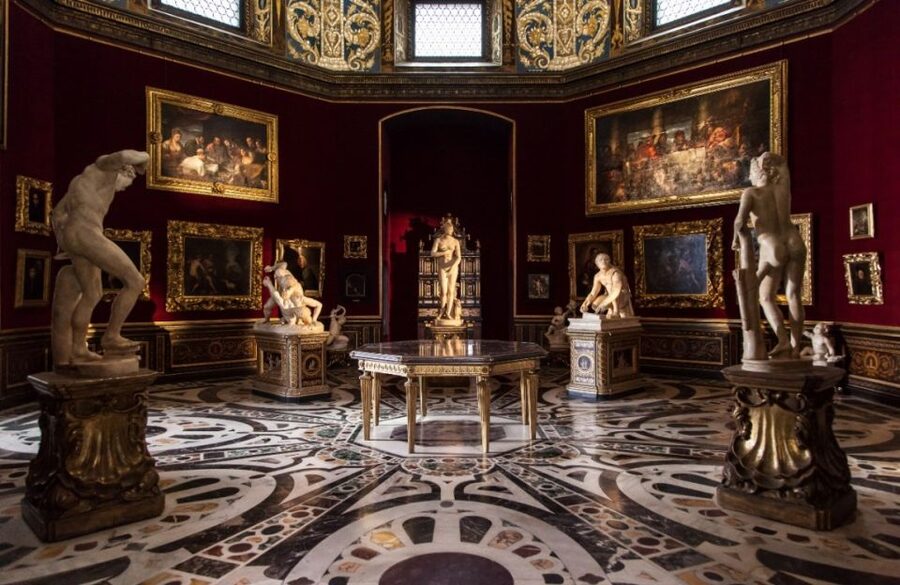
The Uffizi is not a quick checklist museum. Its rooms hold centuries of painting and sculpture, and the most famous works sit among many pieces that are less familiar but still important. Without a plan, you can spend your energy finding your way rather than looking closely.
A good guide gives you a thread to follow. The tour connects the Medici family, Florence, religious art, changing artistic styles, and the growth of perspective. You are not simply shown a Botticelli and told its name. You hear how artists made figures look more human, how patrons shaped what was painted, and how artistic ideas changed over time.
This is especially useful if you do not already know much about art. One guide, Christiano, was praised for explaining mathematical perspective, the choices behind religious themes, and the relationship between religious and secular art during the Medici period. That sort of background helps you see patterns across several rooms.
The guide also saves you from treating the Uffizi like a scavenger hunt. You will see important works by Botticelli, Leonardo, Michelangelo, and Caravaggio, while also learning how the pieces relate to the periods around them.
More Art Museum Tours in Florence
- Florence: Skip-The-Line Uffizi Gallery Timed Entry Ticket
★ 4.5 · 27,832 reviews - Florence: Uffizi Priority Ticket & Masterpieces Audio App
★ 4.2 · 6,402 reviews - Florence Accademia Gallery Tour with Entrance Ticket Included
★ 4.5 · 6,148 reviews
Meeting near Piazza della Signoria
The Uffizi sits beside Piazza della Signoria, in the heart of central Florence. You meet your certified, official guide at the gallery, though the exact meeting point can vary depending on the option you book.
Give yourself time to find the right spot. One of the practical lessons from this experience is that being near the Uffizi is not always the same as being at the correct meeting point. Early in the morning, the small group should be easier to identify, but you still need your booking details and valid identification close at hand.
Bring a passport or ID card. Comfortable shoes are a good idea because the museum is large and the tour involves standing and walking. Pets, smoking, luggage, and large bags are not allowed, so pack lightly.
The early start is part of the value. You enter before the usual crowds arrive, which can make it easier to hear the guide and get a proper look at major works. It does not mean you will have the building entirely to yourself. Other early groups may be moving through the same rooms, and the Uffizi can still feel busy during popular periods.
From Roman emperors to the Medici collections
The experience is not limited to Renaissance paintings. You can expect to see classical sculpture and artifacts tied to the Roman Empire, including busts, tombs, and representations of Roman emperors.
These objects give the later paintings a useful setting. The Medici and other Florentine patrons admired the ancient world, collected classical objects, and used old ideas as a source of artistic inspiration. Seeing Roman sculpture before or alongside Renaissance works helps you notice how artists returned to the human body, facial expression, balance, and proportion.
The Uffizi is closely linked to the Medici collections, so the tour also explains the family’s role in Florence’s artistic life. The point is not simply that the Medicis owned famous objects. Their patronage helped determine which artists received support and which subjects appeared in churches, palaces, and civic spaces.
You will hear stories about artists and historical figures as well as formal art terms. Guides such as Giacomo have been praised for making historical characters feel more personal, while Francesco was appreciated for adding side stories that made the main facts easier to remember. That storytelling can be particularly helpful when several paintings share similar religious subjects.
Botticelli, Leonardo, Michelangelo, and Caravaggio
The tour’s main draw is its selection of major works. Botticelli, Leonardo da Vinci, Michelangelo, and Caravaggio each represent a different moment and artistic concern, so seeing them in one visit gives you a compact lesson in Italian art.
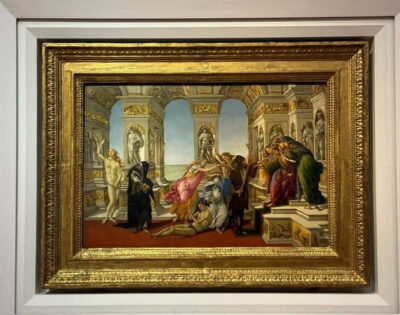
Botticelli offers a chance to think about graceful figures, mythological subjects, and the visual language associated with Florence’s Renaissance court culture. Leonardo brings questions about observation, expression, and the attempt to make figures appear alive. Michelangelo connects painting and sculpture through powerful bodies and dramatic form. Caravaggio shifts the mood toward strong contrast and heightened realism.
The guide does not simply rush from one famous painting to the next. The best use of a short museum tour is comparison. You may look at how one artist handles a face, how another builds space, or how the treatment of the body changes from earlier religious painting to later work.
Past guides have used different methods. Annette explained both the building and the art, while Riccardo focused on the stories behind the masterpieces. Valentina was praised for selecting a manageable number of major pieces and giving each one enough attention. Those approaches suit the Uffizi well because attempting to explain everything would leave you remembering very little.
Expect the guide to make choices for you. That is helpful, but it also means you may miss a lesser-known painting you hoped to see. If you have one particular work on your list, ask about it during or after the tour. One guide helped a visitor locate a painting that was not part of the main route.
More Uffizi tours and tickets:
- Uffizi Gallery: Renaissance Masterpieces Guided Tour
★ 4.6 · 6,070 reviews - Uffizi Gallery Small Group Tour with Guide
★ 4.5 · 4,923 reviews - Uffizi & Accademia Timed Entry: Small Group Duomo Walking Tour
★ 4.5 · 3,630 reviews - Florence: Uffizi Gallery Timed Entry Ticket & Audio Guide
★ 4.2 · 2,794 reviews
What 1.5 hours can realistically cover
The advertised duration is 1.5 hours. That is enough for a focused introduction, not a full survey of the museum.
You will likely move through selected rooms and stop for explanations of key pieces. The pace can feel brisk because the Uffizi is so large. Several past tours lasted closer to two hours, but you should plan around the stated 1.5-hour schedule rather than counting on extra time from the guide.
The advantage of a short route is concentration. You get an organized look at the best-known parts of the collection without spending half a day trying to work out where to go next. The disadvantage is that you cannot give every room the attention it deserves.
Think of the guided portion as a foundation. You learn what to look for, then continue alone afterward. Some people could spend most of a day in the Uffizi and still not see everything. This tour does not pretend otherwise.
If you are new to the museum, 1.5 hours may be just right. It gives you context without exhausting you before lunch. If you already know the collection well, you may prefer a longer private visit or an unguided session built around your own list.
Staying inside after the guide finishes
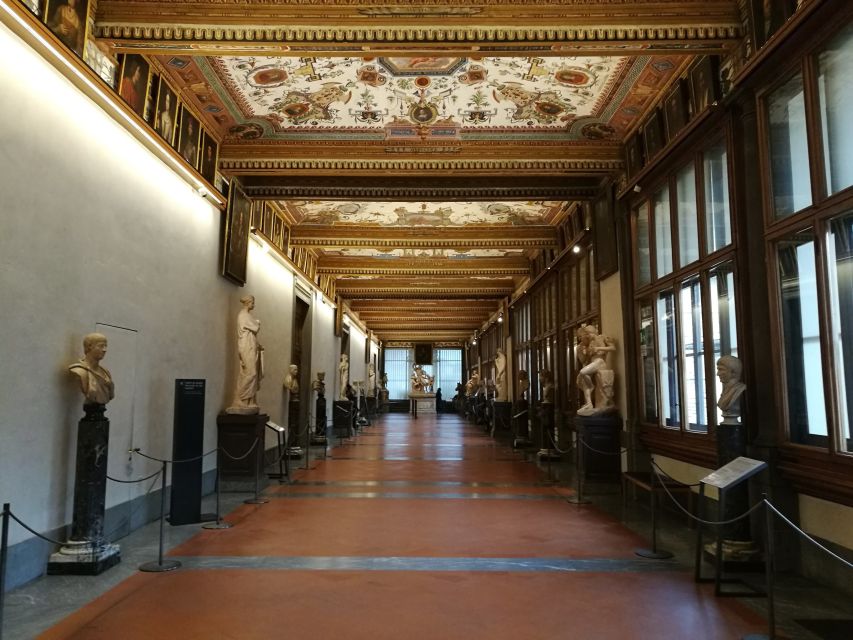
One of the strongest practical features is that you can remain in the museum after the guided tour. You do not have to leave immediately and buy another ticket to return.
Use this time to revisit the works that interested you most. You can also look for rooms skipped during the group route, including pieces that did not fit the guide’s main story. This is where the tour becomes more than a 90-minute lecture. The guide gives you a map, then you have room to follow your own interests.
It is worth paying attention to the building’s layout before separating from the group. The Uffizi is large enough to confuse first-time visitors, and one person found the galleries difficult to navigate after the tour. Ask the guide where you are and which direction leads to the areas you still want to see.
You may also find a café on the upper level with views and photo opportunities, as one past visit noted. The exact experience can vary, but the main point remains useful: do not schedule a tight appointment immediately after the tour. Give yourself time to stay and look.
The guide makes or breaks the experience
A museum tour depends heavily on the person leading it. This experience has used guides including Ivano, Gianna, Janna, Leonardo, Valentina, Annette, Riccardo, Viola, Francesco, and Giacomo.
The strongest praise has focused on clear explanation, humor, passion for art, and the ability to adapt to the group. Ivano was appreciated for stories about artists and their work. Janna helped make the collection engaging for people who were not naturally interested in art. Fabrizio was described as personable and able to adjust his presentation to the people listening.
English has been described as clear with several guides, and the tour is offered in English, Italian, or French. The group receives commentary in one language, avoiding the stop-and-start rhythm that can happen when a guide repeats every point several times.
Headsets have also been used on some tours, allowing people to wander a little while still hearing the guide. That can make crowded rooms less frustrating, though you should still stay close enough to follow the route.
No guide can guarantee that every explanation will match your personal interests. Some people want technique, others want politics, religion, biography, or gossip. The small group gives you a better chance to ask for the angle you prefer.
Is $99 a fair price?
At $99 per person, this is not the cheapest way to enter the Uffizi. You are paying for more than admission: priority entry, a professional guide, a small group, and a planned route through a very large museum.
I think the price makes sense for a first visit if you value context and want to use your morning well. A guide can help you understand the collection in 90 minutes, then you can remain inside and continue alone. That combination is more useful than a quick ticket-only visit if you are unsure where to begin.
The value is weaker if you already know the Uffizi well, dislike group tours, or want to spend hours with a small number of works. In that case, a regular ticket and your own plan may suit you better.
The priority entrance also needs a realistic explanation. It is designed to help you skip the ticket line, but entry procedures can still be affected by museum operations. Past visits have faced delays linked to a staff strike. That was an unusual disruption rather than the advertised norm, but it shows why you should avoid booking a nonrefundable appointment immediately afterward.
Who should book this Uffizi tour?
I would choose this experience for a first-time visitor who wants to see the major works without wandering aimlessly. It also suits anyone who enjoys historical stories more than a recorded audio guide.
The small group is useful for couples, families with older children, and friends who want to ask questions. It can also work well for someone who is curious about art but does not yet know the vocabulary. The guide explains the changes in style rather than assuming you already understand them.
It may be less suitable for art specialists who want a narrow, detailed study of one artist. It is also not ideal for anyone who needs a slow pace throughout, since the museum is large and the schedule is short.
Book with enough time for the building itself. The tour lasts 1.5 hours, but the best use of the ticket is to stay afterward. Comfortable shoes, a valid ID, and a small bag will make the morning easier. Free cancellation is available up to 24 hours before the activity, and you can reserve now and pay later, which helps if your Florence schedule is still shifting.
Final call: a smart first look at the Uffizi
Book this tour if you want the Uffizi’s major names explained by a lively guide, prefer a group of no more than nine, and value entering early. The strongest part is the balance between structure and freedom: you follow a clear route, then remain inside to explore on your own.
Skip it if you already have a detailed museum plan or want to linger over every room. At $99, the tour earns its price through the guide’s explanations and the time saved, not simply through the entrance ticket. For most first visits, that trade is worthwhile.
FAQ
How long does the Uffizi tour last?
The scheduled duration is 1.5 hours.
What is included in the price?
The price includes priority entrance to the Uffizi Gallery, a tour guide, and the guided gallery tour.
How much does the experience cost?
The listed price is $99 per person.
Which languages are available?
The live guide is available in English, Italian, and French. Commentary is given in one language during the tour.
How large is the group?
The group is limited to nine participants.
Can I stay in the Uffizi after the guided tour?
Yes. You can remain in the museum after the guided portion and continue exploring at your own pace.
Where do I meet the guide?
The meeting point is at the Uffizi Gallery near Piazza della Signoria, but the exact location may vary according to the option booked.
What should I bring?
Bring a valid passport or ID card and wear comfortable shoes.
Can I cancel or pay later?
You can cancel up to 24 hours in advance for a full refund. The reserve-now, pay-later option lets you book without paying immediately.
Just added around Florence
- Skip the line: Uffizi small group and walking tour of Florence★ 4.5 · 17 reviews
- Florence Private Walking Tour Including Uffizi and Accademia★ 3.5 · 4 reviews
- Uffizi Gallery Italian guided Tour semi private★ 4.5 · 9 reviews
- Private Tour: Accademia Gallery and City Tour★ 5.0 · 10 reviews
- Private Tour: The Academy Gallery★ 5.0 · 6 reviews
- Uffizi Express Entrance -private tour★ 5.0 · 9 reviews
- Uffizi and Palazzo Vecchio Combo Private Tour★ 5.0 · 3 reviews
- VIP Priority Access: Uffizi Gallery- Guided Experience★ 4.5 · 94 reviews
Art Museum Tours in Florence, compared.

Skip-The-Line Uffizi Gallery Timed Entry Ticket
Read our review →
Florence Accademia Gallery Tour with Entrance Ticket Included
Read our review →
Uffizi Gallery: Renaissance Masterpieces Guided Tour
Read our review →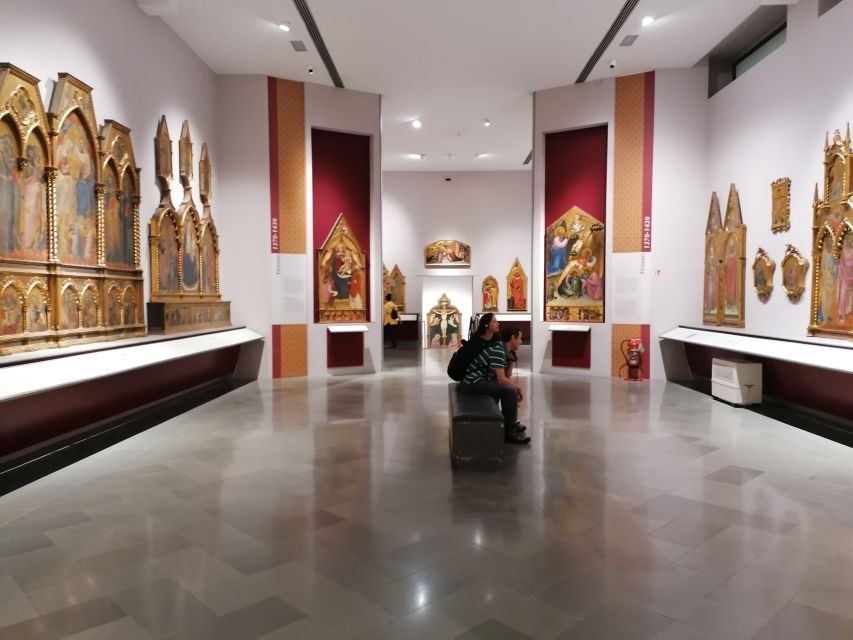
Uffizi Gallery Timed Entry Ticket & Audio Guide
Read our review →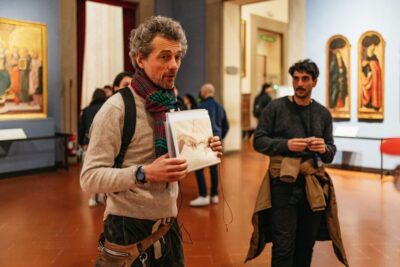
Accademia Gallery Guided Tour with Entry Ticket
Read our review →Browse the lists this tour appears in