REVIEW · ITALY
Florence: Palatina Gallery & Pitti Palace Guided Tour
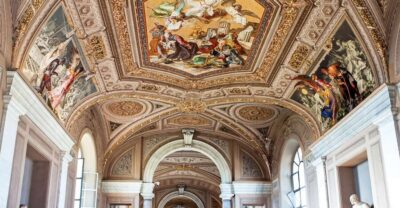
The best part of this tour is the chance to see the Palatina Gallery inside Pitti Palace, where the Medici family kept about 500 paintings in their private collection. You move through 28 lavish rooms filled with Botticelli, Titian, Rubens, Caravaggio, and other major European artists, then continue into the Royal Apartments.
I like the short 90-minute format, which gives you a clear introduction without swallowing an entire afternoon. I also like the guide-led approach: a good guide can explain why these paintings are here and add Medici family stories that are easy to miss when you wander alone. The main drawback is that the tour is in English only, and one past Italian participant found the explanation difficult to follow.
Key points to know before you book
- 500 paintings in 28 rooms: The Palatina Gallery presents the Medici collection inside the palace where the family lived.
- Two major areas included: Your ticket covers both the Galleria Palatina and the Royal Apartments.
- A compact museum visit: The 1.5-hour length works well if you want art and palace interiors without a full-day commitment.
- English guide only: The tour is listed in English, even though some guides, including Paola Gatti, have also guided Italian visitors.
- Meet at the main entrance: Go to 1 Piazza de’ Pitti and check in at least 15 minutes before departure.
- Dress matters: Wear closed-toe shoes and comfortable clothes. Sleeveless shirts are not allowed.
Entering Pitti Palace at Piazza de’ Pitti
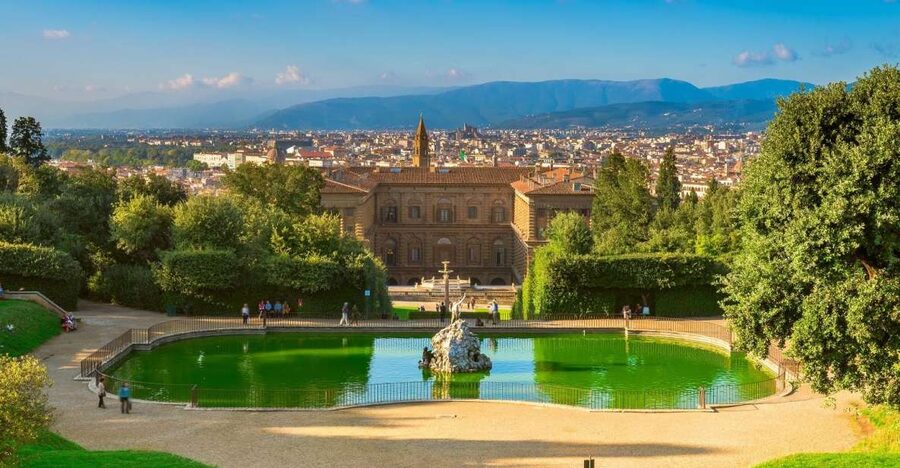
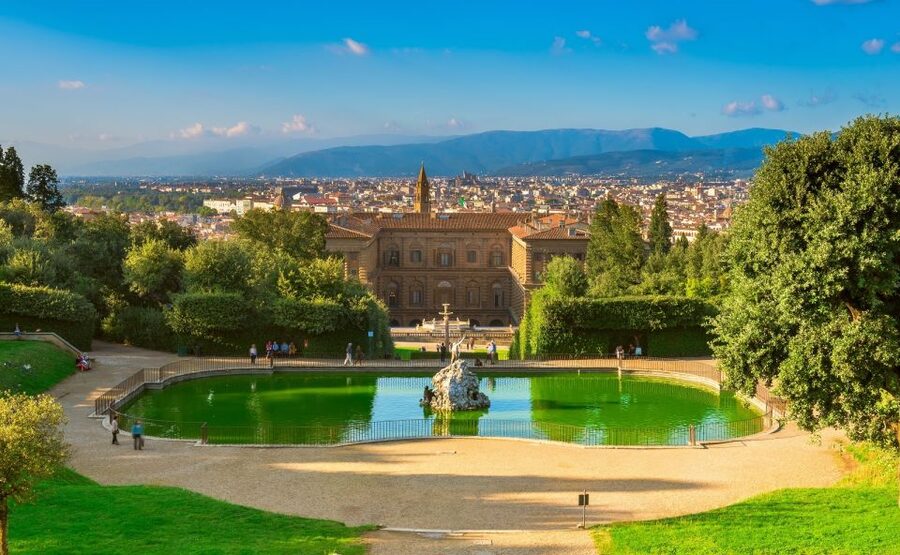
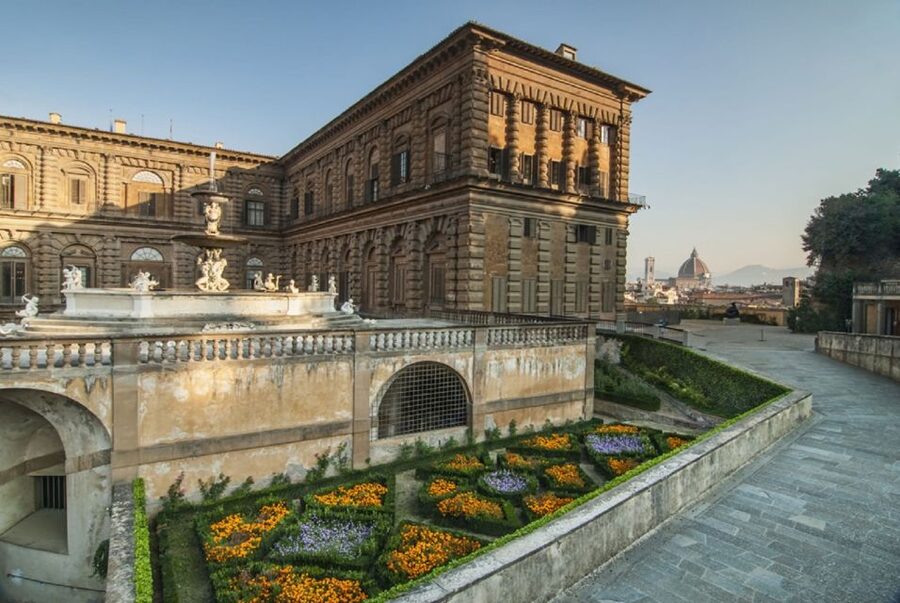
Pitti Palace sits on the south side of the Arno, across the river from Florence’s central cathedral and Uffizi area. Your meeting point is directly in front of the main entrance at 1 Piazza de’ Pitti, 50125 Firenze.
That simple location is useful, but do not treat the meeting time casually. Check-in closes 15 minutes before the tour starts. If you arrive at the last moment, finding the guide and joining the group may become a problem, especially around a large palace entrance.
The palace itself was built in the 15th century and later bought by the Medici family. It became one of their grand residences, and the building still gives you a strong sense of how art, status, and private life were tied together at court.
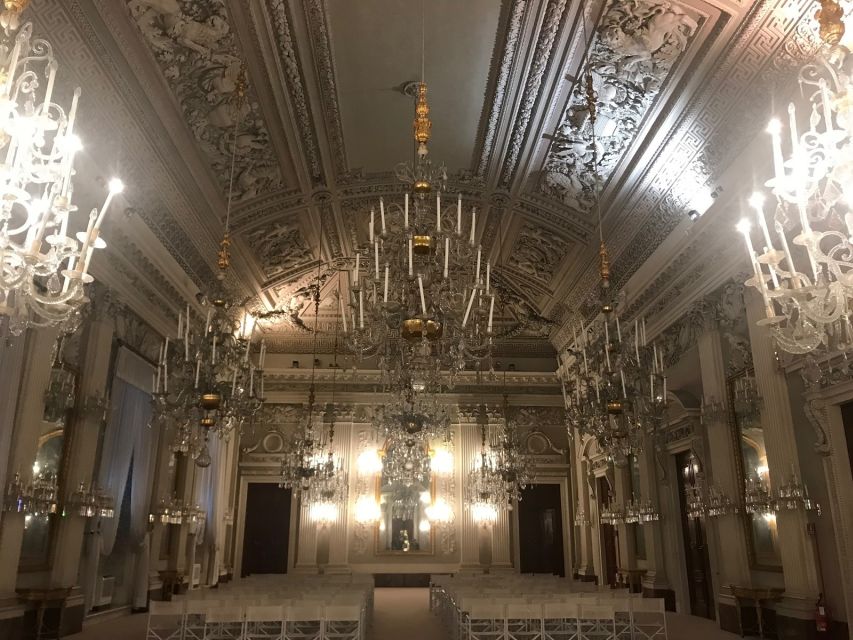
I like beginning here because Pitti Palace is not just a box for paintings. The rooms, ceilings, furnishings, and artwork belong to the same story. You are seeing the Medici collection in the setting where their family displayed wealth and power, rather than viewing each canvas in a bare modern gallery.
A few more gallery visits around Italy worth comparing
- Vatican Museums, Sistine Chapel & St Peter’s Basilica Guided Tour
★ 4.5 · 39,149 reviews - Rome: Vatican Museums & Sistine Chapel Guided Tour
★ 4.3 · 12,117 reviews - Uffizi Gallery: Renaissance Masterpieces Guided Tour
★ 4.6 · 6,070 reviews
The Palatina Gallery and its 28 rooms
The Galleria Palatina is the main art gallery inside Pitti Palace. Its collection includes around 500 Renaissance and Baroque paintings, arranged through 28 rooms. The result is intentionally grand, but it can also feel visually crowded.
You will see room after room filled with framed works, decorative details, and strong contrasts between light and shadow. The display is far removed from the quiet, spare look of a modern art museum. Here, the walls are part of the show.
That arrangement has two sides. On one hand, it makes the gallery feel like a private royal collection. On the other, the sheer number of works can make it hard to focus. One recent assessment described the rooms as a bit confusing because of the dense display and repeated rhythm of the visit.
This is where a good guide matters. Rather than trying to remember every painting, listen for the works and stories that give the collection shape. You may not leave with a complete picture of every artist, but you should come away with a better sense of how the Medici family collected and displayed art.
The tour is not designed for a slow, independent study of every canvas. Ninety minutes goes quickly in a gallery of this size. If you have a particular interest in Italian painting, keep track of the rooms and works you want to revisit after the guided portion.
Botticelli, Titian, Rubens, and Caravaggio
The gallery’s appeal rests on the range of artists represented. You can expect works associated with Botticelli, Titian, Rubens, and Caravaggio, along with many other Italian and European painters from the 15th through the 17th centuries.
That span lets you see changing styles across several generations. Botticelli connects you with the elegance of the early Renaissance. Titian represents the power of Venetian color and portraiture. Rubens brings a large-scale European court style, while Caravaggio points toward a more dramatic use of light and shadow.
The value of a guided visit is not simply hearing names. It is learning what to look for. A guide may point out a striking use of light, an unusual pose, a family connection, or a detail that explains why a painting mattered to its owners.
The quality of that experience depends heavily on the guide. Past feedback includes a strong response to Paola Gatti, who was described as prepared and attentive to the group’s needs. Another English-language guide was praised for speaking clearly, showing real interest in the subject, and sharing the material with enthusiasm.
There has also been a less positive experience. One participant found the delivery too repetitive and wished for more time to ask questions and look at nearby works. That is a fair concern in a gallery where the visual information can pile up quickly.
You can help yourself by asking questions when the guide pauses. If the pace feels too steady, say which painting or room you would like to understand better. A short tour works best when you treat it as an introduction, not a final word on Pitti Palace.
The Royal Apartments and the palace setting
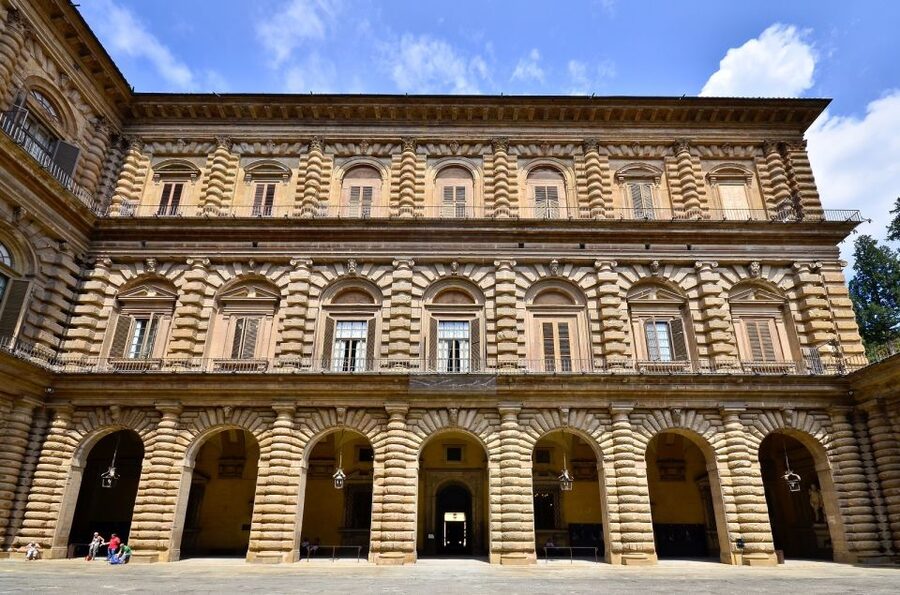
After the gallery, the tour includes the Royal Apartments. These rooms shift your attention from individual paintings to the way the palace functioned as a residence.
The Royal Apartments help put the art collection into a domestic and political setting. You are no longer looking only at canvases on a wall. You are seeing sumptuous rooms connected with the people who lived, received visitors, and displayed their rank here.
The supplied details do not promise a specific room-by-room route, so you should not book this expecting a full architectural survey. Instead, think of the apartments as a second part of the palace story. The gallery shows the Medici taste in painting. The apartments show how that taste fit into a life of ceremony and luxury.
This combination is one of the tour’s strongest features. A stand-alone painting tour can leave you with names and dates but little sense of place. A palace visit without an art focus can become a parade of decorated rooms. Here, the two elements are connected in one short visit.
Still, keep your expectations in check. The 90-minute schedule means the guide must keep moving. If you love palace interiors and want time to inspect every object, ceiling, or furnishing, you may want extra time at Pitti Palace beyond the guided portion, if your admission arrangements allow it.
Same city, a completely different collection:
- Vatican Museums, Sistine Chapel & St. Peter’s Basilica Tour
★ 4.3 · 73,970 reviews - Florence: Skip-The-Line Uffizi Gallery Timed Entry Ticket
★ 4.5 · 27,832 reviews - Rome: Vatican Museums, Sistine Chapel and Basilica Tour
★ 4.3 · 16,039 reviews - Vatican Museums & Sistine Chapel Skip-the-Line Entry Ticket
★ 4.4 · 13,838 reviews
What the Medici stories add
The Medici family bought Pitti Palace and turned it into a major residence. Their connection to the building is central to the tour, not a side note.
Family anecdotes can make the collection easier to follow. Instead of viewing hundreds of paintings as unrelated works, you begin to see them as objects chosen, displayed, and lived with by one of Europe’s most powerful families.
The strongest guides use those stories to keep the visit human. A painting might lead to a discussion of taste, status, rivalry, religion, or family ambition. You get more than a list of artists, and the palace becomes easier to picture as a working residence rather than a silent monument.
The experience varies by guide. One past guide was especially praised for enthusiasm and clear speech, while another was considered competent but too repetitive. If your group is large, the guide may have less flexibility to stop for every question.
Groups with more than 15 participants receive earphones. That is a small but important detail. In rooms with hard surfaces and several people gathered around a guide, hearing every word can otherwise be difficult. Smaller groups may not receive them, so stay close enough to listen.
Is $81 a fair price for 90 minutes?
At $81 per person, this is not a budget museum entrance. You are paying for admission to the Galleria Palatina and Royal Apartments, plus a professional guided tour.
The value depends on how you like to visit museums. If you want a short, organized introduction and prefer having someone explain the Medici connection, the price can make sense. You are paying for structure and interpretation, not just access to rooms.
If you already know Renaissance painting well, read Italian art history comfortably, or prefer to set your own pace, the cost may feel high for 90 minutes. The gallery’s crowded presentation rewards patience, and you may want more time than the schedule allows.
I would compare this with the value of your day in Florence. If you have limited time and want one focused palace visit, this tour saves you from sorting out the collection on your own. If Pitti Palace is a top priority and you want several hours with the art, a shorter guided visit may feel like only an introduction.
The free cancellation option, available up to 24 hours before the activity, gives you some planning room. You can also reserve now and pay later, which helps if your Florence schedule is still shifting. Those policies do not change the price, but they reduce the risk of committing too early.
Language, pace, and guide style
The listed tour language is English. That point deserves attention because the setting is Florence and the palace may attract people who assume an Italian option will be available.
One Italian participant booked without realizing the tour was in English and found the explanation hard to follow. The guide offered extra clarification only when it became clear that some information was not understood. If you are not comfortable listening to art history in English, confirm the language before paying.
English-speaking visitors should find the format straightforward. The strongest past feedback praised a guide who spoke well, cared about the material, and made the subject engaging. Paola Gatti was also singled out for preparation and willingness to help.
The tour’s pace is likely to feel brisk because so much is packed into 90 minutes. I would choose this visit for a broad overview, not for long periods of quiet looking. Ask questions early, stay near the guide, and note the artists or rooms you want to examine again.
That approach also helps with the gallery’s visual overload. You cannot absorb 500 paintings in one sitting. Let the guide identify the main points, then choose a few works to study rather than trying to give every painting equal attention.
Practical preparation for the palace
Wear comfortable clothes and closed-toe shoes. You will be inside for the full visit, but palace floors and a steady walking pace still make sensible footwear worthwhile.
Sleeveless shirts are not allowed, so dress with that rule in mind. It is a small detail, but arriving improperly dressed can spoil an otherwise simple museum visit.
Bring only what you need for the tour and arrive early enough to find the meeting point. The address is clear, but the group must check in before the 15-minute cutoff.
Food and drinks are not included. Plan those separately before or after the visit. The activity is focused on the palace and does not include a meal or refreshment stop.
COVID-19 security documents may still be required under the activity rules provided at booking. If you do not have the required documents, participation may be refused without a refund. Check the current requirements before you leave for the meeting point.
Who should book this Pitti Palace tour?
I would choose this experience if you want three things: a guided introduction, major Italian and European paintings, and a look at the Medici residence in one compact visit.
It is especially suitable for:
- First-time visitors to Pitti Palace
- People with only part of a day for museum visits
- Anyone who wants context rather than a silent walk through galleries
- Art lovers interested in Botticelli, Titian, Rubens, or Caravaggio
- Visitors comfortable with an English-language tour
- Couples and small groups who prefer a set route
I would think twice if you want to study each painting at length, dislike guided pacing, or need an Italian-language tour. The collection is large, the rooms are visually full, and the tour may feel too quick for serious art study.
Should you book it?
Book this tour if the Medici connection and the main masterpieces matter more to you than a long, quiet museum session. The Palatina Gallery and Royal Apartments give you two different views of Pitti Palace, and the short schedule is useful in a busy Florence itinerary.
Skip it if you want complete freedom, a longer visit, or a confirmed Italian-language explanation. At $81, the guided context needs to be part of the appeal for the price to feel worthwhile.
For most English-speaking first-time visitors, I see this as a solid introduction rather than the final word on Pitti Palace. Go early, dress correctly, stay close to the guide, and choose a few paintings to remember instead of trying to conquer all 500.
FAQ
Where does the tour meet?
Meet in front of the main entrance of Pitti Palace at 1 Piazza de’ Pitti, 50125 Firenze.
How long does the guided tour last?
The tour lasts 1.5 hours.
What parts of Pitti Palace are included?
Admission includes the Galleria Palatina and the Royal Apartments.
What language is the tour in?
The listed live tour language is English.
Are earphones provided?
Earphones are provided for groups with more than 15 participants.
What should I wear?
Wear comfortable clothes and closed-toe shoes. Sleeveless shirts are not allowed.
Just added around Italy
- Colosseum,Vatican Museum & Sistine Chapel in One Day Guided Tour★ 3.5 · 9 reviews
- Vatican Museums and Sistine Chapel last entry Guided Tour★ 5.0 · 3 reviews
- Private Tour Of Rome Highlights And Vatican Museums Skip-The-Line all included★ 5.0 · 4 reviews
- Caravaggio Art Walking Tour of Rome with Pantheon Visit★ 4.5 · 35 reviews
- Borghese Gallery Admission Ticket with Audioguide★ 4.0 · 64 reviews
- Borghese Gallery Skip the Line Guided Tour★ 4.5 · 23 reviews
- Borghese Gallery Ticket with Audioguide★ 3.5 · 51 reviews
- Borghese Gallery VIP Tour – Skip the Line Tickets★ 5.0 · 2 reviews
Art Museum Tours in Italy, compared.
Vatican Museums, Sistine Chapel & St. Peter’s Basilica Tour
Read our review →
Vatican Museums, Sistine Chapel & St Peter’s Basilica Guided Tour
Read our review →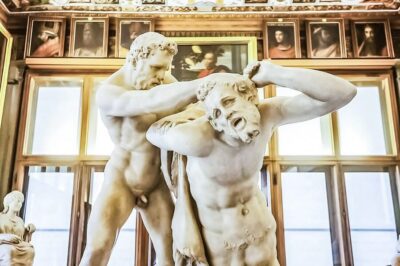
Skip-The-Line Uffizi Gallery Timed Entry Ticket
Read our review →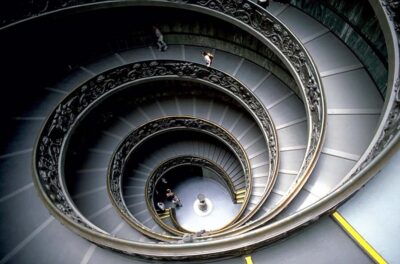
Vatican Museums, Sistine Chapel and Basilica Tour
Read our review →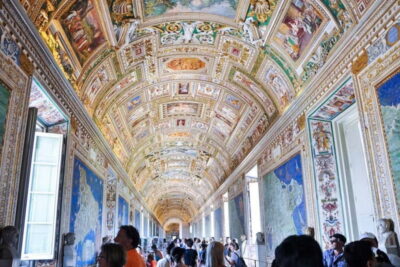
Vatican Museums & Sistine Chapel Skip-the-Line Entry Ticket
Read our review →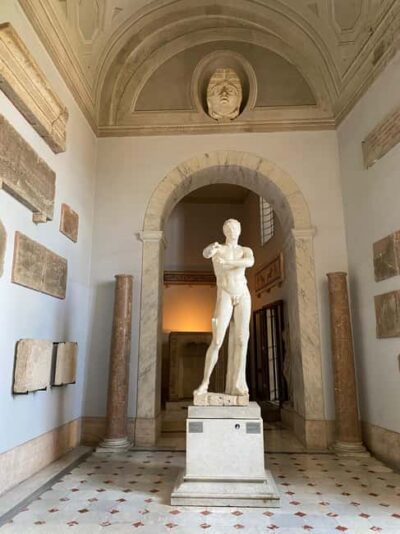
Vatican Museums, Sistine Chapel & Basilica Tour
Read our review →
Vatican Museums & Sistine Chapel Guided Tour
Read our review →