
REVIEW · ROME
Borghese Gallery Max 6 People Tour: Baroque & Renaissance in Rome
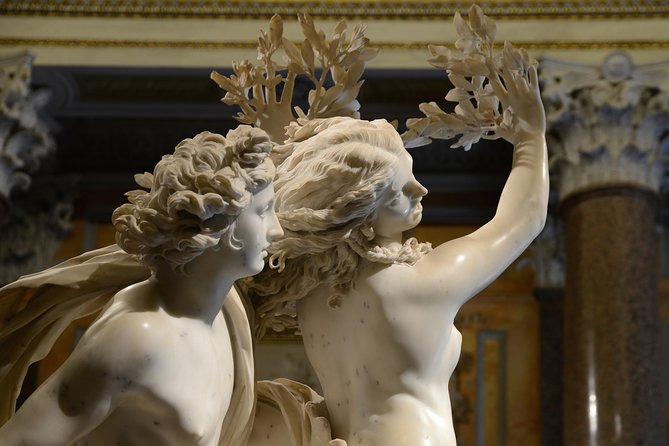
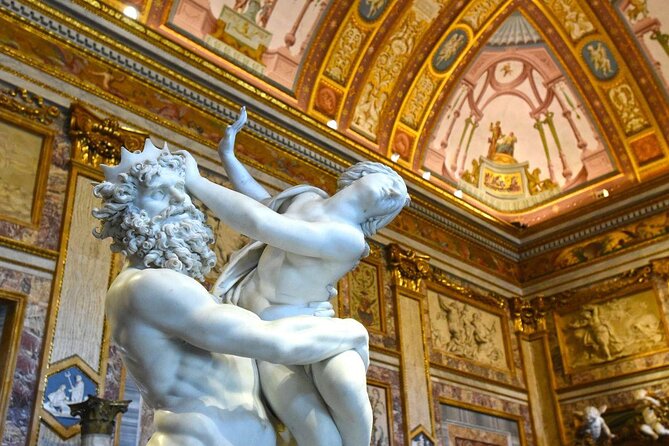
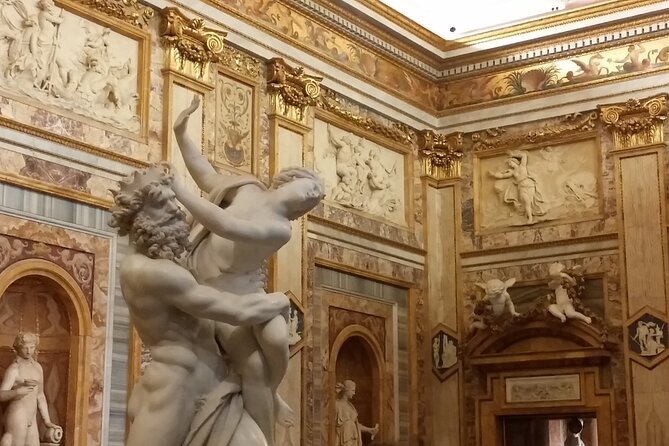
The real treat here is Bernini’s marble sculpture. Apollo and Daphne, The Rape of Proserpina, and David with Goliath’s Head are not just pretty objects in glass cases. They are theatrical, emotional, and full of tiny details that make stone seem soft. A good guide helps you see the hand gripping flesh, the flying hair, and the instant before a scene changes.
I like the maximum of six people, which makes it much easier to hear and ask questions. I also like the way the tour links famous paintings with the people and politics behind them, instead of leaving you to decode small museum labels. Guides such as Francesco, Caterina, Manny, Sylvia, Marco, and Giovanna have been praised for clear explanations and strong storytelling, though your guide will depend on the date.
The main drawback is the clock. The gallery gives you roughly two hours, and the tour has a lot to cover. You may need to accept a quick look at some rooms, especially if your priority is both Bernini and Caravaggio. Arrive early, too. One late group once held up a start, while another visitor who missed the meeting time lost the guided portion entirely.
Key points to know before booking
- Six-person limit: This is small enough for real conversation, not a crowd gathered around a flag.
- Reserved admission included: The hard-to-get Borghese ticket is part of the price.
- Bernini is the star: Apollo and Daphne and The Rape of Proserpina receive the attention they deserve.
- English storytelling: The guide explains art, artists, patrons, and behind-the-scenes details beyond the wall labels.
- Two-hour format: Focused and manageable, but not long enough for a slow study of every room.
- Villa Borghese setting: Meet in the park, and allow time for a stroll before or after your museum visit.
Why the Borghese Gallery is worth two hours
Rome has grand museums that can leave you worn out before you find the art you came to see. The Borghese Gallery is different. It is compact, richly decorated, and packed with major works in rooms that feel more like a lavish villa than a standard public museum.
That setting matters. The collection was built around the taste and ambition of the Borghese family, especially Cardinal Scipione Borghese, a powerful patron with an eye for dramatic art. You are not simply moving from one famous name to another. You are seeing how sculpture, painting, architecture, wealth, and power worked together in Rome.
The collection ranges from ancient sculpture to Renaissance painting and the emotional fireworks of the Baroque period. You can see Raphael beside Caravaggio, Bernini beside antique Roman works, and Canova’s Paolina Borghese Bonaparte among objects chosen to impress.
That mix can be hard to understand alone. A guide gives you a thread to follow. The best guides on this tour explain what you are seeing, then add the social and artistic context that makes it memorable. Past guides praised for this approach include Manny, Elisa, Eva, Francesca, and Martha. The names are useful examples of the kind of art-focused guide assigned to the tour, not a promise that one particular person will lead your visit.
More Art Museum Tours in Rome
- Vatican Museums, Sistine Chapel & St. Peter’s Basilica Tour
★ 4.3 · 73,970 reviews - Vatican Museums, Sistine Chapel & St Peter’s Basilica Guided Tour
★ 4.5 · 39,149 reviews - Rome: Vatican Museums, Sistine Chapel and Basilica Tour
★ 4.3 · 16,039 reviews
Meeting in Villa Borghese
The tour begins at Molto alla Galleria Borghese, at Piazzale del Museo Borghese, in the Villa Borghese Gardens. The meeting point is in the heart of the park, so do not treat this as a quick curbside appointment. Give yourself time to reach the museum area.
The park itself is part of the experience. Before or after the gallery, you can stroll through its grounds and learn about the activities, festivals, and games held there. The tour introduction also covers how Villa Borghese came to be, which gives the museum a stronger sense of place.
I would arrive early. The gallery’s tickets are limited and reservations are mandatory, while public transport serves the area. The meeting point is not described as difficult, but Rome’s park paths and entrances can slow you down if you are rushing. A missed start can mean missing the guide even if you later manage to buy a separate gallery ticket.
The tour ends back at the meeting point. Food and drinks are not included, so plan a coffee or meal separately.
Inside the gallery, with Bernini in the spotlight
The first major strength of this visit is the focus on Bernini. The gallery holds several of his best-known works, and the guide can show you how his approach changed the possibilities of marble.
In Apollo and Daphne, the story is frozen at the moment Daphne begins to transform into a laurel tree. Look closely at the fingertips becoming leaves, the hair blowing behind Apollo, and the contrast between his forward movement and her escape. Seen alone, you may admire the technical skill. With an explanation of the myth and the sculpture’s action, the scene becomes far more urgent.
The Rape of Proserpina offers a different shock. Bernini carved the impression of fingers pressing into flesh, a detail that many people miss when they first walk past. A guide can direct your attention to the surface of the marble and explain why this work feels almost physically uncomfortable.
David with Goliath’s Head carries another kind of force. Rather than presenting David as a calm hero after the fight, Bernini captures him in action. The pose asks you to move around the sculpture and feel the tension in the body. This is where a guide’s timing helps. You need a moment to look, but you also need the story before the next group closes in.
One especially useful point from the tour feedback is the attention to motion. A strong guide explains not only who the figures are, but how the sculpture controls your eye. You learn to notice flowing fabric, compressed muscles, twisting bodies, and the direction of a figure’s gaze.
Caravaggio, Raphael, Titian, and Canova
The Borghese is not only a Bernini stop. Its paintings give the sculpture a powerful counterpoint.
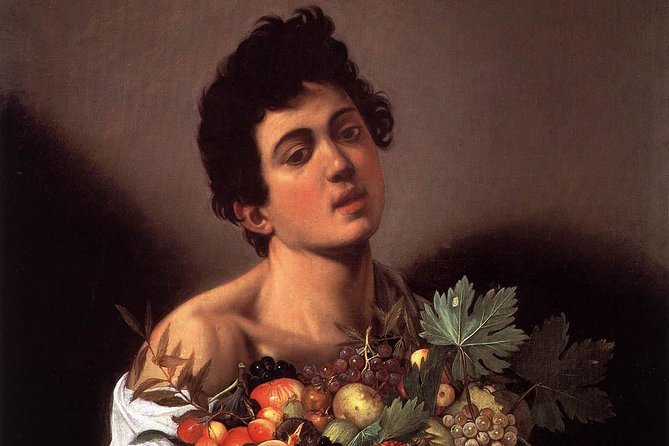
Caravaggio’s David with Goliath’s Head is one of the collection’s essential works. The painting is dark, direct, and emotionally complicated. Caravaggio used his own image for Goliath, which opens a door to questions about guilt, mercy, and the painter’s troubled life. You can also see Caravaggio’s Boy with a Basket of Fruit, where ordinary fruit becomes a study in light, texture, and youth.
A guide can help you compare Caravaggio’s sharp realism with the idealized figures of Raphael. Raphael’s Young Woman with Unicorn has a calmer, more controlled mood. The difference between the two artists is easier to grasp when someone points out the choices in color, expression, composition, and symbolism.
Raphael’s Deposition is another key work. It brings the drama of a religious scene into a carefully arranged composition. You do not need a degree in art to appreciate it, but the painting becomes more rewarding when the guide explains how Renaissance artists built meaning through gesture and placement.
Titian’s Sacred and Profane Love adds another layer. Its title and interpretation have long invited discussion, and a guide can give you several ways to look at the figures and setting without reducing the work to one simple answer.
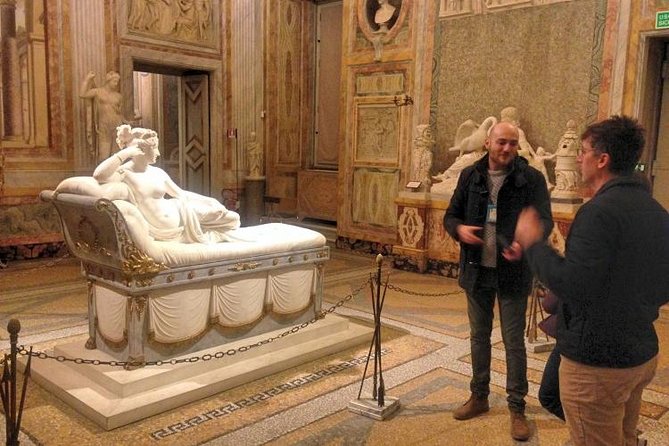
Then there is Canova’s Paolina Borghese Bonaparte, a polished portrait sculpture with a strong element of performance. Paolina reclines as Venus, turning a portrait into a statement about beauty, status, and self-presentation. It is the sort of work that rewards a guide who can explain the subject’s identity and the image she wanted to project.
More Borghese Gallery slots:
- Rome: Borghese Gallery Skip-the-Line Ticket & Audioguide
★ 4.3 · 4,318 reviews - Rome: Borghese Gallery Ticket + Audioguide or Guided Tour
★ 4.6 · 3,219 reviews - Rome: Borghese Gallery Guided Tour with Skip-the-Line Entry
★ 4.8 · 2,649 reviews - Rome: Borghese Gallery Skip-the-Line Tickets with Audioguide
★ 4.6 · 2,562 reviews
Ancient sculpture and the palace rooms
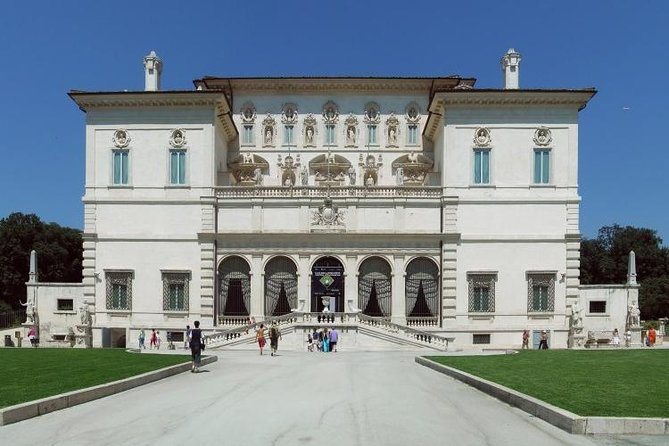
The gallery’s ancient sculpture collection helps explain the tastes of the Borghese family. These works also provide a useful comparison with Bernini. You can see how a modern artist borrowed from, competed with, and reworked the classical past.
The rooms themselves deserve attention. Ornate decoration, patterned floors, painted ceilings, and carefully arranged sculpture can compete with the art on display. That is part of the charm, but it can also be distracting. One visitor objected to temporary contemporary installations that covered or altered parts of the historic interiors. If you care deeply about seeing every original surface without interruption, check current museum arrangements before booking.
The gallery’s second floor was under restoration from March 29 through June 30, 2024, and could not be visited during that period. That restriction was specific to those dates, but restoration schedules can change, so it is sensible to check the current museum conditions if a particular room is important to you.
What the six-person format changes
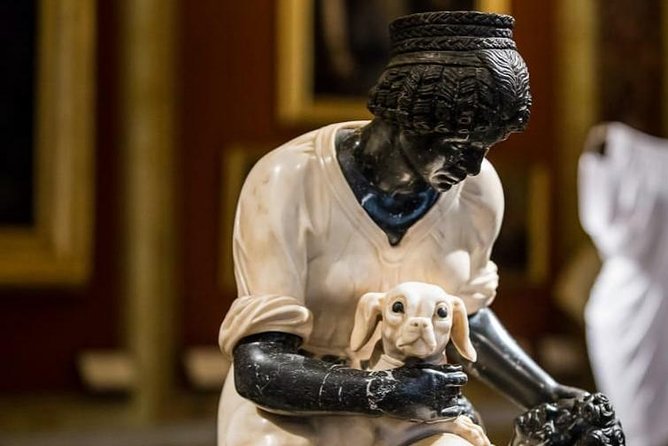
A small group is not just a marketing detail here. In a crowded museum, a guide speaking to 20 or 30 people must repeat instructions and fight to hold the group together. With six people, you can stand closer, ask about a detail, and hear the explanation without straining.
The format also helps the guide control the pace. Past participants particularly valued guides who knew when to spend more time on a major Bernini or Caravaggio and when to move through a less essential room. That is important because the two-hour visit is fixed.
Still, small does not mean private. Other groups will be in the gallery, and the museum limits everyone’s time. You may not be able to linger as long as you wish at each work. If you already know the collection well and want uninterrupted time for sketching or close study, an unguided visit may give you more freedom, provided you can secure a ticket.
For most first-time visitors, the tradeoff works in the tour’s favor. You give up some independence and gain a clear path through a complicated collection.
Is $180.27 per person good value?
At $180.27 per person, this is an expensive two-hour activity. You are paying far more than the museum ticket alone. The value comes from the reserved entry, the small group, and the guide’s ability to make the art easier to understand.
The price makes the most sense if the Borghese is high on your Rome list and you would otherwise struggle to obtain a ticket. It is also worthwhile if you want a focused art experience rather than another large museum visit. The tour can be especially useful after the Vatican Museums, since the Borghese is smaller and easier to take in during one session.
The value is weaker if you mainly want to wander at your own pace or if your budget is tight. You should also think about your interests. If Bernini, Caravaggio, Raphael, and Canova appeal to you, the tour has a strong artistic payoff. If you prefer ancient Roman ruins, the Colosseum and Forum may deserve your money first.
This tour is also a good choice for families with older children. One guide described keeping children engaged through stories and clear explanations. The sculptures are dramatic, and the visit is short enough to avoid the fatigue that can set in during a giant museum.
Timing, transport, and the two-hour limit
Choose among the available tour times based on your wider Rome plan. A morning gallery visit can leave the afternoon open for the historic center. An afternoon tour can fit well after another morning activity, but do not cut it close with transport from the Colosseum or Vatican area.
Arrive before the scheduled start. This is the most useful practical advice from the experience. The tour guide may wait briefly, but the gallery’s strict entry system and short opening window leave little room for delay. A late arrival can cost you the guided visit, and buying a replacement ticket may not be possible.
Expect plenty of standing. One participant specifically noted this, and it is worth taking seriously if you have mobility concerns. The tour is suitable for most people, but the supplied details do not promise special accessibility arrangements.
The activity is offered in English and includes a mobile ticket. You do not need to arrange food or drinks as part of the tour, since neither is included.
Who should book this Borghese tour?
Book it if you want a focused introduction to Rome’s greatest sculpture and painting in a small group. It is especially well suited to first-time visitors, art lovers, families with older children, and anyone who wants context rather than a quick look at famous objects.
I would also recommend it if your Rome schedule is tight. Two hours is enough to see the main works without giving up half a day, though you will need to accept that not every room receives equal attention.
Think twice if you dislike guided pacing, want long periods of quiet looking, or are unwilling to pay a premium for reserved entry and expert interpretation. The gallery can be visited independently if you secure a ticket, and some people prefer to set their own route.
Should you book it?
Yes, if Bernini and Caravaggio are central to your Rome plans. The six-person limit, included admission, and strong emphasis on the stories behind the art make this more useful than simply walking in with a map.
Book early, since tickets are very limited and this experience is often reserved well ahead of time. Cancel at least 24 hours before the start for a full refund. Most of all, arrive early and leave room afterward for Villa Borghese. The gallery is the main event, but the park gives the visit breathing space.
FAQ
How long does the Borghese Gallery tour last?
The guided visit lasts approximately two hours.
How many people can join the tour?
The maximum group size is six travelers.
Is admission to the Borghese Gallery included?
Yes. Prereserved Borghese Gallery entrance tickets are included in the tour cost.
What language is the tour offered in?
The tour is offered in English.
Where does the tour meet?
You meet at Molto alla Galleria Borghese, Piazzale del Museo Borghese, 00197 Rome, in the Villa Borghese Gardens. The tour ends back at the meeting point.
Can I cancel for a full refund?
Yes. You can cancel at least 24 hours before the experience start time for a full refund. Cancellations or changes made less than 24 hours before the start are not accepted for a refund.
Just added around Rome
- Colosseum,Vatican Museum & Sistine Chapel in One Day Guided Tour★ 3.5 · 9 reviews
- Vatican Museums and Sistine Chapel last entry Guided Tour★ 5.0 · 3 reviews
- Private Tour Of Rome Highlights And Vatican Museums Skip-The-Line all included★ 5.0 · 4 reviews
- Borghese Gallery Admission Ticket with Audioguide★ 4.0 · 64 reviews
- Caravaggio Art Walking Tour of Rome with Pantheon Visit★ 4.5 · 35 reviews
- Borghese Gallery Skip the Line Guided Tour★ 4.5 · 23 reviews
- Borghese Gallery Ticket with Audioguide★ 3.5 · 51 reviews
- Borghese Gallery VIP Tour – Skip the Line Tickets★ 5.0 · 2 reviews
Art Museum Tours in Rome, compared.
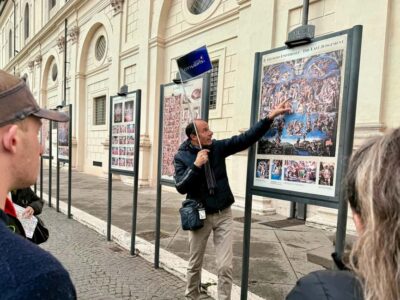
Vatican Museums, Sistine Chapel & St. Peter’s Basilica Tour
Read our review →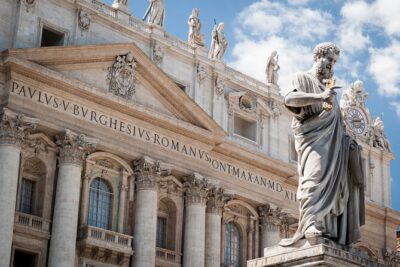
Vatican Museums, Sistine Chapel & St Peter’s Basilica Guided Tour
Read our review →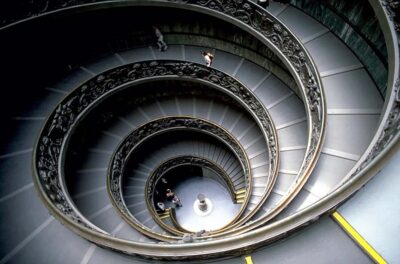
Vatican Museums, Sistine Chapel and Basilica Tour
Read our review →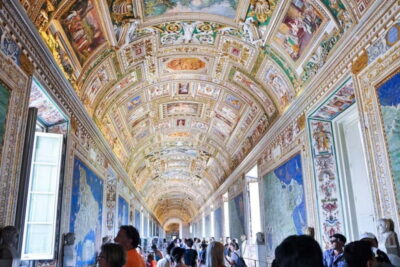
Vatican Museums & Sistine Chapel Skip-the-Line Entry Ticket
Read our review →
Vatican Museums, Sistine Chapel & Basilica Tour
Read our review →
Vatican Museums & Sistine Chapel Guided Tour
Read our review →
Vatican Museums & Sistine Chapel Skip-the-Ticket-Line Tour
Read our review →
Vatican Museums, Sistine Chapel and St. Peter’s Basilica Tour
Read our review →Browse the lists this tour appears in