
REVIEW · WASHINGTON DC
National Archives + National Portrait Gallery Tour 6ppl Max
The most powerful part of this Washington experience is the chance to see the original documents that created the United States, then follow the idea of American identity through presidential portraits and art. You begin beneath the National Archives Rotunda, facing the Constitution, Declaration of Independence, and Bill of Rights.
I like the pairing of the National Archives and National Portrait Gallery because it connects political ideals with real people and changing American culture. I also like the small-group format, which gives you a better chance to ask questions than a large walking tour.
The main consideration is the price, $174 per person, and the long 330-minute schedule. You are paying for guidance and a skip-the-ticket-line entry, not for admission to temporary exhibits or a meal. The tour is advertised for six people, while the detailed booking information says groups can reach eight, so confirm the exact group size before paying.
Key points to know before booking
- Original founding documents: See the Constitution, Declaration of Independence, and Bill of Rights in the National Archives Rotunda.
- A 1297 Magna Carta: The Rubenstein Gallery adds European political ideas to the American story.
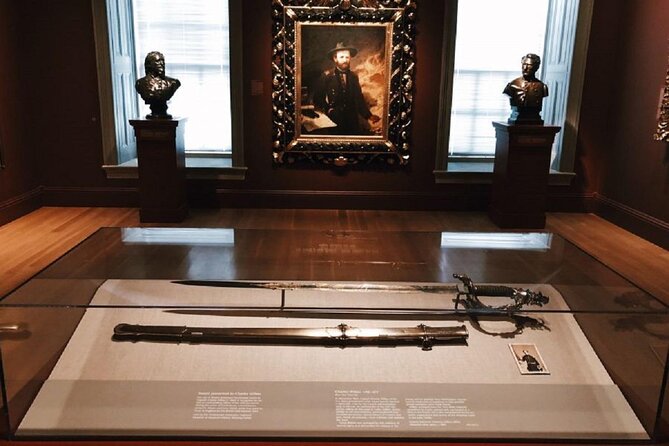
- Presidential portraits: Follow the nation’s presidents through paintings and other forms of portraiture.
- American art beyond presidents: Look for works by Mary Cassatt, Edward Hopper, Andy Warhol, and Norman Rockwell.
- Six to eight people: The experience is designed as a private or small-group tour, not a large bus outing.
- Plan for five and a half hours: You have two guided visits with a break between them, so wear comfortable shoes and bring water.
Why these two museums belong together
Washington has plenty of museums that can blur together after a few days. This pairing gives your day a clear story. At the Archives, you look at the words and laws that define the country. At the Portrait Gallery and American Art Museum, you see how those ideals have been lived, challenged, celebrated, and represented.
I find the combination more satisfying than visiting either museum in isolation. The Archives gives you the foundation. The second museum gives you faces, personalities, artists, and cultural clues.
The experience lasts 330 minutes, or five and a half hours. That is a serious block of time, but the schedule includes a break to eat and regroup. It is best for you if you want a guided museum day rather than a quick stop between monuments.
The tour is offered in English with a professional local guide. You can book a private tour or a small-group version. The small size matters here because museums reward conversation. You can ask why one document matters, what a portrait is trying to communicate, or how a work fits into American art.
More Art Museum Tours in Washington DC
- The National Gallery of Art DC – Exclusive Guided Museum Tour
★ 5.0 · 166 reviews - DC National Gallery of Art Guided Tour Semi-Private 8ppl Max
★ 5.0 · 85 reviews - National Archives + National Portrait Gallery Tour 6ppl Max
★ 5.0 · 34 reviews
Starting beneath the National Archives Rotunda
You meet at the bottom of the front steps of the National Archives Building on Constitution Avenue NW. This is an easy central location, but give yourself enough time to find the steps and pass through security.
The first portion is a two-hour highlights tour of the National Archives. Skip-the-ticket-line access helps reduce one common Washington frustration, especially when crowds gather around major institutions. It does not mean you can bypass every security check. You should still expect museum screening.
The Rotunda is the emotional center of the building. Here, you see the original handwritten Charters of Freedom: the Declaration of Independence, the Constitution, and the Bill of Rights. These are not reproductions or display panels summarizing the founding. They are the actual documents, protected behind glass and shown in a grand architectural setting.
Your guide supplies the context that a quick solo visit can lack. The documents are visually familiar from schoolbooks and films, but the physical objects are smaller, older, and more fragile than many people expect. The tour helps connect the text to the political crisis and debates that brought the new nation into being.
I would not rush this room. Look at the signatures, spacing, handwriting, and condition of the pages. The language may feel familiar, but seeing the documents in person gives the words a different weight.
One practical point matters: some rooms have quiet rules or restrictions on speaking. Your guide will explain those limits before you enter. You may receive some of the most useful commentary just before or after entering a gallery rather than while standing directly in front of a document.
The Bill of Rights and the question of citizenship
The Archives visit is not limited to the three best-known documents. You also see the Bill of Rights, including the first ten amendments that shape basic American freedoms and legal protections.
The guide’s job here is to do more than recite dates. The value is in showing how the promises of the founding period developed, and where the original language left people out. The phrase all men are created equal sounds broad, but American citizenship and equal rights expanded through long struggles that continued well after 1776.
That discussion leads naturally to the Rubenstein Gallery and its 1297 copy of the Magna Carta. The document predates the United States by centuries, yet it helps explain the older political ideas behind limited government, law, and individual rights.
Seeing the Magna Carta beside American founding material gives you a useful comparison. The United States did not invent every idea in its founding documents from nothing. Its political thinkers drew on earlier European traditions, then reshaped them for a new republic.
The gallery also includes a citation connected to Rosa Parks. That detail brings the discussion forward into the civil rights era and reminds you that American citizenship has never been a finished subject. The tour moves from abstract words to the people who pushed the nation to apply those words more broadly.
A break before the second museum
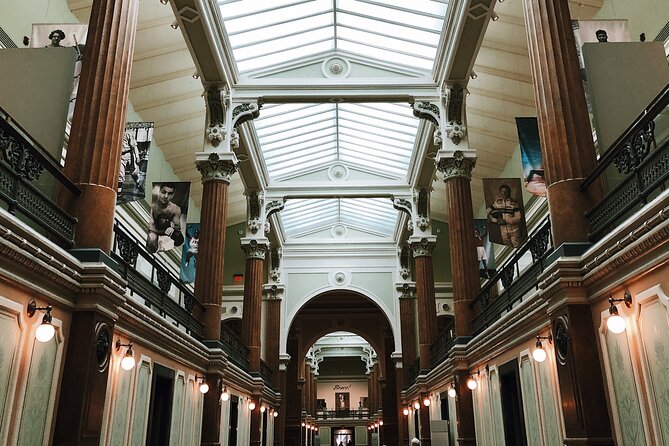
After roughly two hours at the Archives, you get a break before heading to the National Portrait Gallery and Smithsonian American Art Museum. Food and drinks are not included, so budget for your own snack or meal.
The supplied details do not specify the length of the break or a restaurant arrangement, so ask your guide about timing at the start. That matters because the full experience is long, and you will enjoy the second half more if you eat and drink before returning to the galleries.
This is also a good moment to use the restroom, check the weather, and make sure you have your meeting instructions. Your guide’s contact details are sent by email, sometimes to a spam folder, so keep that message handy.
A few more gallery visits around the USA worth comparing
- NYC: Museum of Modern Art (MoMA) Entry Ticket
★ 4.6 · 12,540 reviews - NYC: Guggenheim Museum Entry Ticket
★ 4.4 · 2,201 reviews - Medieval Torture Museum with Ghost Hunting and Tiny Art Gallery
★ 5.0 · 2,011 reviews - NYC: MoMA Before-Hours Tour with Art Expert
★ 4.8 · 418 reviews
Presidential portraits in a former government building
The National Portrait Gallery and American Art Museum share a building, allowing you to move between the collections without making another museum transfer. The interior includes the Kogod Courtyard, a calm covered space where you can pause between galleries.
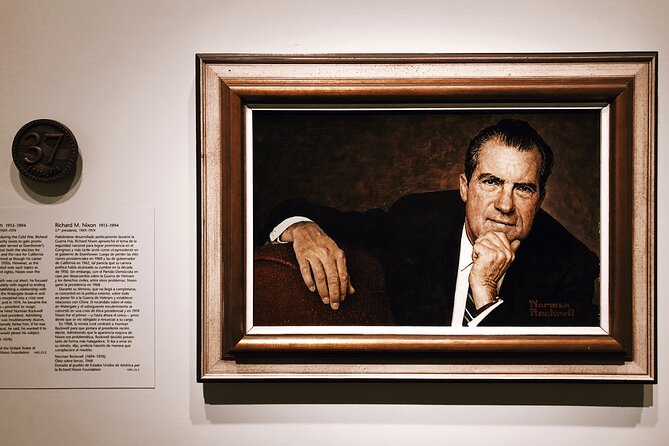
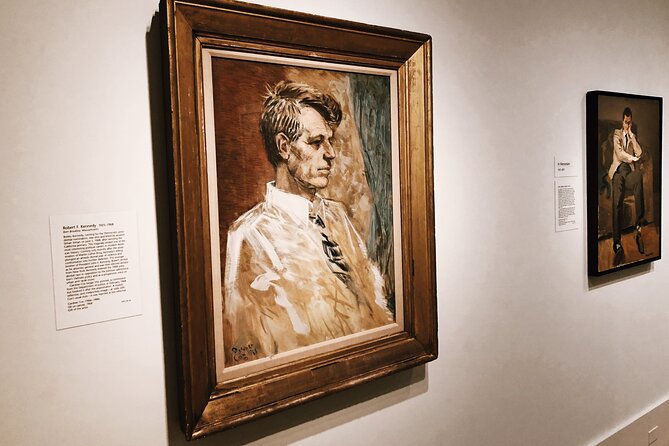
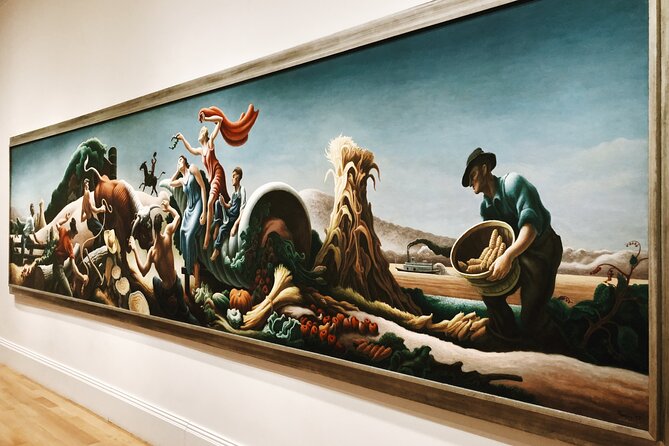
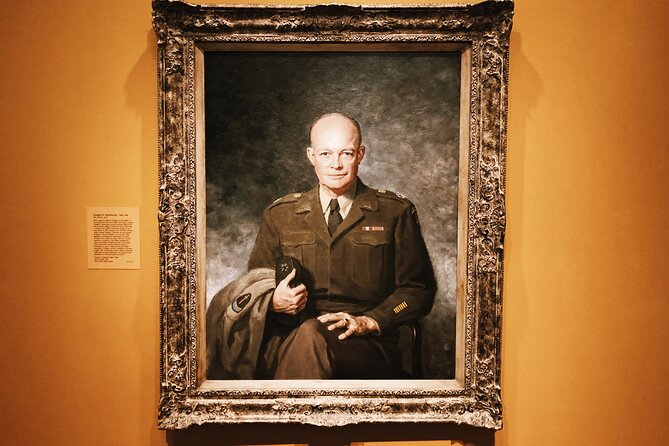
The Presidential Portrait Gallery is the best-known stop in this part of the tour. You see portraits of American presidents and hear the stories behind selected figures. Portraits are political objects as much as works of art. The size, posture, clothing, setting, and expression all help present a public image.
A guide can point out details you might miss when walking alone. You may begin asking different questions: Is the portrait meant to suggest strength, wisdom, youth, restraint, or closeness to ordinary citizens? Does the image match the president’s reputation? What did the artist choose to leave out?
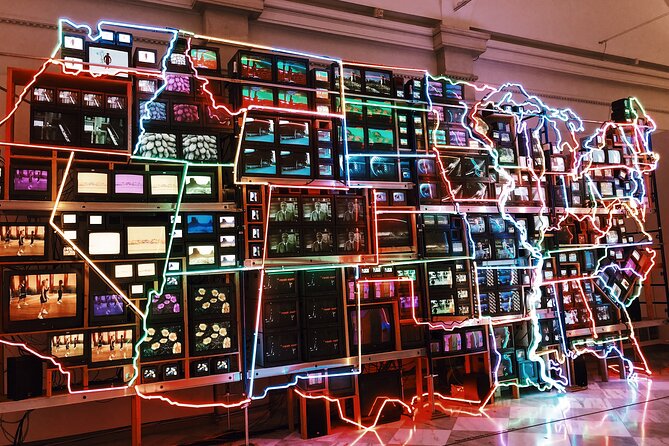
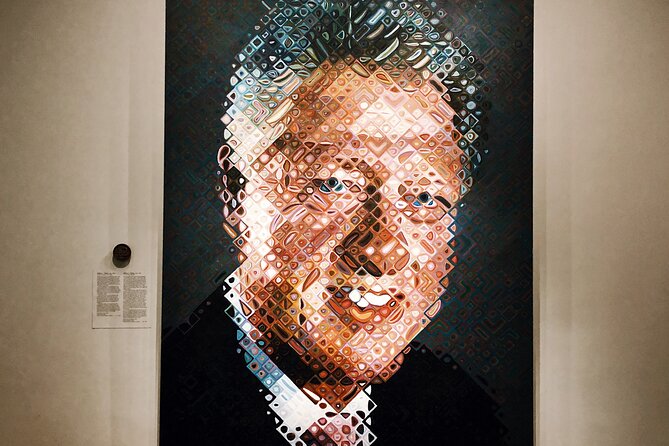
The collection also widens beyond presidents. Famous Americans appear in painting, sculpture, and video. That variety keeps the visit from becoming a parade of formal men in dark suits.
I especially like this section for first-time Washington visitors who want a human side of national history. Monuments tell you what a country wants to honor. Portraits show you how it wants to remember people.
American art from Cassatt to Warhol
The American Art Museum adds an art-history layer to the day. The tour may include works by Mary Cassatt, Edward Hopper, Andy Warhol, and Norman Rockwell, four artists with very different subjects and styles.
Cassatt brings domestic life and modern painting into the conversation. Hopper is useful for thinking about solitude, cities, and the quiet tension of ordinary American scenes. Warhol shifts the focus toward celebrity, mass media, and consumer culture. Rockwell offers familiar images of American life, often with humor or social commentary beneath the surface.
I would not expect a full survey of American art in one visit. This is a highlights tour, so your guide selects works rather than leading you through every gallery. That is a strength if you want an organized introduction, but a limitation if you have a specific artist or period you want to study at length.
The collections can feel broad and unpredictable. An important figure may appear in an unexpected gallery, and the tour makes use of those less obvious moments. You may leave with a short list of artists to revisit rather than a complete understanding of the museum.
The Luce Center and conservation work
The American Art portion includes a visit to the Luce Center, where you can see a large range of American works and get a different sense of how a museum stores and presents its collection.
The itinerary also mentions a chance to peek into the labs of the Lunder Conservation Center. The exact access can depend on museum operations, so treat this as a possible feature rather than a guaranteed behind-the-scenes visit.
That distinction is important. Temporary exhibits are not included, and conservation areas may have limits on what you can see. Still, even a brief look toward the working side of a museum adds useful context. Art does not simply arrive on a wall and remain untouched. Paintings, sculptures, frames, and other objects need inspection, repair, and careful handling.
How much value do you get for $174?
At $174 per person, this is not a bargain museum entry. The value depends on how much you want interpretation, structure, and a smaller group.
If you are comfortable reading labels, finding the free public galleries, and planning your own route, you can visit these institutions without paying for a guided experience. The National Archives and Smithsonian museums offer access that makes independent touring possible.
You are paying here for a professional guide, two guided highlights tours, skip-the-ticket-line entry at the Archives, and the convenience of having the day organized. You also avoid spending time deciding which galleries to see first.
The price makes more sense for a private booking or for people with limited time in Washington. It is less convincing if you already know the museums well or prefer to move at your own pace.
The available rating is 4.3 from only three ratings, so I would treat it as a small sample rather than a guarantee. One booking described the experience as very good. Another account from a related Washington museum tour reported difficulty hearing the guide and losing contact during the visit. That is not a reason to reject the tour, but it is a good reason to confirm the meeting point, keep your phone available, and speak up if the group becomes spread out.
Group size, walking, and museum rules
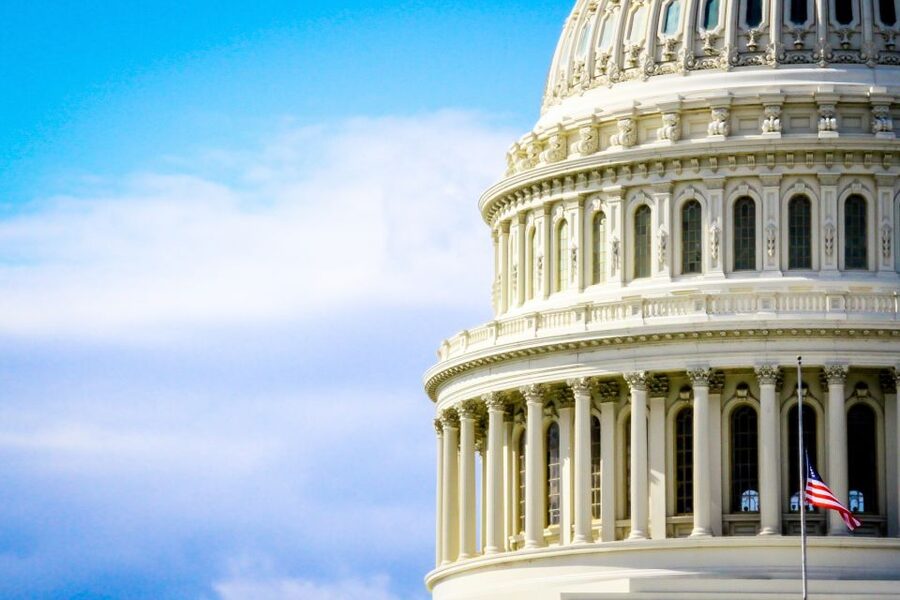
The experience is promoted as a small group of no more than eight people, with the title indicating a six-person maximum. Ask the operator to confirm which group limit applies to your booking. A group of six feels quite different from a group of eight, especially in crowded galleries.
You should wear comfortable shoes. The tour takes five and a half hours and includes two museums, standing, security, and movement between galleries. Bring a bottle of water, an umbrella if rain is possible, and a hat during Washington’s hot summer months.
Large bags and luggage are not permitted through security. A handbag or small, thin backpack is allowed according to the provided guidance, but avoid arriving with a suitcase or bulky daypack.
Bring a valid photo ID or passport. The tour is listed as not suitable for wheelchair users, even though you are asked to advise the operator if you need an accessible tour. If mobility access is important to you, contact Babylon Tours DC before booking and get a clear answer about the specific route.
Museum closures can happen without warning. If the National Archives closes, the operator says an appropriate alternative or another arrangement will be provided. That possibility is rare enough not to plan around, but it is worth knowing before you build your entire Washington schedule around this single day.
Who should book this Washington museum day?
I would choose this experience if you want the main political and artistic themes explained without spending hours planning your own route. It suits first-time visitors, families with older children, and anyone who likes history but does not want to read every label alone.
It is also a good fit if you want to connect the founding documents to later questions of citizenship, civil rights, leadership, and national identity. The Magna Carta, Rosa Parks citation, presidential portraits, and American art give the day a wider reach than a simple presidential sightseeing tour.
I would skip it if your main goal is a quick look at the Constitution and Bill of Rights. You can see the Archives highlights faster on your own. I would also think twice if you need a wheelchair-accessible route, want to spend long periods with one artist, or dislike fixed schedules.
Should you book it?
Book this tour if the guided connection between documents, presidents, and American art is worth more to you than the cost of independent admission. The strongest reason to go is the pairing: you begin with the nation’s founding words and finish with the people and images that shaped its public memory.
Before booking, confirm the group-size limit, ask about accessibility, and make sure five and a half hours fits your day. If you do that homework, this can be a thoughtful, well-organized way to understand Washington beyond its monuments.
FAQ
Where does the tour meet?
Meet at the bottom of the front stairs of the National Archives Building on Constitution Avenue NW.
How long does the experience last?
The full experience lasts 330 minutes, or five and a half hours.
Which languages are available?
The tour is conducted in English with a live guide.
What documents can I see at the National Archives?
The tour includes the original Declaration of Independence, Constitution, and Bill of Rights in the Rotunda. It also includes the 1297 Magna Carta and a citation connected to Rosa Parks.
Is food included?
No. Food and drinks are not included. There is a break between the National Archives and the National Portrait Gallery portion.
Can I bring luggage or a large bag?
No. Luggage and large bags are not permitted through security. A handbag or small, thin backpack is allowed according to the provided guidance.
Just added around the USA
- NYC Combo: Statue of Liberty Cruise, St Patrick’s Cathedral & Moma entrance★ 4.0 · 8 reviews
- New York City Art Gallery Tour★ 5.0 · 7 reviews
- Skip the Line Tickets for MoMA and Whitney Museum Combo★ 3.0 · 2 reviews
- Chelsea Galleries and High Line; Art, Architecture and History★ 5.0 · 14 reviews
- Visit The Guggenheim Museum & 3h Manhattan Walking Tour★ 4.5 · 3 reviews
- Tribeca Contemporary Art Tour with NYC Art Critic★ 5.0 · 5 reviews
- American Museum of Natural History and MOMA Combo Tickets★ 4.5 · 3 reviews
- Chelsea Architecture and Art Tour with Award Winning NYC Guide★ 5.0 · 9 reviews
Art Museum Tours in Washington DC, compared.
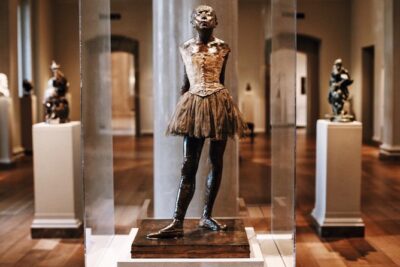
The National Gallery of Art DC – Exclusive Guided Museum Tour
Read our review →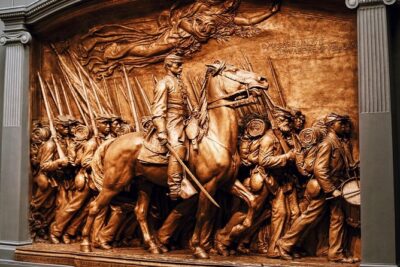
DC National Gallery of Art Guided Tour Semi-Private 8ppl Max
Read our review →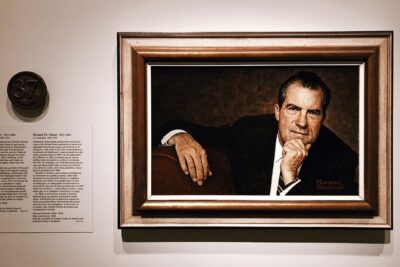
National Archives + National Portrait Gallery Tour 6ppl Max
Read our review →
Curated Tour – National Gallery of Art with French Art Historian
Read our review →
DC National Gallery of Art Guided Tour with 8ppl Max
Read our review →
National Portrait Gallery & American Art Museum Tour 8ppl
Read our review →
DC Masterpieces: National Gallery & Portrait Gallery Tour
Read our review →Browse the lists this tour appears in