
REVIEW · WASHINGTON DC
National Portrait Gallery & American Art Museum Tour 8ppl
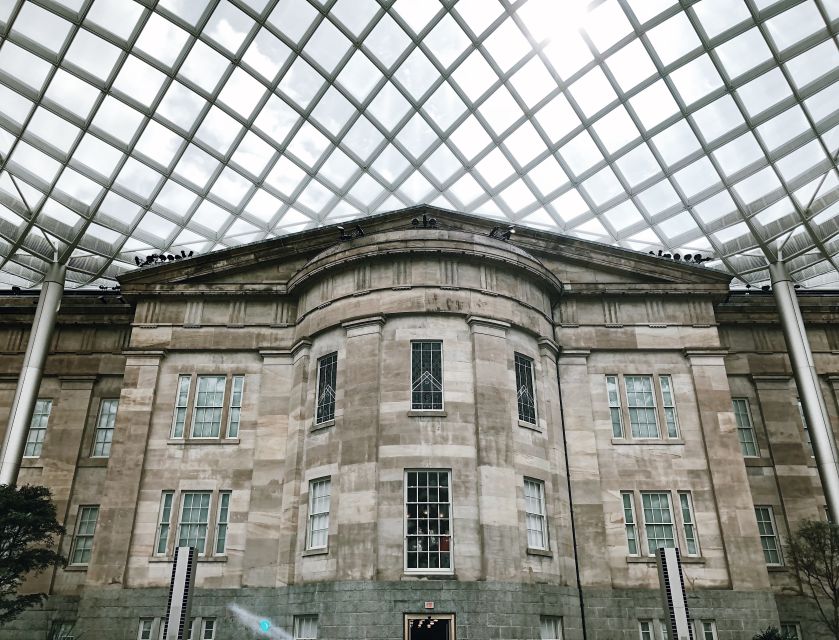
The most striking part of this experience is the building itself. The National Portrait Gallery and American Art Museum occupy a former Civil War era hospital where Walt Whitman helped wounded soldiers. Inside, you move from presidential portraits and early photographs to Civil Rights history and bold modern art, all with a guide connecting the pieces.
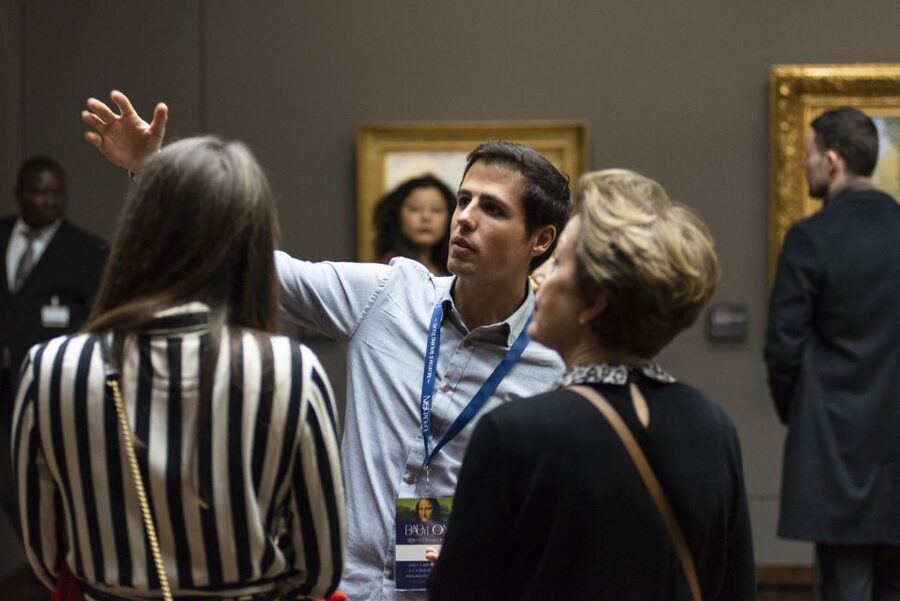
I like the small-group format, which gives the art historian room to adjust the visit to your interests. I also like the unusual range: the Greensboro Lunch Counter sits in the same broad experience as Obama’s portrait, Georgia O’Keeffe’s flowers, WPA photographs, and works by Edward Hopper. The main drawback is time. Two and a half hours is enough for highlights, not a full look at two large museums.
Key points to know before you book
- A former Civil War hospital: Walt Whitman worked here among injured soldiers, giving the building a human story before you even reach the galleries.
- Presidential portraits with context: See presidents and first ladies alongside Civil War leaders such as Ulysses S. Grant and William Tecumseh Sherman.
- A clear path through American art: The tour moves from daguerreotypes and early photography to Impressionism, WPA photography, and modern works.
- A powerful Civil Rights object: The Greensboro Lunch Counter offers a direct connection to protest, segregation, and change in the United States.
- Guides who shape the visit: Leigh, Bess, and Tony have led highly praised visits, with strong attention to questions and personal interests.
- A compact, focused schedule: The 150-minute visit works well if you want an informed introduction rather than hours of independent wandering.
A former hospital with Walt Whitman in the building
Before looking at a single portrait, take a moment to consider the setting. The building once served as a Civil War era hospital, and Walt Whitman helped injured soldiers there. That detail changes the mood of the visit. You are not entering a purpose-built white box made only for art. You are entering a place tied to care, injury, politics, and American public life.
The building had connections to art exhibits as early as 1829 before becoming a dedicated museum. That long shift from public institution to art museum fits the collections inside. The National Portrait Gallery is not only about attractive faces. It asks who shaped the country, who received recognition, and how Americans chose to remember important people.
I like this opening context because it gives the tour a sense of place. A good guide can use the building to connect Whitman’s wartime experience with the people shown in the galleries. You should expect some walking between rooms, but the route is designed around selected highlights rather than every work on display.
More Art Museum Tours in Washington DC
- The National Gallery of Art DC – Exclusive Guided Museum Tour
★ 5.0 · 166 reviews - DC National Gallery of Art Guided Tour Semi-Private 8ppl Max
★ 5.0 · 85 reviews - National Archives + National Portrait Gallery Tour 6ppl Max
★ 5.0 · 34 reviews
Presidential portraits beyond the official pose
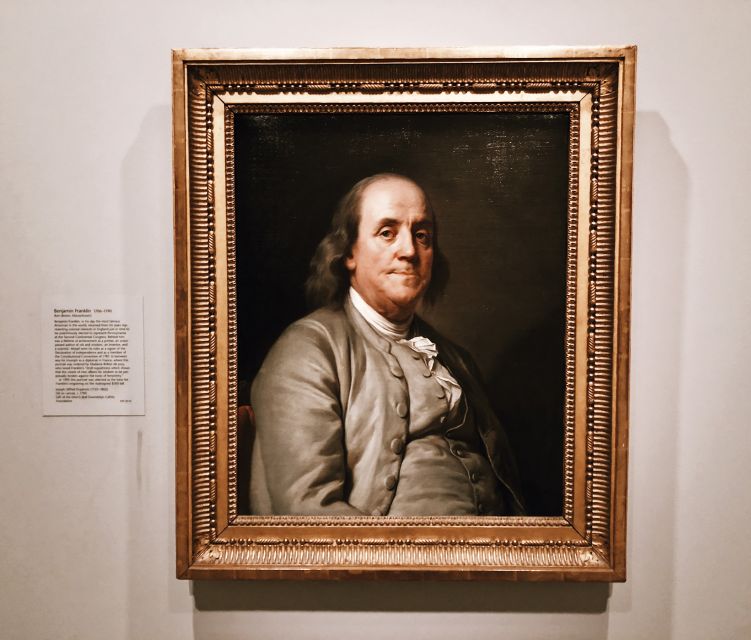
The National Portrait Gallery’s presidential collection is the obvious draw, but the value comes from seeing the presidents as part of a wider story. You will encounter presidents and first ladies, then move toward other figures who helped shape the country. The portraits can be formal, flattering, awkward, or revealing, and the guide helps explain why each image matters.
The famous Presidential Portrait collection offers an efficient way to think about leadership through art. A painted face may show authority, age, confidence, or anxiety. A photograph can feel more immediate, yet it still reflects decisions about clothing, setting, expression, and public image.
The tour also includes Civil War leaders such as Grant and Sherman. Their presence adds weight to the building’s wartime connection. You are not simply checking off famous names. You are looking at how military leaders, political figures, and national symbols were presented to the public.
This is where a live guide earns the $95 price. Labels can identify the person and artist, but they rarely explain the mystery behind an image or point out why one portrait became iconic. Bess, Leigh, and Tony have each been praised for clear explanations and friendly conversation, so you can expect a personal approach rather than a memorized march from room to room.
Daguerreotypes and the arrival of the camera
The portrait collection also gives you a look at 19th century daguerreotypes and early photographs. These are important because photography changed the way Americans recorded identity. A painted portrait could take time and money. A photograph offered a different kind of record, even though it still involved posing, staging, and technical limits.
The early images may look stiff compared with modern photographs, but that is part of their appeal. The faces seem to be waiting patiently for the exposure to finish. Your guide can help you read the details: clothing, posture, background, and the difference between a private likeness and an image meant for public use.
I find this section especially useful if you are not already familiar with portrait art. It shows that the museum is not just a parade of famous people. It is also a record of changing technology and changing ideas about how a nation should see itself.
Robber Barons, Suffragettes, and changing public power
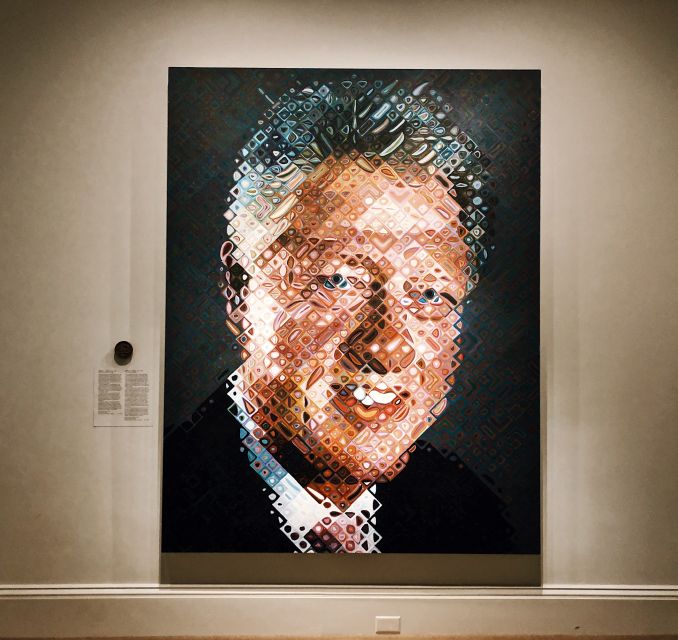
The route then reaches the early 20th century, including Robber Barons and Suffragettes. These subjects bring money, industry, gender, and political rights into the same story. Portraits can make powerful people seem respectable, while other images may show the pressure for a broader public voice.
The Suffragette material is a welcome counterpoint to the presidential rooms. It shifts attention away from official officeholders and toward women who fought for the right to vote. You get a fuller sense of the country when the tour includes both those who held power and those who challenged the limits placed on them.
This part can also make the visit more useful for families, students, and anyone who wants social context rather than a list of dates. The guide’s job is to show how the people on the walls connect to wider change. The strongest moments come when a portrait becomes evidence of an argument about who belonged in public life.
A few more gallery visits around the USA worth comparing
- NYC: Museum of Modern Art (MoMA) Entry Ticket
★ 4.6 · 12,540 reviews - NYC: Guggenheim Museum Entry Ticket
★ 4.4 · 2,201 reviews - Medieval Torture Museum with Ghost Hunting and Tiny Art Gallery
★ 5.0 · 2,011 reviews - NYC: MoMA Before-Hours Tour with Art Expert
★ 4.8 · 418 reviews
The Greensboro Lunch Counter and the Civil Rights Movement
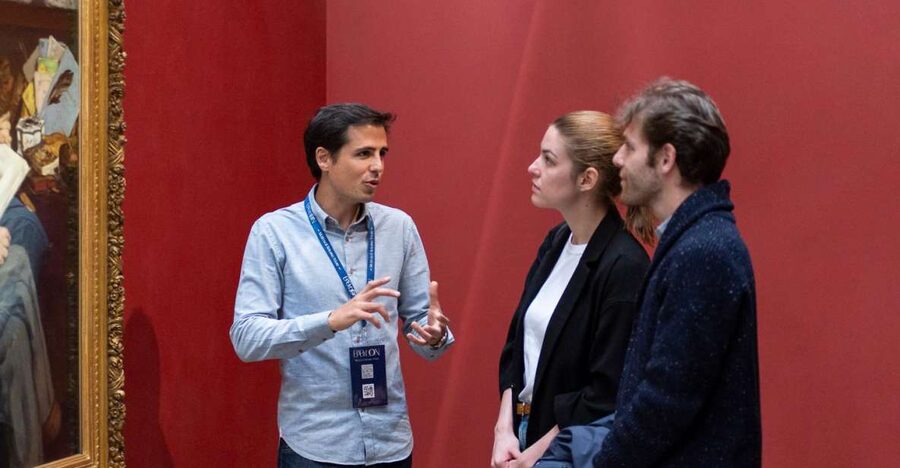
The Greensboro Lunch Counter is one of the tour’s most direct touch points with the Civil Rights Movement. It is not an image of a leader or a distant historical scene. It is an object connected to protest and the everyday reality of segregation.
Seeing the counter gives the visit a physical center. Portraits can be powerful, but a lunch counter lets you picture where ordinary acts of resistance took place. It helps turn a broad chapter of American history into something more immediate and human.
I would not rush through this stop. The guide can explain its place in the museum and its connection to the movement, while you take in the contrast between this plain object and the grand portrait rooms. This is one of the clearest reasons to choose a guided visit. You receive context at the moment when the object has your full attention.
Crossing into the American Art Museum
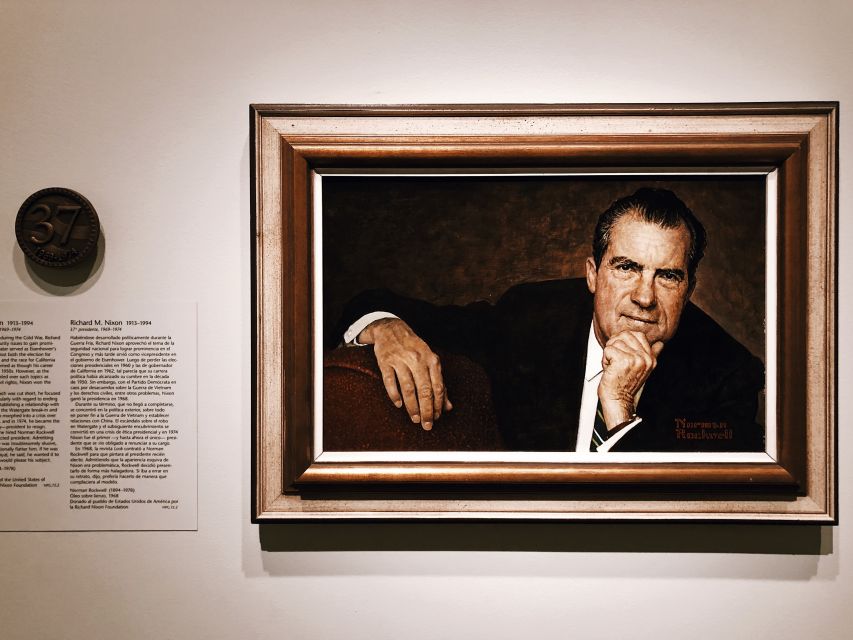
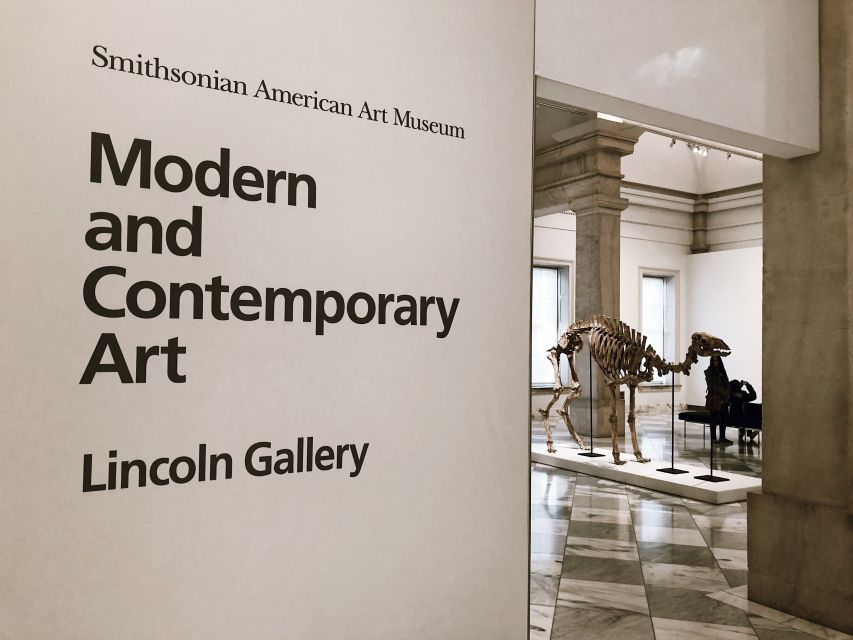
After the portrait galleries, the experience shifts into the Smithsonian American Art Museum. The change is useful. You move from people represented in art to the wider ways artists have represented American life, emotion, work, nature, and imagination.
Mary Cassatt brings a beloved Impressionist voice into the visit. Her work gives you a chance to consider color, light, family life, and the different ways artists approached everyday scenes. The tour also includes major names such as Edward Hopper and David Hockney, with attention to iconic paintings.
Hopper’s work often rewards a slower look. His scenes can feel quiet, isolated, or full of tension even when little appears to happen. Hockney gives you a different visual language, and the contrast between artists keeps the second museum from feeling like more of the same.
The advantage of a guide here is selection. A large art museum can leave you unsure where to begin. The art historian can choose a few works and explain what to look for without asking you to know the vocabulary in advance.
Georgia O’Keeffe, Obama, and room for disagreement
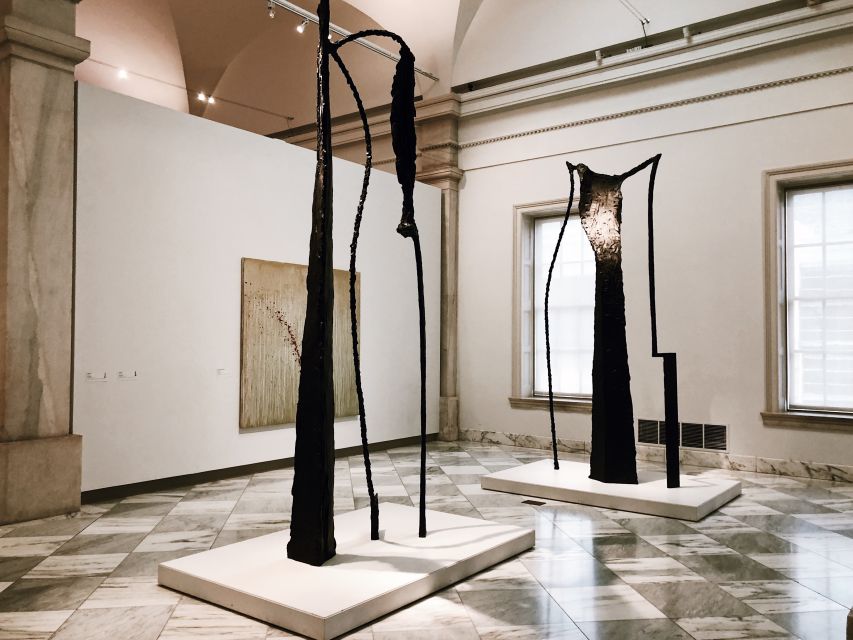
Georgia O’Keeffe’s flowers are among the most recognizable works in American art. Their scale and close-up forms can lead to questions about beauty, abstraction, and suggestion. You do not need to arrive with a firm opinion. The point is to look carefully and notice how the image changes when you consider shape, color, and size.
The portrait of former president Barack Obama brings a different kind of surprise. It is an unusual image, and it may leave you wondering what the artist intended. That is a good thing. Art does not always need to give you an instant answer.
The guide can help bring modern works into focus when they seem odd or hard to read. I like that this part of the tour allows disagreement. You are not being told that every work must appeal to you. Instead, you get a way to ask why a work was made, how it was received, and what its choices might mean.
WPA photography and America during the Great Depression
The WPA era photographs add another strong historical layer. These images helped define how Americans saw the country during the Great Depression. They document hardship, work, communities, and daily life at a time when the nation was under severe economic strain.
The photographs matter because they sit between art and public record. They were not made only for private display. They helped create a visual account of the country, and the guide can explain how that shaped public understanding.
This is also a useful contrast with the polished presidential portraits. One gallery may show carefully presented authority, while another shows people dealing with economic struggle. Together, the collections suggest that American identity is made from both public symbols and ordinary lives.
Why the guide matters in a 150-minute visit
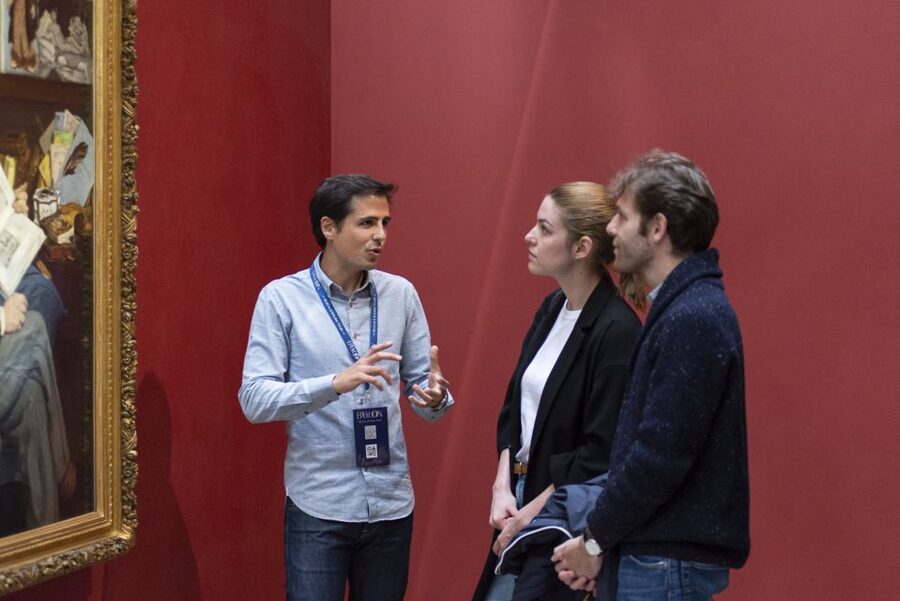
At $95 per person, this is not the cheapest way to enter a free national museum complex. You are paying for time, structure, and an expert who can choose worthwhile stops across two institutions. The value is strongest if you prefer explanations and connections over reading labels on your own.
A 150-minute visit is long enough to build a story but short enough to fit into a busy Washington day. The stated duration is about two to two and a half hours, so plan for a moderate amount of walking and do not schedule a tight appointment immediately afterward.
The small-group or private format also matters. Leigh has been praised for being articulate and engaging, Bess for strong organization from check-in through follow-up, and Tony for asking about interests and shaping the route around them. Those details suggest the best experience comes when you answer the guide’s questions honestly. If you care more about photography, presidents, Civil Rights, or modern art, say so early.
Some rooms have quiet rules or limited speaking. In those spaces, the guide provides information before you enter. That may interrupt the usual flow, but it is better than trying to narrate through a room where talking is restricted.
Practical details before you arrive
The exact meeting point can vary with the option you book, so check your confirmation carefully. The tour is offered in English, and private and small-group choices are available.
Bring valid photo identification, such as a passport or ID card. Security permits only handbags or small, thin backpacks, and large bags and luggage are not allowed. There is no hotel pickup or drop-off, and temporary exhibits are not included.
The museums can close a particular room or delay opening without much warning. If opening is delayed by more than an hour, an alternative is offered, but the supplier does not provide refunds or discounts for these museum decisions.
Wheelchair access must be requested at booking, yet the experience is marked as not suitable for wheelchair users. If accessibility is important for you, ask before paying rather than assuming the standard route will work.
You can cancel up to 24 hours before the experience for a full refund, and reserve now while paying later. That flexibility helps if your Washington schedule is still moving around.
Who should book this museum tour?
I would choose this experience if you want a guided introduction to American portraiture and art, especially if two museums on your own feel hard to organize. It suits first-time visitors, couples, families with older children, and anyone who wants the larger story behind famous works.
It is also a good fit if you have a particular interest in presidents, the Civil War, women’s political history, Civil Rights, photography, or modern art. The guide can help connect those subjects instead of treating them as separate displays.
I would skip it if you want several hours of quiet, independent viewing or if you plan to study temporary exhibitions. Those are not included, and the schedule favors selected highlights. The moderate walking and small-bag security rules also require a little preparation.
Should you book it?
Book this tour if you want two and a half hours of clear direction, human stories, and selected works across the National Portrait Gallery and American Art Museum. The strongest reasons are the former hospital setting, the Presidential Portrait collection, the Greensboro Lunch Counter, and guides such as Leigh, Bess, and Tony who can adjust the conversation to your interests.
At $95, the cost makes sense when you value an art historian’s time and want more than a self-guided overview. If you prefer to wander at your own pace, save the money and explore independently. If you want American art to make sense as a story about power, protest, technology, and identity, this focused visit is a smart choice.
FAQ
How long does the National Portrait Gallery and American Art Museum tour last?
The experience lasts 150 minutes, or about two to two and a half hours.
What museums are included?
The tour includes the National Portrait Gallery and the Smithsonian American Art Museum. Temporary exhibits are not included.
Is the tour private or shared?
Private and small-group options are available. Semi-private tours need at least two participants to operate.
What language is the tour offered in?
The tour is offered in English with a live guide.
What should I bring?
Bring valid photo identification, such as a passport or ID card. Only handbags or small, thin backpacks are allowed through security.
Can I cancel the tour?
Yes. You can cancel up to 24 hours in advance for a full refund. You can also reserve now and pay later.
Just added around the USA
- NYC Combo: Statue of Liberty Cruise, St Patrick’s Cathedral & Moma entrance★ 4.0 · 8 reviews
- New York City Art Gallery Tour★ 5.0 · 7 reviews
- Skip the Line Tickets for MoMA and Whitney Museum Combo★ 3.0 · 2 reviews
- Chelsea Galleries and High Line; Art, Architecture and History★ 5.0 · 14 reviews
- Visit The Guggenheim Museum & 3h Manhattan Walking Tour★ 4.5 · 3 reviews
- Tribeca Contemporary Art Tour with NYC Art Critic★ 5.0 · 5 reviews
- American Museum of Natural History and MOMA Combo Tickets★ 4.5 · 3 reviews
- Chelsea Architecture and Art Tour with Award Winning NYC Guide★ 5.0 · 9 reviews
Art Museum Tours in Washington DC, compared.
The National Gallery of Art DC – Exclusive Guided Museum Tour
Read our review →
DC National Gallery of Art Guided Tour Semi-Private 8ppl Max
Read our review →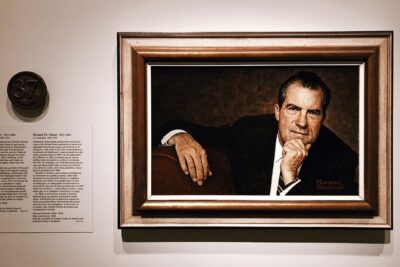
National Archives + National Portrait Gallery Tour 6ppl Max
Read our review →
Curated Tour – National Gallery of Art with French Art Historian
Read our review →
DC National Gallery of Art Guided Tour with 8ppl Max
Read our review →
DC Masterpieces: National Gallery & Portrait Gallery Tour
Read our review →National Archives + National Portrait Gallery Tour 6ppl Max
Read our review →Browse the lists this tour appears in