
REVIEW · ITALY
Naples: National Gallery of Capodimonte Tour
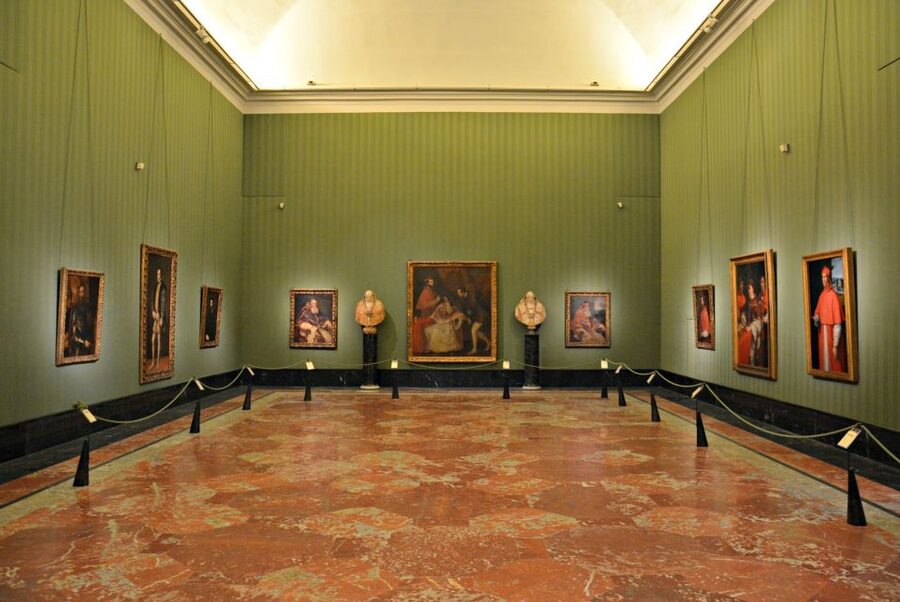
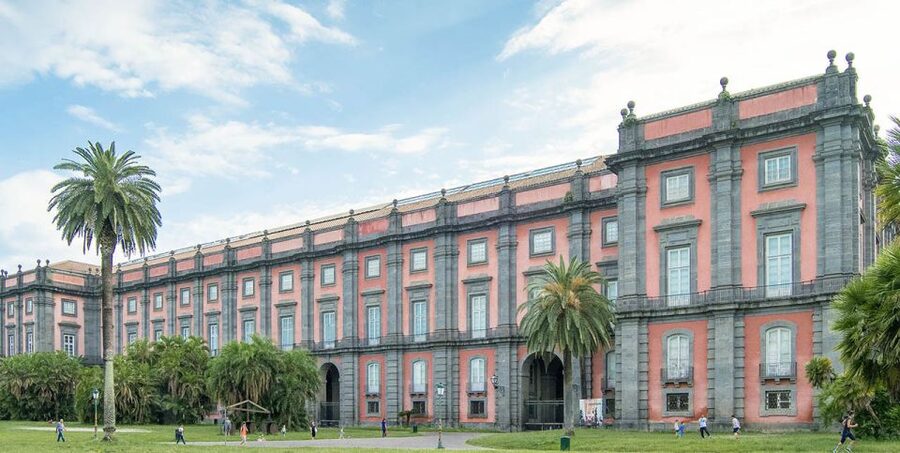
Capodimonte gives you something rare in Naples: a major art museum inside a former royal palace, set within a large park. Its rooms hold centuries of European and Neapolitan art, from the Farnese Collection and Renaissance drawings to Caravaggio and Andy Warhol.
I like the private format, which lets the guide shape the visit around your interests, and I like the clear sweep through Italian art from the 15th to the 19th century. The guide is also praised for being kind, highly informed, and willing to go beyond the basic tour.
The main consideration is time. Two hours passes quickly in a museum this large, so you will see selected highlights rather than every room. The $249.23 price is for a private group up to one person, making the value strongest if you want personal attention and a focused introduction rather than a quick self-guided visit.
Key points to know before you book
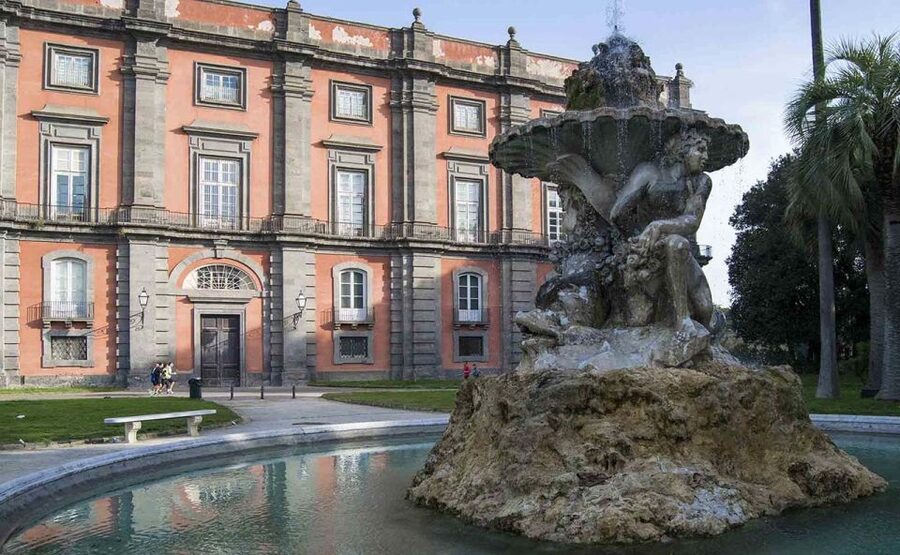
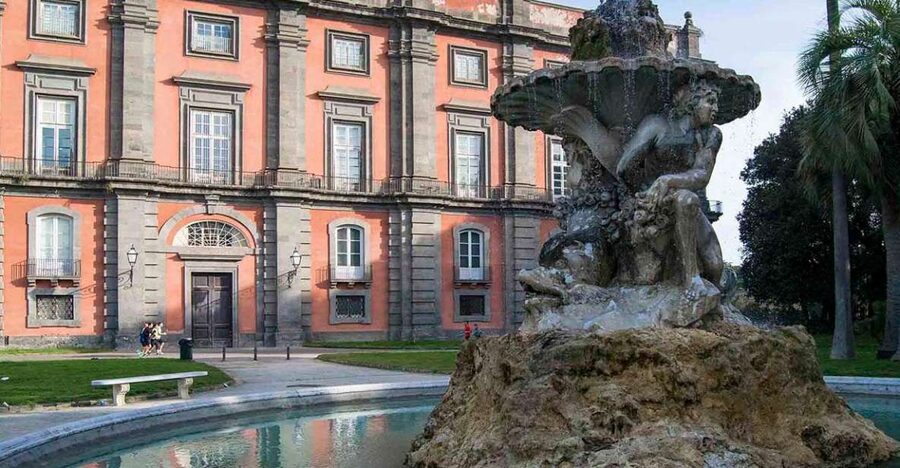
- A royal palace turned museum: Capodimonte was built to house the collections of the Kings of Naples, so the building is part of the experience.
- The Farnese Collection comes first: See works connected with Titian, Masolino, Masaccio, Raphael, and Michelangelo.
- Caravaggio provides the dramatic centerpiece: The second floor ends with The Flagellation of Christ, one of the museum’s major works.
- Neapolitan art gets serious attention: The collection traces local painting from the Middle Ages through the Renaissance and Mannerist periods.
- The final stop reaches modern art: Andy Warhol’s Vesuvius offers a sharp contrast to the old masters.
- Private, guided, and accessible: The visit lasts two hours, includes admission, offers skip-the-line entry, and is wheelchair accessible.
Why Capodimonte deserves time in Naples
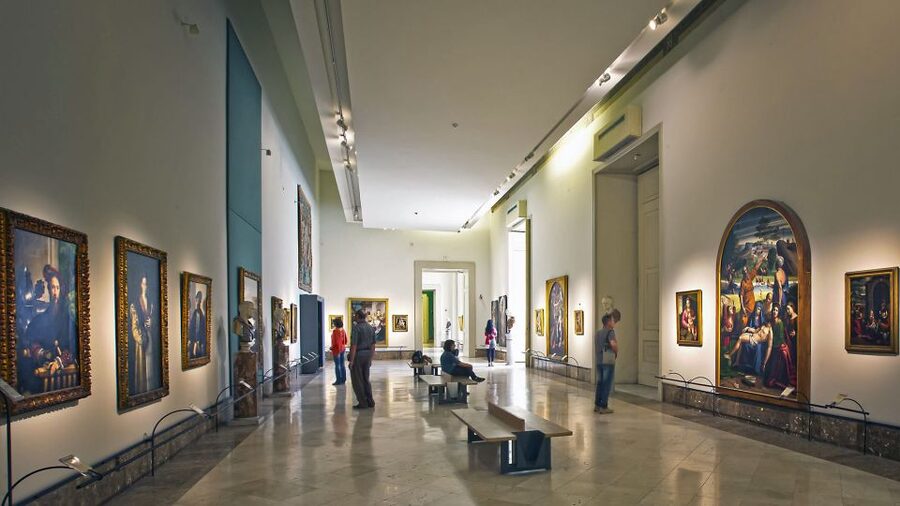
Many visitors come to Naples for its street life, archaeological sites, churches, and food. Capodimonte gives you a quieter, more measured side of the city. The museum sits in the Museum and Royal Wood of Capodimonte, so the setting has a sense of space that is unusual in a dense city.
The building began life as a royal palace. Its original purpose matters because the rooms were designed to hold the royal collections gathered by the rulers of Naples over many generations. You are not simply walking into a modern gallery with paintings hung on white walls. The palace gives the art a setting tied to power, family inheritance, and the long cultural story of southern Italy.
I find that context useful. A guide can point out how the collection came together instead of treating each painting as an isolated object. In two hours, that connection helps you understand why the museum contains such a broad mix of artists and periods.
The setting also makes Capodimonte feel different from a city-center museum. The visit begins and ends at the same museum meeting point, and the experience includes a break and time for photos. Transportation is not included, so you need to make your own way there, but once you arrive the tour itself stays at the museum and its royal park.
More National Gallery tours:
- National Gallery of Modern Art Ticket & Rome App Audioguide
★ 4.8 · 20 reviews - Ducal Palace of Urbino & Marche National Gallery Guided Tour
★ 4.7 · 16 reviews - London: National Gallery Guided Tour with Art Expert Guide
★ 4.7 · 440 reviews
Starting at the Royal Wood and palace entrance
You meet at Museo e Real Bosco di Capodimonte and should arrive 10 minutes before the scheduled start. That small buffer is worth taking seriously. A private guide can begin promptly, and arriving early gives you time to orient yourself without cutting into the two-hour visit.
The first visual impression comes from the monumental stairs and palace architecture. These are not just a route to the galleries. They help establish the scale of the former royal residence and hint at the status of the collections inside.
Your guide leads the visit rather than sending you off with a map and a list of rooms. English and Italian are available, and the private format means you can ask for clarification as you go. If you are drawn to painting technique, dynastic history, Neapolitan art, or a particular artist, this is the point to say so.
The park adds a pleasant pause before or after the gallery portion. The schedule includes a break and a photo stop, although the supplied details do not specify exactly how long that pause lasts. Treat it as a chance to slow down, not as a separate park tour.
The first floor and the Farnese Collection
The first major section presents the Farnese Collection. This is one of the strongest reasons to choose a guided visit, since the collection includes famous names but covers more than a simple greatest-hits display.
You can expect to encounter Titian, Masolino, and Masaccio, along with drawings by Raphael and Michelangelo. Seeing drawings by Raphael and Michelangelo is especially valuable because preparatory work reveals a different side of artistic practice than finished altarpieces or portraits. You get a glimpse of line, planning, and the hand behind the final image.
The sequence also places Renaissance art within the wider history of the museum. Instead of jumping randomly between centuries, the visit begins with a major collection and then moves through the palace toward later material. That order gives you a useful framework, especially if you are not already familiar with Italian painting.
The first floor ends at the Royal Apartments. This is an important change of mood. After concentrating on individual works, you see the rooms connected with the royal household and the palace’s original function.
Do not expect two hours to allow a slow study of every painting in the Farnese rooms. The museum is described as one of Italy’s largest and richest collections, and the schedule is fixed. The guide has to choose. That can be an advantage: you leave with a coherent selection rather than a blur of names.
The second floor and Naples in paint
The second floor turns the focus toward Neapolitan art. It covers a long stretch, from the Middle Ages through the Renaissance and Mannerism. This section gives the museum a strong local identity.
The value here is not only the age of the works. You are seeing how painting in Naples developed over time, with local art placed alongside the wider Italian tradition. A guide can help you notice changes in style and subject that may be hard to follow when you are looking at individual rooms on your own.
The collection leads to Caravaggio’s The Flagellation of Christ. The work is described as the light at the end of the corridor, a fitting image for a painting that serves as the second floor’s major climax. If Caravaggio is high on your list, this portion of the tour alone may justify the museum visit.
Caravaggio’s name attracts attention, but the setting around the painting matters too. After moving through medieval, Renaissance, and Mannerist works, you can see why his forceful style feels like a sharp turn. The guide’s role is useful here because a quick glance can miss the connection between the painting and the works that come before it.
You should also remember that the tour is not limited to Caravaggio. The Neapolitan collection is a central part of the experience, not a short path to one famous canvas. If you want only a Caravaggio visit, a private two-hour tour may feel broader than necessary. If you want to understand Naples as an artistic center, the second floor gives the tour much of its character.
A few more gallery visits around Italy worth comparing
- Vatican Museums, Sistine Chapel & St. Peter’s Basilica Tour
★ 4.3 · 73,970 reviews - Vatican Museums, Sistine Chapel & St Peter’s Basilica Guided Tour
★ 4.5 · 39,149 reviews - Florence: Skip-The-Line Uffizi Gallery Timed Entry Ticket
★ 4.5 · 27,832 reviews - Rome: Vatican Museums, Sistine Chapel and Basilica Tour
★ 4.3 · 16,039 reviews
The third floor and Warhol’s Vesuvius
The final floor shifts into contemporary art. After the royal collections and centuries of Italian painting, this change can feel unexpected, but it gives the museum a wider reach.
One of the main works is Andy Warhol’s Vesuvius. The subject is immediately tied to the region, so the painting forms a bridge between modern art and Naples itself. You move from old masters to a modern response to the volcano that has shaped the city’s image and surroundings.
This final section also helps prevent the visit from becoming a purely backward-looking tour. Capodimonte is not only about Renaissance and Baroque art. Its collection continues into the present, and Warhol gives you a memorable endpoint after the formal traditions of the earlier galleries.
As with the other floors, the two-hour limit means you should expect a selection rather than a complete survey of the contemporary collection. The guide will likely keep the emphasis on major works and the overall progression through the museum. If modern art is your main interest, mention that when the tour begins so the guide can give the third floor the attention it deserves.
What a private guide adds
The strongest human element is the guide. The tour is offered in English or Italian and is private, so you are not folded into a large group with a fixed script. That matters in an art museum, where one person may want dates and movements while another wants stories about technique, patronage, or the palace itself.
The guide has been praised for being kind, highly informed, and willing to go beyond the expected service. That description suggests a useful style for this kind of visit: clear explanations without treating the museum like a school lecture, and enough flexibility to respond to your questions.
You should still arrive with realistic expectations. No two-hour tour can explain every major artist, every royal connection, and every room in detail. The guide’s job is to give you a strong route through the collection and help you recognize the works that deserve your attention.
I would make a short mental list before arriving. Choose two or three priorities, such as Caravaggio, the Farnese Collection, the Royal Apartments, or modern art. Then tell the guide. A private visit is most valuable when you use that flexibility rather than simply following along silently.
Price, timing, and practical value
The listed price is $249.23 for a private group up to one person. That is a substantial cost for two hours, so this is not the budget choice for seeing Capodimonte. Its value depends on what you want from the visit.
For a solo visitor who wants a personal art history introduction, skip-the-line entry and a live guide in one package can be worthwhile. You avoid arranging admission separately and gain someone who can organize the museum’s large collection into a manageable route.
The price is harder to justify if you mainly want to wander independently or spend a full day with the art. A self-guided visit would give you more control over the pace, though it would not provide the same direct explanations. The private fee also makes the experience less suited to someone watching every euro.
The visit lasts two hours. That is long enough to cover the museum’s major sections but not long enough to inspect everything. Think of it as a guided introduction that helps you decide what to revisit, not a complete scholarly study.
Transportation is not included. You are responsible for reaching Museo e Real Bosco di Capodimonte, and the experience ends back at that same meeting point. The tour is wheelchair accessible, which is an important practical advantage for visitors who need an accessible route.
You can cancel up to 24 hours before the start for a full refund, and the reserve-now, pay-later option keeps payment flexible. These policies reduce the risk of committing too early, especially when your Naples schedule may change.
Who should book this Capodimonte visit?
I would recommend it to a solo visitor or private party that wants structure, context, and direct access to a guide. It is especially well suited to you if Titian, Caravaggio, Renaissance drawing, Neapolitan painting, or Warhol already interests you.
It also works for anyone who finds large museums tiring or confusing. The collection is broad, and a focused route helps you spend your energy on the works that matter most. The guide’s personal attention is a real benefit if you want to ask questions as you go.
Art specialists may want more than two hours. If you already know Capodimonte well, this tour may feel too short for close study. You might prefer an independent visit, but the private guide could still help you reach specific works efficiently.
Families and mixed-interest groups may also appreciate the variety. The palace, royal apartments, old masters, Caravaggio, and Warhol provide several different entry points. The tour does not promise a special children’s program, so younger visitors may need to be comfortable with a concentrated museum visit.
Should you book it?
Book this tour if you want a private, guided path through a very large collection and you value explanation more than the lowest price. The combination of palace architecture, the Farnese Collection, Neapolitan painting, Caravaggio, and Warhol gives you a broad picture of Capodimonte in a short visit.
Skip it if you prefer to spend several hours alone with individual paintings or if the private price is too high for a two-hour museum stop. For most first-time visitors with a serious interest in art, the guide, skip-the-line entry, and carefully chosen route make the cost easier to defend.
FAQ
Where does the Capodimonte tour start?
The tour starts at Museo e Real Bosco di Capodimonte. You should arrive 10 minutes before the scheduled starting time.
How long does the tour last?
The guided visit lasts two hours. Starting times depend on availability.
What languages are available?
The live guide is available in English or Italian.
Is museum admission included?
Yes. Entrance tickets and the guided tour are included, along with skip-the-line entry.
Is transportation included?
No. Transportation is not included. The tour begins and ends at Museo e Real Bosco di Capodimonte.
Is the tour wheelchair accessible?
Yes. The activity is listed as wheelchair accessible.
Just added around Italy
- Colosseum,Vatican Museum & Sistine Chapel in One Day Guided Tour★ 3.5 · 9 reviews
- Vatican Museums and Sistine Chapel last entry Guided Tour★ 5.0 · 3 reviews
- Private Tour Of Rome Highlights And Vatican Museums Skip-The-Line all included★ 5.0 · 4 reviews
- Borghese Gallery Admission Ticket with Audioguide★ 4.0 · 64 reviews
- Caravaggio Art Walking Tour of Rome with Pantheon Visit★ 4.5 · 35 reviews
- Borghese Gallery Skip the Line Guided Tour★ 4.5 · 23 reviews
- Borghese Gallery Ticket with Audioguide★ 3.5 · 51 reviews
- Borghese Gallery VIP Tour – Skip the Line Tickets★ 5.0 · 2 reviews
Art Museum Tours in Italy, compared.
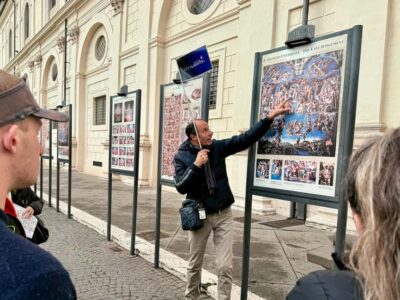
Vatican Museums, Sistine Chapel & St. Peter’s Basilica Tour
Read our review →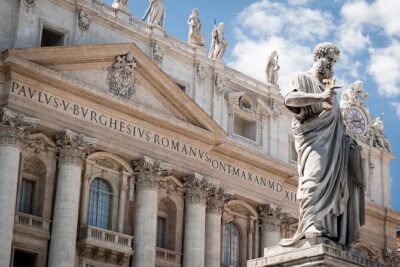
Vatican Museums, Sistine Chapel & St Peter’s Basilica Guided Tour
Read our review →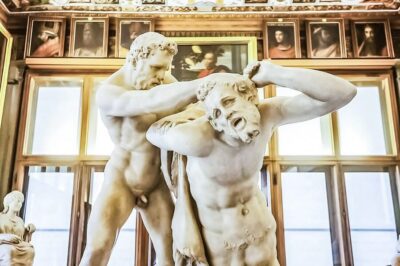
Skip-The-Line Uffizi Gallery Timed Entry Ticket
Read our review →
Vatican Museums, Sistine Chapel and Basilica Tour
Read our review →
Vatican Museums & Sistine Chapel Skip-the-Line Entry Ticket
Read our review →
Vatican Museums, Sistine Chapel & Basilica Tour
Read our review →
Vatican Museums & Sistine Chapel Guided Tour
Read our review →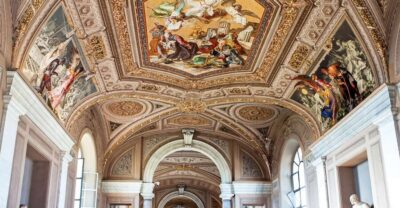
Vatican Museums & Sistine Chapel Skip-The-Line Ticket
Read our review →Browse the lists this tour appears in