
REVIEW · LONDON
British Museum & National Gallery Highlight Tour 8 guests 5h
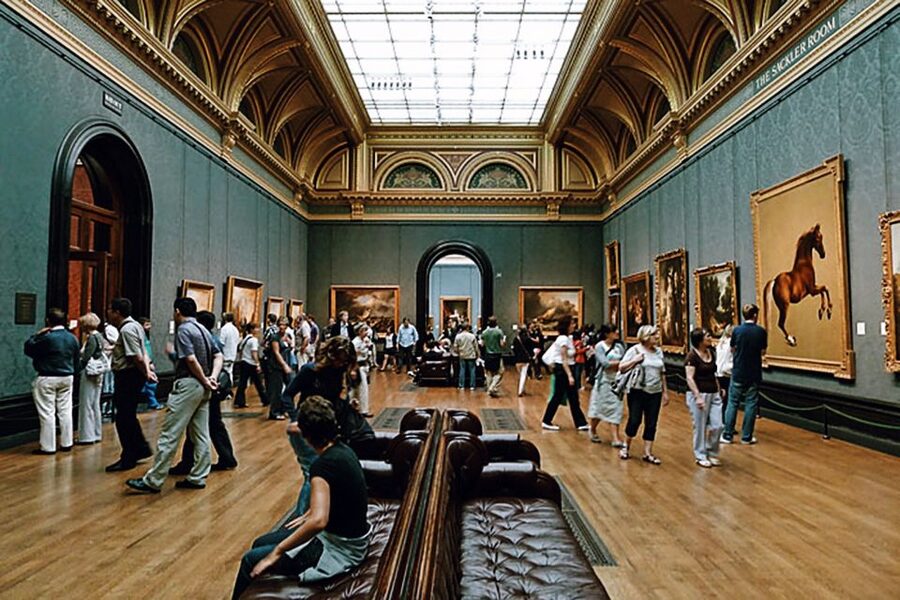
London’s two essential museums make a strong pairing: the National Gallery gives you famous paintings, while the British Museum carries you across 6,000 years of human achievement. With only eight people in the semi-private option, you get a clearer path through collections that can otherwise feel overwhelming.
I especially like the focus on the stories behind the objects, not just their names and dates. I also like having an expert guide point out major works such as the Rosetta Stone, Sunflowers, The Arnolfini Portrait, and the Lewis Chessmen without leaving you to search a vast building alone.
The main drawback is the price, $206 per person, which is a serious spend for a five-and-a-half-hour tour. You also need to handle lunch yourself, walk between galleries, and confirm the meeting point and museum arrangements carefully before setting out.
Key points to know before booking
- Two major museums in one half-day: Begin with European paintings at the National Gallery, then visit the British Museum after a lunch break.
- A small group capped at eight: The semi-private format should make it easier to hear the guide and ask questions.
- Specific masterpieces are planned: Expect works such as The Virgin of the Rocks, Sunflowers, The Ambassadors, the Rosetta Stone, and Assyrian lion hunt reliefs, provided they are on display.
- Becky and Matilda are praised by name: If the booking system allows guide requests, these are the two names worth asking for.
- Lunch is not included: You get a break between museums, but food and drinks are at your own expense.
- Check the practical details: The total duration is listed as 5.5 hours, while another timing note says 2 to 2.5 hours, likely referring to each museum visit. Confirm the exact schedule before booking.
Starting with the National Gallery’s master painters
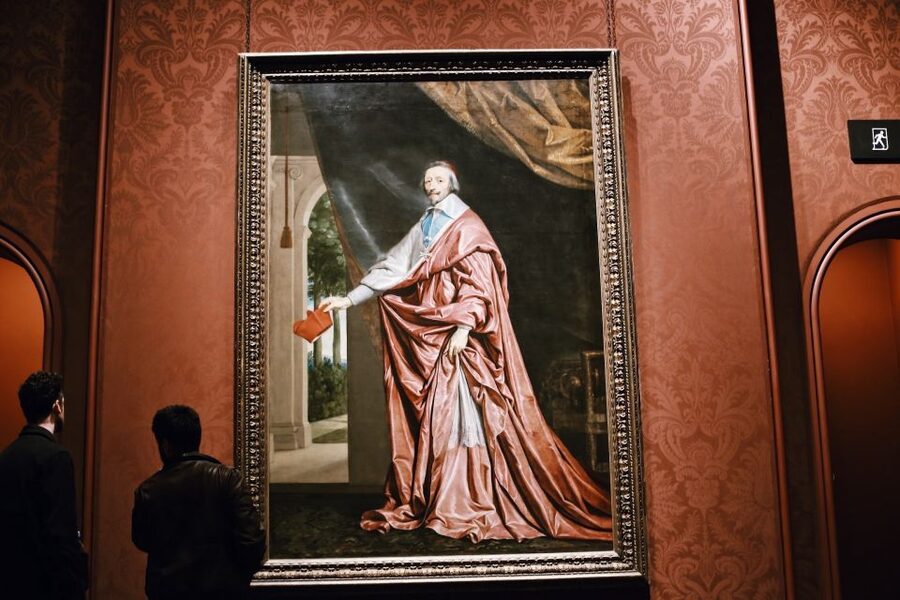
The National Gallery is the gentler first act. You begin with European painting from the 1300s onward, moving through changing ideas about color, religion, portraiture, light, and everyday life. A guide gives you a framework, so you are not simply walking past hundreds of paintings with no idea where to look.
That matters here. The gallery holds around 2,300 paintings, and even a determined art lover cannot take in all of them during one visit. I would much rather spend time on a carefully chosen group of works than hurry through room after room trying to collect famous names.
The tour may include Botticelli, Monet, Rembrandt, Vermeer, Van Gogh, Seurat, and da Vinci. The point is not to turn you into an art historian in a morning. It is to help you see why these painters matter and what separates one style from another.
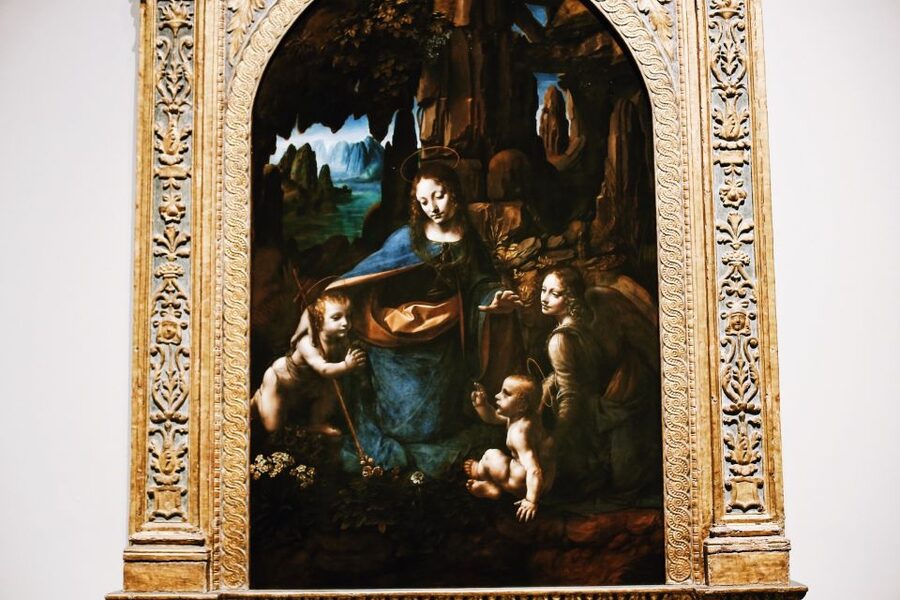
You may begin with early religious art and then move toward the Renaissance, Dutch painting, Impressionism, and later modern work. That broad sweep gives you a useful sense of change. A painting such as da Vinci’s The Virgin of the Rocks can be considered beside later works such as Seurat’s Bathers at Asnières, showing how artists moved from carefully modeled figures to newer approaches to light, color, and brushwork.
More Art Museum Tours in London
- Official tickets: Moco Modern & Contemporary Art Museum
★ 4.5 · 1,157 reviews - London: National Gallery Guided Tour with Art Expert Guide
★ 4.7 · 440 reviews - London: Tickets for Moco Modern & Contemporary Art Museum
★ 4.7 · 391 reviews
The National Gallery works best with a short list
A good guide should help you slow down at a few paintings instead of trying to see everything. The named works provide a practical target list:
- A Young Woman Standing at a Virginal
- Van Gogh’s Sunflowers
- The Madonna of the Pinks
- Velázquez’s The Toilet of Venus, also called The Rokeby Venus
- The Virgin of the Rocks
- Holbein’s The Ambassadors
- The Arnolfini Portrait
- Venus and Mars
- Seurat’s Bathers at Asnières
Not every work is guaranteed to be visible. Paintings can be on loan, undergoing restoration, or temporarily unavailable, so treat this as a likely selection rather than a promise.
The list is well chosen for a first visit because it covers different periods and subjects. You get religious art, royal and domestic scenes, portraiture, mythology, landscape-related painting, and modern color theory. Even if you arrive knowing little about art, the guide can connect these works into a story instead of presenting them as isolated treasures.
The guide’s personality matters here. Matilda received especially strong praise, while Becky was described as lively, witty, and full of information. If either guide is available, requesting her by name could make a real difference. Still, guide assignments are not guaranteed, so book for the structure of the tour first and treat a named guide as a bonus.
Why a guide helps in a museum this large
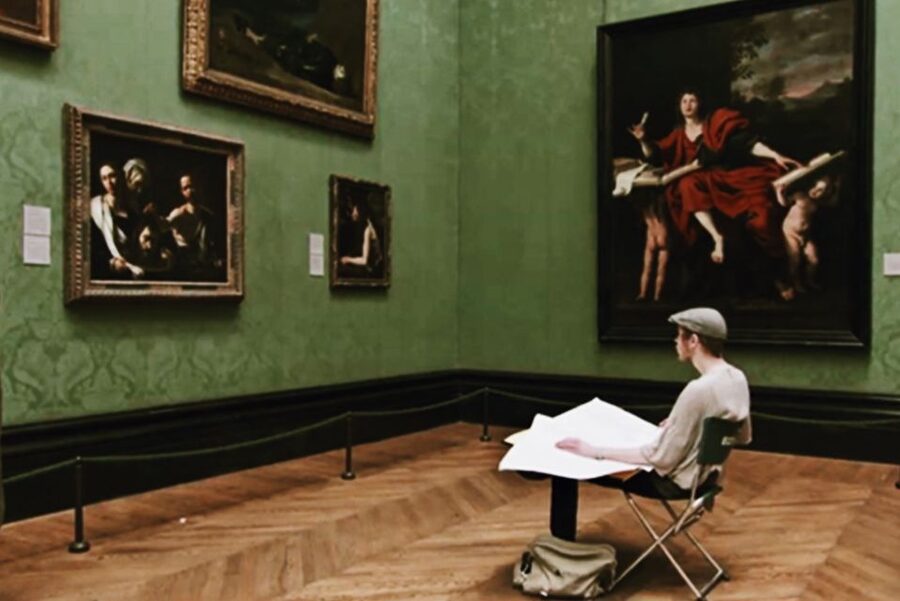
The National Gallery is free to enter, which raises a fair question: why pay $206 for this experience? The answer is not admission. You are paying for time, direction, and interpretation.
If you already know the collection well, you may prefer to enter on your own and spend several hours with a few favorite painters. But if the names Van Gogh, da Vinci, Botticelli, Monet, Rembrandt, and Vermeer feel like a blur, a guide can give you a useful starting point quickly.
I also see value for families and first-time museum visitors who want an understandable introduction rather than a lecture packed with technical terms. Live commentary lets you ask questions at the moment you have them. In a group of eight, that should be easier than it would be in a large coach group.
The tradeoff is pace. A highlight tour cannot give every painting the attention it deserves. You should expect selected stops, not a complete survey of the gallery. If one artist captures your attention, note the room or painting details so you can return later on your own.
A lunch break divides the two museum visits
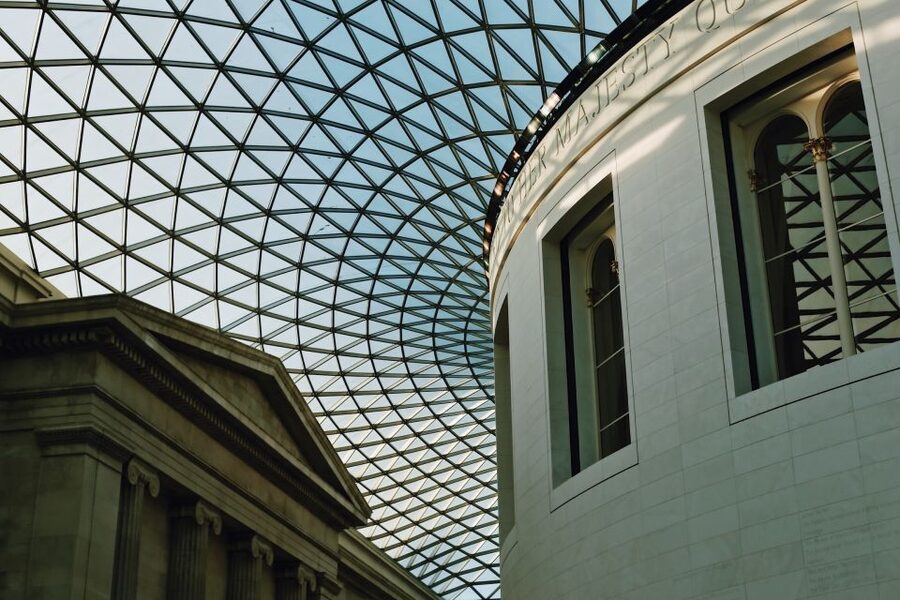
After the National Gallery, the schedule includes a lunch break before the British Museum. Food and drinks are not included, so budget for this separately. The break is useful because five-and-a-half hours of museums can be tiring, especially with the walking involved.
The exact meeting point may vary according to the option you book. I would check the confirmation carefully and leave extra time for London transport and security procedures. One reported problem involved a last-minute cancellation and confusion over a third-party voucher at the British Museum, so it is sensible to make sure you understand where to meet and what ticket or voucher arrangements apply before tour day.
That incident appears to be an operational warning rather than a description of every departure, but it is worth taking seriously. The British Museum can have a long entry line, and a voucher problem is especially frustrating when the museum is your second major stop.
More National Gallery tours:
- National Gallery of London Museum Tour Semi-Private 8ppl Max
★ 5.0 · 178 reviews - British Museum & National Gallery of London Semi-Private 8ppl Max
★ 5.0 · 168 reviews - London: National Gallery + Guided Tour + Priority Entry
★ 3.7 · 162 reviews - Official National Gallery Highlights Guided Tour
★ 4.5 · 149 reviews
Entering the British Museum’s 6,000 years of culture
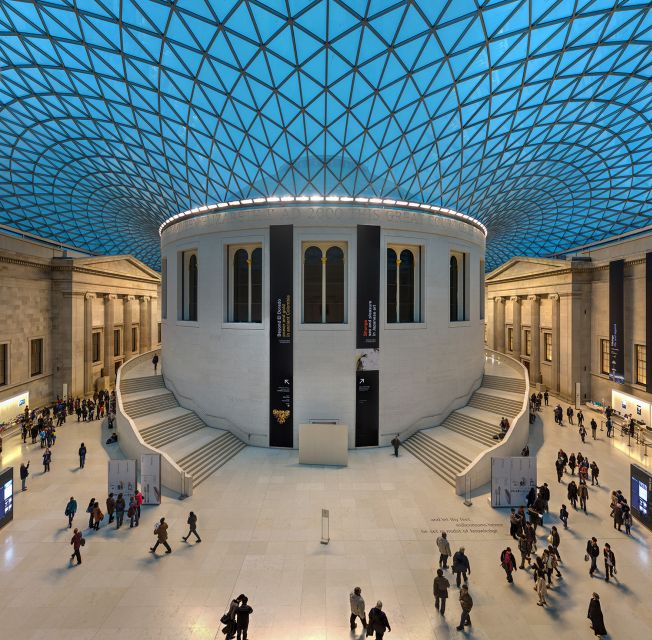
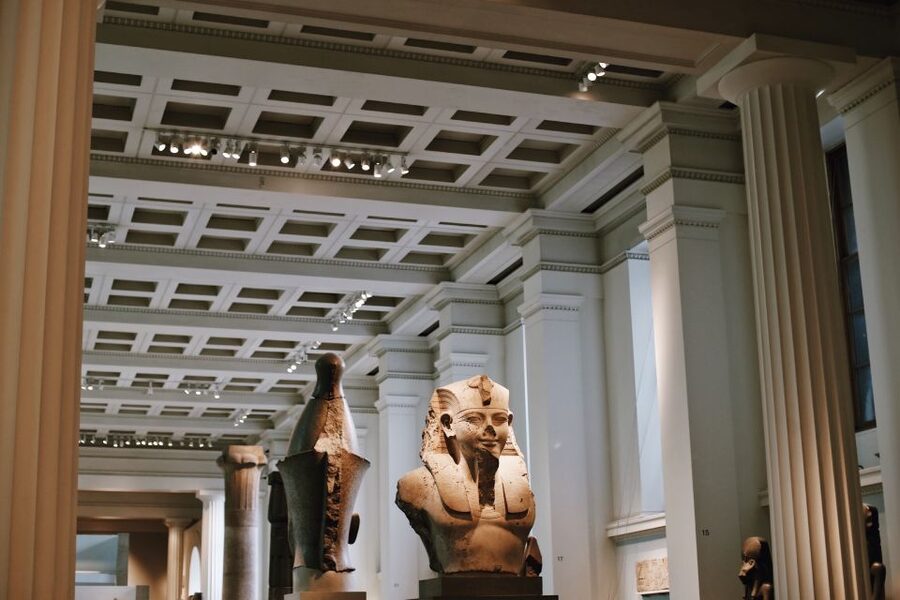
The British Museum changes the subject completely. Instead of concentrating on painters and individual works, you move through objects linked to civilizations, belief systems, warfare, trade, games, burial customs, and royal power.
The collection covers about 6,000 years. That is too much to absorb without a plan, so the guide’s selection matters even more here. A strong route can show you how ordinary objects and grand monuments both reveal the way people lived and thought.
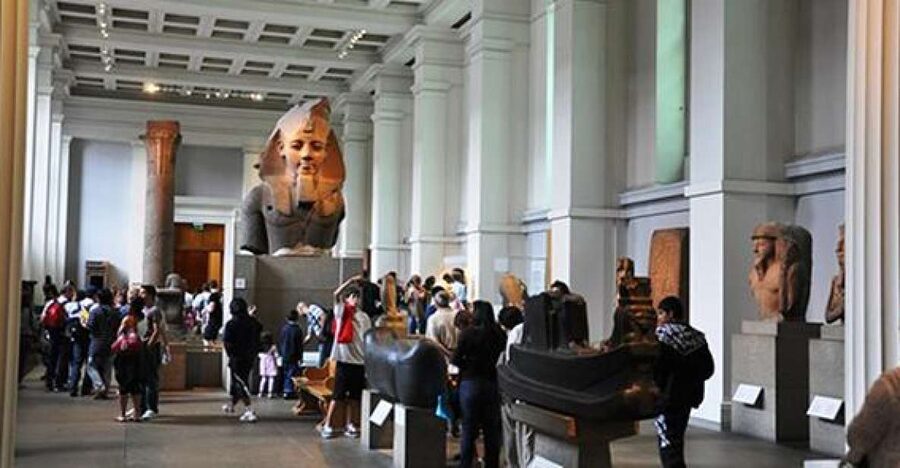
The Rosetta Stone is the obvious centerpiece. Seeing the actual stone gives useful context to the story of deciphering Egyptian hieroglyphs, and it helps explain why the object became so important. The guide can also connect it to the wider question of how modern people recover the meaning of ancient cultures.
The tour may also include Assyrian lion hunt reliefs, the Parthenon sculptures, the Lewis Chessmen, the Oxus Treasure, the Royal Game of Ur, the Mummy of Katebet, and Samurai armor. These are very different objects, which is exactly why the second half works well beside the National Gallery.
From Assyrian reliefs to the Lewis Chessmen
The Assyrian lion hunt reliefs offer a look at royal power and ceremonial hunting. Their carved detail can make an ancient political message feel surprisingly direct. You are not just looking at decoration. You are seeing how a ruler wanted to present strength, control, and status.
The Parthenon sculptures raise questions about classical art, architecture, ownership, and the movement of objects between countries. The experience does not promise a long specialist debate, but a guide can provide enough context to make the sculptures more than famous fragments in a large room.
The Lewis Chessmen offer a different kind of connection. Their small scale and recognizable forms make the distant past feel approachable. The Royal Game of Ur does something similar, showing that games and leisure have been part of human life for thousands of years.
The Oxus Treasure introduces ancient luxury and craftsmanship, while Samurai armor gives you a clear sense of how objects can combine function, identity, and display. The Mummy of Katebet brings the focus back to personal belief and burial. Together, these stops keep the British Museum from becoming a march of anonymous stone and glass cases.
A small group makes the second half easier
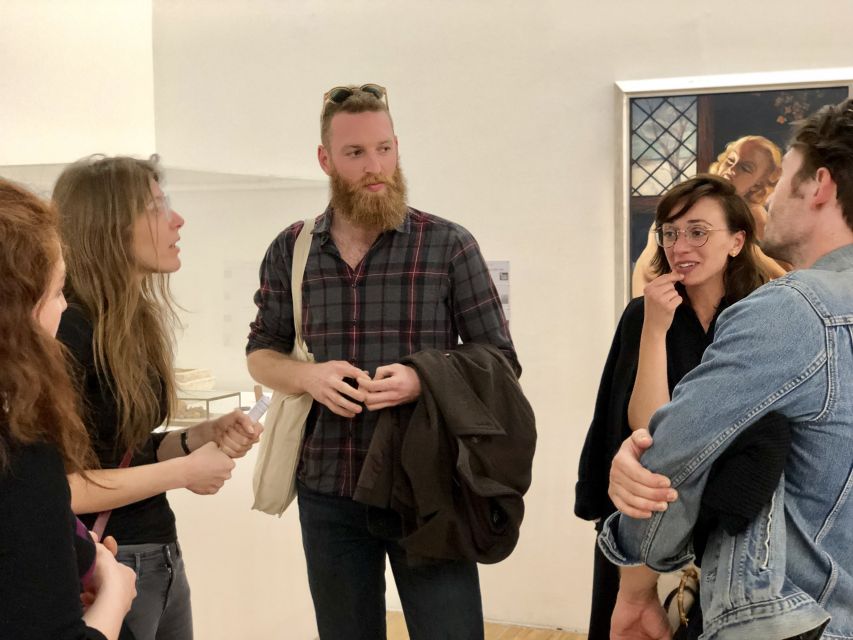
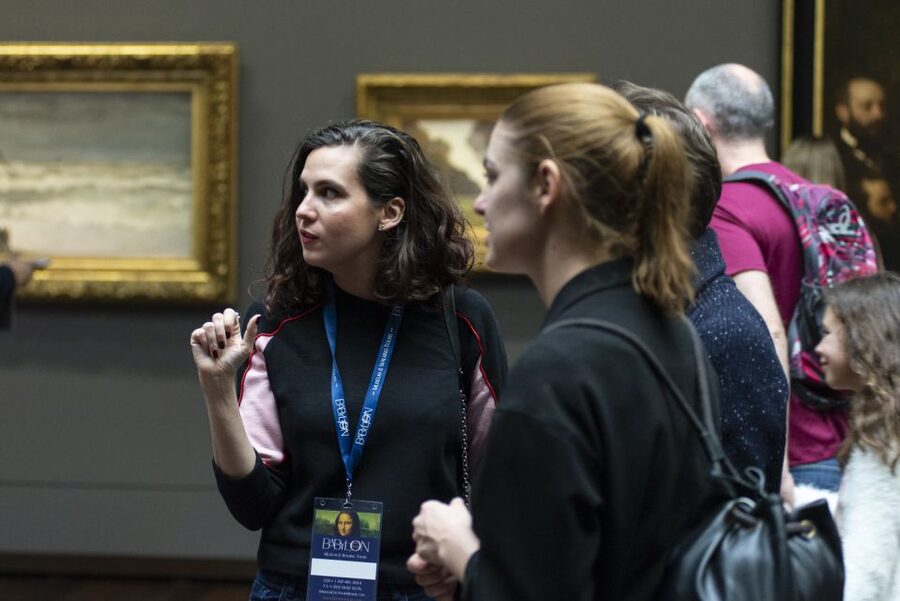
The British Museum is vast, and it can be difficult to find its best-known objects by yourself. One person described the museum as hard to navigate while also noting that this was exactly why a tour had been chosen. That is the practical case for booking this experience.
A group limit of eight is much better suited to a museum route than a large tour party. You should be able to stay close enough to hear the guide and ask a question without shouting across a crowd. The private option gives you more control, while the semi-private option keeps the group smaller than a standard city tour.
There is still plenty of walking. Comfortable shoes are a sensible choice, and you should avoid bringing luggage or large bags. A passport or ID card is required, so keep it accessible without carrying more than you need.
The accessibility information needs careful attention. Tours are described as available for wheelchair users on request, but the same information also lists the experience as unsuitable for wheelchair users. If this affects your booking, contact the provider before paying and get a clear answer about the route, entrances, and museum access.
Is $206 a fair price?
At $206 per person, this is not a casual museum add-on. The National Gallery itself has no general admission charge, and the British Museum also has free general entry, so the cost is mainly for the professional guide, planning, and private or semi-private format.
I would consider the price more reasonable if you value expert explanation and want to make the most of a single London day. It can also work for a couple or small family who would otherwise spend hours trying to navigate both collections alone.
The value is weaker if you are happy reading labels, using a museum map, and choosing your own pace. It is also less appealing if you want long, quiet time with individual paintings. This tour is about selection and context, not leisurely study.
The mixed rating reflects that balance. Most of the named guide feedback is very positive, with Becky and Matilda receiving especially warm praise. But one serious logistical failure involved a cancellation, museum entry confusion, and a delayed refund. I would not ignore that when comparing providers. Confirm the departure, meeting place, and refund terms in writing.
Who should book this museum pairing?
I would recommend it to a first-time London visitor who wants an efficient introduction to two huge institutions. It suits you especially well if you like learning through stories and comparisons rather than wandering without a plan.
It is also a good fit for adults who know a few famous names but want help understanding why the paintings and objects matter. Families with older children may appreciate the change from paintings to mummies, armor, chess pieces, and ancient games.
You may want another plan if you are an experienced museum visitor, need a fully flexible schedule, or prefer to spend an entire day in one collection. The itinerary covers a lot of ground, and the lunch break is at your own expense.
Book it if a guide’s voice will help you get more from famous works and if a small group matters to you. Skip it if the price feels too high for museums with free general entry, or if you want to move slowly and choose every stop yourself. If you do book, request Becky or Matilda if possible, confirm the total timing, and verify the British Museum meeting arrangements before the day begins.
FAQ
How long does the tour last?
The main tour description gives a total duration of about 5.5 hours. Another timing note lists 2 to 2.5 hours, so confirm the exact schedule for your selected option before booking.
Which museums are included?
The tour includes London’s National Gallery and the British Museum.
What language is the tour conducted in?
The live tour guide speaks English.
Is the tour private or shared?
You can choose a private tour or a semi-private option with a maximum of eight guests.
Is lunch included?
No. There is a lunch break between the museum visits, but food and drinks are at your own expense.
Which artworks and objects might I see?
Possible highlights include Sunflowers, The Virgin of the Rocks, The Ambassadors, The Arnolfini Portrait, the Rosetta Stone, Assyrian lion hunt reliefs, the Parthenon sculptures, the Lewis Chessmen, the Oxus Treasure, the Royal Game of Ur, the Mummy of Katebet, and Samurai armor.
Are all listed highlights guaranteed?
No. The artworks may be unavailable if they are on loan, being restored, or otherwise off display.
What should I bring?
Bring a passport or ID card. Do not bring luggage or large bags.
Can wheelchair users join?
Wheelchair access is available on request according to the activity information, but the same information also says the tour is not suitable for wheelchair users. Contact the provider before booking to confirm whether the specific route can accommodate you.
Just added around London
- A Guided Tour at the National Gallery in London★ 3.5 · 2 reviews
- The Shard Viewing Gallery & Westminster Walking Tour★ 4.0 · 12 reviews
- Women in Art Walking Tour★ 5.0 · 13 reviews
- Best of Westminster Abbey with Upper Gallery & Buckingham Palace★ 4.5 · 15 reviews
- Private Guided Tour of the National Gallery in London★ 4.0 · 8 reviews
- Tate Modern Museum London Guided Tour Semi-Private 8ppl Max★ 5.0 · 41 reviews
- The Tate Modern London – Exclusive Guided Museum Tour★ 5.0 · 41 reviews
- Tate Modern Private Tour in London with Blue Badge Guide★ 5.0 · 3 reviews
Art Museum Tours in London, compared.
Official tickets: Moco Modern & Contemporary Art Museum
Read our review →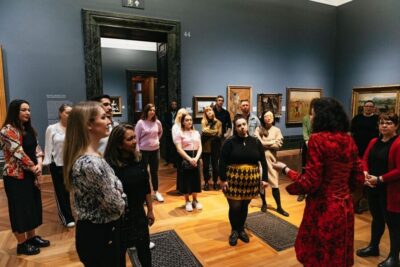
National Gallery Guided Tour with Art Expert Guide
Read our review →
Tickets for Moco Modern & Contemporary Art Museum
Read our review →
National Gallery of London Museum Tour Semi-Private 8ppl Max
Read our review →
Day Trip to Paris with Eiffel Tower, Notre Dame and Louvre Museum
Read our review →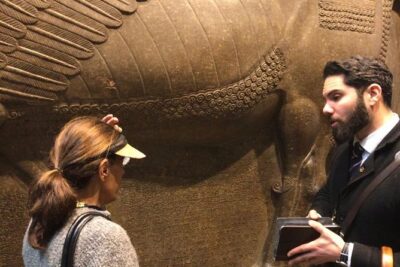
British Museum & National Gallery of London Semi-Private 8ppl Max
Read our review →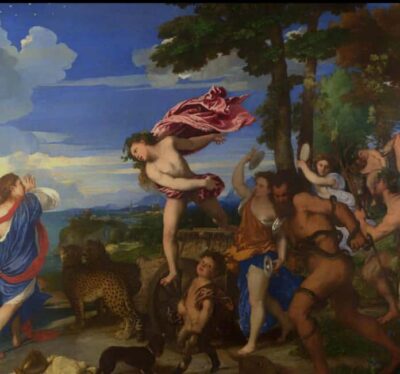
National Gallery + Guided Tour + Priority Entry
Read our review →
Browse the lists this tour appears in