
REVIEW · ROME
National Gallery of Modern Art Ticket & Rome App Audioguide
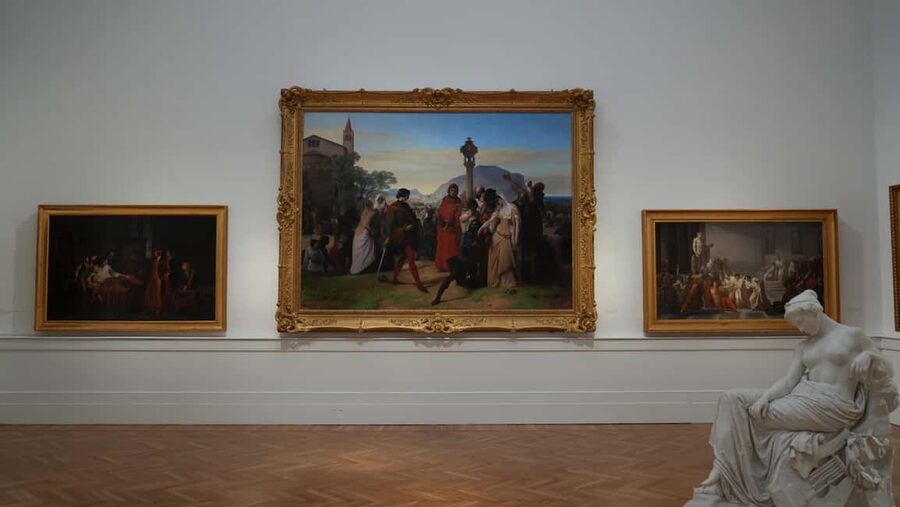
Rome’s National Gallery of Modern Art gives you a serious art collection without the packed, high-pressure feel of Rome’s ancient sights. Your skip-the-line ticket gets you inside to see nearly 20,000 paintings, sculptures, drawings, and installations, including works linked to Monet, Van Gogh, Canova, and Joseph Kosuth.
I like the clear split between 19th-century art on the ground floor and 20th-century works upstairs. I also like the spacious rooms, which suit the museum’s very large paintings and sculptures. The main drawback is that the museum’s signage can be uneven, so finding the right order and artist information may take some detective work.
Key points at a glance
- Skip the ticket line and enter with your official museum ticket.
- See nearly 20,000 works from Italian and foreign artists.
- Start with the 19th century on the ground floor, including Monet and Van Gogh.
- Continue upstairs to 20th-century art, including work by Antonio Canova and Joseph Kosuth.
- Use the Rome app audioguide for city information, but do not expect a live museum guide.
- Plan for a Monday closure, a cloakroom for large bags, and no food or drinks in the galleries.
Why this modern art museum belongs on your Rome list
Rome is famous for ancient ruins, Baroque churches, and Renaissance paintings. The National Gallery of Modern Art gives you a different side of the city. Here, you move through art from Neoclassicism and Impressionism to Futurism and Surrealism.
That change of pace matters. After spending hours looking at marble statues and ancient stones, you may appreciate rooms filled with color, unusual forms, and works that ask more questions than they answer.
The collection includes both Italian and foreign art. You can look for familiar names such as Claude Monet and Vincent Van Gogh, then compare them with Italian artists and later creators. The museum also includes sculptures and installations, so this is not a visit limited to framed paintings.
The collection is large enough to reward a slow visit, but it can also feel demanding. Nearly 20,000 works means you will not see everything in one day. I suggest treating the ticket as permission to choose, not as a challenge to inspect every room.
More Art Museum Tours in Rome
- Vatican Museums, Sistine Chapel & St. Peter’s Basilica Tour
★ 4.3 · 73,970 reviews - Vatican Museums, Sistine Chapel & St Peter’s Basilica Guided Tour
★ 4.5 · 39,149 reviews - Rome: Vatican Museums, Sistine Chapel and Basilica Tour
★ 4.3 · 16,039 reviews
Entering with the one-day skip-the-line ticket
The ticket is valid for one day, and you enter the museum using the official ticket provided for the activity. The main practical benefit is simple: you skip the ticket line.
That does not mean every part of the visit happens instantly. Security, cloakroom procedures, or general museum controls may still take time. Still, buying ahead can make sense on a busy Rome day, especially if you have planned the museum around another appointment.
The listed price is $20 per person. The museum ticket itself costs 15 EUR, while the remaining amount covers the Rome digital app audioguide and GetYourGuide services. That breakdown is worth knowing before you book. You are not paying $20 only for admission.
The value depends on your plans. If you already have a city guide app or do not intend to use the audio feature, the extra cost may feel less attractive. If you want advance entry and a bit of Rome information on your phone, the package is easier to justify.
There is no live guided tour included. You will explore independently, which gives you freedom but also puts the burden of navigation and interpretation on you.
The ground floor: 19th-century art, Monet, and Van Gogh
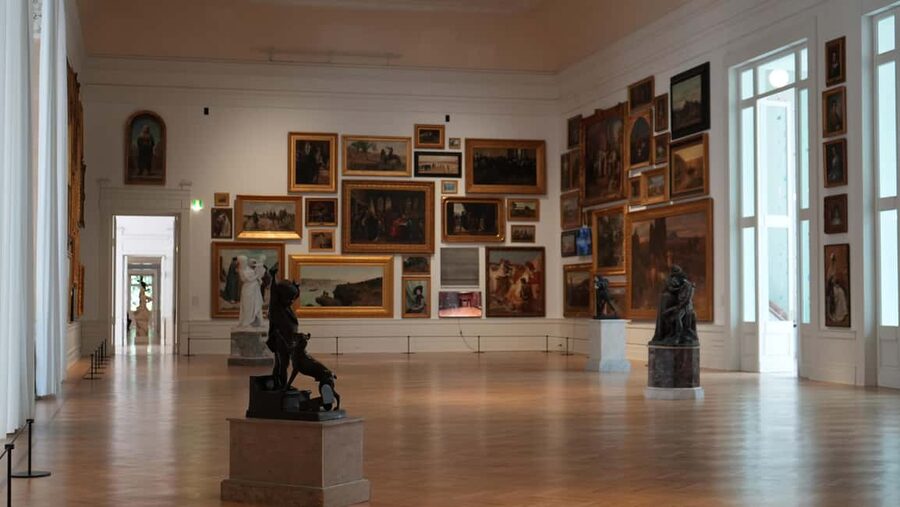
Begin on the ground floor, where the focus is 19th-century art. This part of the museum helps you follow the shift from formal academic traditions toward newer ways of seeing and painting.
Claude Monet gives you a familiar doorway into Impressionism. Look at how light, color, and quick brushwork can make a scene feel less fixed and more like a passing moment. If you have seen Monet in other museums, this is still a useful chance to place his work beside Italian and other European pieces.
Vincent Van Gogh adds a different kind of energy. His paintings are not simply about accurate appearance. Brushwork, color, and emotion carry much of the weight. Seeing Van Gogh within a wider 19th-century collection helps you compare his approach with the softer effects of Impressionism and with more formal styles nearby.
The ground floor is not just a parade of famous names. It lets you track a period of change. Neoclassicism valued order and ideal form, while Impressionism loosened the rules and focused more on sensation and light.
You may want to slow down in rooms that do not contain a name you recognize. A famous artist can bring you through the door, but the museum’s real value comes from making comparisons across the collection.
Upstairs to Canova, Kosuth, and 20th-century ideas
The top floor moves into 20th-century art and later forms of artistic expression. The shift can be striking. You leave behind the more familiar visual language of 19th-century painting and encounter Futurism, Surrealism, installations, and conceptual work.
Antonio Canova is associated with Neoclassical sculpture, so his presence gives you a useful link between the museum’s older and newer sections. Pay attention to the contrast between Canova’s controlled ideal forms and the more experimental work around the 20th-century galleries.
Joseph Kosuth represents a very different approach. His art asks you to think about words, objects, meaning, and the definition of art itself. You may find these works quick to understand, or you may need to stand with them for a while. That is part of the point.
The upper floor is a good reason not to rush through the lower rooms. The museum’s story is not a straight march from old to new. It is a series of changes in purpose, method, and expectation.
Futurism brings movement and modern speed into the picture. Surrealism turns toward dreams, strange combinations, and the unconscious. Installations may use space itself as part of the work. I recommend leaving room in your schedule for art that does not explain itself at first glance.
More modern and contemporary art in Rome:
- NYC: Museum of Modern Art (MoMA) Entry Ticket
★ 4.6 · 12,540 reviews - Official tickets: Moco Modern & Contemporary Art Museum
★ 4.5 · 1,157 reviews - NYC: MoMA Before-Hours Tour with Art Expert
★ 4.8 · 418 reviews - London: Tickets for Moco Modern & Contemporary Art Museum
★ 4.7 · 391 reviews
A large collection that needs a plan
The size of the collection is both its strength and its challenge. With nearly 20,000 works, you can spend a full day here and still leave plenty unseen.
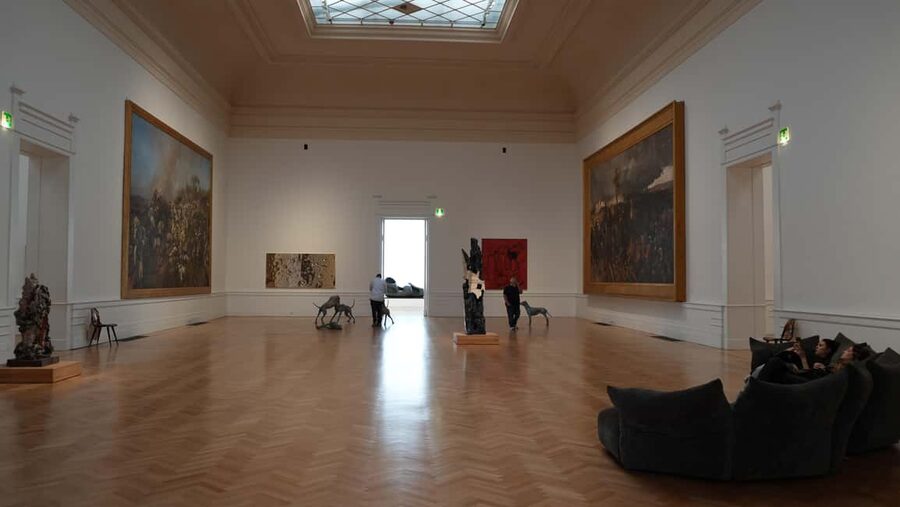
The building has enough space for large works, which is especially useful for monumental paintings, sculptures, and installations. One practical observation is that the rooms can feel open rather than cramped, giving major pieces room to breathe.
The tradeoff is orientation. Signage does not always provide a perfectly clear route through the museum, and information about individual artists and works may not be easy to find. You may need to check the room layout, read labels carefully, and accept that your route will be partly improvised.
I would not plan this as a precise march from room one to room two. Instead, choose a few priorities:
- Look for Monet and Van Gogh on the ground floor.
- Note the contrast between 19th-century painting and later movements.
- Seek out Canova and Joseph Kosuth upstairs.
- Give extra time to sculptures and installations.
- Stop when a work catches your attention, even if it is not on your original list.
This approach works better than trying to conquer the entire collection. Museums of this size reward judgment more than stamina.
What the Rome app audioguide adds
The included digital audioguide is for the city of Rome rather than a live, room-by-room museum tour. That distinction matters. If you want a specialist explaining each gallery, this ticket does not provide that service.
The app can still be useful around your museum day. You can use it as a companion for Rome sightseeing, adding context to the city beyond the gallery itself. It may suit you if you prefer listening on your own schedule instead of joining a fixed group.
You will need to use your phone, and the supplied information does not identify a museum guide or give a detailed audio route inside the gallery. I would therefore treat the app as an added city resource, not the main reason to book the ticket.
For the art itself, take a little time with the labels and allow the sequence of rooms to guide you. You can also prepare a short list of artists before arriving. That small bit of planning will help when the museum’s signs are not as clear as you would like.
Timing, bags, photographs, and access
The ticket is valid for one day, but the available starting times depend on the date you select. Check the schedule before building the rest of your Rome itinerary around the museum.
The museum is closed on Mondays. That is an easy detail to miss when you are planning several days of sightseeing, so check your chosen date before paying.
Food and drinks are not allowed in the galleries. Large bags and backpacks must be left at the cloakroom, and luggage is not allowed inside. If you are moving between hotels or arriving with a large suitcase, this is not the right time to visit unless you have somewhere secure to leave it.
Photography is allowed, but flash photography is forbidden. Keep your flash off so you do not disturb the art or other people in the rooms.
The museum is wheelchair accessible. That makes the visit workable for people who need step-free access, though the available information does not provide a detailed route or equipment list. If you have specific access needs, confirm the arrangements before arrival.
Assistance dogs are allowed. Other pets are not.
Who will get the most from this ticket
I would recommend this for you if you enjoy choosing your own pace and already know a few artists you want to see. It is also a good fit if you want a break from Rome’s ancient monuments and prefer a museum with paintings, sculpture, and installations in one visit.
Art students, regular museum visitors, and people curious about Italian modern art should find plenty to explore. The collection gives you room to compare Italian work with artists from outside Italy, rather than presenting modern art as one narrow national story.
Families and casual art fans can also make it work, but I would set a modest goal. Choose a few artists and movements instead of promising to inspect every gallery. The museum is too large for a quick name-check tour to feel satisfying.
This may not suit you if you want a live guide, a tightly planned route, or detailed explanations at every stop. The visit is independent, and the signage may require patience.
Is the $20 price good value?
At $20 per person, the ticket is reasonably priced if skipping the ticket line matters to you and you will use the Rome app audioguide. The admission portion is 15 EUR, with the balance covering the digital guide and booking service.
The value is less clear if the line is short on your chosen day or if you already have another Rome audio app. In that case, you are paying extra for convenience rather than for a guided art lesson.
The 4.8 rating from 20 ratings suggests strong satisfaction, and the most consistent practical praise is easy advance booking. That convenience can matter in Rome, where a small amount of planning often saves time for another church, piazza, or meal.
I would compare the price with your schedule rather than with the museum alone. If you have one day available and want reliable entry, the ticket is useful. If your itinerary is loose and you are watching every euro, buying directly from the museum may be worth investigating, though the supplied details do not give the direct-booking price or terms.
Should you book the National Gallery of Modern Art ticket?
Book it if you want a self-guided art visit with skip-the-line access, a large collection, and a clear chance to see Monet, Van Gogh, Canova, and Joseph Kosuth in one museum.
Go in with realistic expectations. This is not a guided tour, the app focuses on Rome rather than serving as a full museum commentary, and the signage may not always lead you neatly from one highlight to the next.
My best advice is to visit on a day other than Monday, leave large bags behind, and choose a short artist list before entering. If you can accept a little wandering, this ticket offers a useful look at Rome’s artistic life beyond its ancient and Baroque landmarks.
FAQ
How much does the activity cost?
The listed price is $20 per person. The museum ticket costs 15 EUR, and the remaining amount covers the Rome digital app audioguide and GetYourGuide services.
How long is the ticket valid?
The ticket is valid for one day.
Does the ticket include skip-the-line entry?
Yes. It includes access that lets you skip the museum ticket line.
Is a live guided tour included?
No. The activity includes museum admission and a digital Rome city audioguide, not a live guided tour.
What artists can I see?
The collection includes works by artists such as Claude Monet, Vincent Van Gogh, Antonio Canova, and Joseph Kosuth.
Where are the 19th-century works displayed?
The 19th-century art is displayed on the ground floor.
Where are the 20th-century works displayed?
The 20th-century art is displayed on the top floor.
Is the museum open on Mondays?
No. The museum is closed on Mondays.
Can I take photographs inside?
Yes. Photography is allowed, but flash photography is not permitted.
Is the museum wheelchair accessible?
Yes. The museum is wheelchair accessible.
More Self-Guided Tours in Rome
- Rome: Borghese Gallery Ticket and Optional Audio Guide
★ 4.3 · 902 reviews - Borghese Gallery entry ticket and audioguide App
★ 4.7 · 570 reviews - Rome: Vatican Museums & Sistine Chapel Entry with Audio App
★ 4.3 · 240 reviews - Borghese Gallery Entry Ticket and Audioguide App
★ 4.5 · 144 reviews
More National Gallery Tours in Rome
- London: National Gallery Guided Tour with Art Expert Guide
★ 4.7 · 440 reviews - National Gallery of London Museum Tour Semi-Private 8ppl Max
★ 5.0 · 178 reviews - British Museum & National Gallery of London Semi-Private 8ppl Max
★ 5.0 · 168 reviews - The National Gallery of Art DC – Exclusive Guided Museum Tour
★ 5.0 · 166 reviews
Just added around Rome
- Colosseum,Vatican Museum & Sistine Chapel in One Day Guided Tour★ 3.5 · 9 reviews
- Vatican Museums and Sistine Chapel last entry Guided Tour★ 5.0 · 3 reviews
- Private Tour Of Rome Highlights And Vatican Museums Skip-The-Line all included★ 5.0 · 4 reviews
- Borghese Gallery Admission Ticket with Audioguide★ 4.0 · 64 reviews
- Caravaggio Art Walking Tour of Rome with Pantheon Visit★ 4.5 · 35 reviews
- Borghese Gallery Skip the Line Guided Tour★ 4.5 · 23 reviews
- Borghese Gallery Ticket with Audioguide★ 3.5 · 51 reviews
- Borghese Gallery VIP Tour – Skip the Line Tickets★ 5.0 · 2 reviews
Art Museum Tours in Rome, compared.
Vatican Museums, Sistine Chapel & St. Peter’s Basilica Tour
Read our review →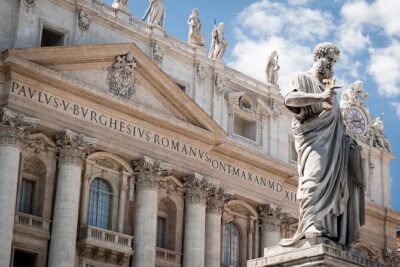
Vatican Museums, Sistine Chapel & St Peter’s Basilica Guided Tour
Read our review →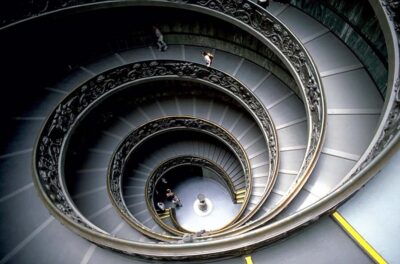
Vatican Museums, Sistine Chapel and Basilica Tour
Read our review →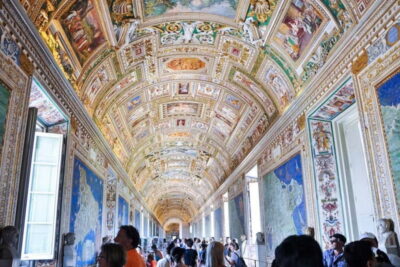
Vatican Museums & Sistine Chapel Skip-the-Line Entry Ticket
Read our review →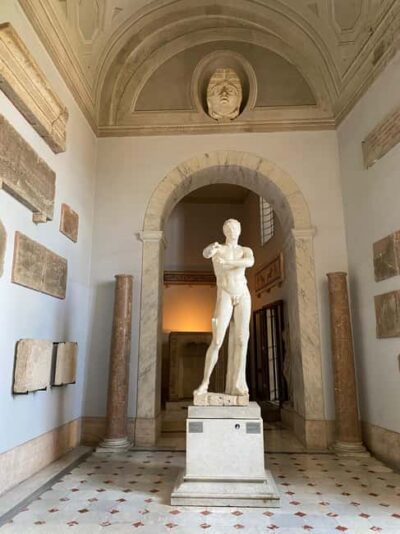
Vatican Museums, Sistine Chapel & Basilica Tour
Read our review →
Vatican Museums & Sistine Chapel Guided Tour
Read our review →
Vatican Museums & Sistine Chapel Skip-the-Ticket-Line Tour
Read our review →
Vatican Museums, Sistine Chapel and St. Peter’s Basilica Tour
Read our review →Browse the lists this tour appears in