
REVIEW · LONDON
London: Tate Britain Turner and Constable Exhibition
Turner and Constable did not paint nature in the same way. Turner chased fire, storm, travel, and light. Constable returned to familiar Suffolk scenes and watched the sky change above them. Seeing their work side by side makes the rivalry feel less like a classroom fact and more like a lively artistic argument. I especially like the direct comparison between two men born just one year apart, and the way their sketchbooks and personal items bring their working lives closer to you.
I also like that this is not simply a parade of famous paintings. The exhibition shows how each artist pushed British painting forward, while explaining why Turner’s later work unsettled critics and why Constable’s cloud studies mattered. The main drawback is the one-hour duration. It is enough for a focused visit, but not enough for a slow look at every work if you read every label.
Key points at a glance
- Two rivals, two very different methods: Turner sought drama, movement, and blazing light, while Constable pursued freshness through repeated views of places he knew well.
- Turner’s later paintings are the visual shock: His loose, forceful handling of paint challenged critics and later influenced Claude Monet.
- Constable’s cloud sketches reward close attention: Small studies record shifting English light with unusual precision and feeling.
- Personal material adds human detail: Sketchbooks and personal items offer glimpses beyond the finished canvases.
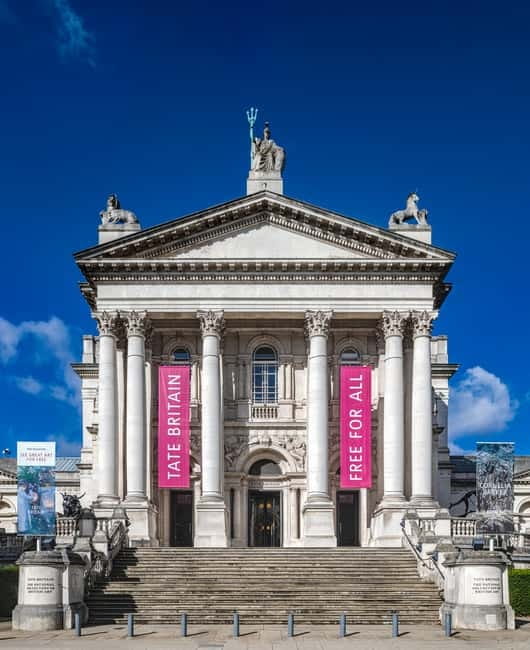
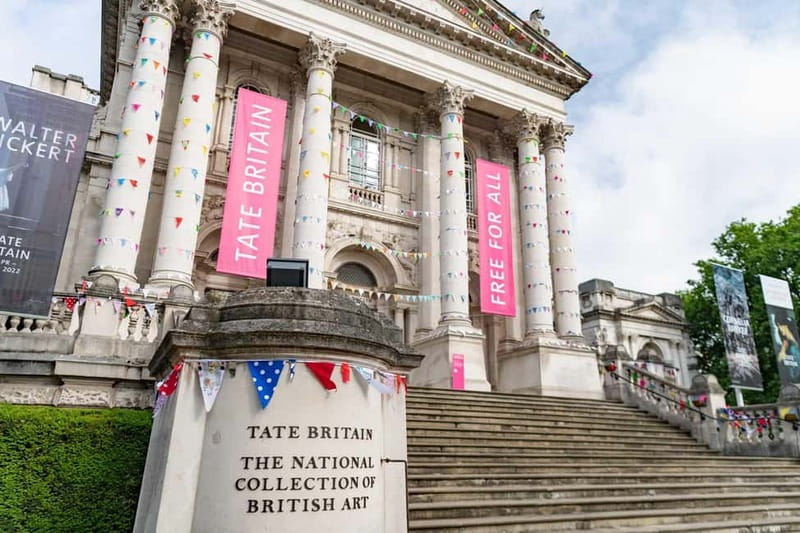
- The exhibition is at Tate Britain: General admission to Tate Britain is free, but this special exhibition requires a separate ticket.
- Plan for the Manton ticket desk: Bring your booking confirmation and allow at least 15 minutes before your entry time to exchange it for an exhibition ticket.
Why Turner and Constable make such a good pairing
The best reason to see this exhibition is the comparison. J.M.W. Turner and John Constable were born within a year of each other, Turner in 1775 and Constable in 1776. Both saw painting as more than a neat record of hills, rivers, and fields. They used it to express weather, memory, movement, feeling, and the changing world around them.
Their backgrounds were sharply different. Turner grew up in the gritty center of Georgian London and rose quickly in the art world despite humble beginnings. Constable was the son of a prosperous Suffolk merchant, but money did not give him an easy path to artistic success. He had to work for recognition and spent years trying to establish his own place.
That difference helps explain the tone of their work. Turner often looked outward, drawing on travel and dramatic natural effects. His pictures can feel unstable, as if wind, water, smoke, or sunlight is still shifting in front of you. Constable usually returned to places he knew well, especially the countryside connected to his childhood. He kept looking at familiar subjects until he found a fresh and truthful way to paint them.
Critics treated the contrast as a clash between fire and water. That phrase is useful, but it should not make Constable seem quiet or Turner seem careless. Both artists were ambitious. Both wanted to change what British painting could do. Their rivalry gives the exhibition its energy, but their shared respect for nature gives it its deeper purpose.
More Art Museum Tours in London
- Official tickets: Moco Modern & Contemporary Art Museum
★ 4.5 · 1,157 reviews - London: National Gallery Guided Tour with Art Expert Guide
★ 4.7 · 440 reviews - London: Tickets for Moco Modern & Contemporary Art Museum
★ 4.7 · 391 reviews
Turner’s fiery challenge to traditional painting
Turner is often the immediate draw for this exhibition, and the later works explain why. His paintings became increasingly powerful, loose, and dynamic. Rather than carefully outlining every object, he often made light and atmosphere the main event.
You may find that the first response to these paintings is not simply admiration. Some of them can look blurred, heated, or almost unfinished when compared with more traditional painting. That is part of their importance. Turner was testing how far paint could move away from a precise description of a place and toward an experience of light, weather, and motion.
The art critics of his day were shocked by this direction. Today, his approach is easier to recognize because later artists, including Claude Monet, built on similar concerns. Turner’s work helped make room for paintings that put changing light and sensation ahead of sharp outlines.
Give these pictures time. Do not stand too close at first. From a little distance, the colors and gestures may gather into a scene. Move nearer only after you have taken in the overall effect. In an exhibition lasting about an hour, it is tempting to hurry past a painting that seems unclear. Turner rewards the opposite habit.
His travel subjects also matter. The exhibition connects his blazing sunsets and sublime views to his broader interest in a world that was changing quickly. Turner did not treat scenery as a fixed backdrop. In his hands, nature can suggest speed, industry, travel, danger, or wonder.
Constable’s skies and the art of close observation
Constable offers a different kind of excitement. His cloud sketches are among the most useful works for understanding how carefully he watched the natural world. They are not merely decorative studies. They record changes in light and weather with a directness that makes the sky feel active.
Constable often returned to a small group of beloved places. That repetition was not a lack of imagination. It was his way of testing memory against observation. A familiar field, river, or horizon could look different from one day to the next because the light had changed.
His cloud studies show this process in a concentrated form. You can see him paying attention to the shape, weight, and movement of clouds, as well as the color beneath them. The English sky becomes a subject in its own right, not just a background for trees or buildings.
I find these works especially helpful after Turner. Turner can make weather feel grand and almost overwhelming. Constable makes you notice small changes. One artist sends your eye outward into a storm of sensation. The other asks you to watch patiently and see what has shifted.
Do not judge Constable’s work only by asking which painting looks more dramatic. His achievement lies partly in restraint and repetition. The freshness comes from looking again, not from constantly seeking a new subject.
Sketchbooks and personal items bring the artists closer
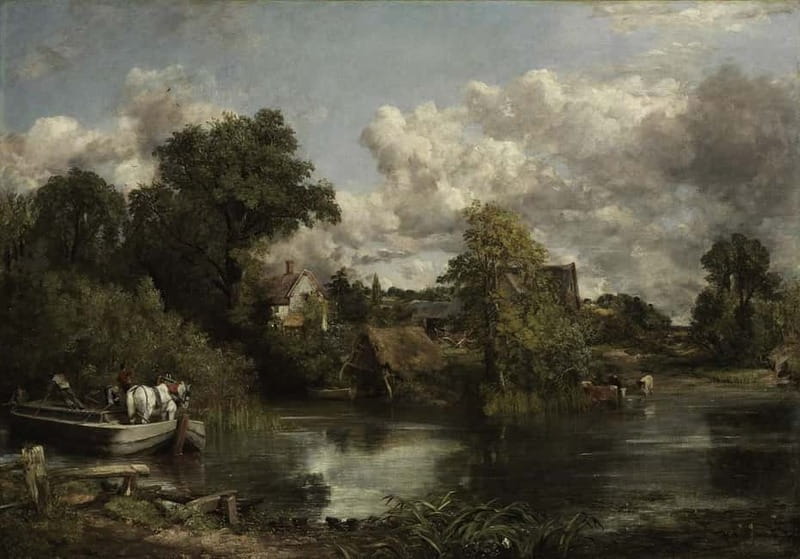
Finished paintings tell you what Turner and Constable wanted the public to see. Sketchbooks and personal items suggest how they worked when no grand display was required. This material gives the exhibition a more intimate scale.
A sketchbook can show an artist thinking through a problem. It may reveal quick observations, repeated attempts, or a fascination with one small detail. In this setting, such material helps explain how a finished painting grew out of attention, practice, and revision.
The personal items have a similar effect. They offer glimpses into the people behind the public reputations. Turner can seem like a force of nature in his later paintings. Constable can seem like the devoted painter of a few rural places. Personal material complicates both impressions.
This is also where the exhibition becomes more than a contest between two painting styles. You see careers developing over time, with ambition, uncertainty, and persistence behind the famous names. Constable’s slower rise to acclaim becomes easier to understand. Turner’s quick success looks less simple when you consider how boldly he kept changing his work.
The exhibition is organized by Amy Concannon, Manton Senior Curator of Historic British Art, with Nicole Cochrane, Assistant Curator of Historic British Art from 1790 to 1850. Their focus on intertwined lives, artistic development, and personal evidence gives the displays a clear purpose. You are not just being shown two sets of pictures. You are being asked to compare how two careers grew beside each other.
More modern and contemporary art in London:
- London: Tate Modern Official Guided Tour
★ 4.6 · 154 reviews - Tate Modern Museum London Guided Tour Semi-Private 8ppl Max
★ 5.0 · 41 reviews - The Tate Modern London – Exclusive Guided Museum Tour
★ 5.0 · 41 reviews - Tate Modern Official Discovery Tour
★ 4.0 · 39 reviews
A practical one-hour route through the exhibition
Start with the introductory material, even if you usually skip exhibition text. The central idea is the parallel development of Turner and Constable, and that framework will help you read the rooms more clearly.
Next, spend time with the works that establish their different approaches. Look for the contrast between Turner’s dramatic treatment of light and Constable’s close attention to familiar places. You do not need to memorize dates or technical terms. Ask a simple question: what does each painter want you to feel first?
Move on to Turner’s later paintings with patience. These are likely to take the most concentration because they can challenge your expectations about what a finished painting should look like. Let your eye adjust to the movement and color before deciding what you think.
Then give Constable’s cloud sketches a quieter pause. Their smaller scale may tempt you to treat them as minor works, but they explain a great deal about his method. Notice how a changing sky can carry mood without any dramatic story.
Finish with the sketchbooks and personal items. They are a good final stop because they bring the discussion back to daily work and individual lives. After seeing the bold public paintings, you can look again at the practical habits behind them.
This route is not a formal guided tour. The ticket gives you entry to the exhibition, and you set your own pace inside. That freedom is useful, but it also means you need to manage your time. If you want to read every label, one hour will feel tight. If you focus on the main works and the comparison between the artists, the timing is reasonable.
What the $32 price buys you
The listed price is $32 per person. Since Tate Britain itself has no general entrance fee, you are paying specifically for access to the Turner and Constable exhibition rather than for the whole museum.
That makes the value depend on your interest. If you already care about British painting, Turner, Constable, or the development of modern painting, the price is easier to justify. You receive a focused presentation of two major artists, important later works, preparatory material, and a clear explanation of their connection.
If you are only looking for a quick visit to Tate Britain, the cost may feel less attractive. The main museum has free admission, and you could spend time there without buying this ticket. The special exhibition is best for someone who wants a concentrated hour with a particular subject.
The ticket also works well for a short London schedule. You do not need to commit half a day. You can see the exhibition, visit other parts of Tate Britain, and continue exploring the city. Just remember that the free general admission and the paid exhibition are separate matters.
The current rating is 4.7 from 16 reviews, with repeated praise for the clear presentation, the number and quality of the works, and the parallel treatment of the two artists. One practical criticism concerned the inability to use an Art Fund membership when booking through the sales site. If you hold that membership, check the booking terms before paying.
Getting there, checking in, and using your time well
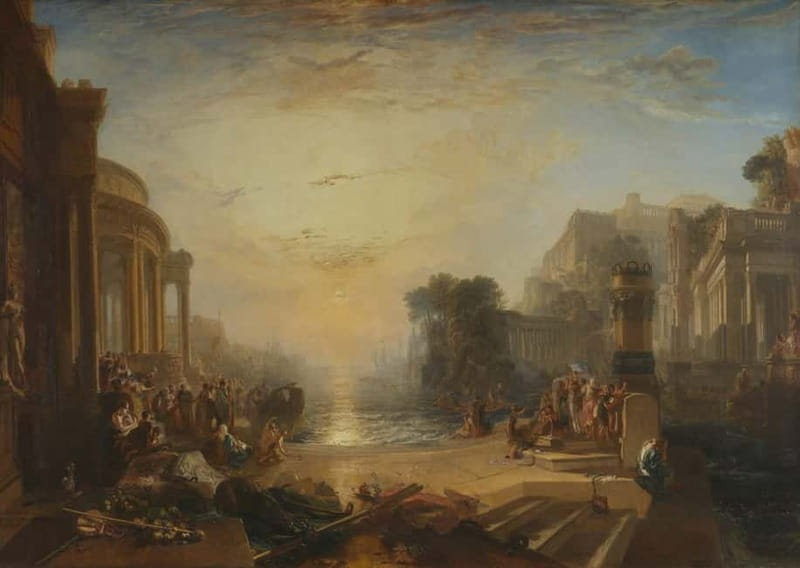
Your meeting point is the Manton ticket desk at Tate Britain. Bring your booking confirmation and allow at least 15 minutes before your entry time to exchange it for the exhibition ticket.
That buffer matters. A timed entry is not the moment to arrive at the last second, especially if you want to begin calmly. You can use the extra minutes to find the desk and get settled rather than starting the exhibition in a rush.
The venue is wheelchair accessible. The experience lasts one hour, and starting times vary, so check availability when choosing your slot.
The exhibition is at Tate Britain in South East England, in London. The information provided does not specify a guided tour, group size, audio guide, or transportation arrangement. Plan on a self-directed exhibition visit rather than expecting a guide to lead you through each room.
The booking allows free cancellation up to 24 hours in advance, and you can reserve now and pay later. Those options help if your London schedule is still changing, but they do not remove the need to arrive with the booking confirmation.
Who will get the most from this exhibition
I would recommend this to anyone who wants to understand why Turner and Constable remain central figures in British art. It is especially useful if you like seeing artists compared directly instead of viewing each one in isolation.
Turner fans should find plenty to appreciate in the later paintings and their connection to Monet. Constable fans will want time with the cloud sketches and the familiar places he repeatedly studied. If you prefer one artist, the side-by-side layout may even help you understand why the other one matters.
It also suits visitors who do not know much about either painter. The rivalry provides an easy way into the subject. You can begin with broad contrasts, then notice the more subtle similarities: both artists wanted nature to carry emotion, and both challenged the idea that painting should simply copy the visible world.
Families and younger art enthusiasts may enjoy the strong contrast in color and mood, though the one-hour format works best if you choose a few works to discuss rather than trying to explain everything. People who want a fast, self-directed cultural stop will appreciate the focused length.
I would be less likely to recommend it if you dislike timed exhibitions, prefer a quiet museum with no special-ticket cost, or want an extended study session. One hour goes quickly, especially if you stop to read the background material.
Final decision: should you book Turner and Constable at Tate Britain?
Book it if the thought of Turner’s fiery later paintings beside Constable’s changing skies appeals to you. The exhibition gives you a clear artistic comparison, personal material, and a useful account of how two men from different backgrounds reshaped British painting.
The strongest reason to go is not simply the famous names. It is the chance to watch two artists answer the same basic question in opposite ways: how can paint make nature feel alive? Turner answers with motion, heat, and drama. Constable answers with careful observation and repeated attention.
At $32, this is a specialist add-on rather than a general museum bargain. Still, the focused hour can fit neatly into a London day, and Tate Britain’s free general admission makes it easy to combine the exhibition with more museum time. Arrive 15 minutes early at the Manton ticket desk, choose a few key works to study closely, and let the comparison do the work.
FAQ
How long does the Turner and Constable exhibition last?
The experience lasts one hour. Check availability for the specific starting times.
Where do I collect my exhibition ticket?
Bring your booking confirmation to the Manton ticket desk at Tate Britain to exchange it for your exhibition ticket.
How early should I arrive?
Allow at least 15 minutes before your entry time for the ticket exchange at the Manton desk.
Is general admission to Tate Britain included?
Tate Britain has no general entrance fee, but special exhibitions such as Turner and Constable require an additional charge.
Is the exhibition wheelchair accessible?
Yes, the activity is wheelchair accessible.
What does the ticket include?
The ticket includes entrance to the Turner and Constable exhibition.
Can I cancel my booking?
Yes. You can cancel up to 24 hours in advance for a full refund.
Can I reserve now and pay later?
Yes. The booking option allows you to reserve your place and pay later.
Just added around London
- A Guided Tour at the National Gallery in London★ 3.5 · 2 reviews
- The Shard Viewing Gallery & Westminster Walking Tour★ 4.0 · 12 reviews
- Women in Art Walking Tour★ 5.0 · 13 reviews
- Best of Westminster Abbey with Upper Gallery & Buckingham Palace★ 4.5 · 15 reviews
- Private Guided Tour of the National Gallery in London★ 4.0 · 8 reviews
- Tate Modern Museum London Guided Tour Semi-Private 8ppl Max★ 5.0 · 41 reviews
- The Tate Modern London – Exclusive Guided Museum Tour★ 5.0 · 41 reviews
- Tate Modern Private Tour in London with Blue Badge Guide★ 5.0 · 3 reviews
Art Museum Tours in London, compared.
Official tickets: Moco Modern & Contemporary Art Museum
Read our review →
National Gallery Guided Tour with Art Expert Guide
Read our review →
Tickets for Moco Modern & Contemporary Art Museum
Read our review →
National Gallery of London Museum Tour Semi-Private 8ppl Max
Read our review →
Day Trip to Paris with Eiffel Tower, Notre Dame and Louvre Museum
Read our review →
British Museum & National Gallery of London Semi-Private 8ppl Max
Read our review →
National Gallery + Guided Tour + Priority Entry
Read our review →
Browse the lists this tour appears in