
REVIEW · LONDON
London: National Portrait Gallery Guided Tour
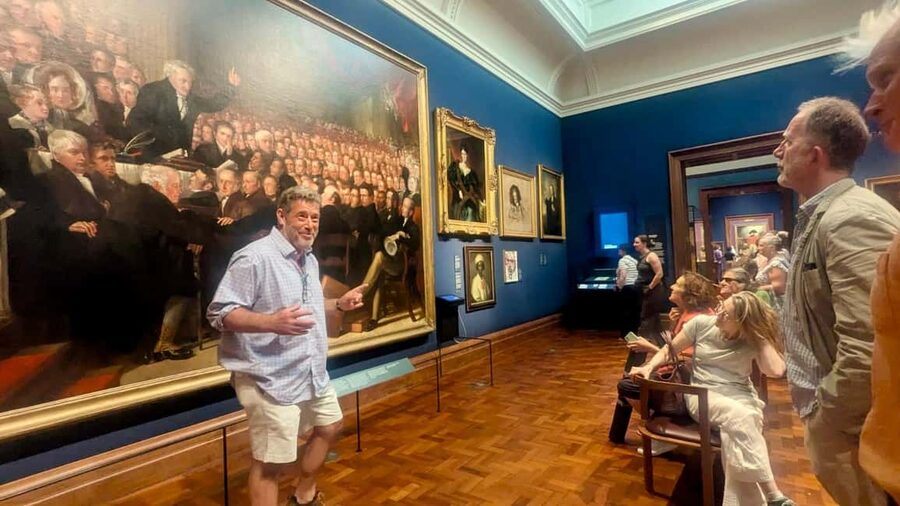
London’s story comes alive here through faces rather than streets. At the National Portrait Gallery, a king, poet, reformer, or engineer becomes a doorway into the people and decisions that shaped the city from Tudor times into the early 20th century.
I like the clear historical thread linking the portraits, and I like the focus on people who influenced Britain in very different ways. Patrick is one guide named in the feedback, and he is praised for connecting the portraits into a continuous story and for being friendly and professional. The main drawback is the tight 90-minute schedule, especially if you want time to study every painting.
This works best for adults and older teenagers who already have some basic British history. You will need to arrange your own transport to the gallery, and wheelchair access is generally available, though stairs and an escalator can affect the route.
Key points at a glance
- A portrait-led history of London: Follow the city’s social and political changes through painted faces rather than a standard street tour.
- Tudor times to the early 20th century: The period covered gives you a broad view of London’s growth and Britain’s changing power.
- Patrick is a named guide: His approach centers on linking separate portraits into one understandable historical line.
- Royal and less expected figures: Kings and queens share the story with poets, social reformers, architects, engineers, and politicians.
- A focused 90-minute visit: The tour gives structure to a large gallery, but it will not allow a slow look at everything.
- Small-group and private choices: These options may suit you if you want more room for questions or a more tailored pace.
Entering the National Portrait Gallery at Ross Place
You meet your guide at the main reception after passing through security at the main entrance in Ross Place. That detail matters in a busy central London museum. Do not wait outside the building for the guide. Go through security first, then look for the meeting point in reception.
The National Portrait Gallery is a natural setting for this subject. Its collection lets you consider British history through individuals, with each portrait offering clues about status, ambition, public image, and power. The tour is not simply a parade of famous faces. Its purpose is to connect those people to London’s changing society.
Wear comfortable shoes. Ninety minutes is not a long time, but standing and walking through a gallery can still be tiring, particularly if you are combining this visit with a full day in central London.
The activity is in English, and the guide leads the entire visit. The format is available as a private or small-group experience, so check the option you are booking if group size matters to you. A smaller group can make it easier to hear the guide and ask about a portrait that catches your attention.
More Art Museum Tours in London
- Official tickets: Moco Modern & Contemporary Art Museum
★ 4.5 · 1,157 reviews - London: National Gallery Guided Tour with Art Expert Guide
★ 4.7 · 440 reviews - London: Tickets for Moco Modern & Contemporary Art Museum
★ 4.7 · 391 reviews
From Tudor rulers to a changing capital
The tour begins with the Tudor period and then moves forward toward the early 20th century. That broad span helps you see London as a city in motion, not a fixed collection of grand buildings and royal names.
The Tudor section gives the tour its political starting point. Portraits of kings and queens show how rulers wanted to be seen, while the guide explains the world around them. You are not just looking at clothing, crowns, or formal poses. You are considering how authority was presented and how royal decisions affected the development of London and Britain.
As the route moves through later periods, the cast of characters widens. Politicians appear alongside poets, social reformers, architects, and engineers. This is one of the tour’s best features. A city is shaped by more than monarchs, and the selection appears designed to show the people who led, built, challenged, and sometimes subverted the direction of modern Britain.
The time range also gives you a useful sense of change. London’s political life, public institutions, social concerns, and imperial ambitions did not appear all at once. The portraits provide a series of human reference points, allowing the guide to explain how one period connects with the next.
You should not expect a full course in British history. The tour is selective, and 90 minutes requires choices. Its value comes from the connections between the chosen figures. If you want dates, names, and a strict chronological march, you may find the pace conversational rather than exhaustive. If you want a readable introduction to how people shaped the city, the format makes sense.
The stories behind kings, queens, and politicians
Royal portraits are often the easiest place to begin. You can recognize the symbols of authority at a glance, but a guide adds the context that a label may not provide. The useful question becomes not only who is pictured, but why the portrait was made and what kind of public image it presents.
Political figures add another layer. The tour looks at people who helped direct Britain and its capital, so portraits become evidence of public ambition and national priorities. You may find yourself reading a serious expression, formal clothing, or a carefully chosen pose as part of a political message.
This approach is helpful if you are visiting London for the first time and want a stronger link between museum art and the city outside. A portrait can introduce an idea that you later notice elsewhere in London: the power of institutions, the role of public figures, or the lasting effects of decisions made long ago.
The guide’s skill matters most here. Patrick was specifically praised for weaving a continuum through the portraits rather than treating each one as a separate stop. That is the kind of guiding this tour needs. Without those links, a portrait gallery can feel like a room full of unrelated names. With them, the figures begin to occupy the same unfolding story.
Poets, reformers, architects, and engineers
The tour earns much of its interest by moving beyond the royal and political center. Poets show how public culture and ideas helped shape Britain. Social reformers point toward disputes over how people lived and how society should change.
Architects and engineers widen the picture again. Their presence reminds you that London’s identity was built through design, construction, technology, and public works as well as speeches and laws. You are encouraged to think about the city as something made by many kinds of people.
This wider cast is especially useful if you have already seen London’s major royal sights. A palace tour can tell you who ruled. This visit gives you more room to consider who influenced public life, challenged accepted ideas, and helped create the modern city.
The selection also keeps the tour from becoming a simple list of celebrated men and women. The stated focus includes people who led, shaped, and sometimes subverted the development of modern Britain and the British Empire. That wording signals a more questioning approach than a straightforward celebration of national figures.
Still, you should remember that this is a guided introduction, not an independent research visit. The guide controls the route and the amount of time spent at each portrait. If one subject interests you greatly, make a note of the name and return later if your admission and schedule allow. The 90-minute format is built around the guide’s story, not extended personal study.
A few more gallery visits around London worth comparing
- London: National Gallery + Guided Tour + Priority Entry
★ 3.7 · 162 reviews - London: Tate Modern Official Guided Tour
★ 4.6 · 154 reviews - Official National Gallery Highlights Guided Tour
★ 4.5 · 149 reviews - The National Gallery of London – Exclusive Guided Museum Tour
★ 5.0 · 100 reviews
Why a 90-minute tour can be good value
The price is $26 per person. For a guided museum visit lasting an hour and a half, that is reasonable if you want help making sense of the collection rather than simply entering and wandering.
The real value depends on your habits. If you enjoy reading labels and building your own historical connections, you may prefer to explore independently. If you look at portraits and wonder why a person matters, a guide can save time and give the visit a clear purpose.
I see the strongest value in the structure. London offers so many museums and historic sites that it is easy to collect isolated facts. This tour gives you a single route through several centuries, using portraits to explain the city’s social and political development.
A private or small-group booking may be worth considering for a couple, family group with older children, or friends who want to ask plenty of questions. The activity is not suitable for children under 15, so it is aimed at a more mature audience. The small-group format may also feel less hurried than a large guided visit, though the fixed 90-minute duration still limits how much can be covered.
The price does not include travel to or from the National Portrait Gallery. That is not a serious problem if you are already sightseeing in central London, but you should add transport and walking time to your plan.
Choosing the right time and pace
Starting times vary, so check availability before building the rest of your day. A Sunday morning departure was described as a particularly enjoyable way to spend time with friends, but the broader point is practical: this is a good first activity when you want a quiet, focused start, or a useful indoor stop during a busy day.
Arrive with enough time to find Ross Place, pass security, and reach main reception. The meeting instructions are simple, but a major London gallery can have more than one entrance or nearby street name. You do not want to begin the tour while still trying to locate the meeting point.
The schedule is compact. Expect the guide to keep the group moving between portraits and themes. You will hear stories, political context, and social background, but you will not have unlimited time for photographs or close study of every work.
That pace suits you if you like a strong narrative. It may frustrate you if you prefer to linger. One sensible plan is to treat the guided visit as an introduction, then return to the parts of the gallery that interest you most if you have time.
Accessibility and practical comfort
Wheelchair access is generally available, but the route includes some stairs and an escalator. If you use a wheelchair or have difficulty with stairs, confirm the exact route and access arrangements before booking. The experience is described as wheelchair accessible, but the presence of stairs means you should not assume every part of the route is identical for every visitor.
Comfortable shoes are the only item specifically recommended. You do not need specialist equipment or preparation. Basic knowledge of British history is helpful, but it is not presented as a formal requirement.
I would brush up on a few broad periods before you go: the Tudor era, the growth of the British Empire, and the political and social changes leading into the early 20th century. You do not need a long reading list. Even a basic timeline will help you place the people and understand the links the guide makes.
The tour is in English, so you should be comfortable following spoken historical explanations in that language. There are no other language options listed.
What the guide adds to the gallery
A good guide changes the way you look at portraits. Instead of seeing only a face and a date, you begin to ask what the sitter represented, who wanted the image seen, and how that person fitted into London’s development.
The strongest praise here centers on Patrick. He is described as professional, friendly, and able to connect the portraits into a continuing story. That combination matters. Warmth makes it easier to ask questions, while a clear structure keeps the tour from becoming a string of disconnected facts.
Another comment simply called the experience interesting, which fits the appeal of the format. The tour is not built around theatrical entertainment or a long list of hidden details. It is a focused history walk inside a museum, with the portraits serving as the evidence.
The guide also helps you meet figures you may not have planned to look for. Kings and queens are obvious draws, but poets, social reformers, architects, and engineers can reveal more about how London developed day to day. That balance gives the visit a broader purpose.
Who should book this National Portrait Gallery tour
I would recommend it to adults interested in British history, London’s political development, or the people behind the city’s public life. It is also a good fit if you want a museum visit with a beginning, middle, and end instead of an unstructured afternoon.
It suits first-time visitors who want context, as well as repeat visitors who have seen the major royal attractions and now want a more people-centered look at Britain. The tour can also work well for friends sharing a cultural morning, particularly in a small or private group.
I would hesitate to recommend it if your main interest is art technique, portrait painting, or a slow examination of individual works. The focus is historical storytelling. You are paying for the guide’s connections and explanations, not for extended quiet time in front of each painting.
The age restriction is important. Children under 15 are not suitable for this activity, so families with younger children should choose another museum plan.
Should you book it?
Book this tour if you want London history told through the people who shaped it. The $26 price is fair for a focused 90-minute guided visit, particularly if Patrick is leading and you value a clear thread through the gallery.
Skip it if you prefer to explore at your own speed or already know the National Portrait Gallery well. For most adults with an interest in British history, though, this is a practical way to turn a collection of portraits into a readable story about London, power, culture, and change.
FAQ
Where does the National Portrait Gallery tour meet?
Meet your guide at main reception after passing through security at the main entrance in Ross Place.
How long does the tour last?
The tour lasts 1.5 hours, or 90 minutes.
What language is the tour conducted in?
The live tour is conducted in English.
Is transport to the National Portrait Gallery included?
No. You are responsible for arranging travel to and from the National Portrait Gallery.
Is the tour wheelchair accessible?
The tour is generally wheelchair accessible, but some stairs and an escalator are present.
Are children allowed on the tour?
The activity is not suitable for children under 15.
Can I cancel the booking?
Yes. You can cancel up to 24 hours in advance for a full refund. A reserve-now-and-pay-later option is also available.
Just added around London
- A Guided Tour at the National Gallery in London★ 3.5 · 2 reviews
- The Shard Viewing Gallery & Westminster Walking Tour★ 4.0 · 12 reviews
- Women in Art Walking Tour★ 5.0 · 13 reviews
- Best of Westminster Abbey with Upper Gallery & Buckingham Palace★ 4.5 · 15 reviews
- The Tate Modern London – Exclusive Guided Museum Tour★ 5.0 · 41 reviews
- Private Guided Tour of the National Gallery in London★ 4.0 · 8 reviews
- Tate Modern Museum London Guided Tour Semi-Private 8ppl Max★ 5.0 · 41 reviews
- Tate Modern Private Tour in London with Blue Badge Guide★ 5.0 · 3 reviews
Art Museum Tours in London, compared.
Official tickets: Moco Modern & Contemporary Art Museum
Read our review →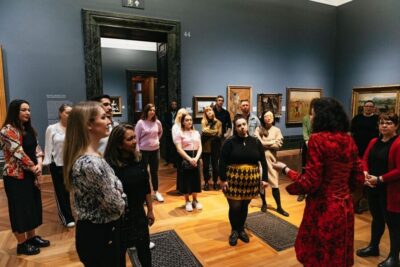
National Gallery Guided Tour with Art Expert Guide
Read our review →
Tickets for Moco Modern & Contemporary Art Museum
Read our review →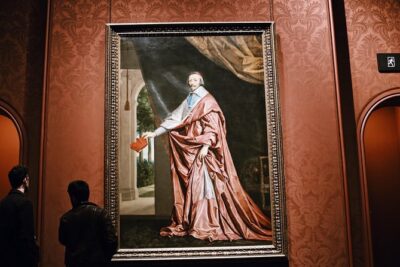
National Gallery of London Museum Tour Semi-Private 8ppl Max
Read our review →
Day Trip to Paris with Eiffel Tower, Notre Dame and Louvre Museum
Read our review →
British Museum & National Gallery of London Semi-Private 8ppl Max
Read our review →
National Gallery + Guided Tour + Priority Entry
Read our review →
Browse the lists this tour appears in