
REVIEW · LONDON
London: National Gallery + Guided Tour + Priority Entry
The best thing about this National Gallery tour is its focus. Instead of wandering through hundreds of rooms and hoping you notice the important paintings, you follow a guide to major works by Van Gogh, Leonardo da Vinci, Turner, Titian, Velázquez, Monet, and others. The art comes with a story, not just a name on a wall.
I like the convenient meeting point in Trafalgar Square, and I like the chance to ask questions as you go. Guides such as Dylan, Strabo Newman, Nelli, and Sarah have been praised for making the tour conversational rather than delivering a fixed speech. The main consideration is time: 80 minutes is enough for highlights, but not enough for a full look at this enormous collection.
Key points
- A focused route through 800 years of Western art, including Leonardo da Vinci, Van Gogh, Turner, Raphael, Rembrandt, Monet, and Seurat.
- Priority entry helps you use your museum time well, especially if you do not want to work out your own route.
- Meeting between the bronze lions in Trafalgar Square makes the starting point easy to identify.
- Guides may tailor the visit to your interests, with past tours led by Dylan, Strabo Newman, Nelli, and Sarah.
- Small groups can feel almost private, although the exact group size is not guaranteed.
- English and Hindi tours are available, and the experience is wheelchair accessible.
Why the National Gallery needs a plan
The National Gallery is free to enter on its own, but that does not make it simple to visit well. Its collection covers about 800 years of European painting, with famous works spread through a building that can feel confusing on a first visit.
You can easily spend an hour following rooms without understanding how one period led to another. A guided route gives you a useful thread. You move from religious painting and Renaissance technique toward portraiture, drama, landscape painting, modern color, and changing ideas about what a painting can do.
I like this approach for a first visit because it protects you from museum fatigue. You will not see everything, but you should leave with a clearer sense of why particular paintings matter. The guide can also point out details that are easy to miss at normal viewing distance, such as gestures, symbols, brushwork, perspective, and the way light directs your eye.
The trade-off is that the route is selective. If your main goal is to spend twenty minutes alone with one specific painting, a guided visit may feel too quick. If you want a strong first look and some art history to carry with you, the limited time works in your favor.
More Art Museum Tours in London
- Official tickets: Moco Modern & Contemporary Art Museum
★ 4.5 · 1,157 reviews - London: National Gallery Guided Tour with Art Expert Guide
★ 4.7 · 440 reviews - London: Tickets for Moco Modern & Contemporary Art Museum
★ 4.7 · 391 reviews
Meeting the guide among Trafalgar Square’s lions
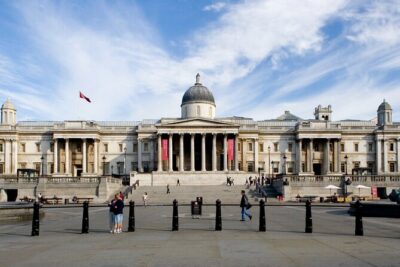
The tour begins in Trafalgar Square, one of the easiest central London locations to find. Look for Nelson’s Column and the four bronze lions beneath it. The meeting point is between the two lions facing the National Gallery.
That detail matters. Trafalgar Square can be crowded, and simply being told to meet at the National Gallery entrance leaves too much room for confusion. Arrive with enough time to identify the correct pair of lions and look for the guide.
The location also gives you a useful visual introduction. Before you enter, you are already facing the museum’s grand facade, with the square opening around you. This is a good place to pause, check your ticket details, and make sure you have comfortable shoes and any accessibility needs sorted before the walk begins.
Hotel pickup and drop-off are not included. You make your own way to Trafalgar Square, so this suits a day when you are already exploring central London. Food and drinks are not included either, but the short duration makes it easy to eat before or after.
Priority entry and the value of $26
At $26 per person, this is not simply an admission ticket. The National Gallery itself does not charge general admission, so the price is mainly paying for the guide, the organized route, and priority access.
That makes the value depend on how you like to visit museums. If you are comfortable using a map, reading labels, and choosing your own paintings, you may prefer to enter independently and spend nothing on admission. If you have limited time in London or feel unsure where to begin, $26 is a reasonable fee for a focused introduction.
Priority entry can also save mental energy. You do not have to work out the best sequence of rooms before the tour starts. Still, treat skip the line as a practical advantage rather than a promise that every delay disappears. Museum procedures and crowd levels can change.
The strongest value comes when the group stays small. Several tours have been private or nearly private, allowing the guide to adjust the pace and answer individual questions. That is not guaranteed, but it is worth asking the guide at the start if you have a particular artist or painting you hope to see.
The first masterpieces: Leonardo, Raphael, and the Renaissance
The early section of the tour may introduce you to the ideas that shaped Renaissance painting. Works connected with Leonardo da Vinci and Raphael allow the guide to explain how artists handled composition, human expression, space, and religious subjects.
Leonardo’s The Virgin of the Rocks is especially useful for learning how a painter can create depth and atmosphere without relying on a loud scene. Look closely at the arrangement of the figures, the gestures, and the rocky setting. A guide can help you see how small choices organize the entire picture.
Raphael gives you another way to think about balance and idealized figures. You may not remember every art term, but you should begin to recognize how Renaissance artists made paintings feel orderly, human, and carefully designed.
The tour can also bring in Albrecht Dürer and other major names as the route develops. This is where a guide’s explanation of technique becomes practical. You are not simply told that one painting is important. You learn what to look for and how artists borrowed from, challenged, or improved on earlier work.
More National Gallery tours:
- National Gallery of London Museum Tour Semi-Private 8ppl Max
★ 5.0 · 178 reviews - British Museum & National Gallery of London Semi-Private 8ppl Max
★ 5.0 · 168 reviews - Official National Gallery Highlights Guided Tour
★ 4.5 · 149 reviews - The National Gallery of London – Exclusive Guided Museum Tour
★ 5.0 · 100 reviews
Portraits, power, and the stories inside the frame
The National Gallery is full of paintings that reveal how people wanted to be seen. Hans Holbein’s The Ambassadors offers a particularly good lesson in portraiture, status, objects, and symbolism.
Look at the items arranged around the figures. They are not random decoration. They point toward learning, wealth, politics, religion, and the uncertain world of the sixteenth century. The strange distorted form near the bottom becomes more meaningful when you understand how the painting was meant to be viewed.
Jan van Eyck’s Arnolfini Portrait opens another path into Northern European painting. Tiny details, polished surfaces, and carefully rendered objects reward slow looking. A guide can help separate what is firmly understood from what remains debated, which is far more useful than presenting every interpretation as fact.
Velázquez’s The Rokeby Venus shifts the mood again. It lets you consider the relationship between the subject, the viewer, the mirror, and the act of looking itself. This kind of discussion is one reason a guided tour can be worthwhile even if you have seen reproductions of the painting before.
Drama and movement in Titian and Caravaggio
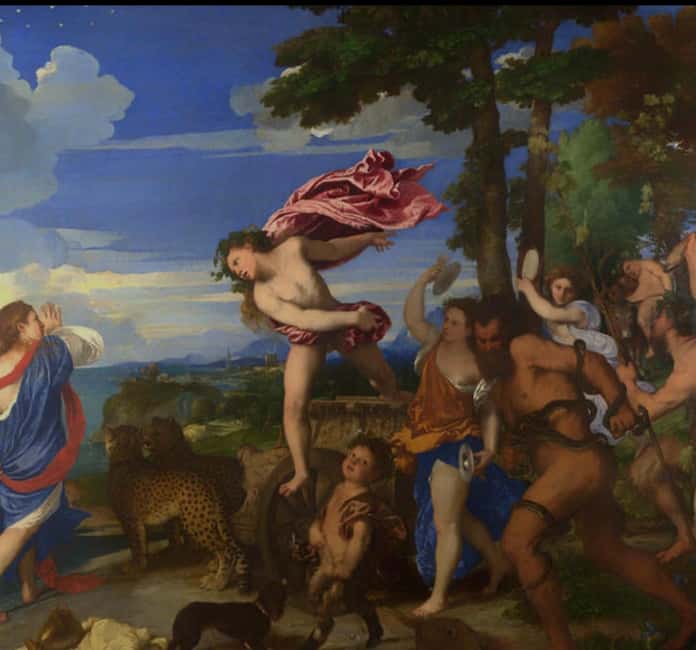
Titian’s Bacchus and Ariadne gives the guide a chance to discuss color, movement, myth, and emotional tension. The figures do not sit quietly in a stable arrangement. Your eye is pulled through the scene by gestures, bodies, and bright areas of paint.
This is a good moment to notice how different periods use drama. A Renaissance painting may create order through balance, while a later work may pull you into the action with sharper contrasts and more theatrical lighting.
Caravaggio brings that theatrical quality close to the viewer. His strong light and dark areas make figures appear to emerge from shadow. The effect is not only visual. It changes how you feel the scene, making religious or historical events seem immediate and physical.
The guide can show you how lighting, pose, and expression work together. For someone who feels uncertain about art vocabulary, this is useful because you can see the technique before trying to name it. That direct connection between what your eye notices and what the guide explains is one of the tour’s strongest features.
Van Gogh, Turner, and the changing role of color
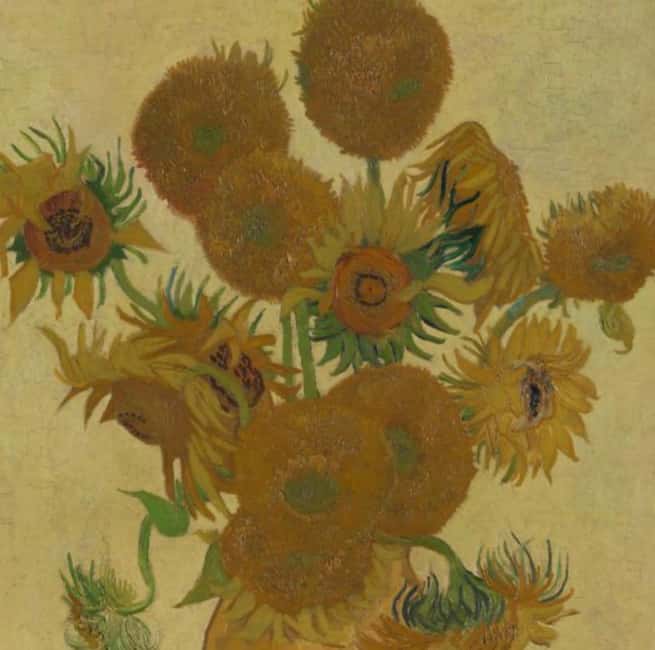
Van Gogh’s Sunflowers is likely to be one of the stops you have been waiting for. Reproductions cannot fully replace standing before the real surface, where the paint carries movement and texture.
The guide may ask you to consider more than the famous yellow. Notice how the flowers differ in age and condition, how the background supports the arrangement, and how the brushwork keeps the painting from becoming flat. You can see why a familiar image still rewards close attention.
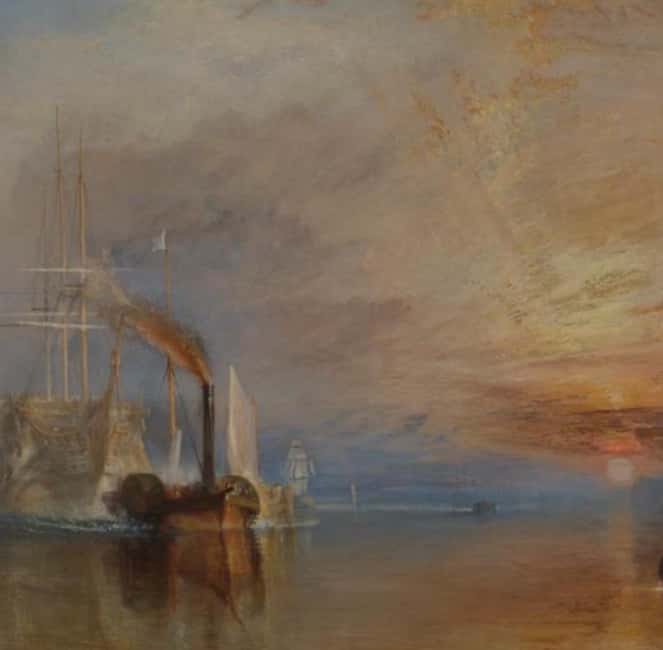
Turner’s The Fighting Temeraire offers a very different experience. The old warship is pulled toward its final fate, while the setting sun fills the scene with pale, glowing color. The painting is both a historical image and an emotional farewell to a changing age.
John Constable, Claude Monet, Pierre-Auguste Renoir, and Georges Seurat expand the discussion of outdoor light, modern life, and the changing treatment of paint. If you have only a basic idea of Impressionism or Pointillism, the guide can give you a practical way to tell them apart.
With Seurat, you may focus on the small marks and the way color works across distance. With Monet and Renoir, the discussion may turn toward light, atmosphere, and the feeling of a moment. You will not master every movement in one visit, but you can leave with a better set of questions.
A conversational tour depends on your guide
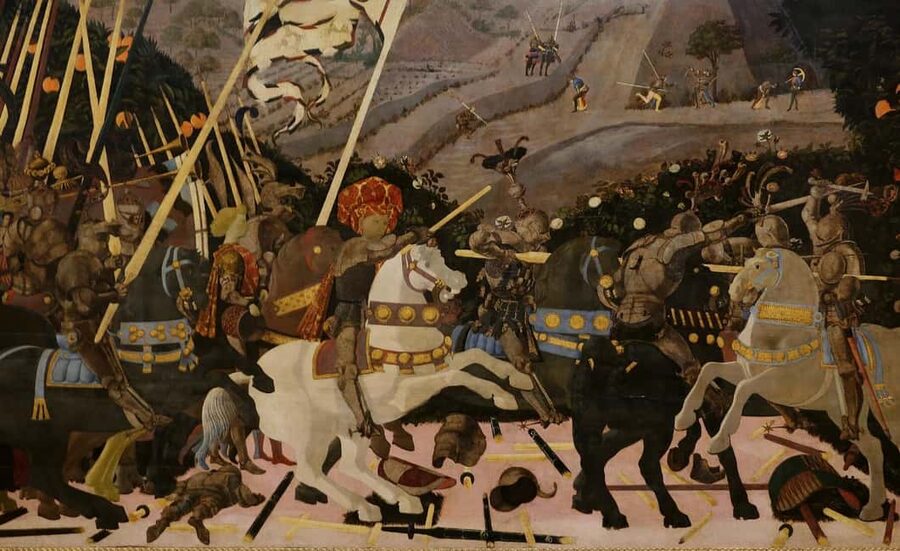
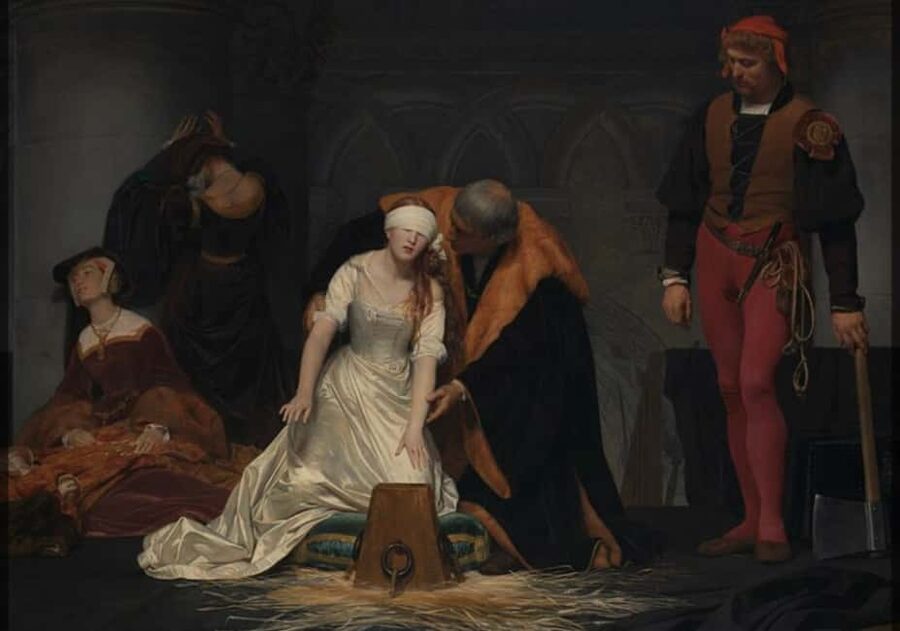
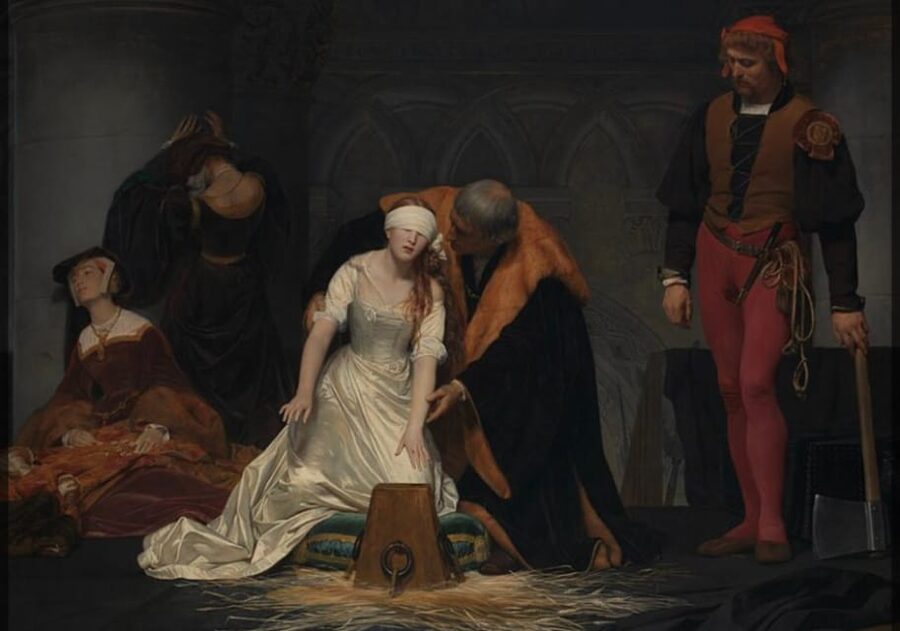
The strongest pattern in the feedback is the quality of the guides. Dylan has led highly personal tours, including visits with only one participant, and has been praised for explaining Leonardo, Raphael, Monet, Van Gogh, Seurat, Delaroche, Titian, and Uccello with patience and clarity.
Strabo Newman is another recurring name. His approach has included historical context, narrative, and painting technique, with plenty of room for questions. One useful detail is that he has adapted the route and pace to the interests of the group rather than treating every visit as identical.
Nelli has been described as relaxed and prepared, with an art-school background and an open style that leaves room for the group to react. Sarah has also been praised for drawing attention to details that are easy to overlook.
Guide assignments can change, so you should not book solely to receive one particular person. The practical lesson is to speak up early. If you care most about English painters, Renaissance works, technique, or historical context, say so. The tour appears to work best as a conversation, not as a silent march from one famous canvas to the next.
What 80 minutes can and cannot do
The advertised duration is 80 minutes, while the itinerary describes the guided visit as about an hour and a half. Plan for roughly that range and avoid scheduling a tight connection immediately afterward.
In that time, you can expect a highlight route rather than a complete survey. The guide will need to keep moving, and you may spend only a few minutes at some works. That is not a flaw if you see the experience as an introduction.
The short format suits a first-time visitor, a family with limited patience for museums, or anyone fitting the gallery between other London plans. It is less suited to someone who wants a scholarly treatment of every room or long periods of quiet observation.
After the tour, you can make your own return to paintings that caught your attention. This is one of the best ways to use the visit: let the guide give you a map, then revisit one or two works at your own pace.
Who should book this National Gallery tour
I would choose this experience if you are visiting London for the first time, have only a short window, or feel that art museums can be hard to approach without help. It also suits people who like asking questions and connecting paintings with politics, religion, technology, and daily life.
Art students, practicing artists, and experienced museum visitors can still benefit, especially if they want another way to read familiar works. One artist who joined the tour found the explanations of technique and art history useful, which suggests the experience is not aimed only at beginners.
You should think twice if you want complete freedom over the route or already have a detailed plan for the National Gallery. The guide’s selection will shape your visit, and the pace may feel brisk if you want to linger.
The tour is wheelchair accessible, and live guidance is offered in English and Hindi. Free cancellation is available up to 24 hours before the start, and you can reserve now and pay later, which helps if your London schedule is still shifting.
Should you book it?
Book this tour if you want a fast, focused introduction to the National Gallery and prefer stories, technique, and historical context over wandering alone. At $26, it offers good value when the guide is able to tailor the route, particularly for a small group or private-style visit.
Skip it if you are happy to research the collection yourself and want several uninterrupted hours with your chosen paintings. For most first-time visitors, though, the priority entry and clear route solve two common problems: wasting time at the entrance and missing the works that give the museum its identity.
FAQ
Where does the National Gallery tour meet?
Meet in Trafalgar Square between the two bronze lions facing the National Gallery. The lions are beneath Nelson’s Column.
How long does the guided visit last?
The activity is advertised as 80 minutes. The itinerary describes the guided tour as about 1.5 hours, so allow roughly 80 to 90 minutes.
What paintings can I expect to see?
The tour includes access to works by artists such as Leonardo da Vinci, Van Gogh, Turner, Titian, Velázquez, Holbein, Jan van Eyck, Raphael, Michelangelo, Dürer, Caravaggio, Rembrandt, Constable, Monet, Renoir, and Seurat. The exact route can vary.
Is entry to the National Gallery included?
Yes. The experience includes guided access to the National Gallery and priority entry.
What languages are available?
Live tours are available in English and Hindi.
Is the experience wheelchair accessible?
Yes, the activity is listed as wheelchair accessible.
Can I cancel the booking?
Yes. You can cancel up to 24 hours in advance for a full refund.
Do I pay when I book?
You can reserve now and pay later, so no payment is required at the time of booking.
Just added around London
- A Guided Tour at the National Gallery in London★ 3.5 · 2 reviews
- The Shard Viewing Gallery & Westminster Walking Tour★ 4.0 · 12 reviews
- Women in Art Walking Tour★ 5.0 · 13 reviews
- Best of Westminster Abbey with Upper Gallery & Buckingham Palace★ 4.5 · 15 reviews
- Tate Modern Museum London Guided Tour Semi-Private 8ppl Max★ 5.0 · 41 reviews
- The Tate Modern London – Exclusive Guided Museum Tour★ 5.0 · 41 reviews
- Private Guided Tour of the National Gallery in London★ 4.0 · 8 reviews
- Tate Modern Private Tour in London with Blue Badge Guide★ 5.0 · 3 reviews
Art Museum Tours in London, compared.
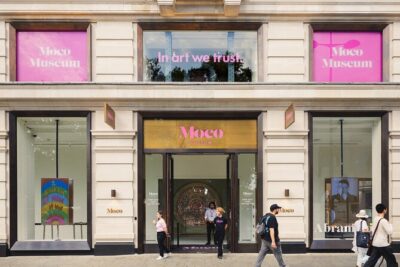
Official tickets: Moco Modern & Contemporary Art Museum
Read our review →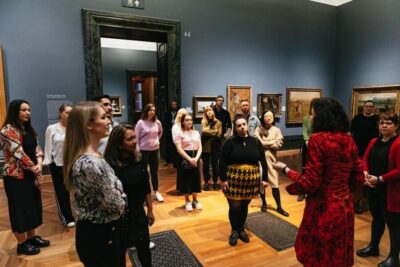
National Gallery Guided Tour with Art Expert Guide
Read our review →
Tickets for Moco Modern & Contemporary Art Museum
Read our review →
National Gallery of London Museum Tour Semi-Private 8ppl Max
Read our review →
Day Trip to Paris with Eiffel Tower, Notre Dame and Louvre Museum
Read our review →
British Museum & National Gallery of London Semi-Private 8ppl Max
Read our review →
Official National Gallery Highlights Guided Tour
Read our review →Browse the lists this tour appears in