
REVIEW · LONDON
London: 3 Most Famous Art Galleries Tour
London’s big art trio makes an impressive three-hour circuit. You begin with Van Gogh, da Vinci, Rembrandt, Turner, and Renoir at the National Gallery, then move to royal portraits and modern masters at Tate Modern. It is a quick way to meet the city’s greatest art museums without spending your whole day indoors.
I like the wide range of art, from Botticelli and Holbein to Dalí and Warhol. I also like the guide-led approach, since a good explanation can turn a famous painting from a postcard image into a work with a story, purpose, and bit of human drama.
The main consideration is pace. Three galleries in three hours means you will see selected works, not every room. You also pay $91 per person while gallery admission itself is free, and transport between museums is not included.
Key points to know before booking
- Three major museums in one compact tour: Visit the National Gallery, National Portrait Gallery, and Tate Modern in a single three-hour route.
- A sweeping art timeline: Move from late medieval and Renaissance works through British portraiture and into modern art.
- Famous names are part of the plan: Look for Van Gogh, Leonardo da Vinci, Rembrandt, Turner, Renoir, Dalí, Picasso, Warhol, Rothko, and more.
- The guide supplies the thread: You hear about the meaning, background, and stories behind selected works rather than simply walking through silent rooms.
- You handle the short transfers: Bring a contactless bank card, contactless credit or debit card, or Oyster card for travel between galleries.
- Entry is free at all three museums: The $91 price pays for the guided experience, not admission tickets.
Three London art museums, one tightly packed morning
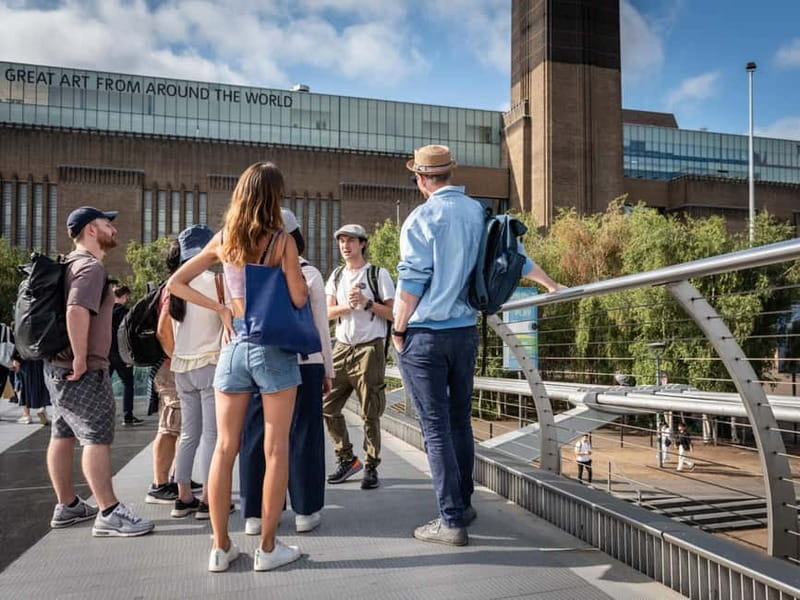
This tour is built for people who want a guided introduction to London’s major art collections without planning three separate museum visits. It begins outside the National Gallery’s Sainsbury Wing, near Charing Cross and Leicester Square Underground stations.
From there, the route moves to the National Portrait Gallery and finishes at Tate Modern. The museums are not presented as three unrelated stops. Together, they create a basic story of European and British art: religious and court painting, portraiture and national identity, then modern and contemporary experiments.
That structure is useful if you are new to art museums. You can compare how artists handle faces, power, faith, movement, and emotion across several centuries. The drawback is that the tour cannot give every gallery equal time. You should expect a selection of important works, not a detailed room-by-room visit.
The guide speaks English, and the activity is listed as wheelchair accessible. Starting times vary, so check the available departure when you book. Wear comfortable shoes and clothing suited to the weather, since you will move between buildings rather than remain inside one museum.
More Art Museum Tours in London
- Official tickets: Moco Modern & Contemporary Art Museum
★ 4.5 · 1,157 reviews - London: National Gallery Guided Tour with Art Expert Guide
★ 4.7 · 440 reviews - London: Tickets for Moco Modern & Contemporary Art Museum
★ 4.7 · 391 reviews
Starting at the National Gallery with Van Gogh and da Vinci
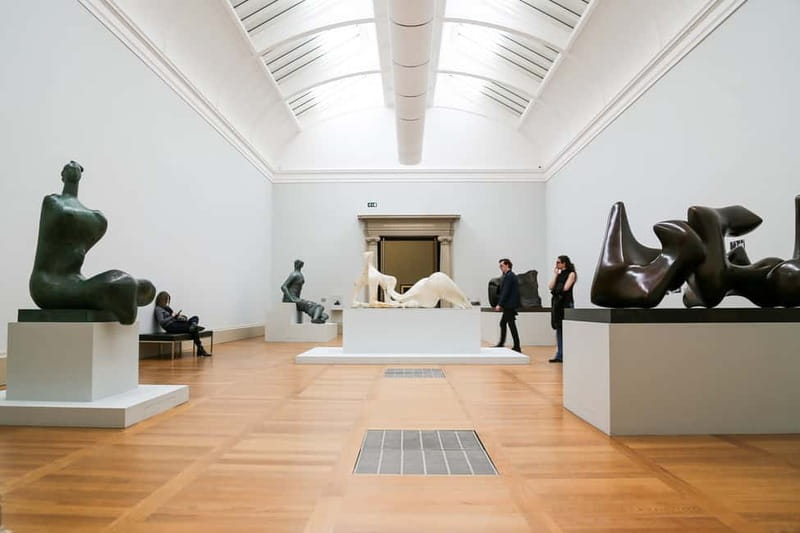
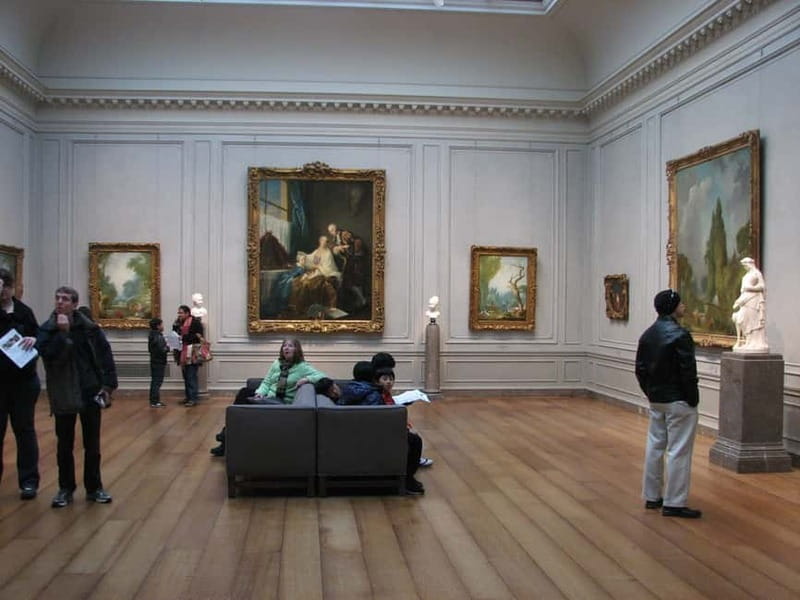
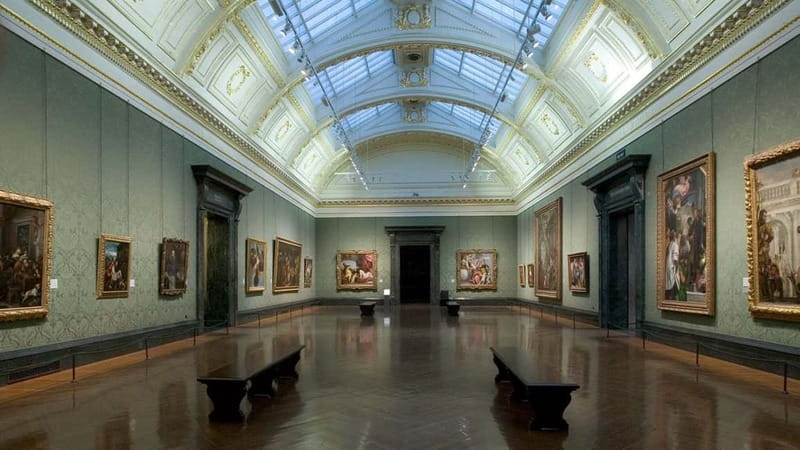
The National Gallery is the strongest opening stop for many people because it brings together so many instantly recognizable names. The visit includes works connected with Botticelli, Leonardo da Vinci, Rembrandt, Thomas Gainsborough, J. M. W. Turner, Renoir, and Van Gogh.
That list gives you a useful spread of styles. Botticelli and da Vinci represent the Renaissance ideal of careful design, symbolic detail, and human observation. Rembrandt brings a different feel, with portraits and scenes shaped by light, expression, and psychological weight. Gainsborough and Turner point toward Britain’s own painting tradition, while Renoir and Van Gogh introduce very different approaches to color and brushwork.
I like that the stated focus is not just on identifying artists. The guide is expected to explain the history, meaning, and story behind selected paintings. That matters at the National Gallery, where a room full of famous canvases can otherwise become a parade of names and dates.
Van Gogh is a particularly useful example. You may already know his bold brushwork and intense color from posters and books, but a guide can help place a painting within its wider artistic setting. The same applies to Leonardo da Vinci, whose name can overshadow the details of the work itself. The value here is learning what to look at, not simply being told what you are looking at.
You should keep your expectations sensible. The tour does not promise an in-depth study of every major gallery or painting. If you already know the National Gallery well, the first stop may feel selective. If you are visiting for the first time, that selectivity is likely helpful.
The meeting point outside the Sainsbury Wing is practical, but arrive with enough time to find it. Charing Cross and Leicester Square are the nearest Underground stations listed for the start.
The National Portrait Gallery and Britain’s public faces
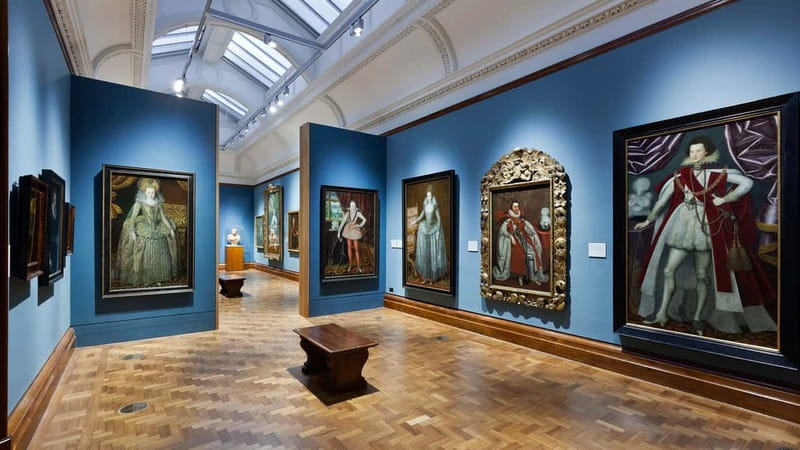
The second stop changes the subject from art in general to people and identity. The National Portrait Gallery houses the world’s largest collection of portraits, with personalities and faces dating from the late Middle Ages to the present.
That long span gives the museum a clear purpose. You are not only looking at technique. You are seeing how Britain has chosen to represent monarchs, political figures, artists, writers, and other public personalities over time.
The collection includes artists from Holbein to Hockney, and the British monarchy is a major part of the display. Holbein brings the formal power of Tudor portraiture, while Hockney represents a much later approach to color, line, and personality. The jump between them helps show that portrait painting is never only about making a likeness. It also reflects fashion, status, politics, and changing ideas about the individual.
I find this stop especially useful for visitors who are less comfortable with abstract art. A face gives you an immediate way into a painting. You can ask who the person was, why the portrait was made, how the sitter wanted to appear, and what the artist chose to reveal or hide.
At the same time, the National Portrait Gallery may appeal less if your main goal is landscapes, still life, or large modern installations. The collection is centered on people. The tour also gives you only part of a very large institution, so do not expect to cover the entire portrait collection in one short visit.
Because the route continues afterward, you may want to note the portraits you would like to revisit later. The museum is easy to appreciate at a glance, but its best questions often come after you have had time to think about the faces and their public roles.
Tate Modern brings the route into the present
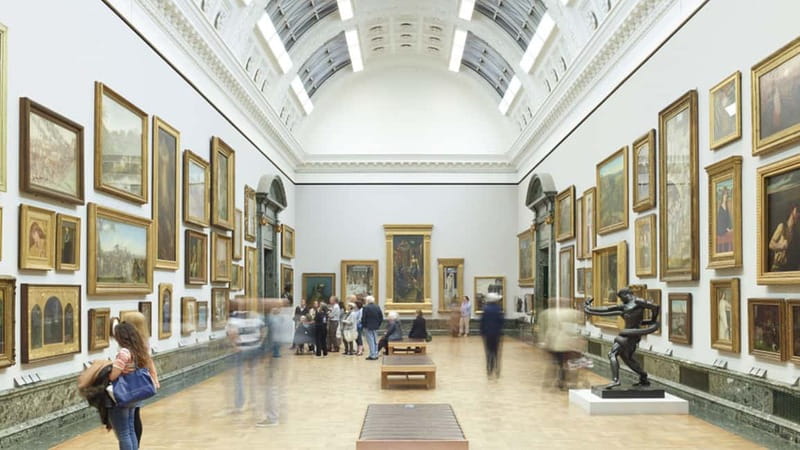
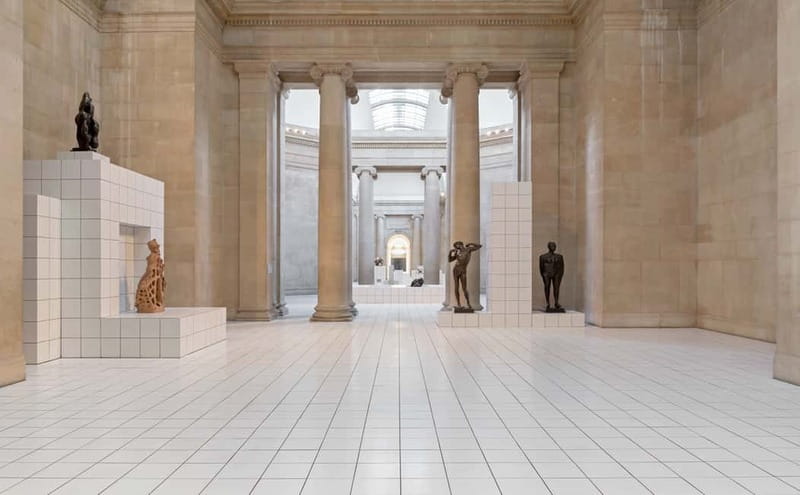
The final stop is Tate Modern, Britain’s national museum of modern and contemporary art from around the world. It is housed in a former power station, and its Turbine Hall runs the length of the building. That scale gives the final part of the tour a very different mood from the more traditional galleries earlier in the day.
The listed artists include Cézanne, Bonnard, Matisse, Picasso, Rothko, Dalí, Pollock, Warhol, and Louise Bourgeois. This is a strong group for showing how modern art moved away from straightforward representation and toward fractured forms, intense color, abstraction, mass-produced imagery, and unusual materials.
Dalí gives you surrealism, where dreamlike images and strange combinations challenge ordinary logic. Picasso shows how an artist can break apart familiar forms and rebuild them in a new visual language. Rothko asks you to spend time with broad fields of color, while Warhol turns everyday commercial images into subjects for art.
The Turbine Hall is worth seeing even before you focus on individual works. Its enormous industrial space gives Tate Modern a strong sense of scale, though the tour’s exact treatment of the hall and any temporary installation can depend on the guide and what is on display that day.
Tate Modern can also be the most demanding stop for visitors who prefer clear subjects and traditional technique. You might find some works immediately striking and others harder to understand. That is where the guide’s explanations matter most. The tour promises context for artists such as Dalí and the other modern masters, helping you see the ideas behind the unusual forms.
Ending here makes sense. The route finishes with art that is often less familiar and less literal, after you have already spent time with Renaissance painting and recognizable faces. You may leave with a better sense of how artists moved from depicting the world to questioning how the world should be depicted.
A few more gallery visits around London worth comparing
- National Gallery of London Museum Tour Semi-Private 8ppl Max
★ 5.0 · 178 reviews - Day Trip to Paris with Eiffel Tower, Notre Dame and Louvre Museum
★ 3.5 · 170 reviews - British Museum & National Gallery of London Semi-Private 8ppl Max
★ 5.0 · 168 reviews - London: National Gallery + Guided Tour + Priority Entry
★ 3.7 · 162 reviews
What the $91 price really covers
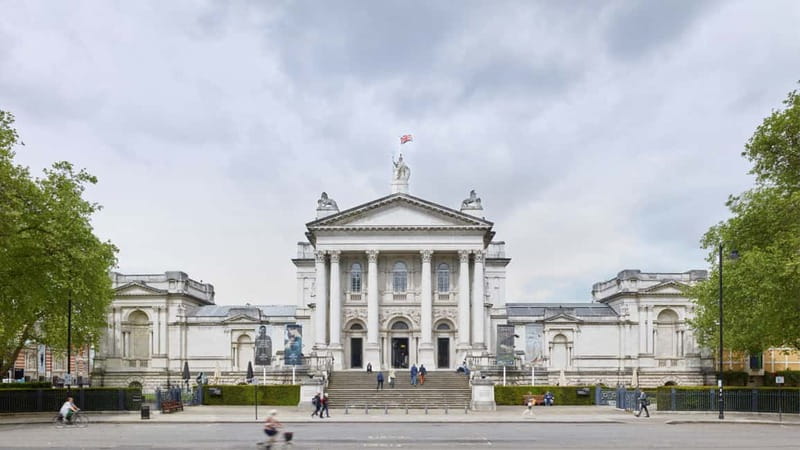
The cost is $91 per person. Since entry to all three galleries is free, you are paying for the guide, the planned route, and the help of having someone select and explain important works.
That can be good value if you want structure. A first visit to London’s museums can become confusing fast. The collections are large, and it is easy to spend too long in the first few rooms, then rush through the rest. A three-hour route gives you a framework and prevents the day from turning into an unplanned museum marathon.
It is less compelling value if you already know these collections well or prefer to wander alone. You could enter the galleries without paying admission and set your own pace. The price makes the most sense for a first-time visitor, a short London stay, or anyone who wants art explained in plain English.
Transport is not included. Bring a contactless credit or debit card, a contactless payment card, or an Oyster card for the journey between galleries. Food and drinks are also not included, so plan those separately rather than expecting a break during the three-hour route.
You can make a small donation at the museums if you wish, but donations are optional. That is useful to know when working out the full cost of the morning.
Pace, comfort, and practical limits
Three hours is efficient, but it is not leisurely. You will need to move between three institutions and take in very different collections. The route suits you if you like a brisk overview and clear highlights. It is not ideal if you want long periods sitting in front of one painting.
Comfortable shoes are a must. Weather-appropriate clothing also helps because the tour includes travel between galleries. Large bags and luggage are not allowed, and flash photography is prohibited.
The activity is wheelchair accessible, which makes it a practical option for visitors who need an accessible tour format. Still, you should be ready for a route involving separate museums and public transport, since the transfer between galleries is your responsibility.
The guide is described as a fun local art guide who leads the visits in English. No individual guide name is provided, so you should book this for the format and route rather than for a particular personality.
The current rating is five out of five from three bookings, with the brief comment 3xcell. That is a strong early signal, but it is not enough detail to tell you how large the group is or how much time is spent at each specific painting. If group size matters to you, ask the provider before booking.
Who should choose this London gallery tour?
I would point this tour toward first-time London visitors who want to see major works but do not want to build their own museum plan. It also suits couples, families with older children, and anyone who enjoys learning the basic story behind a painting before moving on.
Art lovers with a short stay may find the route particularly useful. You can see three famous institutions in one organized outing, then return later to the one that caught your attention most.
You may want another plan if you are a specialist, a slow museum browser, or someone who dislikes public transport between attractions. The free admission also means independent visitors can save the tour fee and explore at their own speed.
The route is best understood as an introduction. It gives you names, styles, and ideas to carry into later visits. It cannot replace a full day at any one museum.
Should you book this three-gallery experience?
Book it if you want a fast, guided introduction to London’s major art collections and value clear explanations more than unhurried viewing. The strongest reasons are the broad artist list, the sensible progression from old masters to portraits to modern art, and the chance to see three major museums in three hours.
Think twice if $91 feels high for a tour where museum entry is free, or if you would rather choose your own paintings and spend as long as you like. You will also need to arrange the transfers yourself.
For a first visit, a short schedule, and an interest in famous works by Van Gogh, da Vinci, Dalí, Picasso, and Warhol, this is a practical way to get oriented. Just arrive ready to walk, keep your expectations focused on highlights, and save time for the museum you most want to explore afterward.
FAQ
How long does the London art galleries tour last?
The tour lasts three hours.
Which galleries are included?
The guided route includes the National Gallery, the National Portrait Gallery, and Tate Modern.
Where does the tour begin?
The meeting point is outside the National Gallery Sainsbury Wing. Charing Cross and Leicester Square are the nearest Underground stations.
Is gallery admission included in the $91 price?
Entry to the galleries is free. The price covers the guided tour, while donations at the museums are optional.
Do I need to pay for transport between the galleries?
Transport is not included. Bring a contactless credit or debit card, a contactless payment card, or an Oyster card for travel between the museums.
Is the tour wheelchair accessible?
Yes. The activity is listed as wheelchair accessible.
Just added around London
- A Guided Tour at the National Gallery in London★ 3.5 · 2 reviews
- The Shard Viewing Gallery & Westminster Walking Tour★ 4.0 · 12 reviews
- Women in Art Walking Tour★ 5.0 · 13 reviews
- Best of Westminster Abbey with Upper Gallery & Buckingham Palace★ 4.5 · 15 reviews
- The Tate Modern London – Exclusive Guided Museum Tour★ 5.0 · 41 reviews
- Private Guided Tour of the National Gallery in London★ 4.0 · 8 reviews
- Tate Modern Museum London Guided Tour Semi-Private 8ppl Max★ 5.0 · 41 reviews
- Tate Modern Private Tour in London with Blue Badge Guide★ 5.0 · 3 reviews
Art Museum Tours in London, compared.
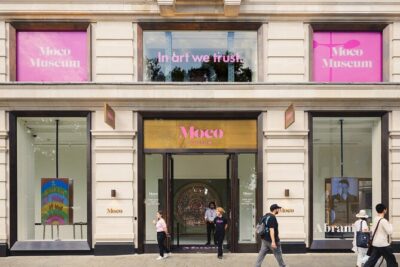
Official tickets: Moco Modern & Contemporary Art Museum
Read our review →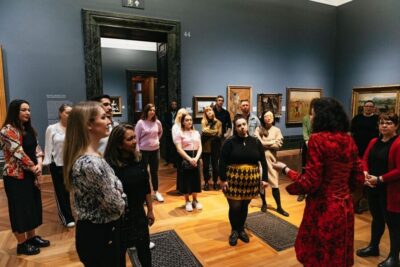
National Gallery Guided Tour with Art Expert Guide
Read our review →
Tickets for Moco Modern & Contemporary Art Museum
Read our review →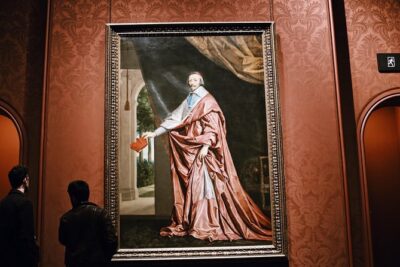
National Gallery of London Museum Tour Semi-Private 8ppl Max
Read our review →
Day Trip to Paris with Eiffel Tower, Notre Dame and Louvre Museum
Read our review →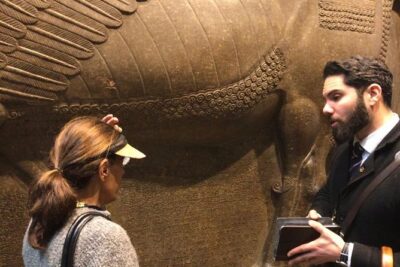
British Museum & National Gallery of London Semi-Private 8ppl Max
Read our review →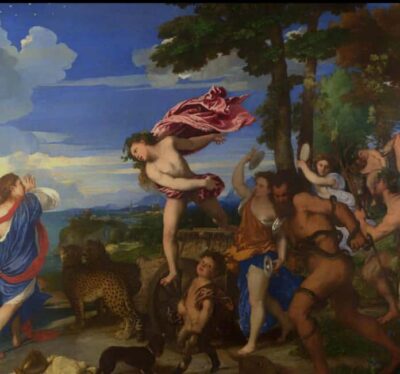
National Gallery + Guided Tour + Priority Entry
Read our review →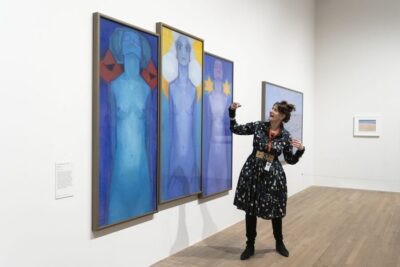
Browse the lists this tour appears in