
REVIEW · WASHINGTON DC
Curated Tour – National Gallery of Art with French Art Historian
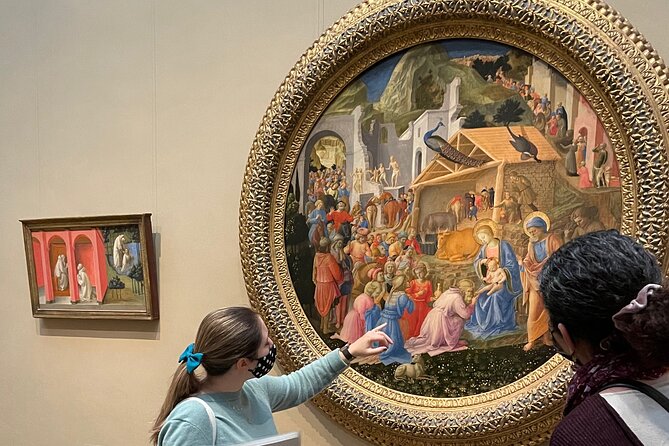
The best reason to book this National Gallery tour is simple: Tosca gives the paintings a human story. Instead of drifting from room to room, you follow a clear path from Leonardo da Vinci’s Portrait of Ginevra de’ Benci to Monet’s Japanese Footbridge, watching European art change across centuries.
I especially like the small-group format, which leaves room to ask questions and tell Tosca what interests you. I also like that her background stretches across Paris, Italy, and London, giving the visit a broad European frame. The main consideration is the group-size wording: the tour is described as having no more than six people in one place and no more than eight in another, so confirm the exact limit when booking.
Key points to know before you book
- Follow a story, not a random route: Tosca links famous paintings to the artists’ lives, choices, and changing styles.
- See major European names in one visit: The route can include Leonardo, Raphael, Rubens, Rembrandt, Monet, and Degas.
- Ask for an art focus: If Italian Renaissance painting interests you, tell Tosca ahead of time so she can give it extra attention.
- Plan on two and a half hours: That is enough time for a serious introduction without turning the museum visit into an all-day march.
- Admission is included: You pay for the guided experience and museum entry together, with gratuity optional.
- Use public transportation: The Archives Metro stop is recommended, and the tour begins and ends at the National Gallery.
Why the National Gallery works well with a guide
The National Gallery of Art is the sort of museum where you can see too much and understand too little. Its famous names pull you in different directions, and a first visit can become a checklist of paintings rather than a connected look at art.
Tosca’s approach gives the visit a thread. You begin with major European artists and consider not only what a painting looks like, but also who made it, what made the artist unusual, and how the work fits into a larger change in style.
That difference matters. A painting by Leonardo can seem remote if you only know its title and date. A short explanation of the artist’s working methods, ambitions, and place in Renaissance art can make you look longer and notice more.
The same goes for Monet. His Japanese Footbridge is not simply a pleasant picture of water and flowers. Set beside earlier paintings, it helps show how artists moved away from highly controlled representation and toward changing light, color, and personal vision.
You do not need a degree in art to enjoy this tour. In fact, the format is especially useful if names such as Raphael or Rembrandt are familiar but their importance remains vague. Tosca’s job is to turn a list of celebrated painters into people with distinct ideas and working styles.
More Art Museum Tours in Washington DC
- The National Gallery of Art DC – Exclusive Guided Museum Tour
★ 5.0 · 166 reviews - DC National Gallery of Art Guided Tour Semi-Private 8ppl Max
★ 5.0 · 85 reviews - National Archives + National Portrait Gallery Tour 6ppl Max
★ 5.0 · 34 reviews
Entering the museum with Tosca
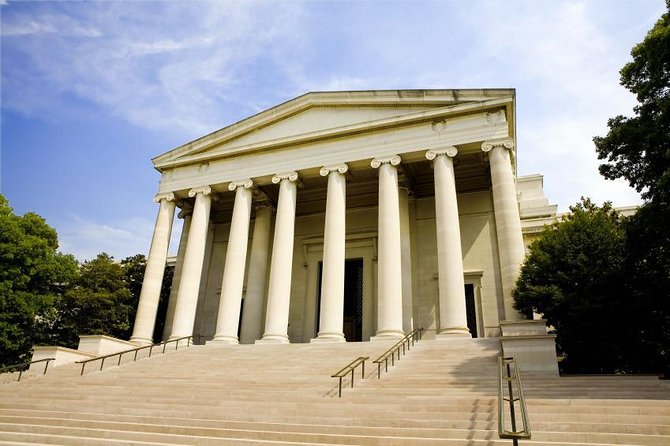
The experience begins at the National Gallery of Art on Constitution Avenue NW. The museum is near public transportation, and the Archives Metro stop is the recommended station. You arrange your own way there by Metro, taxi, or rideshare, since transportation is not included.
Once inside, Tosca leads the visit as a semi-private museum tour. Her background is central to the experience. She has studied and lived in Paris, Italy, and London, which gives her a useful connection to the European art traditions represented in the galleries.
That international background is more than a biographical detail. It suggests a guide who can place paintings within the broader world of European art rather than treating each work as an isolated object. You can expect the focus to remain on artists, paintings, and artistic change.
The group size should make a real difference. A small party is easier to hear, easier to move through museum spaces, and more comfortable for questions than a large crowd gathered around a guide. The supplied details describe a maximum of six in the tour highlights and eight in the inclusions, so ask for the current group limit before paying if that point matters to you.
The activity is also described as private, meaning only your own group participates. That wording and the semi-private description do not fit perfectly together, but both point toward a more personal visit rather than a large public walk.
Leonardo, Raphael, and the Italian Renaissance
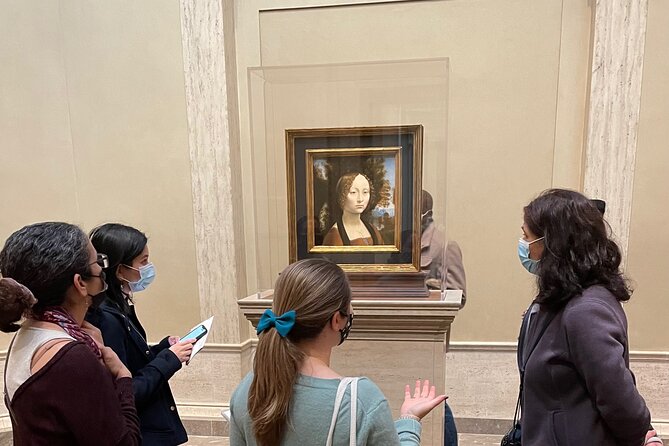
One of the clearest examples of the tour’s method is Leonardo da Vinci’s Portrait of Ginevra de’ Benci. The painting gives Tosca a starting point for discussing the artist, Renaissance portraiture, and the way a famous work can reveal both technical skill and personal character.
You will not simply be told to admire Leonardo because he is famous. The point is to ask what makes his work different and why his name continues to carry such weight. That shift from reputation to evidence makes the painting more rewarding.
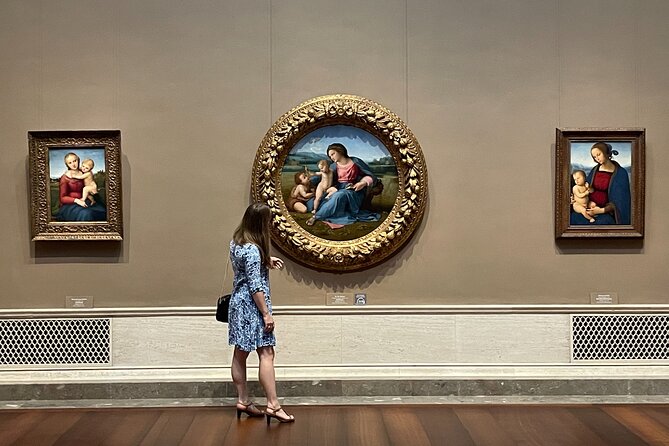
Raphael provides another chance to look at the relationship between artistic grace, composition, and Renaissance ideals. If you already favor Italian Renaissance art, say so before or at the start of the visit. One specific account of this experience describes Tosca giving extra attention to that period after learning it was the participant’s main interest.
That is one of the strongest reasons to choose a small private tour. A large fixed group may need to follow one script. With fewer people, your interests can have more influence on the conversation, within the limits of the museum and the two-and-a-half-hour schedule.
You should still keep your expectations realistic. This is not a complete survey of every Italian Renaissance painting in the National Gallery. It is a guided selection, designed to make important works easier to understand. If you want to study one artist for an entire afternoon, a private custom arrangement would be a different kind of experience.
Rubens, Rembrandt, and the lives behind the paintings
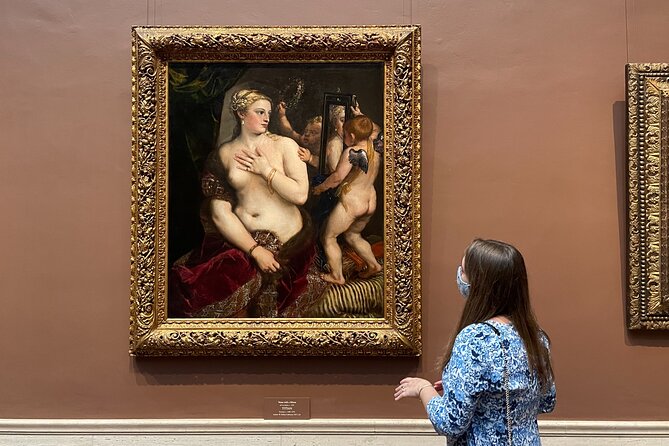
The tour also brings in artists such as Peter Paul Rubens and Rembrandt. Their names are often taught as part of a broad European canon, but a guide can show you how different their artistic personalities and working worlds were.
Tosca places attention on the people behind the paintings. That means you hear about the artists’ lives as well as their technique and importance. The human stories can be especially useful when you are standing in front of a work that seems intimidating or overly familiar.
This approach received strong praise in the supplied feedback. The most repeated quality is Tosca’s command of many subjects and her ability to explain them in a way that feels worth the time and cost. One account singled out the stories about the artists as the reason the paintings became more enjoyable.
That is a useful clue for deciding if this tour suits you. If you mainly want a fast list of dates, titles, and movements, you may find the personal stories less necessary. If you want to remember what you saw after leaving the museum, stories usually do more work than labels alone.
The guide’s role is also to help you compare artists. Rembrandt and Rubens are not just two famous names in the same museum. Their work can open a discussion about different approaches to portraiture, drama, color, and human expression. The supplied description does not promise a fixed list of exact paintings beyond Leonardo’s portrait and Monet’s bridge, so the precise selection may depend on the day and your interests.
More National Gallery tours:
- DC National Gallery of Art Guided Tour with 8ppl Max
★ 5.0 · 16 reviews - DC Masterpieces: National Gallery & Portrait Gallery Tour
★ 5.0 · 3 reviews - London: National Gallery Guided Tour with Art Expert Guide
★ 4.7 · 440 reviews - National Gallery of London Museum Tour Semi-Private 8ppl Max
★ 5.0 · 178 reviews
From old masters to Monet and Degas
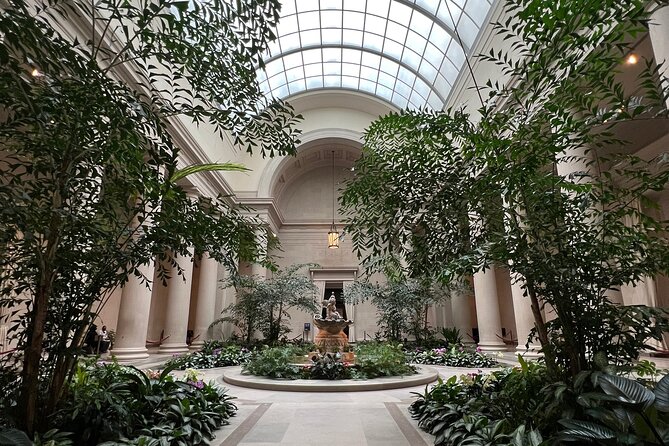
The route moves forward in time to Claude Monet’s Japanese Footbridge. This transition is one of the tour’s most useful features because it lets you see artistic change rather than hearing about it as an abstract idea.
Placed after earlier European masters, Monet can help you notice a new concern with light, atmosphere, color, and the fleeting appearance of a scene. You are not asked to treat the painting as a pleasant endpoint. You are encouraged to see it as part of a shift in how artists understood what a painting could do.
Edgar Degas adds another modern angle to the discussion. Like Monet, he is often reduced to a familiar label, but a guide can help you look beyond the label and notice why his work matters.
The experience does not promise an exhaustive tour of the entire National Gallery. That is a strength for a first visit. Two and a half hours is long enough to establish a clear route and make substantial connections, but short enough to leave you with energy to return to favorite rooms on your own.
You should expect some walking and standing in museum galleries. The information says most people can participate, but it does not provide a detailed accessibility statement. If you have specific mobility needs, contact the provider before booking rather than assuming the general participation note answers every question.
What the two-and-a-half-hour schedule means
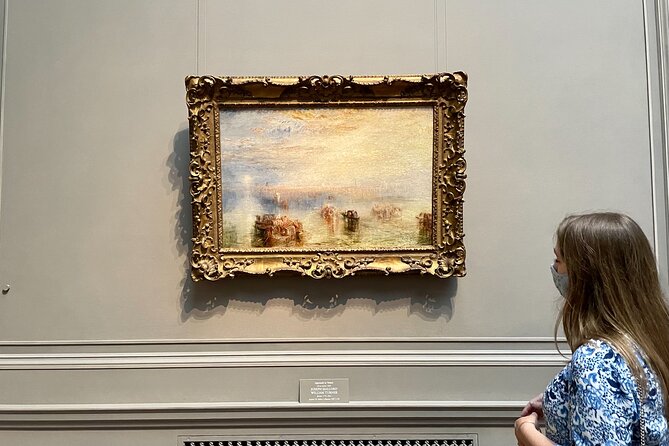
The tour lasts about 2 hours and 30 minutes, including museum admission. That length suits several kinds of visitors.
If this is your first National Gallery visit, the tour gives you a reliable beginning. You can learn how to look at major works before returning independently to the parts that interest you most.
If you have only a short stay in Washington, DC, the schedule also fits neatly into a museum-focused half-day. The National Gallery can be one part of a larger day, though you should allow time to arrive, meet the guide, and continue afterward.
If you already know European art, the value depends on the conversation. Tell Tosca what you have studied or what you want to see. The Italian Renaissance example shows that the tour can respond to a particular interest rather than giving every person the exact same emphasis.
The schedule may feel too long for someone who wants only a quick introduction to the museum. You are paying for sustained explanation, not just a short orientation. It may feel too short if your goal is to cover every major gallery or artist.
Group size, cost, and what you receive
No price is provided in the tour information, so I cannot judge the exact dollar value. I can explain what you are paying for: admission to the National Gallery, a guided visit led by an art historian, and a small-group format lasting about two and a half hours.
That package can make sense if you would otherwise spend hours reading labels or wandering without a plan. The guide’s value is greatest when her explanations help you see more in fewer paintings. It is less compelling if you prefer to move alone, set your own pace, and read about each work privately.
Gratuities are not included. They are optional, so you can decide what the experience was worth after the visit. Transportation is also separate, with Metro, taxi, and rideshare suggested.
The small-group promise is important to the value. A maximum of six would create a notably personal setting. The separate statement allowing up to eight is still a limited group, but not quite as intimate. Confirm that detail before booking, especially if you are choosing this tour instead of a standard museum walk.
The activity has received a perfect 5 rating from 31 ratings, with repeated praise directed at Tosca’s explanations, broad subject knowledge, and ability to make the visit feel worth the money. Those points match the main practical value of the experience: you are buying judgment and context, not just entry.
Who should book this National Gallery visit
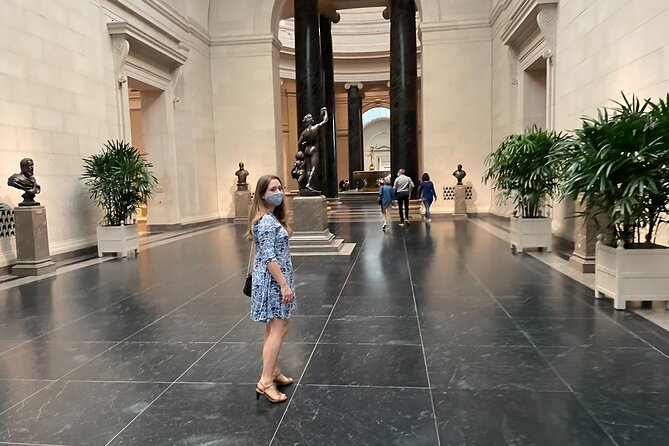
I would recommend it most strongly to a first-time visitor who wants help choosing what matters. The National Gallery is easier to appreciate when someone gives you a framework, especially if artists such as Leonardo, Raphael, Rubens, Rembrandt, Monet, and Degas are names you recognize but cannot yet connect.
It also suits couples, families with older children, and small groups of friends who want to learn together. The private format allows your questions and interests to shape the conversation more than they could on a large public tour.
Art students and repeat museum visitors may also find value if they tell Tosca what they want to focus on. The Italian Renaissance example shows that a specific request can change the emphasis of the visit.
I would be less likely to recommend it to a visitor who wants complete solitude or a free-form museum day. The tour follows a guided plan, and the two-and-a-half-hour appointment sets the pace. It is also not the right choice if you need transportation included or want a fully flexible cancellation policy.
The cancellation rule is strict: the experience is non-refundable and cannot be changed for any reason. If bad weather cancels the activity, you are offered another date or a full refund. If the minimum number of participants is not met, you are offered another date or experience, or a full refund. That protection applies to provider cancellations, not to a change of your own plans.
Should you book it?
Book this National Gallery tour if you want famous paintings explained through the artists who made them, and if you value a small setting where you can ask questions. Tosca’s European background and strong focus on artist stories give the visit a clear purpose.
Before booking, confirm the group-size limit and make sure the fixed cancellation rule fits your schedule. If those terms work for you, this is a sensible way to turn a large museum into a focused introduction, with enough time to understand the art and still return later to explore on your own.
FAQ
How long does the National Gallery tour last?
The tour lasts approximately 2 hours and 30 minutes.
Is museum admission included?
Yes. Entrance to the National Gallery of Art is included in the tour price.
Who leads the tour?
The tour is led by Tosca, a professional art historian with study and living experience in Paris, Italy, and London.
Which artists may be discussed?
The tour can include Leonardo da Vinci, Raphael, Rubens, Rembrandt, Monet, and Degas. The described route specifically includes Leonardo’s Portrait of Ginevra de’ Benci and Monet’s Japanese Footbridge.
How large is the group?
The tour highlights describe a maximum of six people, while the inclusions state that a semi-private tour has no more than eight guests. Confirm the current limit when booking.
Where does the tour begin and end?
It begins at the National Gallery of Art on Constitution Avenue NW in Washington, DC, and ends back at the meeting point.
Is transportation included?
No. Transportation is not included. Metro, taxi, and rideshare are recommended, with Archives given as the Metro stop.
Can I cancel for a refund?
The experience is non-refundable and cannot be changed for any reason. If the provider cancels because of poor weather or because the minimum number of participants is not met, you can choose another date or experience, or receive a full refund.
Just added around the USA
- NYC Combo: Statue of Liberty Cruise, St Patrick’s Cathedral & Moma entrance★ 4.0 · 8 reviews
- New York City Art Gallery Tour★ 5.0 · 7 reviews
- Skip the Line Tickets for MoMA and Whitney Museum Combo★ 3.0 · 2 reviews
- Chelsea Galleries and High Line; Art, Architecture and History★ 5.0 · 14 reviews
- Visit The Guggenheim Museum & 3h Manhattan Walking Tour★ 4.5 · 3 reviews
- Tribeca Contemporary Art Tour with NYC Art Critic★ 5.0 · 5 reviews
- American Museum of Natural History and MOMA Combo Tickets★ 4.5 · 3 reviews
- Chelsea Architecture and Art Tour with Award Winning NYC Guide★ 5.0 · 9 reviews
Art Museum Tours in Washington DC, compared.
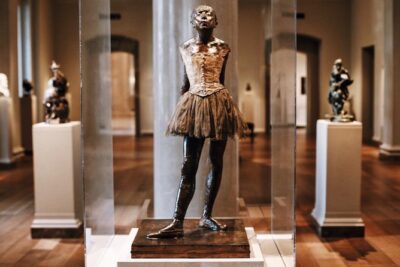
The National Gallery of Art DC – Exclusive Guided Museum Tour
Read our review →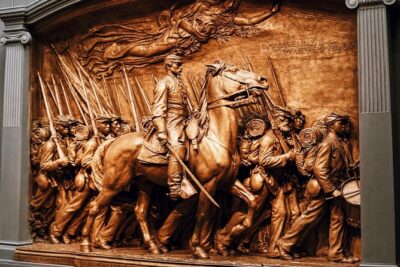
DC National Gallery of Art Guided Tour Semi-Private 8ppl Max
Read our review →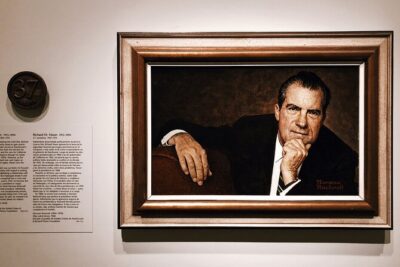
National Archives + National Portrait Gallery Tour 6ppl Max
Read our review →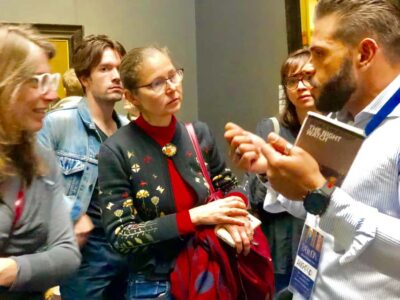
DC National Gallery of Art Guided Tour with 8ppl Max
Read our review →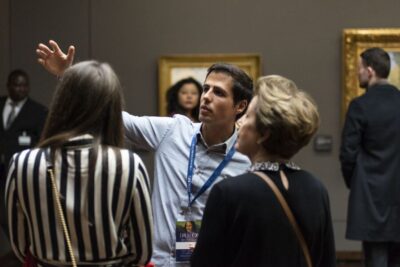
National Portrait Gallery & American Art Museum Tour 8ppl
Read our review →
DC Masterpieces: National Gallery & Portrait Gallery Tour
Read our review →National Archives + National Portrait Gallery Tour 6ppl Max
Read our review →Browse the lists this tour appears in