
REVIEW · FLORENCE
Florence: Michelangelo’s David and Accademia Gallery Tour
Michelangelo’s David is easy to admire and surprisingly hard to understand. This tour looks past the famous pose and asks what Michelangelo was trying to express, then links David to the Prisoners and the Sistine Chapel through one guiding idea: the artist’s creative and spiritual journey.
I like Mario Gesu’s personal approach and the way he uses questions, images, and metaphors instead of reciting a museum label. I also like the clear focus: you spend your 75 minutes on Michelangelo rather than racing through every room in the Accademia. The main consideration is that this is an interpretive tour, not a standard list of dates and facts, so visitors wanting a strictly academic or broad museum tour may find it abstract at times.
Key points to know before booking
- David is only the beginning: The tour treats the statue as the high point of Michelangelo’s early style, then compares it with the later Prisoners.
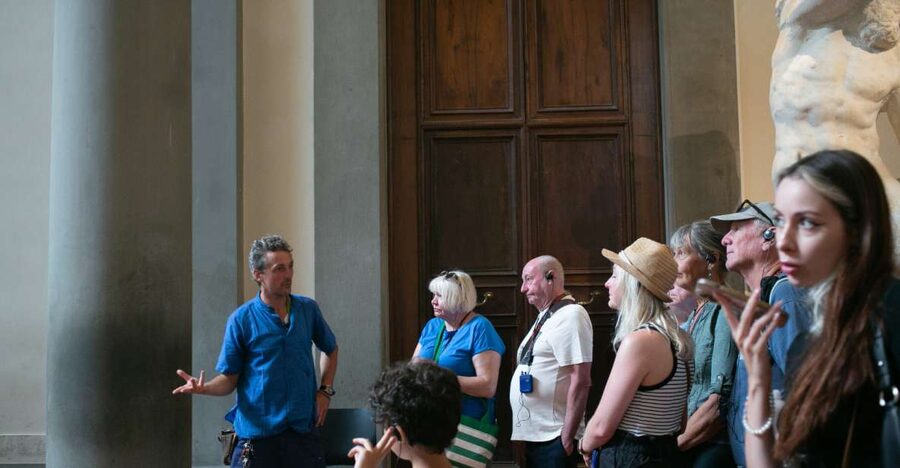
- A native Florentine leads the visit: Mario Gesu brings local character, stage presence, and a background performing Dante’s Divine Comedy.
- The Sistine Chapel connection matters: You’ll hear how David relates to The Creation of Man and Michelangelo’s larger body of work.
- Questions are part of the method: You are encouraged to think through the sculptures rather than simply listen to a prepared speech.
- The visit lasts 75 minutes: After the guided portion, you may continue exploring the Accademia on your own.
- Check the ticket wording carefully: The activity information says museum tickets are included, but one booking account reported paying extra for museum admission, so confirm the final price details before paying.
Why this Accademia tour feels different
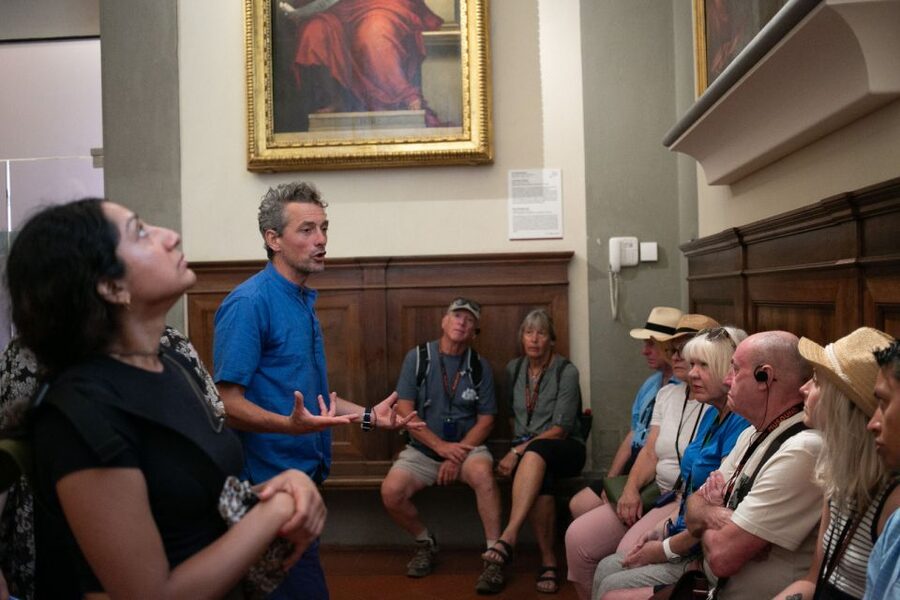
Many visits to the Accademia follow a familiar pattern: enter, walk to David, hear a few facts, take photographs, and move on. This experience takes a narrower and more reflective route. Mario Gesu uses David and the Prisoners to explain how Michelangelo’s thinking changed over time.
That difference matters. If you know little about art, the structure gives you a way into the subject without requiring a degree in art history. If you already know David well, the spiritual reading and the link to the Sistine Chapel give you something new to consider.
Mario is a native Florentine and also performs Dante’s Divine Comedy at restaurants and city events. That background helps explain the lively delivery praised by many people who joined the tour. He is not presented as a quiet museum whisperer. Expect energy, direct questions, expressive storytelling, and a guide who clearly enjoys making people think.
The group may include couples, families, friends, and several age groups. One account described a group of 19, so do not assume this is always a tiny private visit. The headsets are useful when the group is larger or the gallery is noisy.
More Art Museum Tours in Florence
- Florence: Skip-The-Line Uffizi Gallery Timed Entry Ticket
★ 4.5 · 27,832 reviews - Florence: Uffizi Priority Ticket & Masterpieces Audio App
★ 4.2 · 6,402 reviews - Florence Accademia Gallery Tour with Entrance Ticket Included
★ 4.5 · 6,148 reviews
Meeting Mario outside the Accademia
The meeting point is at the ATM machine by Libreria evangelica, directly opposite the Accademia entrance. Plan to arrive 15 minutes early. That gives you time to identify the guide, gather the group, and avoid a needless dash through central Florence.
You should keep your phone available the day before the visit. The instructions ask you to remain reachable by telephone and email in case of last-minute messages. This is simple travel sense, especially in a city where museum entry times are tightly managed.
Bring identification for children, cash, and any disability card that may apply. The information also asks you to bring headphones, while headsets for hearing the guide are listed as included. I would follow the instructions and carry your own pair just in case the equipment arrangement is clarified at the meeting point.
Punctuality matters. The entry system uses scheduled groups, so arriving late can create trouble even if the guide is trying to help. One account described Mario accommodating people who had made timing mistakes, but you should not plan around that kindness. Leave at least two hours between this visit and another booked activity. Florence is compact, but queues and meeting points can still eat up time.
Entering the Accademia without the main ticket line
The activity includes skip-the-ticket-line entry, which is useful at the Accademia, particularly when Florence is crowded. Skip-the-line does not mean walking straight through every barrier with no waiting. The museum still controls admission by time group, and you may have to wait in an organized queue before entering.
That distinction is worth understanding. One person specifically noted that there was still a queue, but the group avoided the main public line. If you are booking this mainly to save time, the benefit is sensible, but do not expect a private door with instant access.
The supplied details list museum tickets as included in the $57 price. However, one direct account said the entrance fee had to be paid separately. Since that is a meaningful difference in value, check the exact checkout screen and voucher wording before finalizing the reservation. The price is reasonable if it covers both the guide and entry. It is less attractive if the museum ticket is an added charge.
Once inside, the tour focuses on Michelangelo’s works rather than trying to cover the whole Accademia. That is a strength if your main goal is David. It is a limitation if you want a full museum survey.
Seeing David as Michelangelo’s early peak
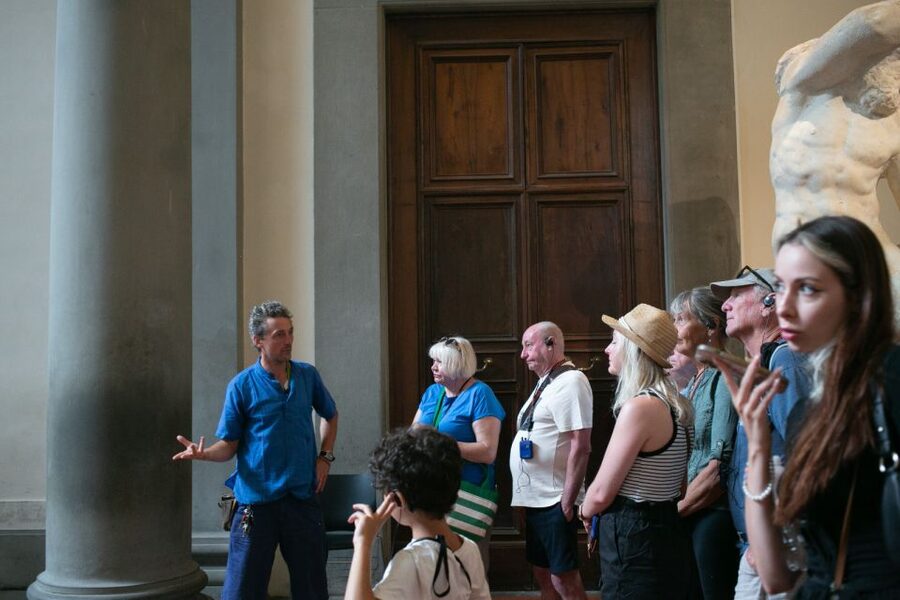
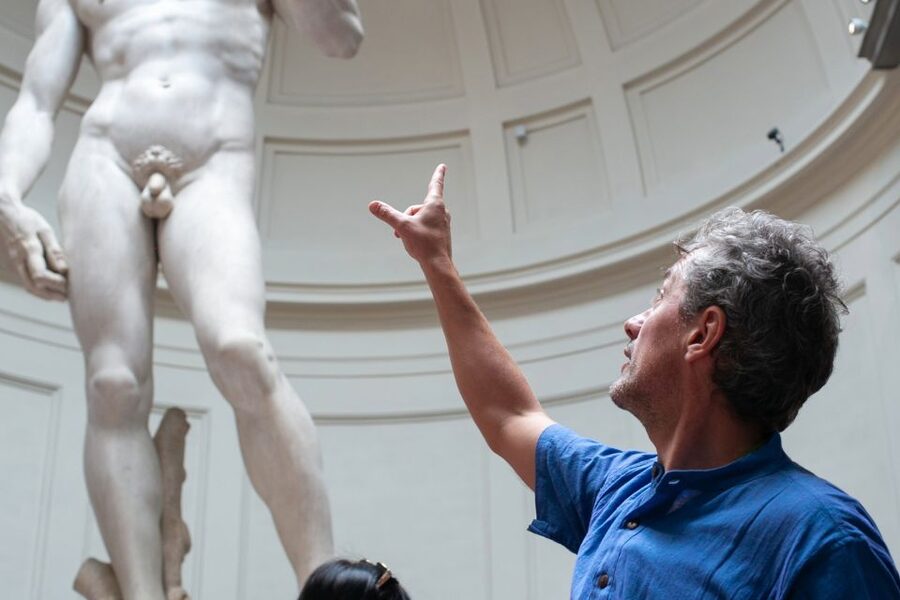
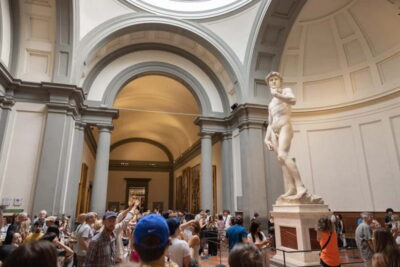
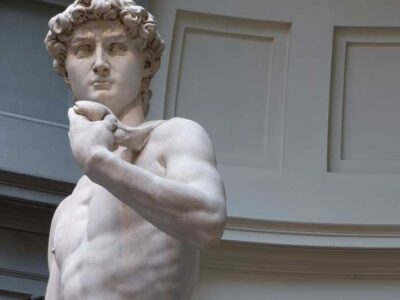
The first major stop is David. You already know the image: a young hero, alert and ready, carved from marble. The point here is not simply to repeat its height, date, or famous history. Mario asks you to look at David as the peak of Michelangelo’s youthful style.
That framing gives the statue a place in a larger story. You are encouraged to notice the confidence, control, and idealized strength that make David such a lasting symbol. The discussion then asks what happens after an artist reaches such a high point.
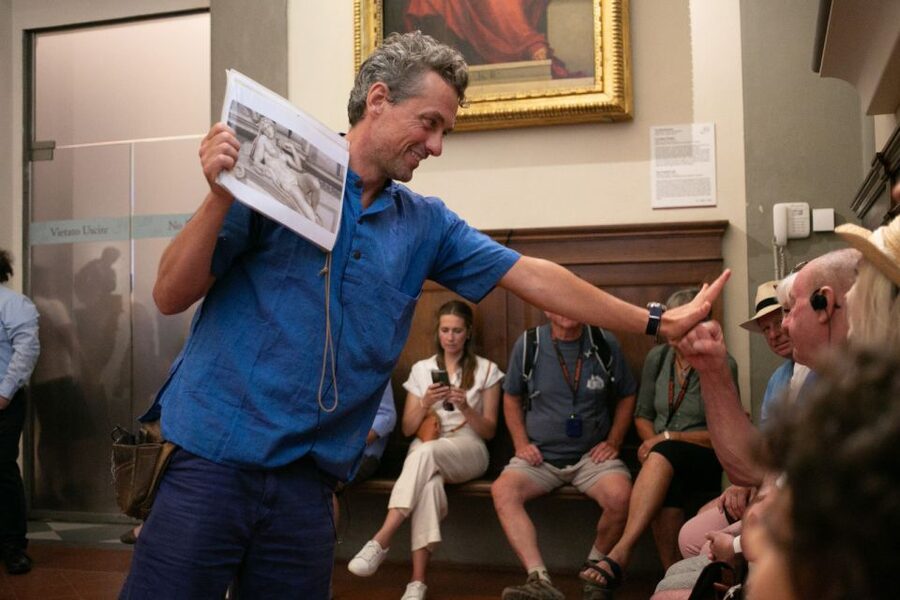
The method is interactive. Mario may ask what you see, what a gesture suggests, or how a particular feature affects your reading of the figure. This can make the visit more memorable because you are not only receiving an answer. You are testing your own reaction first.
Families may find this helpful. The explanation uses metaphors and accessible images, and the description specifically says the material is intended to make sense even to children. That does not mean the tour is childish. The aim is to make a difficult idea clear without flattening it.
You should also expect a personal interpretation rather than a neutral inventory of every accepted scholarly view. The tour is built around Michelangelo’s spiritual message and creative process. If you prefer firm facts with little speculation, ask questions and listen for the distinction between established evidence and Mario’s wider reading of the work.
More ways to see the David:
- Florence: Accademia Gallery Guided Tour
★ 4.6 · 4,156 reviews - Uffizi & Accademia Timed Entry: Small Group Duomo Walking Tour
★ 4.5 · 3,630 reviews - Florence: Accademia Gallery Skip-the-Line Guided Tour
★ 4.8 · 3,044 reviews - Florence: Art Tour, Accademia Gallery and David
★ 4.5 · 2,407 reviews
Comparing David with the Prisoners
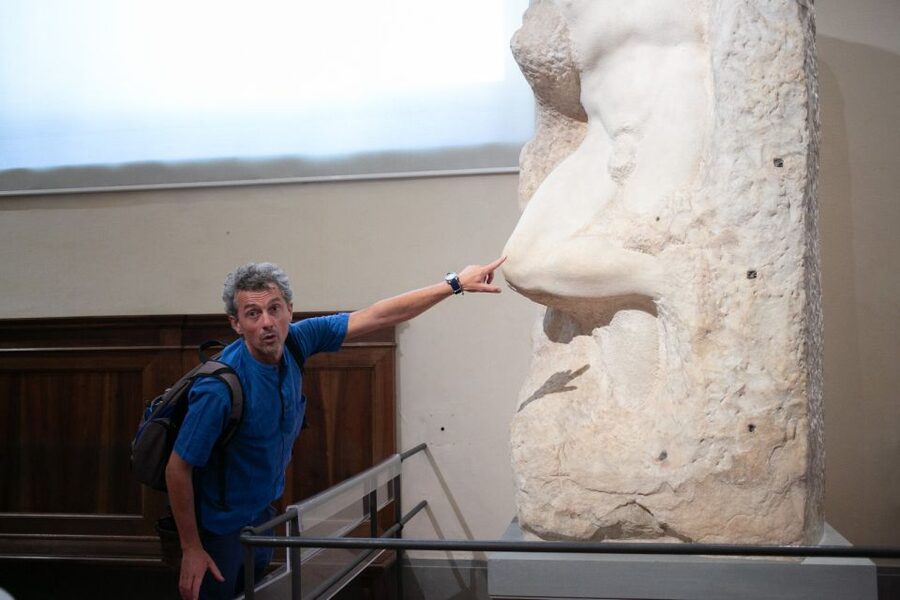
A short distance away, the Prisoners change the mood. They are associated with Michelangelo’s mature style and the so-called unfinished method. Instead of presenting a fully released figure like David, the marble appears to retain the struggle between material and form.
This comparison is the heart of the visit. David shows the young Michelangelo at a moment of triumph. The Prisoners show a later artist working with a rougher, more unresolved language. Mario uses that contrast to explain how Michelangelo moved beyond the style that made him famous.
The word unfinished can sound like a criticism. Here, it becomes a way to discuss intention, process, and the relationship between the figure and the stone. You are invited to consider whether the partly carved bodies communicate something that a polished surface cannot.
I find this pairing more useful than seeing David alone. David can overwhelm your attention, and it is easy to leave with only the broad impression that it is a very impressive statue. The Prisoners slow the visit down. They help you see Michelangelo not only as a maker of perfect bodies, but as an artist concerned with emergence, effort, and spiritual release.
This is also where the tour may feel less conventional. The explanations move from visual details toward metaphors about life and creation. That approach has connected strongly with people interested in spirituality, anthropology, art, or personal meaning. It may feel too broad if all you want is a technical account of carving methods.
Following the thread to the Sistine Chapel
The tour’s signature idea is a connecting thread between David, the Prisoners, and Michelangelo’s work in the Sistine Chapel. The exact point is not merely that the same artist made them. Mario presents a shared creative and spiritual direction running through different stages of Michelangelo’s career.
That connection is especially useful if you have seen, or plan to see, the Sistine Chapel. The discussion links David with The Creation of Man, giving you a way to think about the two works together rather than treating them as isolated masterpieces.
You will not visit the Sistine Chapel during this 75-minute Accademia tour. Instead, you receive a framework that may change how you look at it later. If the chapel is on your Florence or Rome plans, listen closely to the visual and spiritual parallels, then test the idea for yourself when you see Michelangelo’s ceiling or altar wall.
This part also explains why the experience is described as exclusive content. Mario presents ideas connected to research and a forthcoming book, rather than repeating only the most common internet facts. That can make the tour feel fresh, though it also means you should treat some of the larger conclusions as an interpretation to consider, not an official museum position.
Mario Gesu’s delivery and group style
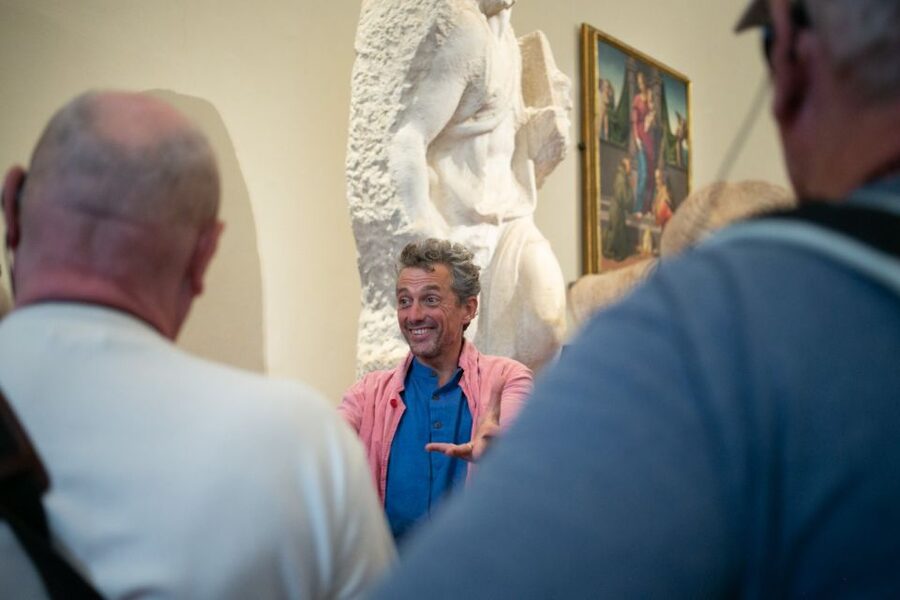
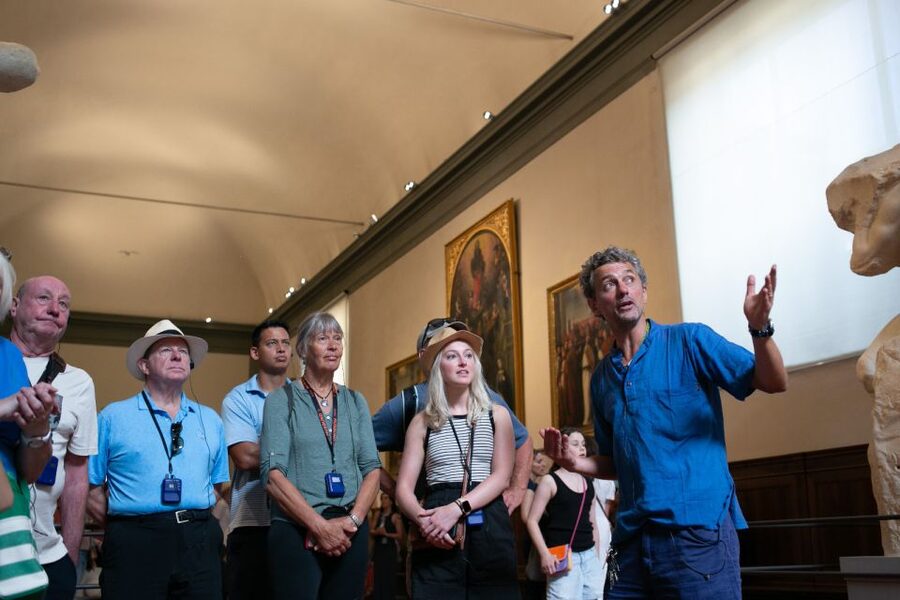
Mario’s strongest asset is his manner. The available feedback repeatedly points to passion, energy, warmth, and an ability to involve different ages. He is described as animated, friendly, and willing to ask for ideas from the group.
His background as a Dante performer is relevant here. This is not a dry lecture. Expect gestures, emphasis, and a sense of performance. For some people, that turns a familiar museum stop into a memorable event. For others, it may feel like more personality than they wanted.
The group format is interactive, but participation does not mean you must give a speech. You can listen, ask questions, and follow the discussion at your own pace. Families may appreciate the accessible presentation, while couples and friends can use the questions as a way to talk about the art together.
The guide’s English is the advertised language. Headsets are included to help you hear him. The equipment is particularly helpful when several groups are gathered around David, though you should still expect the usual museum noise and movement.
What you can do after the guided hour
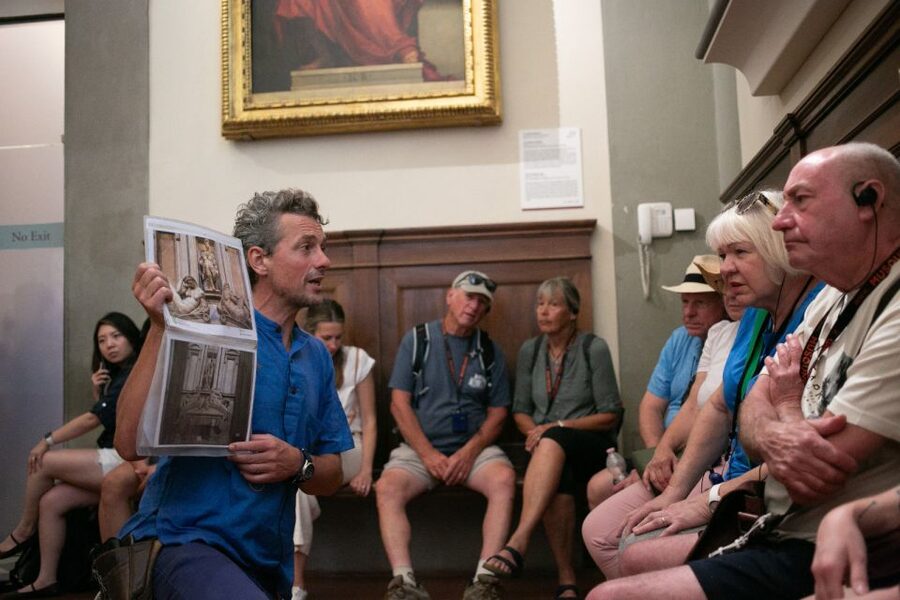
The guided portion lasts about 75 minutes. Afterward, you may continue visiting the Accademia independently. This is a good arrangement because Mario can keep the discussion focused instead of rushing through every gallery.
Use the extra time to return to David without the pressure of keeping up with the group. Look again at the Prisoners, now that you have the comparison in mind. You may also explore the rest of the museum at your own speed, though this activity does not promise a full guided explanation of every collection.
If your schedule is tight, the short format works well. You can fit it into a Florence day without giving up half a day. Still, do not book another activity immediately afterward. The meeting instructions recommend leaving at least two hours between experiences, and that is wise in a city where a delayed entry can affect the rest of your plans.
Is $57 a fair price?
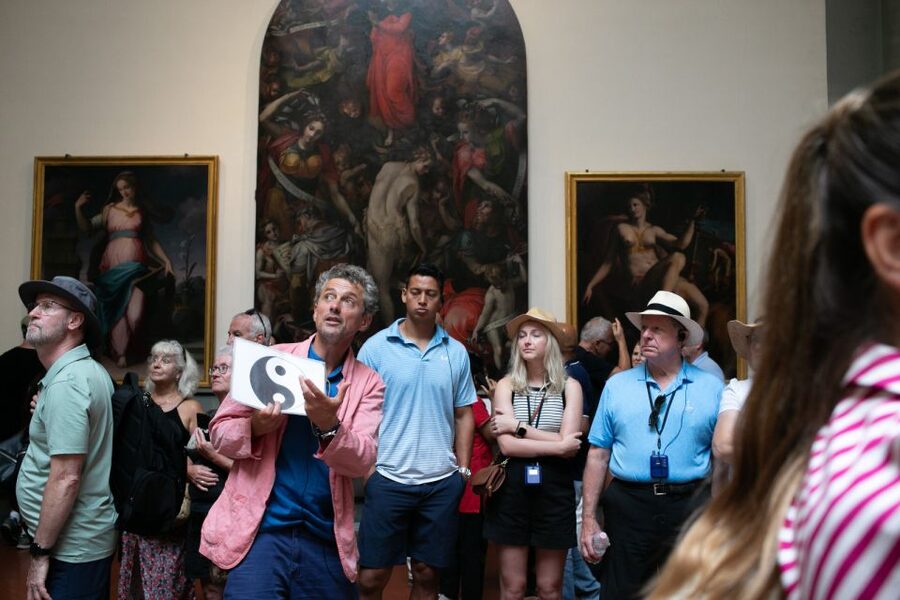
At $57 per person, the value depends on what the final booking price includes. A live guide, skip-the-ticket-line handling, headsets, and a focused 75-minute discussion can justify the cost for someone who wants more than a quick look at David.
The price is less convincing for a visitor who is happy to read a short guide online and walk through the museum alone. This is not a broad Accademia tour, and its main benefit is Mario’s interpretation and delivery. You are paying for a guided way of thinking about Michelangelo, not simply for access to a famous statue.
Because the supplied information contains conflicting indications about the entrance fee, confirm whether the museum ticket is included before you book. The activity description lists it as included, while one account reported an extra payment. That check is worth two minutes and prevents an unpleasant surprise.
Free cancellation up to 24 hours before the start and reserve-now, pay-later terms add useful flexibility. You can keep your schedule open, but remember that the day before the visit is when you should watch for phone or email messages.
Who should book this experience?
I would choose this tour if you want a strong guide, a clear theme, and a fresh way to think about familiar art. It suits couples, families with children, friends, and people who know little about Michelangelo but want an explanation that is easy to follow.
It is also a good match for anyone drawn to spirituality, symbolism, the artist’s creative process, or the link between sculpture and painting. If you plan to visit the Sistine Chapel, the connection discussed here may give that later experience more shape.
I would hesitate if you want a quiet, strictly factual tour, a full survey of the Accademia, or a private visit with no group. The interpretation can become abstract, and the energetic performance style will not suit every mood. The tour is best understood as a focused conversation about Michelangelo, with David as its starting point.
Should you book Mario Gesu’s Accademia tour?
Book it if you want David to become more than a famous photograph. Mario’s strength is turning the statue, the Prisoners, and the Sistine Chapel connection into one story about artistic growth and spiritual meaning.
Skip it if you only need quick entry and a few basic facts. For the right audience, though, the combination of a native Florentine guide, interactive questions, strong stage presence, and time to explore alone makes this a thoughtful use of 75 minutes in Florence. Confirm the ticket cost, arrive early, and come ready to look closely rather than simply check David off your list.
FAQ
Where does the tour meet?
The meeting point is at the ATM machine of Libreria evangelica, directly opposite the Accademia museum entrance.
How early should I arrive?
You should arrive 15 minutes before the scheduled start time.
How long does the tour last?
The guided tour lasts 75 minutes.
What language is the tour conducted in?
The live tour guide speaks English.
Is museum entry included?
The activity information lists Accademia Gallery tickets as included. However, one booking account reported paying an additional entrance fee, so confirm the exact ticket arrangement when booking.
Does the tour skip the ticket line?
Yes. The activity includes skip-the-ticket-line entry, though the museum may still use timed group queues.
Can I stay in the Accademia after the tour?
Yes. You can continue visiting the museum independently after the guided portion.
Is the tour wheelchair accessible?
Yes, the activity is listed as wheelchair accessible.
What should I bring?
Bring identification for children, headphones, cash, and a disability card if relevant. You should also keep your phone and email available for last-minute messages the day before.
Can I cancel for a refund?
You can cancel up to 24 hours in advance for a full refund. The reserve-now, pay-later option lets you keep your plans flexible.
Just added around Florence
- Skip the line: Uffizi small group and walking tour of Florence★ 4.5 · 17 reviews
- Florence Private Walking Tour Including Uffizi and Accademia★ 3.5 · 4 reviews
- Uffizi Gallery Italian guided Tour semi private★ 4.5 · 9 reviews
- Private Tour: Accademia Gallery and City Tour★ 5.0 · 10 reviews
- Private Tour: The Academy Gallery★ 5.0 · 6 reviews
- Uffizi Express Entrance -private tour★ 5.0 · 9 reviews
- Uffizi and Palazzo Vecchio Combo Private Tour★ 5.0 · 3 reviews
- VIP Priority Access: Uffizi Gallery- Guided Experience★ 4.5 · 94 reviews
Art Museum Tours in Florence, compared.
Skip-The-Line Uffizi Gallery Timed Entry Ticket
Read our review →
Florence Accademia Gallery Tour with Entrance Ticket Included
Read our review →
Uffizi Gallery: Renaissance Masterpieces Guided Tour
Read our review →
Uffizi Gallery Timed Entry Ticket & Audio Guide
Read our review →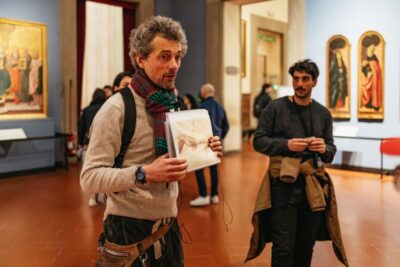
Accademia Gallery Guided Tour with Entry Ticket
Read our review →Browse the lists this tour appears in