
REVIEW · ROME
Rome: Borghese Gallery & Gardens Small Group Guided Tour
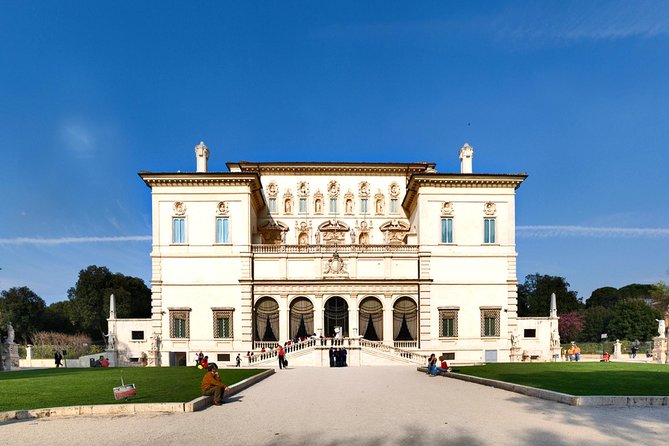
The real prize here is the Borghese Gallery’s small collection of enormous talent. Bernini’s Apollo and Daphne, Canova’s Pauline Bonaparte, Caravaggio’s St. Jerome, and Raphael’s Deposition sit inside the villa built for Cardinal Scipione Borghese, whose collecting habits were determined, expensive, and occasionally aggressive. A good guide gives these works a human story, not just an artist’s name and a date.
I like the prebooked admission, since entry to this museum is tightly controlled, and I like the headsets, which let you hear the guide even when other groups fill the rooms. I also like the finish at the Pincio Terrace, where you get a fine view toward Piazza del Popolo. The main caution is that the gardens may receive less time than expected, especially in winter, late in the day, or when the guide spends extra time on Bernini’s sculptures.
Key points at a glance
- Bernini takes center stage: Expect close attention to Apollo and Daphne and other sculpture masterpieces.
- A small group of up to 15: The size allows questions and makes it easier for the guide to keep the group together.
- About 90 minutes inside the gallery: You will see major works, but not every room in depth.
- Headsets are provided: You can follow the commentary without crowding around the guide.
- The walk ends at Pincio Terrace: From there, Piazza del Popolo and its Metro stop are about five minutes away, down a long flight of steps.
- Book early: This tour is often reserved around 50 days ahead, a useful warning for a popular Rome visit.
Why the Borghese Gallery deserves a place in your Rome plans
Rome has no shortage of famous museums. The Borghese Gallery earns its place because it offers something more focused: a relatively compact collection displayed in the villa built for the man who assembled it.
Cardinal Scipione Borghese wanted the finest art he could obtain. The result is a collection where Bernini, Caravaggio, Titian, Canova, and Raphael appear in rooms that were designed to impress. You are not walking through an endless museum with hundreds of works competing for attention. You are moving through a grand house where the architecture, sculpture, and paintings were meant to work together.
That scale matters. In about an hour and a half, you can spend real time with the best-known pieces. The visit still moves quickly, but it is easier to remember a few masterpieces when you are not trying to absorb an entire national collection in one afternoon.
I especially like the way a guide can connect the art to Cardinal Borghese’s ambitions. The museum becomes more than a beautiful container. You begin to see how personal taste, status, politics, and money shaped what is on the walls.
More Art Museum Tours in Rome
- Vatican Museums, Sistine Chapel & St. Peter’s Basilica Tour
★ 4.3 · 73,970 reviews - Vatican Museums, Sistine Chapel & St Peter’s Basilica Guided Tour
★ 4.5 · 39,149 reviews - Rome: Vatican Museums, Sistine Chapel and Basilica Tour
★ 4.3 · 16,039 reviews
Meeting at Piazzale del Museo Borghese
The tour begins outside the Borghese Gallery at Piazzale del Museo Borghese. You meet your English-speaking guide and the rest of the group there before entering with the reserved tickets.
Give yourself enough time to find the meeting point. The gallery is in Villa Borghese, a large public park, and the area is not as simple to navigate as a single street address in central Rome. Your confirmation includes the exact meeting details, and the tour does not include pickup from your hotel.
The group can include no more than 15 people. That is not private touring, but it is a sensible middle ground. You get the cost advantage of a group while still having a fair chance to hear explanations and ask a question.
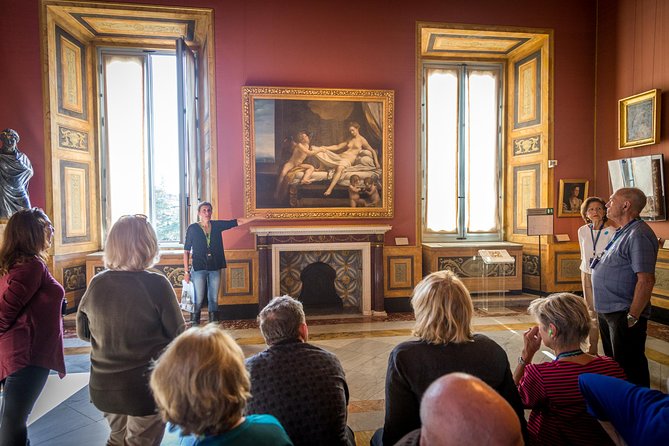
The provided headsets are important. The Borghese rooms can be crowded, and a guide speaking to a cluster of people does not always work well in a grand echoing villa. Most of the praise for this experience centers on guides who explain clearly, keep a comfortable pace, and check that the whole group is ready before moving on.
Inside the gallery: 90 minutes with Rome’s great artists
The first part lasts about 90 minutes and includes the gallery admission. Because entry is strictly controlled, having the ticket arranged in advance is a real convenience. You avoid the uncertainty of arriving and finding that the next available timed entry does not fit your day.
Once inside, expect the guide to focus on selected masterpieces rather than race through every room. That is the right approach here. The museum holds too much art for a detailed explanation of every object in a short visit, so the quality of the tour depends on choosing well.
Bernini’s moving marble
Bernini is usually the star. His Apollo and Daphne is a perfect example of why this gallery rewards a guided visit. The sculpture captures the instant when Daphne changes into a laurel tree as Apollo reaches for her. The marble leaves, hair, and skin demand close attention, but the story behind the scene matters just as much.
A strong guide points out details you might pass without noticing. The sculpture is not simply a mythological scene frozen in stone. It is a work about movement, transformation, pursuit, and the power of illusion. Several guides praised for this tour, including Frederika, Lorenzo, Francesco, and Sal, have been singled out for making Bernini’s work easier to understand rather than merely declaring it beautiful.
You may also spend time with other Bernini sculptures. The exact emphasis depends on the guide and the pace of the group. If Bernini is your main reason for coming, tell the guide early. The small group makes that request practical, though it cannot guarantee a particular route.
More Borghese Gallery slots:
- Rome: Borghese Gallery Skip-the-Line Ticket & Audioguide
★ 4.3 · 4,318 reviews - Rome: Borghese Gallery Ticket + Audioguide or Guided Tour
★ 4.6 · 3,219 reviews - Rome: Borghese Gallery Guided Tour with Skip-the-Line Entry
★ 4.8 · 2,649 reviews - Rome: Borghese Gallery Skip-the-Line Tickets with Audioguide
★ 4.6 · 2,562 reviews
Canova’s Pauline Bonaparte
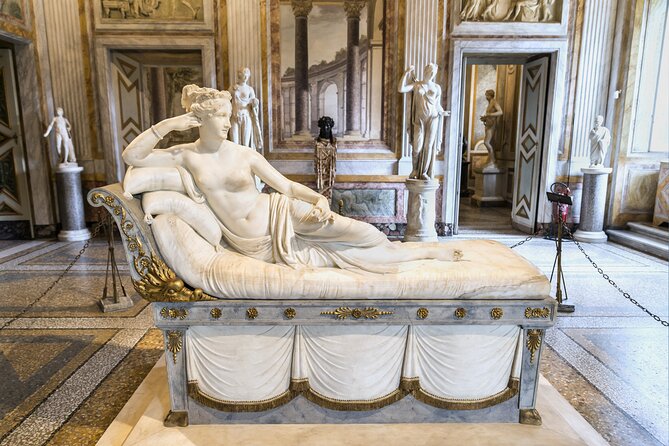
Canova’s Pauline Bonaparte as Venus Victrix provides a different lesson in sculpture. Pauline, Napoleon’s sister, is shown as the Roman goddess Venus, reclining with the confidence of someone fully aware of her public image.
Here the story involves power, portraiture, scandal, and self-presentation. A guide can explain why the work was provocative and why the choice of subject mattered. The smooth surface of the marble is impressive on its own, but the social context makes the sculpture much more memorable.
This is one of the places where a guide earns the fee. Without explanation, you see a graceful reclining figure. With context, you understand why the image caused such interest and how Canova used polished marble to suggest skin, fabric, and luxury.
Caravaggio and the force of a single painting
Caravaggio’s St. Jerome brings a darker mood. His figures do not float in an ideal world. They look human, worn, and physically present. A guide can draw your attention to the lighting, the subject’s age, and the way the artist turns a religious image into something immediate.
Caravaggio is also useful for understanding the range of the collection. Bernini’s sculptures pull you into motion and theatrical action, while Caravaggio can make a quiet scene feel tense. A good tour moves between these different ways of telling a story through art.
Raphael’s Deposition
Raphael’s Deposition adds another major name and another kind of drama. The painting shows the removal of Christ from the cross, with grief, movement, and carefully arranged figures.
The value of seeing Raphael here is not simply checking off a famous artist. The guide can help you compare Raphael’s balanced composition with the more forceful emotional effects of Caravaggio and Bernini. That kind of comparison is difficult to make when you walk through a museum alone and read only short labels.
Why the guide matters more here than in many museums
You can certainly enter the Borghese Gallery without a guide, but I think you lose much of what makes the collection special. The rooms are beautiful, the marble is extraordinary, and the paintings are famous. Still, the main pleasure comes from understanding why each piece mattered to the people who commissioned, owned, and displayed it.
The best guides bring three things to the visit: clear art explanations, a sense of the period, and an eye for small details. Frederika has been praised for her graceful delivery and for explaining controversial subjects. Lorenzo has been noted for adding social and political context. Francesco has been praised for connecting the sculptures to the Borghese family and Roman history.
Those names do not guarantee who will lead your tour. Guide assignments can change. They do show the level of commentary you should hope for: informed, easy to follow, and lively without turning the museum into a classroom lecture.
The headsets help, but equipment is not perfect every time. One visitor found the audio muffled and had trouble with the guide’s accent. That is an important practical point. If the sound is unclear, say so at once. Waiting until the tour ends means you may miss the very explanations you paid for.
The tradeoff: selected highlights instead of every room
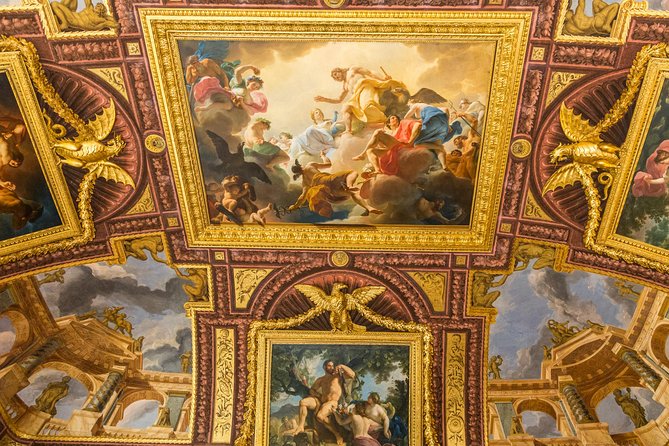
This tour is not designed for slow, independent study of the full collection. If you want to linger over every painting, read each label, and set your own route, you may find the group pace restrictive.
The upside is that a guide helps you use the limited time well. Several hours could disappear in this museum, especially if you stop at every sculpture. A focused 90-minute visit gives you a clear introduction and leaves room for the gardens afterward.
There is also a genuine choice in how the time is used. One guide may spend extra minutes on Bernini, which means fewer paintings receive attention. I would consider that a fair trade if sculpture is your main interest. If you want equal coverage of Bernini, Caravaggio, Raphael, Canova, and the rest, ask at the start what the guide plans to emphasize.
The museum itself can feel crowded. Headsets reduce the need to stand shoulder to shoulder with the guide, but they do not create extra space. Stay aware of other visitors and keep the group in sight as you move from room to room.
Walking through Villa Borghese Gardens
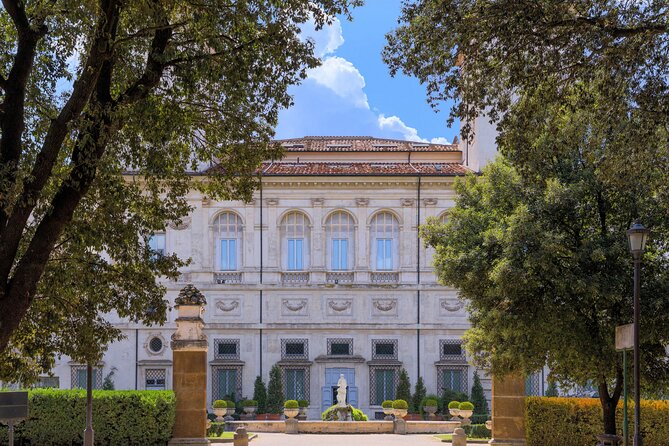
After the gallery, the tour heads outside into Villa Borghese Gardens. The park was once part of Cardinal Borghese’s private estate. Today, it is a public place where people walk, sit, and take a break from Rome’s traffic and stone streets.
The gardens add a useful change of pace. Inside the gallery, you are studying marble, paint, and architecture. Outside, you get greenery, fountains, sculptures, and open views. The guide can continue the story of the estate by explaining how the grounds supported the villa and its display of art.
The official garden visit is planned for about an hour, though the actual time can feel shorter if the gallery portion runs long or if the tour begins late in the day. A past visit had only about 15 minutes outdoors, with darkness making the stop feel rushed. That is worth considering if the gardens are a major reason you are booking.
Daylight makes a difference. In winter or near sunset, you may see the park mainly as a pleasant walk between the museum and the final viewpoint. In good light, the fountains, plantings, and views are more rewarding.
The garden walk is not a separate destination with the same artistic weight as the gallery. Think of it as a calm second act. The museum is the reason to book. The park gives you breathing room and a pleasant route to the end of the tour.
Finishing at Pincio Terrace
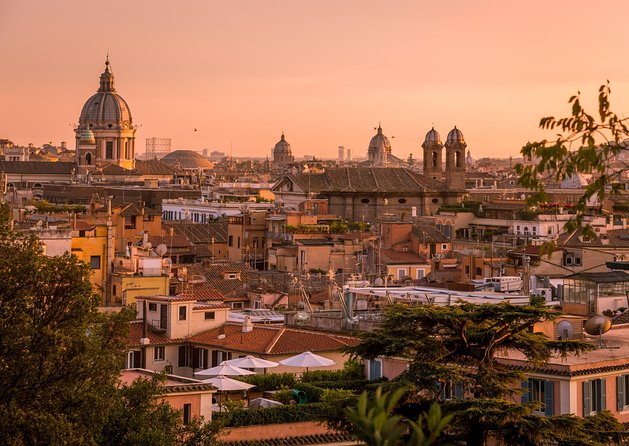
The tour ends at the Pincio Terrace above Piazza del Popolo. This is a useful finish because you are not returned to the museum or left inside the park with no sense of direction.
From the terrace, it is about a five-minute walk to Piazza del Popolo and the nearby Metro stop. The route requires descending a long flight of steps. If stairs are difficult for you, plan for that before booking, and mention mobility concerns to the guide early.
The terrace also gives you one of Rome’s appealing city views. It is a good place to pause, take in the rooftops and domes, and decide what to do next. From here, you can continue toward Piazza del Popolo or use the Metro.
Price, timing, and practical value
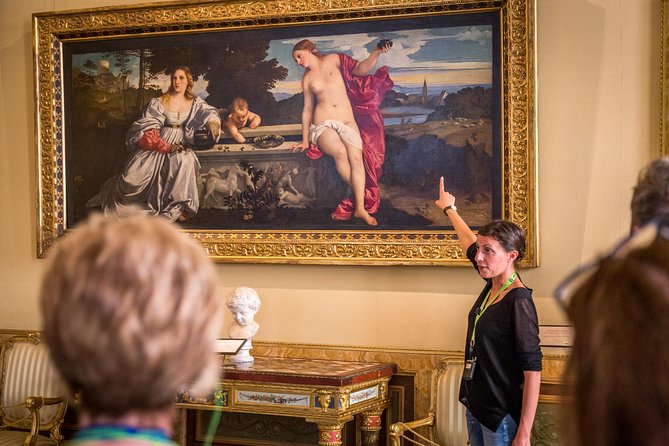
At $47.16 per person, this tour is not just an admission ticket. You are paying for the reserved entry, an English-speaking guide, the headset, the small group, and the garden walk.
I consider that reasonable for a first visit. The Borghese Gallery is one of those places where booking the ticket is part of the challenge, and expert explanation can change the experience from a quick look at famous objects into a coherent visit.
The value is weaker if you already know the collection well and prefer to set your own pace. It is also less attractive if you are mainly interested in spending a long, leisurely afternoon in the gardens. The tour is best for someone who wants the gallery’s major works explained clearly and does not want to handle the entry arrangements alone.
The experience lasts about two and a half hours. Wear shoes suitable for standing and walking. You need a moderate level of physical fitness, and strollers are not accepted on the group tour.
All personal belongings must be left at the gallery reception on arrival. Small purse backpacks can be a problem because backpack-style bags may need to be checked, so use a simple handbag or another permitted option if possible. Sorting that out before the tour begins will save time and stress.
Free cancellation is available up to 24 hours before the start time. Changes or cancellations inside that window are not refunded, and the operator can offer another date or a full refund if the minimum number of people is not reached.
Who should book this Borghese tour?
I would choose this tour for a first-time visit to the gallery, especially if Bernini, Caravaggio, and Canova are high on your Rome list. It also suits families with older children who can manage the walking and want stories instead of a museum audio guide.
It is a good match for visitors who like a clear route, a limited group, and a guide who can answer questions. The headsets are a useful bonus in crowded rooms.
I would think twice if you need a fully accessible route, cannot manage the steps at the end, or want to examine the entire collection at your own pace. I would also ask about the garden timing if visiting in winter or booking a late afternoon tour.
Should you book it?
Yes, if you want the Borghese Gallery explained rather than simply entered. The reserved ticket removes a major headache, and the small group gives the guide room to bring the art to life. The strongest guides, including Frederika, Lorenzo, and Francesco, have been praised for clear storytelling, careful pacing, and sharp attention to detail.
Book early, especially since this experience is often reserved weeks ahead. Just keep your expectations straight: the gallery is the main event, the garden portion may vary, and the tour’s strength depends partly on the guide assigned that day.
FAQ
How long does the Borghese Gallery and Gardens tour last?
The experience lasts about two hours and 30 minutes. About 90 minutes are planned inside the Borghese Gallery, followed by a visit to Villa Borghese Gardens.
Is admission to the Borghese Gallery included?
Yes. The entry ticket to the Borghese Gallery is included, along with prebooked admission for the guided visit.
How large is the tour group?
The group is limited to a maximum of 15 people.
Is the tour offered in English?
Yes. The tour is conducted by an English-speaking guide, and headsets are provided so you can hear the commentary.
Where does the tour end?
The tour ends at the Pincio Terrace overlooking Piazza del Popolo. Piazza del Popolo and the adjacent Metro stop are about a five-minute walk away, but you must descend a long flight of steps.
Can I cancel for a full refund?
Yes. You can cancel up to 24 hours before the experience begins for a full refund. Cancellations or changes made less than 24 hours before the start time are not refunded.
Just added around Rome
- Colosseum,Vatican Museum & Sistine Chapel in One Day Guided Tour★ 3.5 · 9 reviews
- Vatican Museums and Sistine Chapel last entry Guided Tour★ 5.0 · 3 reviews
- Private Tour Of Rome Highlights And Vatican Museums Skip-The-Line all included★ 5.0 · 4 reviews
- Borghese Gallery Admission Ticket with Audioguide★ 4.0 · 64 reviews
- Caravaggio Art Walking Tour of Rome with Pantheon Visit★ 4.5 · 35 reviews
- Borghese Gallery Skip the Line Guided Tour★ 4.5 · 23 reviews
- Borghese Gallery Ticket with Audioguide★ 3.5 · 51 reviews
- Borghese Gallery VIP Tour – Skip the Line Tickets★ 5.0 · 2 reviews
Art Museum Tours in Rome, compared.
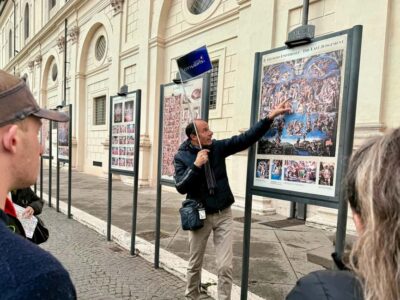
Vatican Museums, Sistine Chapel & St. Peter’s Basilica Tour
Read our review →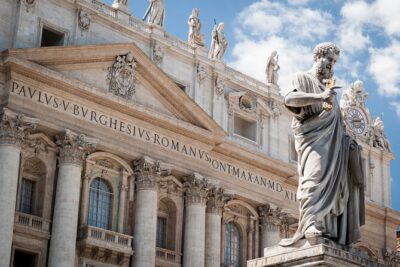
Vatican Museums, Sistine Chapel & St Peter’s Basilica Guided Tour
Read our review →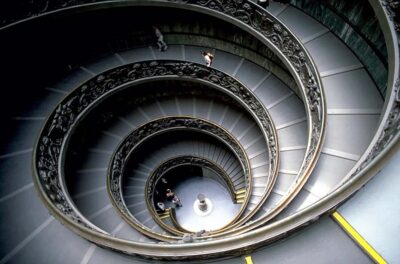
Vatican Museums, Sistine Chapel and Basilica Tour
Read our review →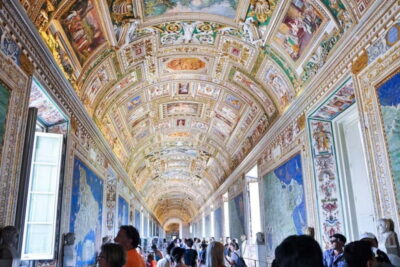
Vatican Museums & Sistine Chapel Skip-the-Line Entry Ticket
Read our review →
Vatican Museums, Sistine Chapel & Basilica Tour
Read our review →
Vatican Museums & Sistine Chapel Guided Tour
Read our review →
Vatican Museums & Sistine Chapel Skip-the-Ticket-Line Tour
Read our review →
Vatican Museums, Sistine Chapel and St. Peter’s Basilica Tour
Read our review →Browse the lists this tour appears in