
REVIEW · PARIS
Musée d’Orsay Admission Ticket
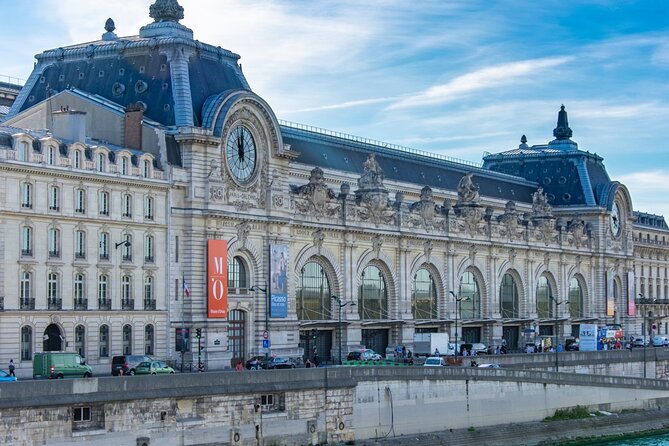
The Musée d’Orsay puts an extraordinary collection of Impressionist and Post-Impressionist art inside a former railway station. You can see works by Monet, Renoir, Cézanne, Van Gogh, Degas, and Manet, then pause at the famous clock window for a fine Paris view.
I like the freedom to explore at your own pace and the fact that one ticket covers both the permanent collection and temporary exhibitions. I also like the mobile ticket and dedicated Entrance C1, which can make arrival simpler. The main caution is that the open-ticket option may not always mean instant entry. One visitor reported waiting outside for 1.5 hours in the cold, so you should allow extra time and confirm where your ticket belongs in the entry line.
Key Points Before You Buy
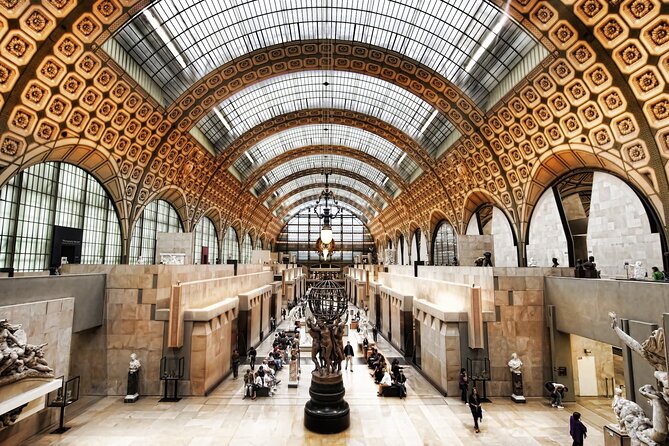
- The building is part of the experience: You are visiting a converted 1900s railway station, not a plain gallery box.
- The art covers an important artistic shift: Monet, Renoir, Degas, Manet, Cézanne, and Van Gogh are among the major names represented.
- Your ticket includes both exhibit types: You receive access to the permanent collection and temporary exhibitions.
- Three hours is a sensible target: The museum is large enough to reward a steady visit, but you can stay shorter or longer within the operating hours.
- Entrance C1 matters: The ticket lists a dedicated entrance, but an open ticket may still involve a queue.
- The clock window is worth seeking out: It gives you one of the museum’s most memorable interior views toward Paris.
The Former Railway Station Sets the Tone
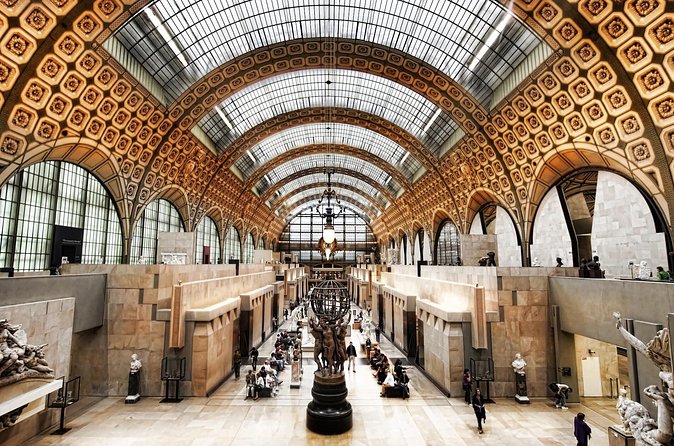
The Musée d’Orsay begins before you reach the paintings. The museum occupies a former railway station built around the turn of the 20th century, and its huge interior gives the visit a sense of occasion. The old station form helps explain the museum’s broad central spaces, bright galleries, and dramatic clock details.
You do not need to be an art specialist to appreciate the setting. The building gives you an easy first orientation, with sculpture and paintings arranged through a space that feels different from the Louvre or a small neighborhood gallery.
That setting also makes this a useful rainy-day choice. You can spend several hours indoors with plenty to look at, rather than trying to force an outdoor Paris plan through bad weather. One five-star assessment singled it out as a very good rainy-day option, especially because the building itself is so impressive.
More Art Museum Tours in Paris
- Paris: Louvre Museum Timed-Entrance Ticket
★ 4.6 · 71,977 reviews - Paris: Orsay Museum Entry Ticket
★ 4.7 · 25,647 reviews - Paris: Louvre Guided Tour with Reserved Access & Boat Cruise
★ 4.3 · 16,353 reviews
What You Can See in About Three Hours
The collection focuses on a crucial period in European art, and the museum’s strength is the way it lets you follow artistic change across a generation. You will find Impressionist and Post-Impressionist masterpieces associated with Monet, Renoir, Cézanne, Van Gogh, Degas, and Manet.
The ticket includes the permanent collection, so you can make the major paintings your anchor points. It also includes temporary exhibitions, which gives the visit more value if a special display interests you on the day of your visit. Since the specific temporary exhibition is not identified in the booking details, you should treat that part as an added opportunity rather than a promised theme.
For a three-hour visit, I would avoid trying to inspect every wall with equal care. Start with the artists you most want to see, then let the galleries fill in the story around them. If you are especially interested in Impressionism, give yourself enough time to look closely at technique, light, and brushwork rather than simply checking famous names off a list.
The museum also works well for mixed-interest groups. Someone drawn to painting can focus on Monet or Van Gogh, while another person can spend more time with sculpture or the building. One five-star account specifically praised the combination of sculpture and painting, with special attention to the Impressionist, earlier, and later works.
Finding the Famous Clock Window
The clock window is one of the museum’s best-known details, and it deserves a deliberate stop. From here, you can enjoy an unusual Paris view framed by the museum itself. It is also a good place to pause after moving through several galleries.
Do not treat the clock as a quick photo stop only. The view helps you understand the building’s original railway purpose, while the light and curved structure make a welcome break from close-looking at paintings.
You should ask staff or follow signs if you are unsure of the route. The booking information identifies the clock window as a highlight, but it does not specify its exact gallery location or whether access could change during a temporary exhibition. Plan to look for it, but keep your visit flexible.
What the $38 Price Really Buys You
At $38 per person, this is not a budget museum ticket. Its value depends on how much time and attention you plan to give the museum.
The price includes entry, the permanent collection, temporary exhibitions, mobile ticket use, and the listed dedicated entrance at C1. If you care about the museum’s major artists and expect to spend close to three hours inside, that bundle can make sense. You are paying for access to one of Paris’s strongest collections of Impressionist and Post-Impressionist art, plus the setting and special displays.
The value is weaker if you only want a quick look at one or two paintings. One five-star assessment noted that the more expensive open ticket was not really necessary. That is useful advice: compare this ticket with other available Musée d’Orsay admission choices before buying, especially if a dated or timed ticket costs less and suits your schedule.
Because the ticket is non-refundable and cannot be changed, you should buy only once your Paris plans are firm. A missed visit means you do not receive the money back. This matters more than usual when the ticket costs $38.
More Orsay tours and tickets:
- Paris: Orsay Museum Entry Ticket and Digital Audio Guide App
★ 4.4 · 3,170 reviews - Paris in a Day: Louvre or Orsay, Eiffel Tower, City Walk & Cruise
★ 5.0 · 1,956 reviews - Paris: Musée d’Orsay Skip-the-Line Tour with Expert Guide
★ 4.5 · 1,145 reviews - Musée d’Orsay Skip-the-Line Tour with Expert Guide
★ 4.8 · 1,088 reviews
Open Entry Does Not Always Mean No Waiting
The ticket is described as open, allowing you to visit during operating hours. That flexibility is helpful if your day includes a river walk, lunch, or another museum. You are not tied to one narrow arrival slot in the information provided.
Still, open entry needs a practical warning. One visitor arrived with the ticket, was directed to the line, and then waited 1.5 hours outside in cold, rainy conditions. The problem may have involved how the ticket was handled at the entrance, but the lesson is clear: do not assume open entry equals immediate entry.
Use Entrance C1, keep your mobile ticket ready, and allow extra time. If staff direct you into a queue, ask politely whether C1 is the correct line for your ticket and whether another entrance applies. This is especially important in poor weather or on a tightly planned museum day.
The booking details say the ticket is accepted on a mobile device. I would still keep the confirmation easy to open, with enough phone battery to show it at the entrance.
Opening Hours and Planning Your Visit
The stated hours are Tuesday through Sunday, 9:30 AM to 6:30 PM, for the period listed from December 12, 2025, through March 12, 2027. The supplied information does not list Monday hours, so do not plan a Monday visit without checking separately.
A morning visit gives you the largest part of the day and leaves room for another Paris activity afterward. An afternoon visit can work well if you want a slower museum stop, but you should not arrive so late that the three-hour plan becomes unrealistic.
The listed duration is approximately three hours, not a fixed guided tour length. You can explore at your own pace, and the information does not identify a guide or a group size. That makes this a self-guided museum admission rather than a guided art lecture.
Public transportation is nearby, which makes the museum practical to reach from other parts of Paris. The details do not name a specific station or route, so use the transport option that fits your location and confirm the final approach before setting out.
A Good Choice for Families and Mixed Groups
The museum can suit a family or a group with different interests because each person can move at a comfortable pace. A child who loses interest in paintings can look at sculpture or the building, while an adult can focus on a favorite artist.
One account notes that children enter free of charge and that free lockers are available at the entrance for personal belongings. Since the ticket details do not explain the age limit or whether every child needs a separate reservation, confirm the child-entry rules before purchase.
The lockers are a practical bonus. You can leave personal items rather than carrying everything through several hours of galleries. The supplied details do not state locker size or availability at every moment, so keep large or unusual items out of your plan.
Most people can participate, according to the practical information supplied. No special physical requirements are listed. You should still consider your own comfort with several hours of standing and walking through galleries, since the visit is self-paced and no seating plan is provided.
How to Get More From the Art
The strongest way to use this ticket is to pick a few themes before you enter. You might follow the change from Manet to the Impressionists, compare how Monet and Renoir handle light, or look at how Cézanne and Van Gogh move beyond the earlier style.
Do not rush from famous painting to famous painting. Give yourself a few quiet minutes with works that you do not recognize. The museum’s value is not limited to its headline names, and the permanent collection includes the broader artistic movement around them.
If you are new to Impressionism, think about ordinary subjects, changing light, visible brushwork, and a move away from highly polished academic presentation. You do not need a lecture to begin noticing those choices. The galleries give you enough examples to form your own view.
A temporary exhibition can change the rhythm of your visit. It may offer a focused subject or artist, while the permanent galleries give you a wider context. Since no temporary exhibition is specified, check the museum’s current display before you go if that part is important to your decision.
What Is Especially Good About This Ticket
The best part is the combination of art and architecture. You are not simply entering a room filled with famous canvases. The former station, broad interior, sculpture, paintings, and clock window create a visit with several layers.
The second strength is choice. You can spend three hours studying the major Impressionist works, make a shorter stop, or build the museum into a larger day in Paris. The open format is useful for anyone who dislikes rigid tour schedules.
The third strength is the range of access included in one admission. Permanent and temporary exhibitions are both covered, so you do not have to choose between the museum’s main collection and a special display at the door.
The high overall rating of 4.9 from 15 submitted assessments reflects strong satisfaction, and all listed recommendations support the experience. Still, the smaller number of assessments means you should pay attention to the practical warning about the entrance line rather than treating the rating as a guarantee of quick admission.
What Could Go Wrong
The biggest risk is the gap between the promise of easy entry and the reality of a queue. If you arrive expecting to walk straight in, a long wait can spoil the visit, especially in cold or rainy weather.
The second issue is price. $38 is reasonable only if you value the full museum visit and the included exhibitions. If you are comparing admission options, check whether a cheaper ticket offers the same access and a more useful entry arrangement.
The third issue is the no-refund rule. You cannot change or cancel this experience for a refund, so illness, weather, schedule changes, or a missed visit remain your financial risk.
None of these points cancels the museum’s appeal. They simply mean you should approach the ticket as a firm museum booking, not a casual reservation you can adjust later.
Who Should Book the Musée d’Orsay Ticket
I would choose this for someone who wants Paris art in a manageable three-hour visit, especially if Monet, Renoir, Degas, Cézanne, Van Gogh, or Manet are high on the list. It is also a smart indoor plan for a wet day and a good fit for people who prefer exploring without a guide or fixed group route.
Families may find the flexible pace useful, with children reported as entering free and lockers available for belongings. Mixed groups can split their time between painting, sculpture, architecture, and the clock window without separating into different tours.
I would pause before buying if you only want a short look, need a guaranteed fast entrance, or are not certain about your schedule. Compare the $38 open ticket with other admission choices, and plan for a possible line at Entrance C1.
Final Recommendation
Book this ticket if you want a serious look at the Musée d’Orsay and can give it close to three hours. The art, the old railway station, the clock window, and access to temporary exhibitions make it one of Paris’s most rewarding indoor cultural stops.
Buy carefully. The ticket cannot be refunded or changed, and open entry may still involve a long wait. If you accept those limits, arrive with time to spare, and use the flexibility to explore at your own pace, the experience offers strong value for an art-focused day in Paris.
FAQ
Where is the experience located?
It takes place at the Musée d’Orsay in Paris, France.
How much does the ticket cost?
The listed price is $38 per person.
How long should I plan to stay?
The approximate duration is three hours, although you explore at your own pace.
What does the ticket include?
It includes entry to the Musée d’Orsay, the permanent collection, and temporary exhibitions.
Can I use a mobile ticket?
Yes. A mobile ticket is accepted.
Is there a dedicated entrance?
Yes. The ticket information lists Entrance C1 as the dedicated entrance.
What are the opening hours?
The stated hours are Tuesday through Sunday, 9:30 AM to 6:30 PM, for the listed period from December 12, 2025, through March 12, 2027.
Is the ticket open dated?
Yes. It is described as an open ticket that can be used anytime during operating hours.
Are children admitted free?
One experience account states that children enter free of charge. The supplied details do not specify an age limit or reservation procedure.
Can I cancel or change the ticket?
No. The ticket is non-refundable and cannot be changed for any reason.
Just added around Paris
- Paris Day Tour with Eiffel Tower, Louvre and Cruise Max 6 People★ 4.5 · 29 reviews
- PRIVATE Louvre Wonders & Hidden Treasures Visit★ 5.0 · 65 reviews
- d’Orsay Museum Paris entry ticket★ 3.5 · 31 reviews
- visiting the masterpieces of impressionists at Orsay museum★ 5.0 · 7 reviews
- Louvre Museum with private guide★ 5.0 · 3 reviews
- Louvre Wheelchair-Accessible Private Tour – Stress-Free & Easy★ 5.0 · 16 reviews
- LOUVRE, Small Group Guided Tour in French (TOP SALES)★ 4.5 · 9 reviews
- Musée d’Orsay Highlights Tour with Gourmet Lunch★ 4.5 · 11 reviews
Art Museum Tours in Paris, compared.


Louvre Guided Tour with Reserved Access & Boat Cruise
Read our review →
Louvre Overview, Exploration tour and Reserved Entry
Read our review →
Louvre Museum Entry Ticket With Host and River Cruise
Read our review →
Mona Lisa & Louvre Masterpieces Tour with Reserved Access
Read our review →
Louvre Museum – Exclusive Guided Tour (Entry Included)
Read our review →
Louvre Museum Hosted Entry and Mona Lisa Audioguide
Read our review →Browse the lists this tour appears in