
REVIEW · PARIS
The Musée d’Orsay in Focus: Impressionists & Beyond (Max 6)
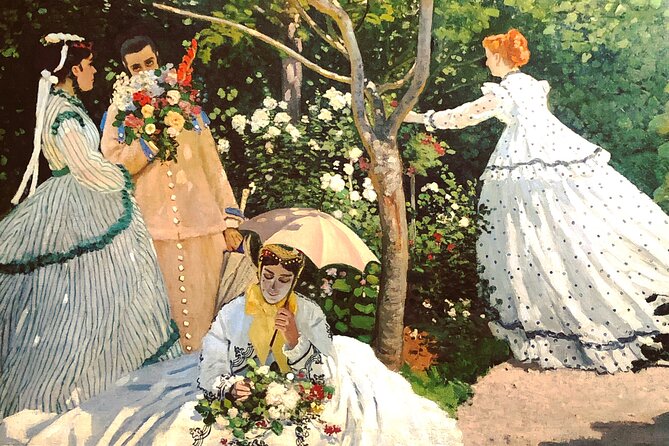
The Musée d’Orsay holds one of Paris’s finest collections in a former railway station, and this two-hour guided visit gives you a clear path through a huge subject. You’ll meet Monet, Renoir, Degas, and Van Gogh, while also learning how paint tubes, trains, and electricity changed the way artists saw modern life.
I like the maximum group size of six, which gives the guide room to answer questions and adjust the pace. I also like the mix of guided explanation and free time, so you get useful context without being marched past every painting in the building.
The main drawback is time. Two hours is enough for a strong introduction, not a full look at the museum. At $190.52 per person, this makes the most sense if you value a personal guide and want to avoid spending your first hour wondering where to begin.
Key points at a glance
- A small group capped at six: You get a more personal visit than on a large museum walk.
- A focused route through 1848 to 1914: The guide connects art to new technology, social change, and artist relationships.
- Major works by Monet, Renoir, Degas, and Van Gogh: You’ll see famous names along with the chance to notice less familiar pieces.
- Guides who adapt to their group: Adam has accommodated requests for occasional seats and extended a visit beyond the booked time.
- Guided time plus independent viewing: The structured portion helps you find your bearings, then you can continue at your own pace.
- Admission and an English-speaking licensed guide included: You meet at the museum and finish inside it.
Why the Musée d’Orsay works so well for this tour
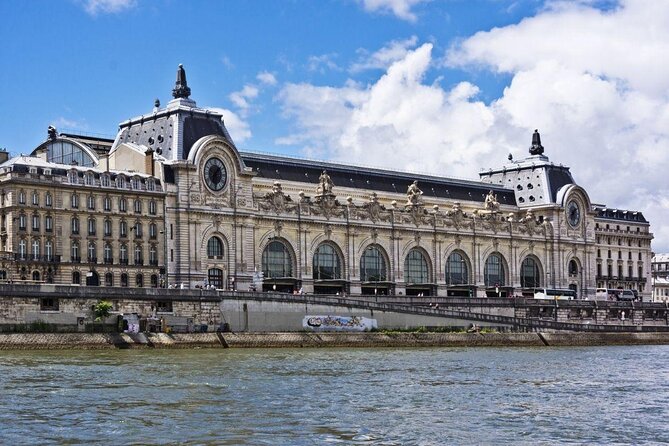
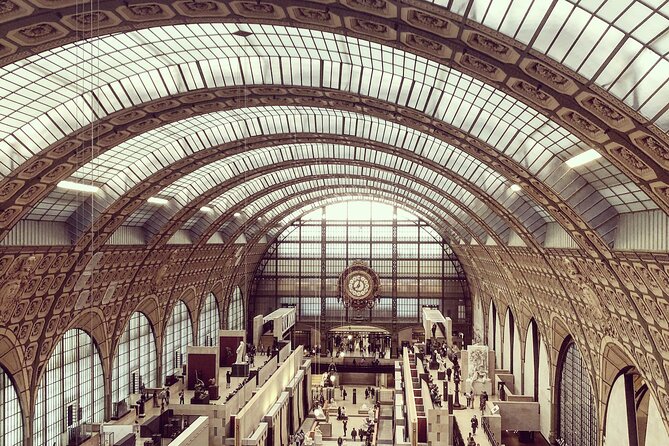
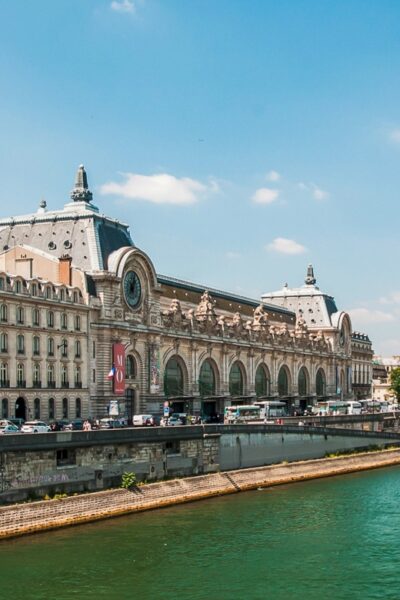
The Musée d’Orsay is not just a container for paintings. Its setting in a former railway station gives the visit a strong sense of place. The building itself recalls the age of steam, speed, and new public life, which fits the art on display.
The collection covers the years from 1848 to 1914, a period when Paris and much of Europe changed at a startling pace. Paint could now be carried in tubes. Trains made travel easier. Electric light altered city life. Photography challenged painters to think about what a picture needed to do.
That context matters. Impressionism can look like a collection of pretty outdoor scenes if you only glance at the colors. With a good guide, you begin to see the risk in those loose brushstrokes and unusual viewpoints. These painters were reacting to a changing world, not simply decorating it.
The museum has been ranked the world’s best museum for six consecutive years, according to the information provided for this experience. Rankings are always subjective, but the claim points to the museum’s broad appeal. You get major French art, an exceptional building, and a collection that tells a clear story about modern life taking shape.
More Art Museum Tours in Paris
- Paris: Louvre Museum Timed-Entrance Ticket
★ 4.6 · 71,977 reviews - Paris: Orsay Museum Entry Ticket
★ 4.7 · 25,647 reviews - Paris: Louvre Guided Tour with Reserved Access & Boat Cruise
★ 4.3 · 16,353 reviews
Meeting at the museum and getting started
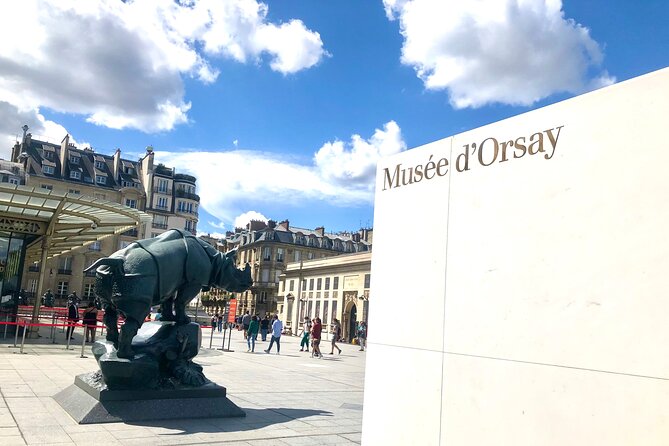
The tour begins and ends at the Musée d’Orsay, at the Esplanade Valéry Giscard d’Estaing in the seventh arrondissement. Admission is included, as is an English-speaking licensed guide.
The tour is advertised as a skip-the-lines experience, a useful feature at a major Paris museum. Even so, you should arrive with enough time to locate the meeting point and be ready for the scheduled start. The supplied details do not give a separate arrival buffer, so it is wise not to cut things close.
A mobile ticket keeps the process simple. The museum is near public transportation, but no particular route is specified. You’ll need a moderate level of physical fitness, since a museum tour involves walking and standing. If you need regular sitting breaks, mention that when booking or meeting your guide.
That point is worth taking seriously. Adam, one of the guides associated with this experience, adjusted the visit for two older guests who requested occasional seats. He also continued past the planned two hours to give them more time with the Impressionist works. That extra care may not be guaranteed, but it shows the benefit of a small group.
Following the story from 1848 to 1914
The guide’s job here is not simply to point at famous canvases. You’ll be led through a period of political, social, and technical change, with art as the main thread.
The dates matter. By beginning in 1848 and ending in 1914, the museum covers the years that formed the modern city and the modern artist. The old rules of academic painting were still powerful, but artists were testing new subjects, new methods, and new ways to show ordinary life.
You might discuss how artists worked in relation to one another, since their friendships, arguments, and shared circles shaped the movement. The supplied tour details place particular weight on those relationships. That is useful because Impressionism was not created by isolated geniuses working in separate rooms. It developed through contact, disagreement, and a shared push against accepted standards.
A guide can also help you understand the difference between Impressionism and post-Impressionism. The first group often focused on changing light, quick impressions, and scenes of contemporary life. Later artists such as Vincent Van Gogh pushed color, line, and emotion in different directions.
You do not need a technical art background to follow this. The strongest part of the tour is likely to be the translation from visual details to human choices. Why did an artist frame a scene that way? Why did a painting seem rebellious at the time? What did the artist gain by giving up polished finish?
Monet, Renoir, Degas, and the Impressionist rooms
The Impressionist section is the main reason many people book this experience. Monet, Renoir, and Degas are not treated as names on a checklist. Their work gives the guide a way to explain how the movement developed and why it caused such a stir.
With Monet, you’ll likely pay attention to shifting light and the idea that a painting can record a moment rather than provide a fixed, polished view. Renoir opens a different path, with attention to people, social scenes, and the pleasure of modern life. Degas brings questions of movement, unusual angles, and the private work behind public performance.
The exact works shown can vary, so you should not book this expecting a guaranteed list of individual paintings beyond the named artists. You will see world-famous masterpieces, though, along with the possibility of unexpected works that reward a slower look.
That balance is one of the tour’s strengths. Famous paintings give you an anchor, but a guide can also steer you toward pieces you might pass by on your own. A short explanation can change what you notice in a less familiar canvas.
The guide’s communication style matters in crowded museum rooms. Adam was praised for clear diction, broad subject knowledge, and making the group active participants rather than passive listeners. Lilijana was described as entertaining and able to move a group through the galleries in a timely way. Those details suggest a tour that aims to keep you involved and moving at a sensible pace.
More Orsay tours and tickets:
- Paris: Orsay Museum Entry Ticket and Digital Audio Guide App
★ 4.4 · 3,170 reviews - Paris in a Day: Louvre or Orsay, Eiffel Tower, City Walk & Cruise
★ 5.0 · 1,956 reviews - Paris: Musée d’Orsay Skip-the-Line Tour with Expert Guide
★ 4.5 · 1,145 reviews - Musée d’Orsay Skip-the-Line Tour with Expert Guide
★ 4.8 · 1,088 reviews
Van Gogh and the move beyond Impressionism
The tour continues into post-Impressionism, with Van Gogh as a central figure. This section helps you see that Impressionism was not the final stop. Artists who followed took some of its discoveries and pushed them toward stronger color, more direct emotion, or more personal ways of building a picture.
Van Gogh is especially useful for showing that shift. His work is not simply a brighter version of Monet. The guide can help you notice changes in brushwork, color, and feeling, then place them within the larger artistic conversation of the period.
The supplied description promises guided insight before allowing you to explore post-Impressionist works at your own pace. That is a smart arrangement. You get a framework first, then time to test your own reactions without a guide speaking continuously.
You may want to stay longer after the formal tour ends. The tour finishes inside the museum, and the details do not state a fixed end point beyond the museum itself. Ask your guide or museum staff about remaining in the galleries if you want more time, since the tour information only confirms that the guided experience ends inside the Orsay.
What the small group changes
Six people is a useful limit for an art museum. In a large group, questions can slow the route, and the guide has to repeat information for people at the back. With six, you can usually stay close enough to see what the guide is discussing and speak up when a detail catches your attention.
The group size also makes the tour more adaptable. If your party needs a short seat break, has a particular interest in Van Gogh, or wants more explanation of the artists’ relationships, the guide has a better chance of responding.
There is no promise that every group will receive extra time. Adam extended one visit, but you should treat that as an example of personal service, not a guaranteed part of the schedule. The formal duration remains about two hours.
Service animals are allowed. The activity calls for moderate physical fitness, and the supplied details do not list a wheelchair route, guaranteed seating, or other specific accessibility arrangements. If those points are important for you, contact the provider before booking.
Is $190.52 per person a fair price?
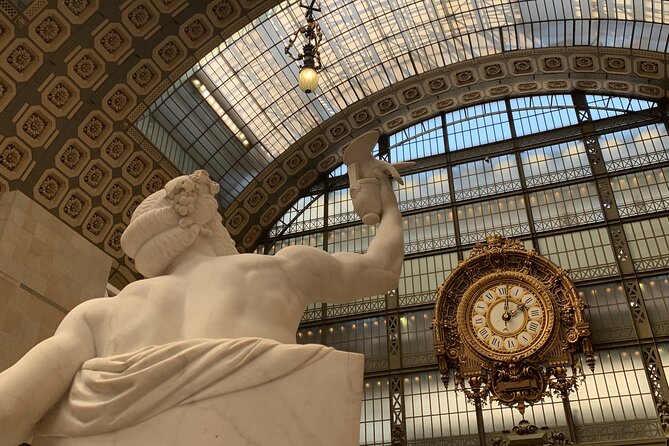
At $190.52 per person, this is not a budget museum entry. You are paying for more than admission. The price includes all entry tickets, an English-speaking licensed guide, a small group capped at six, and a planned route through one of Paris’s most popular museums.
The value depends on how you like to visit museums. If you are comfortable reading labels, choosing your own rooms, and accepting that you may miss major works, a self-guided visit costs less. If you want a well-shaped introduction and the chance to ask questions, the higher price may be reasonable.
I see the strongest value for a first visit to the Orsay, especially if you have only two hours and do not want to spend that time finding your way. The guide gives you a story that links the building, the period, and the painters. That can save mental energy for looking at the art.
The price also makes more sense for pairs or small groups who want something more personal than a large public tour. Group discounts are available, but the supplied details do not state the discount amount. Check the current booking terms before relying on a particular saving.
Who should book this Musée d’Orsay visit?
I would point this tour toward you if you want structure without giving up all independence. It suits first-time visitors, couples, families with older children, and anyone who feels unsure how to approach a large art collection.
It is also a good fit if artist biographies and relationships help you connect with paintings. The guide focuses on the people behind the works as well as techniques, so you should get more than a list of dates and styles.
Older visitors may appreciate the possibility of asking for occasional seats, as the experience with Adam shows. Still, you should be comfortable with museum walking and standing unless you confirm specific arrangements in advance.
Art specialists may find the two-hour route too short. If you already know the Orsay well, you may prefer to spend several hours choosing your own rooms. This tour is designed more as a focused introduction than as a complete scholarly examination.
Booking, timing, and cancellation details
The tour is offered in English and is booked, on average, 110 days ahead. That booking pattern suggests you should plan early if your Paris dates are fixed, especially since the group is limited to six people.
Free cancellation is available up to 24 hours before the start time for a full refund. Cancellations or changes made less than 24 hours ahead are not refunded or accepted. The cut-off follows local Paris time.
A minimum number of participants is required. If the provider cancels because that minimum is not met, you will be offered another date or experience, or receive a full refund.
Should you book it?
Book this tour if you want the Musée d’Orsay to make sense quickly, prefer a group of no more than six, and value a guide who can connect paintings with the artists’ lives and the fast-changing world around them.
Skip it if your main goal is the lowest possible admission cost or if you want a full day to wander alone. For everyone else, the combination of major Impressionist works, post-Impressionist art, included admission, and a genuinely personal format makes the $190.52 price easier to justify. Just remember what you are buying: a sharp two-hour introduction, not the entire museum.
FAQ
How long does the Musée d’Orsay tour last?
The tour lasts approximately two hours.
What is the maximum group size?
The group has a maximum of six participants.
Is admission to the Musée d’Orsay included?
Yes. All entry tickets are included in the tour price.
Is the tour offered in English?
Yes. The experience includes an English-speaking licensed tour guide.
Where does the tour start and finish?
It starts at the Musée d’Orsay on Esplanade Valéry Giscard d’Estaing in Paris. The tour ends inside the Orsay Museum.
Can I cancel for a full refund?
Yes. You can cancel at least 24 hours before the start time for a full refund. Changes or cancellations made less than 24 hours before the start time are not accepted or refunded.
Just added around Paris
- Paris Day Tour with Eiffel Tower, Louvre and Cruise Max 6 People★ 4.5 · 29 reviews
- PRIVATE Louvre Wonders & Hidden Treasures Visit★ 5.0 · 65 reviews
- d’Orsay Museum Paris entry ticket★ 3.5 · 31 reviews
- visiting the masterpieces of impressionists at Orsay museum★ 5.0 · 7 reviews
- Louvre Wheelchair-Accessible Private Tour – Stress-Free & Easy★ 5.0 · 16 reviews
- LOUVRE, Small Group Guided Tour in French (TOP SALES)★ 4.5 · 9 reviews
- Louvre Museum with private guide★ 5.0 · 3 reviews
- Musée d’Orsay Highlights Tour with Gourmet Lunch★ 4.5 · 11 reviews
Art Museum Tours in Paris, compared.
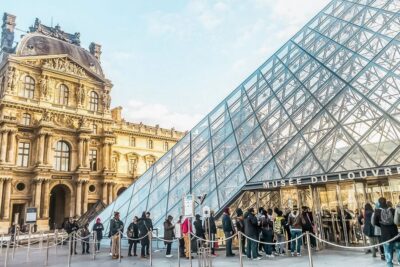
Louvre Guided Tour with Reserved Access & Boat Cruise
Read our review →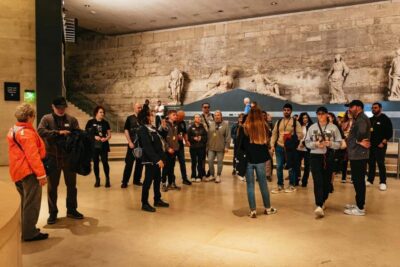
Louvre Overview, Exploration tour and Reserved Entry
Read our review →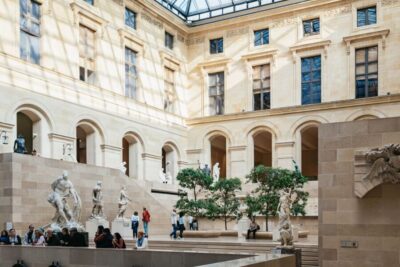
Louvre Museum Entry Ticket With Host and River Cruise
Read our review →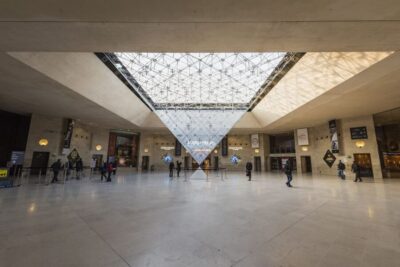
Mona Lisa & Louvre Masterpieces Tour with Reserved Access
Read our review →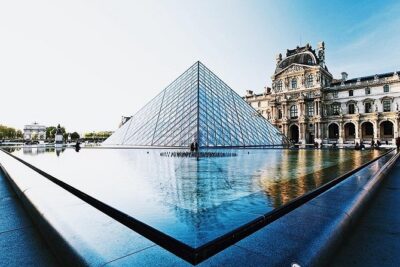
Louvre Museum – Exclusive Guided Tour (Entry Included)
Read our review →
Louvre Museum Hosted Entry and Mona Lisa Audioguide
Read our review →Browse the lists this tour appears in