
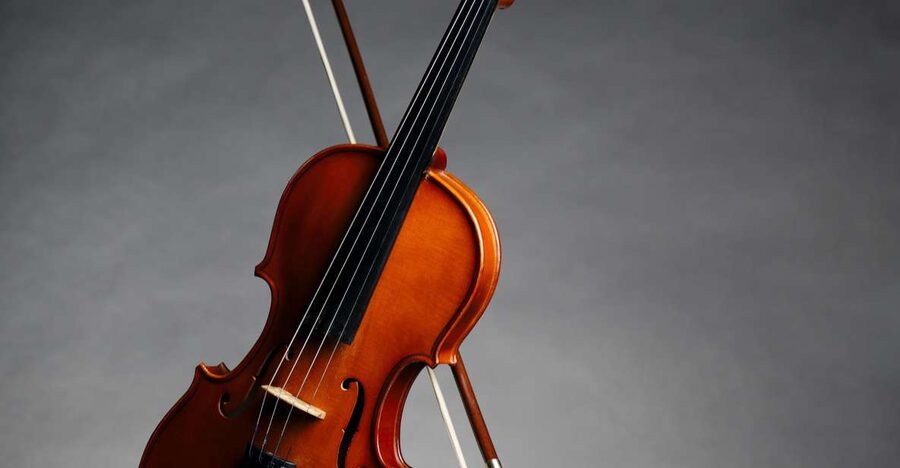
REVIEW · FLORENCE
Afternoon Access to Accademia Gallery: David & Stradivarius
Florence’s Accademia Gallery is best known for one statue, but this tour gives you two very different reasons to enter: Michelangelo’s David and a 1690 Stradivarius violin. The music collection is easy to miss, yet it adds a surprising Florentine twist to a museum visit built around sculpture.
I like the small group of no more than nine and the short, focused route. Guides such as Elisabetta and Leonardo have brought strong energy and personal Florentine insight to the visit. The main consideration is time: the activity is listed as 70 minutes, while its description calls it a 1.5-hour tour, so check the exact schedule when booking.
Key points to know before booking
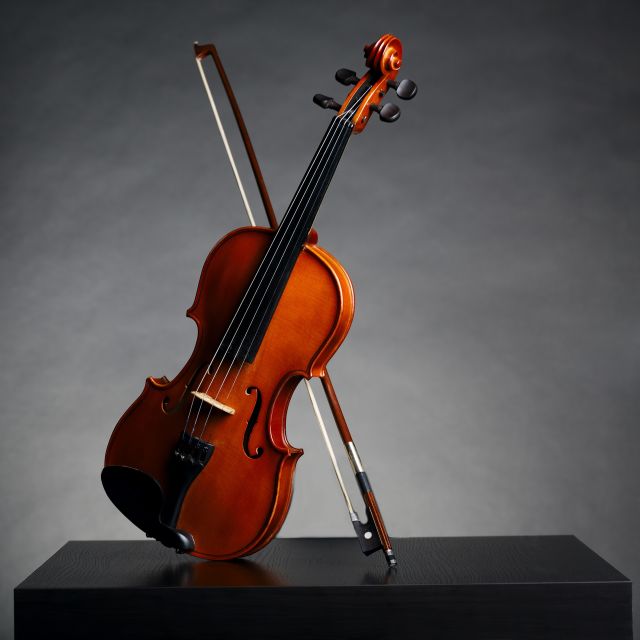
- A 1690 Stradivarius adds something beyond David: You will see an original violin made by Antonio Stradivari for the Great Prince.
- The route includes Florence’s first modern piano: The instrument was invented in Florence and is part of the Conservatorio Luigi Cherubini collection.
- Your group is capped at nine people: This gives the English-speaking guide a better chance to answer questions and keep the visit personal.
- The meeting time is strict: Meet at 3 PM beside the Accademia ticket office, with the tour beginning at 3:15 PM.
- The focus is narrow and efficient: You see the gallery’s main Michelangelo works and music collection without spending hours on every room.
- The first Sunday is different: Museum admission is free then, but advance reservations are not available and entry is not guaranteed.
Why this short Accademia visit works
The Accademia is smaller than Florence’s Uffizi Gallery, and that is part of its appeal. You are not signing up for a long march through hundreds of paintings. Instead, the visit concentrates on a few important works and gives you enough background to understand why they matter.
The tour begins with the museum’s musical instruments. That choice is smart. Many people enter the Accademia with David in mind and leave without realizing that the building also holds instruments tied to Florence’s role in European music and invention.
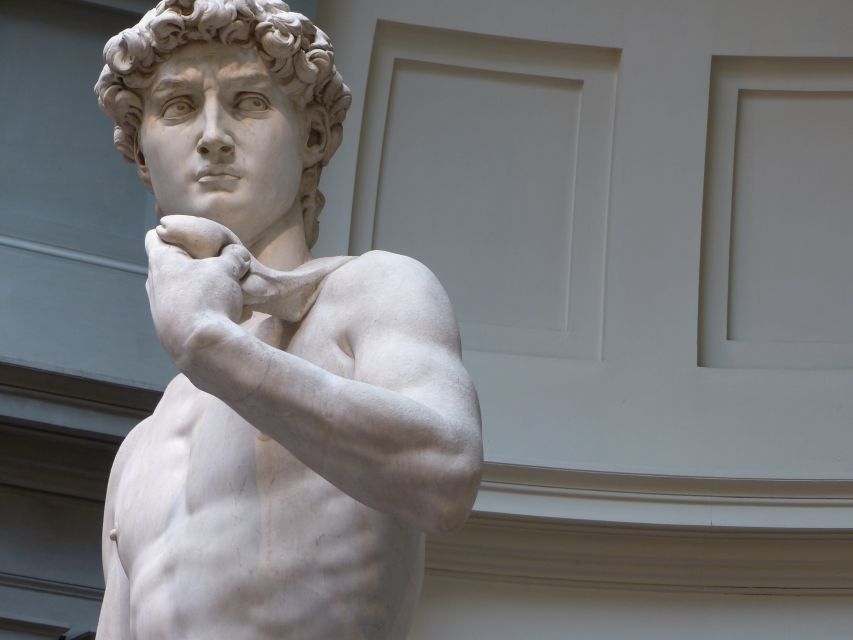
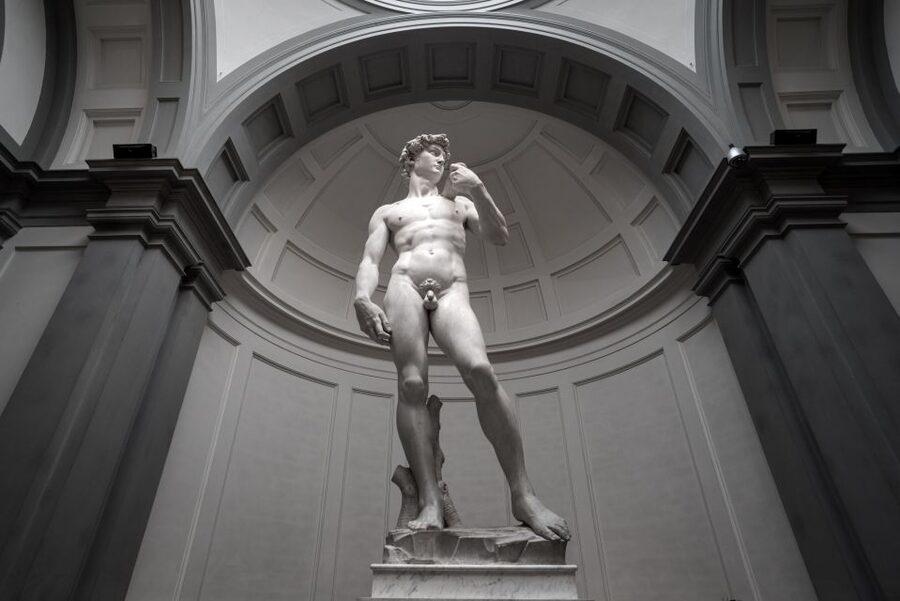
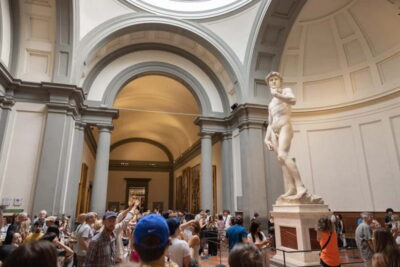
You then move to the sculpture rooms, including a room filled with Michelangelo’s works. The high point is David, the city’s best-known symbol and the reason many people make time for the Accademia in the first place.
I like this balance. You get the famous masterpiece, but you also see an object that would be easy to overlook on your own. The guide’s job is not simply to point at David. It is to explain why the violin, piano, unfinished Michelangelo works, and David belong in the same visit.
More Art Museum Tours in Florence
- Florence: Skip-The-Line Uffizi Gallery Timed Entry Ticket
★ 4.5 · 27,832 reviews - Florence: Uffizi Priority Ticket & Masterpieces Audio App
★ 4.2 · 6,402 reviews - Florence Accademia Gallery Tour with Entrance Ticket Included
★ 4.5 · 6,148 reviews
Meeting your guide at 3 PM
The meeting point is in front of the Accademia’s main entrance, beside the ticket office at building number 47, marked in blue. Your guide will hold a Keys of Italy sign, which is also the name of the tour operator.
You are asked to arrive at 3 PM. The tour starts sharply at 3:15 PM. That 15-minute gap is useful for locating the guide and organizing the group, but it is not a reason to arrive late. With timed museum entry, a delayed arrival can create needless stress.
The Accademia is in central Florence, so plan your walk carefully. The information provided does not include transportation or hotel pickup. You should make your own way to the entrance and allow enough time to find the correct side of the building.
The group limit is nine people. That is a meaningful advantage in a museum where a large crowd can make it hard to hear. A small group also gives you a better chance to ask about details that catch your eye, rather than simply following a guide through a fixed speech.
Starting with the Stradivarius and piano
The first unusual stop is the collection of musical instruments in the Conservatorio Luigi Cherubini section. This part of the museum does not have the instant fame of David, but it gives the tour its character.
Here you see an original Stradivarius violin from 1690. Antonio Stradivari made it for the Great Prince, a detail that connects the object to the courtly world of its time. You are not seeing a modern reproduction or a generic old violin. You are looking at an original instrument made by one of history’s most famous violin makers.
For many people, the value of this stop is the contrast. David is a huge marble figure designed to dominate a room. The Stradivarius is smaller, more delicate, and made for sound rather than display. A guide can help you think about the different kinds of skill behind each object: carving, instrument making, proportion, materials, and the demands of performance.
The collection also includes the first modern piano, invented in Florence. That fact gives the instrument a direct local connection. Florence is often presented through its painters, sculptors, churches, and palaces, so it is refreshing to encounter the city’s role in the development of a major musical instrument.
You should not expect a full concert or a long technical demonstration. The listed experience is a guided museum visit, not a performance. The value comes from seeing these objects and learning why they belong among the Accademia’s important holdings.
Meeting Michelangelo’s unfinished works
After the instruments, the tour turns to the museum’s better-known artistic treasures. You visit a room filled with works by Michelangelo before reaching David.
That sequence matters. David is so famous that it can seem to exist by itself, cut off from the rest of the artist’s work. Seeing other Michelangelo pieces first gives you a chance to notice the artist’s treatment of the human body, the sense of force in the marble, and the difference between a finished figure and a work that still appears to be emerging from stone.
The guide also adds context that is hard to get from a label alone. The experience was developed with help from art-history specialists, and the planned route aims to point out details that casual visits can miss.
You will not have the freedom of an unstructured museum visit. The route is designed around the guide’s explanation, and the short duration means the group cannot pause everywhere. That is a fair trade if you want a clear introduction to the Accademia rather than a broad survey of every object.
More ways to see the David:
- Florence: Accademia Gallery Guided Tour
★ 4.6 · 4,156 reviews - Uffizi & Accademia Timed Entry: Small Group Duomo Walking Tour
★ 4.5 · 3,630 reviews - Florence: Accademia Gallery Skip-the-Line Guided Tour
★ 4.8 · 3,044 reviews - Florence: Art Tour, Accademia Gallery and David
★ 4.5 · 2,407 reviews
Seeing David in the Accademia
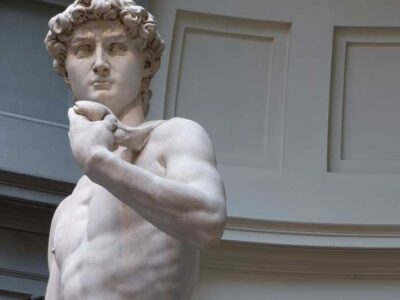
David is the emotional center of the visit. Michelangelo’s statue has become a symbol of Florence, but its fame can also make it hard to see clearly. You may arrive with a familiar image in your head and then discover that the actual sculpture is far more commanding than a photograph suggests.
The guide’s role here is especially useful. Instead of treating David as a single famous object to admire and leave, the tour explains artistic details and shares anecdotes about the work and its place in Florence.
The supplied information does not promise a private viewing or an empty room. This is a public museum visit, so other people will be present. Still, a small guided group and skip-the-line entry help you use your limited time more effectively.
I would give David your full attention during this part of the tour. Look beyond the face and the pose. Notice the scale, the handling of the marble, and the way the figure fills the space. Your guide can direct your eye to details you might otherwise pass without noticing.
What the guide adds to the visit
The guide is central to the value of this experience. You are not simply buying admission. You are paying for an English-speaking, certified professional to select the important rooms, explain the objects, and connect the sculpture and instrument collections.
Past guides have included Elisabetta, who kept the group engaged and brought the history to life, and Leonardo, a native Florentine whose enthusiasm for his city shaped his presentation. Those names do not guarantee who will lead your visit, but they show the kind of guide this tour has used.
The most useful guide style here is energetic but focused. A good explanation can make the Stradivarius feel relevant rather than decorative, and can keep David from becoming a rushed photo stop. The guide can also handle the practical rhythm of the museum, moving a group of up to nine people through the main points without wasting the short visit.
One small-group benefit is often overlooked: you can ask for a picture. Leonardo has taken a group member’s photo when asked, though this should not be treated as a formal service or guaranteed part of every visit.
Is $80 a fair price?
At $80 per person, this is not the cheapest way to enter the Accademia. You are paying for more than the ticket, though. The price includes skip-the-line admission and a professional certified guide, with a small group capped at nine.
The value depends on how you like to visit museums. If you already know the Accademia well, read art-history material in advance, and are comfortable finding David and the instrument rooms yourself, a guided tour may feel unnecessary.
If you have one short afternoon in Florence, the calculation changes. The museum’s main attractions are easy to identify, but the musical instrument collection is less obvious. Paying for a guide can help you see both the famous work and the less expected material without spending time working out the route yourself.
The price also buys structure. You meet at a clear time, enter with skip-the-line access, and follow a compact plan. That can be worth it during a busy Florence visit, especially if you want to keep the rest of your afternoon open.
Still, do not assume skip-the-line means no waiting under every condition. The first Sunday of each month has free entrance, but tickets cannot be reserved in advance and entry is not guaranteed. This tour is a better fit on a regular museum day when you value a reserved, organized visit.
Timing, duration, and the pace of the afternoon
The activity is advertised as a 70-minute experience. The fuller description refers to a 1.5-hour small-group tour. Because those times do not match exactly, check the selected date and starting information before you pay.
Either way, this is a short visit rather than a half-day museum program. That makes it easy to fit into an afternoon, but it also means the guide must keep moving. You will get the major highlights, not an exhaustive examination of every gallery.
The 3 PM meeting time is well suited to a visitor who has spent the morning elsewhere in Florence. It is less suitable if you want a slow, unplanned museum afternoon. The group starts at 3:15 PM sharp, so your schedule should allow for the meeting point, entry, and the guided route.
I see the short format as a strength for first-time visitors. You get a clear introduction without tiring before the rest of your evening. Art lovers who want long periods of quiet looking may prefer a separate return visit.
Who should book this Accademia tour?
I would recommend it most strongly to you if David is high on your Florence list but you also want something less predictable. The Stradivarius and piano give the visit a second layer, and the guide ties the different collections together.
It suits first-time visitors, couples, families, and anyone who prefers a compact museum visit with a clear plan. The nine-person limit is also helpful if you find large guided groups tiring or hard to hear.
It is less suited to you if you want to wander alone, spend a long time with individual works, or cover the Accademia in great depth. The tour is selective by design. Its strength is focus, not breadth.
English is the only language listed. If you need a tour in another language, this is not the right option. The activity also does not list transportation, hotel pickup, meals, or any experience beyond the guided museum admission.
You can cancel up to 24 hours in advance for a full refund, and the reserve-now, pay-later option lets you hold a place without paying immediately. Those terms make it easier to fit the visit into a changing Florence schedule.
My recommendation
Book this tour if you want David plus a carefully chosen surprise. The 1690 Stradivarius and Florence’s first modern piano give you something beyond the standard sculpture visit, while the small group keeps the guide’s explanation personal.
Skip it if you prefer to enter independently and set your own pace. At $80, the guided structure must matter to you for the price to feel worthwhile.
For most first-time visitors with limited time, I think the combination is strong: skip the ticket line, see Michelangelo’s main works, and learn about two important instruments that many people would otherwise miss. Just confirm the exact duration and arrive at the blue building number 47 by 3 PM.
FAQ
Where does the Accademia tour meet?
Meet in front of the main entrance to the Accademia Gallery, beside the ticket office at building number 47, marked in blue.
What time should I arrive?
The meeting time is 3 PM. The tour begins sharply at 3:15 PM.
How do I find the guide?
Your guide will be holding a Keys of Italy sign.
How long does the tour last?
The activity information lists a duration of 70 minutes. The tour description also refers to a 1.5-hour tour, so check the exact timing when booking.
What language is the tour in?
The live guided tour is in English.
How large is the group?
The group is limited to nine participants.
Is admission to the Accademia included?
Yes. The price includes an admission ticket with skip-the-line entrance.
Which musical instruments will I see?
You will see an original Stradivarius violin from 1690 and the first modern piano, which was invented in Florence.
Will I see Michelangelo’s David?
Yes. The tour includes David and a room containing other works by Michelangelo.
Can I cancel for a refund?
You can cancel up to 24 hours in advance for a full refund. You can also reserve now and pay later.
Just added around Florence
- Florence Private Walking Tour Including Uffizi and Accademia★ 3.5 · 4 reviews
- Skip the line: Uffizi small group and walking tour of Florence★ 4.5 · 17 reviews
- Uffizi Gallery Italian guided Tour semi private★ 4.5 · 9 reviews
- Private Tour: Accademia Gallery and City Tour★ 5.0 · 10 reviews
- Private Tour: The Academy Gallery★ 5.0 · 6 reviews
- Uffizi Express Entrance -private tour★ 5.0 · 9 reviews
- Uffizi and Palazzo Vecchio Combo Private Tour★ 5.0 · 3 reviews
- VIP Priority Access: Uffizi Gallery- Guided Experience★ 4.5 · 94 reviews
Art Museum Tours in Florence, compared.
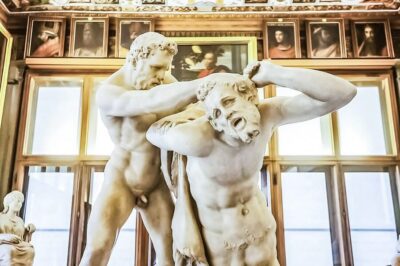
Skip-The-Line Uffizi Gallery Timed Entry Ticket
Read our review →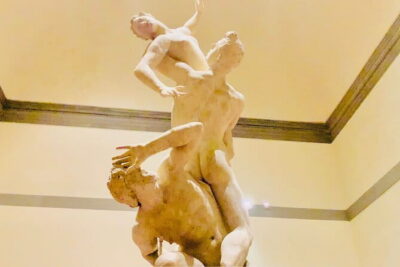
Florence Accademia Gallery Tour with Entrance Ticket Included
Read our review →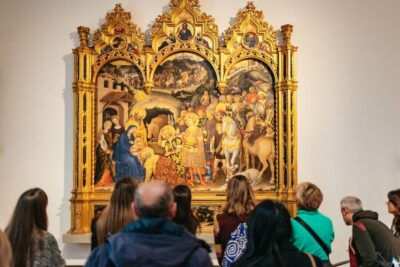
Uffizi Gallery: Renaissance Masterpieces Guided Tour
Read our review →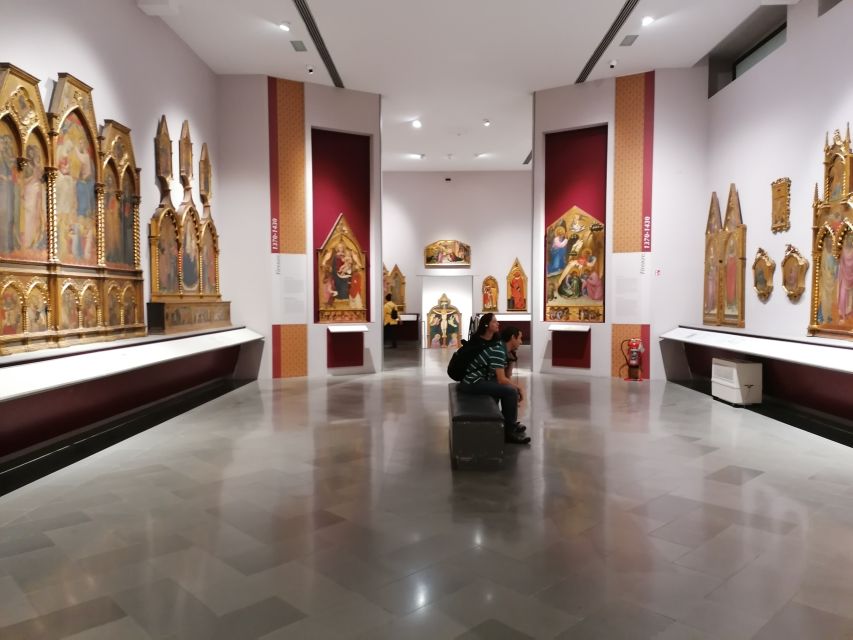
Uffizi Gallery Timed Entry Ticket & Audio Guide
Read our review →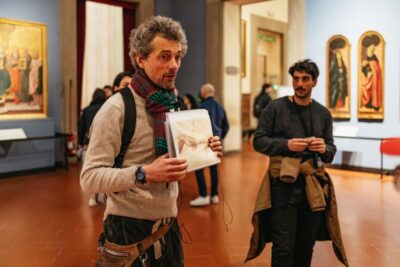
Accademia Gallery Guided Tour with Entry Ticket
Read our review →Browse the lists this tour appears in