
REVIEW · PARIS
Orsay Museum Private or Small-Group Guided Tour
The best reason to book this tour is simple: the Musée d’Orsay can feel like a beautiful maze, and a strong guide gives its paintings a clear story. In about 90 minutes, you move from changing artistic rules to the bold experiments of Van Gogh, Monet, Renoir, Degas, and their peers.
I like the chance to get a focused introduction instead of wandering past famous paintings without knowing why they matter. I also like the private option, plus the possibility of having a very small group, which can make it easier to ask questions and keep your own pace.
The catch is important: your €102.12 tour price does not include the museum’s €16 adult admission. You must arrange that separately, and unclear ticket instructions have caused real frustration. The tour itself has also received a few complaints about late or missing guides, so careful planning matters.
Key points to know before booking
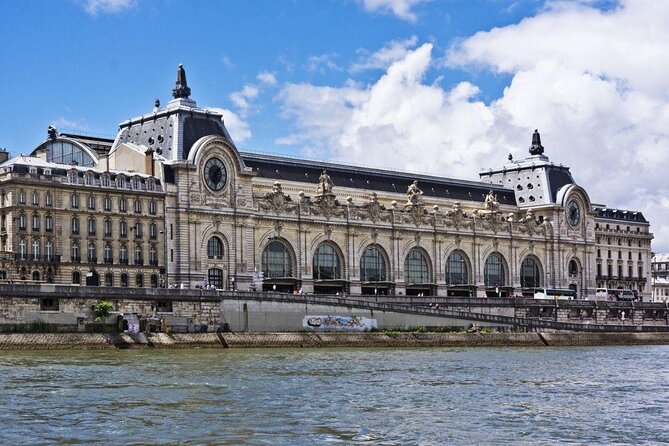
- Expect about 90 minutes inside the Musée d’Orsay, focused on major paintings and sculpture rather than every gallery.
- Guides such as Gonzalo and Afsaneh receive especially strong praise for explaining artistic ideas in an engaging way.
- Museum admission costs an extra €16 per adult, and you need to buy it separately.
- A private guide can make the visit feel personal, while a small group keeps questions and conversation manageable.
- Do not assume the tour guarantees a front-of-line entry, especially when security lines are active.
- Arrive 15 minutes early at the Musée d’Orsay and provide each participant’s date of birth when requested.
Why a guide helps at the Musée d’Orsay
The Musée d’Orsay is famous for Impressionism, but it is not only an Impressionist museum. Its collection covers the artistic changes of the 19th century, and that change is easier to understand when someone connects the dots for you.
A good guide can show how painters moved away from strict academic rules, how artists influenced one another, and why new approaches to color, light, and brushwork mattered. Instead of seeing a Monet or Renoir as simply a pretty painting, you begin to notice the choices behind it.
That kind of explanation is the main value here. You are not just paying for someone to point out famous names. You are paying for a route through the museum and a way to look at the art with more purpose.
The strongest experiences appear to come from guides who treat the museum as a conversation rather than a checklist. Gonzalo is praised for explaining how artistic styles changed over time and how painters challenged established rules. Afsaneh, also identified as Afsi in one account, is described as an art history professor whose explanations include the setting in which works were made and different ways to view them.
One guide was also an artist and explained how color can create particular effects. That is the sort of practical observation that can stay with you after the tour ends.
More Art Museum Tours in Paris
- Paris: Louvre Museum Timed-Entrance Ticket
★ 4.6 · 71,977 reviews - Paris: Orsay Museum Entry Ticket
★ 4.7 · 25,647 reviews - Paris: Louvre Guided Tour with Reserved Access & Boat Cruise
★ 4.3 · 16,353 reviews
Following the art from academic rules to Impressionism
The visit centers on the Musée d’Orsay rather than several Paris sights. That is good news if you want concentrated art time, but it also means the quality of the experience depends heavily on how the guide selects and links the works.
The tour is designed to show artistic change. You might begin with the older traditions that shaped French painting, then move toward the freer brushwork and unusual viewpoints associated with Impressionism. From there, the discussion can lead into later artists, including Van Gogh and others who pushed painting in new directions.
The famous names are a major draw. You can expect attention to works by Van Gogh, Monet, Renoir, and Degas, along with other major artists. The exact route and selection may vary, so do not treat this as a guaranteed list of every famous masterpiece in the building.
I like this style of museum visit because it gives you a framework. Once you understand the change in style, you can return to the galleries on your own and look at more paintings with a better sense of what you are seeing. One excellent use of the tour is to treat it as an introduction, then remain in the museum afterward if your ticket and opening hours allow.
The 90-minute format is also a mixed blessing. It is long enough for a solid overview, especially during a short Paris visit, but not long enough to cover the entire museum carefully. One account describes the tour ending after an hour and a half even though a longer visit had been expected. For that reason, consider the advertised duration approximate rather than a promise of a full two-hour session.
What the 90-minute itinerary feels like
The only listed stop is the Musée d’Orsay, and the tour begins and ends at the museum. There is no hotel pickup or drop-off, so you need to make your own way to the meeting point at 75007 Paris.
That simple arrangement keeps the focus where it belongs. You are not losing time in a van or crossing the city between sights. Still, the meeting point requires care because a large museum entrance can be confusing, especially at a crowded hour.
Plan to arrive at least 15 minutes before your selected departure time. That buffer gives you time to find the guide, deal with entry arrangements, and avoid turning a museum visit into a sprint.
Once inside, expect a guided route through selected rooms and works. The guide should explain the paintings and sculptures in context, point out details you might miss, and answer questions as you go. The best accounts describe guides who walk at a sensible pace and keep the group moving without racing past the art.
Families can benefit from this approach. Afsaneh is praised for holding the attention of teenagers and younger children, while Gonzalo is praised for making the visit work for children aged 7 and 14. The experience is not described as a children’s tour, but a strong guide can make the material approachable for mixed-age groups.
Private or small group: which option makes sense?
The activity is presented as a private tour, with only your group participating, and it also references private or small-group arrangements. In practice, the group size can affect the value considerably.
A private guide is most useful when your party has a clear interest. You can ask about Impressionism, sculpture, color, a particular artist, or how to keep children engaged. You are also less likely to lose time waiting for strangers or adjusting to a broad range of interests.
Small groups can offer much of the same benefit at a lower cost per person. One especially fortunate booking turned into a tour for only one party because no other people had booked the same time. That is the kind of arrangement that gives you room to ask questions and makes the 90 minutes feel more personal.
The private format does not guarantee a better guide, however. The strongest praise is directed at particular individuals, especially Gonzalo and Afsaneh, rather than at every possible guide. A private tour with a weak guide can still feel expensive, so the human factor is central.
The listed service is in English and includes a bilingual private guide. If language needs are important to your group, confirm the available language arrangement before booking, since the supplied information specifically identifies English as the offered language.
More Orsay tours and tickets:
- Paris: Orsay Museum Entry Ticket and Digital Audio Guide App
★ 4.4 · 3,170 reviews - Paris in a Day: Louvre or Orsay, Eiffel Tower, City Walk & Cruise
★ 5.0 · 1,956 reviews - Paris: Musée d’Orsay Skip-the-Line Tour with Expert Guide
★ 4.5 · 1,145 reviews - Musée d’Orsay Skip-the-Line Tour with Expert Guide
★ 4.8 · 1,088 reviews
The separate museum ticket is the biggest practical warning
The tour price is $102.12 per person, but museum entry is not included. Adults pay an additional €16 each, so the true cost is the tour price plus the admission fee and any gratuity you choose to provide.
That changes the value calculation. For a solo visitor, couple, or small family, the total can feel high for a 90-minute visit. For a group that wants efficient guidance and a private experience, the price may make more sense, particularly if the guide saves you from wandering through a large collection without direction.
The ticket arrangement needs special attention. You are expected to buy the museum entry directly through the museum website. Several booking problems arose because people did not realize this until the day before, or thought admission had been included.
My advice is plain: buy the museum ticket as soon as your tour time is confirmed, and check that the entry time works with the guided meeting time. Do not wait for a last-minute reminder. Keep both the tour confirmation and museum admission details easy to reach on your phone.
There is also a warning about communication. One person received a voucher only on the day of the activity and learned then that a separate ticket was required. Another booking involved contradictory advice before the operator eventually helped arrange admission and a different tour time.
This does not mean every booking will go wrong, but it does mean you should read the inclusions carefully and take responsibility for the museum ticket. The tour price alone does not get you through the museum door.
Timing, queues, and the risk of a rushed visit
The experience is sometimes described as offering priority or front-of-the-line access, but you should not count on walking straight inside. Museum security still applies, and one serious complaint involved a group that was not placed in a priority line while another line moved ahead.
A late start can damage a short tour. One scheduled 4 p.m. visit reportedly began around 4:30 p.m., leaving less time before the museum closed. Another guide was late but attempted to make contact through WhatsApp, which the group did not see in time.
If the operator uses WhatsApp to contact you, make sure the number connected to your booking can receive messages and check it before leaving for the museum. Also allow extra time for security and entry, particularly around a busy period.
Late-day tours deserve extra caution. The museum closes at a set time, and a tour that starts late may feel rushed. One account describes the guide leaving before closing, while the party remained inside briefly on its own. You should confirm the museum’s closing schedule for your date and avoid booking a late slot if seeing the collection at a relaxed pace matters most.
There are also two serious no-show complaints. In those cases, the museum itself was accessible, but the paid guide did not appear and communication was poor. These reports are not the experience most people describe, but they are important because a guided tour has little value if the guide fails to arrive.
The guides who earn the strongest praise
Gonzalo is repeatedly singled out for clear explanations, enthusiasm, and a natural flow through the museum. He is also praised for contacting people before the tour, giving directions, arriving on time, and helping families with children.
His approach seems especially suitable if you want the art explained as a connected story rather than as isolated facts. He has also been praised for looking after a wheelchair user, which suggests a thoughtful approach to group needs.
Afsaneh, also called Afsi in one account, receives similarly strong praise. Her background in art history is presented as a major advantage, particularly when discussing the context of individual works and different ways of interpreting them.
She appears to suit people who want more than quick descriptions. If you enjoy asking why a painting looks the way it does, or how a work fits into a larger change in art, that kind of guide can make the visit far more useful.
Other guides, including Ichun and Asif, are also praised for clear explanations and a comfortable pace. One guide was appreciated for answering questions, while another was described as an artist who explained color and visual effects in practical terms.
The lesson is not that you can guarantee one particular guide. It is that guide quality drives the experience. When booking or confirming, it is reasonable to ask who will lead your visit and how the meeting arrangements will be handled.
Accessibility and family considerations
Most people can take part, and service animals are allowed. The museum is near public transportation, making it practical to reach without hotel transfers.
Wheelchair access is especially worth discussing in advance. A guide received praise for helping a wheelchair user, but the supplied details do not specify the exact route, entrance arrangement, or facilities. If someone in your group uses a wheelchair, contact the operator before the tour and confirm the meeting point and access plan.
The tour can work well for families because the guide provides structure and keeps the pace moving. Children are more likely to stay involved when the guide explains stories, choices, and artistic changes instead of listing dates and names.
Still, 90 minutes is a concentrated session. Very young children may tire, and the museum can feel crowded. A private format gives you more control, but it does not turn the visit into a children’s activity.
Who gets the best value from this tour?
I would consider this experience for a first-time visitor who wants a useful introduction to the Musée d’Orsay without spending half a day planning a route. It also suits people who already like art but want help seeing familiar paintings in a new way.
Families with limited time may find the guided format worthwhile. The examples involving children suggest that a lively guide can keep different ages involved, while the private option allows your group to ask questions without holding up strangers.
It is less appealing if you prefer to wander alone, read labels at your own pace, or spend several hours with a single artist. In that case, the €102.12 guide fee plus €16 admission may be better spent on extra museum time rather than a short guided visit.
I would also hesitate if your main reason for booking is guaranteed skip-the-line entry. The entry process can still involve security and confusion, and the experiences described here do not support treating priority access as certain.
Free cancellation is available if you cancel at least 24 hours before the local start time. Changes or cancellations made later are not accepted for a refund, and the activity may be canceled if its minimum number of participants is not reached.
Should you book the Orsay guided tour?
Book it if you want a focused art lesson, a private setting, and a clear route through the museum. The strongest guides, especially Gonzalo and Afsaneh, appear to turn a short visit into something thoughtful and memorable. Their explanations can help you return to the galleries afterward with sharper eyes.
Before paying, add the separate €16 adult admission to your budget, purchase the museum ticket directly, and confirm the meeting details. Arrive early, check your messages, and do not assume that the tour guarantees a fast entry.
I would recommend it most for families, first-time Orsay visitors, and anyone who feels lost in large museums. I would skip it if you want a long, leisurely visit or if the total cost feels too high for 90 minutes. The tour can be excellent, but its value depends on three things: the guide you receive, the ticket arrangements, and a prompt start.
FAQ
How long does the Musée d’Orsay guided tour last?
The tour lasts approximately 1 hour and 30 minutes.
Is museum admission included in the tour price?
No. Museum entry costs an additional €16 per adult and must be purchased separately.
Where does the tour begin and end?
The tour begins at the Musée d’Orsay in Paris and ends back at the meeting point.
Is this a private tour?
The activity is described as a private tour where only your group participates. Small-group arrangements may also be offered depending on the booking.
What language is the tour offered in?
The experience is offered in English and includes a bilingual private guide.
How early should I arrive?
You should arrive 15 minutes before your selected departure time.
Is transportation provided from my hotel?
No. Hotel pickup and drop-off are not included.
Can I cancel for a full refund?
Yes, if you cancel at least 24 hours before the experience start time. Cancellations made less than 24 hours in advance are not refunded.
Just added around Paris
- Paris Day Tour with Eiffel Tower, Louvre and Cruise Max 6 People★ 4.5 · 29 reviews
- d’Orsay Museum Paris entry ticket★ 3.5 · 31 reviews
- visiting the masterpieces of impressionists at Orsay museum★ 5.0 · 7 reviews
- PRIVATE Louvre Wonders & Hidden Treasures Visit★ 5.0 · 65 reviews
- Louvre Museum with private guide★ 5.0 · 3 reviews
- Louvre Wheelchair-Accessible Private Tour – Stress-Free & Easy★ 5.0 · 16 reviews
- LOUVRE, Small Group Guided Tour in French (TOP SALES)★ 4.5 · 9 reviews
- Musée d’Orsay Highlights Tour with Gourmet Lunch★ 4.5 · 11 reviews
Art Museum Tours in Paris, compared.
Louvre Guided Tour with Reserved Access & Boat Cruise
Read our review →
Louvre Overview, Exploration tour and Reserved Entry
Read our review →
Louvre Museum Entry Ticket With Host and River Cruise
Read our review →
Mona Lisa & Louvre Masterpieces Tour with Reserved Access
Read our review →
Louvre Museum – Exclusive Guided Tour (Entry Included)
Read our review →
Louvre Museum Hosted Entry and Mona Lisa Audioguide
Read our review →Browse the lists this tour appears in