
REVIEW · HISTORICAL
Doha: Combo Heritage & Art Tour of North and West Qatar
Northern Qatar gives you a very different view of the country. This seven-hour tour links old coastal settlements, a UNESCO-listed fort, and two major art installations scattered across wide-open desert. You move from pearl-trade history to modern sculpture without spending your day inside Doha.
I especially like the contrast between Al Jumail Village and Al Zubarah Fort, where Qatar’s past feels tangible, and the unusual pairing of Olafur Eliasson’s work with Richard Serra’s towering steel forms. Guides including Junaid and Javid are praised for storytelling, local context, and photography help. The main drawback is the amount of driving between stops, with short visits at several places and no meal included.
Key points at a glance
- Olafur Eliasson in the desert: See modern art designed to make you notice the desert, sky, and changing light around it.
- Al Jumail’s abandoned homes: Walk through a former pearl-trading village and picture the coastal life that once filled it.
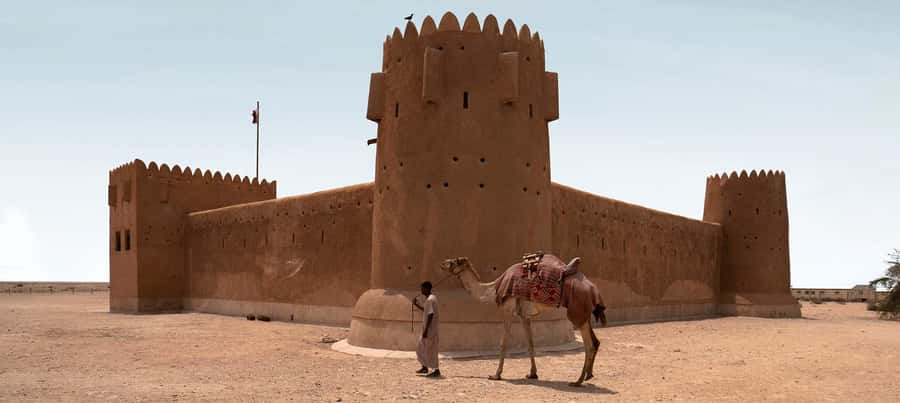
- Al Zubarah Fort in 40 minutes: Visit one of Qatar’s key historic sites and learn about trade, settlement, and defense.
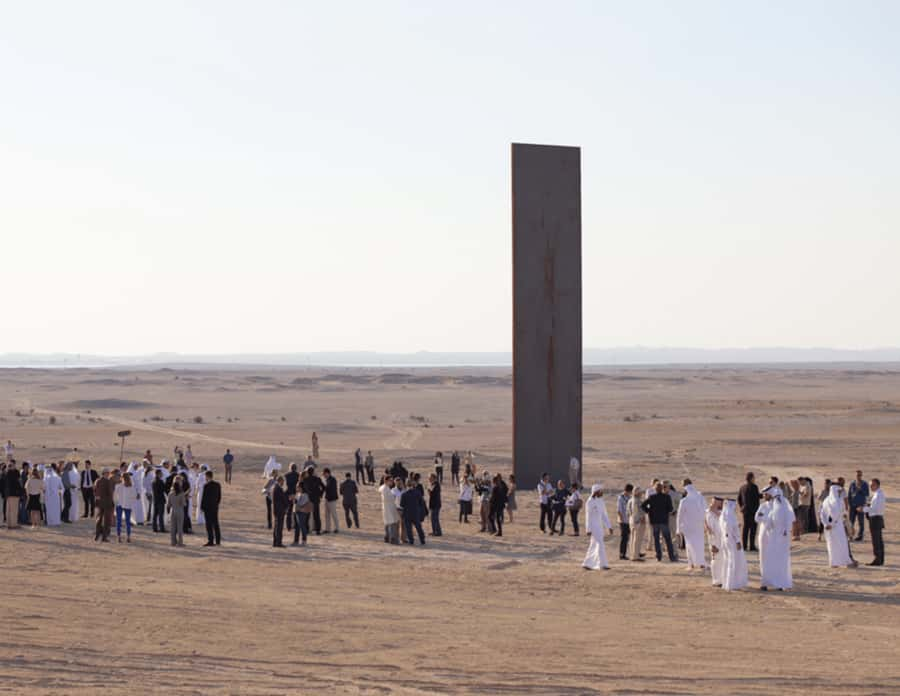
- Richard Serra’s East-West/West-East: Encounter huge steel plates set across the Zekreet desert, one of Qatar’s most memorable art settings.
- A guide-led day from Doha: Air-conditioned transport, pickup and drop-off, drinks, and an English-speaking guide keep the remote route simple.
- Private group option: A private booking may suit you if you want more control over photo stops and conversation.
Why this northern Qatar route is worth your time
Many Doha excursions focus on museums, markets, and the modern skyline. This trip takes you far beyond the city, where Qatar’s story is easier to read in abandoned stone walls, coastal views, archaeological remains, and enormous stretches of sand and rock.
I like that the route does not force you to choose between culture and art. You get both. The historic stops explain how people lived and worked along Qatar’s northern coast, while the art sites show how contemporary artists respond to the same stark setting.
The tour lasts seven hours, including pickup, road time, and visits. That makes it a practical choice for a free day in Doha, especially if you want one organized outing rather than trying to piece together several remote sites on your own. The route is spread out, so the vehicle is not simply a way to get from one attraction to the next. It is essential to the experience.
The tradeoff is pace. Al Ruwais, Al Jumail Village, the Olafur Eliasson installation, Zubarah Fort, Zekreet, and Richard Serra’s work each receive a short visit. You will see a lot, but this is not a slow archaeological study tour. If you like variety and strong visual contrasts, the schedule works well. If you want long walks or detailed time at every site, it may feel compressed.
More combined museum tickets in the world:
- Combo Ticket: Van Gogh Museum Ticket and 1-Hour Canal Cruise
★ 4.0 · 676 reviews - Paris: Orsay Museum and Rodin Museum Combo Entry Ticket
★ 4.4 · 470 reviews - Florence: Guided Accademia with Art Expert & Combo Options
★ 4.6 · 99 reviews
Al Ruwais and the northern coast
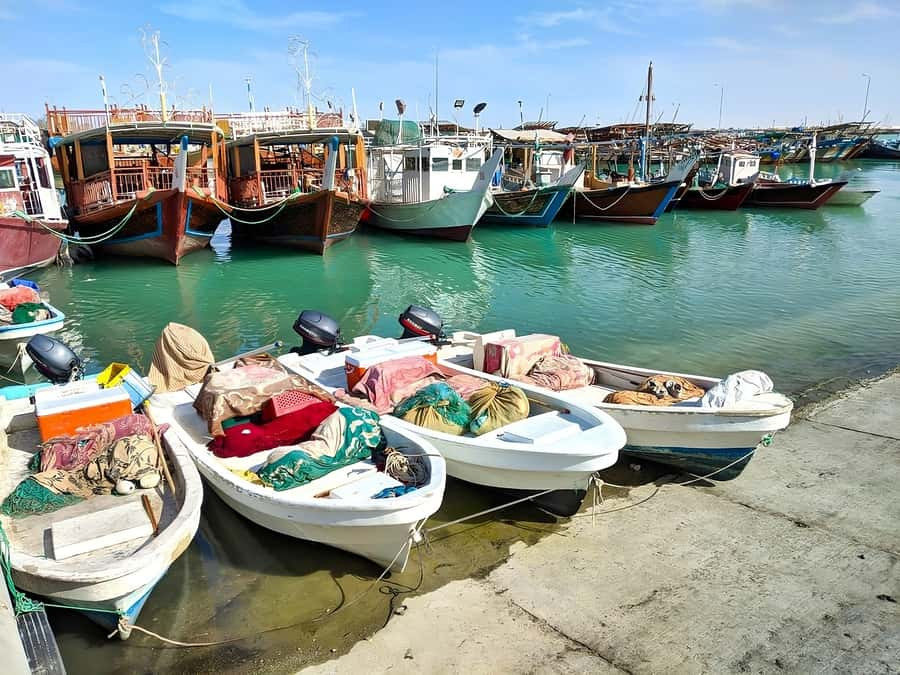
The first main stop is Al Ruwais, a coastal town with traditional fishing connections and broad sea views. You have about 30 minutes here, enough to get a feel for the shoreline and hear how coastal work shaped local life.
This is a useful opening because it puts the rest of the day in context. Northern Qatar was not only a desert region. Its settlements were tied to the sea, fishing, trade, and pearl work. The coast also gives you a visual reset after leaving Doha’s built-up center.
Do not expect a long town walk or a full museum visit. The stop is brief, so think of Al Ruwais as an introduction to the northern coast rather than a stand-alone destination. Bring your camera, since the open water and traditional character offer a quieter counterpoint to the city.
Al Jumail Village and the remains of coastal life
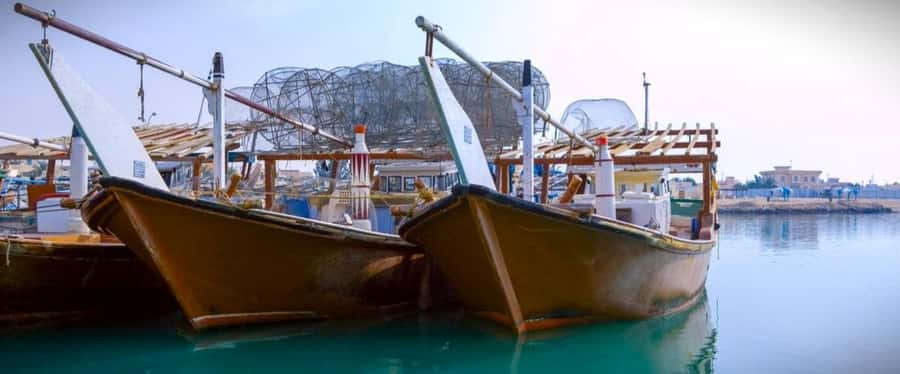
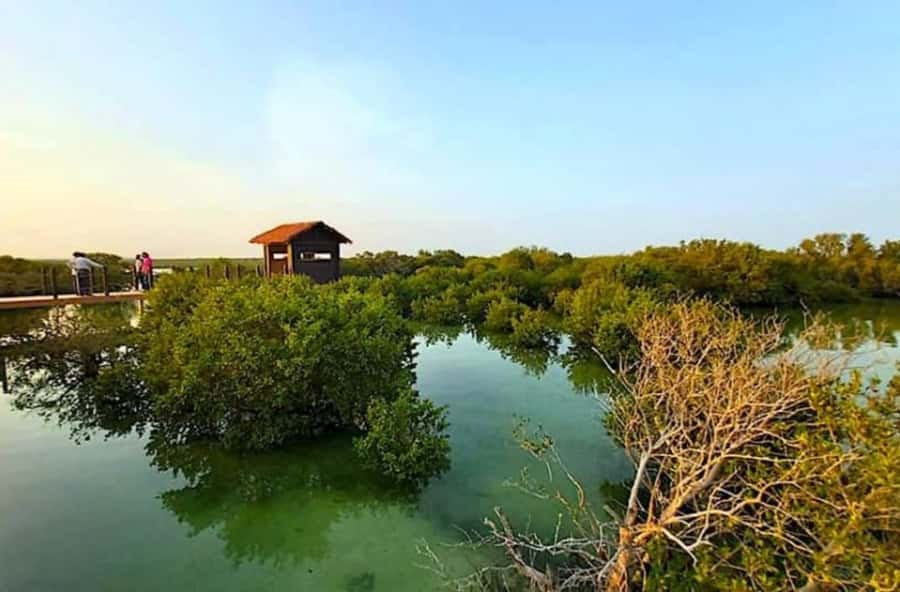
At abandoned Al Jumail Village, you spend around 30 minutes among the remains of a former pearl-trading settlement. The old structures make the history feel more direct than a display behind glass. You can look at the layout of the village and consider how many people once depended on the sea and nearby trade.
This is one of the most atmospheric parts of the route. The buildings are no longer a working community, so the quiet matters. You can imagine families, workers, and boats without the distractions of a modern town around you.
The stop is also a good test of what you want from the day. If you enjoy old settlements, photography, and places that invite you to picture their former life, you will probably find Al Jumail rewarding. If you prefer polished monuments with extensive interpretation, you may wish the visit were longer or had more on-site material.
Wear comfortable shoes and expect outdoor conditions. The tour includes water, tea, and soft drinks, but you should still dress for sun and bring your passport or ID card. A copy is accepted according to the tour information.
Olafur Eliasson’s desert installation
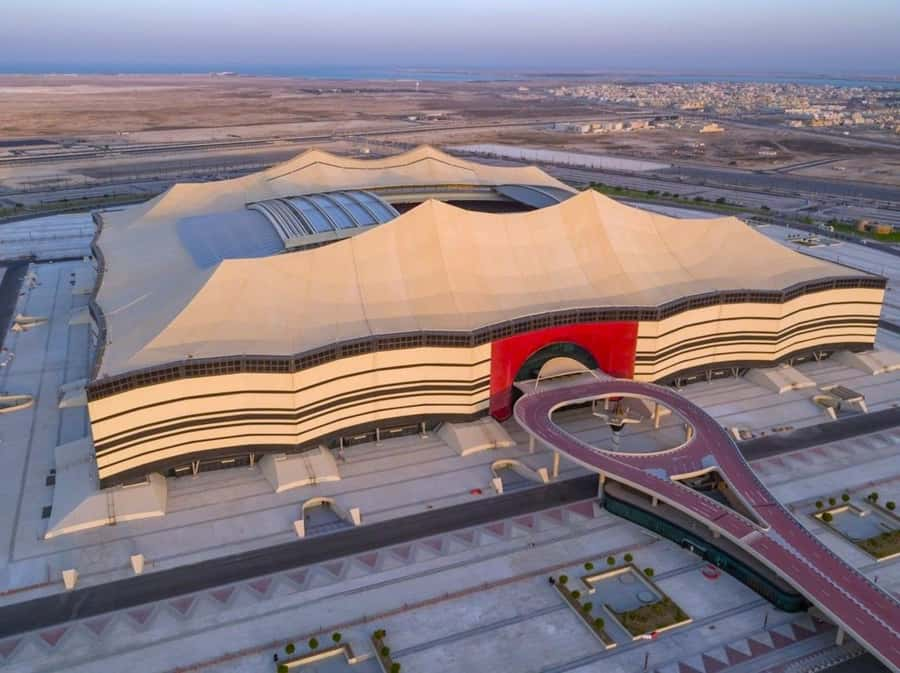
The unnamed 30-minute art stop is Olafur Eliasson’s desert installation. Here, the point is not simply to look at an object. The work asks you to notice how art changes your sense of the surrounding desert, sky, and distance.
That makes this a clever middle point in the tour. You have just seen a historic village shaped by practical coastal life. Now you are asked to look at the desert in a more reflective way. The contrast is part of the appeal.
You should not approach this stop expecting a conventional gallery. The art is outdoors, and the setting is inseparable from the work. Light, shadow, rock, and the open horizon all affect how it feels during your visit. Your guide can add useful context, while you also get time to look and take photographs.
The visit lasts about 30 minutes, so it is more of an introduction than a full art study. Still, the short stop suits the work’s scale and setting. It gives you a clear taste of Qatar’s modern art program without turning the day into an art lecture.
A few more gallery visits around the world worth comparing
- Venice: St. Mark Basilica Ticket, Audioguide+History Gallery
★ 3.9 · 4,780 reviews - Paris: Louvre Museum Entry with History of Mona Lisa
★ 3.9 · 2,823 reviews - Venice’s Best: Basilica, Doge’s Palace, Gondola & History Gallery
★ 4.5 · 2,478 reviews - Venice: Bell Tower & St Mark’s Square History Gallery Ticket
★ 4.3 · 910 reviews
Al Zubarah Fort and Qatar’s trading past
Al Zubarah Fort receives the longest historic-site visit, about 40 minutes. The fort is a UNESCO-listed site and one of the most important stops for understanding northern Qatar’s trade and settlement patterns.
The fort’s appeal is not only its appearance. It represents a period when coastal communities, commerce, and protection were closely linked. Your guide can help connect the walls and rooms to the wider story of the region, rather than leaving you to see the fort as an isolated old building.
Forty minutes is enough for a useful visit, especially with an English-speaking guide. You can look around, take photographs, and hear the main historical points without losing the rest of the route. It is not enough for a highly detailed archaeological examination, so keep your expectations realistic.
I would place Al Zubarah near the center of the day for a reason. By this point, the route has introduced the coast and old village life. The fort then gives those themes more political and commercial weight. It is the clearest historical anchor in the schedule.
Zekreet and the road into the western desert
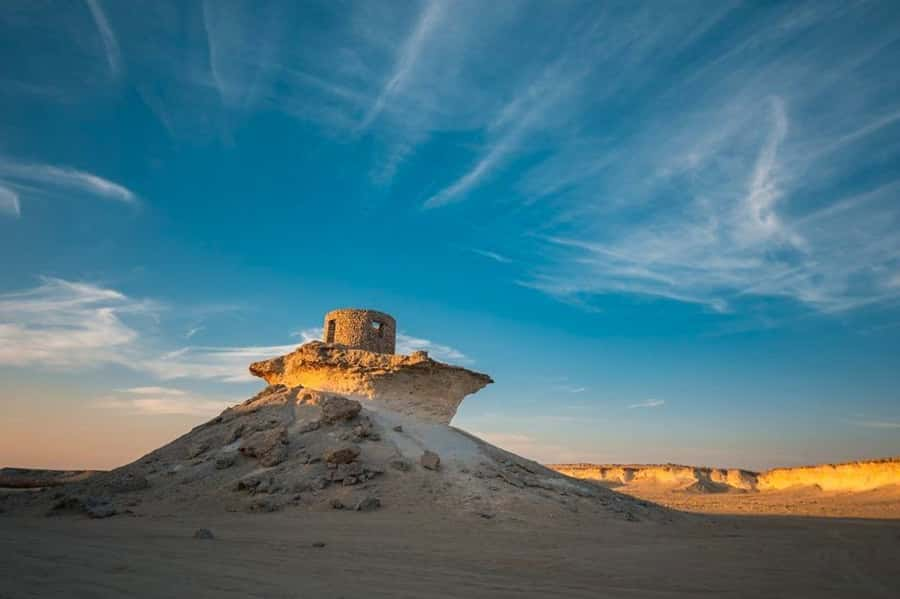
After Zubarah, the route turns toward Zekreet for about 30 minutes. This stop helps shift the mood from built heritage to Qatar’s unusual desert scenery and rock formations.
The western side of Qatar has a different character from the northern coast. Instead of focusing on water and settlement, you begin to see how rock, open ground, and distance shape the experience. Your guide may point out geological features and explain their place in the local setting, as the route’s guiding style includes attention to natural formations and the environment.
Zekreet is also the lead-in to Richard Serra’s major work. That matters because the sculpture does not sit in a neutral gallery. The route through the desert prepares you to see how the art responds to scale and isolation.
Again, the timing is short. You may wish for more time if you are keen on geology or photography. Still, as part of a full-day loop, this stop keeps the day moving and prevents one type of attraction from taking over.
Richard Serra’s East-West/West-East
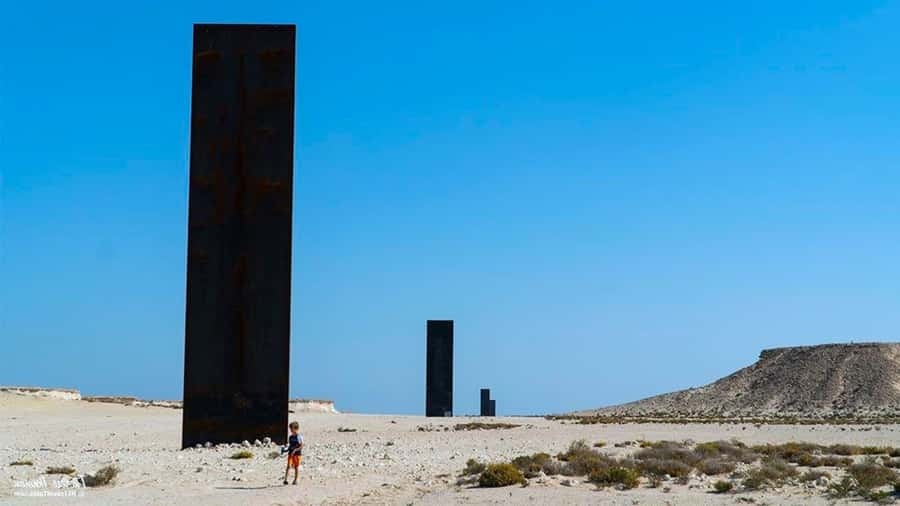
Richard Serra’s East-West/West-East is the visual high point for many people on this route. Four enormous steel plates extend across the desert, creating a powerful line through the open setting. You spend about 40 minutes here.
The work is impressive because it changes your sense of distance. The sculptures are simple in form, but their size and placement make you pay attention to the space between them. You may walk around, photograph the relationship between the steel and the desert, and notice how small people appear beside the structures.
This is not a quick roadside photo stop. It needs a little time to register. The 40-minute visit gives you room to see the work from different angles, although the heat can affect how long you want to remain outdoors.
I like that the tour places Serra’s work after the historical sites. You first see how people used the region for trade, settlement, and defense. Then you encounter an artwork that makes the empty setting itself the subject. The result is a strong final chapter to the route.
What the guide adds to the day
A good guide matters on this tour because several stops do not explain themselves in great detail. At Al Jumail, the guide can help you picture the former settlement. At Zubarah, the right context makes the fort more meaningful. At the art sites, explanation can help you notice the relationship between the work and its surroundings.
The strongest praise in the supplied feedback goes to Junaid, who is described as warm, engaging, and especially effective at connecting history, culture, nature, and local customs. Javid is also praised for organizing the route and helping with photography. Those names are useful when you book, but the assigned guide may vary.
The guiding style appears to be personal rather than purely scripted. That suits this route because you will likely have questions about local life, the coast, the artworks, and the changing scenery. If photography matters to you, mention it early. The day includes several strong photo settings, from the coast to abandoned homes and Serra’s steel forms.
A private group is available. I would consider that option for families, couples, or small groups who want a more relaxed pace. A private vehicle may also make it easier to ask for a little extra time at a favorite stop, though the advertised schedule still covers a lot of ground.
Transport, timing, and what is included
Pickup and drop-off from Doha are included in an air-conditioned vehicle. That is a real advantage here. Northern and western Qatar are spread out, and arranging this route independently would require more planning than simply visiting a central Doha attraction.
The guide contacts you by phone or WhatsApp on the day of the tour to arrange pickup. Keep your phone available that morning and make sure the guide can reach you.
Water, tea, and soft drinks are included. Meals are not included unless you select a meal add-on, so plan for that. Since the trip lasts seven hours and includes several remote stops, do not assume you can buy lunch exactly when you want it.
Bring:
- A passport or ID card, with a copy accepted
- Comfortable walking shoes
- Sun protection and clothing suited to outdoor visits
- A phone or camera for the coast, village, fort, and sculptures
The tour is offered in English with a live guide. Free cancellation is available up to 24 hours before departure, and you can reserve now and pay later. Those terms are helpful if your Doha plans may shift.
Who should book this tour
I would choose this experience if you want a broad look at Qatar beyond Doha and enjoy moving between different kinds of places. It suits art lovers, history enthusiasts, photographers, and curious first-time visitors who want a full day with a clear route.
It is also a good fit during a longer Doha stay. You get coastal scenery, abandoned architecture, a major fort, and two internationally recognized art installations in one outing.
Families may enjoy the variety, though young children could find the road time and short outdoor stops tiring. People with limited heat tolerance should take the desert portions seriously. Much of the appeal comes from being outside, and shade may not be available at every stop.
I would hesitate if your main goal is a relaxed beach day, a long museum visit, or a single site explored in detail. This is a wide-ranging tour, not a slow one. Its value comes from the number of meaningful stops and the convenience of reaching them with a guide and vehicle.
Should you book the North and West Qatar tour?
Book it if you want Qatar’s old coast, historic settlements, and modern desert art in one organized day. I especially recommend it for anyone who has already seen Doha’s central sights and wants a stronger sense of the country beyond the capital.
The included transport, guide, drinks, and site access make the experience easier to judge as a complete outing rather than a simple transfer service. Since no price is provided here, compare the booking cost with the time and effort of arranging a private vehicle, route planning, and site visits yourself.
Choose a private group if personal pacing matters. Otherwise, accept that the day moves briskly. With the right expectations, this is one of the more distinctive ways to connect Qatar’s coastal past with its bold contemporary art.
FAQ
How long does the tour last?
The experience lasts seven hours, including pickup from Doha, the visits, travel between locations, and the return to Doha.
Is pickup from Doha included?
Yes. Pickup and drop-off from Doha are included in an air-conditioned vehicle. The guide contacts you by phone or WhatsApp on the day of the tour to arrange pickup.
Which language is the tour conducted in?
The tour includes a live English-speaking guide.
What sites are visited?
The route includes Al Ruwais, abandoned Al Jumail Village, Olafur Eliasson’s desert art installation, Al Zubarah Fort, Zekreet, and Richard Serra’s East-West/West-East sculpture.
Are meals included?
Meals are not included unless you select a meal add-on. Water, tea, and soft drinks are included.
What should I bring?
Bring your passport or ID card. A copy is accepted. Comfortable outdoor clothing and sun protection are also practical for the coastal, village, fort, and desert stops.
Just added around the world
- Colosseum,Vatican Museum & Sistine Chapel in One Day Guided Tour★ 3.5 · 9 reviews
- Vatican Museums and Sistine Chapel last entry Guided Tour★ 5.0 · 3 reviews
- Private Tour Of Rome Highlights And Vatican Museums Skip-The-Line all included★ 5.0 · 4 reviews
- Borghese Gallery Admission Ticket with Audioguide★ 4.0 · 64 reviews
- Caravaggio Art Walking Tour of Rome with Pantheon Visit★ 4.5 · 35 reviews
- Borghese Gallery Skip the Line Guided Tour★ 4.5 · 23 reviews
- Borghese Gallery Ticket with Audioguide★ 3.5 · 51 reviews
- Borghese Gallery VIP Tour – Skip the Line Tickets★ 5.0 · 2 reviews
Historical Tours, compared.
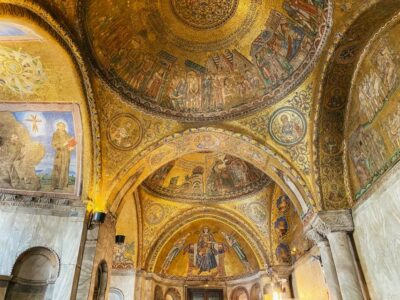
St. Mark Basilica Ticket, Audioguide+History Gallery
Read our review →
Louvre Museum Entry with History of Mona Lisa
Read our review →
Venice’s Best: Basilica, Doge’s Palace, Gondola & History Gallery
Read our review →
Bell Tower & St Mark’s Square History Gallery Ticket
Read our review →
Madrid in a Day Tour:Royal Palace, Historic Center & Prado Museum
Read our review →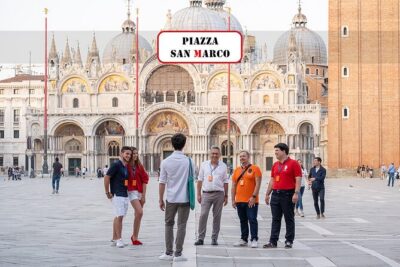
Basilica, Doge’s Palace, History Gallery & Bell Tower Option
Read our review →
Belfast: Best of Belfast History, Culture & Art Walking Tour
Read our review →Browse the lists this tour appears in