
REVIEW · LONDON
London Tate Modern Museum – Guided Tour 8 guests 2,5h
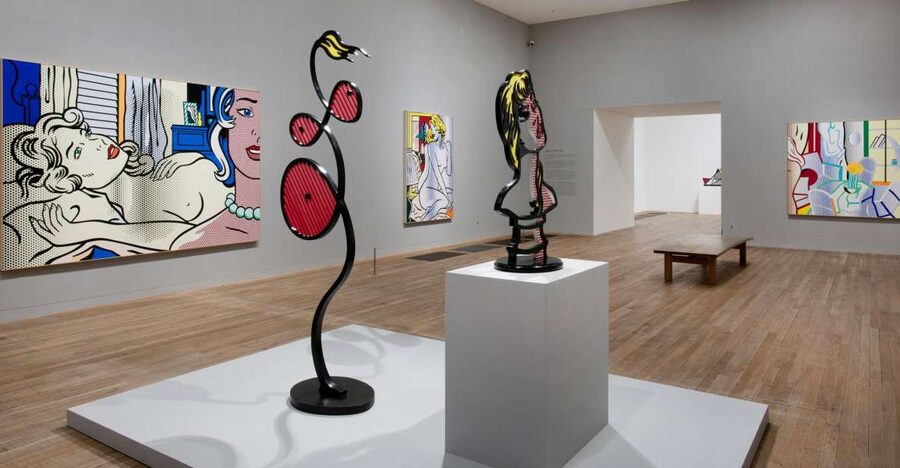
Tate Modern can feel like a grand warehouse of famous names, so this 2.5-hour guided walk gives the collection a useful human shape. You move from Monet and Picasso to Mondrian, Rothko, Warhol, and Duchamp, with an art historian explaining why these artists changed the rules.
I like the eight-person maximum, which should make it easier to ask questions than on a large museum tour. I also like the mix of familiar stars and harder cases, including Duchamp’s Fountain, where you can stop admiring and start arguing. The main drawback is value: at $112 per person, the tour needs a strong guide to feel worthwhile, and one review found the presentation too standard for the price.
Key points at a glance
- Mondrian’s simple lines get a proper explanation: See how squares, color, and exact structure became a serious artistic revolution.
- The tour covers major modern art movements: Impressionism, abstraction, abstract expressionism, and Pop Art all appear in the route.
- You can discuss Picasso, Dalí, Warhol, and Duchamp: This is not only a greatest-hits walk, since the tour also asks you to question what art can be.
- Small groups keep the visit personal: Choose a private tour or a semi-private option capped at eight people.
- Skip-the-line entry saves time: You get more of your 2.5 hours inside the museum rather than waiting at the ticket line.
- Check the advertised extras carefully: Chinatown food and timed Buckingham Palace entry appear among the highlights, but the detailed inclusions do not list either one.
Why Tate Modern works well with a guide
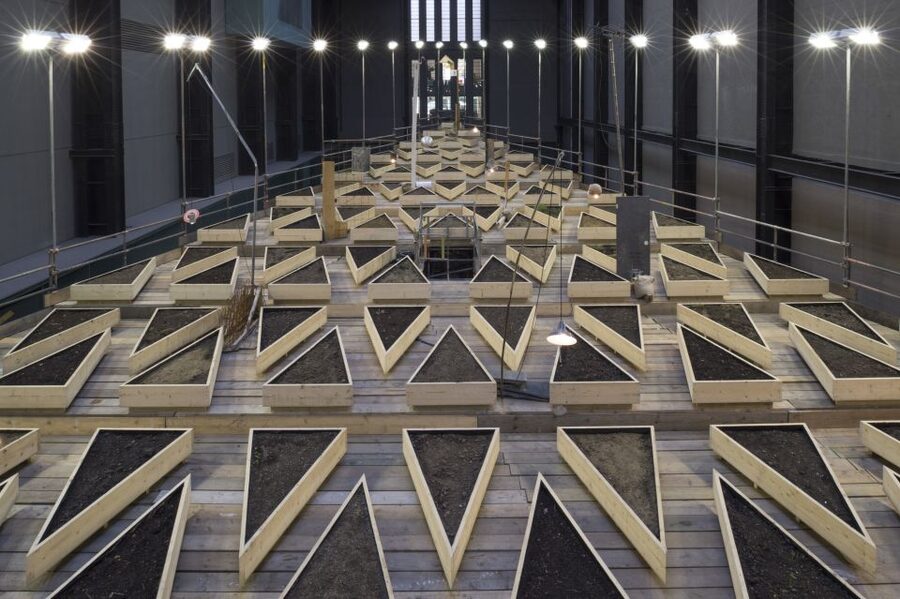
Tate Modern is a museum where a little structure helps. Famous names are everywhere, but modern art can leave you wondering why a canvas with a few blocks of color deserves such attention. A good guide gives you the missing links: what artists were reacting against, what they were trying to remove, and why a work caused trouble in its own time.
This tour focuses on the 19th and 20th centuries. That range lets you watch painting loosen its grip on traditional subjects and realistic technique. You begin with artists who changed how people looked at light and everyday life, then move toward artists who reduced pictures to lines, color, signs, or familiar commercial images.
I like this approach because it gives you a story rather than a pile of museum labels. The guide can connect one movement to the next and point out why a work that looks simple may have been difficult, strange, or even shocking when first shown.
The value depends heavily on the person leading the group. Becky is named in the feedback as a guide who made a 2.5-hour visit both informative and fun. That is encouraging, but one score of three out of five found the talk fairly standard and too expensive for what was delivered. Keep that contrast in mind. You are paying for interpretation, not simply access to the building.
More Art Museum Tours in London
- Official tickets: Moco Modern & Contemporary Art Museum
★ 4.5 · 1,157 reviews - London: National Gallery Guided Tour with Art Expert Guide
★ 4.7 · 440 reviews - London: Tickets for Moco Modern & Contemporary Art Museum
★ 4.7 · 391 reviews
Monet and the move away from old rules
Claude Monet introduces you to Impressionism, a movement that changed the purpose of painting. Rather than treating a picture as a polished record of a person, place, or event, Impressionists paid close attention to light, color, and the quick effect of a scene.
A guide can make Monet more useful than a familiar name on a wall. Look at how the brushwork suggests changing conditions instead of spelling out every detail. The important point is not only that the painting looks pleasant. It is that the artist asked you to notice your own act of seeing.
This part should suit you if you like art that still offers an easy visual entry point. Monet provides a bridge into more difficult work later in the tour. You can begin with recognizable subjects, then see how later artists decided they did not need to represent the world in a traditional way at all.
The exact works on view can change, and temporary exhibitions are not included. That matters if you are hoping to see one particular painting. The tour is built around the museum’s collection and the major artists and movements listed for the experience, not a guarantee of every named work.
Picasso and Dalí in a troubled Spain
The tour then brings in Pablo Picasso and Salvador Dalí, two Spanish-born artists with very different styles and reputations. Their work is tied to the upheaval of the Spanish Civil War, and the guide uses that setting to explain how art can respond to fear, violence, and political crisis.
Picasso gives you a chance to consider how an artist can break a subject into competing viewpoints. Dalí pushes the conversation toward dreams, symbols, and unsettling images. You do not need to arrive with a working knowledge of Cubism or Surrealism. The point of the guide is to supply enough context for you to see why these artists made such unusual choices.
This is one of the stronger parts of the advertised route because it adds human stakes to formal changes. Modern art is not only a contest to see who can make the strangest picture. Artists were also responding to war, politics, new ideas, and a world that seemed to be changing faster than old artistic methods could handle.
Expect some conversation rather than a silent march from painting to painting. The description specifically frames the visit as a chance to discuss the artists and their ideas. In a small group, you should have a better chance to ask why a work looks the way it does or how it connects to the period around it.
Mondrian and the power of a square
Piet Mondrian may be the artist who best tests your patience and your assumptions. His lines and squares can look almost childishly plain at first glance. The guide’s job is to show why that simplicity was not laziness and why exact placement mattered.
Mondrian reduced painting toward vertical and horizontal structure, limited color, and balance. That can sound dry on paper, but the work becomes more interesting when you realize how much tension can sit in a line that is only slightly off-center or a color block that seems carefully held in place.
I like this stop because it gives you a practical question to carry through the rest of the museum: how little can an artist use and still create a powerful image? After Picasso and Dalí, Mondrian removes much of the subject matter. You are left with arrangement, rhythm, and the feeling created by small decisions.
The tour description says his lines and squares baffled other artists with their simplicity and exactitude. That is a useful idea to keep in mind, but do not expect a private lecture on every phase of his career. The experience lasts 2.5 hours and covers several artists, so the guide must keep the pace moving.
More modern and contemporary art in London:
- London: Tate Modern Official Guided Tour
★ 4.6 · 154 reviews - Tate Modern Museum London Guided Tour Semi-Private 8ppl Max
★ 5.0 · 41 reviews - The Tate Modern London – Exclusive Guided Museum Tour
★ 5.0 · 41 reviews - Tate Modern Official Discovery Tour
★ 4.0 · 39 reviews
Rothko and the emotional force of color
Mark Rothko takes abstraction in another direction. Instead of using recognizable figures or a clear story, he worked with broad fields of color that can feel calm, heavy, solemn, or strangely absorbing.
A guide can help you avoid the common mistake of asking what the picture is supposed to depict. With Rothko, the better question may be what the color and scale do to your attention. The answer is personal, but context helps you understand why abstract expressionism was not simply a refusal to paint recognizable things.
This stop also gives the tour a change of mood. Monet asks you to look at light. Mondrian asks you to examine order. Rothko asks you to sit with color and sensation. The movement from one approach to another is where a guided visit earns its fee.
Still, you should be realistic. This is a group tour, not a long period of quiet contemplation beside one painting. If Rothko is the main reason you want to visit Tate Modern, check how the guide structures the time before booking. The advertised tour covers many artists, and the museum may adjust what is shown.
Warhol, Marilyn Monroe, and art as a public image
Andy Warhol brings popular culture into the discussion. You can expect to see his treatment of Marilyn Monroe while learning how Pop Art borrowed from advertising, celebrity culture, and mass production.
Warhol is a useful point in the tour because his work looks familiar even to people who do not often visit museums. The famous face is easy to recognize, but the questions underneath are less simple. Is a repeated celebrity image a portrait, a product, a comment on fame, or all three?
The guide can also show how modern artists blurred the border between fine art and ordinary commercial images. That helps explain why Warhol belongs in the same larger story as the artists who came before him. Each generation challenged a different expectation about what art should contain and how it should be made.
You will probably find this section approachable, but it should not be treated as a quick celebrity stop. The best part is the argument about why the image works, why repetition changes its meaning, and how fame itself becomes a subject.
Duchamp’s Fountain and the question nobody can avoid
Marcel Duchamp’s Fountain is the tour’s most direct challenge. It asks whether an everyday manufactured object can become art simply because an artist selects it and places it in an art setting.
You may scratch your head. That is part of the point. The tour specifically invites debate about the merits of the work, so this is a good moment to speak up rather than nod politely. If you dislike it, say why. If you think the idea matters more than the object, explain that too.
Duchamp changes the question from What does this picture show? to Who decides what counts as art? That question links neatly to the other stops. Mondrian reduced the image. Rothko reduced the subject. Duchamp questioned the need for traditional artistic making in the first place.
This is also where a guide’s personality matters most. A dry explanation could make the work feel like a museum exam. A lively one can turn it into a proper conversation. Becky’s feedback suggests that at least one guide has made the visit enjoyable, but the lower score is a reminder that the result may not feel equally strong with every guide.
Small group size, timing, and the $112 price
The listed price is $112 per person for a 2.5-hour experience. That is a serious fee for a museum visit, especially because food, drinks, temporary exhibitions, and hotel pickup are not included.
The price makes more sense if you want interpretation rather than simple admission. You are paying for an art historian guide, skip-the-line entry, and the choice of a private or semi-private format. A group of no more than eight can make it easier to hear, ask questions, and adjust the conversation to your interests.
A private option should suit couples, families, or friends who want more control over the pace. The semi-private option is the better value if you want expert guidance but do not need the whole visit shaped around your group. It requires at least two people to operate. If that minimum is not met, an alternative date or full refund is offered.
The two available ratings point to the central buying decision. One highly positive response praised Becky’s lively and enjoyable two and a half hours. Another found the experience expensive for a fairly standard presentation. At this price, I would book it for a first visit when modern art feels confusing, not simply to gain entry to Tate Modern.
Important questions about the advertised extras
The highlights include eating authentic food in Chinatown and timed entry to Buckingham Palace after the guided tour. Yet the detailed inclusions name only the professional art historian guide and private or semi-private options. They also state that food and drinks are not included.
That creates an important uncertainty. Do not assume Chinatown food is part of the $112 price, and do not assume Buckingham Palace entry is included unless your selected option clearly confirms it. The Tate portion is described in detail, while those two extras are not explained in the same way.
The timing also deserves attention. The Tate visit itself lasts 2.5 hours, and the Buckingham Palace reference says after your guided tour. If you are planning a tightly packed London day, confirm the exact meeting point, start time, and what follows the museum visit before paying.
Meeting points may vary by the option you choose. The tour is conducted in English, and you should bring a valid passport or photo ID. Leave suitcases and large bags behind. Tate Modern allows only handbags or small thin backpacks through security, and museums can occasionally close without advance warning.
A small amount of walking is involved. Wheelchair-friendly arrangements are available only on request, while the general information also says the tour is not suitable for wheelchair users. If accessibility affects your decision, ask for confirmation before booking rather than relying on the general wording.
Who should book this Tate Modern experience
I would recommend it most strongly to a first-time Tate Modern visitor who wants a clear route through major modern art. It is also a good fit if you enjoy asking why a famous work matters, rather than only taking photographs of it.
The tour suits you if you like a mixture of recognizable names and difficult ideas. Monet and Marilyn Monroe offer familiar entry points. Mondrian, Rothko, and Duchamp give the visit its sharper edge.
You may prefer to visit independently if you already know modern art well, want long quiet periods with individual works, or consider $112 too much for a museum conversation. You should also reconsider if temporary exhibitions are your main goal, since they are not included.
The small group format is the strongest practical reason to choose this over a large city tour. Eight people is still a group, but it is small enough for a question to receive an answer instead of disappearing into a crowd. The private option gives you more control, though the price may be harder to justify.
Should you book it?
Book this tour if Tate Modern feels intimidating, you want the major modern movements explained in plain language, and you value a small group with skip-the-line entry. The route covers enough ground to give you a useful framework, and the chance to debate Duchamp is more interesting than a quick parade of famous paintings.
Think twice if you expect an intimate, highly specialized art seminar or if the Chinatown and Buckingham Palace references are central to your plans. Confirm those extras before booking, and remember that the experience depends greatly on the individual guide.
For most first-time visitors who want help making sense of modern art, this is a practical choice, but only if the guide delivers more than standard museum facts. At $112, that distinction matters.
FAQ
How long does the Tate Modern guided tour last?
The guided tour lasts 2.5 hours.
How much does the experience cost?
The listed price is $112 per person.
Is the tour private or shared?
You can choose a private tour or a semi-private tour with a maximum of eight guests.
What language is the tour offered in?
The live tour guide operates in English.
Which artists are discussed?
The tour covers artists including Claude Monet, Pablo Picasso, Salvador Dalí, Piet Mondrian, Mark Rothko, Andy Warhol, and Marcel Duchamp.
Is food included?
No. Food and drinks are not included. The highlights mention authentic food in Chinatown, but you should confirm whether that refers to your selected option.
Is Buckingham Palace entry included?
Timed entry to Buckingham Palace appears among the stated highlights, but the detailed inclusions do not list it. Confirm this before booking if it is important to your plans.
What should I bring, and can I bring luggage?
Bring a valid passport or photo ID. Large bags and suitcases are not allowed inside the museum. Only handbags or small thin backpacks can pass through security.
Just added around London
- A Guided Tour at the National Gallery in London★ 3.5 · 2 reviews
- The Shard Viewing Gallery & Westminster Walking Tour★ 4.0 · 12 reviews
- Women in Art Walking Tour★ 5.0 · 13 reviews
- Best of Westminster Abbey with Upper Gallery & Buckingham Palace★ 4.5 · 15 reviews
- Private Guided Tour of the National Gallery in London★ 4.0 · 8 reviews
- Tate Modern Museum London Guided Tour Semi-Private 8ppl Max★ 5.0 · 41 reviews
- The Tate Modern London – Exclusive Guided Museum Tour★ 5.0 · 41 reviews
- Tate Modern Private Tour in London with Blue Badge Guide★ 5.0 · 3 reviews
Art Museum Tours in London, compared.
Official tickets: Moco Modern & Contemporary Art Museum
Read our review →
National Gallery Guided Tour with Art Expert Guide
Read our review →
Tickets for Moco Modern & Contemporary Art Museum
Read our review →
National Gallery of London Museum Tour Semi-Private 8ppl Max
Read our review →
Day Trip to Paris with Eiffel Tower, Notre Dame and Louvre Museum
Read our review →
British Museum & National Gallery of London Semi-Private 8ppl Max
Read our review →
National Gallery + Guided Tour + Priority Entry
Read our review →
Browse the lists this tour appears in