
REVIEW · THE UK
Belfast: Best of Belfast History, Culture & Art Walking Tour
Belfast makes the most sense when you connect its streets to the people who shaped them. This three-hour walking tour moves from medieval beginnings and Victorian industry to Titanic, punk, the Troubles and today’s creative scene, without treating Belfast as a city defined by one difficult chapter.
I like the short route of less than two miles, which leaves room for stories instead of a forced march. I also like the headsets, especially in a city centre where traffic and passing crowds can swallow a guide’s voice. The main consideration is pace: one reviewer felt the tour ran too long, and three hours on your feet may feel substantial in wet or windy weather.
Key points at a glance
- Fourteen stops across central Belfast: See the Cathedral Quarter, Waterfront, historic Entries, public art and major architectural sights.
- A wider story than the Troubles: Learn about linen, trade, religion, rebellion, music, social change and the people who built the city.
- Strong local storytelling: Guides including Mark, Steve, James, Chris and Mylie bring personal warmth, humour and useful city advice.
- Headsets make a real difference: You can hear the guide clearly while walking or standing in busy streets.
- A helpful first-day tour: Finish with ideas for restaurants, pubs, Irish music, shops and free things to do.
- Good value at $35: Three hours, a local guide and a broad city introduction make the price reasonable for a first visit.
Why this is a smart first look at Belfast
Belfast is not difficult to walk, but it can be difficult to read. A grand Victorian building may point to the linen trade. A narrow lane may preserve a trace of an older city. A piece of street art may reflect politics, music or the city’s current attempt to reshape itself.
That is where this tour earns its keep. Instead of handing you a list of sights, the guide links them. You learn how Belfast grew from a small settlement by the River Lagan into an industrial centre with global reach, then how economic change, political division and social pressure affected daily life.
The tour also gives proper space to subjects that often get squeezed together. Titanic and the Troubles receive context, but they are not the whole story. You also hear about merchants, reformers, rebels, artists, workers, musicians and ordinary acts of kindness that helped shape the city.
I would book this near the start of your stay. The route gives you a useful mental map, and the restaurant, pub, music and shopping advice can help you plan the rest of your time.
A few more gallery visits around the UK worth comparing
- London Natural History Museum with Dinosaurs Gallery Private Tour for Kids
★ 5.0 · 4 reviews - Venice: St. Mark Basilica Ticket, Audioguide+History Gallery
★ 3.9 · 4,780 reviews - Paris: Louvre Museum Entry with History of Mona Lisa
★ 3.9 · 2,823 reviews
Meeting at Belfast City Hall
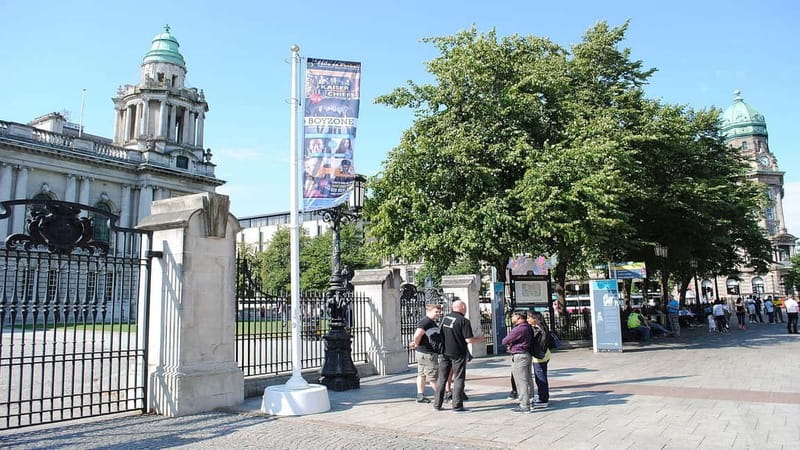
The tour begins at the front gates of Belfast City Hall on Donegall Square North. That is a practical meeting place because it is central and easy to identify.
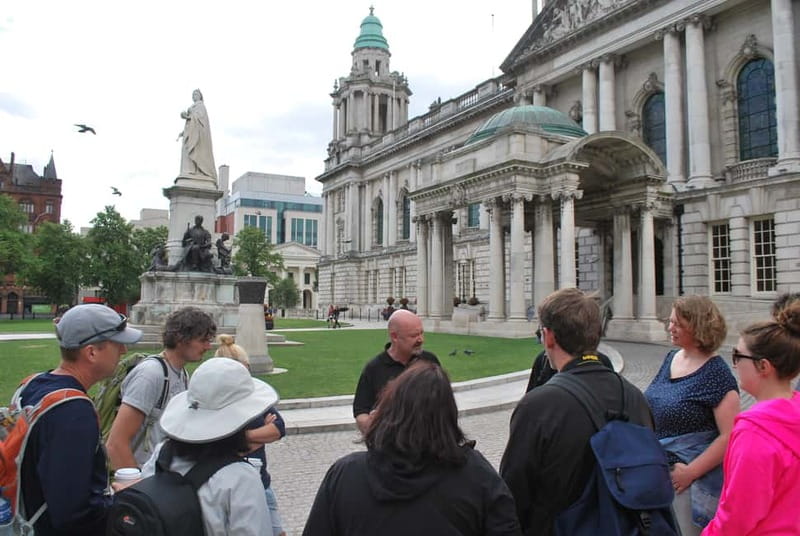
Look for a guide wearing a black jacket or T-shirt with the DC Tours logo on the left side. Since the group may include people arriving from different parts of the city, allow yourself enough time to find the gates rather than turning up at the last second.
City Hall also sets the right tone for the walk. Its Victorian scale points to Belfast’s period of industrial confidence, when the city’s wealth came from shipbuilding, linen and commerce. From here, the guide can begin explaining how Belfast developed and why its architecture looks the way it does.
From medieval settlement to industrial Belfast
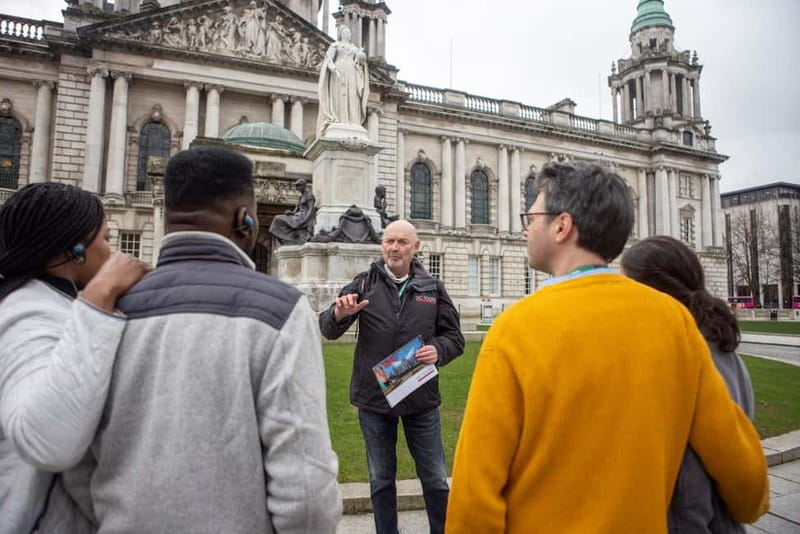
The opening section puts the city into a longer time frame. That matters because Belfast can otherwise seem like a place whose story begins with the shipyards or the twentieth century.
You hear how the settlement grew around the river, how trade helped it expand and how industry changed both the city centre and the lives of its people. The linen trade receives particular attention, along with the social and economic structures that shaped Belfast during its industrial rise.
This is a useful part of the tour for anyone who wants more than famous names. The guide does not just point at impressive buildings. You learn what their scale suggests about wealth, ambition and the people whose work supported that success.
The strongest guides also connect the grand story to human lives. Steve, James, Mark, Chris, Mylie, Colin and other DC Tours guides have been praised for explaining facts clearly, adding personal stories and keeping the mood light without making serious subjects trivial.
Victorian buildings and modern architecture
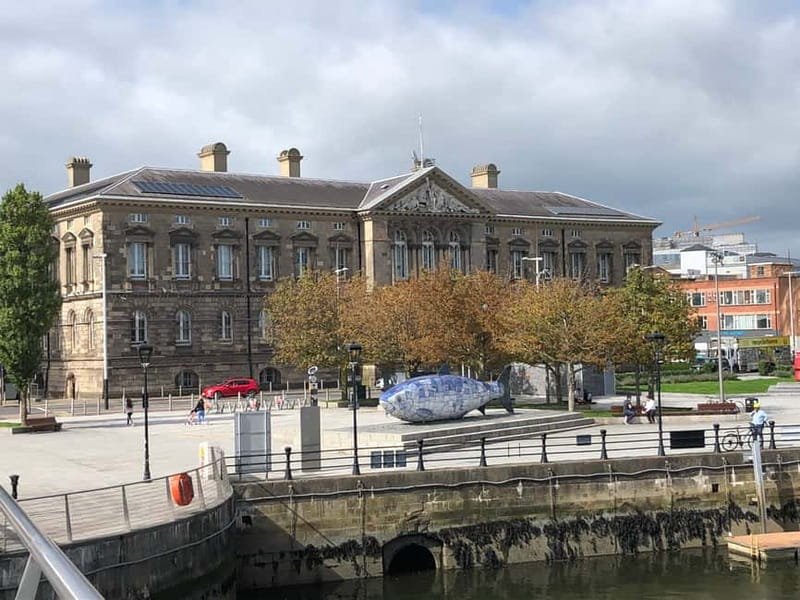
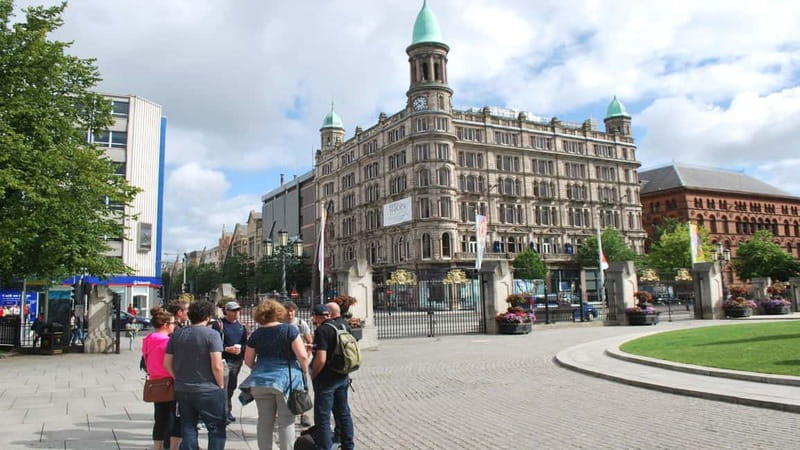
Belfast rewards anyone who looks up. The tour points out Victorian architecture and explains how the city’s buildings reflect its commercial past.
You might notice details you would otherwise pass without a second thought: decorative stonework, the size of a public building, a narrow frontage or the way an older structure sits beside a newer one. The guide helps you see architecture as evidence, not just decoration.
The route also includes modern architecture and public art. These newer features matter because they show Belfast trying to express a present identity rather than simply preserve its past.
This is one of the tour’s better balances. You get the grand Victorian story, but you also see the city as a working, changing place. If you prefer buildings and design to political history, there is enough here to keep you interested. If history is your main reason for booking, the architecture gives you visible reference points for the stories.
More art walks around the UK:
- Women in Art Walking Tour
★ 5.0 · 13 reviews - The Shard Viewing Gallery & Westminster Walking Tour
★ 4.0 · 12 reviews - London Walking Tours eg Dickens Ted Lasso or National Gallery
★ 5.0 · 9 reviews - London: The Shard Viewing Gallery & Westminster Walking Tour
★ 5.0 · 2 reviews
The historic Entries and overlooked lanes
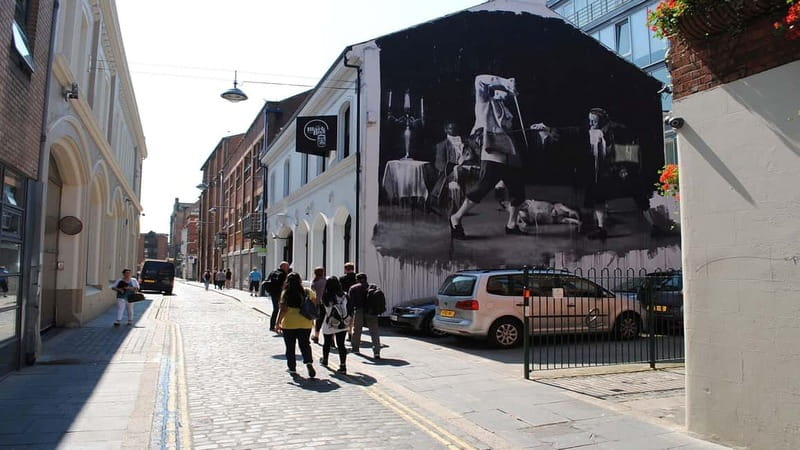
The historic Entries are among the most useful stops for understanding old Belfast. These narrow lanes are easy to miss if you stick to the main streets, yet they reveal how the city once worked on a more intimate scale.
The guide explains the stories connected with these passages and points out details that do not announce themselves. This is the sort of stop that makes a guided walk worthwhile. You could pass through the same area alone and see only a shortcut.
The Entries also break up the grand civic architecture. After hearing about industry, wealth and public buildings, you get a closer sense of the older city and its everyday movement.
The walking is not strenuous, and the entire route is under two miles. Still, you are stopping often, listening, turning to look at buildings and moving through streets. Wear shoes you can comfortably use for three hours, and bring weatherproof clothing. The tour runs in rain or shine, and Belfast weather can change quickly.
Cathedral Quarter, music and street art
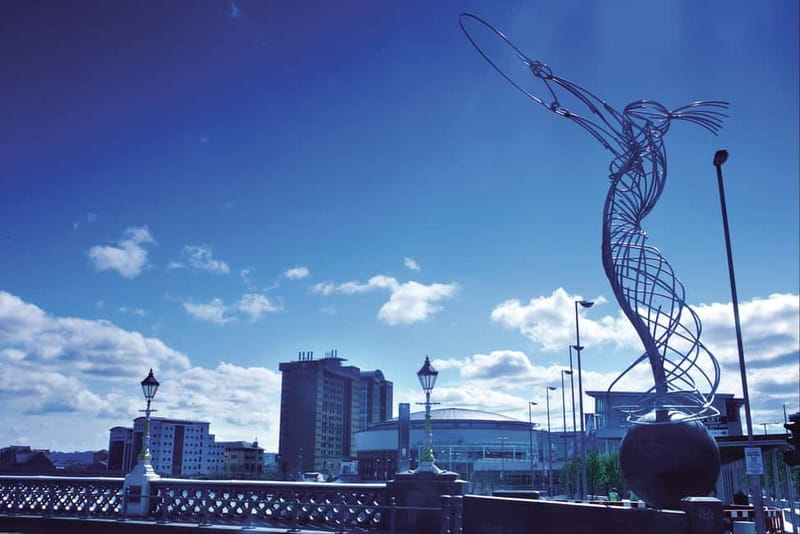
The Cathedral Quarter is treated as more than a nightlife district. You learn why it became a cultural and creative centre, and how its identity connects to Belfast’s wider changes.
Expect stories about pubs, music, art and the people who helped shape the area. The guide also explains where to hear the best Irish traditional music, which is useful advice if you want to do more than take photographs.
Punk receives attention too. That is a welcome choice. Belfast’s music story is not limited to traditional sessions or polished entertainment. Punk reflects another side of the city: blunt, energetic and willing to challenge authority.
Street art adds another layer. Public art can show how a place remembers, argues, jokes and tries to move forward. The guide’s explanation helps you understand why a wall or alley matters instead of treating it as background for a photograph.
The Cathedral Quarter is also where you may get practical recommendations for food and drink. Several guides, including Mark, Steve, James and Chris, have been praised for sharing useful suggestions during the walk.
The Waterfront and the River Lagan
The route reaches the Waterfront and the River Lagan, giving you a different view of Belfast’s development.
The river helps explain the city’s trade and industrial growth. It also gives the walk some breathing space after the tighter lanes and busier streets of the centre. Here, the connection between Belfast and shipbuilding becomes easier to picture, especially when the guide places the Titanic story within the city’s larger industrial story.
That context is important. Titanic is famous around the world, but Belfast’s story is not simply a ship and a museum. The tour uses it as one part of a larger explanation of industry, ambition, labour and the city’s relationship with the water.
Do not expect a dedicated Titanic museum visit on this walk. You are learning the setting and the surrounding history from the streets. If Titanic is your main interest, you will likely want a separate visit to Titanic Belfast. If you want to understand how the ship fits into the city’s story, this tour provides a useful starting point.
The Troubles, handled with care
The Troubles are included, but the tour does not make them the sole subject. This is one of its most important strengths.
You receive enough background to understand how religion, politics, identity and the creation of Northern Ireland affected Belfast. The guide also addresses the human cost and, in at least some tours, the idea of trauma passing between generations.
The approach is described as neutral and balanced, which does not mean bland. A good account of Belfast needs to explain different viewpoints without turning the walk into a political argument. The guides aim to provide context, answer questions and show how the past still affects the city.
The subject can be heavy, especially for visitors with a personal connection to Ireland or Northern Ireland. The tour’s wider structure helps. Music, architecture, local legends, industry and everyday stories prevent the experience from becoming three hours of conflict history.
If you want a detailed tour of murals, peace walls and specific communities, this may not be the right product. This is a city-wide introduction with some coverage of the Troubles, not a dedicated political or conflict walk.
Legends and the people behind the city
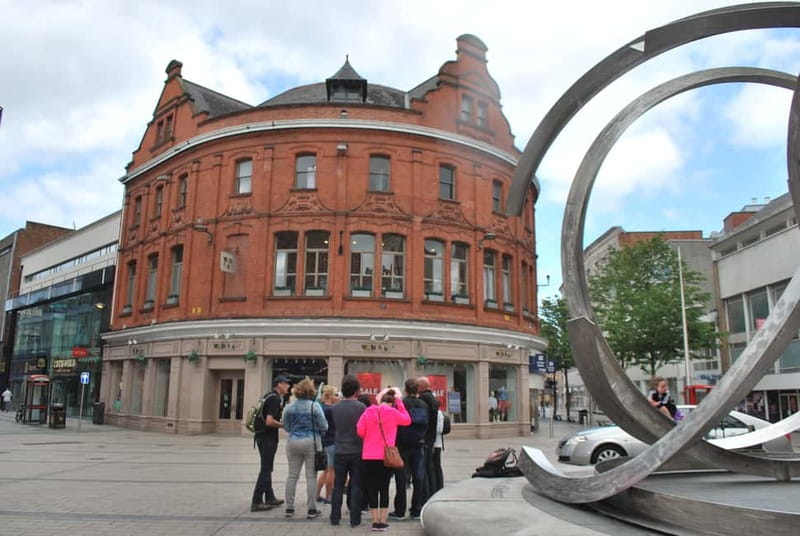
The tour adds local legends such as the Salmon of Knowledge. Stories like this give you a feel for how Belfast explains itself through folklore as well as dates and monuments.
You also hear about merchants, rebels, reformers and artists. The human focus is central to the experience. Belfast becomes easier to understand when you meet the people behind its industries, institutions and cultural movements.
The guides’ different personalities are part of the appeal. Mark is frequently described as clear, well organised and good at choosing the right amount of detail. Steve is known for bringing facts to life with humour and passion. James is praised for warmth, wit and strong local knowledge, while Chris is often noted for engaging storytelling and a dry sense of humour.
Mylie has been praised for linking names and events as the walk moves through the streets. Colin is noted for speaking clearly and answering questions. You cannot choose your guide with certainty, but the range of feedback suggests that the company’s strength is not tied to one person alone.
Why the headsets matter
Each person receives a headset so you can hear the guide clearly. This may sound like a small detail, but it improves a walking tour considerably.
You do not need to crowd around the guide or worry about missing a sentence when traffic passes. You can stand at a comfortable distance while still following the explanation. The headsets are especially useful when the guide is pointing out details on several sides of a street.
The equipment also supports the tour’s story-led style. You can keep looking at the building or artwork instead of watching the guide’s face to catch every word.
The trade-off is that you need to handle the headset carefully and stay alert to the group’s movement. You are walking through a city, not sitting in a theatre, so keep an eye on where the group is going.
A short break inside a three-hour walk
A brief coffee and comfort stop has been built into some versions of the route, including a stop near a theatre. This is a sensible touch.
Three hours is a long time to listen and walk without a pause, even on a short route. The break gives you a chance to use the facilities, buy a drink and reset before the final section.
It also keeps the tour from feeling like a lecture. You can ask follow-up questions, compare notes with your companions and get more personal recommendations from the guide.
The exact timing may vary, so do not treat the break as a full meal stop. Have breakfast or lunch before the tour if you need something substantial.
Is $35 a fair price?
At $35 per person, this is good value if you want a broad first introduction to Belfast.
You receive three hours with a local English-speaking guide, a route covering 14 stops and headsets that help you hear the commentary. The walk also saves you the time it would take to research the city’s history and then find the lesser-known lanes and architectural details on your own.
The value is strongest for first-time visitors. If you already know central Belfast well, some of the introductory material may feel familiar. A specialist tour focused only on music, architecture, Titanic or the Troubles could give you greater depth in one area.
The small-group experience reported on some dates is another advantage, though group size can change. The guide may learn your names, answer individual questions and adjust the emphasis to suit the people present.
Free cancellation up to 24 hours before the start and the option to reserve now and pay later add useful flexibility. The tour is also wheelchair accessible, though you should still consider the weather and the practical demands of a three-hour city walk.
Who should book this walk?
I would recommend it to:
- First-time visitors who want a clear introduction before exploring alone.
- People who enjoy history told through buildings, streets and personal stories.
- Families with older children or teens who can manage light historical themes.
- Visitors who want the Troubles explained as part of a larger Belfast story.
- Anyone looking for reliable suggestions for food, music, pubs and free activities.
- Travellers arriving for a short stay who need to make their time count.
I would think twice if you want a specialist Titanic visit, a detailed political tour or a very short orientation. Three hours is reasonable, but it is still a commitment, especially in poor weather.
Practical advice before you go
Wear comfortable shoes and clothing suited to the forecast. The walk covers less than two miles, but Belfast rain and wind can make any outdoor tour feel longer.
Bring questions. The guides are described as welcoming and willing to explain points in more detail, and the best moments often come when you connect a historical fact to something you have noticed in the street.
Try to take the tour early in your stay. Write down the suggestions for music, restaurants and pubs, then use the rest of your visit to follow up.
Should you book the Best of Belfast walking tour?
Yes, if you want Belfast explained as a living city rather than a checklist of landmarks. The tour gives you architecture, music, folklore, industry, Titanic, the Troubles, public art and practical local advice in one manageable route.
Its real value is the balance. You learn about difficult history without being trapped inside it, and you see Belfast’s effort to build a future without pretending the past has disappeared. At $35, that is a sensible investment for your first day or two in the city.
FAQ
Where does the Belfast walking tour begin?
The meeting point is at the front gates of Belfast City Hall in Donegall Square North.
How long is the tour?
The tour lasts three hours.
How far do you walk?
The entire route is less than two miles and includes 14 stops.
Which parts of Belfast does the tour visit?
The tour visits the Cathedral Quarter, the Waterfront and historic Entries. It also includes architectural sights, public art and other central Belfast locations.
Is the tour conducted in English?
Yes. The live guide conducts the tour in English.
Are headsets provided?
Yes. Headsets are included so you can hear the guide clearly during the walk.
Is the tour wheelchair accessible?
Yes, the activity is listed as wheelchair accessible.
What should I bring?
Bring comfortable shoes and clothing suitable for the weather. The tour runs in rain or shine.
Just added around the UK
- A Guided Tour at the National Gallery in London★ 3.5 · 2 reviews
- The Shard Viewing Gallery & Westminster Walking Tour★ 4.0 · 12 reviews
- Women in Art Walking Tour★ 5.0 · 13 reviews
- Best of Westminster Abbey with Upper Gallery & Buckingham Palace★ 4.5 · 15 reviews
- The Tate Modern London – Exclusive Guided Museum Tour★ 5.0 · 41 reviews
- Private Guided Tour of the National Gallery in London★ 4.0 · 8 reviews
- Tate Modern Museum London Guided Tour Semi-Private 8ppl Max★ 5.0 · 41 reviews
- Tate Modern Private Tour in London with Blue Badge Guide★ 5.0 · 3 reviews
Art Museum Tours in the UK, compared.
Official tickets: Moco Modern & Contemporary Art Museum
Read our review →
National Gallery Guided Tour with Art Expert Guide
Read our review →
Tickets for Moco Modern & Contemporary Art Museum
Read our review →
National Gallery of London Museum Tour Semi-Private 8ppl Max
Read our review →
Day Trip to Paris with Eiffel Tower, Notre Dame and Louvre Museum
Read our review →
British Museum & National Gallery of London Semi-Private 8ppl Max
Read our review →
National Gallery + Guided Tour + Priority Entry
Read our review →
Browse the lists this tour appears in