
REVIEW · ROME
Skip the line Vatican Museum Sistine & St.Peter Private Tour
The great strength of this Vatican tour is its private guide. Instead of being carried along in a large group, you can ask questions, set the pace, and focus on the art that matters most to you. The route covers the Vatican Museums, the Sistine Chapel, and St. Peter’s Basilica in three hours.
I like the skip-the-line access, which matters greatly at the Vatican, and I like the broad mix of art, from the ancient Laocoön to Raphael’s frescoes and Michelangelo’s Pietà. The main drawback is the price: at $1,693.85 per person, this is a major splurge, and the three-hour visit may feel short for such a large complex.
Key points to know before booking
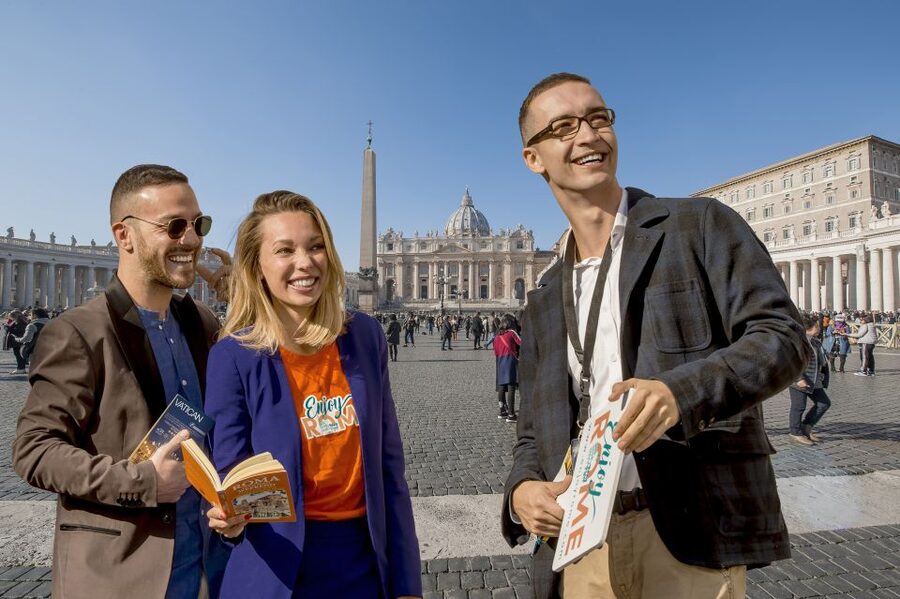
- Private and adaptable: Your guide can shape the visit around your interests instead of following a fixed group pace.
- Three major Vatican stops: The tour includes the Vatican Museums, Sistine Chapel, and St. Peter’s Basilica.
- Skip-the-line entry: You avoid the regular ticket line at the Vatican Museums and Sistine Chapel, with priority access for St. Peter’s Basilica.
- Strong guide element: Veronica, Davide, and Pasquale are among the guides praised for clear explanations, lively delivery, and personal attention.
- Dome tickets are excluded: You enter St. Peter’s Basilica, but climbing or visiting the dome is not part of this package.
- Dress and mobility matter: Shoulders and knees must be covered, and the tour is not suitable for wheelchair users or people with mobility impairments.
Why a private Vatican tour can be worth the cost
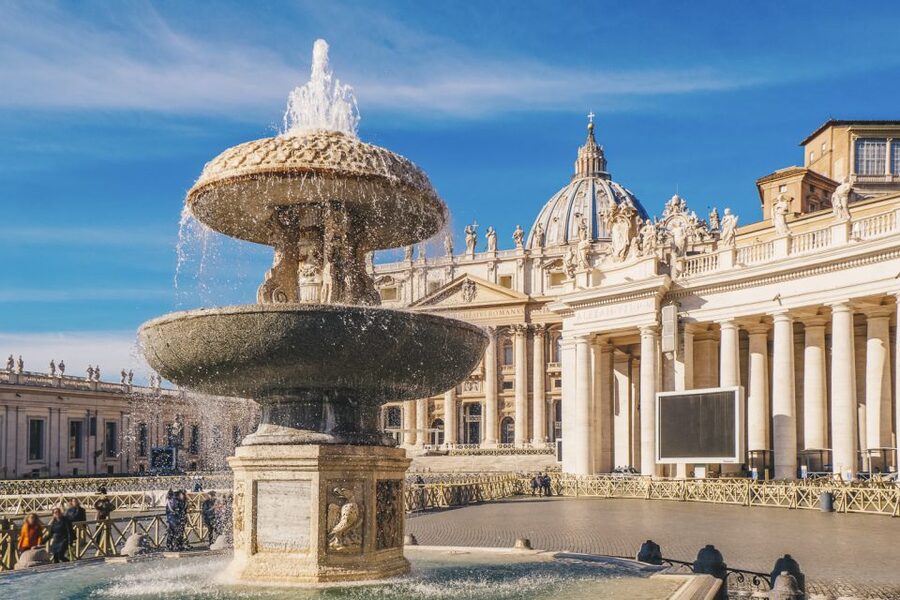
The Vatican is not one attraction. It is a huge collection of galleries, chapels, courtyards, ancient sculpture, religious paintings, ceremonial objects, and historic rooms. Without a plan, you can spend hours walking past famous works without understanding why they matter.
A private guide changes the experience. You can ask why Michelangelo painted the Sistine Chapel, how Raphael’s rooms functioned, or what makes Bernini’s work different from the art around it. If you are traveling with family or a small group, you can also ask the guide to adjust the pace.
That personal service is the clearest reason to consider this tour. Davide, Veronica, and Pasquale are specifically associated with strong feedback for storytelling, attention, and explanations in several languages. Davide was also noted for offering useful suggestions for the rest of a Rome visit. Your assigned guide may be different, but the tour is built around this one-to-one format.
The price deserves a blunt look. At $1,693.85 per person, the tour costs far more than a standard timed Vatican admission or a large-group guided tour. You are paying for privacy, a licensed guide, skip-the-line arrangements, and a route adjusted to your interests. For a group that values comfort and focused attention, that may be worthwhile. For a couple or solo visitor watching the budget, it is difficult to justify unless the private format is especially important.
More Art Museum Tours in Rome
- Vatican Museums, Sistine Chapel & St. Peter’s Basilica Tour
★ 4.3 · 73,970 reviews - Vatican Museums, Sistine Chapel & St Peter’s Basilica Guided Tour
★ 4.5 · 39,149 reviews - Rome: Vatican Museums, Sistine Chapel and Basilica Tour
★ 4.3 · 16,039 reviews
Meeting at Ottaviano and preparing for the Vatican
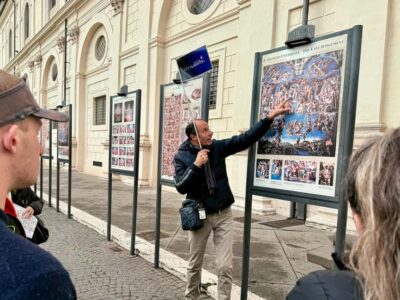
You meet at Tours About, reached by taking Metro Line A to Ottaviano. Arrive at least 25 minutes before departure. That early arrival matters because the Vatican schedule is strict, and a late start can reduce the time available inside.
The meeting point provides free Wi-Fi, bathroom access, and a station for recharging devices. Those are small conveniences, but useful before three hours of sightseeing. Transportation to the meeting point is not included, so you will need to arrange your own way there.
Dress carefully. The Vatican requires covered shoulders and knees, and entry can be refused if your clothing does not meet the rule. Avoid shorts, short skirts, and sleeveless shirts. This is not the place to rely on a last-minute cover-up unless you have one with you.
The tour is offered in English, French, Spanish, Italian, and German. Headsets are included, which helps you hear the guide in crowded galleries and large rooms. The group is private, but the specific maximum group size is not stated, so confirm that detail if you are booking for a larger party.
The Vatican Pinacoteca and its paintings
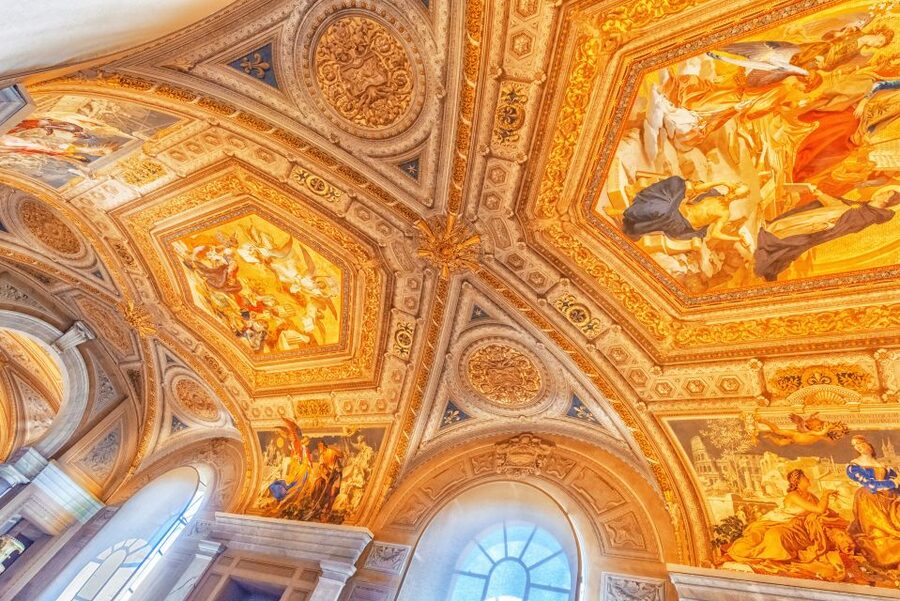
The route can include the Vatican Pinacoteca, the museum’s picture gallery. Its collection covers paintings and tapestries dating from the 11th through the 19th century.
This is a useful first lesson in how the Vatican’s collection developed. You are not looking at one narrow period or one school of art. The gallery gives you a chance to compare religious painting across centuries, then connect those changes with the better-known Renaissance works later in the visit.
Your guide can help you slow down for works by masters such as Caravaggio and Leonardo. Those names draw crowds, but the value of a guide is explaining what you are actually seeing: the handling of light, the arrangement of figures, the emotional tone, and the artistic choices that made these works important.
The Pinacoteca is also a reminder that the Vatican is more than the Sistine Chapel. If you arrive thinking only about Michelangelo, you may miss the range of painting and religious art held in the wider museum.
Ancient sculpture and the Laocoön
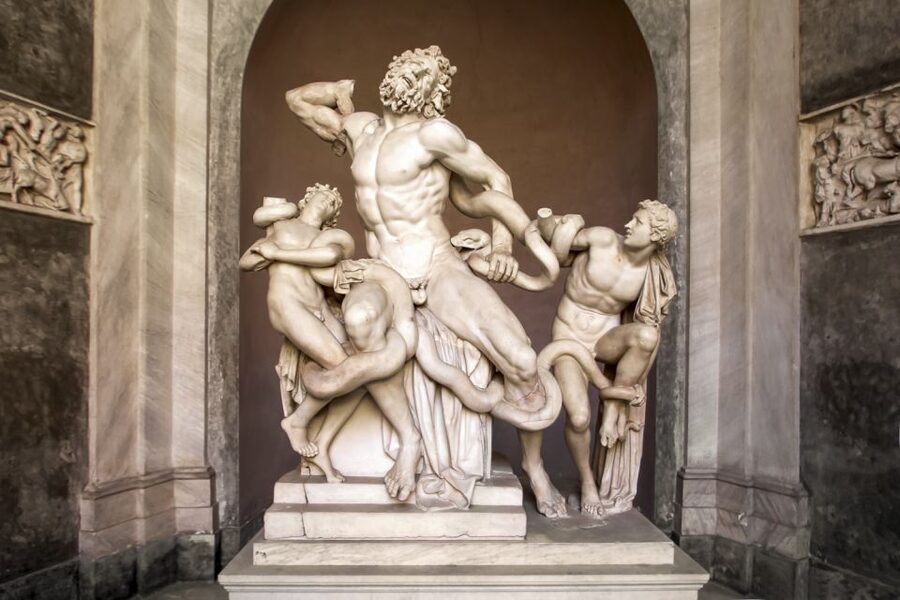
At the Pio-Clementine Museum, you can see ancient sculpture including the colossal Laocoön. This is one of the Vatican’s best-known classical works, and its scale makes a strong impression even before your guide explains the story behind it.
A guided stop here helps put the sculpture in context. You can look closely at the twisting bodies, strained faces, and sense of movement, then compare those qualities with the calmer balance found in other ancient statues. The point is not simply to identify a famous object. It is to see how ancient sculpture influenced later Renaissance artists.
Because the Vatican contains so many statues, it is easy for an unguided visit to become a blur of marble. A private guide can select the works that deserve your attention and keep the visit from turning into a race through every room.
More ways into the Vatican Museums:
- Vatican Museums & Sistine Chapel Skip-the-Line Entry Ticket
★ 4.4 · 13,838 reviews - Rome: Vatican Museums, Sistine Chapel & Basilica Tour
★ 4.7 · 13,217 reviews - Rome: Vatican Museums & Sistine Chapel Guided Tour
★ 4.3 · 12,117 reviews - Vatican Museums & Sistine Chapel Skip-the-Ticket-Line Tour
★ 4.3 · 10,486 reviews
Raphael’s rooms and the power of political art
The tour continues to the rooms associated with Julius II, where important political decisions were once made. These rooms are especially valuable because they connect art with power. They were not just decorated spaces. They were working rooms tied to the papal court and its decisions.
Here you see frescoes by Raphael and his pupils. Raphael’s work is often praised for its balance, clarity, and graceful figures, but the rooms also show how art supported the authority of the people who commissioned it.
I would give this section real attention. The Sistine Chapel gets the headlines, but Raphael’s rooms often provide a clearer chance to study fresco painting. You can stand in front of a scene and discuss the figures, the gestures, and the use of space without the same level of silence and restriction found in the chapel.
The guide’s role is important here. A good explanation can show you where Raphael’s hand is most visible and where pupils helped complete the decoration. That distinction adds useful detail without turning the visit into an academic lecture.
The Carriage Museum and the Borgia Apartments
The Carriage Museum adds an unusual change of pace. Its displays include papal saddles, carriages, automobiles, and sedan chairs. If you enjoy ceremonial objects, transport, or the practical side of papal life, this collection gives you something different from paintings and sculpture.
It also helps humanize the institution. Instead of seeing only grand religious art, you get a look at how popes traveled and how formal public appearances were arranged. The museum may be less essential for a first-time art visitor, so tell your guide if you would rather spend more time with Renaissance painting.
The Borgia Apartments bring you back to decorated rooms. Bernardo di Betto, known as Pinturicchio, and his assistants created the frescoes. These rooms now house part of the Vatican’s Collection of Modern Religious Art, which was inaugurated by Pope Paul VI in 1973.
That combination is one of the more distinctive parts of the route. You move from historic apartments decorated for the Borgia family to a collection showing how religious art continued into the modern period. The contrast helps you see that the Vatican is not frozen in the Renaissance.
Since the tour is private, you can ask for more or less time in these sections. That flexibility is valuable during a short visit. If you are focused on famous Renaissance works, your guide can keep the pace moving. If you enjoy decorative rooms and modern religious art, you can give them more attention.
Michelangelo’s Sistine Chapel
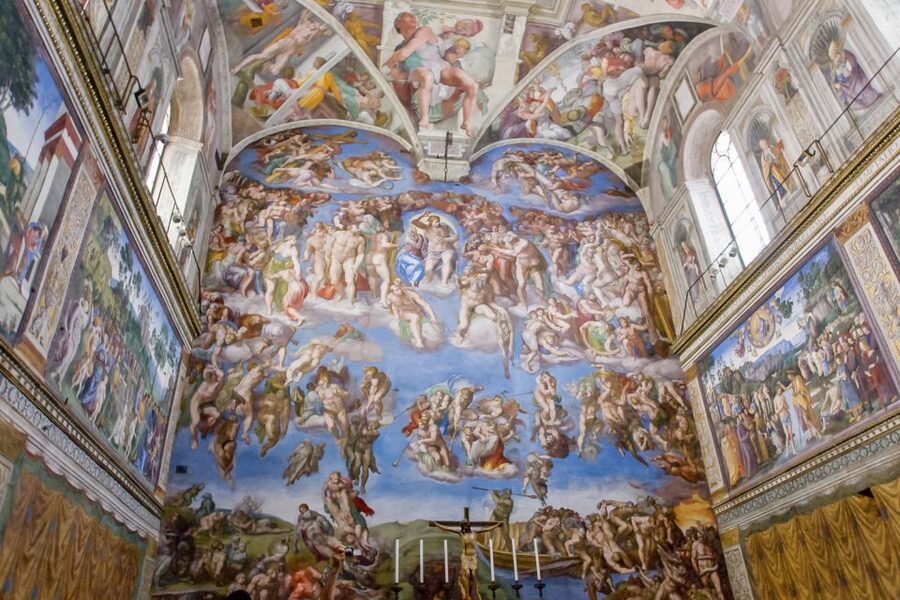
The Sistine Chapel is the emotional center of the tour. Michelangelo’s ceiling and altar wall are among the most familiar works in Western art, yet seeing them overhead is different from viewing photographs.
Your guide can explain the major scenes and the role of the chapel in papal ceremonies. Once inside, expect a more controlled atmosphere than in the museum galleries. The chapel is a place for looking rather than chatting, and visitors must follow its rules. Listen carefully to the guide’s explanation before entering so you can make the most of the time inside.
The chapel can be crowded, and its scale makes it hard to take in every detail. This is where the skip-the-line arrangement is useful. It does not make the room private, but it saves time before reaching the chapel and protects more of your limited three-hour schedule.
Michelangelo was 33 when he began the ceiling and completed it several years later. The tour’s value lies not only in seeing the famous scenes but also in learning how the ceiling fits into the wider story of the Vatican’s art. Your guide can connect Michelangelo’s work with Raphael, Caravaggio, Bernini, and the other artists seen along the route.
Photography rules and other chapel regulations can change, so follow the guide and staff instructions during the visit.
St. Peter’s Basilica and Michelangelo’s Pietà
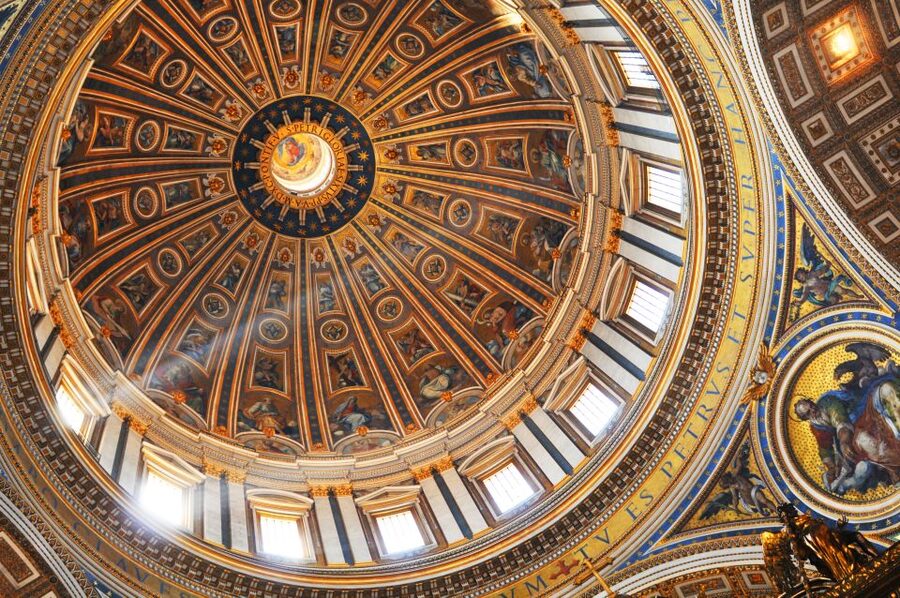
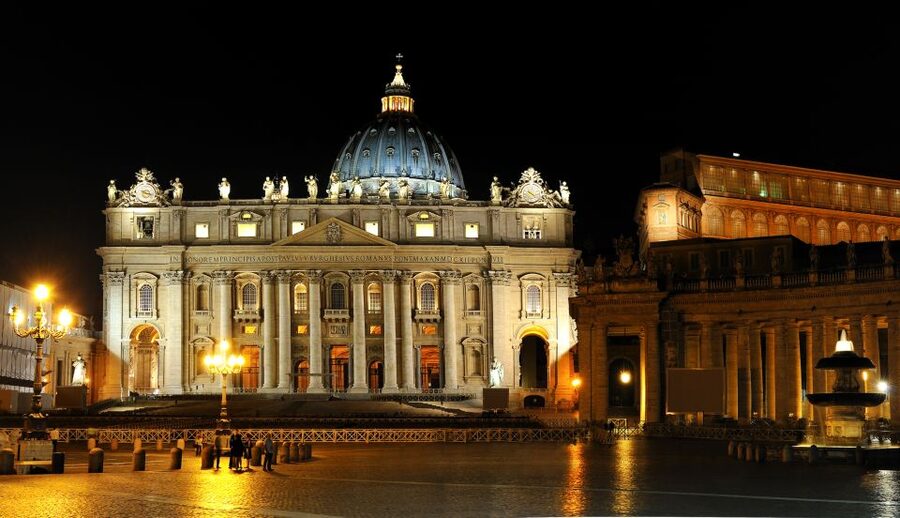
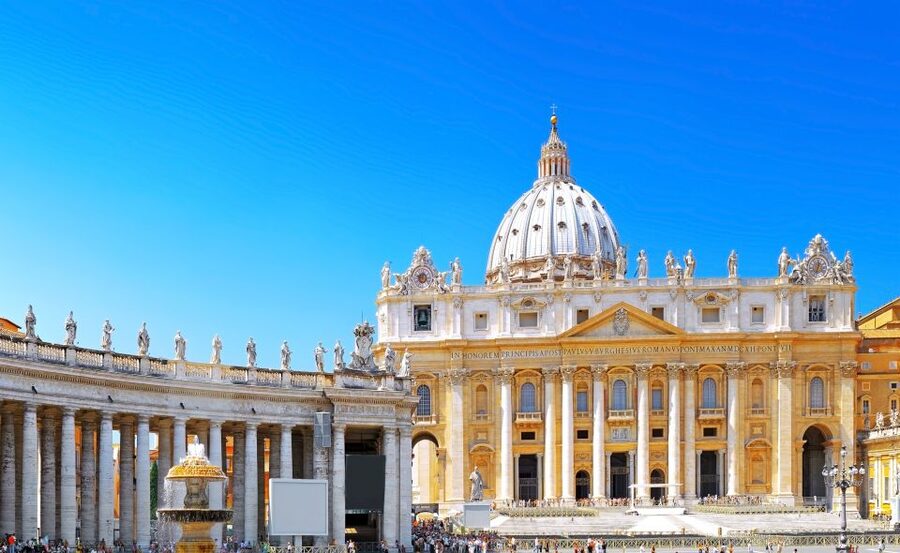
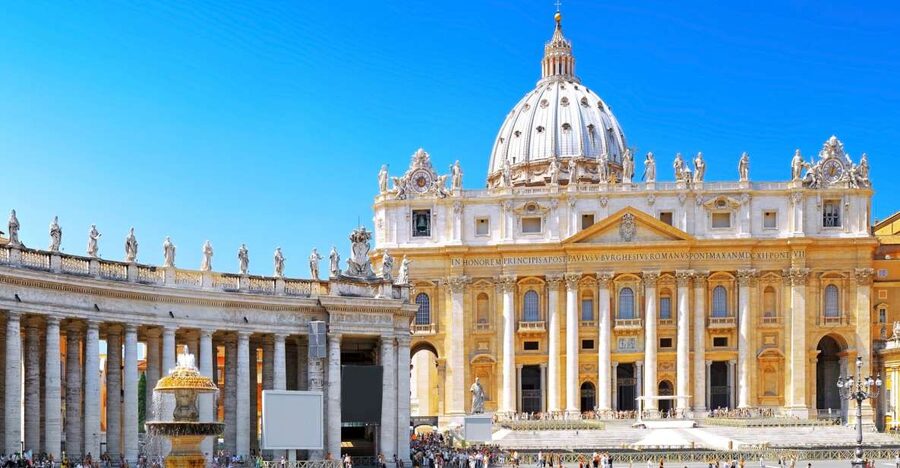
St. Peter’s Basilica is the final stop. The tour includes entry to the basilica with priority access, but it does not include the dome.
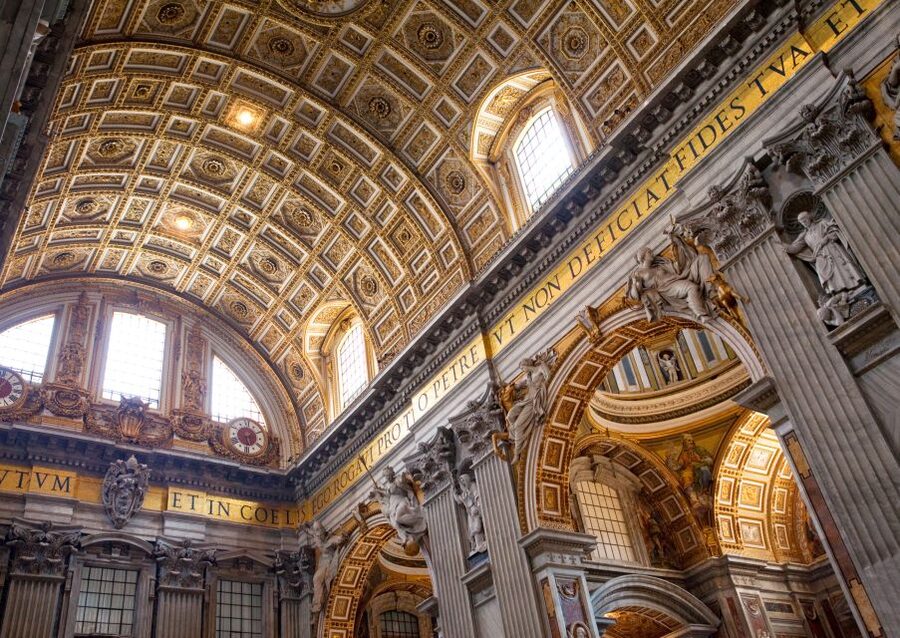
Inside, the scale is the first thing you notice. The basilica is the largest Catholic church in the world, and its size can make individual artworks seem small until you understand their setting. Your guide provides the background needed to read the building as more than a vast interior.
The key work here is Michelangelo’s Pietà, created when he was 25. It shows Mary holding the body of Christ, and its polished marble and quiet expression create a different mood from the forceful scenes of the Sistine Chapel.
The basilica also lets you connect several artists encountered earlier. Michelangelo’s work appears again, while Bernini’s influence is part of the church’s wider artistic setting. The final stop works best when your guide draws those connections together rather than treating the basilica as a quick exit point.
Do not assume that the dome is included because St. Peter’s Basilica is included. Dome tickets and the dome visit are specifically excluded. If climbing or seeing the dome is a priority, you will need a separate plan.
Timing, closures, and practical limits
Three hours is enough for a well-managed highlight tour, but it is not enough for every room and object in the Vatican Museums. You should decide before arrival whether your priorities are ancient sculpture, Renaissance frescoes, modern religious art, the Sistine Chapel, or the basilica.
The tour ends back at the meeting point. Transportation during the tour is not included, so plan your route onward from there.
St. Peter’s Basilica is closed on December 24 and December 31. On those dates, the tour visits other parts of the museums instead. The basilica can also close without notice. If that happens, the tour operator replaces the basilica visit with a three-hour visit to the Vatican Museums and Sistine Chapel, without offering a refund.
That policy is worth considering before booking. The Vatican remains an important part of the experience, but if St. Peter’s is the main reason you are paying for this tour, an unexpected closure will change the balance of the day.
Cancellation is flexible up to 24 hours before the start time for a full refund. You can also reserve now and pay later, which helps if your Rome plans are still shifting.
Who will get the most from this tour?
I see this as a good fit for a private group that wants personal attention and does not want to spend time waiting in ticket lines. It is especially useful if members of your group have different interests, since the guide can adjust the emphasis.
It also suits first-time visitors who want the major Vatican sights explained in plain language. The range is impressive: ancient sculpture, Renaissance painting, papal rooms, carriages, modern religious art, Michelangelo’s chapel, and St. Peter’s Basilica.
It is a weaker choice for budget-conscious visitors. The price is unusually high, and a standard group tour or museum entry would cost much less. It is also not suitable for wheelchair users or people with mobility impairments, despite one part of the information describing the activity as wheelchair accessible. The later accessibility notice is clear that the tour is not suitable, so contact the operator before booking if mobility is a concern.
Should you book the private Vatican tour?
Book it if you want a focused, private visit and are willing to pay heavily for convenience, skip-the-line access, and a guide who can tailor the route. The strongest parts are the range of artwork, the chance to ask questions, and the guide-led connections between Michelangelo, Raphael, Caravaggio, and Bernini.
Skip it if the price is likely to bother you, if you want a leisurely full-day museum visit, or if the dome is essential. For the right group, this is an efficient and personal introduction to the Vatican. For everyone else, the cost requires careful thought.
FAQ
How long is the Vatican private tour?
The tour lasts three hours. Starting times vary, so check availability when booking.
What places are included?
The tour includes the Vatican Museums, the Sistine Chapel, and St. Peter’s Basilica.
Is skip-the-line entry included?
Yes. Skip-the-line access is included for the Vatican Museums, the Sistine Chapel, and St. Peter’s Basilica.
Is the tour private?
Yes. It is offered as a private group experience.
Which languages are available?
The tour is available in English, French, Spanish, Italian, and German.
Is St. Peter’s Dome included?
No. Tickets to St. Peter’s Dome and the visit to the dome are not included.
Where does the tour begin?
You meet your guide at Tours About. The meeting point can be reached by taking Metro Line A to Ottaviano.
How early should I arrive?
You should arrive 25 minutes before the scheduled departure time.
What should I wear?
You must cover your shoulders and knees. Shorts, short skirts, and sleeveless shirts are not allowed.
Is the tour suitable for wheelchair users?
No. The additional activity information says the tour is not suitable for wheelchair users or people with mobility impairments.
What happens if St. Peter’s Basilica closes?
If the basilica closes without notice, the tour includes a three-hour visit to the Vatican Museums and Sistine Chapel instead. No refund is offered for that change.
Can I cancel the booking?
Yes. You can cancel up to 24 hours in advance for a full refund. Reserve-now, pay-later booking is also available.
More Skip-the-Line Tickets in Rome
- Rome: Vatican Museums & Sistine Chapel Skip-the-Line Ticket
★ 4.3 · 8,103 reviews - Skip the Line: Vatican Museum, Sistine Chapel + Optional Basilica
★ 4.5 · 6,181 reviews - Rome: Borghese Gallery Skip-the-Line Ticket & Audioguide
★ 4.3 · 4,318 reviews - Rome: Borghese Gallery Guided Tour with Skip-the-Line Entry
★ 4.8 · 2,649 reviews
Just added around Rome
- Colosseum,Vatican Museum & Sistine Chapel in One Day Guided Tour★ 3.5 · 9 reviews
- Vatican Museums and Sistine Chapel last entry Guided Tour★ 5.0 · 3 reviews
- Private Tour Of Rome Highlights And Vatican Museums Skip-The-Line all included★ 5.0 · 4 reviews
- Borghese Gallery Admission Ticket with Audioguide★ 4.0 · 64 reviews
- Caravaggio Art Walking Tour of Rome with Pantheon Visit★ 4.5 · 35 reviews
- Borghese Gallery Skip the Line Guided Tour★ 4.5 · 23 reviews
- Borghese Gallery Ticket with Audioguide★ 3.5 · 51 reviews
- Borghese Gallery VIP Tour – Skip the Line Tickets★ 5.0 · 2 reviews
Art Museum Tours in Rome, compared.
Vatican Museums, Sistine Chapel & St. Peter’s Basilica Tour
Read our review →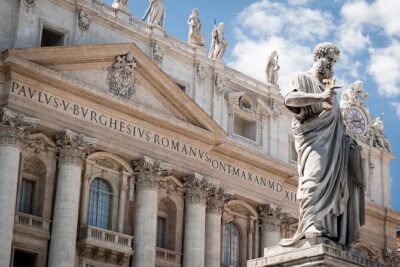
Vatican Museums, Sistine Chapel & St Peter’s Basilica Guided Tour
Read our review →
Vatican Museums, Sistine Chapel and Basilica Tour
Read our review →
Vatican Museums & Sistine Chapel Skip-the-Line Entry Ticket
Read our review →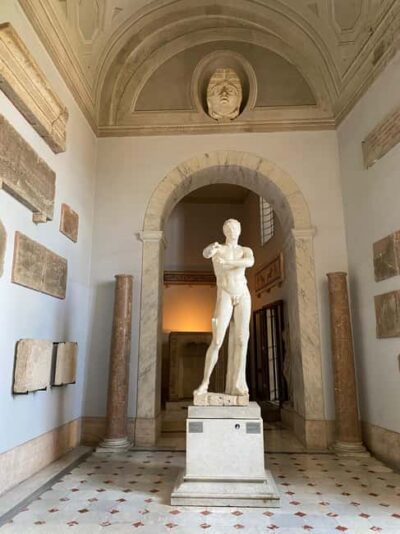
Vatican Museums, Sistine Chapel & Basilica Tour
Read our review →
Vatican Museums & Sistine Chapel Guided Tour
Read our review →
Vatican Museums & Sistine Chapel Skip-the-Ticket-Line Tour
Read our review →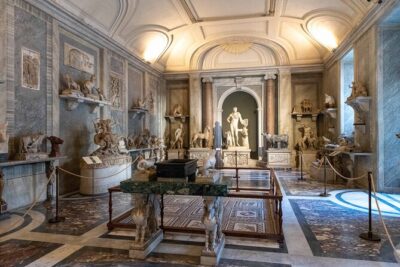
Vatican Museums, Sistine Chapel and St. Peter’s Basilica Tour
Read our review →Browse the lists this tour appears in